Hardy pecan (Carya illinoinensis 'Montgomery')
Carya illinoinensis 'Montgomery' is a hardy pecan tree providing shade and edible nuts for zones 5-9.
Scroll down to discover growing tips, care requirements, companion plants, and more
Complete Plant Information
Overview
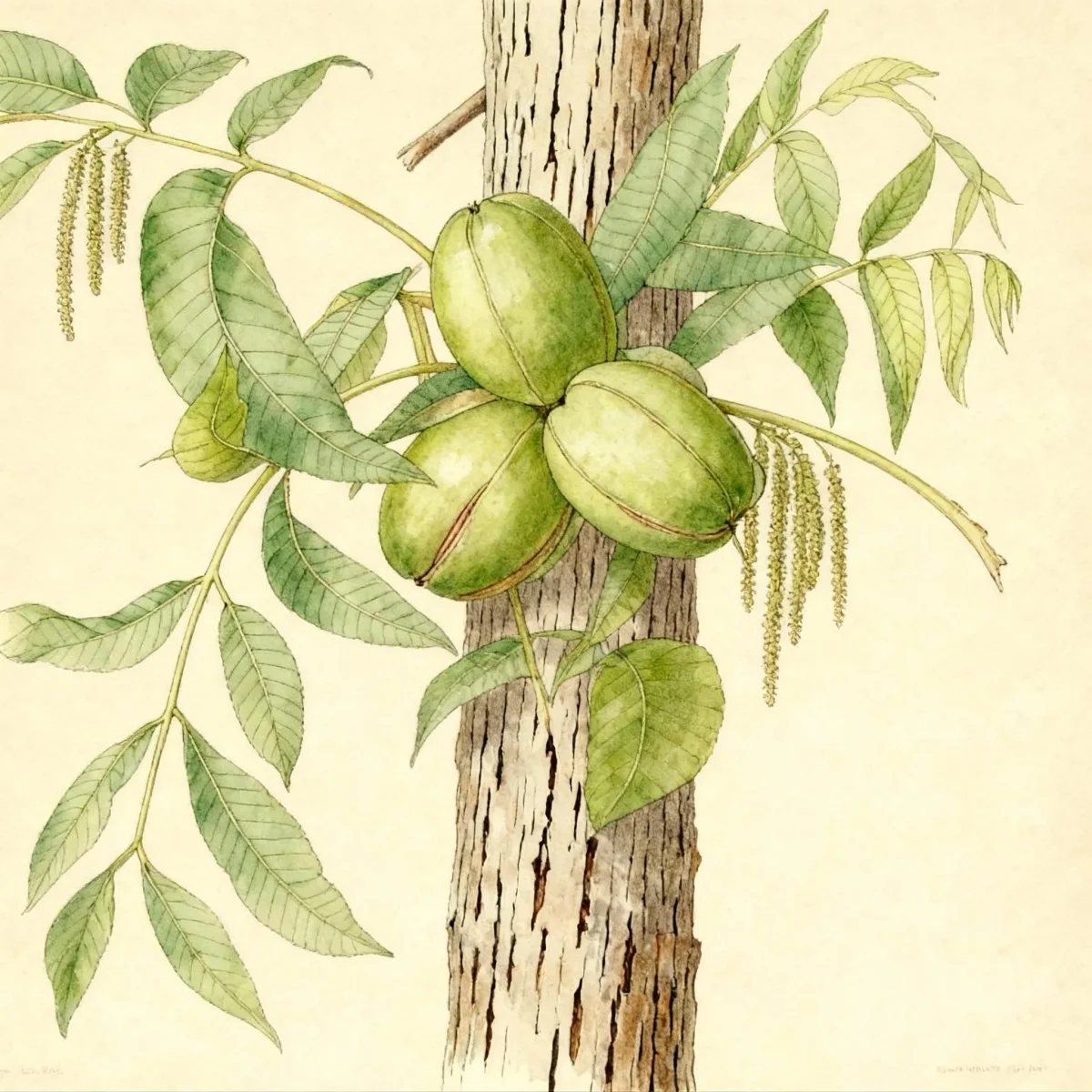
The Carya illinoinensis ‘Montgomery’ cultivar offers gardeners a robust option for growing the classic pecan tree outside of its deepest southern range. Known commonly as Hardy pecan, this large deciduous tree develops into an impressive specimen, providing substantial shade across large properties. While it yields quality nut crops, its initial establishment requires patience, as this variety is known for developing a deep taproot early in its life cycle.
This cultivar retains dark green summer foliage before transitioning to a respectable gold in the fall, adding seasonal interest to the landscape. As a member of the Juglandaceae family, the Hardy pecan provides necessary structure and maturity to expansive landscapes. Gardeners should select its placement carefully to accommodate its significant spread and eventual height.
For successful nut production, gardeners must note that Carya illinoinensis ‘Montgomery’ benefits greatly from cross-pollination, meaning planting a second, different variety is often necessary. While it is a slow starter regarding fruiting, the long-term rewards often make this large hickory worthwhile for those with the space to accommodate it.
Fast Facts
- Plant Family: Juglandaceae
- Plant Type: Tree
- Hardiness Zones: USDA Zones 5-9
- Size at Maturity:
- Height: 40-60 ft
- Spread: 30-50 ft
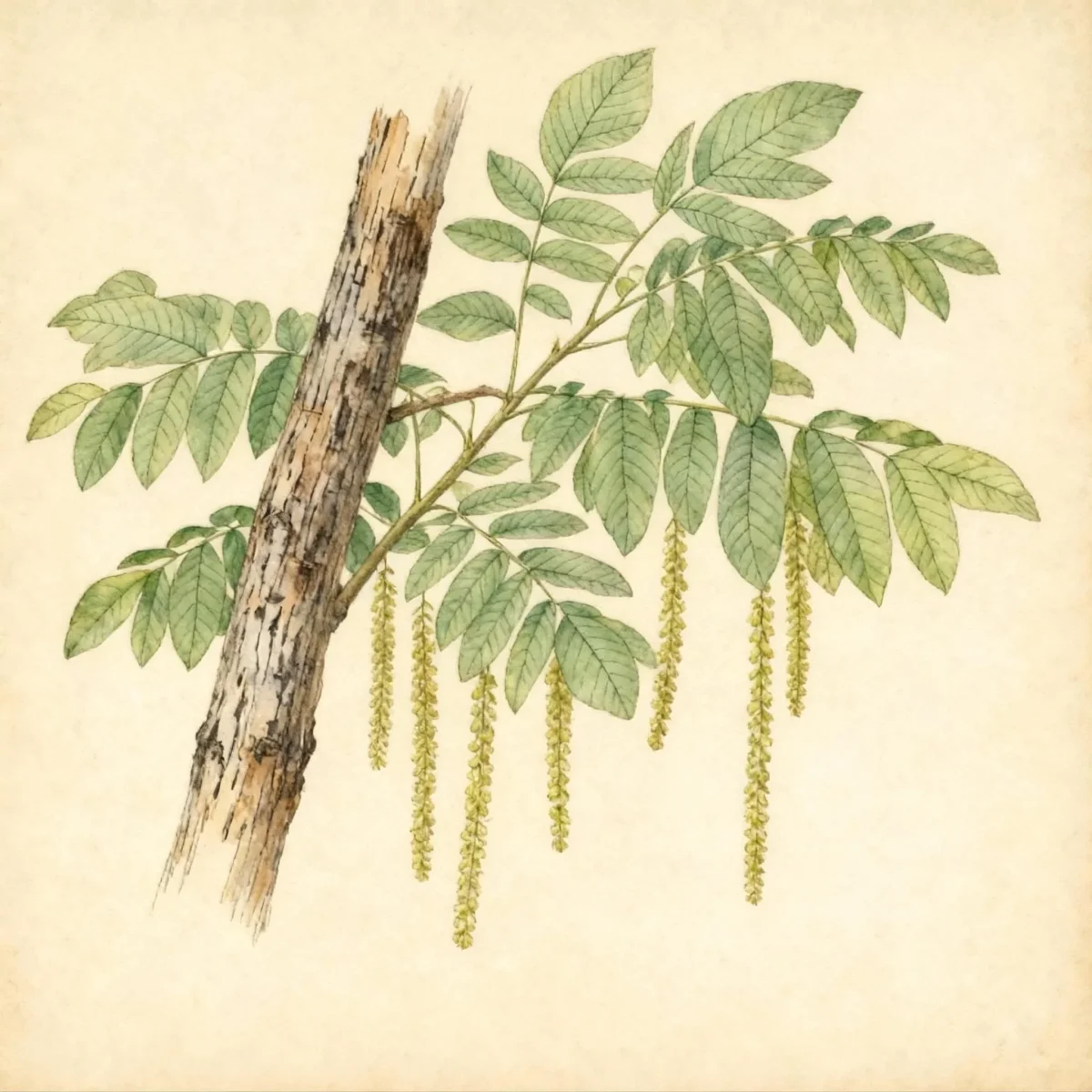
- Bloom Time: April to May
- Bloom Description: Greenish-yellow
- Sun Exposure: Full sun
- Water Needs: Medium
- Maintenance Level: Medium
How to Grow
The Carya illinoinensis ‘Montgomery’ thrives best when planted in humusy, rich, moist, yet well-drained soils. Ensure the planting location receives consistently full sun exposure throughout the day to maximize growth and future nut yields. Transplanting this tree can be challenging due to its tendency to form a deep taproot early, so plan your final site location meticulously before planting nursery stock.
Water needs are classified as medium; provide consistent moisture, especially during establishment and dry summer periods. Fertilization should generally be avoided unless soil tests indicate severe deficiencies, as pecans dislike excessive richness that might stress root development, particularly when young. Pruning should focus primarily on removing crossing or damaged limbs, focusing on maintaining strong central leader development for structural integrity.
Because nut production can be sparse in cooler northern areas, pay close attention to spring weather patterns; late frosts or cool summers directly impact yield potential. Keep in mind that trees grown from seed can take 8 to 10 years to begin bearing a crop, although grafted cultivars like ‘Montgomery’ accelerate this process.
Landscape Uses
The primary recommended use for Carya illinoinensis ‘Montgomery’ is as a tall ornamental shade tree, perfectly suited for large properties where its impressive stature can be appreciated without overcrowding structures or pathways. Its substantial canopy offers deep, cooling shade during the hottest months, making it an excellent focal point in open meadows or at the edge of expansive lawns.
While its size precludes use in small suburban yards or containers, the Hardy pecan pairs well with large understory shrubs or native prairie grasses that tolerate similar sun and soil conditions. For gardeners specifically interested in nut harvesting, establishing two different pecan varieties in proximity ensures proper cross-pollination, turning this ornamental feature into a functional food source.
Standout Features
Flower Qualities
- Insignificant
Fruit Qualities
- Showy
- Edible
Noteworthy Characteristics
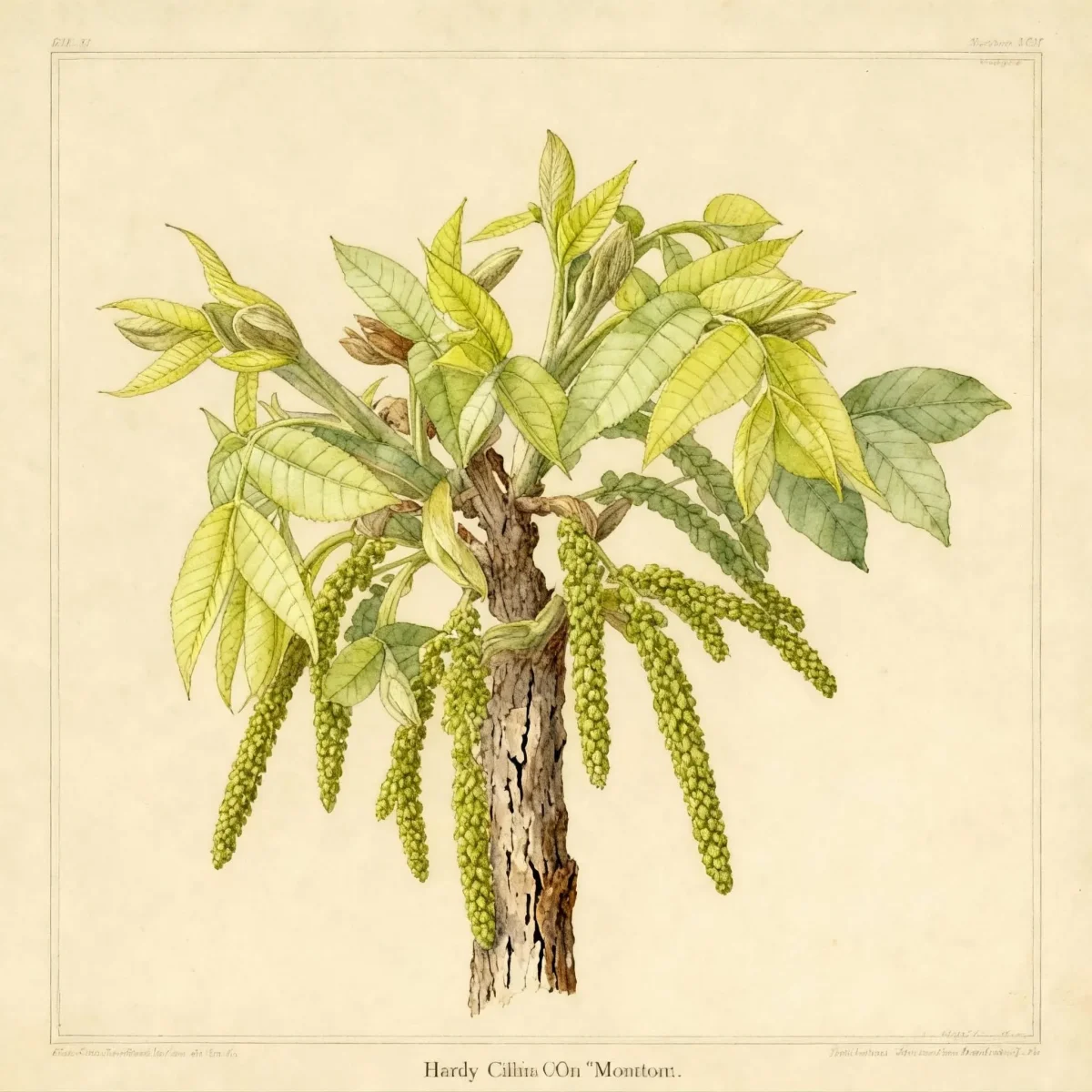
Carya illinoinensis, commonly called hardy pecan, is a large deciduous lowland tree that is the largest of the hickories. It typically grows 75-100’ (infrequently to 150’) tall with a large rounded spreading crown. Trunks mature to 2-4’ in diameter. ‘Montgomery’ typically grows to 40-60’ tall and produces a quality crop of pecans each year, with foliage that remains dark green throughout summer until fall when the leaves turn a respectable gold.
Tolerances
- Black Walnut
Potential Problems
Pecans are susceptible to a variety of common pest and disease issues. Pecan scab is frequently cited as the most economically devastating disease, though issues like anthracnose, various leaf spots, and powdery mildew are also known to occur. Selecting scab-resistant cultivars, if available, is a proactive management strategy.
Pests can also pose significant threats, particularly in the lower Midwest growing regions. Key damaging insects include pecan weevils, pecan phylloxera, the pecan nut casebearer, hickory shuckworm, and nut curculio. Additionally, borers and fall webworms may become problematic. Regular inspection, especially as nuts begin to form, aids in early detection and management of these common adversaries of the Hardy pecan.
Frequently Asked Questions
What hardiness zones is Hardy pecan suitable for?
The Carya illinoinensis ‘Montgomery’ is hardy and suitable for cultivation within USDA Zones 5 through 9.
How large does Carya illinoinensis ‘Montgomery’ grow?
This variety typically reaches a mature height between 40 and 60 feet, with a spread ranging from 30 to 50 feet wide.
What sun exposure does Hardy pecan need?
This tree requires full sun exposure to develop optimally and produce the best nut yields.
When does Carya illinoinensis ‘Montgomery’ bloom?
Flowering occurs relatively early in the season, typically from April to May, producing inconspicuous greenish-yellow blossoms.
Conclusion
The Carya illinoinensis ‘Montgomery’ remains a highly valuable addition for large landscapes needing both aesthetic beauty and functional yield. Its proven hardiness and reliable nut production make the Hardy pecan an excellent long-term investment. Before planting, confirm Carya illinoinensis ‘Montgomery’ is suitable for your specific USDA zone and ensure you have planned space for its mature size.
Companion Planting
When siting your Carya illinoinensis ‘Montgomery’, consider planting companions that share its preference for rich, deep soils and full sun exposure. Avoid shallow-rooted annuals immediately adjacent to the base where competition for moisture could stress the young tree. Large deciduous shade lovers that thrive in similar slightly acidic to neutral soil pH levels make excellent neighbors.
Consider pairing the pecan with other large native trees or robust shrubs that can withstand the deep shade cast by the mature canopy. Since the pecan’s root system is extensive, maintain a wide, mulched ring around the trunk to protect the shallow feeder roots from compaction caused by foot traffic or lawn equipment.
Seasonal Care Calendar
Spring is the crucial time for monitoring weather; protect emerging blossoms from late frosts to encourage fruit set for your Hardy pecan. As summer progresses, apply deep, infrequent watering during dry spells rather than light, frequent sprinklings to encourage the development of that essential deep taproot.
In the autumn, once the husks begin to split open, the ripe pecans will begin to drop, signaling the harvest window. Clear fallen debris promptly, as accumulated leaf litter and husks can harbor pests or fungal spores over winter, raising the risk of disease problems next season. Winter is the best time for structural pruning when the tree is fully dormant.