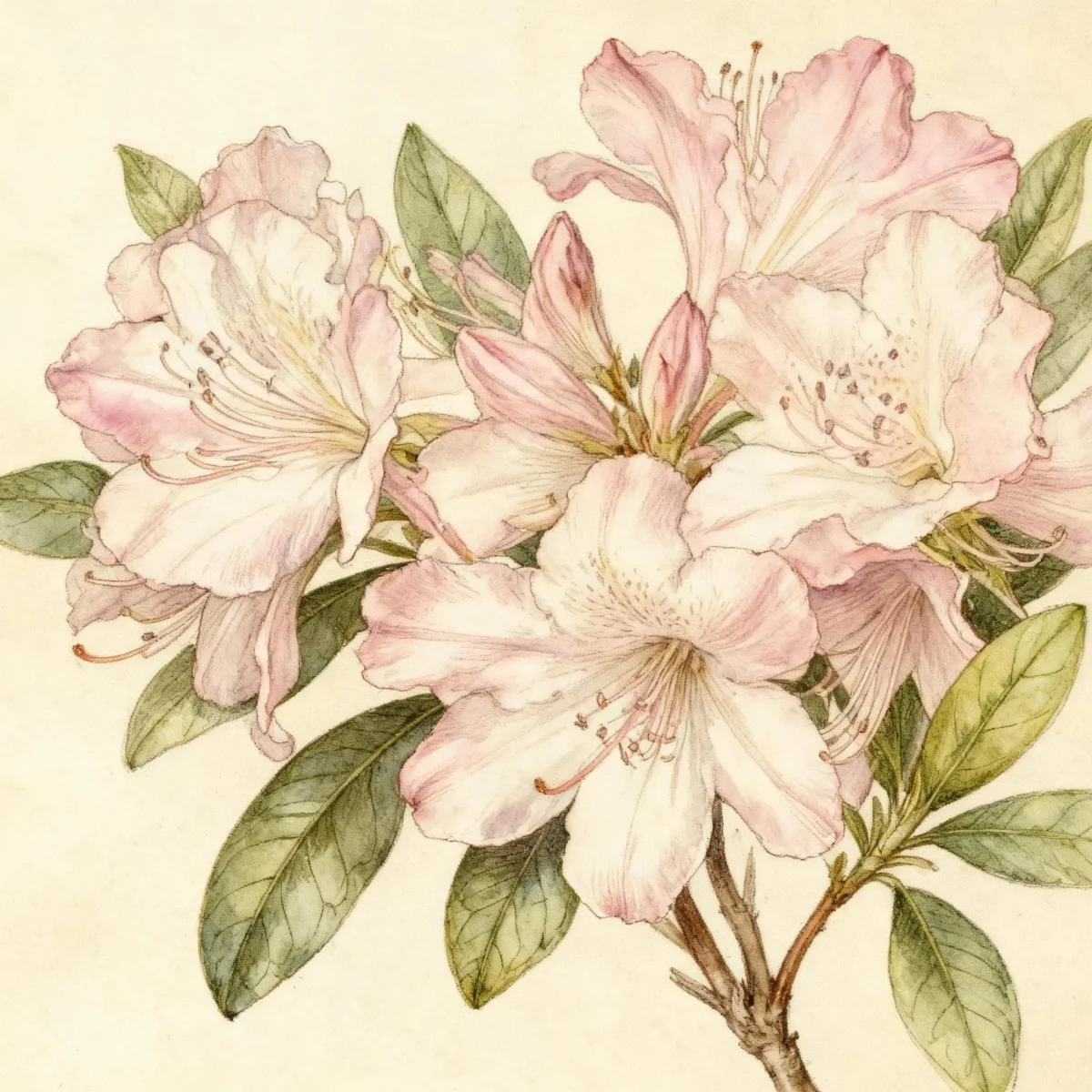
Evergreen azalea (Rhododendron 'Conlee' AUTUMN AMETHYST)
Rhododendron 'Conlee' AUTUMN AMETHYST is a showy Evergreen azalea blooming spring and fall in zones 5-8, reaching 4-6 ft tall in part shade.
Scroll down to discover growing tips, care requirements, companion plants, and more
Complete Plant Information
Overview
Rhododendron ‘Conlee’ AUTUMN AMETHYST is a valuable broadleaf evergreen, recognized by its unique reblooming characteristic, extending color well beyond the typical spring display of many azaleas. This cultivar, part of the Encore® series, offers dense, upright growth ideal for structure in the landscape. As an Evergreen azalea, it retains its attractive foliage through the winter months, adding year-round interest.
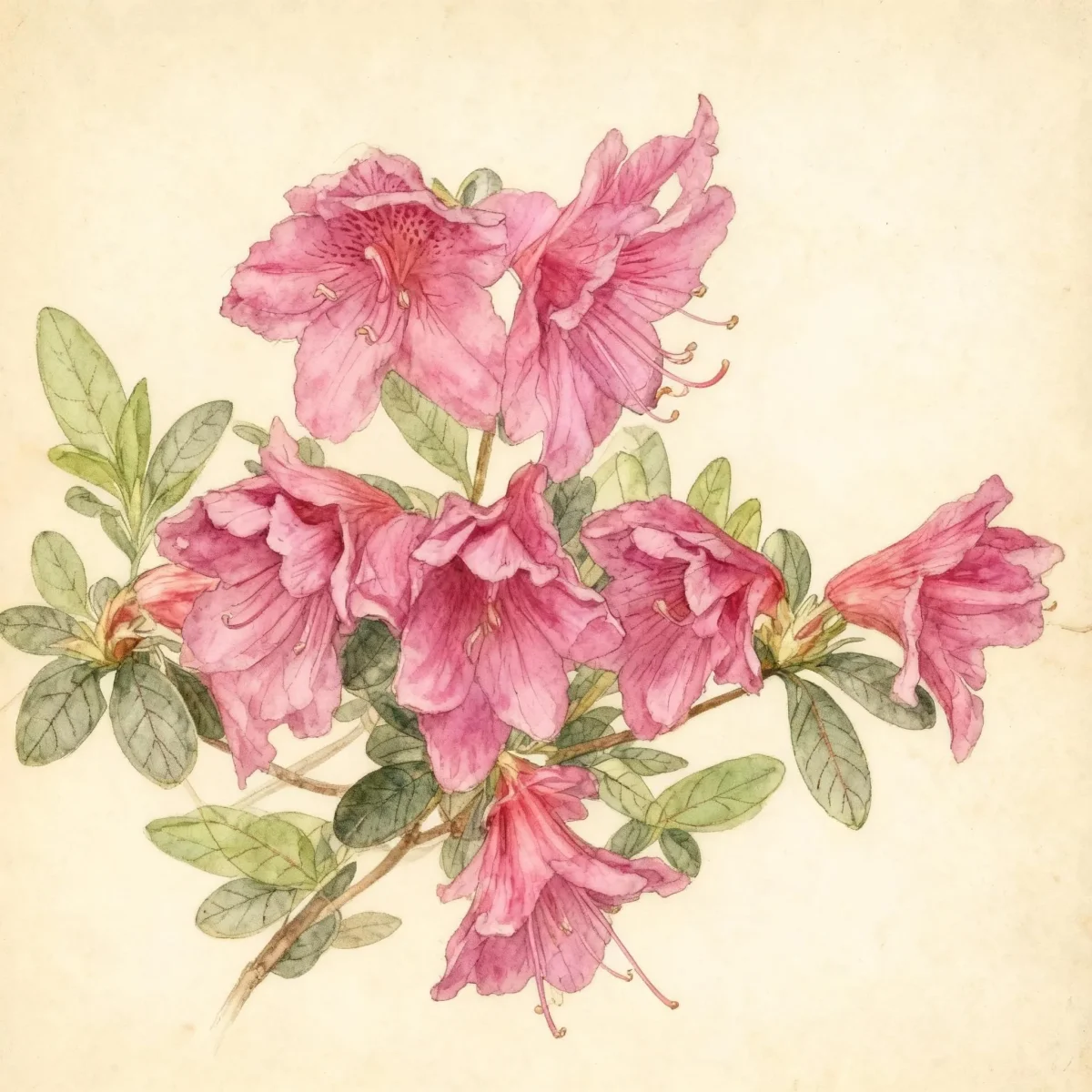
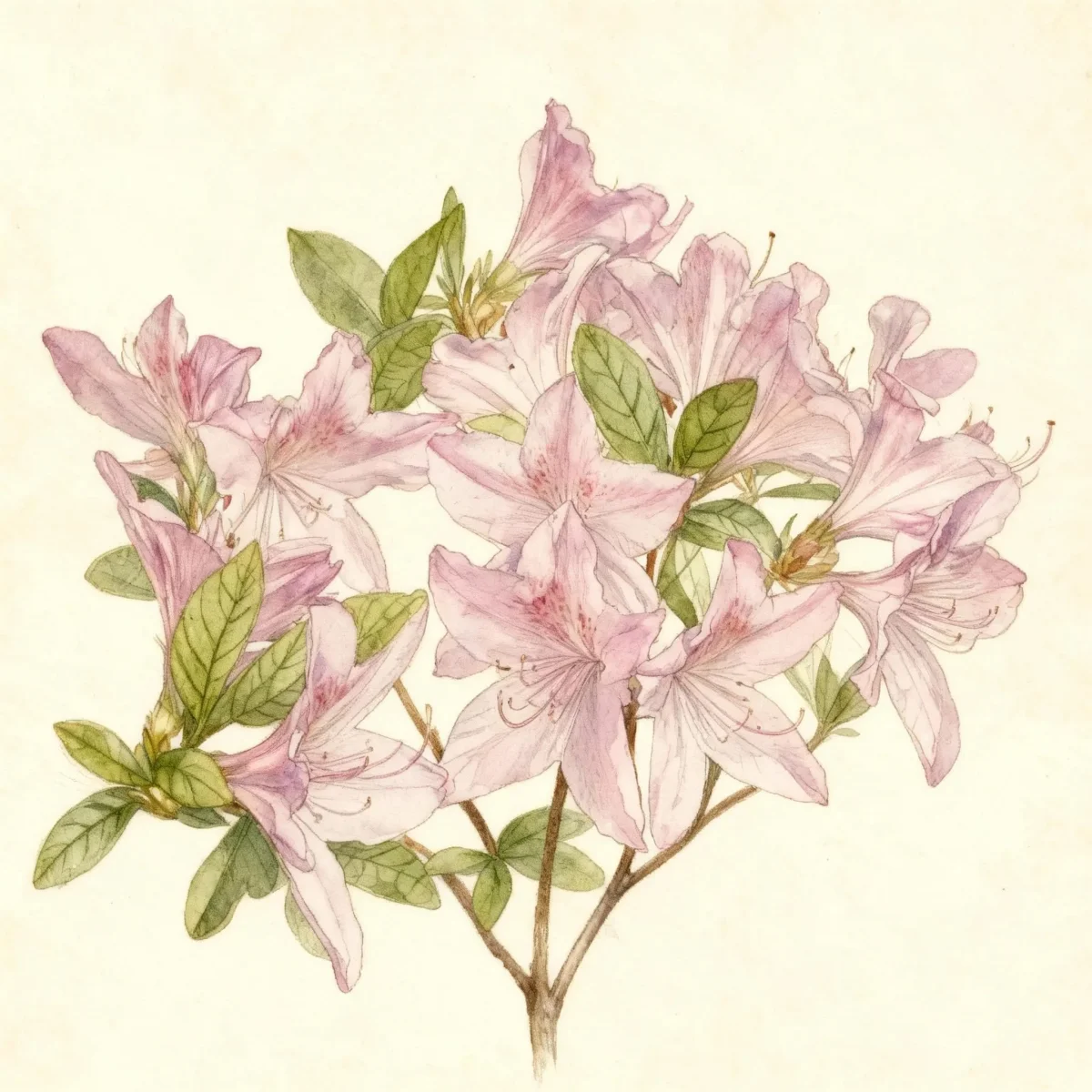
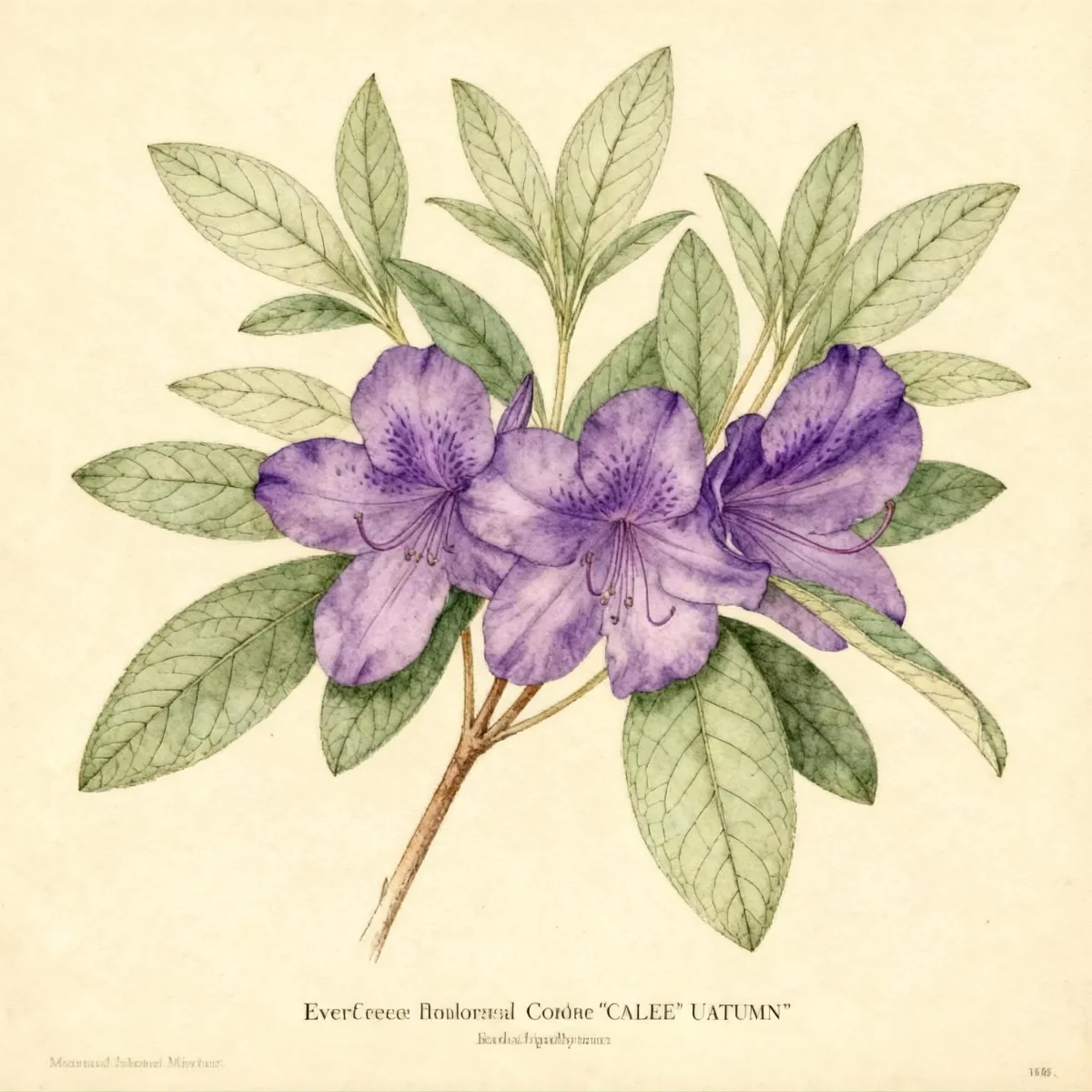
The striking feature of Rhododendron ‘Conlee’ AUTUMN AMETHYST is its dark lavender flowers accented with subtle red spotting, appearing first in spring and repeating in summer and fall. Growing into a substantial, multi-stemmed shrub reaching 4 to 6 feet tall and wide, it provides excellent textural contrast. Gardeners value this plant for its reliable performance and its dramatic, extended bloom cycle.
Proper siting is key to success with this beautiful Evergreen azalea. It thrives best when protected and provided with the acidic, well-drained soil conditions essential for all rhododendrons. Considering its requirement for part shade and protection from harsh elements, planning its location carefully ensures vibrant foliage and prolific flowering throughout the season.
Fast Facts
- Plant Family: Ericaceae
- Plant Type: Broadleaf evergreen
- Hardiness Zones: USDA Zones 5-8
- Size at Maturity:
- Height: 4-6 ft
- Spread: 4-6 ft
- Bloom Time: April to May
- Bloom Description: Dark lavender with red spotting
- Sun Exposure: Part shade
- Water Needs: Medium
- Maintenance Level: Medium
How to Grow
Plant Rhododendron ‘Conlee’ AUTUMN AMETHYST during cooler periods if possible, focusing on amending the planting site extensively. These plants require acidic soil, ideally with a pH between 5.0 and 5.5, rich in organic matter. Ensure excellent drainage, as moisture-retentive but well-drained soil is crucial; heavy clay soils may necessitate planting in raised beds to prevent root rot. Locate the shrub in part shade, preferably receiving morning sun only, or high, open shade, protecting it from hot afternoon sun which can scorch the leaves.
Water needs are medium, but consistency is non-negotiable; the shallow, fibrous root systems must never be allowed to dry out. Apply a thick layer of organic mulch, such as pine needles or wood chips, around the base to help maintain consistent soil moisture and stabilize soil temperatures, but take care not to cultivate near the roots. Acidify the soil as needed using iron sulfate or sulfur to maintain preferred pH levels.
Pruning Rhododendron ‘Conlee’ AUTUMN AMETHYST is minimal but important for maximizing bloom cycles. Clip off spent flower clusters promptly after the main spring flush to encourage the subsequent summer/fall rebloom. Avoid planting near members of the walnut family due to sensitivity to juglones. Protect this Evergreen azalea from strong winds, which can cause winter damage to the foliage.
Landscape Uses
The substantial size and evergreen character established by Rhododendron ‘Conlee’ AUTUMN AMETHYST make it extremely versatile in landscape design. It excels when massed together to form dense, colorful shrub borders or used as a formal or informal hedge, providing essential winter screening. Its vibrant lavender blooms are stunning against deep green or variegated foliage companions.
Consider using this Evergreen azalea in woodland gardens or shade gardens where dappled light mimics its native environment. While excellent bordering larger trees with appropriate soil pH, ensure avoidance of the toxic drip line of walnuts or hickories. It also functions perfectly as a specimen plant in a mixed border, drawing the eye with its unique flower color and extended blooming habit.
For foundation plantings, Rhododendron ‘Conlee’ AUTUMN AMETHYST provides structure and seasonal color near entrances. When pairing, opt for plants that share similar light and acidic soil needs, such as ferns, Japanese maples, or other acid-loving shrubs.
Standout Features
Flower Qualities
- Showy
Noteworthy Characteristics
Genus name comes from the Greek words rhodo meaning rose and dendron meaning tree. Transferred from the Greek name for Nerium oleander.‘Conlee’, sold under the trade name of AUTUMN AMETHYST™, was bred by Robert Edward Lee of Independence, Louisiana using Rhododendron ‘Karen’ as the seed parent and Rhododendron oldhamii ‘Fourth of July’ as the pollen parent. It is part of the Encore® series and in addition to the usual spring blooming time for azaleas, will rebloom in summer and fall. Its single, open funnel-shaped flowers range in size from 1 3/4 to 2 1/4 in. And are dark lavender with red spotting. ‘Conlee’ is an upright, dense shrub that grows 4 to 6 ft. Tall and wide. Its leaves often turn purple in winter. U,S. Plant Patent PP#10,567 awarded August 25, 1998
Tolerances
- Rabbit
Potential Problems
Rhododendrons and azaleas, including Rhododendron ‘Conlee’ AUTUMN AMETHYST, are susceptible to various pests and diseases if cultural requirements are not met. Common insect issues include aphids, scale, and lacebugs, while fungal problems like root rot and leaf spot thrive in poor conditions. Chlorosis, where leaves turn yellow, is a major indicator of soil pH being too high, causing iron deficiency.
Preventative care is the best defense for your Evergreen azalea. Ensure the required medium moisture level is met without allowing “wet feet,” which leads directly to root rot. Maintaining proper soil acidity (pH 5.0–5.5) prevents nutrient lockout and subsequent yellowing of the leaves. Regularly inspect the undersides of leaves for early signs of pests like lacebugs.
If pests or diseases become apparent, promptly identify the issue. For fungal issues, improving air circulation and drainage is paramount. Treat severe infestations using targeted horticultural oils or insecticides appropriate for the specific pest affecting your shrub. A healthy plant in the correct environment will naturally resist most problems.
Frequently Asked Questions
What hardiness zones is Evergreen azalea suitable for?
Rhododendron ‘Conlee’ AUTUMN AMETHYST is suitable for USDA Hardiness Zones 5 through 8.
How large does Rhododendron ‘Conlee’ AUTUMN AMETHYST grow?
This Evergreen azalea typically reaches a height between 4 and 6 feet, with a spread that matches its height, growing 4 to 6 feet wide.
What sun exposure does Rhododendron ‘Conlee’ AUTUMN AMETHYST need?
This cultivar requires part shade, preferring protection from intense afternoon light to prevent leaf scorch.
When does Evergreen azalea bloom?
The primary flush occurs from April to May, followed by summer and fall reblooming, featuring dark lavender flowers with red spotting.
Conclusion
The combination of reliable evergreen structure and extended, colorful blooming makes Rhododendron ‘Conlee’ AUTUMN AMETHYST a standout choice for adding depth to the garden. This reblooming Evergreen azalea provides beauty from spring well into the autumn. Before planting, ensure your site offers the acidic, well-drained soil and part shade conditions this plant demands for optimal performance.
Companion Planting
When integrating Rhododendron ‘Conlee’ AUTUMN AMETHYST into your garden design, selecting companions that thrive in acidic, moist, and shaded conditions is essential. Good neighbors include shade-tolerant groundcovers like Japanese forest grass (Hakonechloa macra) or various creeping ferns, which help moderate soil temperature around the shallow roots. Mid-sized shrubs like different varieties of Pieris or Nandina benefit from similar cultural care and offer contrasting foliage textures.
For height, consider incorporating understory trees such as Japanese Maples (Acer palmatum), which appreciate the filtered light Rhododendron ‘Conlee’ AUTUMN AMETHYST provides. Avoid planting these azaleas near alkaline-loving species, as maintaining the necessary low soil pH is critical for nutrient uptake in the azalea.
Seasonal Care Calendar
Early Spring: As new leaf growth begins, apply a specialized acid fertilizer formulated for rhododendrons and azaleas, following package directions carefully. Check mulch depth and refresh as needed.
Late Spring/Early Summer: Immediately after the peak spring bloom finishes, deadhead—gently clip off the spent flower clusters—to stimulate the flush of new buds that lead to the summer/fall rebloom of your Evergreen azalea. Ensure consistent watering during dry spells.
Mid to Late Summer: Focus on deep, infrequent watering, especially if the plant is in a hotter location. Monitor foliage closely for signs of scorching or pest activity, treating any issues proactively before the autumn growth cycle begins.
Fall and Winter: Protect the shrub from strong winter winds, as evergreen foliage is susceptible to drying out and burning. Do not prune heavily during late fall or winter; major shape adjustments should occur immediately after the spring bloom.