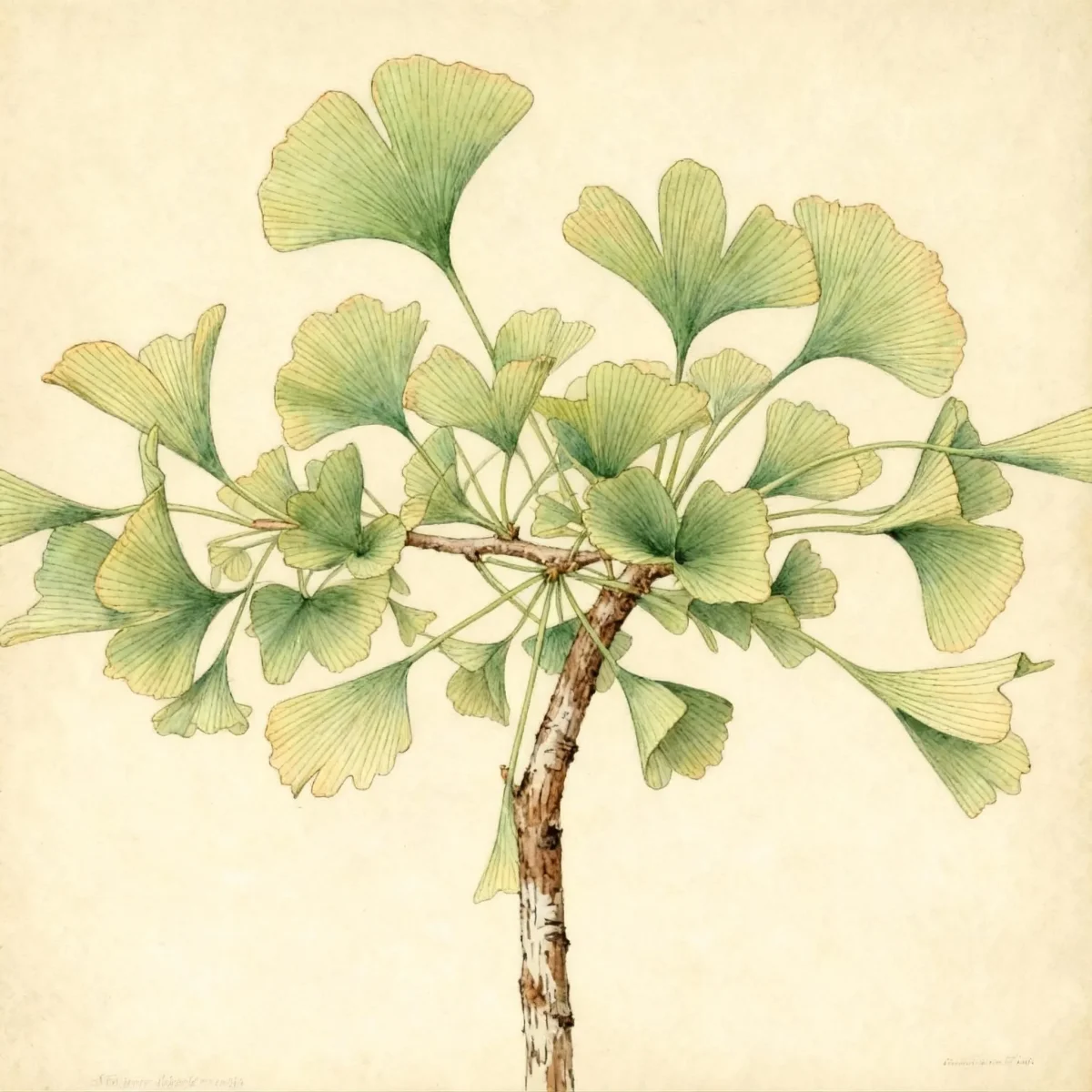
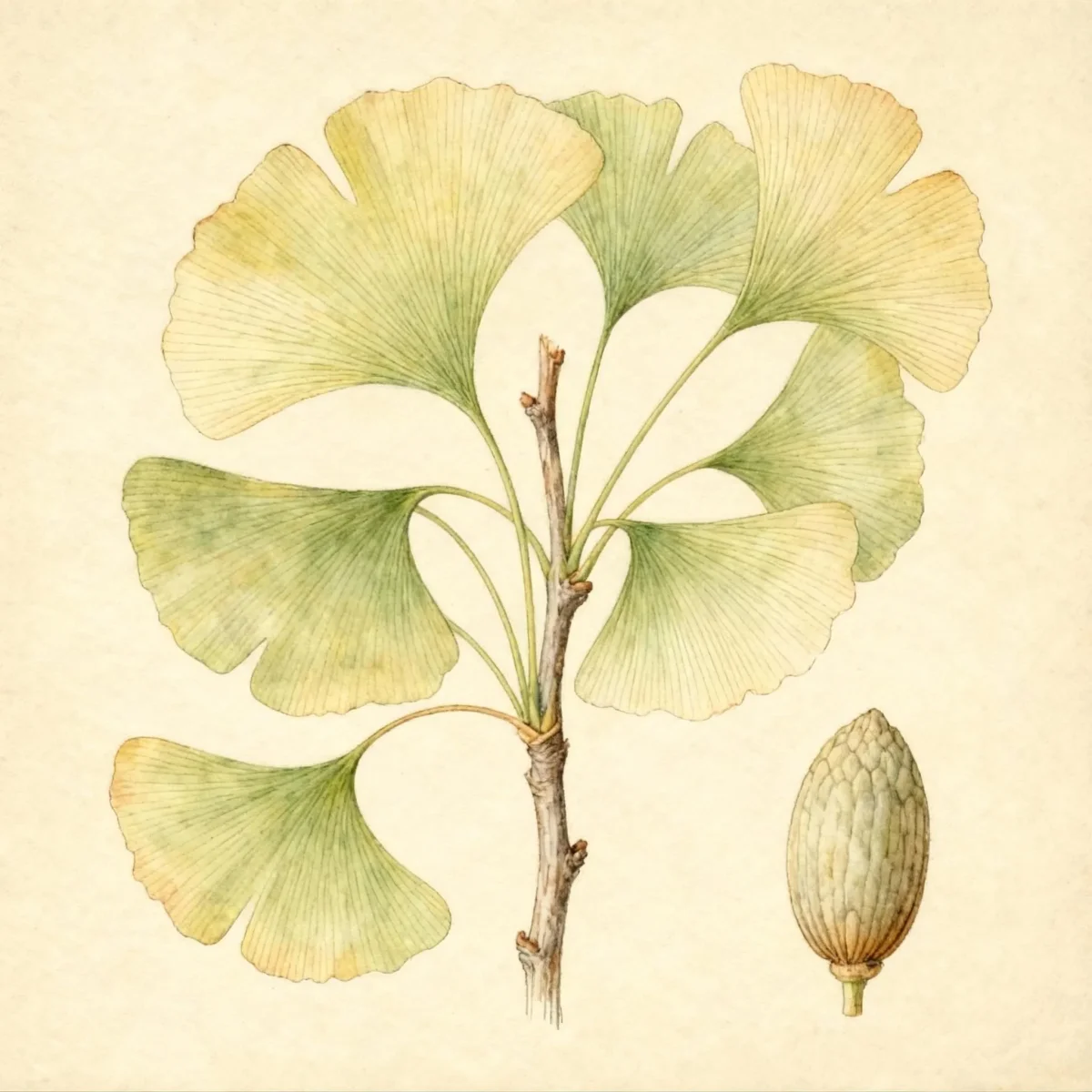
Maidenhair tree (Ginkgo biloba 'Jade Butterflies')
Dwarf, slow-growing Maidenhair tree. Ginkgo biloba 'Jade Butterflies' offers unique fan-shaped leaves and excellent fall color in small spaces.
Scroll down to discover growing tips, care requirements, companion plants, and more
Complete Plant Information
Overview
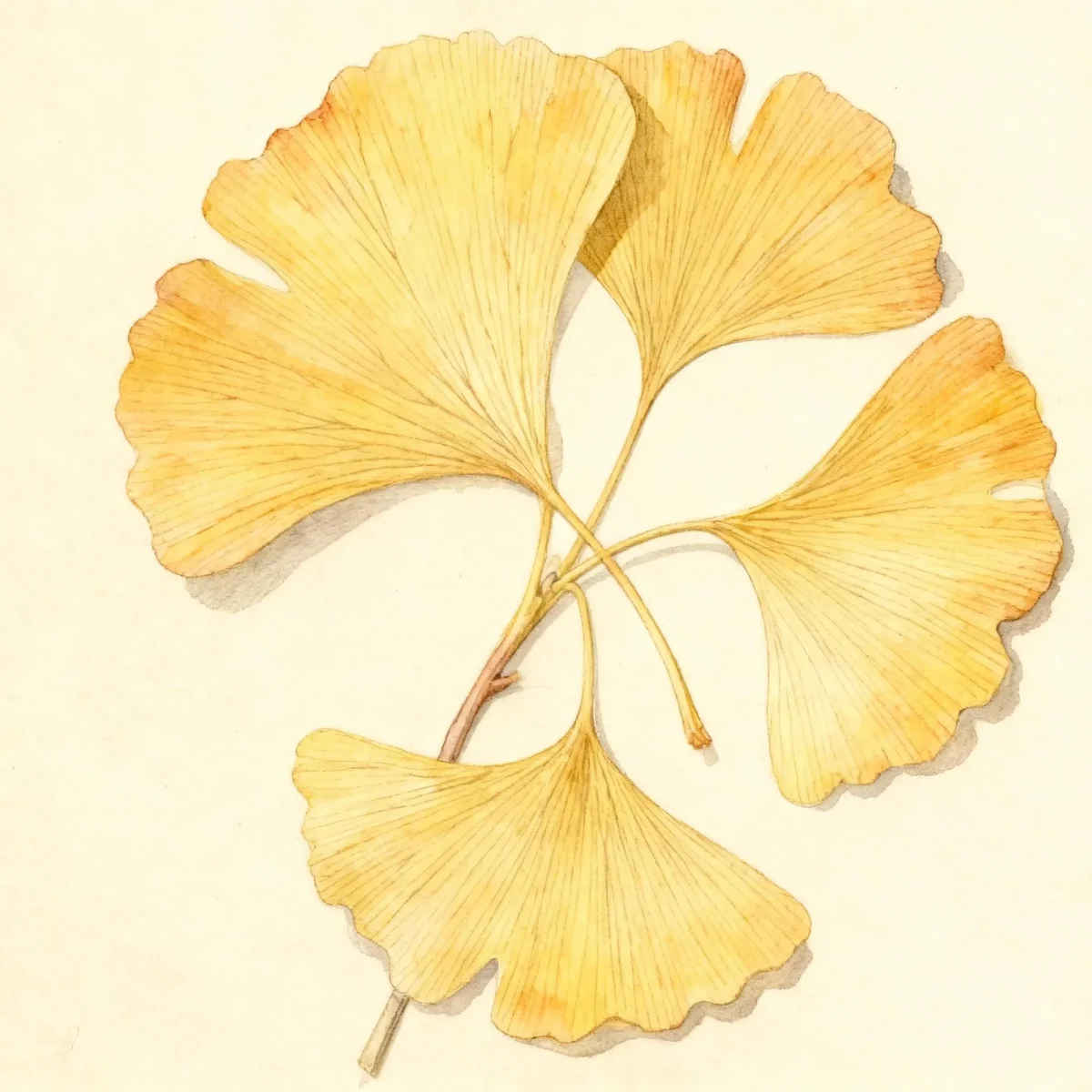
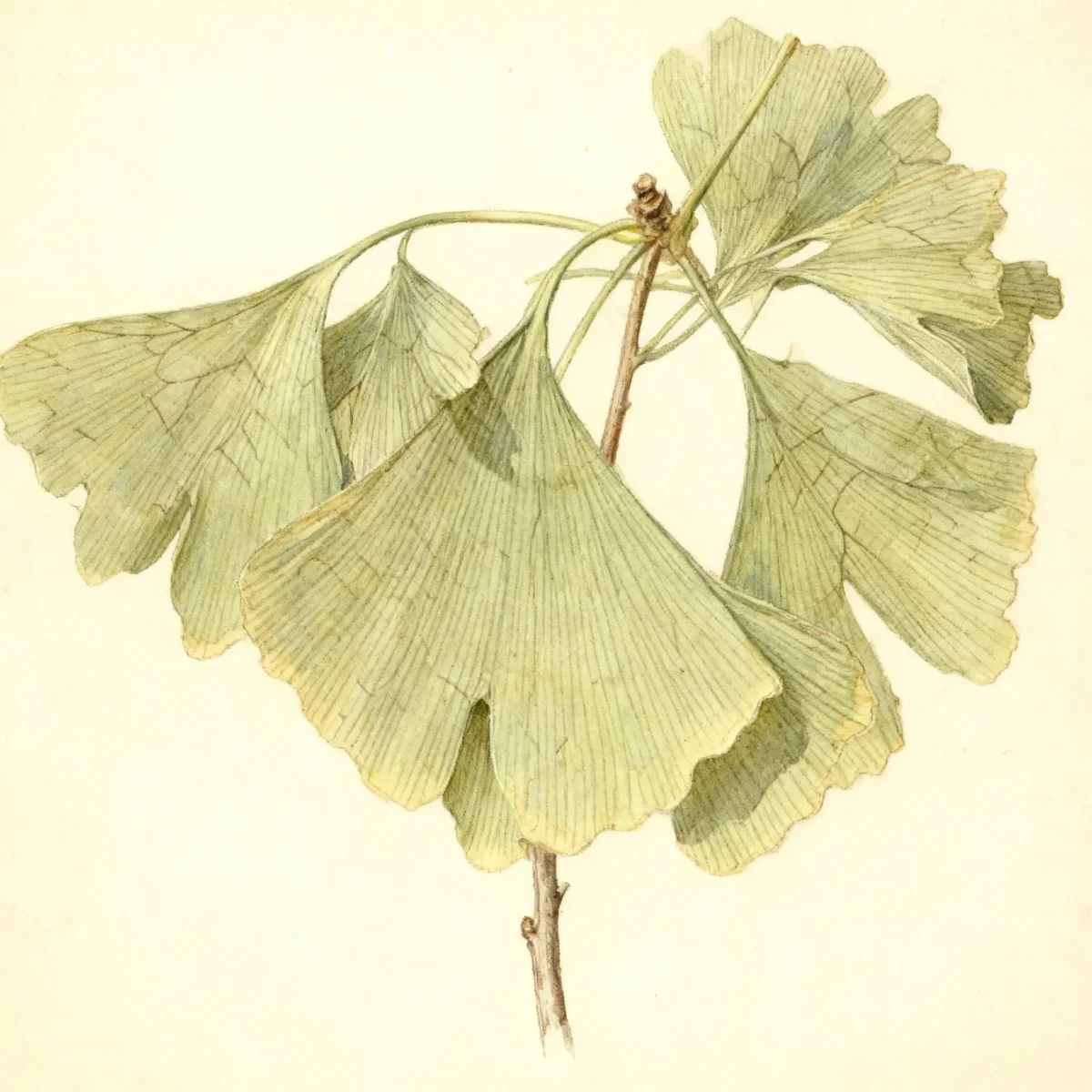
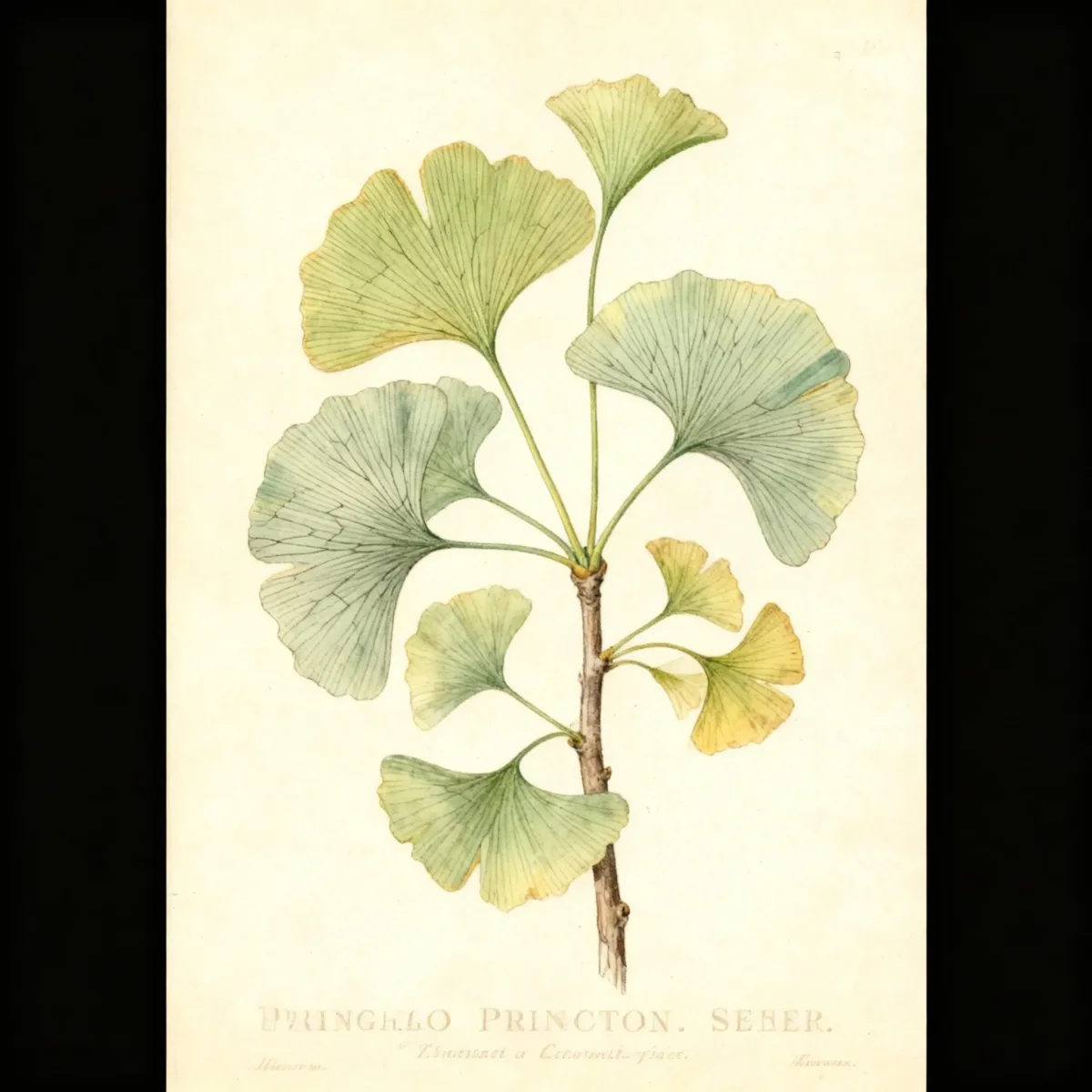
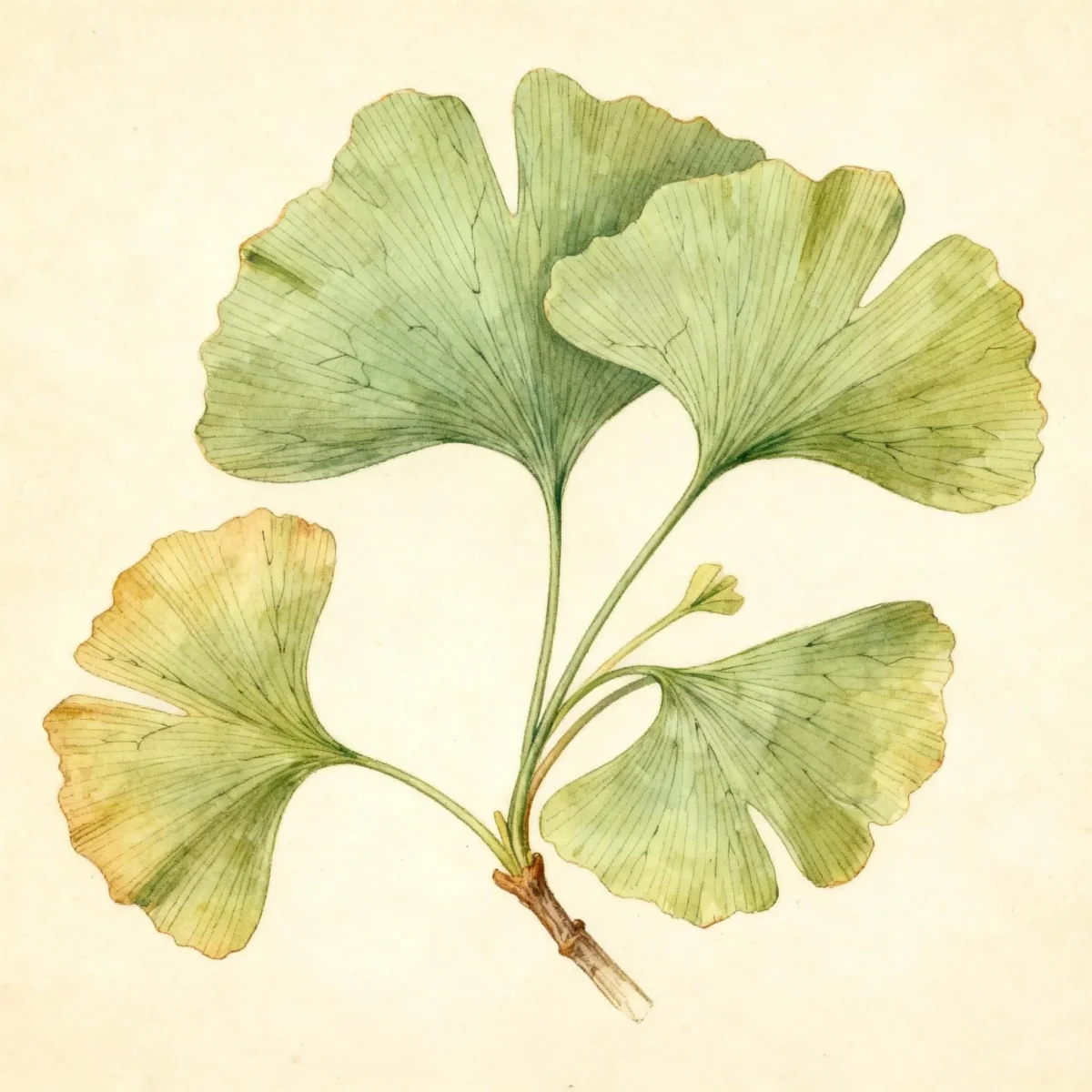
The Ginkgo biloba ‘Jade Butterflies’ is a treasured cultivar, valued primarily because it brings the ancient beauty of the Maidenhair tree into smaller gardens. Unlike its towering relatives, this striking dwarf male selection is perfect for contemporary landscapes where space is limited. Its distinctive fan-shaped leaves, which emerge with a jade-green hue, transform into a brilliant, uniform golden yellow display come autumn.
This slow-growing specimen exhibits an upright, vase-shaped habit, ensuring it remains manageable even in restricted areas. As part of the Ginkgoaceae family, this tree offers exceptional resilience, thriving while many other ornamental trees struggle. Gardeners appreciate the Ginkgo biloba ‘Jade Butterflies’ for its nearly pest-free nature and its impressive tolerance for challenging urban conditions.
For those seeking long-term structure and reliable seasonal interest without high demands, Ginkgo biloba ‘Jade Butterflies’ is an outstanding choice. It provides the historic significance of the fossil tree combined with the compact form required for modern residential settings.
Fast Facts
- Plant Family: Ginkgoaceae
- Plant Type: Tree
- Hardiness Zones: USDA Zones 4-8
- Size at Maturity:
- Height: 6-12 ft
- Spread: 3-9 ft
- Bloom Time: April
- Bloom Description: Green
- Sun Exposure: Full sun
- Water Needs: Medium
- Maintenance Level: Low
How to Grow
Planting the Ginkgo biloba ‘Jade Butterflies’ is best done in spring or fall, allowing the roots time to establish before temperature extremes. Locate this specimen where it receives full sun exposure for the best foliage color and density. While it prefers moist, sandy, well-drained soils, this robust cultivar adapts well to almost any soil type, including compacted earth, alkaline, or acidic conditions.
Once established, watering needs are medium. Focus on consistent moisture during prolonged dry spells, especially in the first few years of growth. Fertilization is rarely required thanks to the tree’s adaptable nature. Pruning should generally be minimal; the tree naturally develops its pleasing upright, vase shape. Any necessary shaping should be done lightly to maintain its dwarf characteristics.
Urban gardeners will find the unparalleled hardiness of this Maidenhair tree invaluable. It shrugs off high heat, saline conditions that plague roadside plantings, and significant air pollution. No special winterizing is typically needed in its established hardiness range (Zones 4-8).
Landscape Uses
The compact nature of Ginkgo biloba ‘Jade Butterflies’ makes it highly versatile in landscape design. Its mature height and spread of 6 to 12 feet make it an excellent choice for small areas of the landscape where a standard shade tree would overwhelm the space. Consider using it as a unique specimen planting near entryways or incorporated into mixed perennial and shrub borders.
Due to its formality and unique leaf structure, this dwarf Ginkgo works well as a strong vertical accent. It can provide year-round structure while offering brilliant contrast against fine-textured or broad-leafed companion plants. Pair it with dark green evergreen shrubs or plants that have deep burgundy foliage to make its spring green and fall gold truly pop.
Standout Features
Flower Qualities
- Insignificant
Noteworthy Characteristics
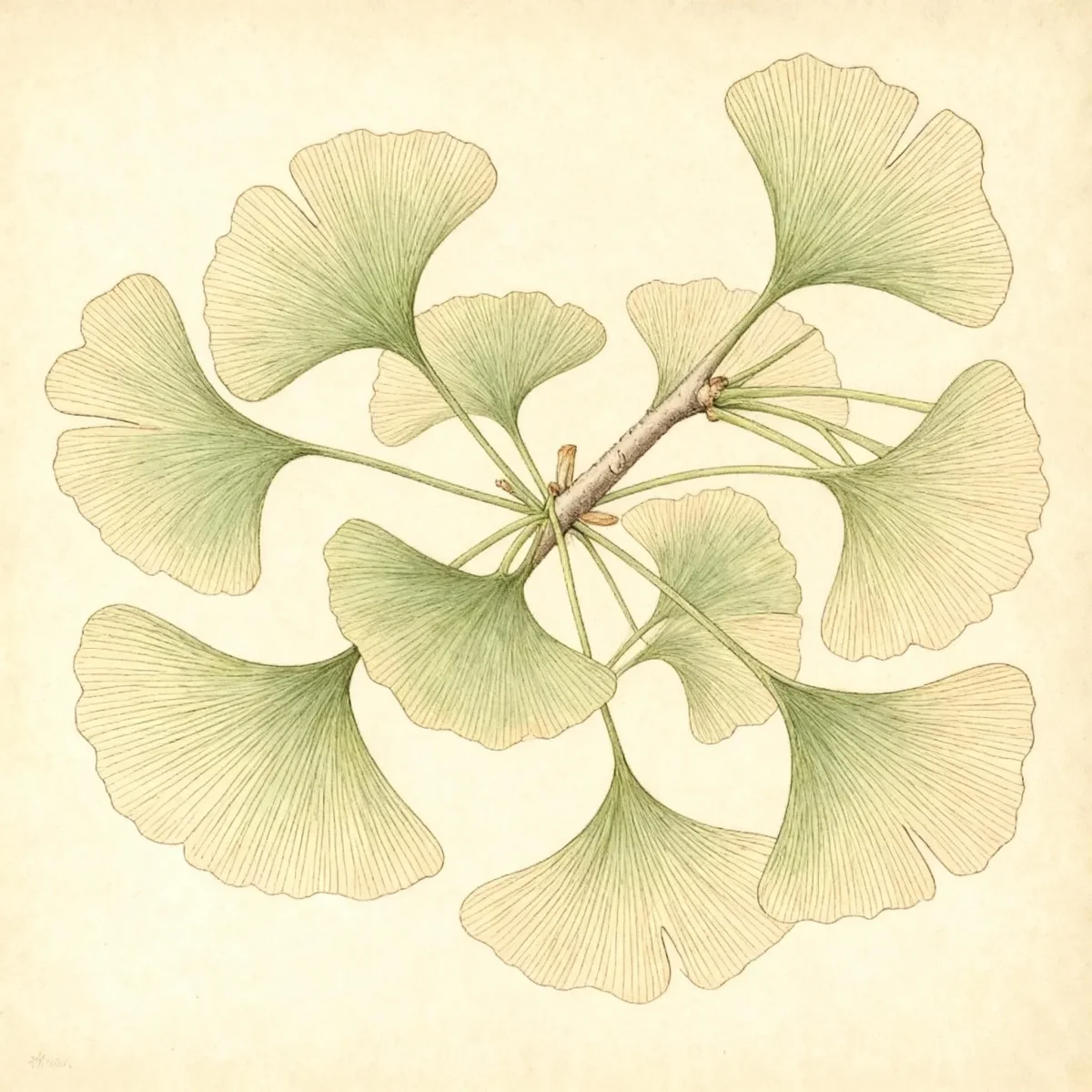
Ginkgo biloba is a large, deciduous tree that matures to 100’ tall and is considered to be a living fossil. It is the only surviving member of a group of ancient plants believed to have inhabited the earth up to 150 million years ago. It features distinctive two-lobed, somewhat leathery, fan-shaped, rich green leaves with diverging (almost parallel) veins. Leaves turn bright yellow in fall. Ginkgo trees are commonly called maidenhair trees in reference to the resemblance of their fan-shaped leaves to maidenhair fern leaflets (pinnae). Ginkgos are dioecious (separate male and female trees). Nurseries typically sell only male trees because female trees produce seeds encased in fleshy, fruit-like cone which, at maturity in autumn, are messy and emit a noxious, foul odor upon falling to the ground and splitting open.Genus name is a misrendering of the Japanese gin meaning silver and kyo meaning apricot used in Japan in the 17th century.Specific epithet means two-lobed in reference to the leaves.‘Jade Butterflies’ is a slow-growing, dwarf, male tree that grows in an upright, vase-shaped form to only 4-6’ tall over the first 10 years. However, some authorities estimate this tree may reach as much as 10-12’ tall over the first 10 years. Mature height is currently unknown. Deeply bi-lobed leaves purportedly resemble butterflies with jade green wings, hence the cultivar name. Foliage turns a uniform and very showy golden yellow in autumn. Insignificant greenish male flowers bloom in catkins in spring.
Tolerances
- Deer
- Clay Soil
- Air Pollution
Potential Problems
The Ginkgo biloba ‘Jade Butterflies’ is celebrated for its near immunity to most common garden pests and diseases, contributing significantly to its low maintenance profile. Gardeners should generally not anticipate serious insect or disease issues that require chemical intervention. Initial growth can sometimes appear slow or sparse, which is normal for this dwarf cultivar as it focuses on developing its root system before rapidly increasing canopy size.
The most critical factor to avoid is planting female Ginkgo varieties, although this cultivar is male and safe. The notorious issue associated with this genus is the foul odor produced by the seeds of female trees, which split open in autumn. Since ‘Jade Butterflies’ is a male clone, you receive all the beauty without the smell associated with the fruiting varieties.
Frequently Asked Questions
What hardiness zones is Maidenhair tree suitable for?
The species is hardy across USDA Zones 4 through 8, allowing broad adaptability across many temperate climates.
How large does Ginkgo biloba ‘Jade Butterflies’ grow?
This dwarf form is expected to reach heights between 6 to 12 feet, with a spread ranging from 3 to 9 feet, making it ideal for smaller properties.
What sun exposure does Ginkgo biloba ‘Jade Butterflies’ need?
This cultivar performs best when planted in a location receiving full sun exposure to maximize foliage display.
When does Maidenhair tree bloom?
The inconspicuous, greenish male flowers appear as catkins in the spring, typically around April.
Conclusion
The Ginkgo biloba ‘Jade Butterflies’ offers gardeners a unique slice of natural history, packaged in a manageable, low-maintenance dwarf tree. Its tolerance for urban stressors combined with reliable, breathtaking yellow fall color ensures it remains a garden highlight for decades. Before planting, confirm that your site falls within USDA Zones 4-8 and ensure it receives unrestricted full sun exposure.
Companion Planting
When designing beds around this unique specimen, consider plants that offer complementary textures and colors throughout the growing season. Since the Maidenhair tree provides exceptional structure, pair it with flowering perennials that offer late-season color while the Ginkgo is maturing. Hostas, especially those with blue or variegated foliage, contrast nicely with the upright habit of Ginkgo biloba ‘Jade Butterflies’ during summer.
For drier areas or spots where soil compaction is a concern, look to hardy native grasses or groundcovers that share its tolerance profile. Because the Ginkgo is dioecious and this cultivar is male, there is no concern about seed mess affecting nearby plantings, allowing for flexible design choices right up to the drip line.
Seasonal Care Calendar
Spring care centers on observing the new foliage emergence in April. Since fertilizer is rarely needed, focus cleanup on removing any winter debris and ensuring the ground is weeded slightly away from the base. Summer requires monitoring water delivery, especially if the tree is newly planted or experiencing extreme heat waves, maintaining medium soil moisture.
Autumn is the star performance for Ginkgo biloba ‘Jade Butterflies’, as the leaves turn a vivid, uniform gold. After leaf drop, plan for any potential dormant pruning, though this is usually minimal for this slow-growing cultivar. Winter temperatures are easily tolerated within its hardy range, requiring no special winter protection for mature specimens.