Seaside alder (Alnus maritima subsp. oklahomensis 'September Sun')
The Seaside alder, Alnus maritima subsp. oklahomensis 'September Sun', is a vigorous tree tolerating wet soil, offering dark green foliage and late summer yellow blooms.
Scroll down to discover growing tips, care requirements, companion plants, and more
Complete Plant Information
Overview
The cultivar Alnus maritima subsp. oklahomensis ‘September Sun’ offers gardeners a robust and uniquely timed deciduous specimen. This variety of Seaside alder is valued for its vigorous growth habit and its unusual late-season yellow catkins, making it a standout choice where functional and aesthetic screening is required. It naturally adapts to challenging, moist environments that exclude many other woody plants.
As a multi-trunked small tree, ‘September Sun’ provides dense structure and dark green foliage throughout the growing season. Its bloom period spanning August to September contrasts significantly with other North American alder species, providing crucial late color. This resilience, combined with its adaptable nature, establishes the Alnus maritima subsp. Oklahomensis ‘September Sun’ as an excellent choice for riparian restoration or difficult, waterlogged areas of the landscape.
This specific selection thrives where moisture is abundant but possesses surprising tolerance for drier, leaner spots too. Gardeners seeking a native tree that stabilizes soil and brightens the landscape as summer concludes will find the Seaside alder highly rewarding.
Fast Facts
- Plant Family: Betulaceae
- Plant Type: Tree
- Hardiness Zones: USDA Zones 4-7
- Size at Maturity:
- Height: 20-25 ft
- Spread: 16-20 ft
- Bloom Time: August to September
- Bloom Description: Yellow
- Sun Exposure: Full sun to part shade
- Water Needs: Medium to wet
- Maintenance Level: Medium
How to Grow
For optimal development, plant Alnus maritima subsp. oklahomensis ‘September Sun’ during the dormant seasons—early spring or late fall—when soil temperatures are moderate. The key to success is siting the tree in medium to wet soils, ideally in a location receiving full sun for the most vigor, though it tolerates part shade. It especially thrives near natural water features, streams, or in low spots where moisture collects.
Watering requirements are generally met naturally in swampy or riparian areas, as this species can grow successfully even in standing water and tolerates flooding conditions. If planted in drier sites, ensure consistent moisture, especially during establishment. Fertilization is rarely required unless soil tests indicate severe nutrient deficiencies, as this hardy plant handles infertile soils well.
Maintenance for the Seaside alder is typically low once established. Pruning should focus primarily on removing crossing or damaged limbs to maintain the upright-rounded canopy structure. Because the cultivar ‘September Sun’ offers improved symmetry over the straight species, heavy structural pruning is usually unnecessary. Evaluate spring growth to remove any winter dieback before new foliage fully emerges.
Landscape Uses
The planting versatility of Alnus maritima subsp. oklahomensis ‘September Sun’ is extensive, particularly in hydric sites. It is highly recommended for use as an effective windbreak due to its dense canopy and vigorous structure, making it an excellent choice for screening boundaries. Furthermore, its ability to handle extended saturation makes it a prime candidate for rain gardens or along the edges of retention ponds.
Consider planting the Seaside alder as a specimen tree where its unique fall bloom can be appreciated, or group several together to form a dense, naturalistic hedge. While it prefers moisture, its noted tolerance for drought means it can successfully anchor transitions zones between wet and medium-moisture areas in the landscape design. Its dark green leaves provide a strong textural backdrop for lighter-colored perennials near the waterside.
Standout Features
Flower Qualities
- Showy
Noteworthy Characteristics
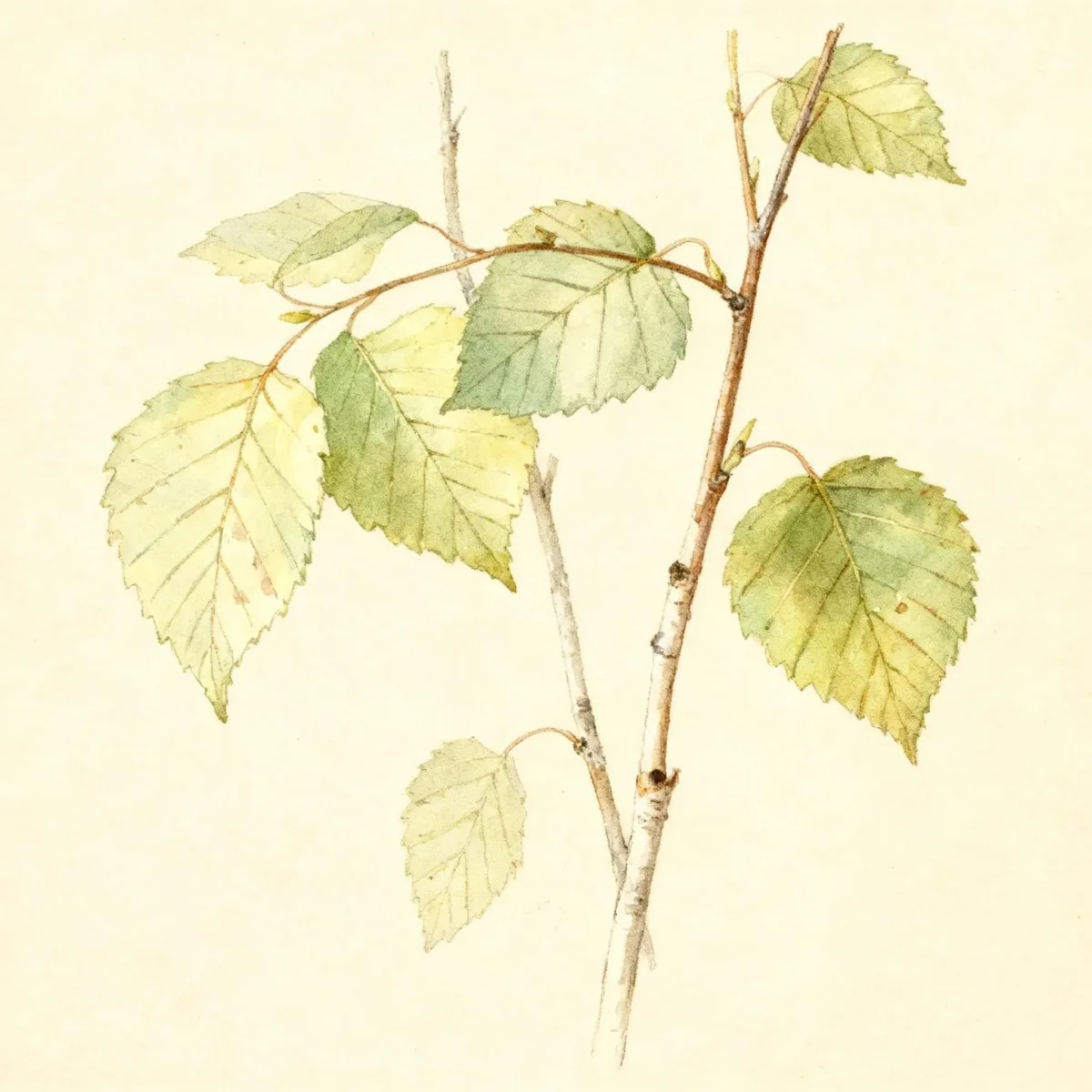
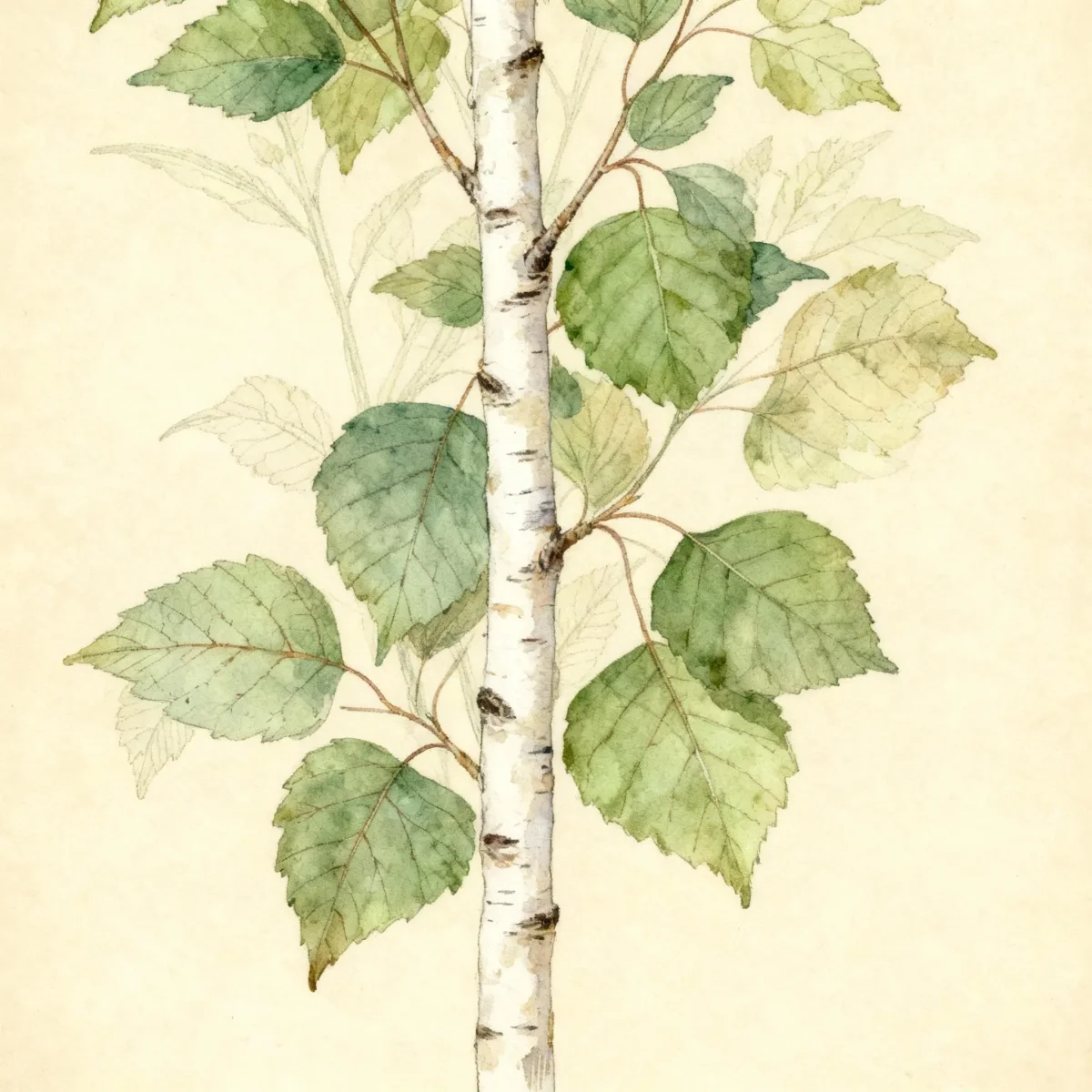
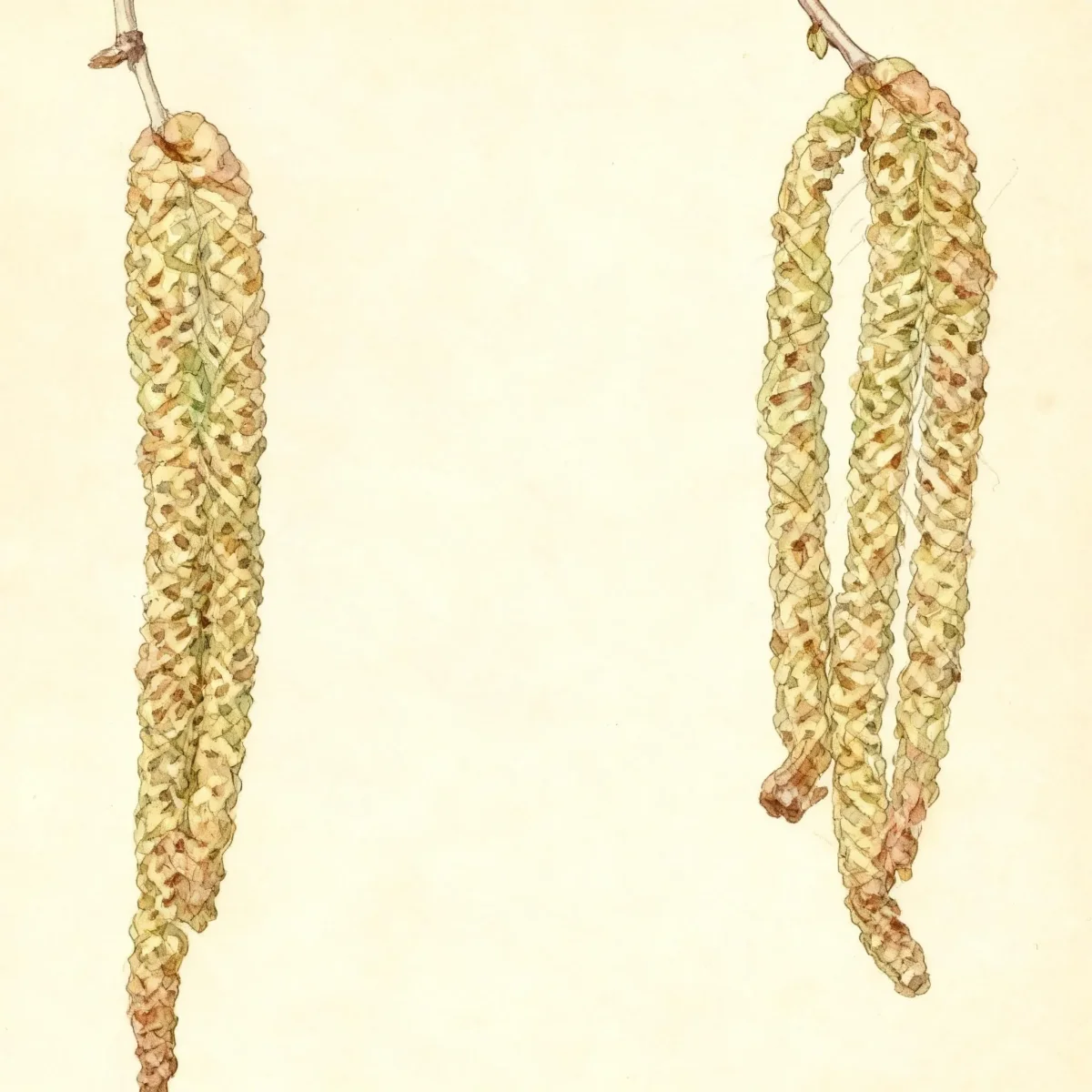
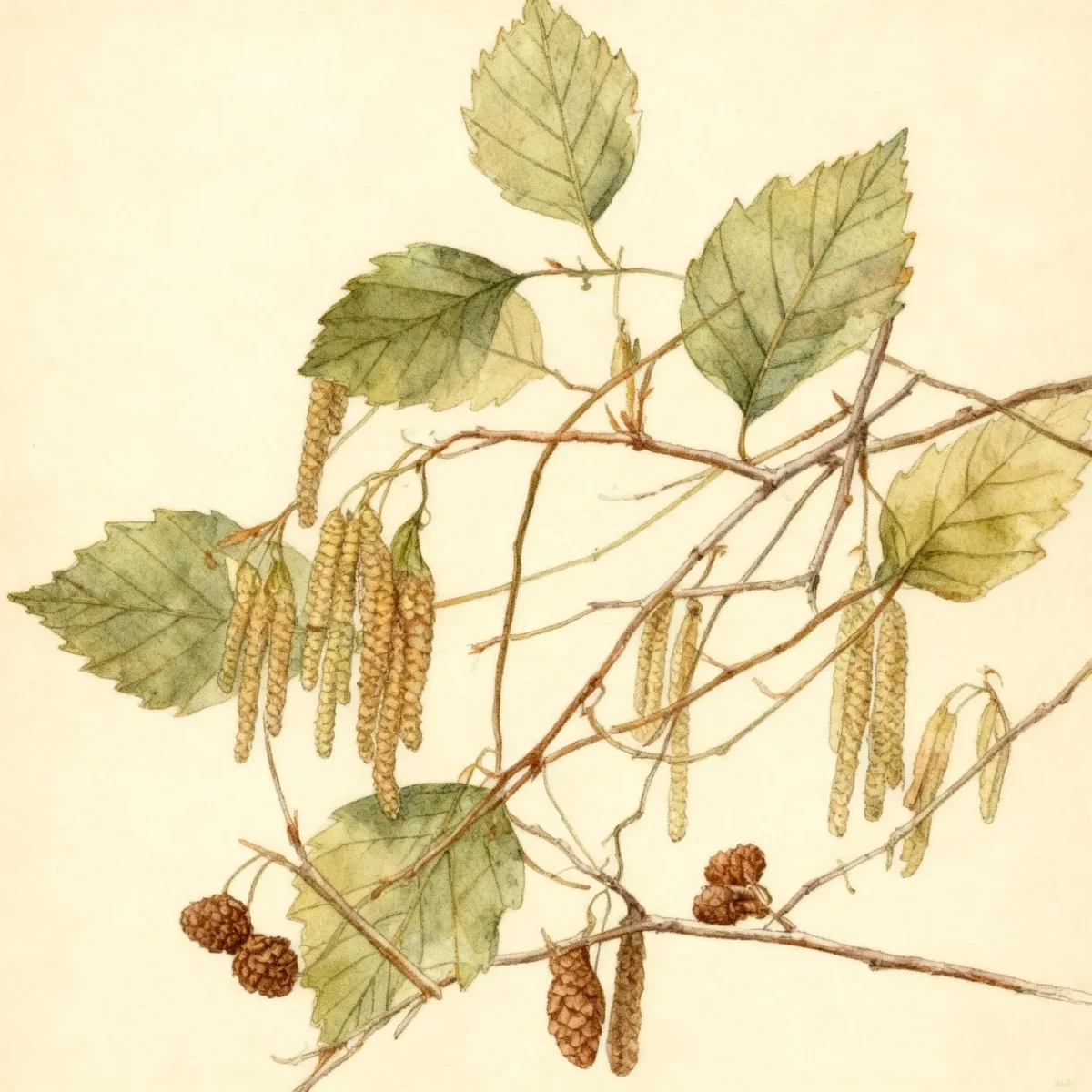
Alnus maritima, commonly called seaside alder, is a deciduous, multi-trunked, upright-rounded, fall-blooming large shrub or small tree that typically grows to 20-30’ tall. Subsp. Oklahomensis is noted for its dark green foliage, pendulous fall-blooming yellow staminate catkins, and vigorous appearance under difficult growing conditions. The cultivar ‘September Sun’ offers more rapid growth, denser foliage, and a more symmetrical canopy than the parental subspecies.
Tolerances
- Drought
- Erosion
- Clay Soil
- Wet Soil
Potential Problems
This Alnus maritima subsp. oklahomensis ‘September Sun’ benefits gardeners by having no known serious insect or disease problems documented. This low-input nature is a significant asset when establishing plants in tough, wet locations where pest pressure can sometimes be exacerbated. Regular monitoring should focus on environmental stresses common to alder rather than specific pathogens.
If planting in areas with poor drainage that remain waterlogged for extended periods outside of its natural preference, monitor for signs of root stress, although the species is adapted to standing water. Otherwise, routine cultural care aligns with general tree best practices, avoiding deep root disturbance near established specimens.
Frequently Asked Questions
What hardiness zones is Seaside alder suitable for?
The Alnus maritima subsp. oklahomensis ‘September Sun’ is hardy and suitable for native planting across USDA Zones 4 through 7.
How large does Alnus maritima subsp. oklahomensis ‘September Sun’ grow?
This tree typically matures to a height between 20 and 25 feet, with a substantial spread ranging from 16 to 20 feet wide.
When does Seaside alder bloom?
The cultivar ‘September Sun’ is named for its distinctive bloom time, producing yellow flowers in catkins from August into September.
What sun exposure does Alnus maritima subsp. oklahomensis ‘September Sun’ need?
This Seaside alder performs best when situated in locations receiving full sun, but it demonstrates good adaptability by successfully growing in areas with part shade as well.
Conclusion
The Alnus maritima subsp. oklahomensis ‘September Sun’ is a highly valuable native tree, offering late-season yellow blooms and exceptional tolerance for moisture saturation and difficult soils. Incorporating this vigorous Seaside alder into your landscape provides natural stabilization and year-round structure. Before planting, confirm your site falls within USDA Zones 4-7 and ensure you can meet its preference for medium to wet soil conditions.
Companion Planting for Hydric Sites
When planning a rain garden or waterside planting around your Seaside alder, choosing companions that appreciate moist feet is essential for a cohesive ecosystem. Consider moisture-loving native grasses and sedges such as Switchgrass (Panicum virgatum) or various Carex species, which offer fine texture contrast to the alder’s broad leaves. These companions help absorb excess water, further benefiting the root zone of the Alnus maritima subsp. oklahomensis ‘September Sun’.
For flowering color near the water’s edge, look towards wetland favorites like Blue Flag Iris (Iris versicolor) or Swamp Milkweed (Asclepias incarnata). These species share the August to September bloom time interest period and thrive under similar moisture regimes. This strategy creates a layered, resilient riparian planting that supports local fauna while accentuating the distinctive yellow catkins of the Alnus maritima subsp. Oklahomensis ‘September Sun’.
Seasonal Care Calendar
Spring is the ideal time to assess the health of your Alnus maritima subsp. oklahomensis ‘September Sun’ after winter dormancy. Focus on light pruning to remove any broken branches. As temperatures rise, monitor soil moisture; if prolonged dry spells occur outside of normal summer rains, provide deep watering, even though this tree has noted drought tolerance.
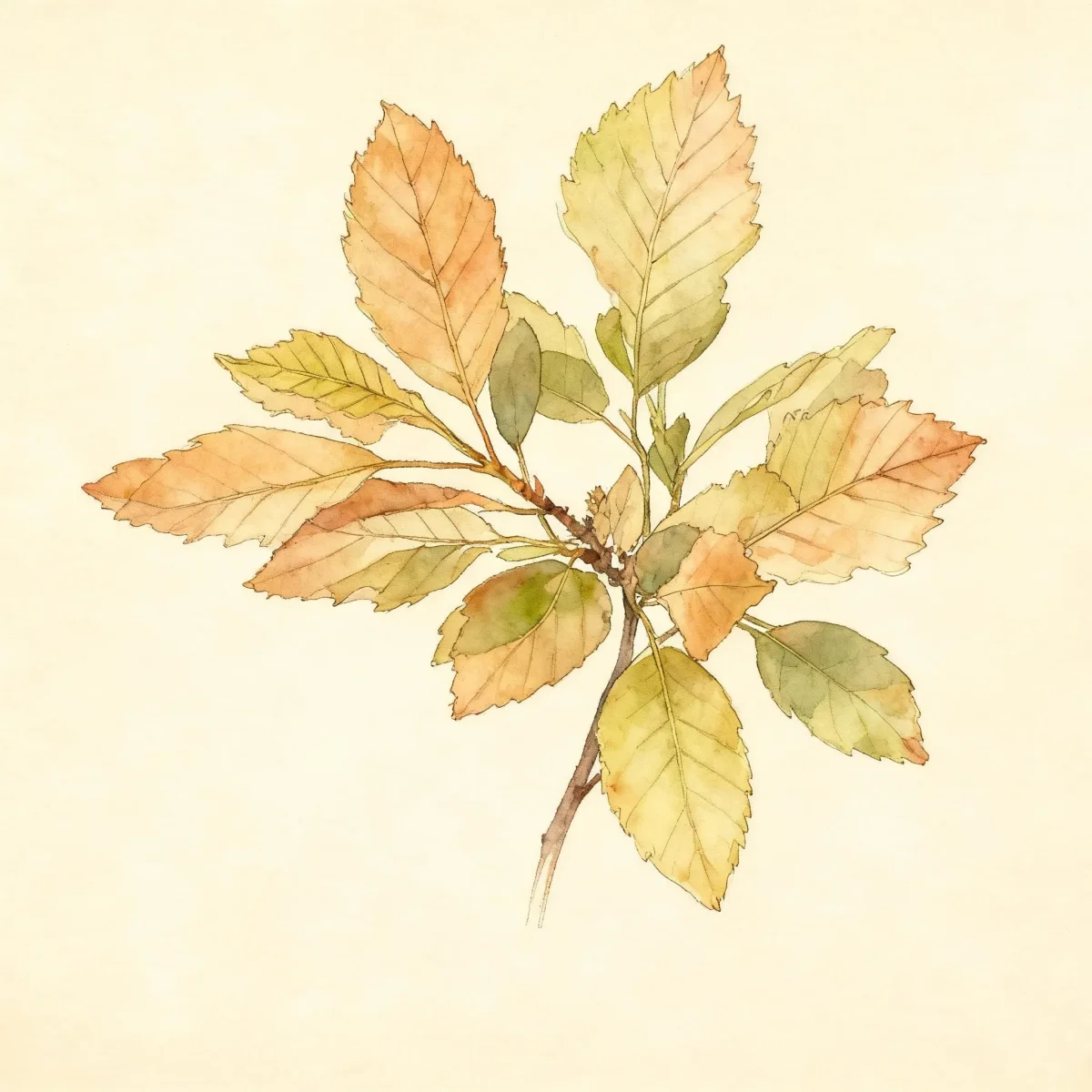
Summer care is largely hands-off in wet environments. If planted in a medium or drier site, ensure it receives adequate hydration, especially during July and August heat, leading up to its spectacular bloom. Fall is when the foliage transitions to mottled yellow, orange, and brown tones before leaf drop. Limit activity close to the base of the tree during this time.
Winter preparation requires minimal work for this hardy Zone 4 native. Avoid heavy pruning or soil disturbance when the ground is frozen. The persistent fruiting cones offer winter interest, so resist the urge to clean them up prematurely unless they are obstructing pathways.