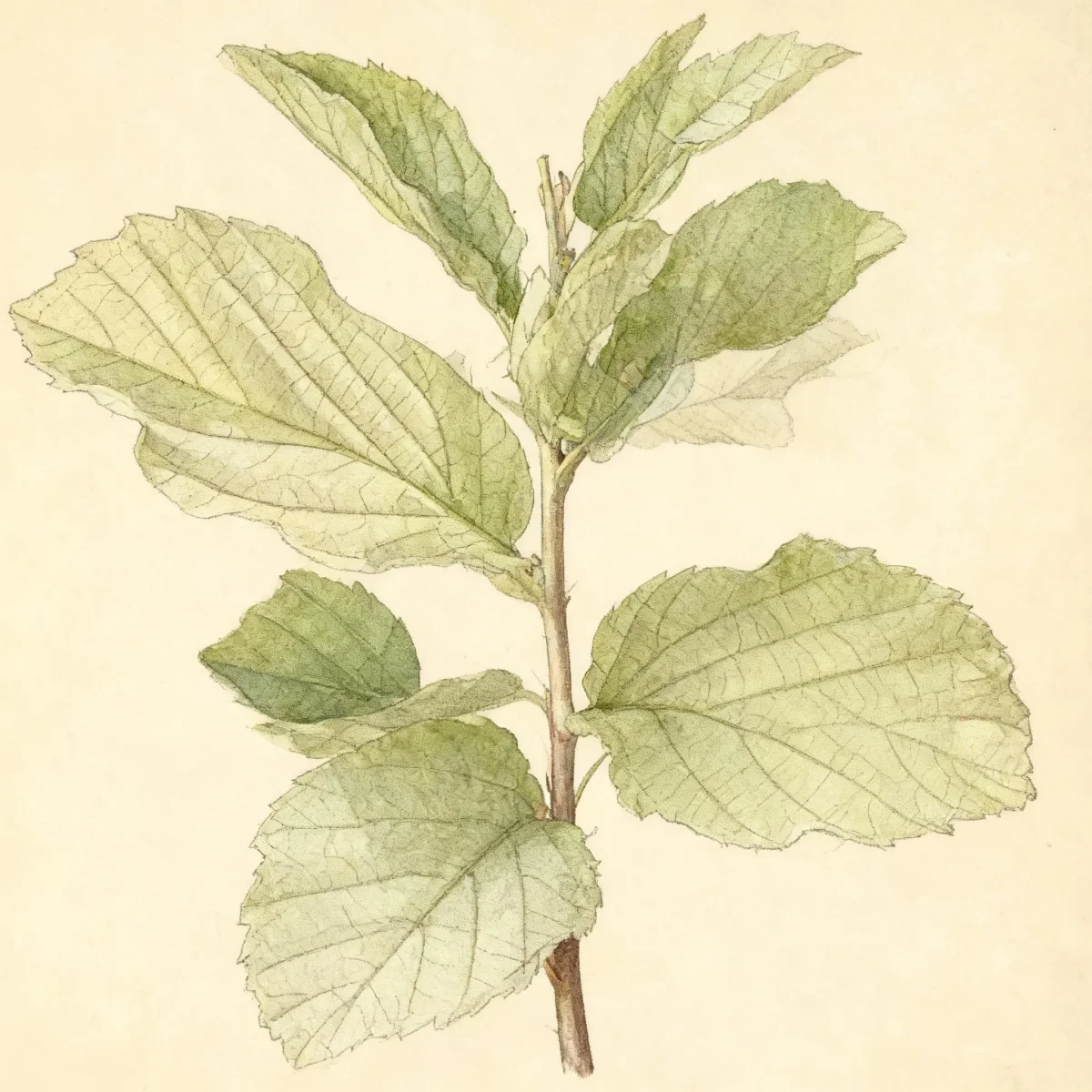
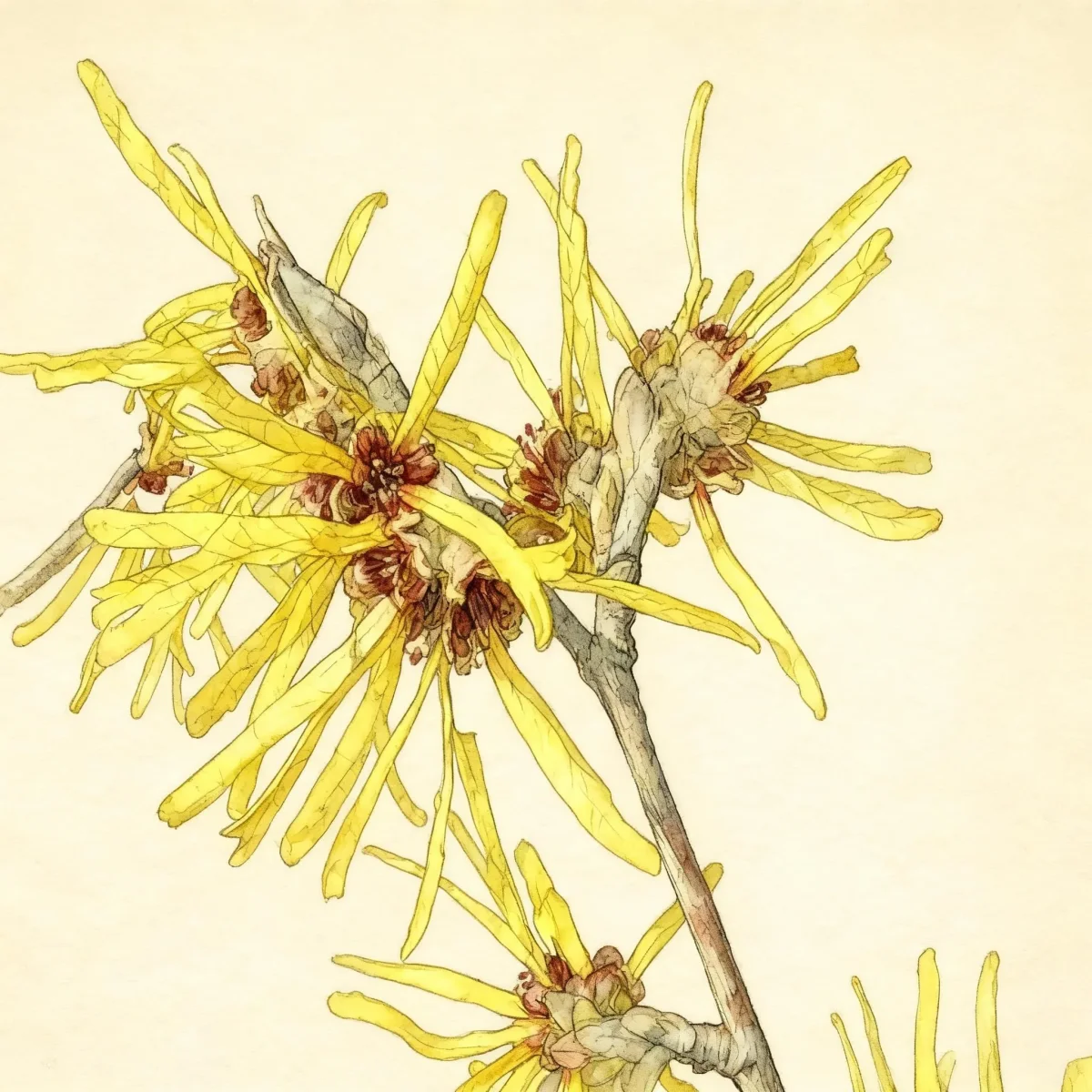
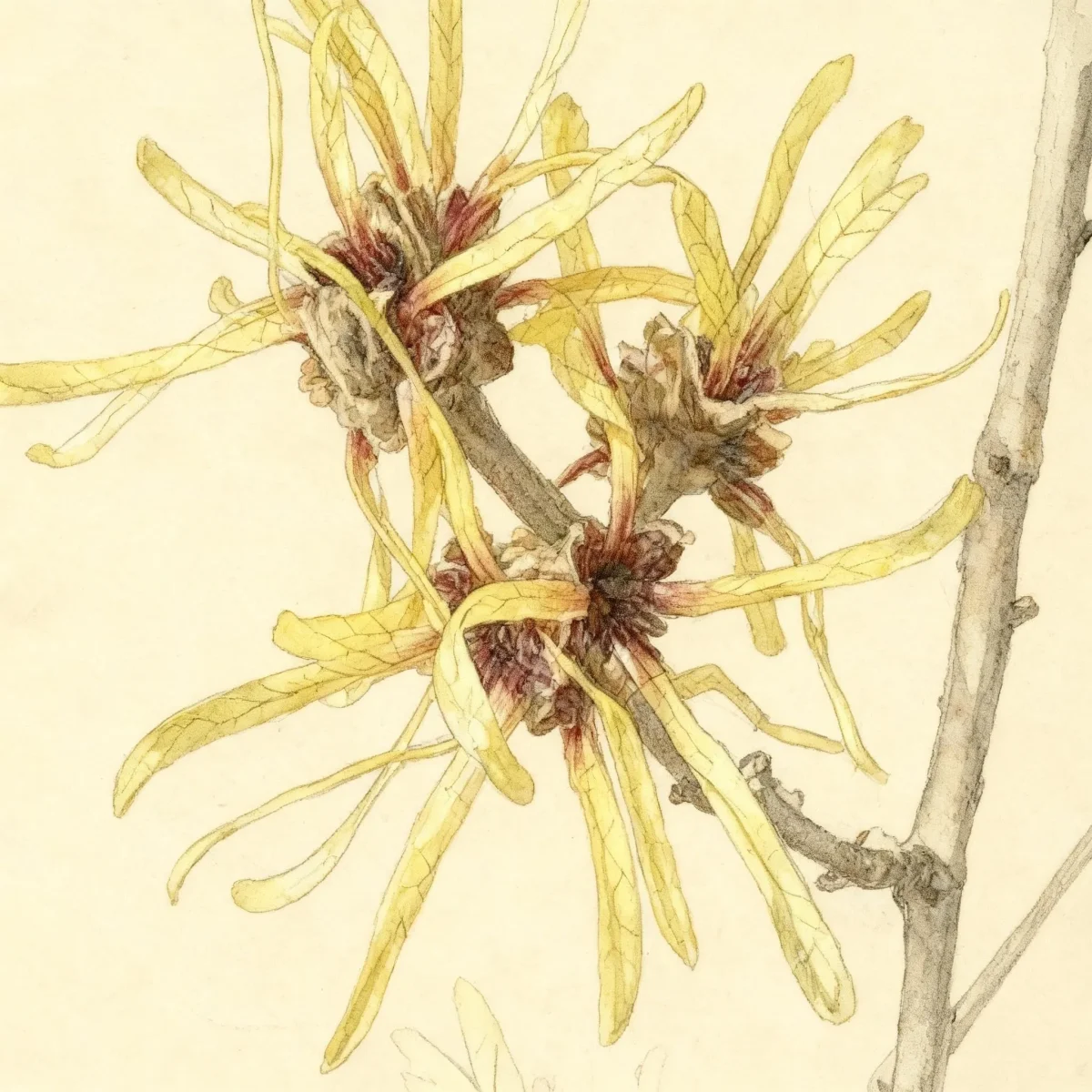
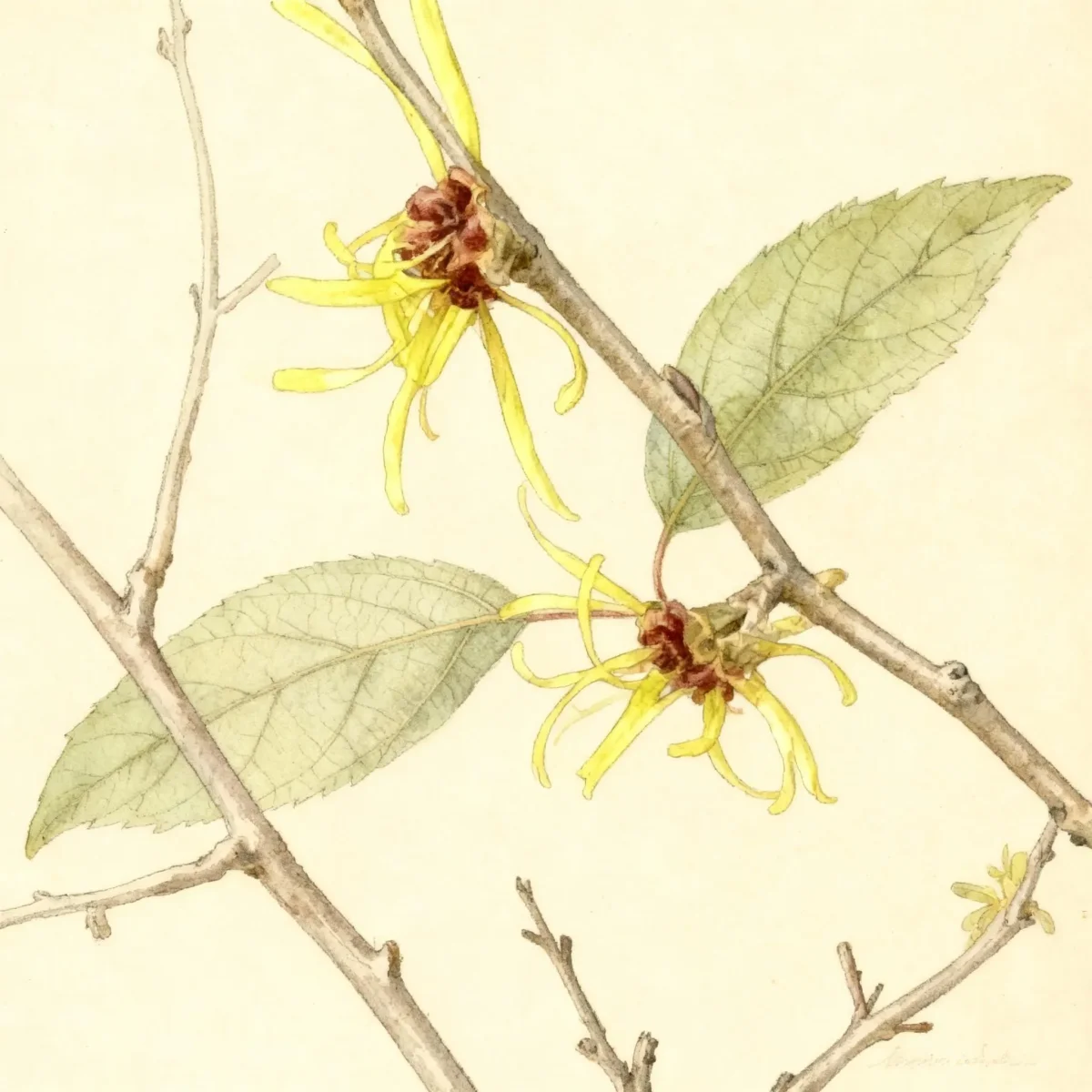
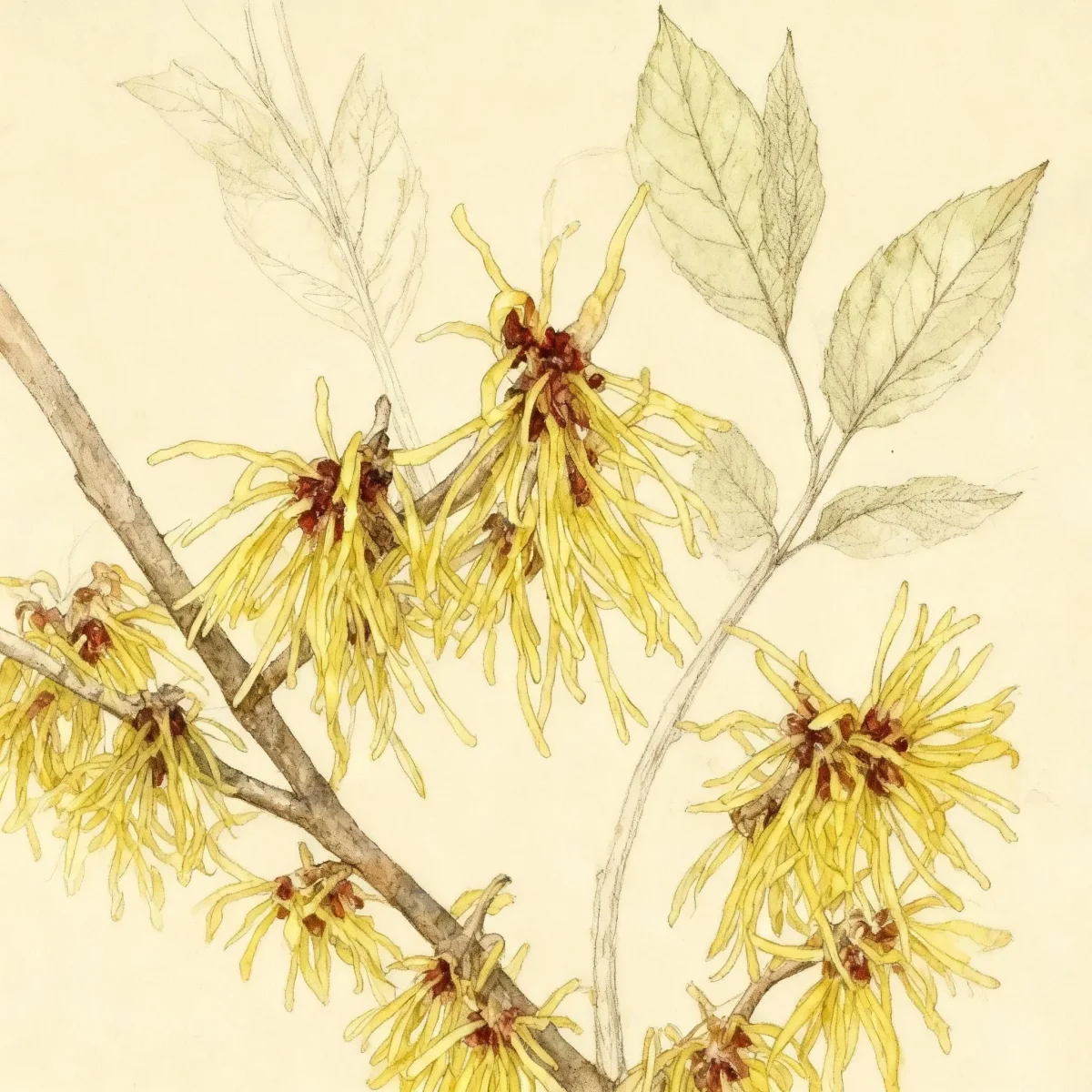
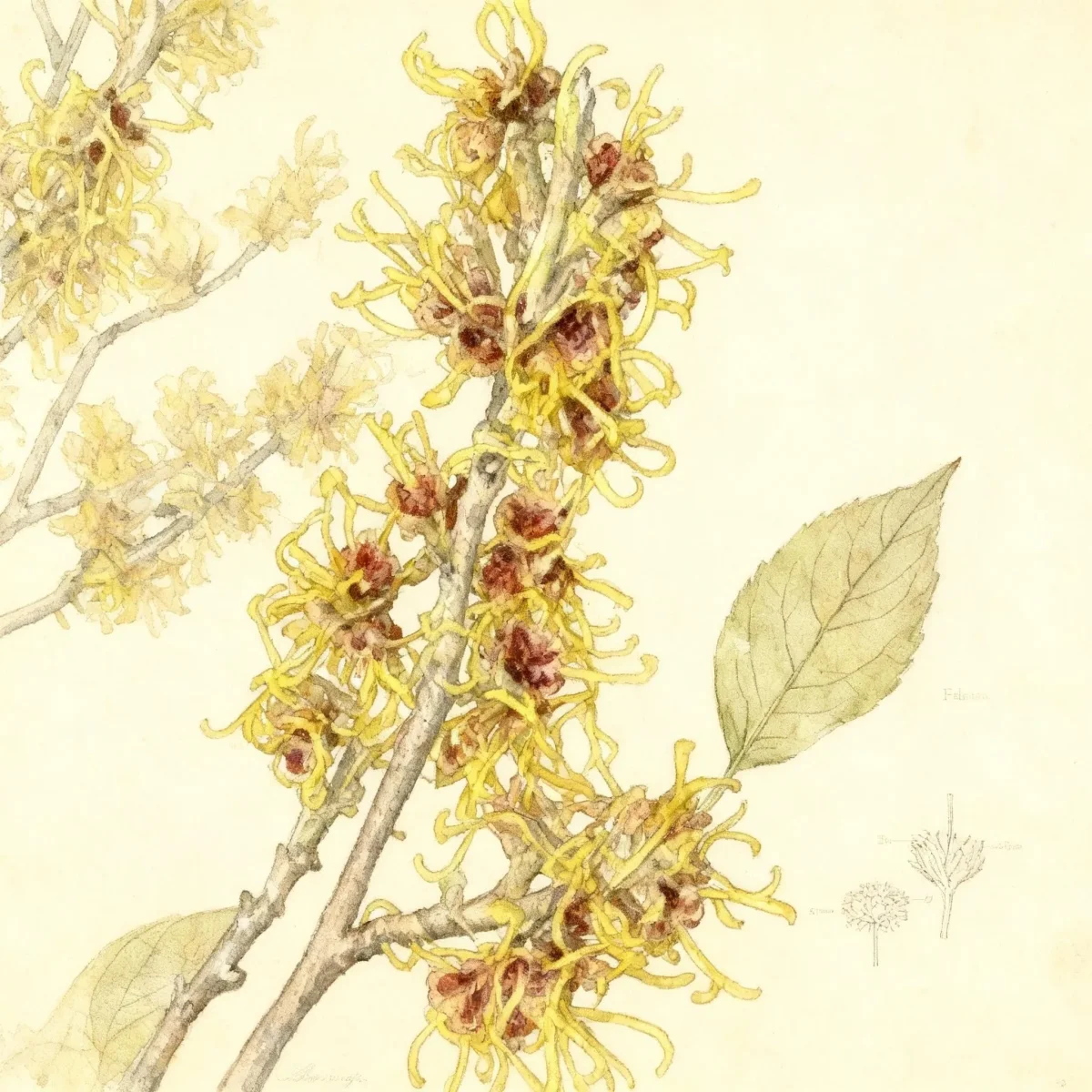
Chinese witch hazel (Hamamelis 'Brevipetala')
Hamamelis 'Brevipetala', or Chinese witch hazel, offers fragrant yellow winter blooms and low maintenance, thriving in Zones 5-8.
Scroll down to discover growing tips, care requirements, companion plants, and more
Complete Plant Information
Overview
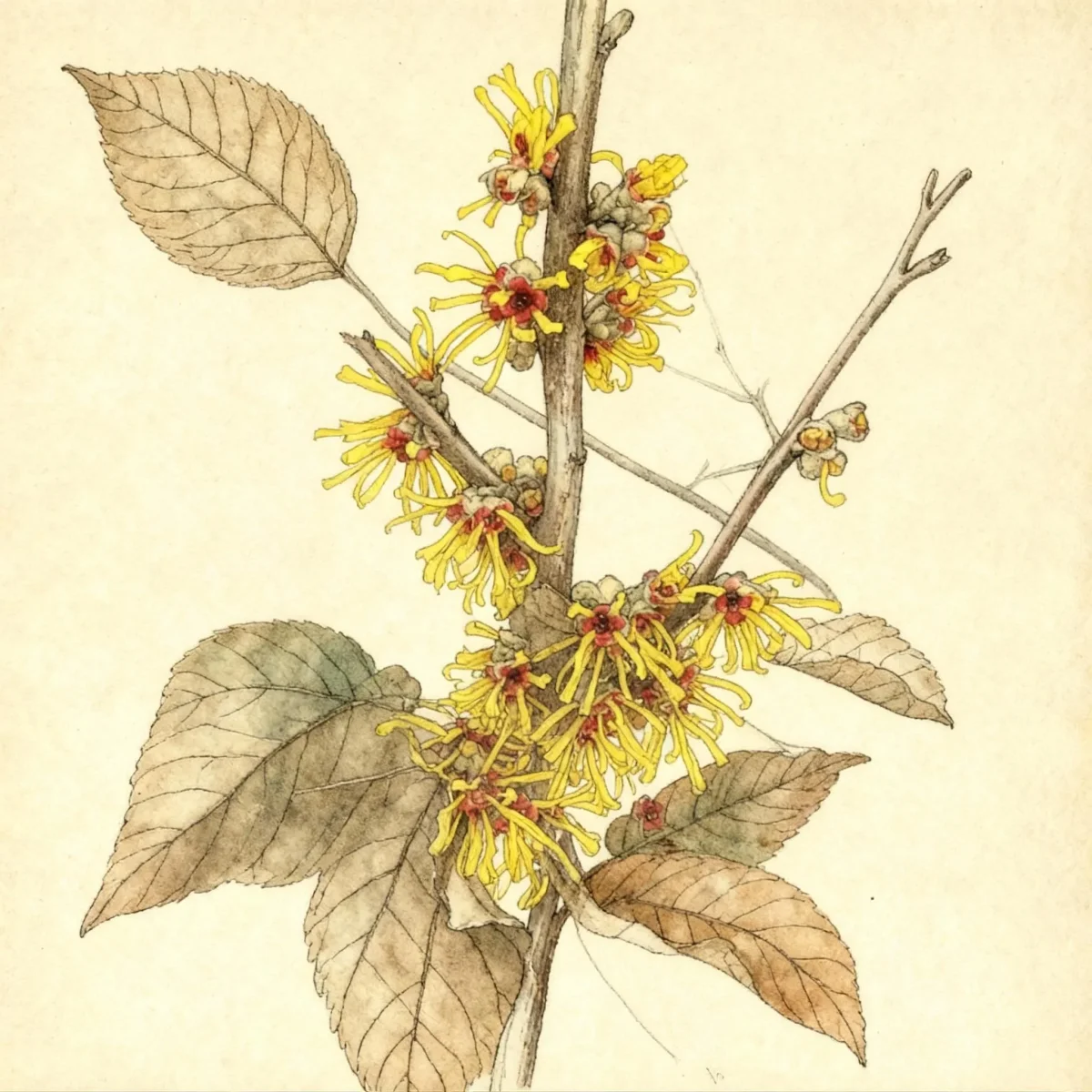
Hamamelis ‘Brevipetala’, commonly known as Chinese witch hazel, provides essential winter interest when most gardens are dormant. This deciduous shrub is celebrated for its surprisingly fragrant, short-petaled, deep ochre-yellow flowers that appear between January and March. Its value lies in delivering vibrant color and scent during the coldest months, well before the spring flush.
As an upright, vase-shaped grower, Hamamelis ‘Brevipetala’ reaches a mature size of 9 to 12 feet tall and wide, making it a substantial addition to the landscape. It is relatively low maintenance once established, tolerating a range of conditions, although consistent moisture ensures peak performance. Gardeners value this shrub for its reliable bloom time and year-round structure.
This cultivar is a hybrid cross, specifically bred for its desirable bloom characteristics, standing out even when other ornamental features, like its occasionally dull fall color, are subdued. Planting Chinese witch hazel ensures you have a focal point during late winter, easily enjoyed from a window or patio.
Fast Facts
- Plant Family: Hamamelidaceae
- Plant Type: Deciduous shrub
- Hardiness Zones: USDA Zones 5-8
- Size at Maturity:
- Height: 9-12 ft
- Spread: 9-12 ft
- Bloom Time: January to March
- Bloom Description: Yellow
- Sun Exposure: Full sun to part shade
- Water Needs: Medium
- Maintenance Level: Low
How to Grow
The best time to plant Chinese witch hazel is typically during the dormant season, either early spring or late fall, allowing roots to establish before summer stress. Locate Hamamelis ‘Brevipetala’ where it receives full sun for the best flowering display, though it tolerates part shade. It thrives in average, medium moisture, well-drained soils, preferring conditions that are moist, acidic, and organically rich.
Consistent moisture is critical for this shrub; summer drought can easily lead to leaf scorch, so plan watering accordingly. While it shows some tolerance for clay soils, drainage must remain good to prevent root issues. Fertilizing is rarely necessary if soil organic matter is adequate.
Pruning should be executed in the spring immediately after flowering concludes to shape and size the shrub without compromising next year’s bloom potential. A key cultural note for Hamamelis ‘Brevipetala’ is vigilant monitoring for and prompt removal of any root suckers, especially those emerging below the graft union, to maintain cultivar purity and prevent unwanted colonial spread.
Landscape Uses
The unique winter blooming period makes Hamamelis ‘Brevipetala’ an excellent specimen plant, particularly effective near walkways or viewing areas where its early flowers can be closely appreciated. This Chinese witch hazel works wonderfully as a structural element in shrub borders, providing necessary height and vertical interest in the winter garden.
It integrates seamlessly into woodland garden settings, though ensuring it receives adequate light for optimal flowering is important. Furthermore, its dense, upright structure lends itself well to use as a naturalized screen or a unique, informal tall hedge. Groupings of three or more provide a stronger visual impact when the flowers are open against a muted backdrop.
Standout Features
Flower Qualities
- Showy
- Fragrant
Noteworthy Characteristics
Hamamelis is celebrated for its very early late winter through early spring bloom, contrasting sharply with the dormant landscape. ‘Brevipetala’ is a hybrid cross offering sweetly-scented, short-petaled, deep ochre-yellow flowers that appear before the foliage emerges. The genus name references the simultaneous presence of both fruit and flowers on the shrub, a unique botanical trait.
Tolerances
- Deer
- Erosion
- Clay Soil
Potential Problems
While generally resilient, Hamamelis ‘Brevipetala’ can encounter minor pest and disease issues that rarely require intensive intervention. Look out for leaf chewing damage caused by caterpillars or Japanese beetles during the growing season.
Aphids, scale insects, leafrollers, and leafminers are occasional visitors to the foliage of the Chinese witch hazel. For disease management, monitor for powdery mildew, which develops more readily in shaded, poor-air-circulation areas, and address minor leaf spots if they become persistent. Maintaining good air flow and soil health generally minimizes these concerns.
Frequently Asked Questions
What hardiness zones is Chinese witch hazel suitable for?
Hamamelis ‘Brevipetala’ is hardy and performs reliably across USDA Zones 5 through 8.
How large does Hamamelis ‘Brevipetala’ grow?
This specimen typically matures to a sizable shrub, reaching heights and spreads between 9 and 12 feet in optimal conditions.
When does Chinese witch hazel bloom?
This cultivar produces its most notable display of yellow flowers from January to March, signaling the imminent arrival of spring.
What sun exposure does Hamamelis ‘Brevipetala’ need?
For the most abundant and vibrant blooms on your Chinese witch hazel, aim for a site receiving full sun, although it adapts well to part shade conditions.
Conclusion
The Hamamelis ‘Brevipetala’ stands out as a premier choice for brightening the late winter landscape with its showy, fragrant yellow flowers. This robust Chinese witch hazel requires relatively low maintenance, offering significant aesthetic rewards for minimal effort. Ensure you check your local USDA hardiness zone compatibility before planting this exceptional early bloomer.
Companion Planting
When situating Hamamelis ‘Brevipetala’, consider pairing it with plants that fill in the mid-to-late spring visual gap after the witch hazel finishes blooming. Early-blooming bulbs like snowdrops (Galanthus) or crocus provide color beneath the shrub while it is flowering. For summer interest, utilize evergreen foundation plants or shrubs with contrasting evergreen texture, such as dwarf rhododendrons or early-season camellias, if your soil pH is suitable for both.
Seasonal Care Calendar
Late Winter (January through Bloom): Enjoy the late-winter flowers of Hamamelis ‘Brevipetala’. Inspect branches for pests while foliage is absent.
Spring (After Flowering): This is the optimal time for pruning to maintain desired size and shape. Be methodical about removing any suckers at the base to maintain the grafted form.
Summer: Monitor moisture levels closely, especially during dry spells, to prevent summer drought stress and potential leaf scorch on your Chinese witch hazel.
Fall: While the fall color of ‘Brevipetala’ can vary, the plant remains a structural element. Apply a layer of mulch to conserve moisture going into winter.