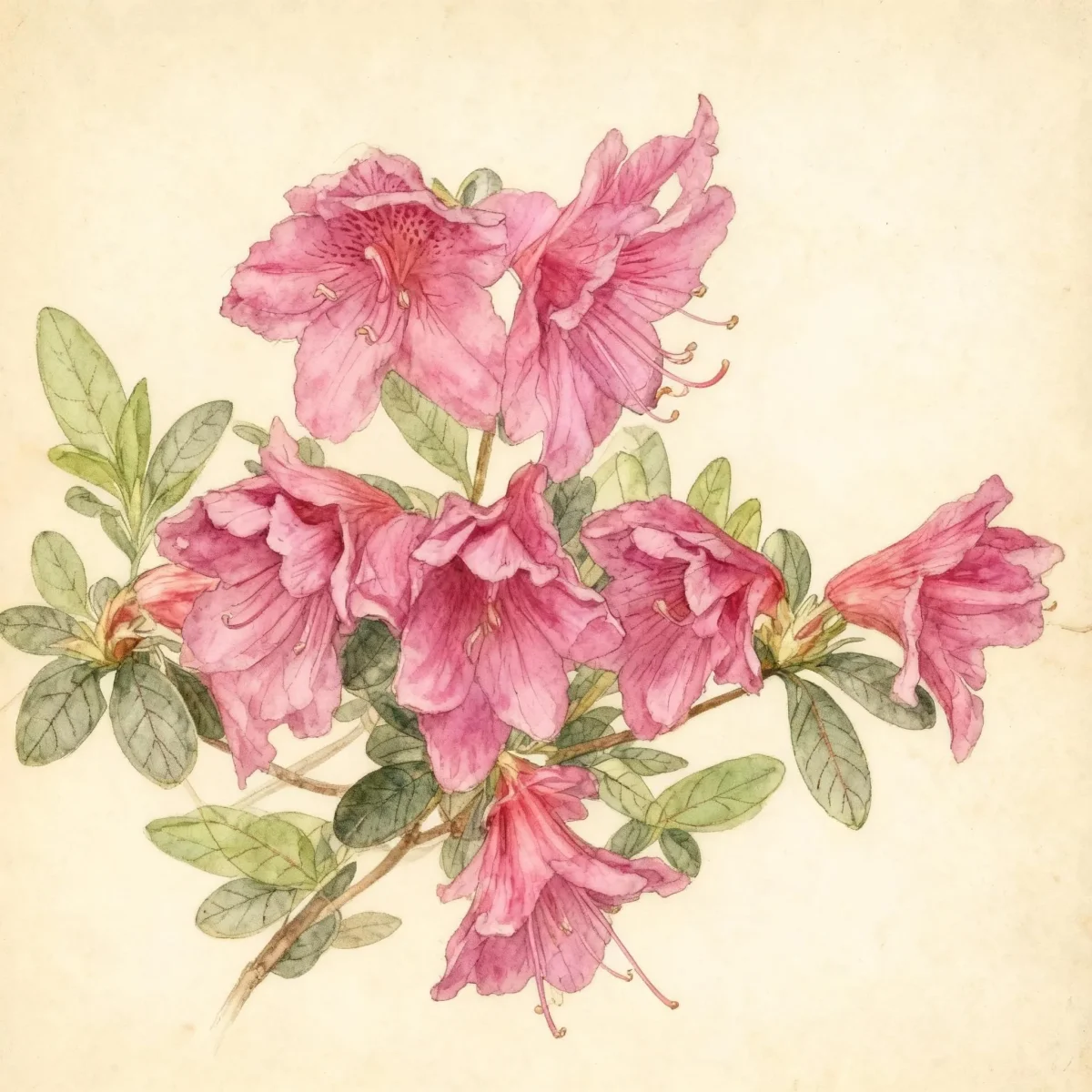
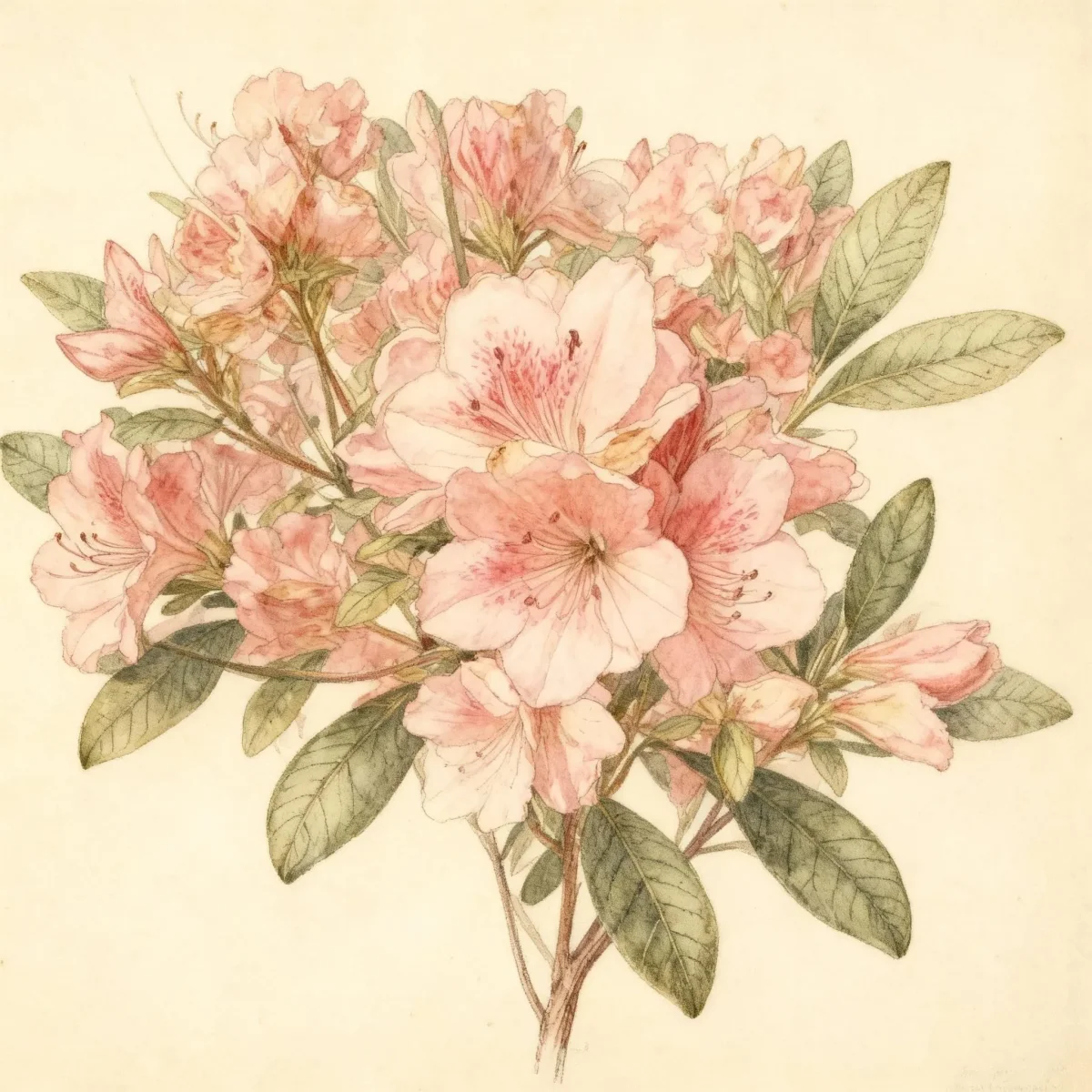
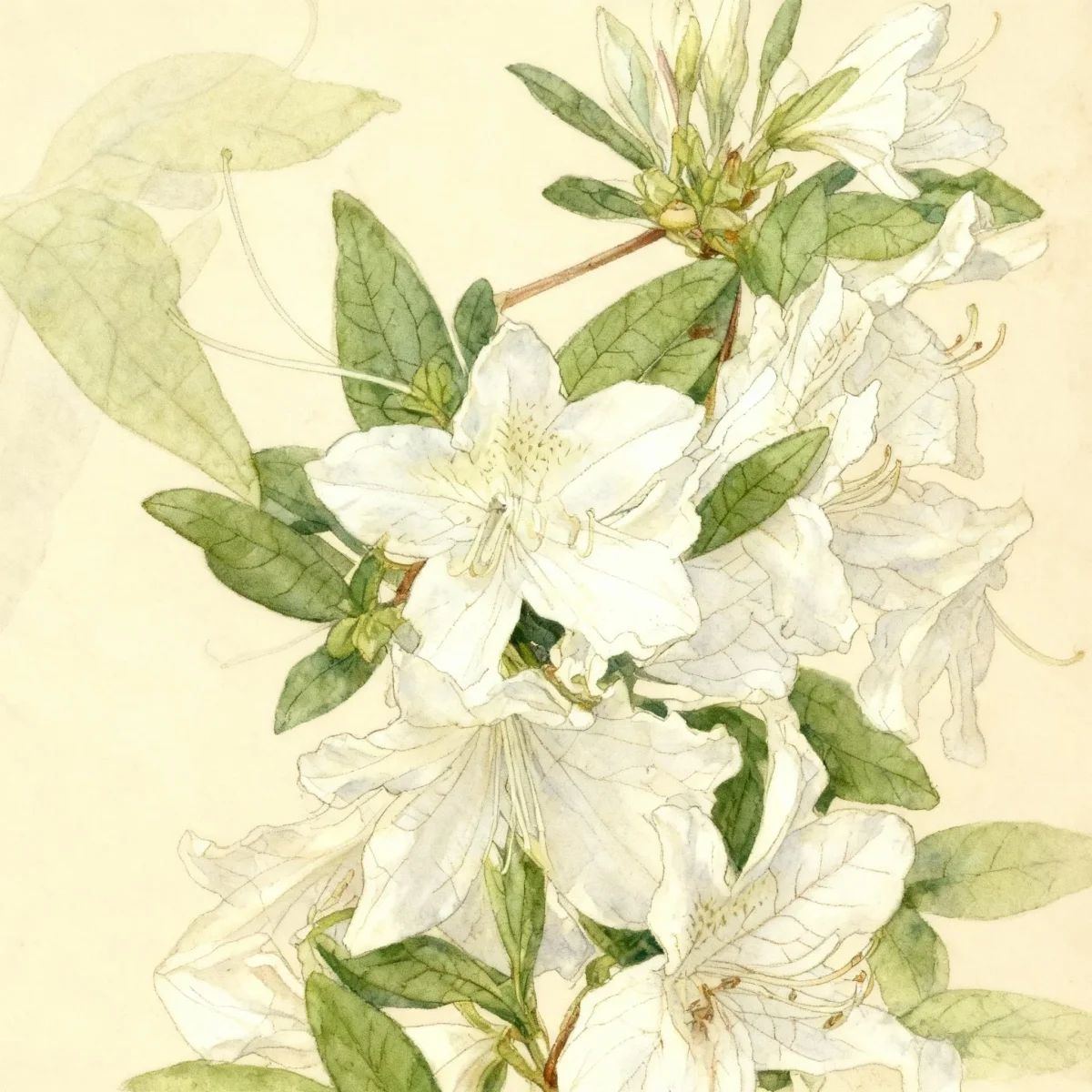
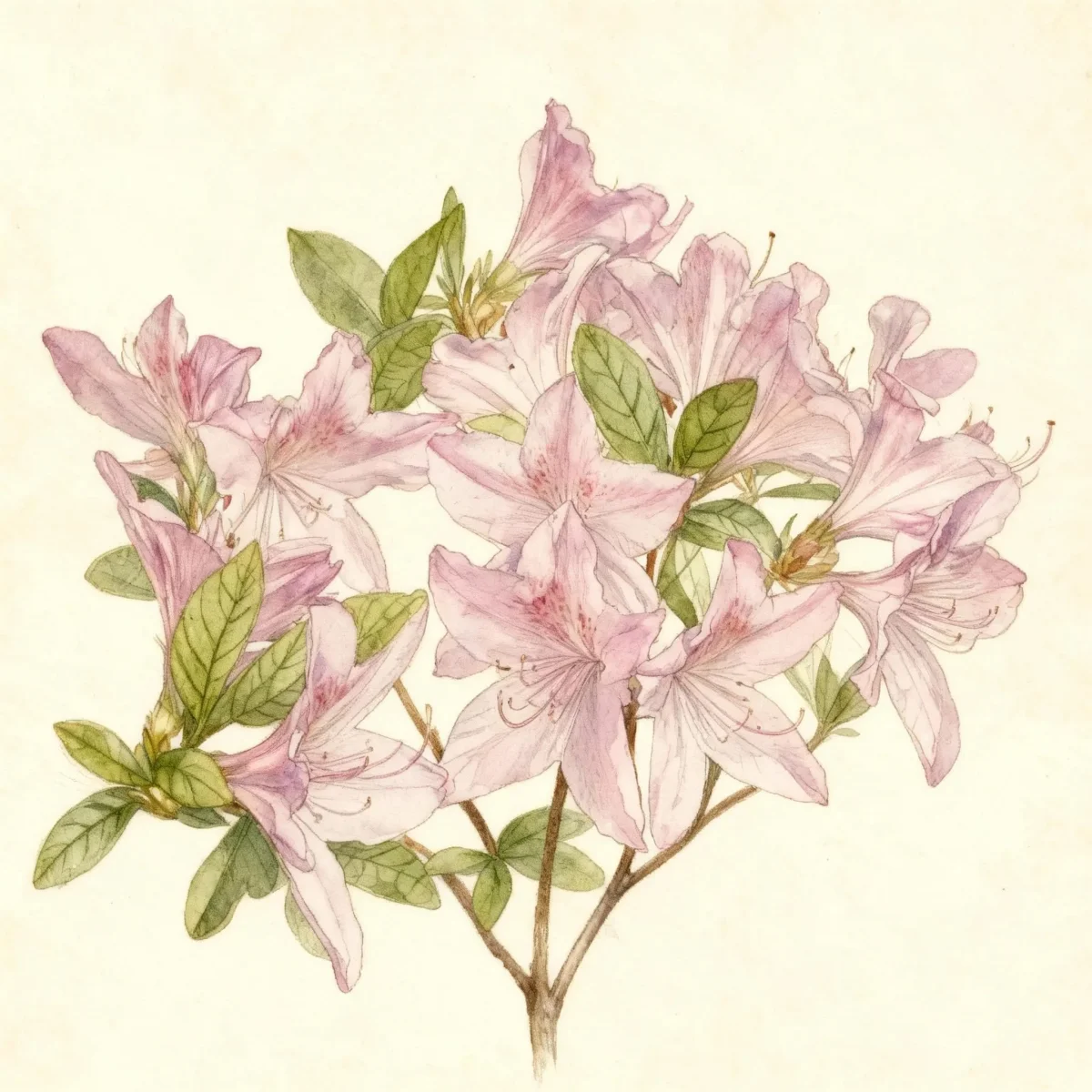
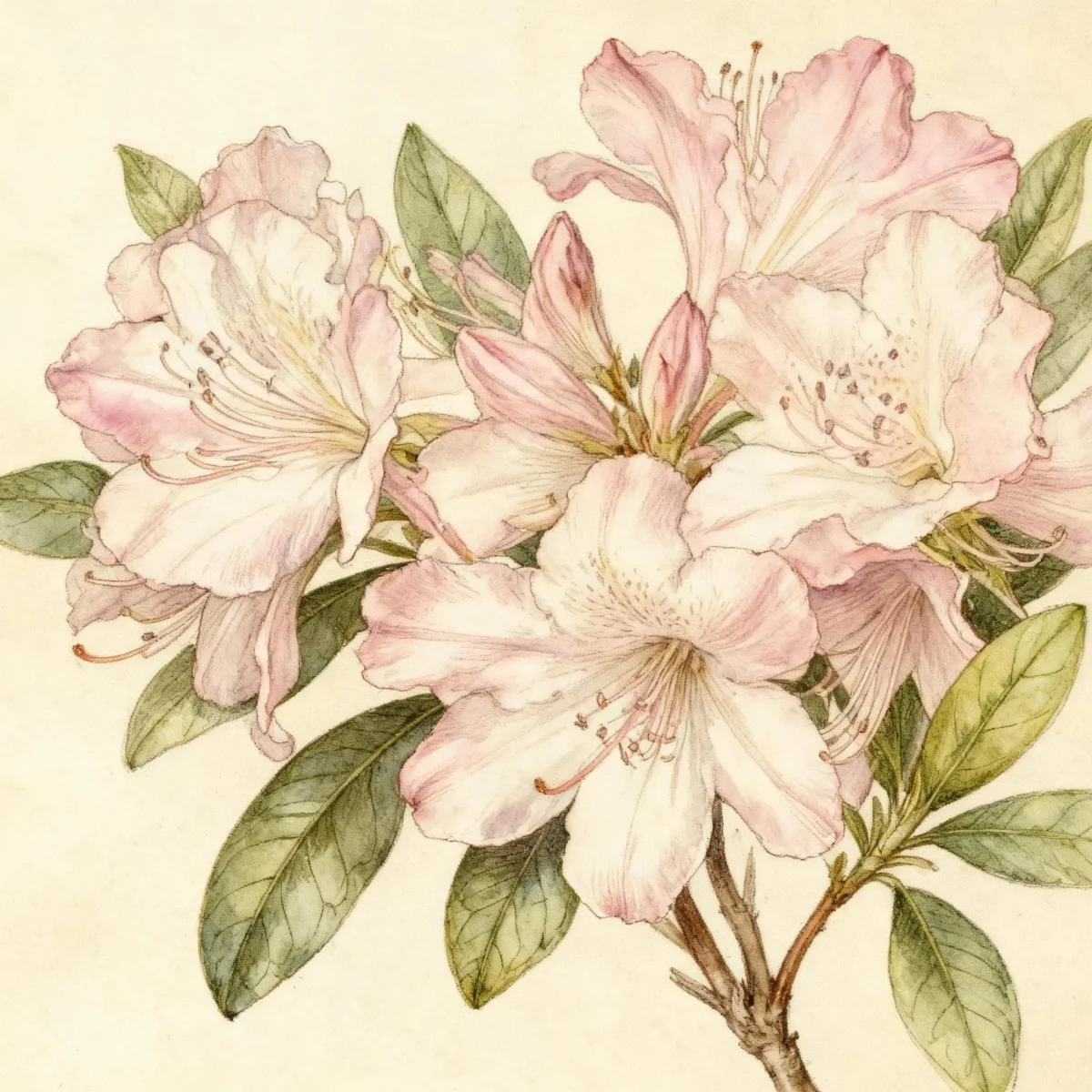
Evergreen azalea (Rhododendron 'Megan')
Rhododendron 'Megan' is a stunning Evergreen azalea offering deep purplish pink blooms in spring. Ideal for part shade in USDA Zones 5-8.
Scroll down to discover growing tips, care requirements, companion plants, and more
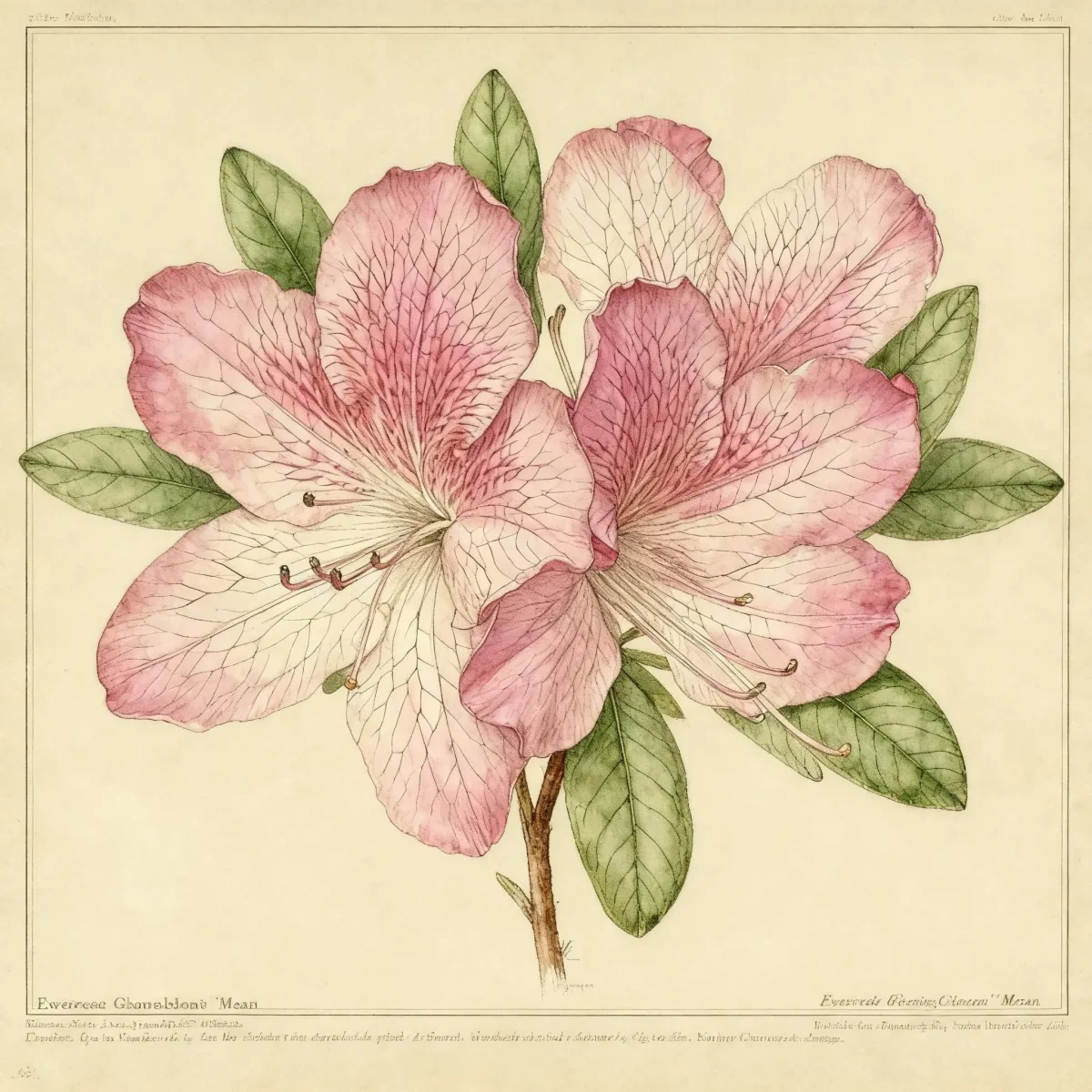
Complete Plant Information
Overview
Rhododendron ‘Megan’ is a highly valued addition to the spring garden, celebrated both for its structure as a broadleaf evergreen and its vibrant floral display. This specific cultivar, an Evergreen azalea, belongs to the esteemed Glenn Dale hybrid group, bred for resilience and long bloom seasons. Gardeners appreciate the dense, twiggy habit that provides year-round visual interest, contrasted by the spectacular flowering period.
This shrub reaches a manageable 4 to 5 feet tall and wide, making Rhododendron ‘Megan’ versatile for various landscape applications, including foundation plantings or forming structured hedges. Success with this plant hinges on replicating its native preference for acidic, well-drained soils rich in organic matter. Providing consistent moisture without waterlogging the roots is key to maintaining the health of the shallow, fibrous root system.
As an Evergreen azalea, Rhododendron ‘Megan’ brings reliable color, typically blooming richly from April into May with deep purplish pink flowers. Whether used as a specimen or integrated into a mixed border, its evergreen nature ensures structure remains long after the showy blooms fade. Proper siting in part shade will optimize flowering and prevent leaf scorch during intense summer heat.
Fast Facts
- Plant Family: Ericaceae
- Plant Type: Broadleaf evergreen
- Hardiness Zones: USDA Zones 5-8
- Size at Maturity:
- Height: 4-5 ft
- Spread: 4-5 ft
- Bloom Time: April to May
- Bloom Description: Deep purplish pink
- Sun Exposure: Part shade
- Water Needs: Medium
- Maintenance Level: Medium
How to Grow
Plant Rhododendron ‘Megan’ in the optimal location before the heat of summer sets in. Choose a spot offering protection from harsh winds and ensuring dappled or high open shade, ideally with gentle morning sun followed by protection from afternoon rays. Soil preparation is crucial; these plants demand acidic, humusy, organically rich, and reliably moist but exceptionally well-drained conditions. If you have heavy clay soil, consider using raised beds to guarantee that essential drainage, preventing the dreaded root rot associated with “wet feet.”
Watering necessitates attention; the fibrous, shallow roots must never be allowed to dry out, requiring medium, consistent moisture. Applying a thick layer of mulch, such as wood chips or pine needles, is highly recommended to stabilize soil temperature and conserve moisture around the fine roots. Cultivation directly around the plant base should be avoided to protect these surface roots. Adjust soil pH to the desired range of 5.0 to 5.5 by adding iron sulfate or sulfur to acidify if necessary.
Maintenance for Rhododendron ‘Megan’ is moderate. Immediately after the deep purplish pink flowers fade in late spring, deadhead spent clusters if you can do so without damaging new growth. This encourages robust flowering the following season. Beyond mulching and watering, avoid planting near walnuts, as the juglone toxins are detrimental to azaleas.
Landscape Uses
Rhododendron ‘Megan’ excels in layered plantings where its structure and spring bloom can anchor the design. Its nature as an Evergreen azalea makes it a superb choice for defined shrub borders, offering a solid green frame against deciduous plantings. Taller specimens work well as mass plantings to create sweeping drifts of color early in the season.
Functionally, this plant is excellent when utilized as a formal or informal hedge, providing screening and winter interest. For woodland gardens or shaded corners, Rhododendron ‘Megan’ offers a reliable splash of reliable color year after year. Consider using it in foundation plantings, ensuring adequate space for its mature 4 to 5-foot spread so it does not become overgrown against structures.
When pairing this plant, select companions that thrive under similar acidic, part-shade conditions, such as rhododendrons, camellias, or hostas. The textural contrast between the fine evergreen foliage of Rhododendron ‘Megan’ and coarser shade lovers enhances the overall garden composition throughout the growing cycle.
Standout Features
Flower Qualities
- Showy
Noteworthy Characteristics
Rhododendron ‘Megan’ is recognized as one of the 450+ named Glenn Dale hybrids, developed at the U.S. National Arboretum, resulting in large flowers and hardiness suitable for moderate climates. This broad spreading, densely twiggy Evergreen azalea retains its leaves all year, providing excellent structure when most other plants are dormant. The deep purplish pink blooms measure 2 3/4 to 3 inches across and contrast beautifully with its evergreen texture.
Tolerances
- Rabbit
Potential Problems
Rhododendrons and azaleas generally face susceptibility to various pests and diseases. Key insect threats include lacebugs, aphids, scale, and borers, while fungal issues like blight, root rot, and leaf spot are common, especially when drainage is poor. Chlorosis, where leaves yellow, often signals soil pH is too high, leading to iron deficiency—a common issue if the gardener neglects the need for acidic soil management.
To maintain a healthy Rhododendron ‘Megan’, monitor foliage closely for signs of stress or infestation. Ensuring the soil pH remains in the 5.0 to 5.5 range is your best defense against many nutritional issues and helps the plant thrive, limiting the impact of opportunistic pests and diseases. Proper placement away from walnuts is also critical preventative care.
Frequently Asked Questions
What hardiness zones is Evergreen azalea suitable for?
Rhododendron ‘Megan’ is suitable for USDA Hardiness Zones 5 through 8.
How large does Rhododendron ‘Megan’ grow?
This cultivar typically matures to a height between 4 and 5 feet and spreads between 4 and 5 feet wide.
What sun exposure does Evergreen azalea need?
Rhododendron ‘Megan’ performs best in part shade, benefiting from dappled sunlight or protection from hot afternoon sun.
When does Rhododendron ‘Megan’ bloom?
It blooms reliably from April to May, producing deep purplish pink flowers.
Conclusion
Rhododendron ‘Megan’ is a dependable and attractive Evergreen azalea, prized for its year-round structure and its brilliant display of deep purplish pink bloom in mid-spring. For guaranteed success with Rhododendron ‘Megan’, focus intently on providing acidic, consistently moist, and finely draining soil. Before planting, confirm your site conditions align with USDA Zones 5-8 and part shade requirements.
Companion Planting
Selecting companions that share the cultural needs of Rhododendron ‘Megan’ ensures a harmonious understory and border planting. Plants requiring acidic soil and thriving in dappled light, such as ferns, hostas, and Japanese maples, are excellent partners. These choices complement the shrub’s structure without competing vigorously for nutrients or moisture near the shallow roots of this Evergreen azalea.
Avoid planting aggressive shallow-rooted species near your Rhododendron ‘Megan’, as competition can stress the shrub. Focusing on groundcovers that benefit from shade and acid mulch—like Gaultheria, Vaccinium species, or trailing evergreens—can help suppress weeds and further maintain the cool, moist environment crucial for this magnificent plant.
Seasonal Care Calendar
Spring cleanup is vital for the success of Rhododendron ‘Megan’. Immediately after the bloom peak in May, gently deadhead faded flowers to redirect energy into vegetative growth and next year’s buds. Apply a fresh layer of bark or wood chip mulch now, being careful not to pile it against the crown or stem of the plant.
Summer care revolves primarily around consistent, deep watering, especially during dry spells, ensuring the roots never dry out completely. Reduce maintenance drastically in the fall; avoid heavy pruning, which can stimulate tender new growth susceptible to winter damage. In cold-winter regions, monitoring for potential winter burn on the evergreen foliage is important, though proper siting in a sheltered spot mitigates much of this risk.