Tall verbena (Verbena bonariensis 'Buenos Aires')
Discover Tall verbena (Verbena bonariensis 'Buenos Aires'): a low-maintenance perennial with airy lavender-purple blooms attracting pollinators.
Scroll down to discover growing tips, care requirements, companion plants, and more
Complete Plant Information
Overview
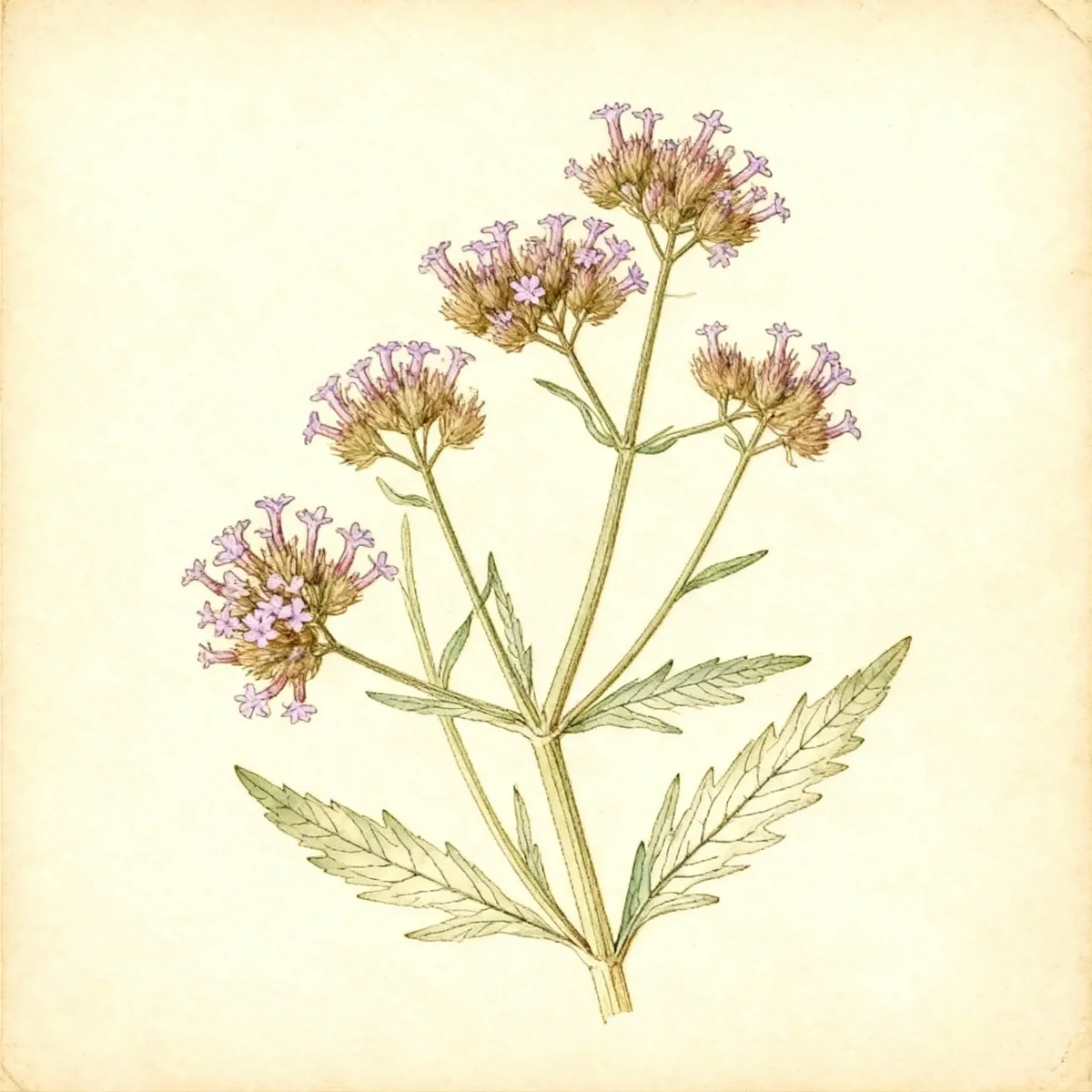
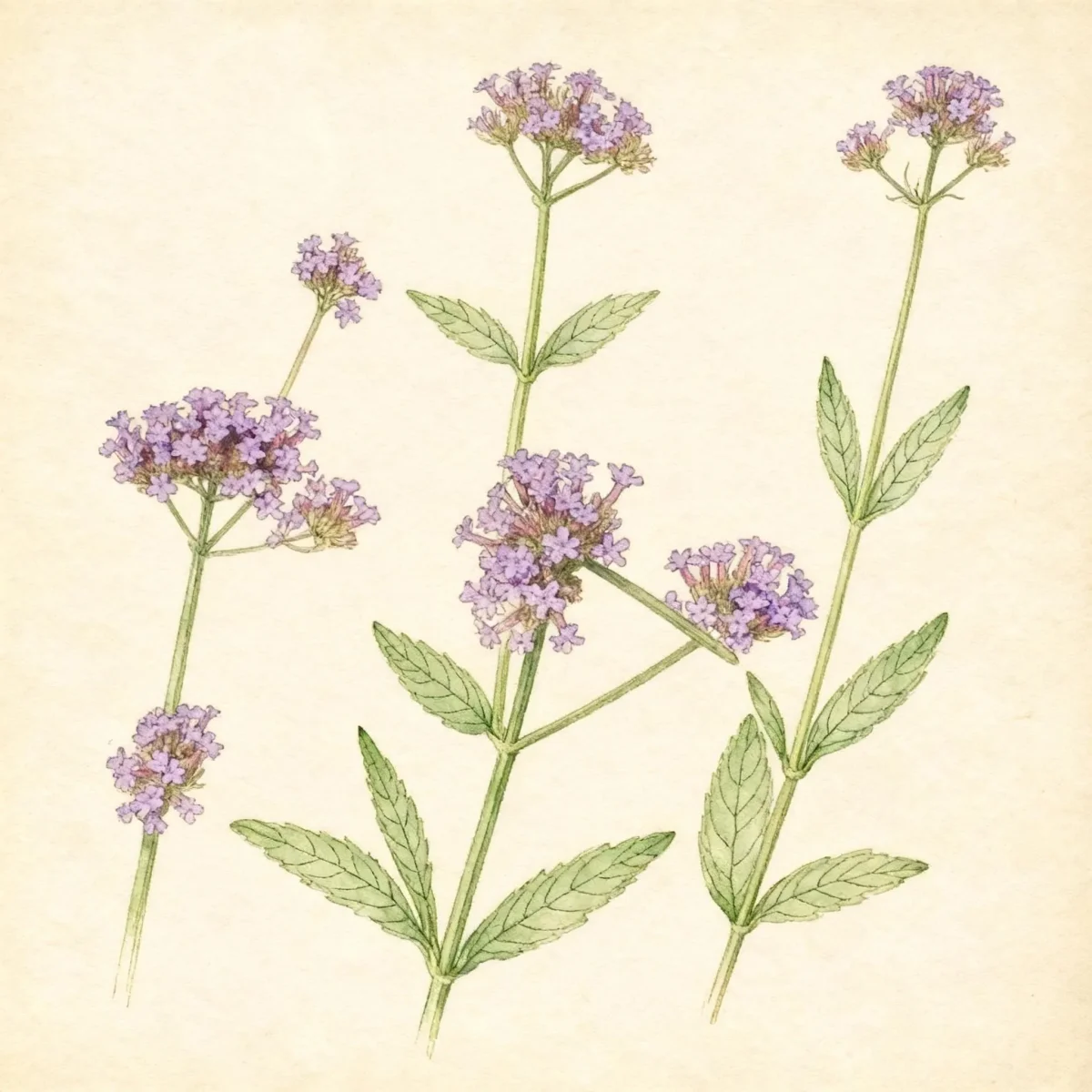
Tall verbena, known scientifically as Verbena bonariensis ‘Buenos Aires’, offers vertical accent and airy texture to the summer garden. This rapid-growing, clump-forming perennial is prized for its near-constant display of small, yet eye-catching lavender-purple flowers atop wiry stems. Its towering, see-through habit allows it to blend seamlessly into background plantings without creating heavy visual bulk.
Verbena bonariensis ‘Buenos Aires’ requires minimal attention once established, making it highly valuable for gardeners seeking high impact with low effort. It thrives in sunny locations and notably tolerates poorer soils, provided drainage is adequate. The airy clusters of blooms are universally loved by beneficial insects.
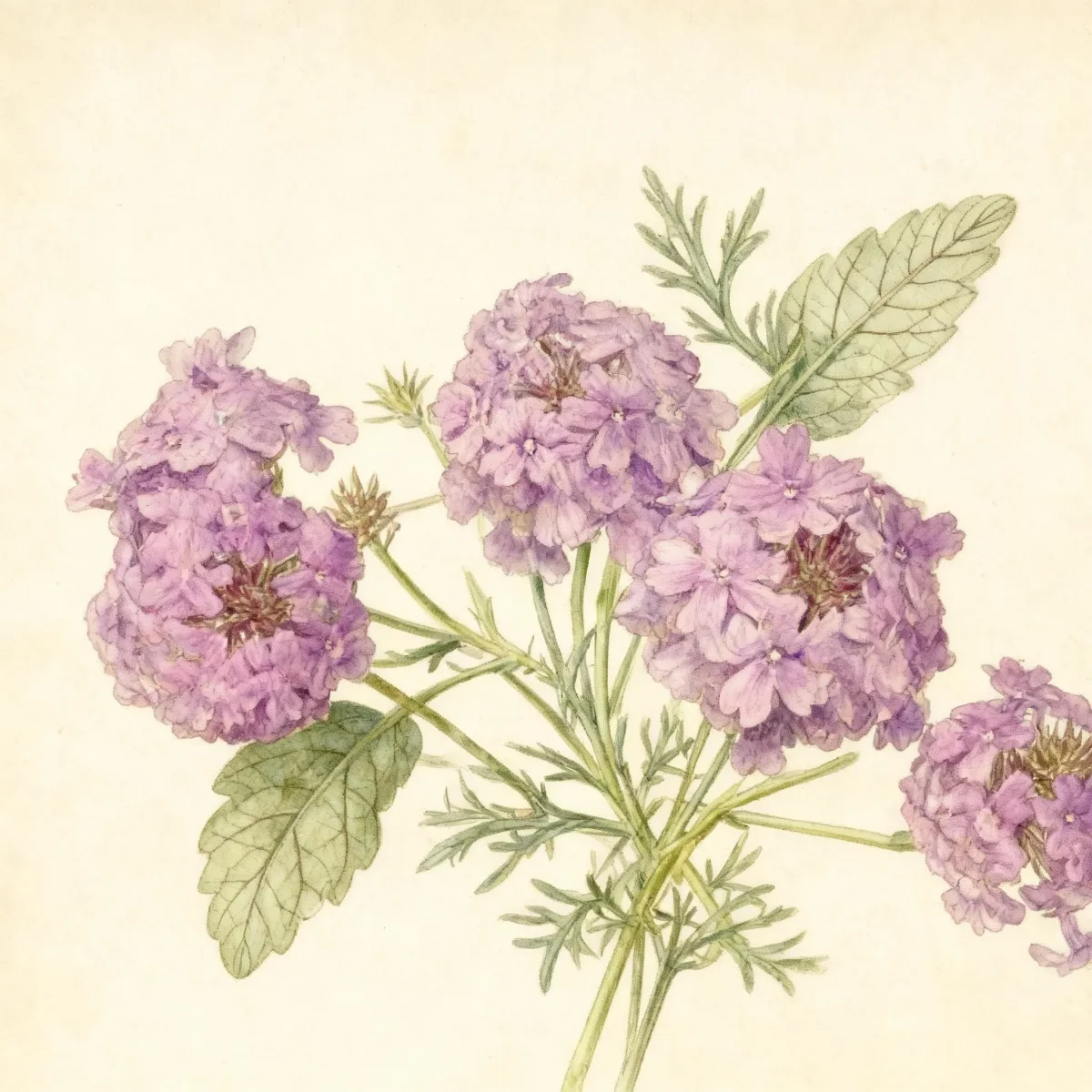
This cultivar stands out because its flowers offer a distinctly more purple coloration than the straight species, Verbena bonariensis. Plant Tall verbena strategically to draw the eye upward and provide essential nectar sources for hummingbirds and butterflies from mid-summer until the first hard frost.
Fast Facts
- Plant Family: Verbenaceae
- Plant Type: Herbaceous perennial
- Hardiness Zones: USDA Zones 7-9
- Size at Maturity:
- Height: 3-4 ft
- Spread: 1.5-2 ft
- Bloom Time: June to frost
- Bloom Description: Lavender-purple
- Sun Exposure: Full sun
- Water Needs: Medium
- Maintenance Level: Low
How to Grow
Start seeds indoors 6-8 weeks before your area’s last expected frost date for earlier blooms, or you can sow seed directly into the garden once danger of frost has passed. Set out purchased plants or seedlings only after all danger of frost has passed. Verbena bonariensis ‘Buenos Aires’ performs best when grown in evenly moist, well-drained soil, though it shows good tolerance for poorer media so long as drainage remains excellent.
Watering needs are medium; ensure the plant receives consistent moisture while establishing. While it appreciates steady moisture, avoid soggy conditions, which can lead to root issues. Fertilization is rarely necessary, especially if planted in average garden soil, as too much richness can result in overly lush, weak stem growth.
Plants are cold hardy in USDA Zone 7 and warmer. In Zone 6, survival is possible if planted in a sheltered area and left undisturbed, allowing the plant to benefit from self-seeding. Where reliably hardy, Verbena bonariensis ‘Buenos Aires’ readily self-seeds, often returning year after year and naturalizing beautifully into the landscape.
Landscape Uses
The upright, non-spreading habit of Tall verbena makes it an excellent structural plant for mixed borders. Because the blooms are held high above a relatively sparse lower structure, it pairs wonderfully with shorter, mounding perennials or in the mid-ground of meadow style plantings. Consider massing several plants together to create a stunning, cloud-like effect of purple color.
This plant functions perfectly in cottage gardens where its wild, airy texture softens the lines of more structured plantings. Its height also works well near the rear of perennial beds, allowing shorter companions like coneflowers or coreopsis to benefit from its vertical lift without being overshadowed. Utilizing Verbena bonariensis ‘Buenos Aires’ where you need kinetic movement in the breeze is highly recommended.
Standout Features
Flower Qualities
- Showy
Noteworthy Characteristics
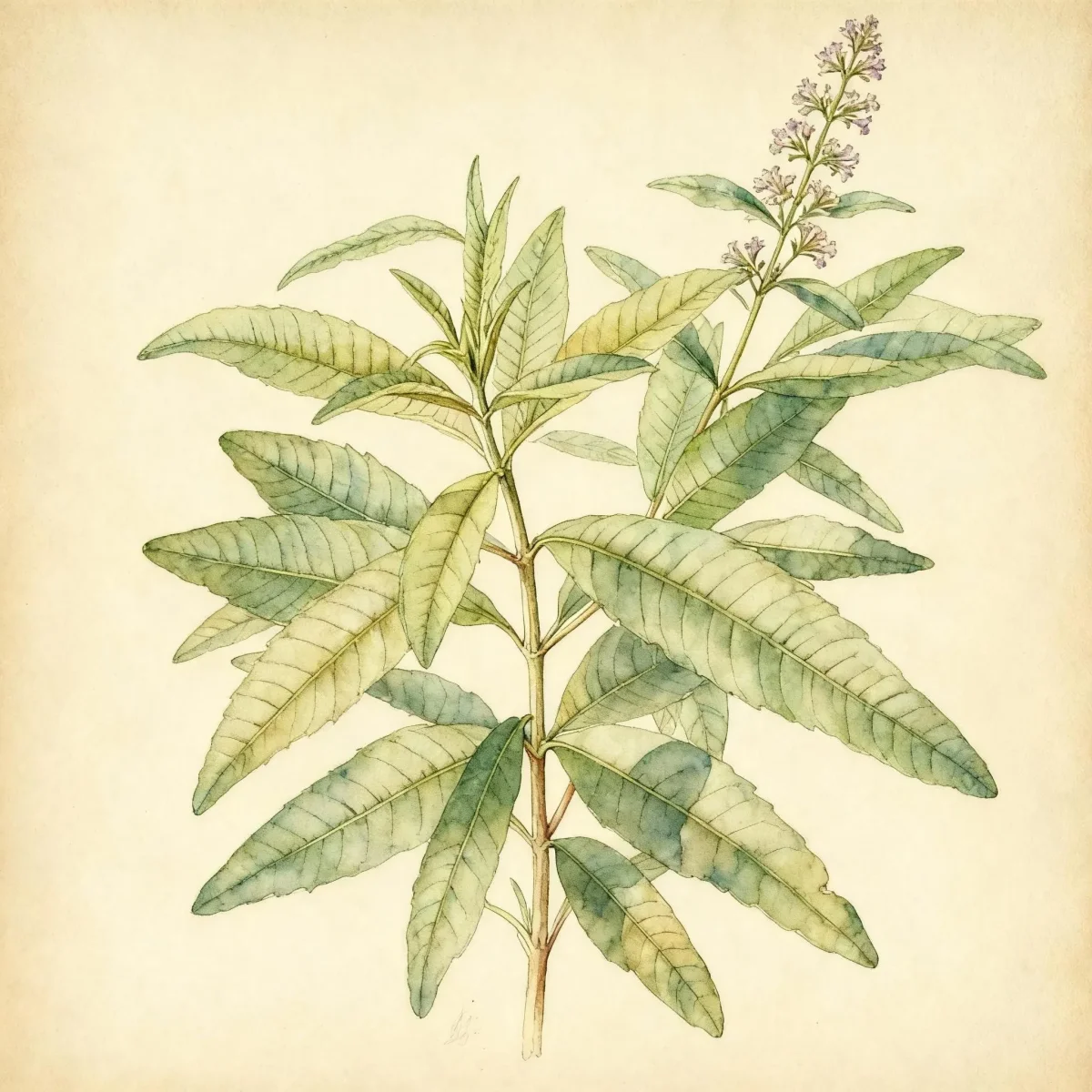
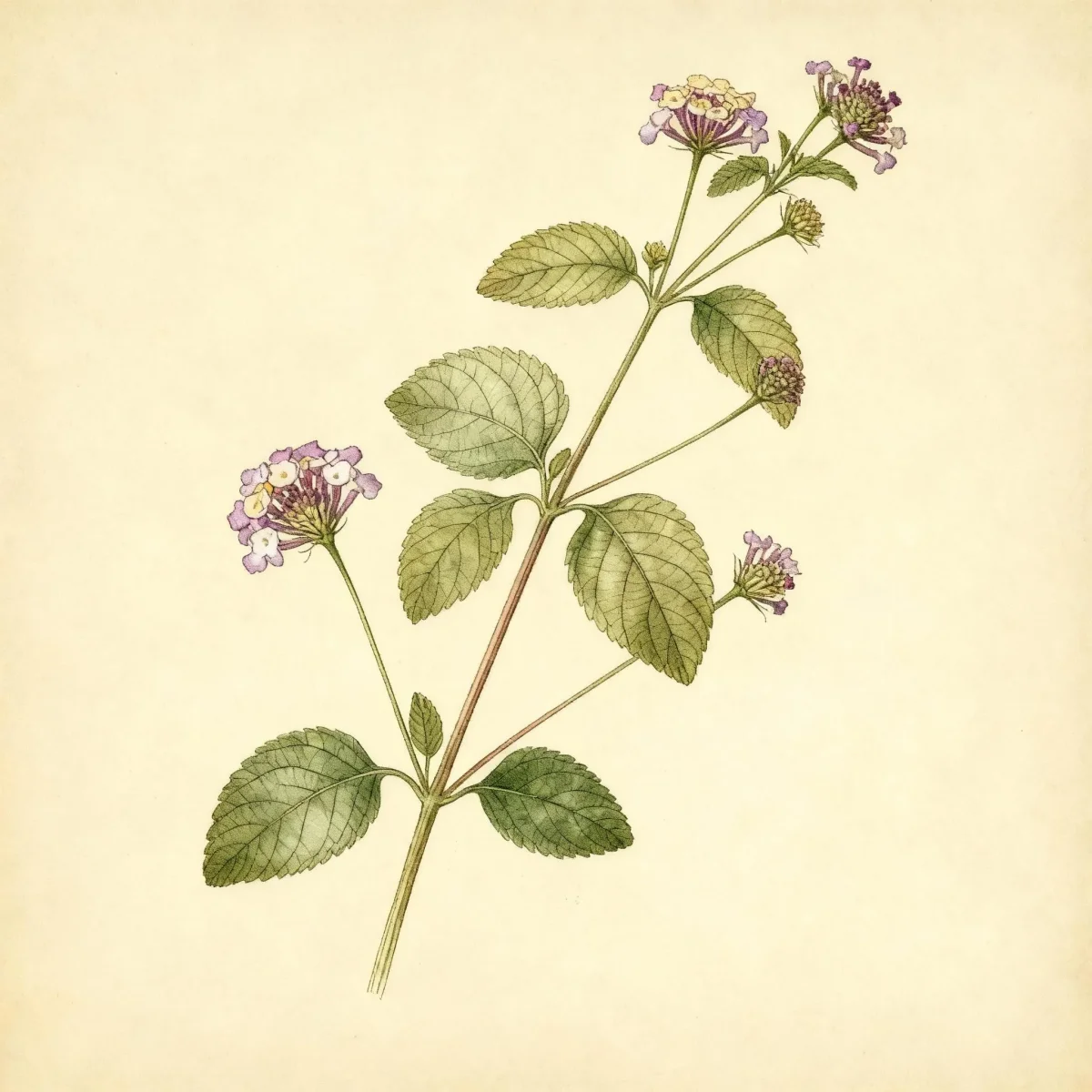
Verbena bonariensis, commonly called Brazilian vervain, is a rapid-growing, clump-forming tender perennial. In St. Louis, plants typically form a 1-foot tall basal clump of serrate, lance-shaped, dark green leaves (to 5” long) from which rise erect, slender, wiry, branching, sparsely-leaved, 4-angled stems to 3.5’ tall bearing clusters (to 2” across) of tiny rose-violet flowers. The flowers are attractive to hummingbirds, butterflies, and other pollinators. Genus name comes from a Latin name used for some plants in religious ceremonies and also in medicine. ‘Buenos Aires’ features lavender flowers with more distinctly purple coloration compared to the species.
Tolerances
This plant exhibits few major weaknesses, thriving under full sun conditions which maximize bloom production and stem strength.
Potential Problems
Serious insect or disease problems are uncommon for Verbena bonariensis ‘Buenos Aires’. Gardeners should primarily remain observant for signs of powdery mildew, especially if air circulation is poor or humidity is very high. Ensure adequate spacing when planting, as good airflow is the best preventative measure against fungal issues.
Frequently Asked Questions
What hardiness zones is Tall verbena suitable for?
Tall verbena is reliably cold hardy in USDA Zones 7 through 9. Care should be taken if attempting to overwinter it in Zone 6.
How large does Tall verbena grow?
This plant typically reaches a moderate height between 3 and 4 feet, spreading moderately between 1.5 and 2 feet wide.
What sun exposure does Tall verbena need?
Verbena bonariensis ‘Buenos Aires’ requires full sun exposure to develop strong upright stems and achieve its best blooming potential from June until frost.
When does Tall verbena bloom?
The flowering season for this variety is long, lasting from early June consistently through the first frost of the season, displaying lavender-purple blossoms continuously.
Conclusion
The combination of low maintenance, tolerance for various soil conditions, and superior pollinator attraction makes Tall verbena an indispensable summer garden staple. Ensure you plan for its eventual 4-foot height when incorporating Verbena bonariensis ‘Buenos Aires’ into your borders this season. Check your local USDA zone compatibility and plan to sow seeds or plant purchased starts promptly after your region’s last spring frost date.
Companion Planting Ideas
Given its love for full sun and well-drained soil—and its tolerance for relative lean soil—this verbena pairs beautifully with robust, sun-loving companions. Plant it alongside Echinacea (Coneflower) or Rudbeckia (Black-Eyed Susan) for complementary flower forms that share similar cultural needs. When planting near shorter material, remember that the stems of Tall verbena are airy; they won’t block light but will provide a dynamic backdrop.
Wildlife Benefits
The primary ecological value of Verbena bonariensis ‘Buenos Aires’ lies in its continuous nectar production throughout the late growing season. The tiny, densely packed flowers create perfect landing pads for smaller butterflies and offer critical refueling sources for migrating pollinators. Hummingbirds are regularly observed visiting the upright flower clusters throughout the summer months, significantly boosting garden biodiversity.