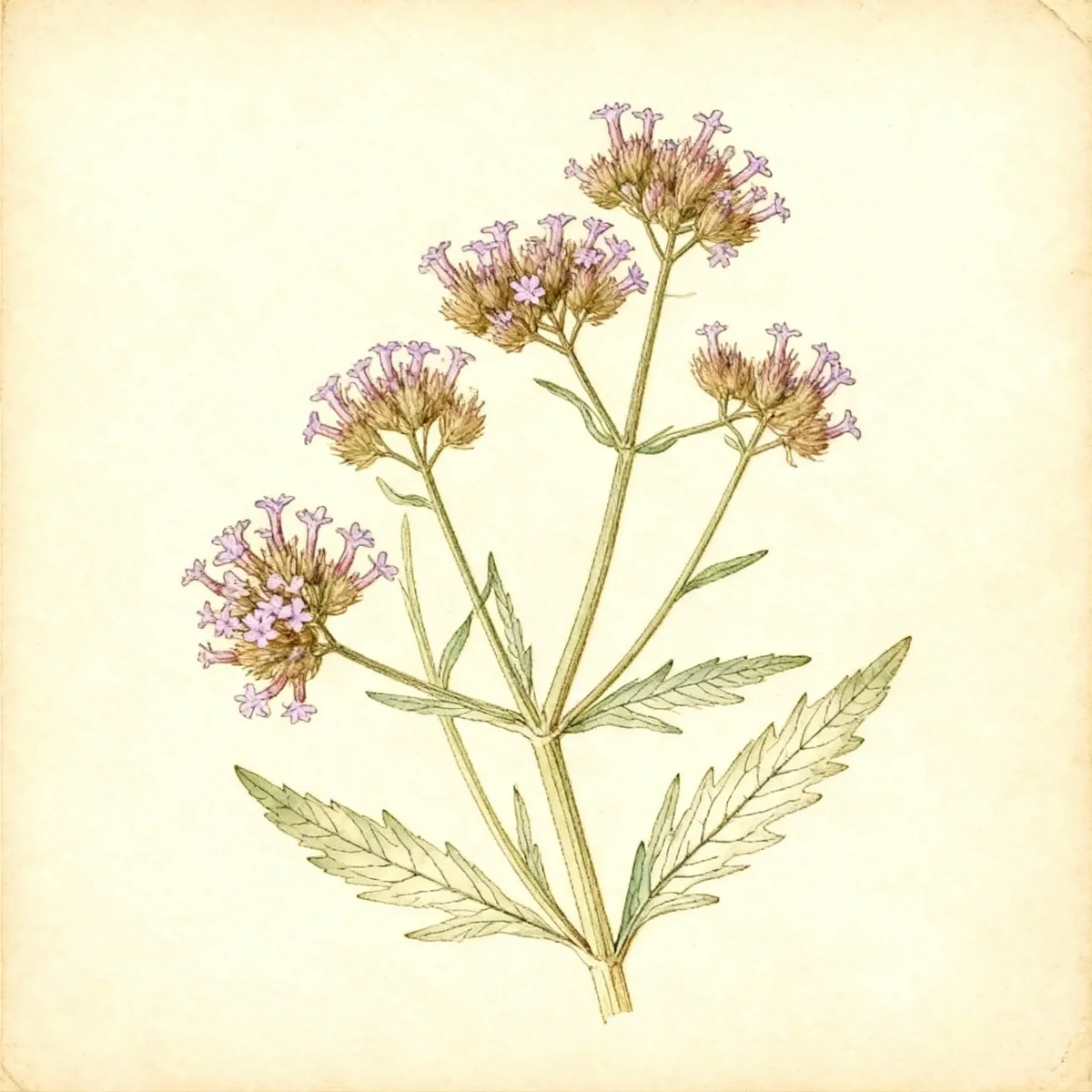
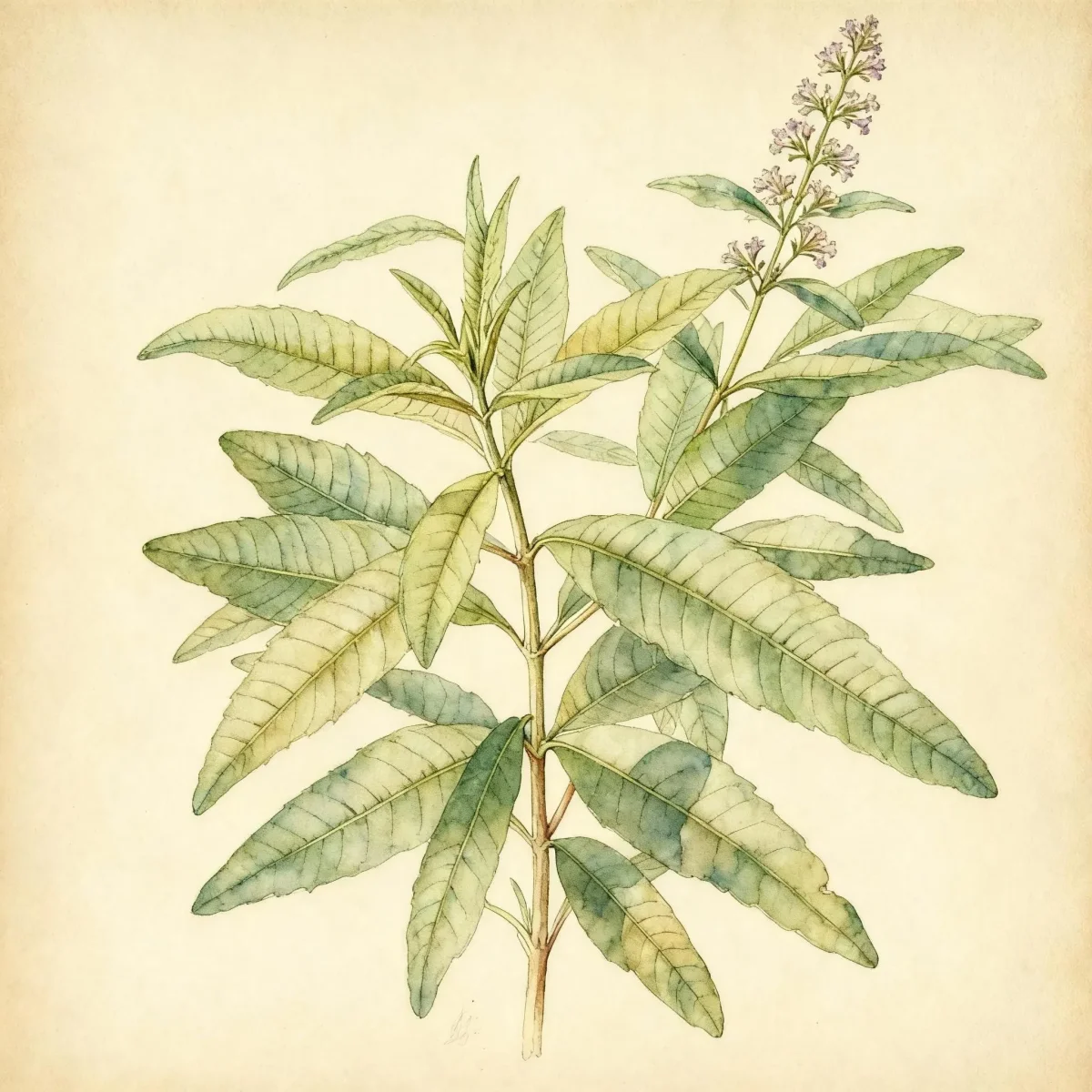
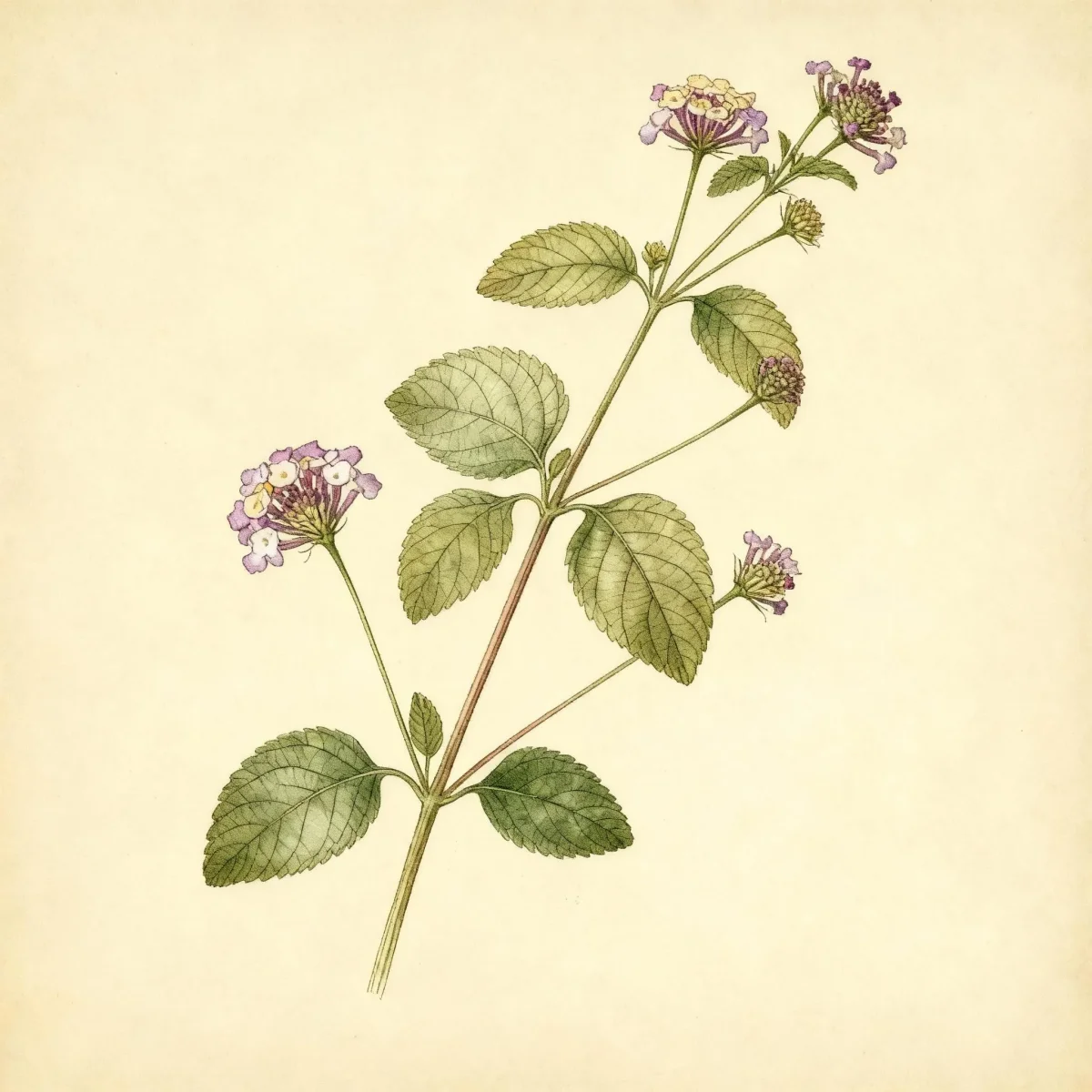
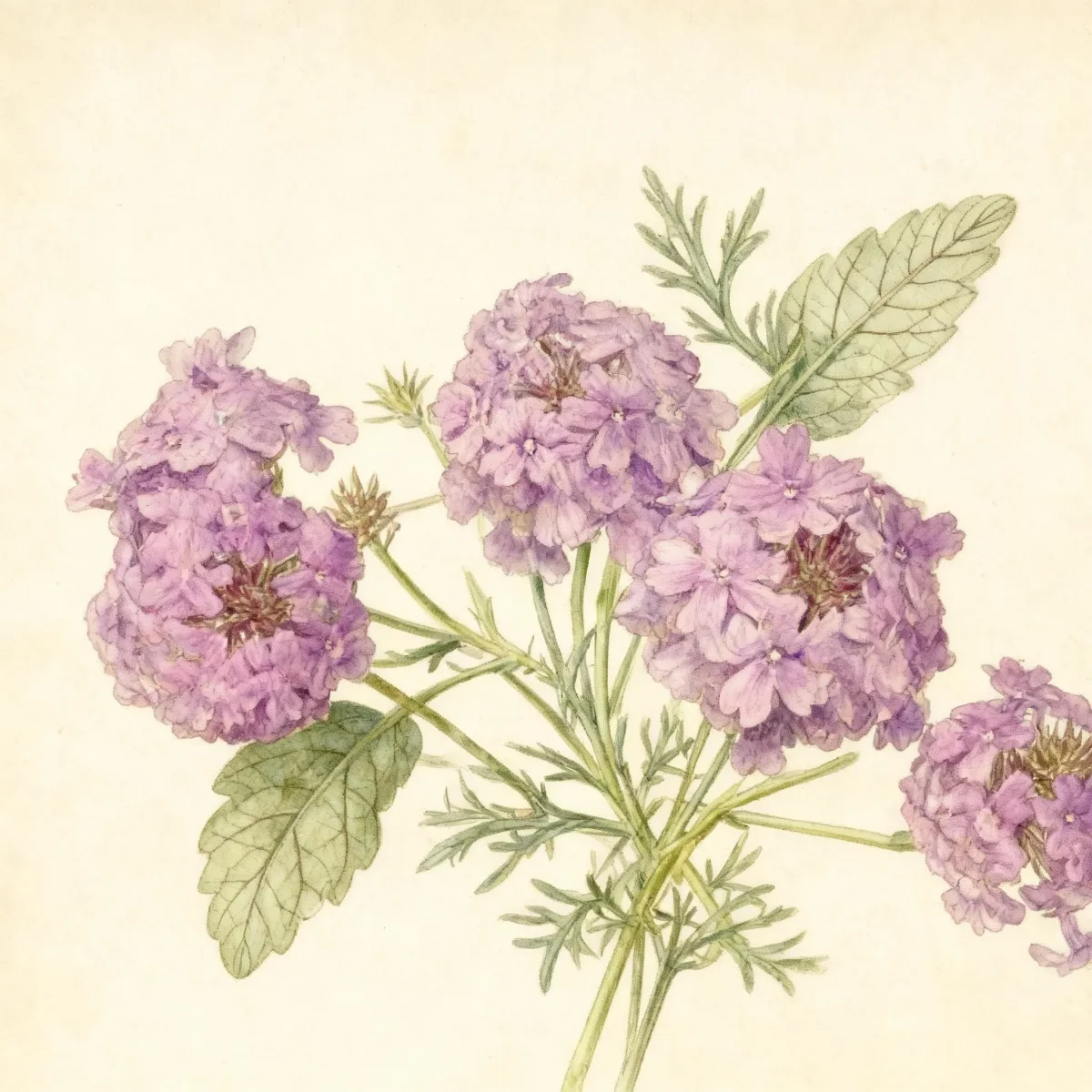
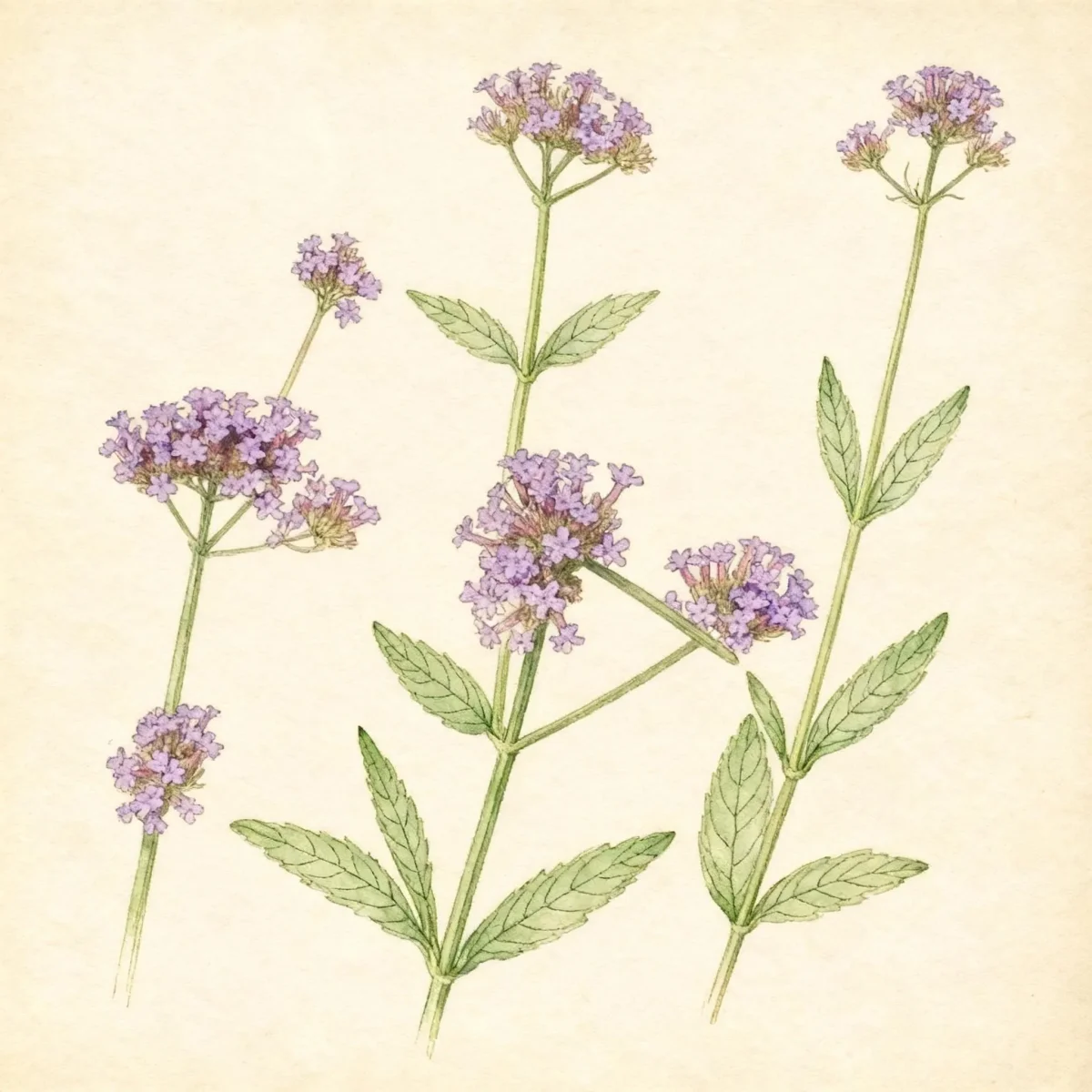
Tall verbena (Verbena bonariensis 'Buenos Aires')
Grow 'Buenos Aires' tall verbena for airy lavender flowers from summer to frost. Learn about sun, spacing, self-seeding, staking, and seasonal care.
Complete Plant Information
Interactive Detour
Keep exploring with a quick garden quiz
Tall verbena is easier to remember when you mix reading with a quick challenge. Try a related quiz, then jump back into the care guide.
Can You Identify These Common Garden Plants? Test Your Plant Knowledge
Think you know your roses from your peonies? Test your plant identification skills with our comprehensive garden plant quiz featuring 10 challenging questions.
Start quiz
USDA Garden Zone Map Quiz
Use this USDA garden zone map quiz to check whether you can read hardiness zones and choose plants with more confidence.
Start quizBrowse the full quizzes section
Explore plant identification, zone strategy, and seasonal gardening challenges.
View all quizzesField Guide Continues
Ready for care notes, companion picks, and planting tips?
The map is just the start. The full guide below covers growth habits, seasonal performance, and landscape uses.
Lavender Color Without a Heavy Block of Foliage
Tall verbena ‘Buenos Aires’ (Verbena bonariensis ‘Buenos Aires’) sends slender stems 3 to 4 feet above the border, each topped with a small cluster of lavender-purple flowers. The stems are airy enough to see through, so the plant adds height without hiding everything behind it. Butterflies and other flower visitors are frequent guests from summer until frost.
It is perennial in USDA Zones 7–9 and commonly grown as an annual in colder regions. Check the hardiness zone map if you are deciding whether to expect it back after winter.
Sun, Soil, and Water
Plant in full sun. Tall verbena flowers best with six or more hours of direct light and may lean in shadier positions. Average, well-drained soil is sufficient; rich soil and excess fertilizer can produce soft growth that flops.
Water regularly while transplants establish. Once rooted, plants cope with brief dry spells, but they perform best with occasional deep watering during prolonged heat. Avoid keeping the crown soggy.
In a Zone 7 garden, place it in a warm, sunny bed and leave some stems standing over winter. The Zone 7 plant guide can help you find companions with similar cold tolerance. Gardeners who treat it as an annual can browse the full plant collection for other long-blooming choices.
Using It in a Border
Thread small groups through ornamental grasses, coneflowers, salvias, or other sun-loving perennials. The tall stems create a veil of color above shorter plants, and the narrow footprint makes ‘Buenos Aires’ useful in crowded borders. It also suits gravel gardens and informal cottage-style planting.
Deadheading can make the display tidier and reduce seedlings, but it is not essential for continued bloom. In climates where the plant self-sows readily, remove most faded flower heads before seeds mature. Where winters are marginal, a few seedlings may be welcome insurance.
For another long-season source of saturated color, compare it with ‘Tornado Red’ cockscomb, an annual that prefers the same sunny exposure.
Seasonal Care
Pinch young plants once if you want more branching. Taller stems may need discreet support in windy, fertile sites, though plants grown lean in full sun are usually sturdier. Cut dead stems down after frost, or leave them briefly for winter texture and then clear them before spring growth.
Tall verbena has few routine care demands. Check tender new growth for aphids and avoid crowded, damp conditions that encourage leaf problems.
Common Questions
Is ‘Buenos Aires’ invasive?
It can self-seed generously in favorable climates. Remove spent flowers before seed forms if volunteer plants are unwanted, and follow regional guidance where Verbena bonariensis is considered invasive.
Will it grow in part shade?
It may survive, but flowering and stem strength are better in full sun.
Does it need staking?
Usually not in full sun and ordinary soil. Wind exposure, shade, or heavy feeding can make stems lean.
How far apart should plants be?
Allow roughly 18 to 24 inches so air can move through the planting while the narrow stems mingle visually.