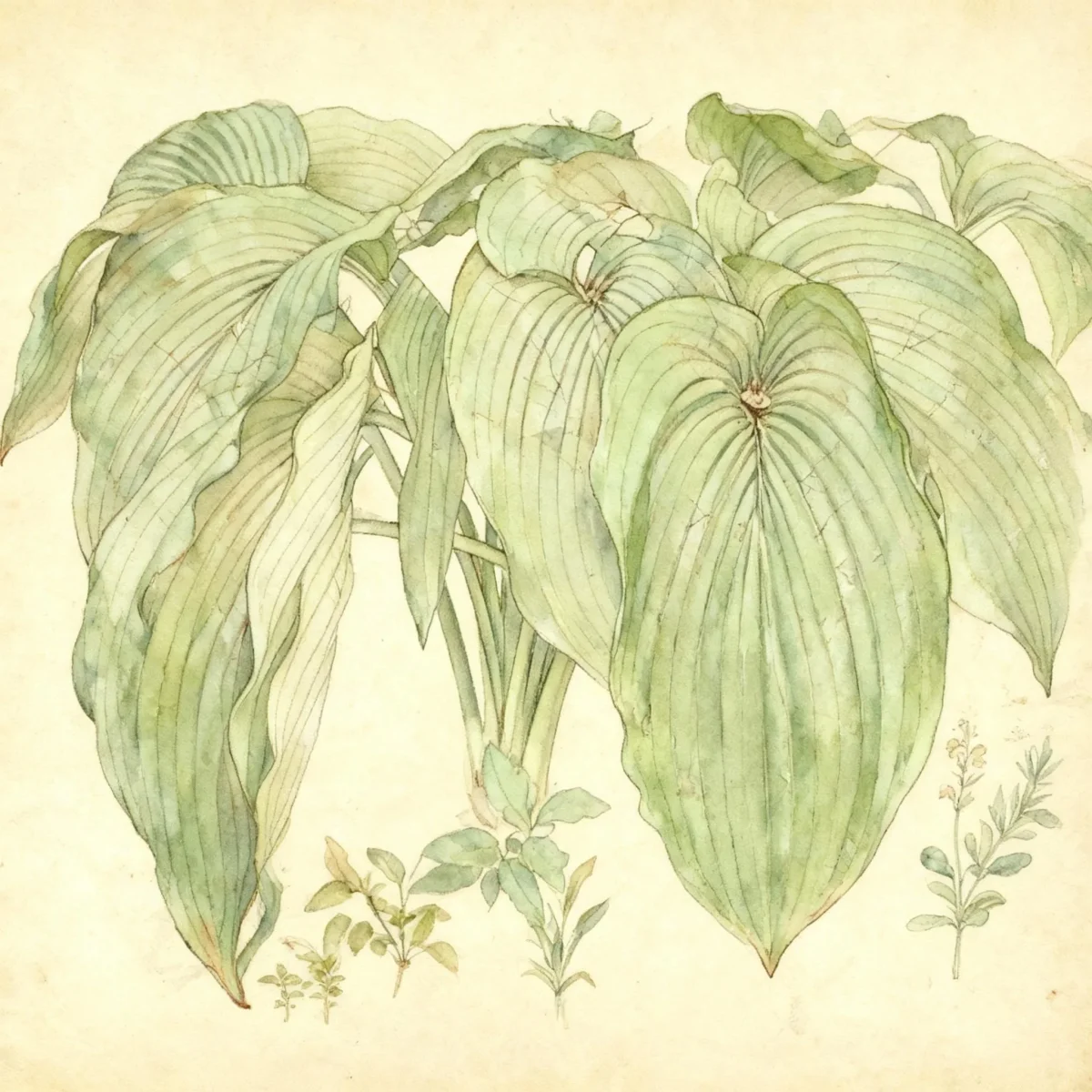
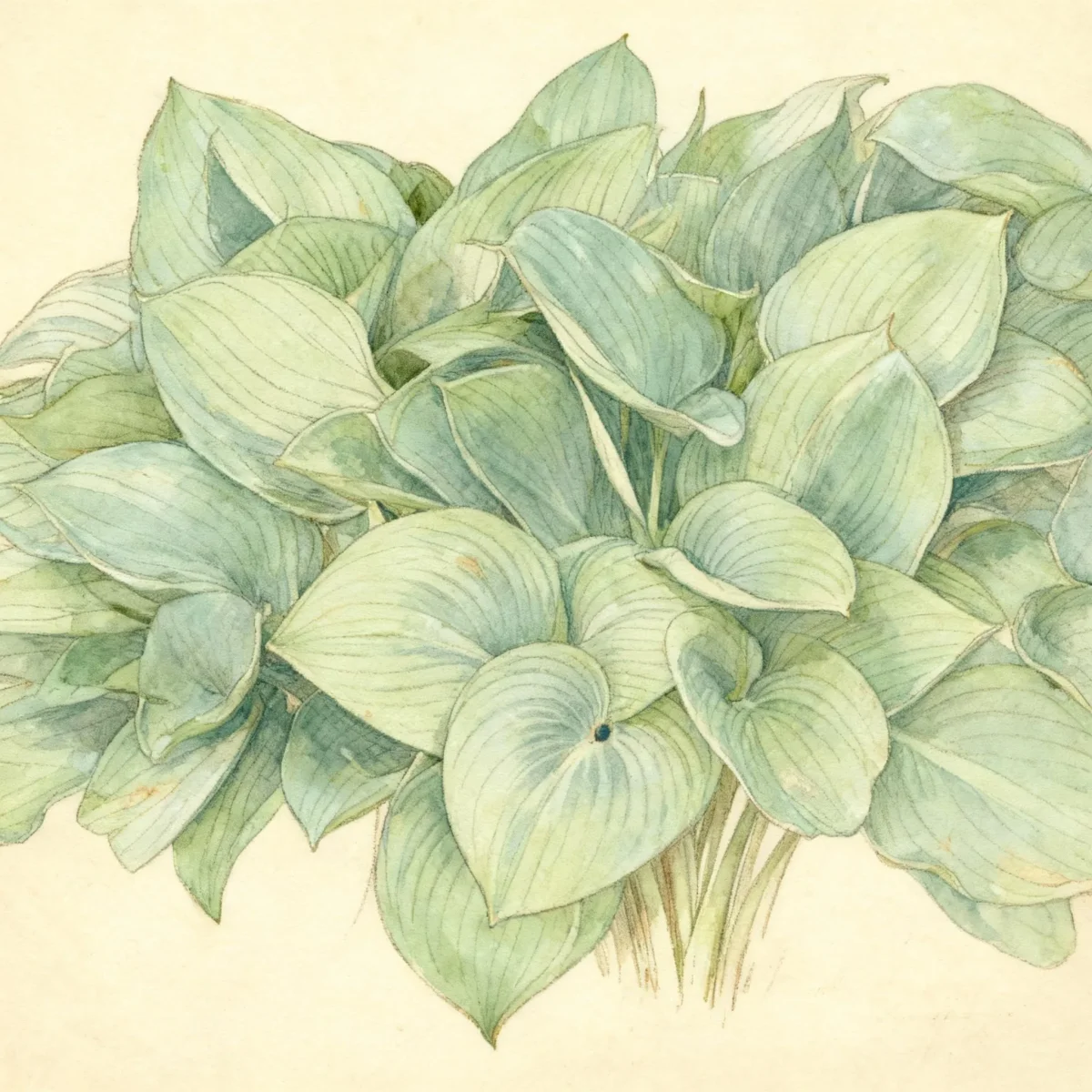
Hosta (Hosta 'Cody')
Hosta 'Cody' is a miniature perennial valued for thick, shiny ovate leaves and dark lavender flowers. Hardy in zones 3-8.
Scroll down to discover growing tips, care requirements, companion plants, and more
Complete Plant Information
Overview
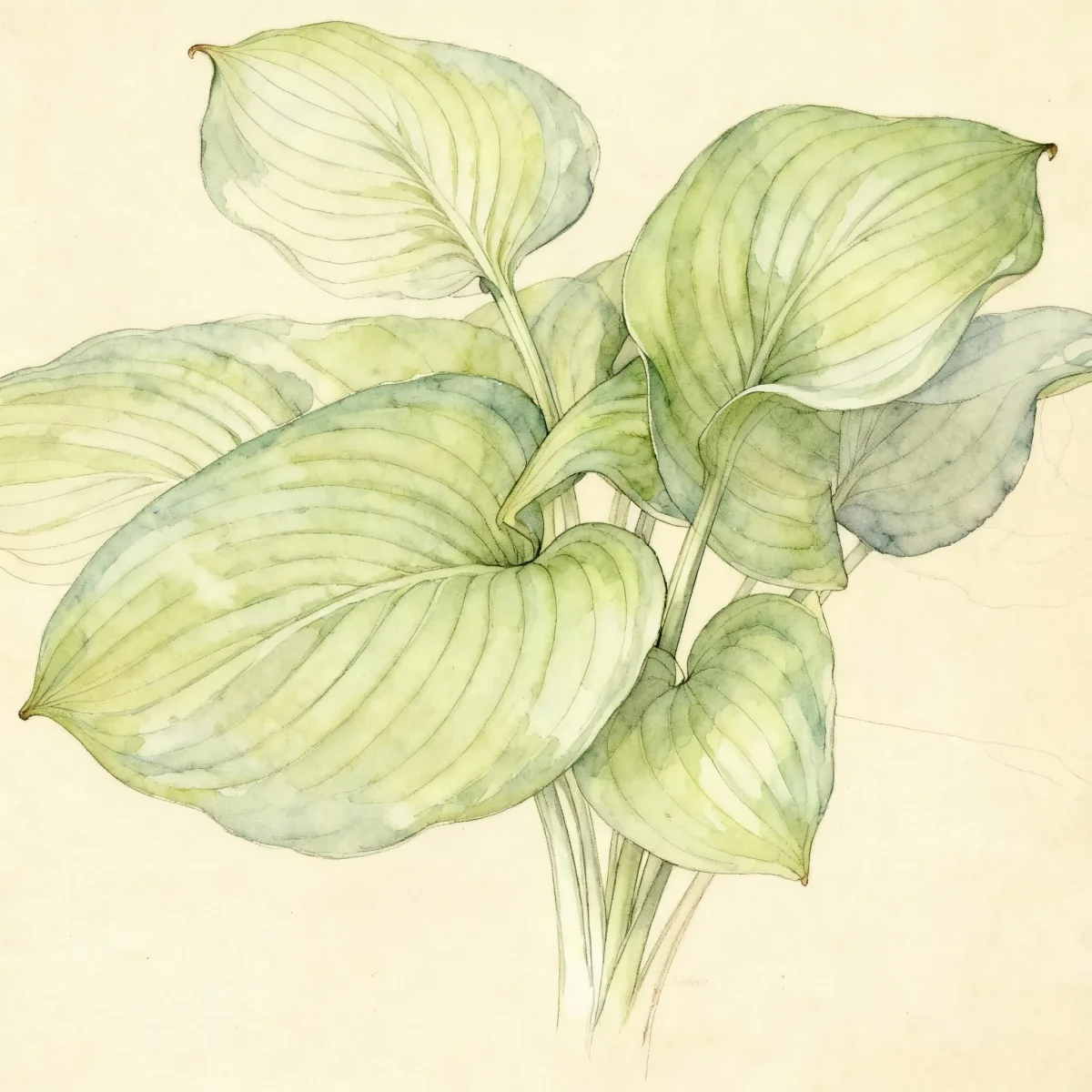
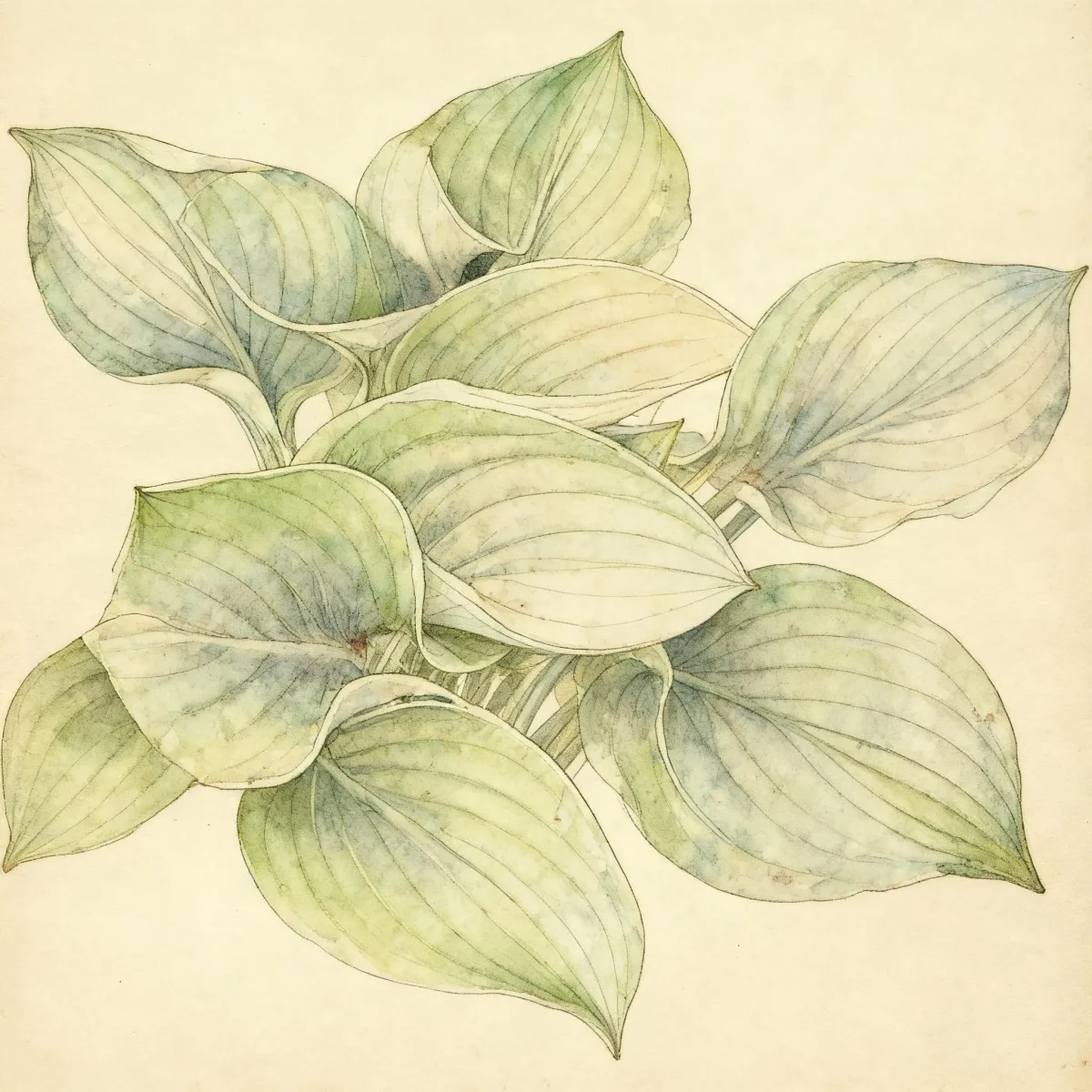
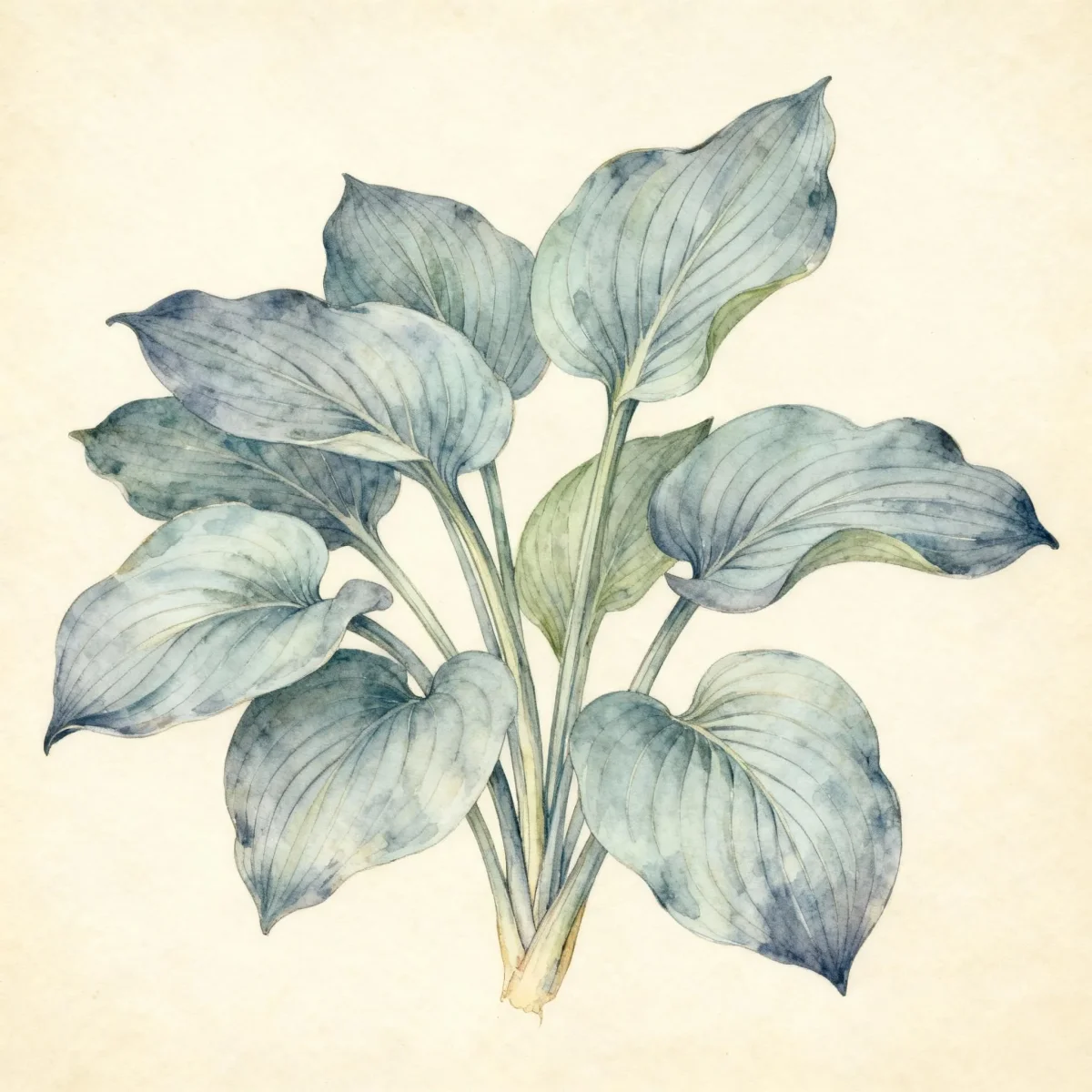
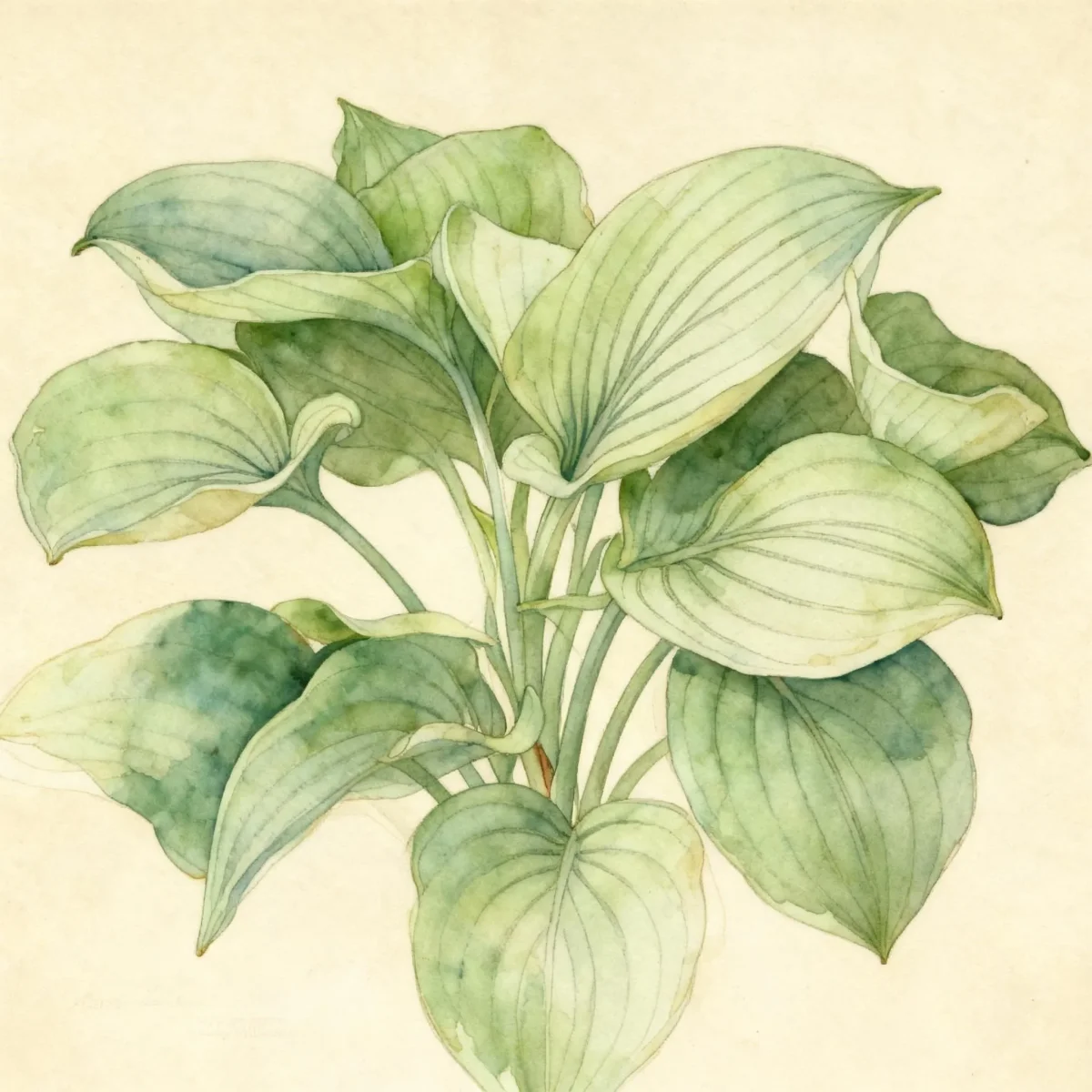
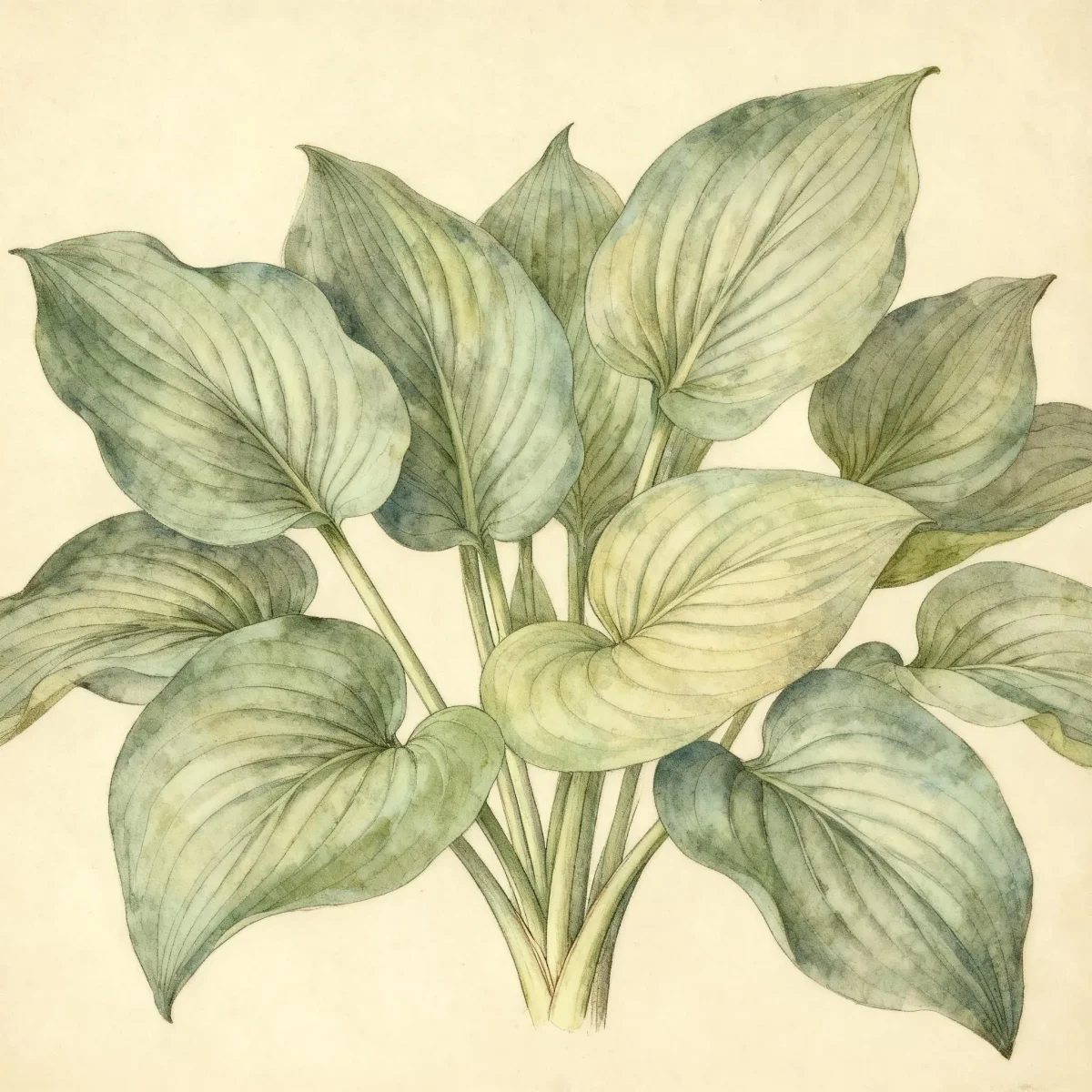
Hosta ‘Cody’ is a charming miniature cultivar cherished by gardeners primarily for its dependable, ornamental foliage that thrives in deep shade. This specific Hosta variety forms a dense, rounded mound composed of thick, shiny, ovate, dark green leaves, offering excellent texture contrast in woodland settings. Its low maintenance requirements and ability to perform well where few other perennials can establish it as a cornerstone for shady borders and woodland gardens.
Developed as a cross involving H. ‘Shining Tot’ and H. Venusta, Hosta ‘Cody’ provides consistent performance year after year, making upkeep exceptionally simple. Beyond its superb leaf texture, it offers delicate spikes of dark lavender flowers in early summer that rise above the foliage, adding subtle vertical interest without overwhelming the compact form.
For gardeners managing areas prone to deep shade or those seeking low-growing groundcover solutions, Hosta ‘Cody’ delivers both durability and aesthetic appeal. Its resilience, especially given its tolerance for challenging soil conditions like Black Walnut, ensures that this Hosta remains a highly practical choice across many garden situations.
Fast Facts
- Plant Family: Asparagaceae
- Plant Type: Herbaceous perennial
- Hardiness Zones: USDA Zones 3-8
- Size at Maturity:
- Height: 0.5-2 ft
- Spread: 0.5-1 ft
- Bloom Time: June to July
- Bloom Description: Dark lavender
- Sun Exposure: Part shade to full shade
- Water Needs: Medium
- Maintenance Level: Low
How to Grow
Hosta ‘Cody’ should be planted in spring or autumn when soil conditions are favourable. Ideal conditions involve evenly moist, organically rich, and well-drained soil. While this Hosta is adaptable, the best size and leaf quality are achieved in partial shade, meaning some gentle morning sun or dappled light is beneficial. Avoid placing plants where they receive harsh afternoon sun, which can scorch the dark green leaves.
Maintenance for Hosta is generally low, cementing its popularity. Provide consistent moisture, especially during dry spells, as the soil should never fully dry out. Water application is most effective when directed straight to the soil beneath the foliage canopy, minimizing leaf spotting. Established plants show some tolerance for dry shade, particularly due to their thick leaves, but consistent hydration ensures optimal growth.
Dividing Hosta plants is best performed in early spring before the new leaves unfurl, or alternatively in the autumn. Ensure that you plant the Hosta in locations naturally protected from strong winds to prevent physical tearing of the leaves. With proper siting and adequate moisture, this Hosta requires minimal intervention.
Landscape Uses
Hostas are foundational components of effective shade gardens, lending structure and lushness to otherwise sparse areas. Hosta ‘Cody’, being a miniature variety, excels in smaller spaces, rock gardens, or used as edging along shaded pathways where its dense foliage mound creates a neat, contained appearance. Because Hostas are primarily valued for foliage, they pair well with plants that offer textural contrast or seasonal bloom, such as ferns, bleeding hearts, or white-flowering impatiens.
Massing Hosta ‘Cody’ creates a rich, uniform carpet of dark green, which is highly effective under large deciduous trees or along woodland borders. Its ability to withstand heavy shade makes it an invaluable background plant where sun-loving specimens fail. Consider using contrasting colors nearby, such as plants with chartreuse or silvery foliage, to make the dark green of this Hosta stand out.
Standout Features
Flower Qualities
- Showy
Noteworthy Characteristics
Hosta is a genus primarily celebrated for its ornamental foliage, featuring dense basal leaves rising from a central crown to form a mound. Hosta ‘Cody’ is specifically a miniature cultivar that develops thick, shiny, ovate, dark green leaves, complemented by dark lavender flowers appearing in early summer on scapes soaring up to 24 inches high. The genus name honors Austrian botanist Nicholas Thomas Host, though it was briefly known as Funkia before the name Hosta was reinstated in 1905.
Tolerances
- Heavy Shade
- Black Walnut
Potential Problems
Slugs and snails represent the biggest threat to the aesthetic appeal of Hosta foliage, chewing characteristic jagged holes that quickly detract from the plant’s look. Monitor vulnerable Hosta ‘Cody’ plants closely, especially after rain, and employ bait or manual removal to manage populations before significant damage occurs. Less frequently, foliar nematodes can cause interveinal browning, while leaf spots or crown rot may appear in overly wet conditions.
Further issues include viral infections (like HVX) requiring immediate removal and destruction of the infected plant to prevent spread. Furthermore, while Hosta ‘Cody’ itself is quite robust, groups of leaves can be severely damaged by hail storms, and both deer and rabbits are prone to consuming the leaves avidly. Protect young or prized specimens from wildlife browsing.
Frequently Asked Questions
What hardiness zones is Hosta suitable for?
Hosta ‘Cody’ is reliably hardy within USDA Zones 3 through 8.
How large does Hosta ‘Cody’ grow?
This miniature hosta typically reaches a mature height between 0.5 and 2 feet tall, with a spread between 0.5 and 1 foot wide.
What sun exposure does Hosta ‘Cody’ need?
This plant performs best when situated in part shade, though it tolerates full shade, making it ideal for deep woodland locations.
When does Hosta ‘Cody’ bloom?
The dark lavender, lily-like flowers appear reliably from June into July atop tall scapes.
Conclusion
Hosta ‘Cody’ remains a standout choice for gardeners prioritizing low-effort, high-impact foliage in shady environments. Its miniature, tidy form and tolerance for tough conditions like Black Walnut root competition make this Hosta extremely versatile. Before planting this season, ensure you select a site offering medium water and protection from afternoon sun to guarantee the best display from your Hosta ‘Cody’.
Companion Planting in Shade
When designing a shade garden around Hosta ‘Cody’, focus on materials that contrast its texture and color. Look towards upright, airy plants like ferns (e.g., Japanese Painted Ferns), which offer a feathery contrast to the Hosta’s solid, oval leaves. Delicate, short-lived perennials like Primroses or Tiarella (Foamflower) bloom early, providing color before the Hosta reaches its full summer magnificence, and they share similar moisture requirements.
Alternatively, pairing Hosta with groundcovers that offer bright color, such as gold-leafed Vinca minor or variegated Ajuga, can brighten up dark corners. Since Hosta ‘Cody’ is small, ensure taller companions do not completely shade it out, as it still benefits from the dappled light mentioned in its cultural needs.
Seasonal Care Calendar
For optimal health, integrating specific seasonal tasks helps maintain your Hosta patch. In early spring, immediately address winter cleanup by removing any dead foliage left over from the previous year; this is also the optimal time to divide overcrowded clumps of Hosta ‘Cody’. As summer progresses, monitor soil moisture closely, especially during heat waves, ensuring consistent watering to maintain leaf quality.
In late summer and early autumn, you can start preparing beds for division or transplanting for the following spring, making notes on which areas of your garden received the best performance this past growing season. While maintenance is low, applying a light layer of organic mulch in mid-spring helps conserve the critical even moisture levels Hosta prefers and suppresses the slugs that find the new growth so appealing.