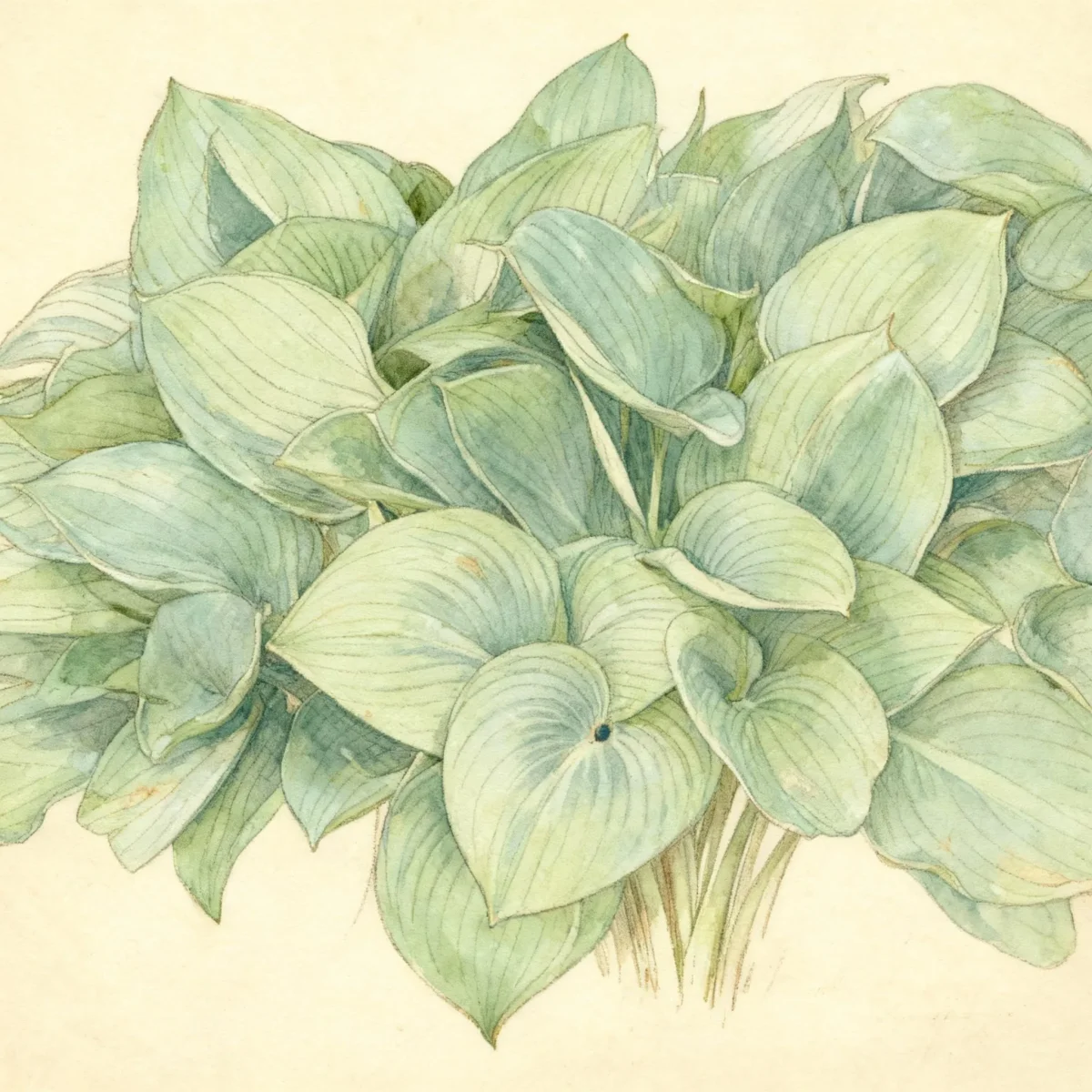
Hosta (Hosta 'Plug Nickel')
Hosta 'Plug Nickel' is a low-maintenance miniature hosta perfect for shade gardens, featuring shiny dark green foliage and lavender blooms in mid-summer.
Scroll down to discover growing tips, care requirements, companion plants, and more
Complete Plant Information
Overview
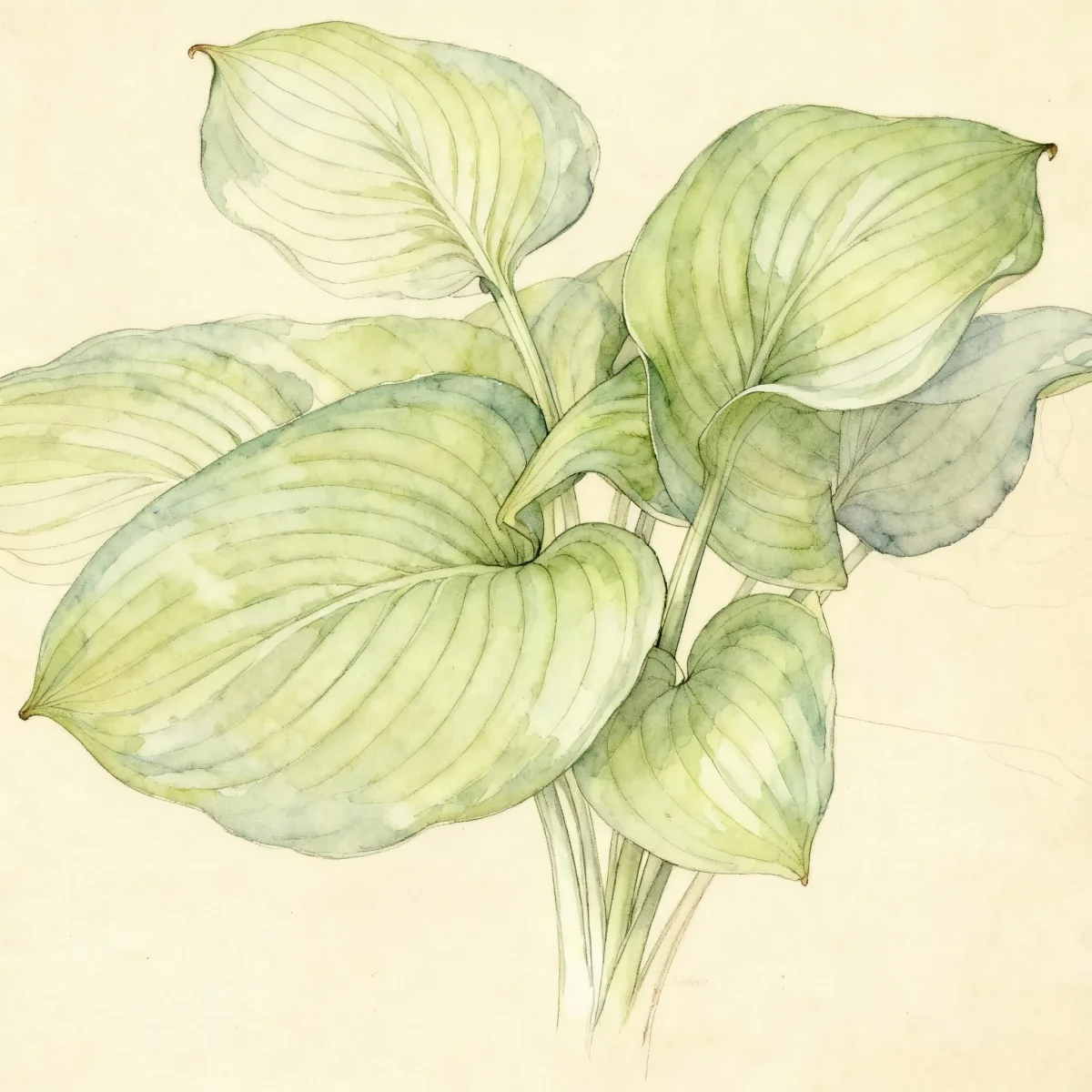
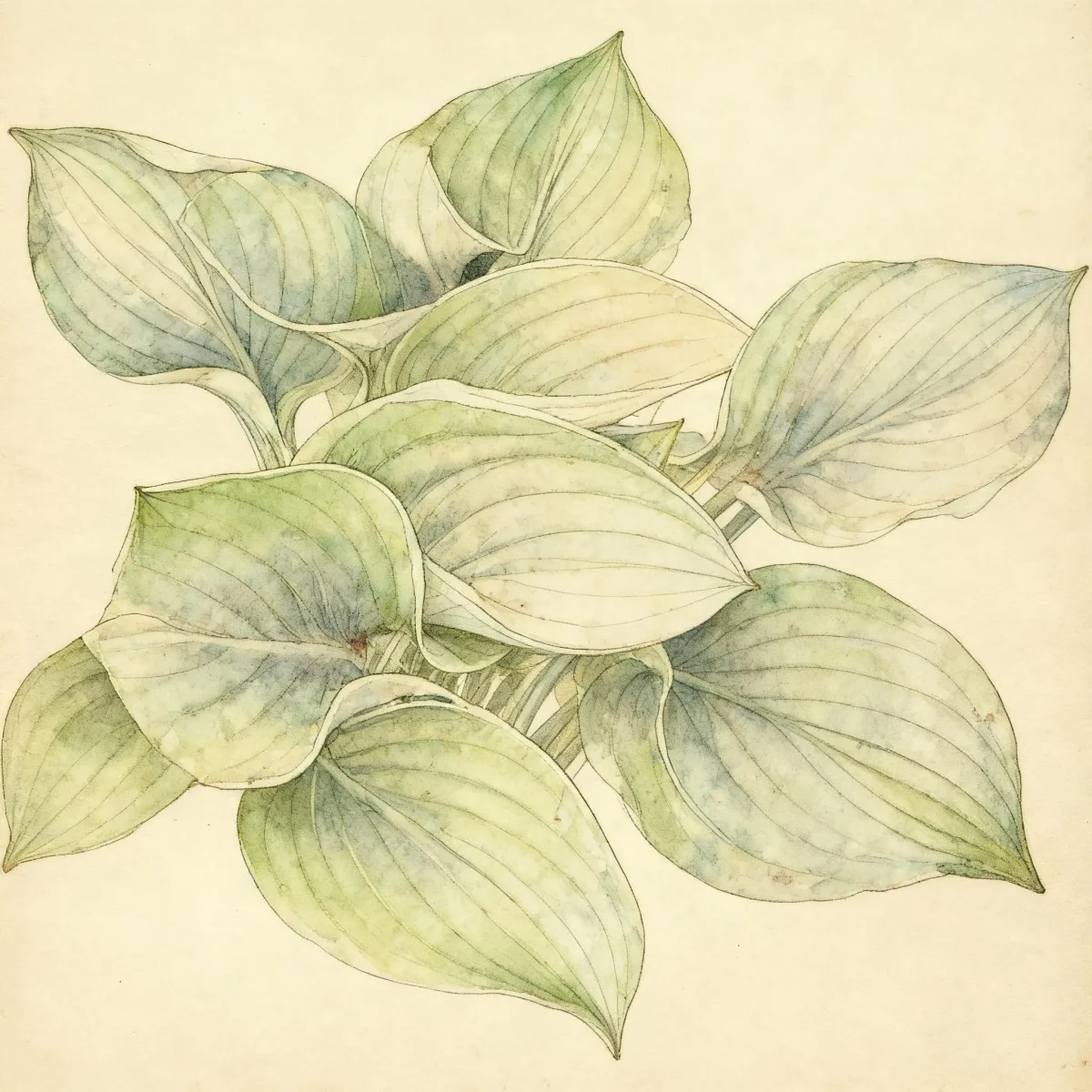
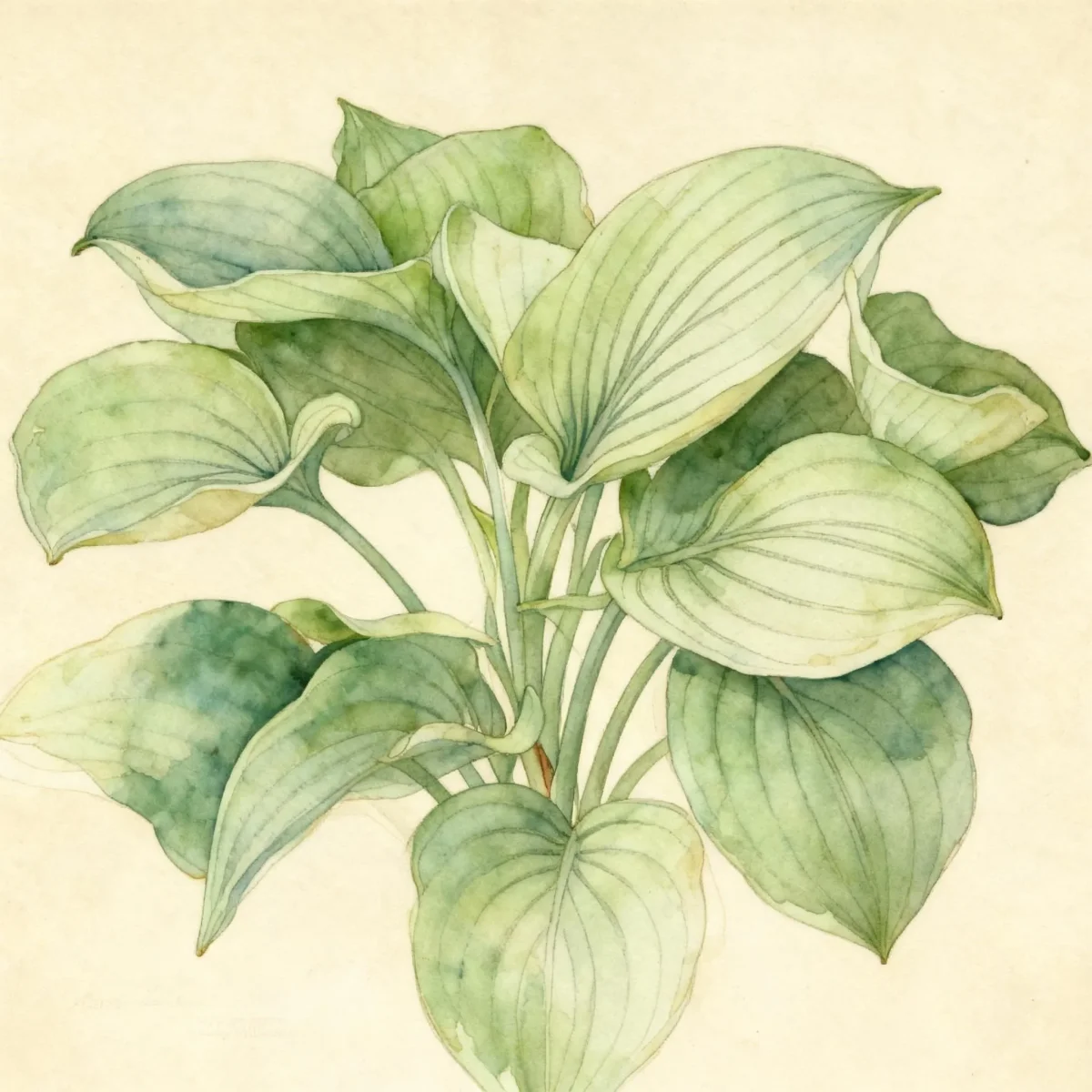
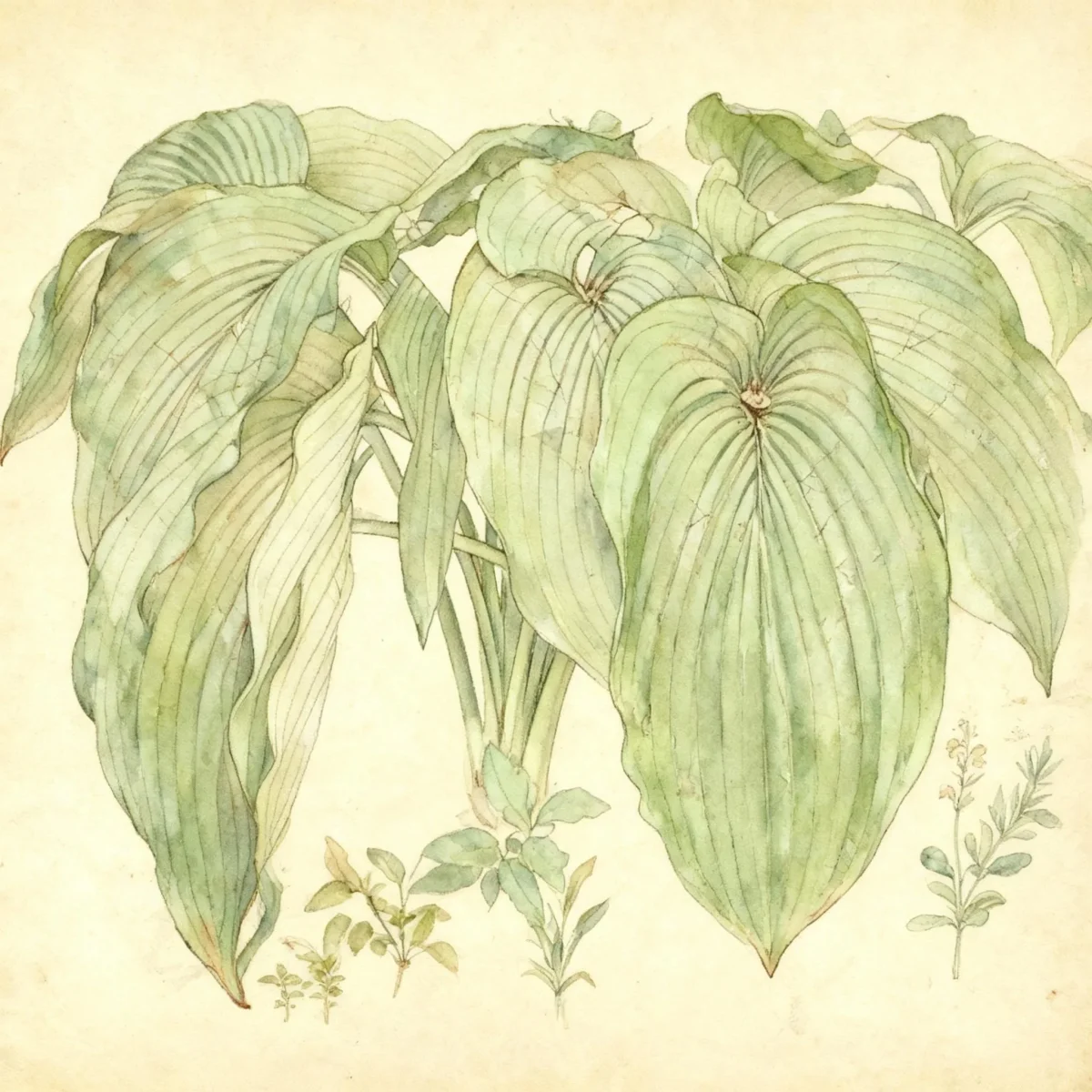
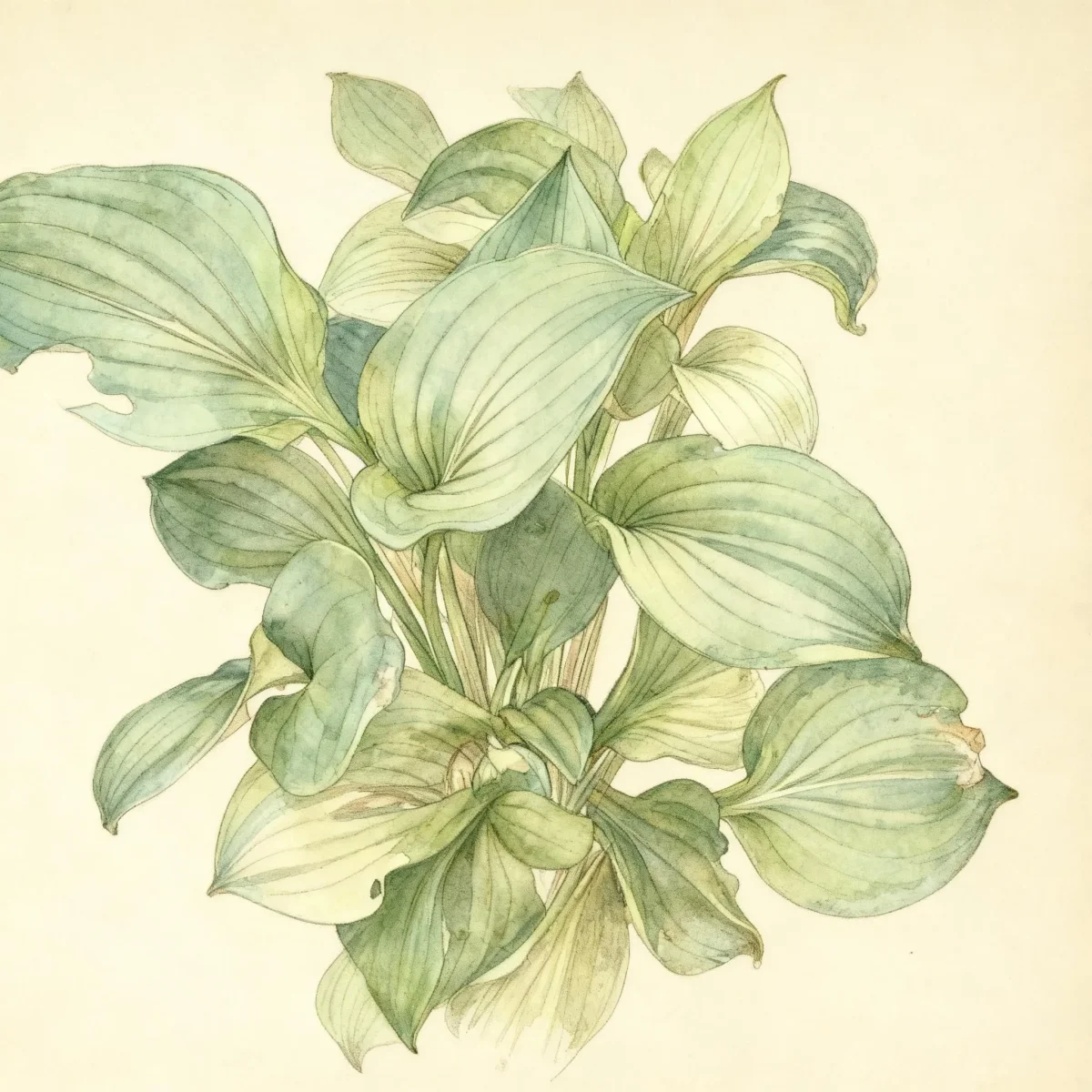
Hosta ‘Plug Nickel’ offers gardeners a dense, miniature mound perfect for edging shaded areas. This Hosta cultivar stands out due to its thick, ovate, shiny dark green leaves exhibiting noticeable veining, creating excellent year-round texture. Its desirable foliage makes it a robust choice where light levels are challenging.
As a low-maintenance herbaceous perennial, Hosta ‘Plug Nickel’ provides reliable performance with minimal fuss. It thrives in woodland settings or beneath mature trees, contributing structure and contrast against other shade perennials. Established plants are resilient, making this specific Hosta a versatile addition to nearly any shaded landscape design.
Gardeners appreciate the genus Hosta for its exceptional foliage diversity, and Hosta ‘Plug Nickel’ fills the niche for smaller, sturdy specimens. The plant rewards attentive care with vibrant color and strong form, proving that shade gardening does not require sacrificing visual impact.
Fast Facts
- Plant Family: Asparagaceae
- Plant Type: Herbaceous perennial
- Hardiness Zones: USDA Zones 3-8
- Size at Maturity:
- Height: 0.25-1.5 ft
- Spread: 0.25-1 ft
- Bloom Time: July to August
- Bloom Description: Lavender
- Sun Exposure: Part shade to full shade
- Water Needs: Medium
- Maintenance Level: Low
How to Grow
Planting Hosta ‘Plug Nickel’ should occur when plants are well-established, ideally in spring or autumn. Locate them where the soil remains evenly moist and rich in organic matter, ensuring good drainage. While they tolerate part shade, this Hosta performs best with some protection from intense afternoon sun, favoring conditions that mimic woodland margins.
Maintenance for Hosta is generally considered low. Consistent moisture is crucial for achieving the best size and leaf quality; water should be applied directly to the soil beneath the foliage to prevent spotting on the leaves. Division, which rejuvenates the clump, is easiest to execute in early spring before new leaves emerge.
Protecting your plants from strong winds is advisable, as exposure can damage the leaves. Established Hosta plants show some tolerance for dry shade, especially cultivars with thicker leaves, but prolonged drought should be avoided to maintain the aesthetic appeal of this miniature Hosta variety.
Landscape Uses
Hostas are the undisputed foundation plants for shade gardens, and Hosta ‘Plug Nickel’ excels in smaller applications due to its size. They serve as excellent structural anchors, effective when planted in generous groups or massed to create a unified carpet of texture beneath tree canopies.
This variety works beautifully as a border element along shady walkways or beneath taller structural plants that may lose their lower foliage. Consider pairing Hosta ‘Plug Nickel’ with plants that offer contrasting leaf shapes or seasons of interest, such as ferns or bleeding hearts, to enhance the overall design of the woodland garden.
Because of its neat, mounding form, Hosta ‘Plug Nickel’ is also a fantastic candidate for container gardening where consistent moisture can be guaranteed. Its resilience and vibrant green make it a steady, reliable component in layered shade displays.
Standout Features
Flower Qualities
- Showy
Noteworthy Characteristics
Hosta is a genus prized primarily for its ornamental foliage, forming basal mounds of conspicuously-veined leaves rising from a central crown. ‘Plug Nickel’ is a miniature cultivar, developing a foliage mound up to 6” tall and spreading to 14” wide, featuring thick, ovate, shiny dark green leaves. It produces tubular lavender flowers mid-summer on scapes that rise above the foliage mound.
Tolerances
- Heavy Shade
- Black Walnut
Potential Problems
The primary antagonists for any Hosta, including Hosta ‘Plug Nickel’, are slugs and snails, which readily chew unsightly holes in the leaves if not managed. Proactive vigilance is required, especially when new shoots emerge in spring; apply slug bait or use environmental controls promptly to prevent significant damage.
Less common issues include foliar nematodes, which cause browning between the veins, and viral infections like Hosta Virus X (HVX), which necessitate immediate removal and destruction of infected plants. Furthermore, always protect susceptible Hostas from hail, which can shred tender spring leaves.
Frequently Asked Questions
What hardiness zones is Hosta suitable for?
Hosta ‘Plug Nickel’ typically thrives and survives winter reliably in USDA Zones 3 through 8.
How large does Hosta ‘Plug Nickel’ grow?
This miniature Hosta generally reaches a height between 0.25 and 1.5 feet, spreading from 0.25 to 1 foot wide.
What sun exposure does Hosta ‘Plug Nickel’ need?
This plant requires part shade to full shade conditions to maintain its best foliage color and health.
When does Hosta ‘Plug Nickel’ bloom?
The bloom time for Hosta ‘Plug Nickel’ is from July to August, displaying attractive lavender flowers.
Conclusion
Hosta ‘Plug Nickel’ provides reliable, textured foliage for difficult shaded areas, perfectly fulfilling its role as a low-maintenance accent plant. Its miniature size and durable dark green leaves ensure it remains a staple in the shade garden for years to come. Before planting, confirm that your site offers the medium moisture and shade requirements necessary for this excellent Hosta cultivar to flourish.
Companion Planting for Shade Gardens
When integrating Hosta ‘Plug Nickel’ into a landscape, selecting companions that complement its texture while sharing similar cultural needs is key. Plants that thrive in part shade to full shade and prefer moist, organically rich soil will pair best. Consider using contrasting foliage such as the fine, airy texture of an astilbe or the bold, architectural form of a Japanese forest grass (Hakonechloa macra).
For perennial color that emerges later in the season, ferns, which appreciate the same damp, dark environments, provide a wonderful backdrop for the mounding habit of Hosta. In very deep shade areas, consider using shade-loving groundcovers that will suppress weeds near the margins of the Hosta clump.
Seasonal Care Calendar for Hosta
Early spring preparation focuses on dividing overgrown clumps of Hosta, which rejuvenates the plants and provides material for new plantings. As temperatures rise, actively monitor for pests like slugs and snails, initiating control measures promptly to protect emerging tender leaves.
During the growing season (summer), the primary focus remains on maintaining consistent moisture levels, especially during dry spells, as Hosta ‘Plug Nickel’ performs best with reliable watering directly applied to the soil base. Deadheading the lavender flower scapes is optional; while the flowers are attractive, removing them directs energy back into foliage production.
As autumn approaches, allow the foliage of this Hosta to naturally die back rather than cutting it down immediately. This allows nutrients to transfer back into the rhizome crown, preparing the Hosta for winter dormancy in preparation for another season of reliable performance.