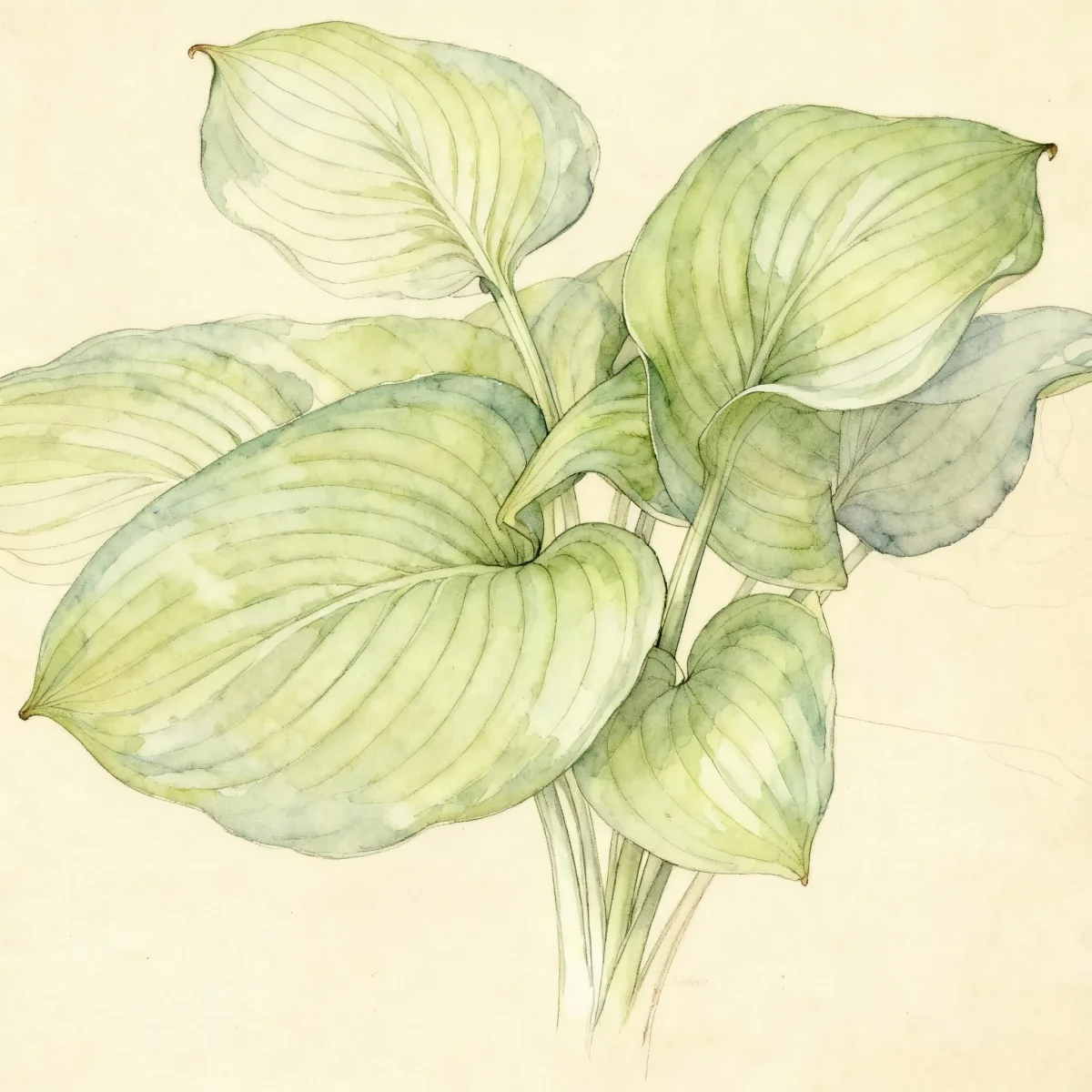
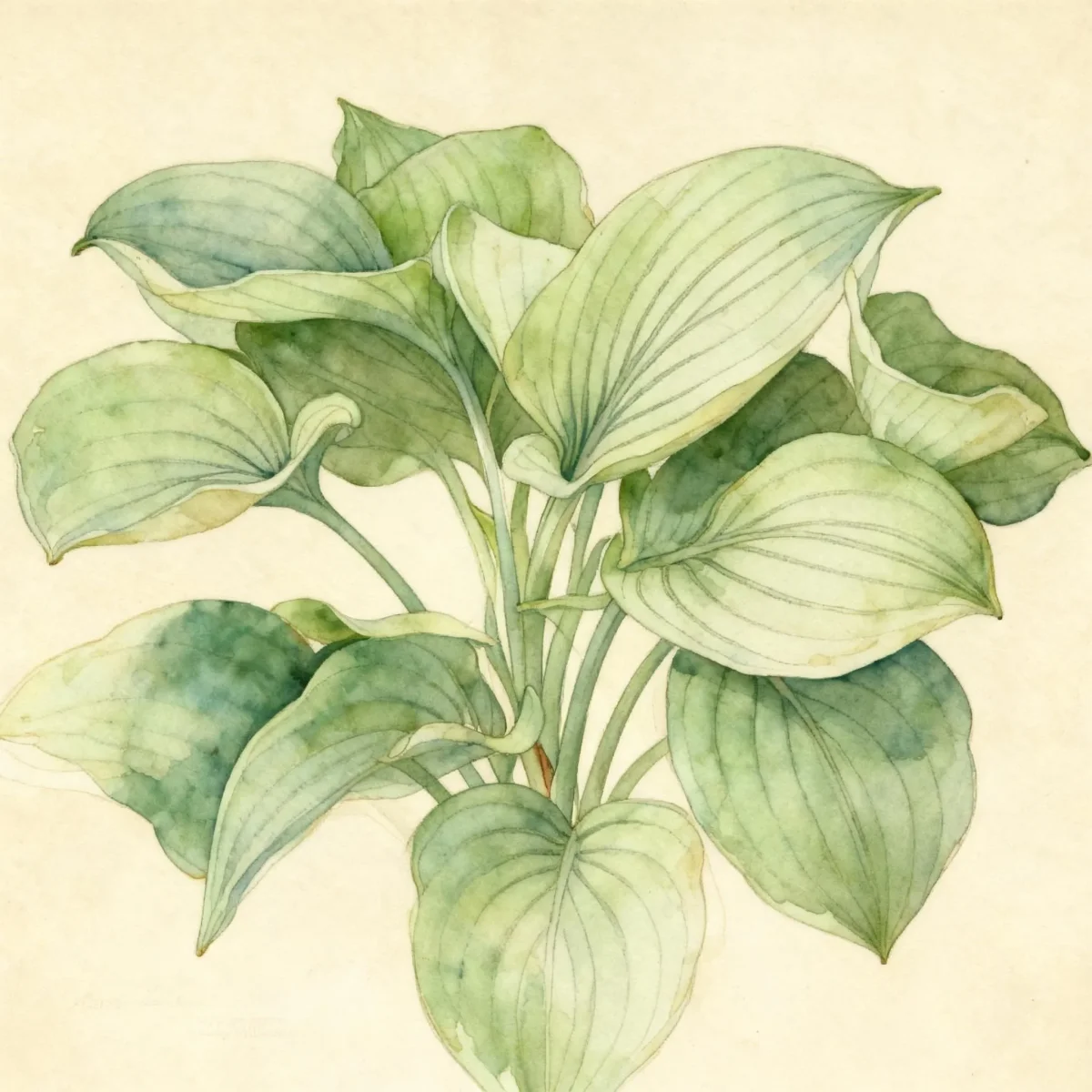
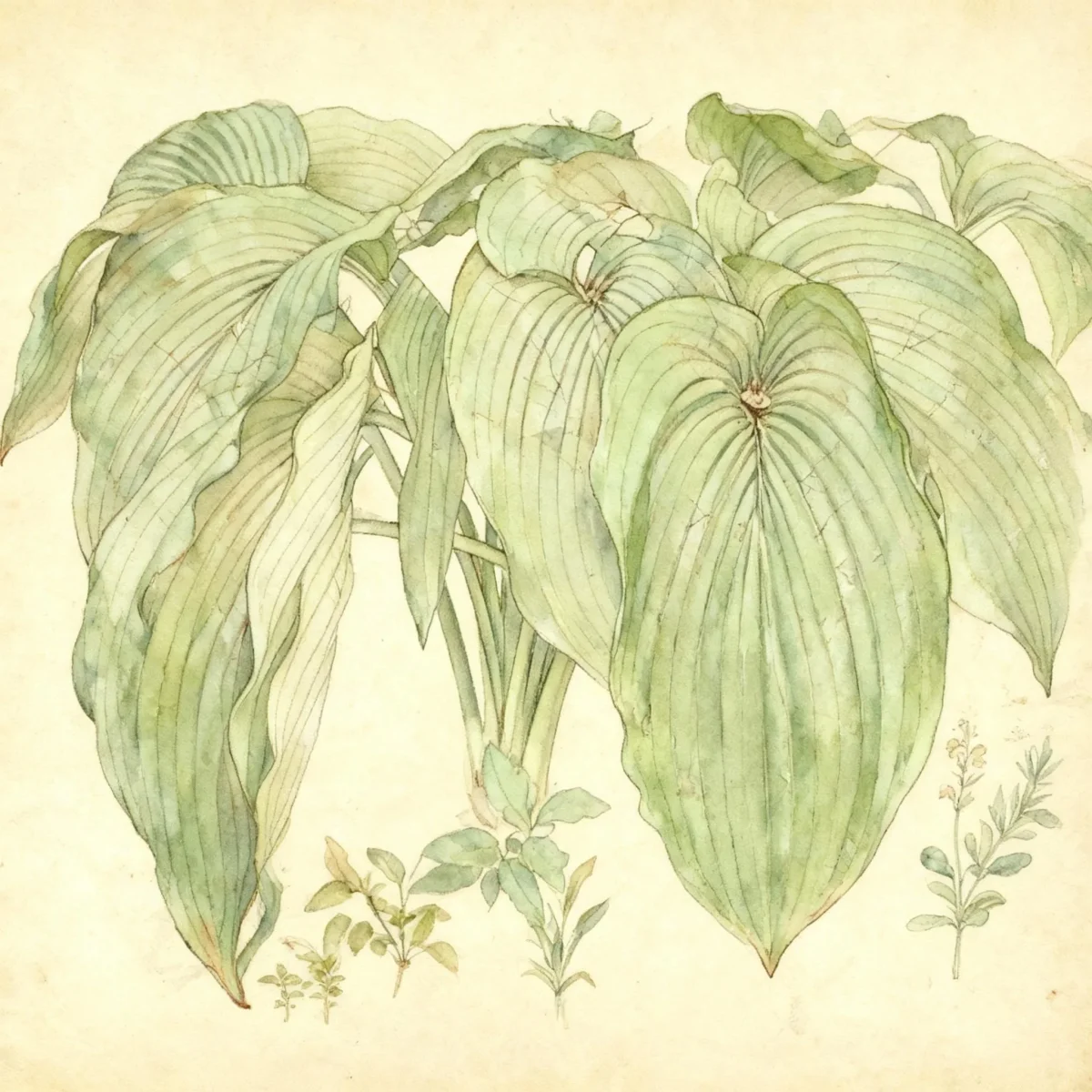
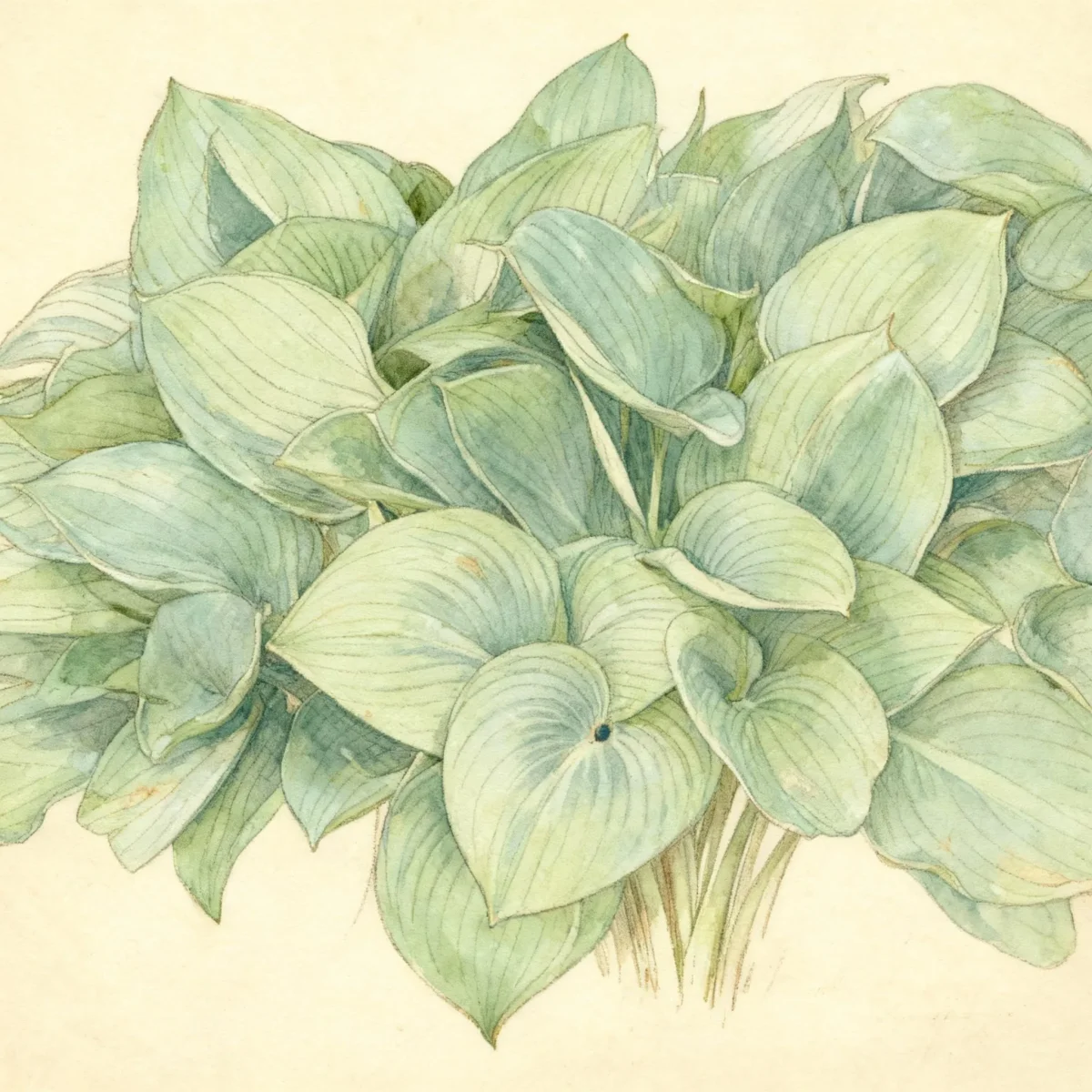
Hosta (Hosta 'Blue Mouse Ears')
Hosta 'Blue Mouse Ears' is a low-maintenance, miniature perennial for shade, prized for thick, rounded, blue-green foliage and lavender blooms.
Scroll down to discover growing tips, care requirements, companion plants, and more

Complete Plant Information
Overview
Hosta ‘Blue Mouse Ears’ is a highly sought-after, miniature variety renowned for its unique, tightly ruffled, thick leaves that curve upward, resembling mouse ears. This characteristic texture and dense, symmetrical mound make it a standout specimen in any shaded landscape where standard foliage might appear plain. Belonging to the genus Hosta, this perennial thrives in low light conditions, showcasing deep blue-green coloration that provides excellent contrast in woodland settings or foundation plantings.
As a low-maintenance perennial, Hosta ‘Blue Mouse Ears’ offers significant aesthetic value with minimal input required once established. It forms a tidy clump perfect for edging borders or rock gardens. Gardeners appreciate this Hosta cultivar for its dependable performance through the summer months, culminating in charming lavender, lily-like flowers in mid to late summer.
Gardeners should note that the thick nature of the leaves contributes to better drought tolerance than thinner-leaved types, although consistent moisture is key for achieving the best size and color. Hosta ‘Blue Mouse Ears’ was justly named Hosta of the Year for 2008, confirming its popularity among shade gardening enthusiasts seeking durable, visually interesting, compact foliage plants.
Fast Facts
- Plant Family: Asparagaceae
- Plant Type: Herbaceous perennial
- Hardiness Zones: USDA Zones 3-8
- Size at Maturity:
- Height: 0.5-1 ft
- Spread: 0.75-1 ft
- Bloom Time: July to August
- Bloom Description: Lavender
- Sun Exposure: Part shade to full shade
- Water Needs: Medium
- Maintenance Level: Low
How to Grow
The best time to plant Hosta is typically in spring or early autumn, ensuring the soil is rich in organic matter and well-drained. Hosta ‘Blue Mouse Ears’ thrives best when sited in part shade, ideally receiving some morning sun or dappled sunlight filtered through taller trees. Consistent moisture is vital; water should be applied directly to the soil beneath the leaves to prevent fungal issues and ensure the plant achieves its full potential size and vibrant color.
While low maintenance, established plants appreciate consistent watering, though the thick leaves lend some tolerance for dry shade conditions. Fertilizing is not usually necessary if the soil is organically rich. If division is needed, aim for early spring before the leaves fully emerge, as this makes the process easiest.
Protecting Hosta ‘Blue Mouse Ears’ from harsh winds is advisable, as exposed leaves can suffer cosmetic damage. As a generally tolerant plant, its primary need is consistent, even moisture control. Cleanup in spring is minimal, usually just removing any lingering dead foliage from the previous season before new growth begins.
Landscape Uses
Hostas are fundamental components in shade garden design, valued more for their foliage than their brief summer blooms. Hosta ‘Blue Mouse Ears’ excels where smaller, neatly mounded texture is required, making it perfect for the front of a layered border where light is limited. Its compact habit allows it to be successfully massed together to create stunning, uniform carpets of blue-green foliage beneath deciduous trees.
This cultivar integrates beautifully with other shade-loving companions such as ferns, Pulmonaria, or bleeding hearts (Dicentra). Since Hosta ‘Blue Mouse Ears’ stays relatively small, it is also an excellent choice for partially shaded containers, providing year-round structure when paired with vertical accents or cascading groundcovers. Effective use includes defining shady pathways or softening the look of woodland edges.
Standout Features
Flower Qualities
- Showy
Noteworthy Characteristics
Hosta is a genus of about 70 species of shade-loving, rhizomatous, clump-forming, herbaceous perennials which are native to open woodlands, woodland margins and glades in Japan, Korea, China and eastern Russia. ‘Blue Mouse Ears’ is a miniature, clump-forming hosta that produces a symmetrical foliage mound of thick, rounded, blue green to gray-green leaves with cordate bases and mucronate tips, each curled to resemble a mouse ear. Bell-shaped, lavender, lily-like flowers bloom in mid-summer on thick pale green scapes rising above the compact leaves.
Tolerances
- Heavy Shade
- Black Walnut
Potential Problems
Slugs and snails pose the most significant threat to Hosta foliage, quickly creating ragged holes that detract from the beautiful appearance of Hosta ‘Blue Mouse Ears’. Inspect leaves regularly, especially after rain, and employ preventative measures such as diatomaceous earth, beer traps, or bait applications early in the season to manage populations effectively. Less common issues include foliar nematodes, which cause browning between the leaf veins, and various viruses; plants showing signs of serious viral infection should be removed immediately to prevent spread. Furthermore, deer and rabbits frequently find Hosta leaves palatable, so protection may be necessary in high-wildlife areas.
Frequently Asked Questions
What hardiness zones is Hosta ‘Blue Mouse Ears’ suitable for?
Hosta ‘Blue Mouse Ears’ is suitable for USDA Hardiness Zones 3 through 8.
How large does Hosta ‘Blue Mouse Ears’ grow?
This miniature Hosta typically reaches a height between 0.5 to 1 foot and spreads between 0.75 to 1 foot wide.
What sun exposure does Hosta need?
Hosta ‘Blue Mouse Ears’ prefers part shade to full shade conditions for optimal growth and leaf color retention.
When does Hosta bloom?
Hosta ‘Blue Mouse Ears’ generally flowers from July to August, producing lavender blooms.
Conclusion
Hosta ‘Blue Mouse Ears’ is a robust and charming addition to any shady garden space, celebrated for its unique texture and dependable, low-maintenance nature. The dense, cupped, blue-green foliage of this Hosta variety creates year-round visual interest. Before planting, ensure your site offers the required part shade and medium moisture to allow this wonderful Hosta ‘Blue Mouse Ears’ to thrive.
Companion Planting in Shade
When designing a shade garden alongside Hosta ‘Blue Mouse Ears’, focus on plants that tolerate similar low-light and medium-moisture conditions. Groundcovers like Sweet Woodruff (Galium odoratum) work well beneath taller specimens, while contrast can be achieved using Japanese Forest Grass (Hakonechloa macra) for its arching, bright texture. For height variation, delicate spring bloomers like Tiarella (Foamflower) offer a soft counterpoint to the bold mound of the Hosta.
Seasonal Care Calendar
Spring is the vital time for Hosta preparation; divide established clumps if they have become too crowded for best performance. During the summer growing season, focus strictly on consistent watering, aiming moisture at the base of the plant rather than overhead. In the late fall, cut back the dead foliage of Hosta, though some gardeners leave it until early spring to offer a bit of natural winter protection to the crown.