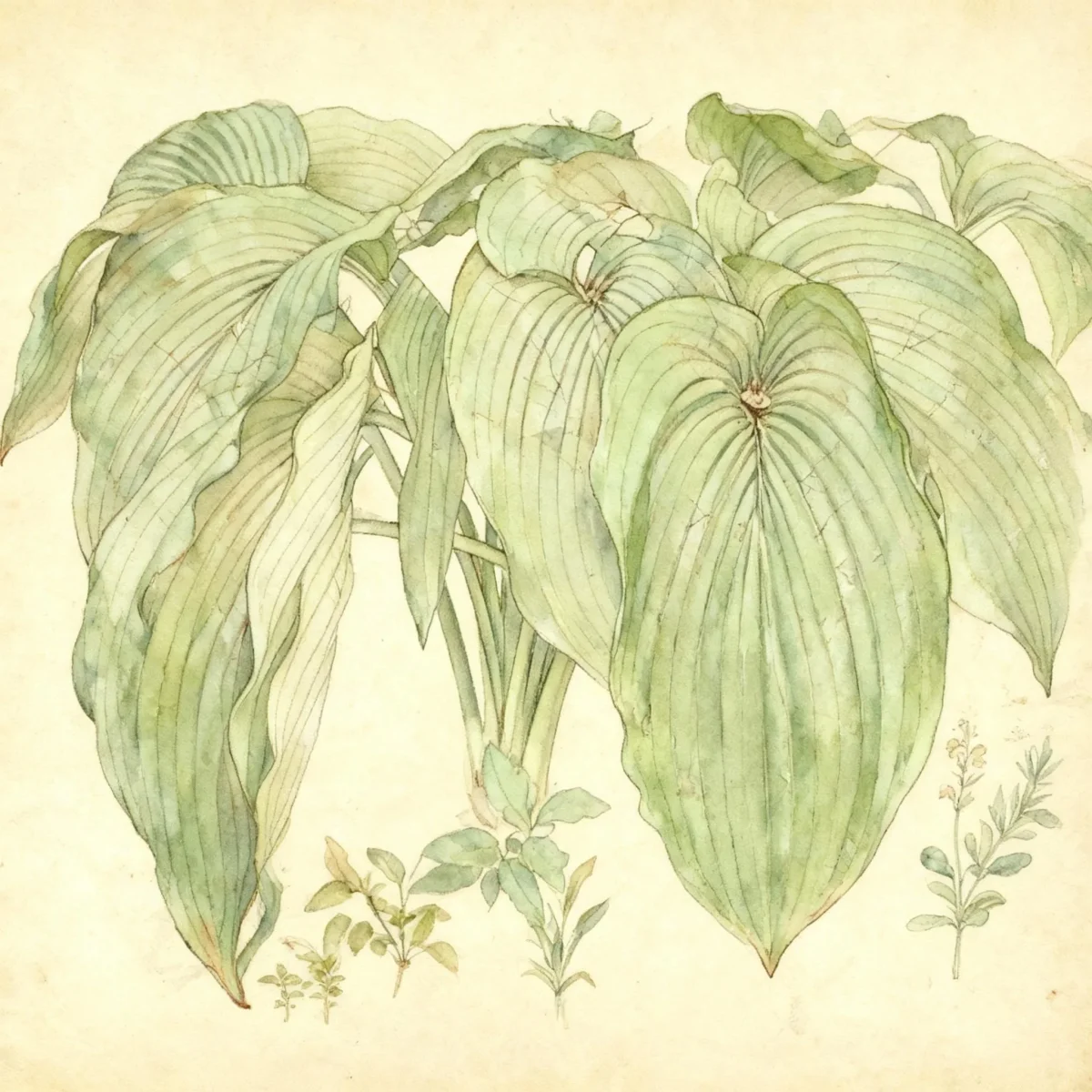
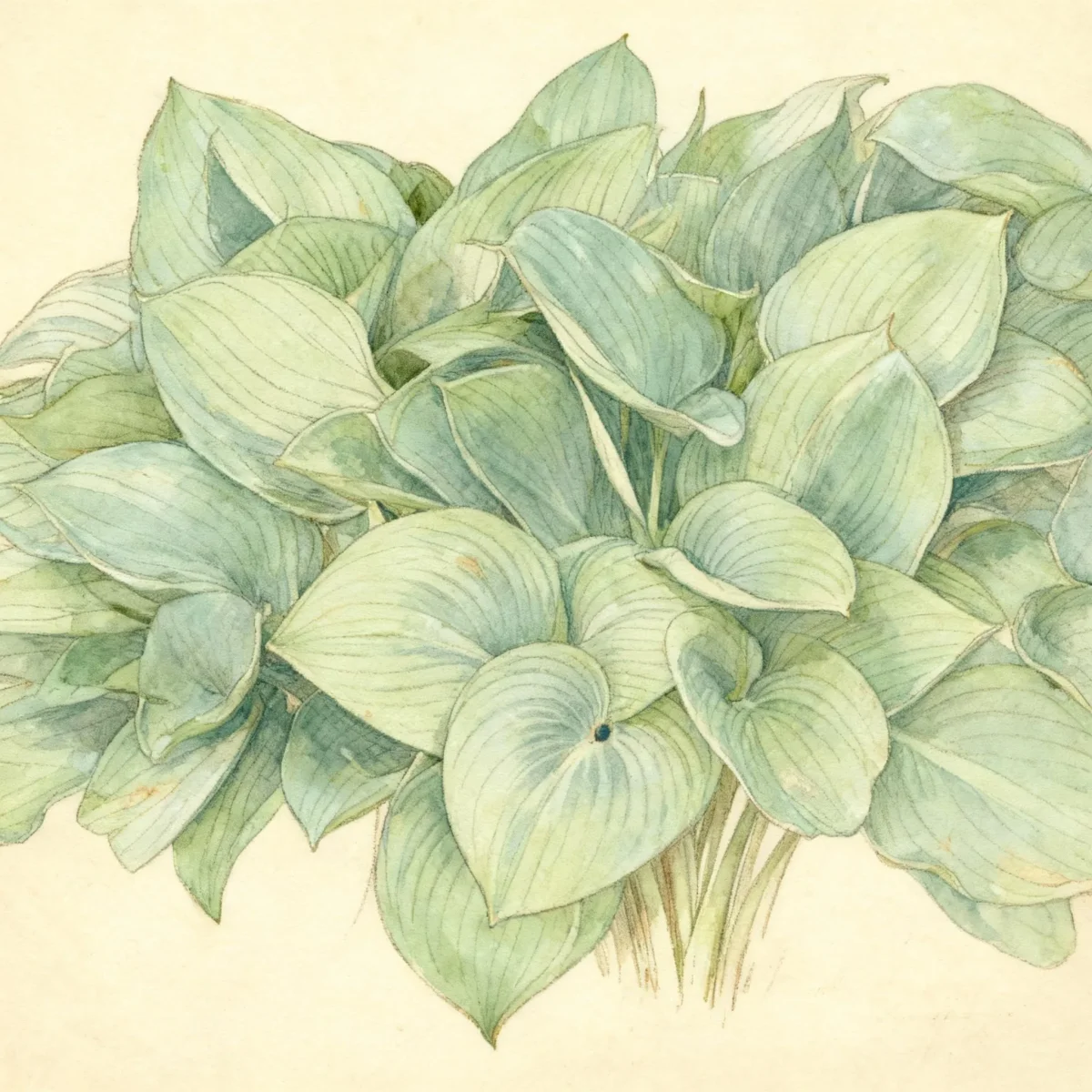
Hosta (Hosta 'Key Lime Pie')
Hosta 'Key Lime Pie' is a stunning perennial prized for its 12x9” medium green leaves with wavy yellow margins. Ideal for Zones 3-8 shade gardens, offering low maintenance.
Scroll down to discover growing tips, care requirements, companion plants, and more
Complete Plant Information
Overview
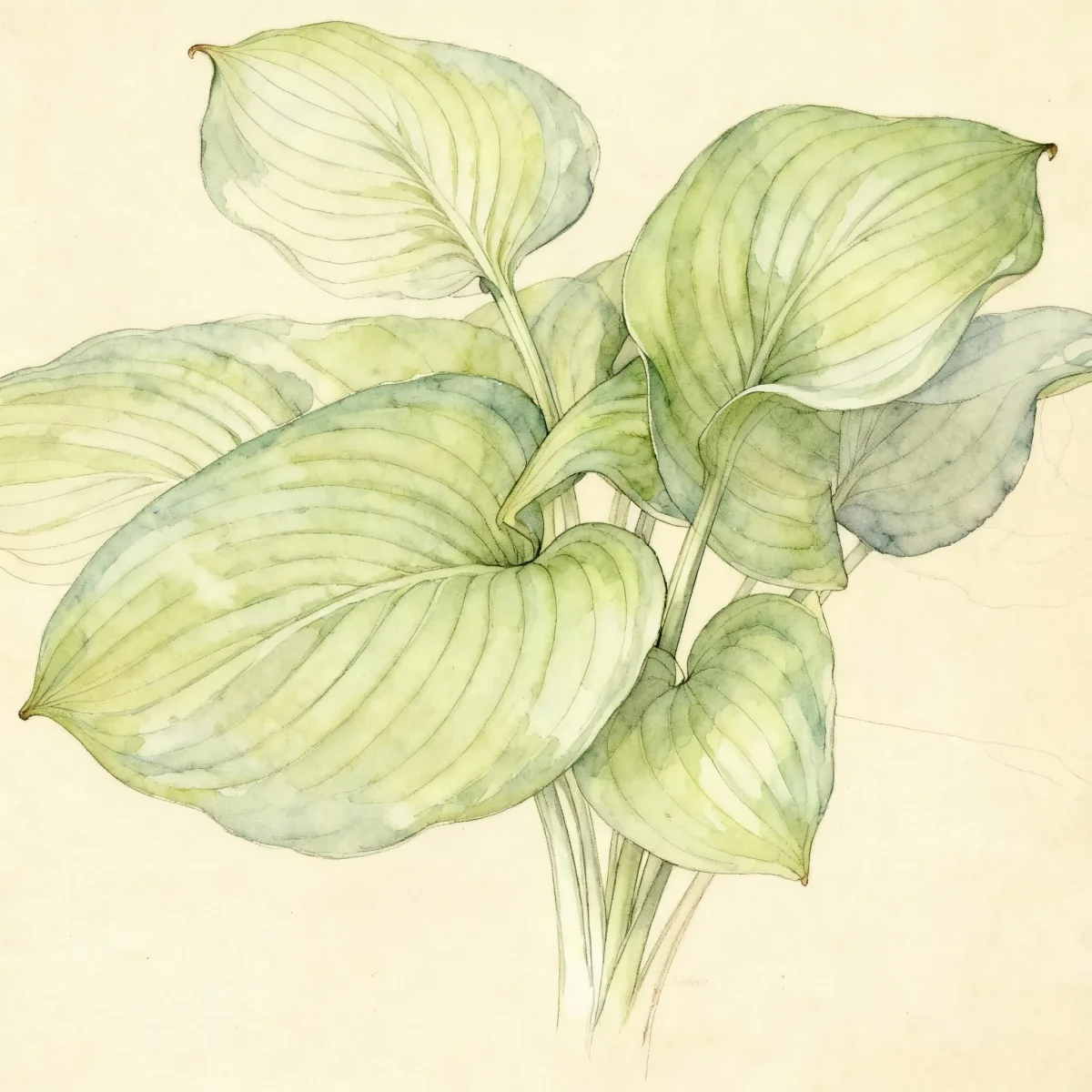
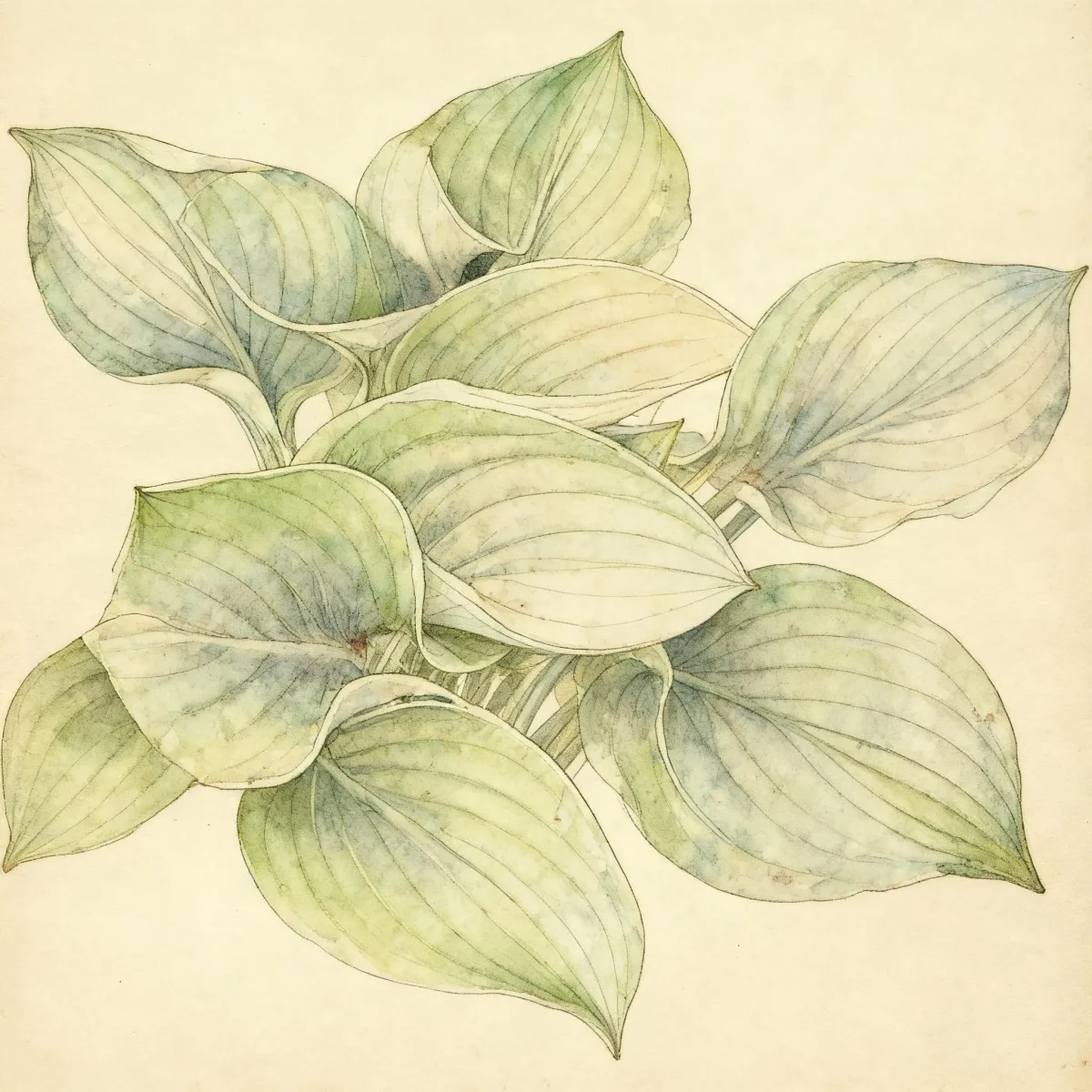
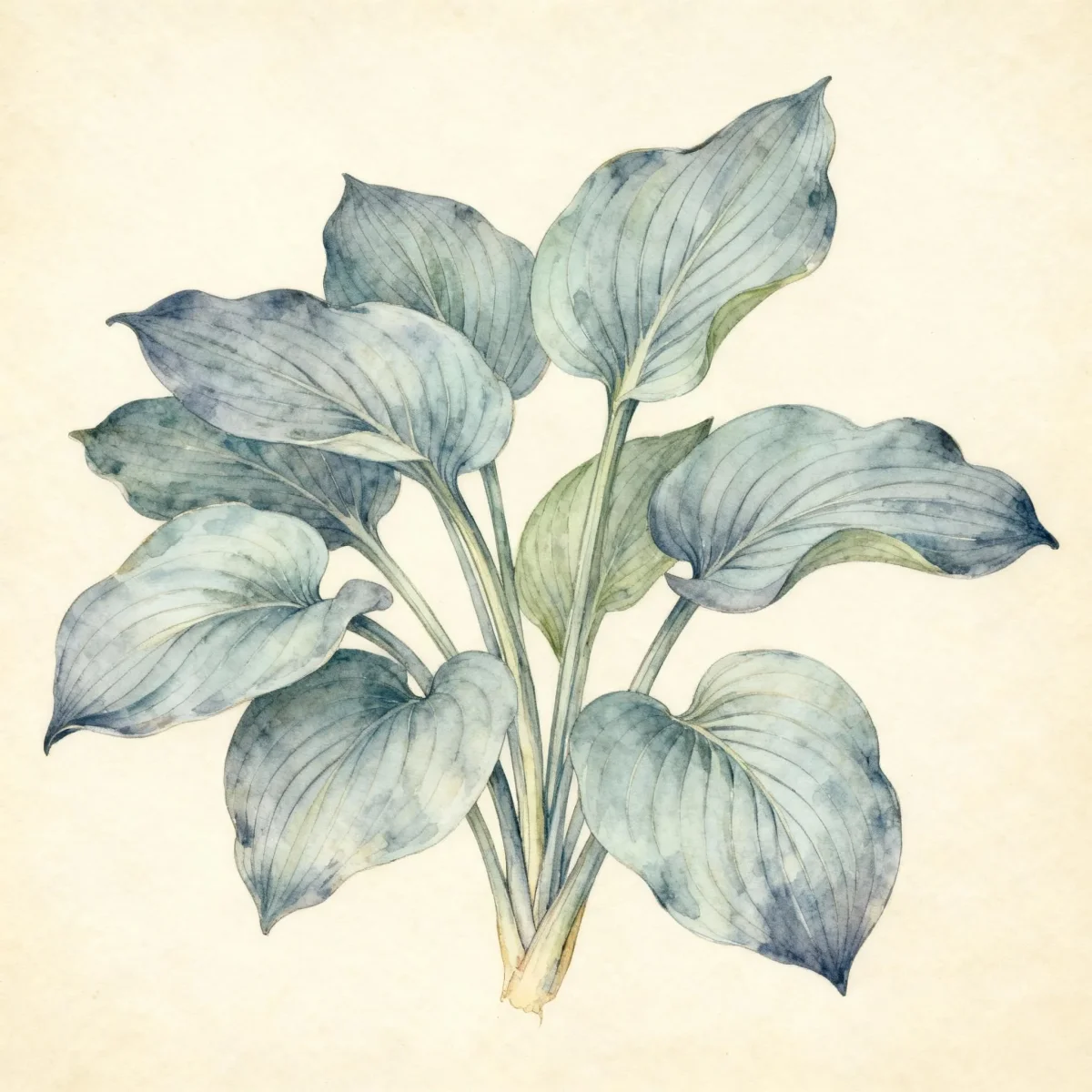
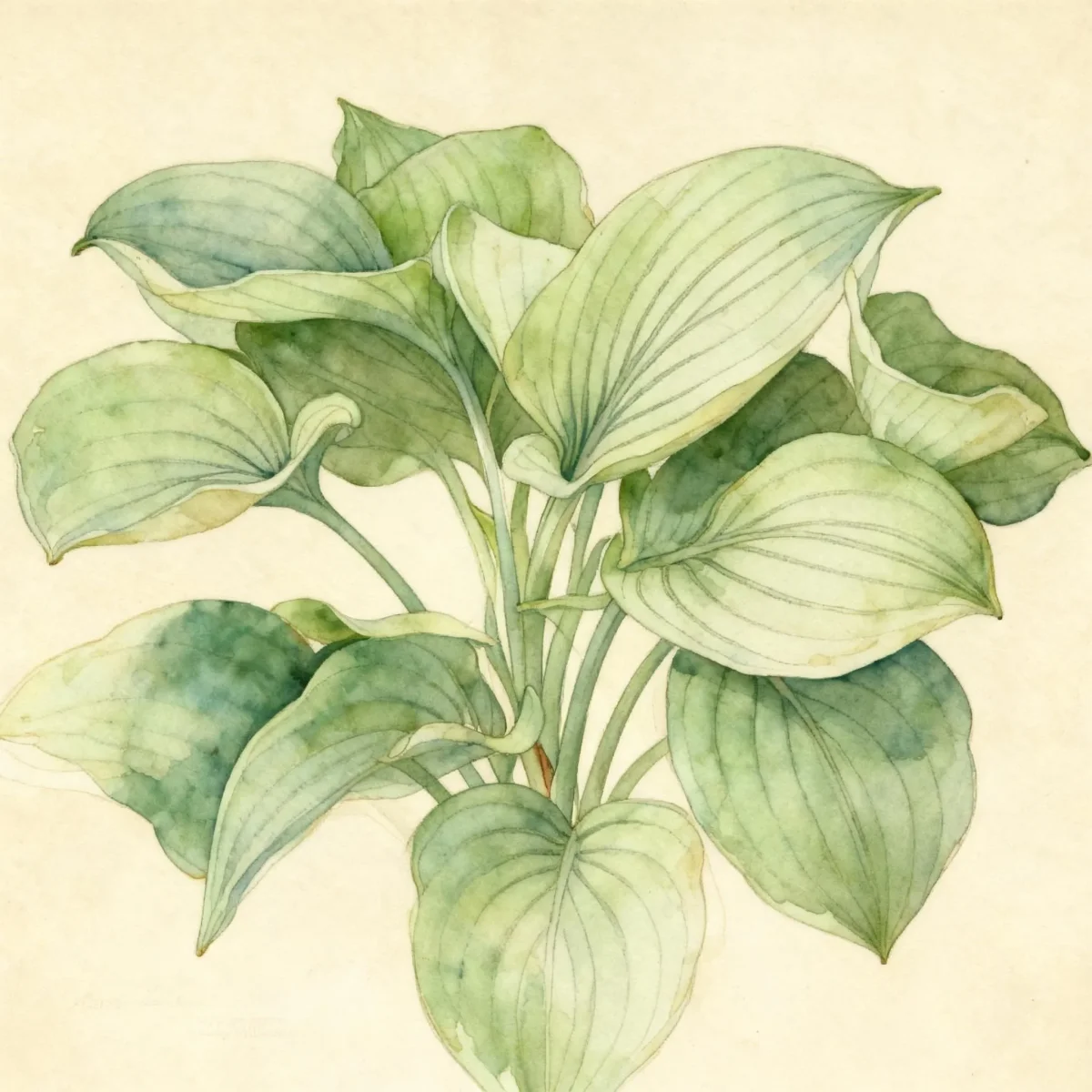
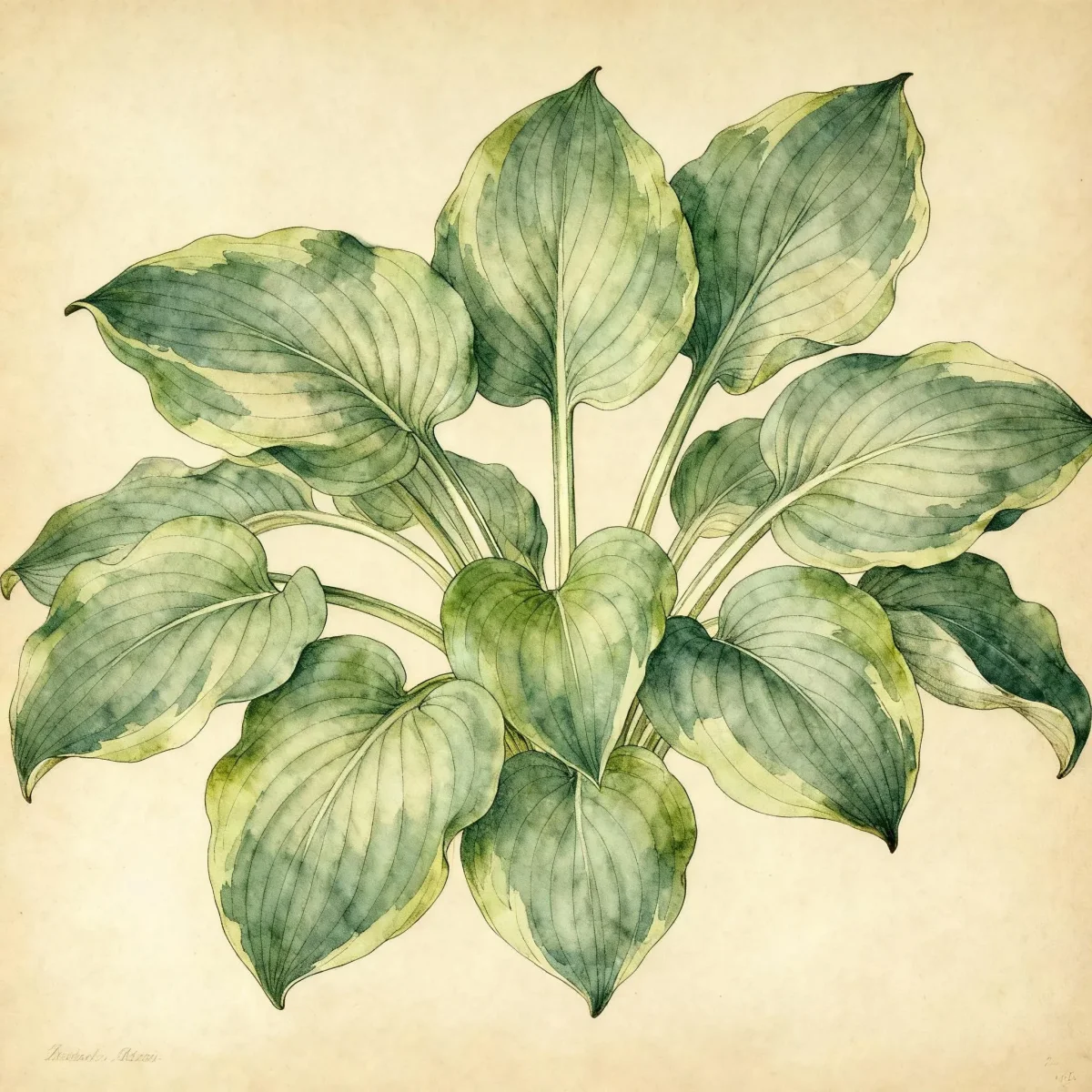
Hosta ‘Key Lime Pie’ is a highly desirable herbaceous perennial, renowned primarily for its ornamental foliage that provides structure and vibrant color in shady environments. This specific cultivar features medium green leaves, measuring about 12 by 9 inches, dramatically framed by wide, wavy, greenish-yellow margins, creating a bright point of interest. As a classic shade garden staple, the Hosta genus thrives where many flowering plants struggle, offering reliable, low-maintenance ground cover.
Discovered as a sport of Hosta ‘Squash Casserole,’ Hosta ‘Key Lime Pie’ forms a dense, flat, mounding clump perfect for softening edges or anchoring woodland scenes. Gardeners value this plant for its robustness and ability to maintain its quality form with consistent moisture, making it a cornerstone feature in perennial borders year after year.
The reliable nature of this Hosta ensures aesthetic impact with minimal fuss, reinforcing why Hostas remain among the most popular shade-loving perennials globally. Its size—reaching up to 2 feet tall and 5 feet wide—demands some consideration for spacing, but the payoff is a lush tapestry of texture and color throughout the growing season.
Fast Facts
- Plant Family: Asparagaceae
- Plant Type: Herbaceous perennial
- Hardiness Zones: USDA Zones 3-8
- Size at Maturity:
- Height: 1.5-2 ft
- Spread: 4-5 ft
- Bloom Time: July to August
- Bloom Description: Lavender
- Sun Exposure: Part shade to full shade
- Water Needs: Medium
- Maintenance Level: Low
How to Grow
Planting Hosta ‘Key Lime Pie’ should occur when soils are workable, either in the spring or early autumn, ensuring the crown is set just at the soil surface. This Hosta thrives in evenly moist, organically rich, well-drained soils. While it tolerates heavy shade, optimal size and leaf quality are achieved when the plant receives part shade, perhaps enjoying gentle morning sun or dappled light conditions throughout the day.
Maintenance for this reliable perennial is generally low, as noted in its profile. Consistent watering is crucial, especially when establishing the plant, though established specimens show some drought tolerance in dry shade, provided they are the thick-leaved types. Always aim water directly toward the soil beneath the leaves to keep foliage dry and discourage fungal issues.
Division of existing Hosta clumps is best performed either in early spring before the leaves fully unfurl, which is easiest, or in the autumn after flowering. Furthermore, site selection is important; always plant rooted specimens in locations that offer protection from strong winds, which can unexpectedly tear or bruise the substantial leaves of Hosta ‘Key Lime Pie’.
Landscape Uses
Hostas are the undisputed backbone of the temperate shade garden, and Hosta ‘Key Lime Pie’ excels in this role due to its bright, contrasting foliage. These plants are remarkably effective when grouped or massed together, creating broad swaths of color that contrast beautifully with darker green ferns or fine-textured groundcovers. They serve exceptionally well as a background plant where their mounding structure can anchor taller, finer-textured shade bloomers.
Consider using Hosta ‘Key Lime Pie’ along shady borders where its chartreuse margins can lighten up dark corners of the landscape. They perform admirably tucked into woodland garden settings, mimicking their native environment along woodland margins. While primarily foliage plants, the vertical display of lavender flowers rising above the mound adds unexpected summer interest to these shady retreats.
For a dynamic visual effect, pair the bold foliage of this Hosta with plants requiring similar moisture and shade, such as Astilbe for feathery texture, or shade-tolerant bulbs that emerge before the Hosta fully develops its canopy. Their large, rounded form makes them excellent specimen plants for container gardens, though containers require more diligent moisture management.
Standout Features
Flower Qualities
- Showy
Noteworthy Characteristics
Hosta is a genus primarily celebrated for its ornamental foliage, featuring dense, basal leaves in various textures and colors rising from a central crown. Specifically, ‘Key Lime Pie’ displays medium green, lightly corrugated leaves accented by wide, wavy, greenish-yellow margins, forming a flat mound up to 5 feet wide. In mid-summer, one can expect scapes rising 33 to 39 inches high, bearing 2-inch light lavender flowers with distinct internal white stripes.
Tolerances
- Heavy Shade
- Black Walnut
Potential Problems
The most persistent issue for Hosta ‘Key Lime Pie’, like most garden Hostas, involves mollusk pests. Slugs and snails are highly attracted to the foliage, leaving behind characteristic jagged holes which can quickly deface the leaves if populations are not managed. Immediate action, such as using baits or implementing physical barriers, is necessary to prevent serious aesthetic damage.
Gardeners must also remain vigilant for foliar nematodes, which cause interveinal browning on the leaves, and occasionally, fungal issues like leaf spot or crown rot, often exacerbated by overly saturated soils. Furthermore, protect your plants from physical damage; leaves, especially on exposed Hosta specimens, suffer severely from hail storms, and local deer and rabbits find the foliage to be a preferred, often voracious, meal.
Frequently Asked Questions
What hardiness zones is Hosta ‘Key Lime Pie’ suitable for?
Hosta ‘Key Lime Pie’ is reliably hardy across USDA Zones 3 through 8, making it suitable for a broad range of climates across North America.
How large does Hosta ‘Key Lime Pie’ grow?
This Hosta cultivar typically matures to a height between 1.5 and 2 feet, spreading outward to form a substantial clump measuring 4 to 5 feet wide.
What sun exposure does Hosta ‘Key Lime Pie’ need?
This Hosta requires part shade to full shade conditions for the best performance and leaf color retention throughout the season.
When does Hosta ‘Key Lime Pie’ bloom?
The plant produces its lavender flowers atop tall scapes generally between July and August, providing mid-summer color.
Conclusion
Hosta ‘Key Lime Pie’ offers exceptional value to any shaded landscape, providing bold texture, bright color contrast, and reliably low maintenance care. Ensuring this plant receives consistent moisture and adequate shade protection will maximize the visual appeal of its distinctive yellow-rimmed foliage. Check your local USDA hardiness match, and plan to plant this superb Hosta in the spring for immediate season-long enjoyment.
Propagation Tips
Since Hosta ‘Key Lime Pie’ is a clump-forming herbaceous perennial, the primary and most effective method of propagation is division. This process should be undertaken when the plant is dormant or just beginning its active growth in early spring before the leaves fully emerge, allowing you to separate the fibrous roots and crowns cleanly. Ensure that each new division retains several healthy eyes or buds attached to a sufficient root mass to re-establish successfully.
Alternatively, while less common for established cultivars, seedlings can be grown from the lavender flowers, though the resulting offspring may revert to features of the parent stock rather than perfectly replicating the ‘Key Lime Pie’ characteristics. For guaranteed genetic replication, division remains the expert recommendation for expanding your collection of this excellent Hosta.
Companion Planting
Selecting companions for Hosta ‘Key Lime Pie’ should focus on plants that share its need for moist, well-drained soil and protection from intense afternoon sun. Consider pairing its broad, chartreuse-edged leaves with moisture-loving, fine-textured plants like Japanese Forest Grass (Hakonechloa macra), particularly the gold-leaved varieties, for wonderful juxtaposition in texture.
For flowering color in the mid-to-late summer when the Hosta blooms, consider pairing it with Astilbe or shade-tolerant Begonias, which offer height variety without competing too aggressively for root space. When these plants are sited together, the bright Hosta acts as a natural foil, lifting the visual plane of the deeply shaded border.