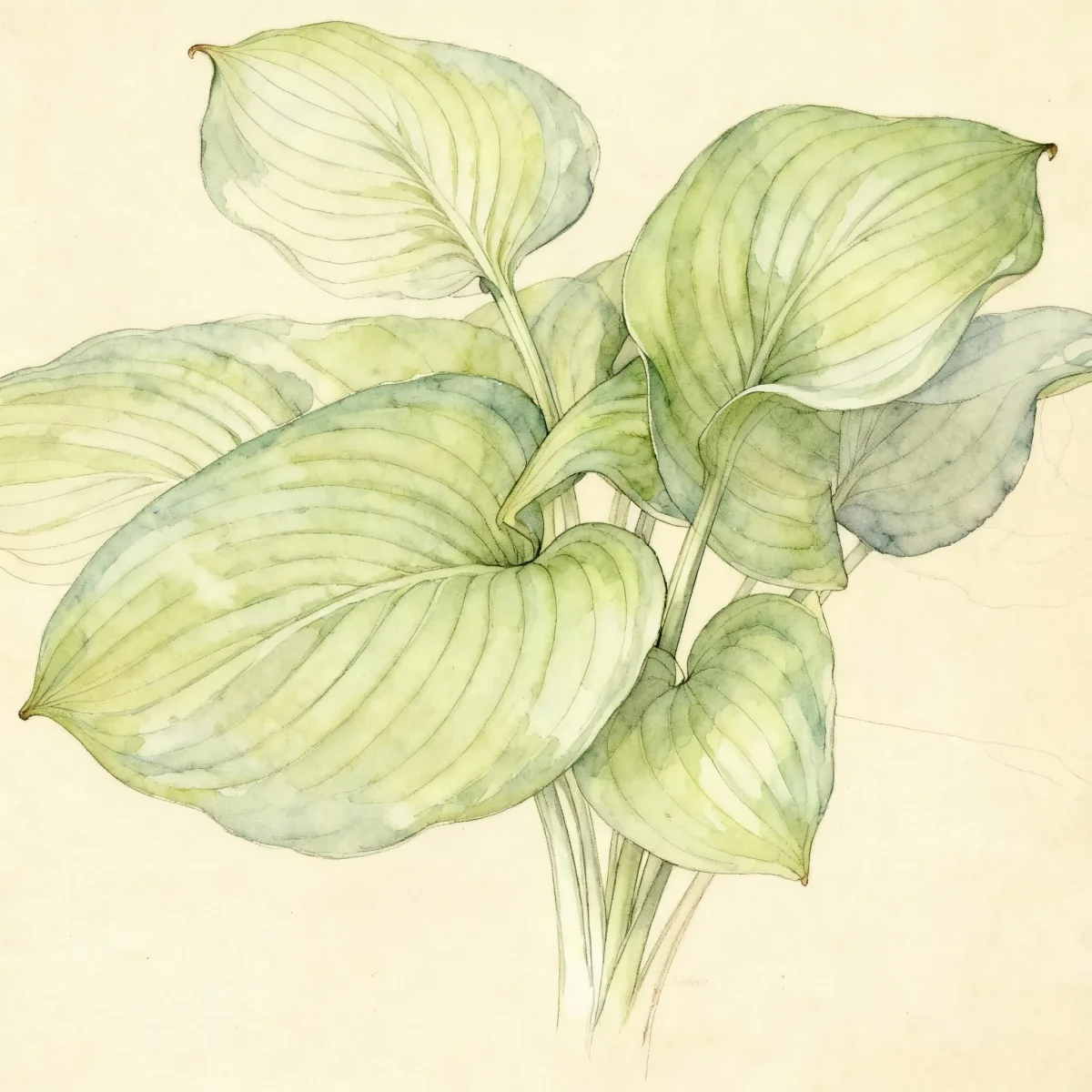
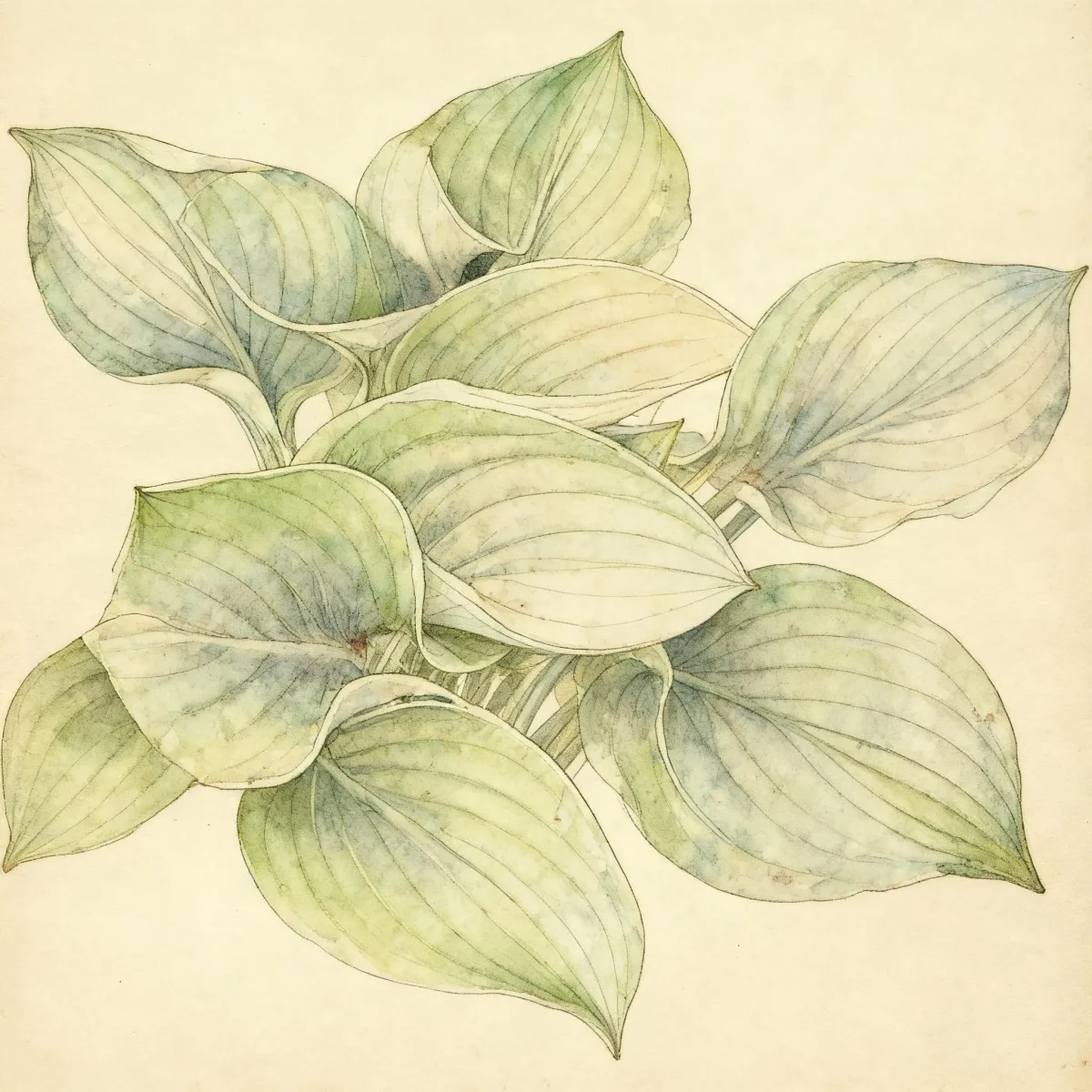
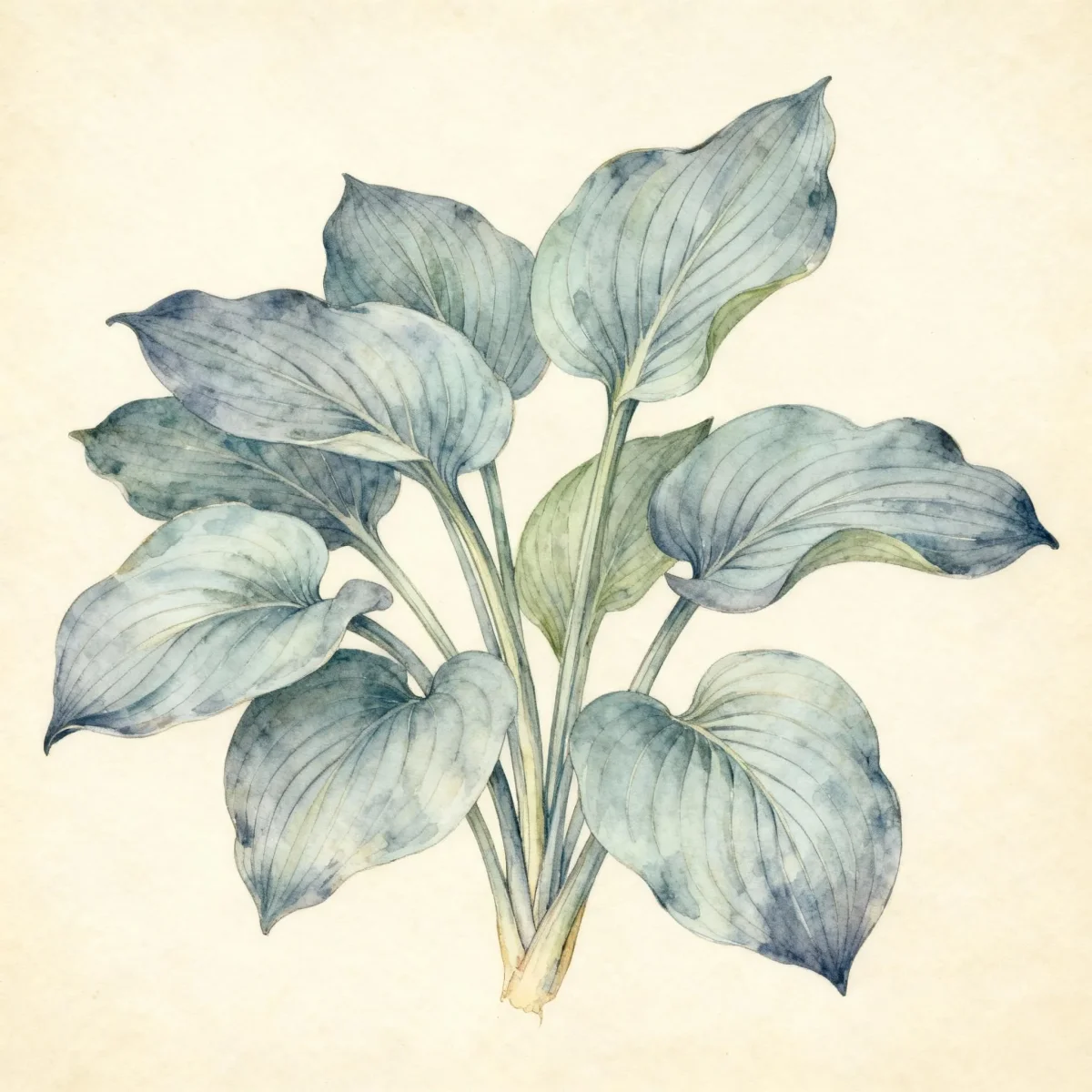
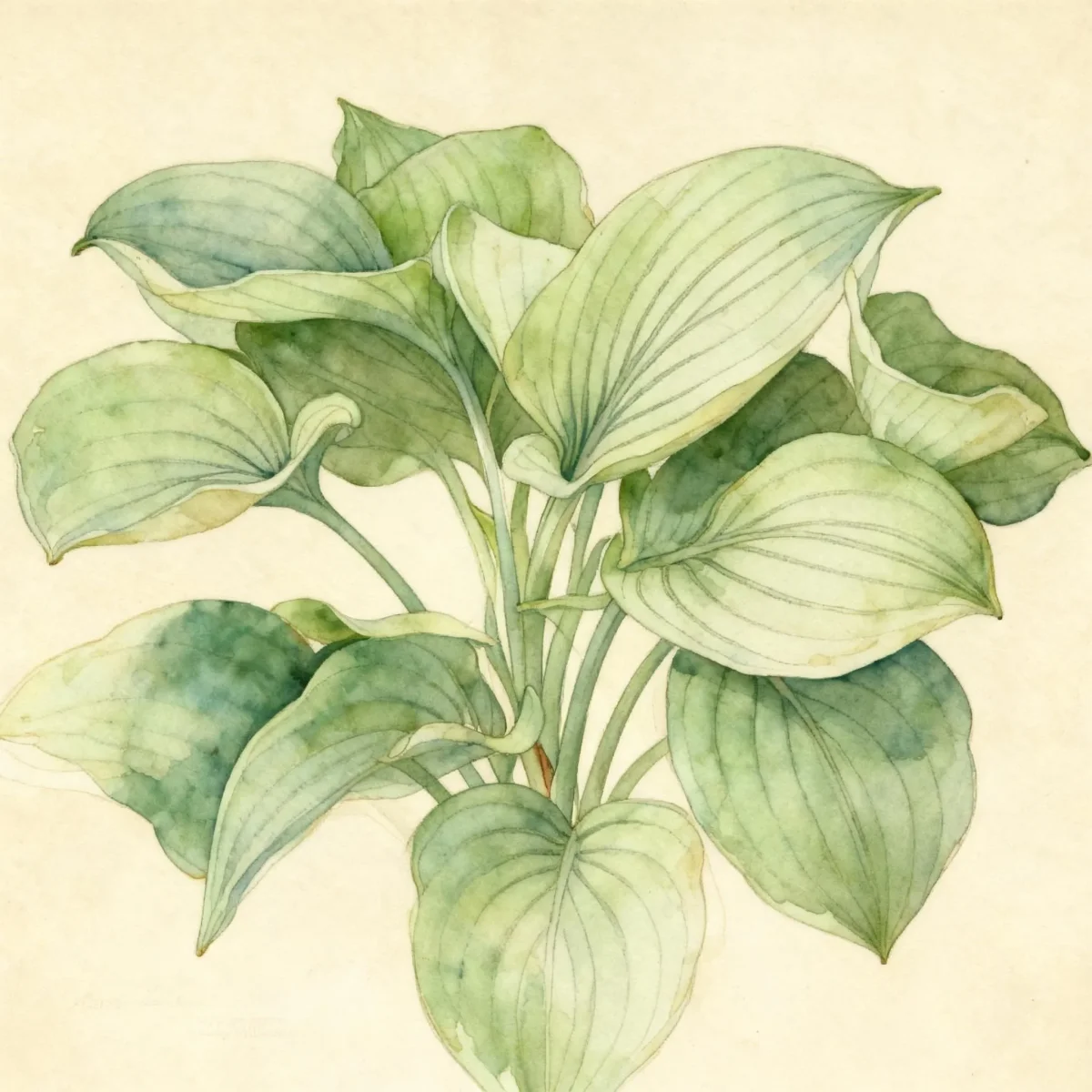
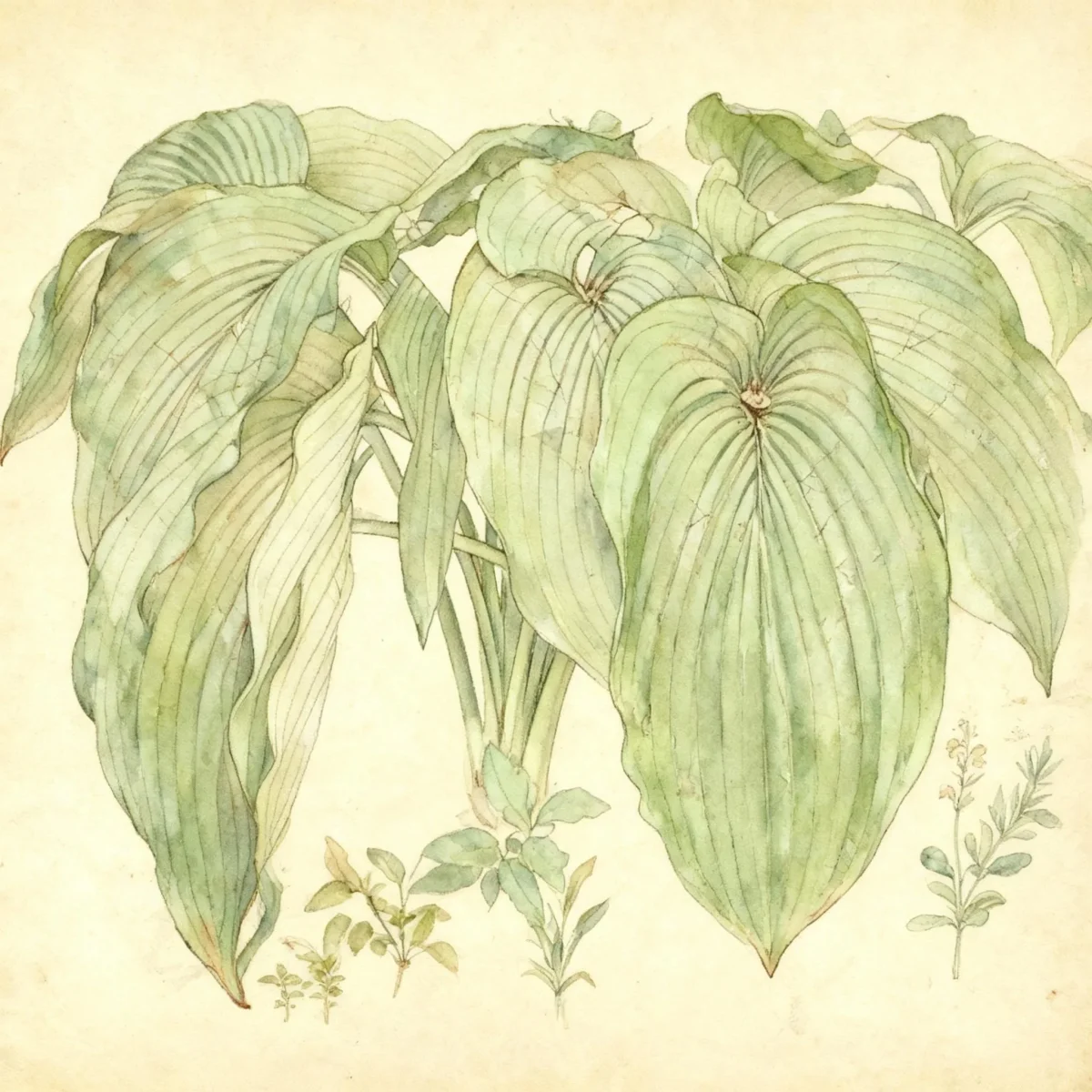
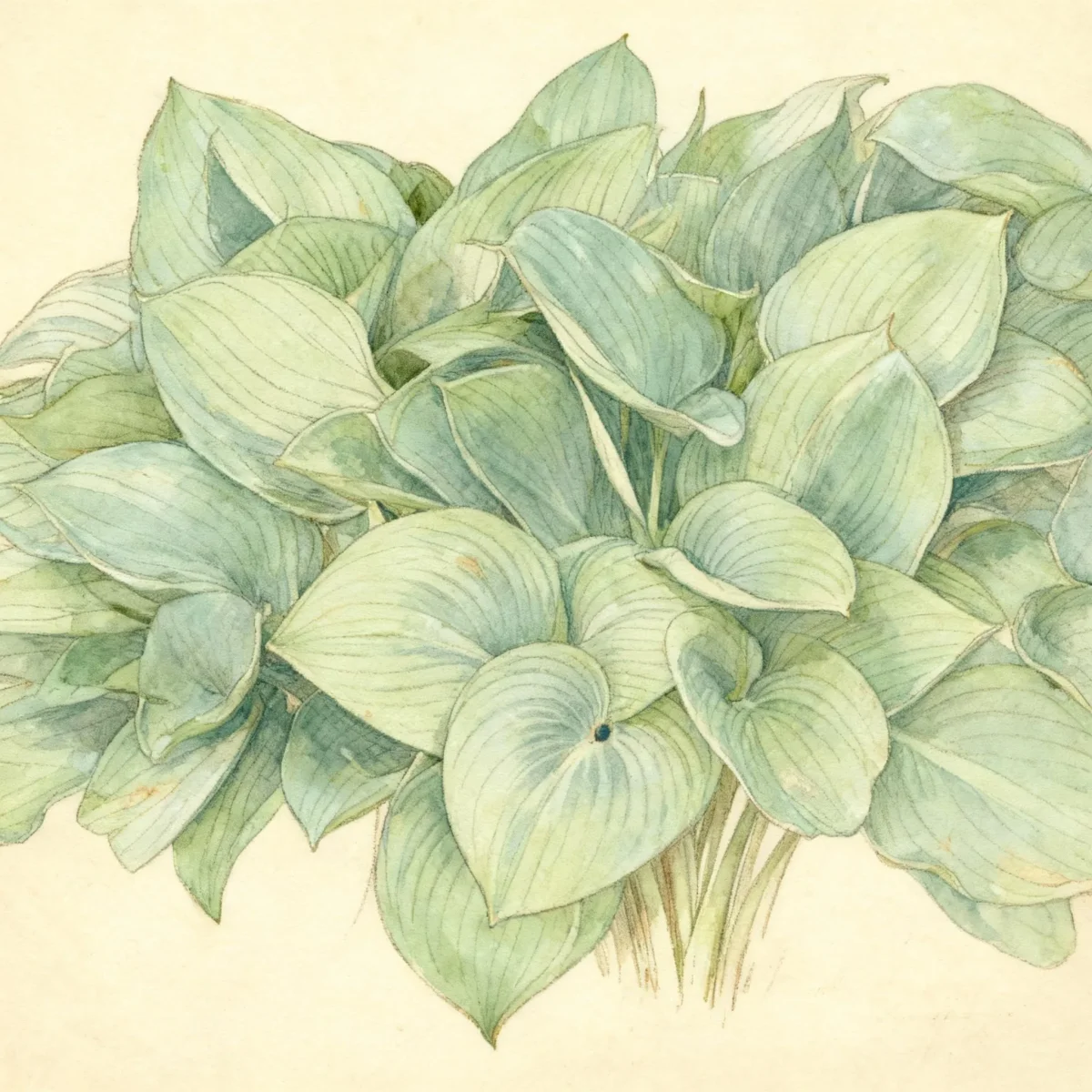
Hosta (Hosta 'Fire Island')
Hosta 'Fire Island' is a striking herbaceous perennial offering yellow spring foliage turning chartreuse, perfect for shade gardens.
Scroll down to discover growing tips, care requirements, companion plants, and more
Complete Plant Information
Overview
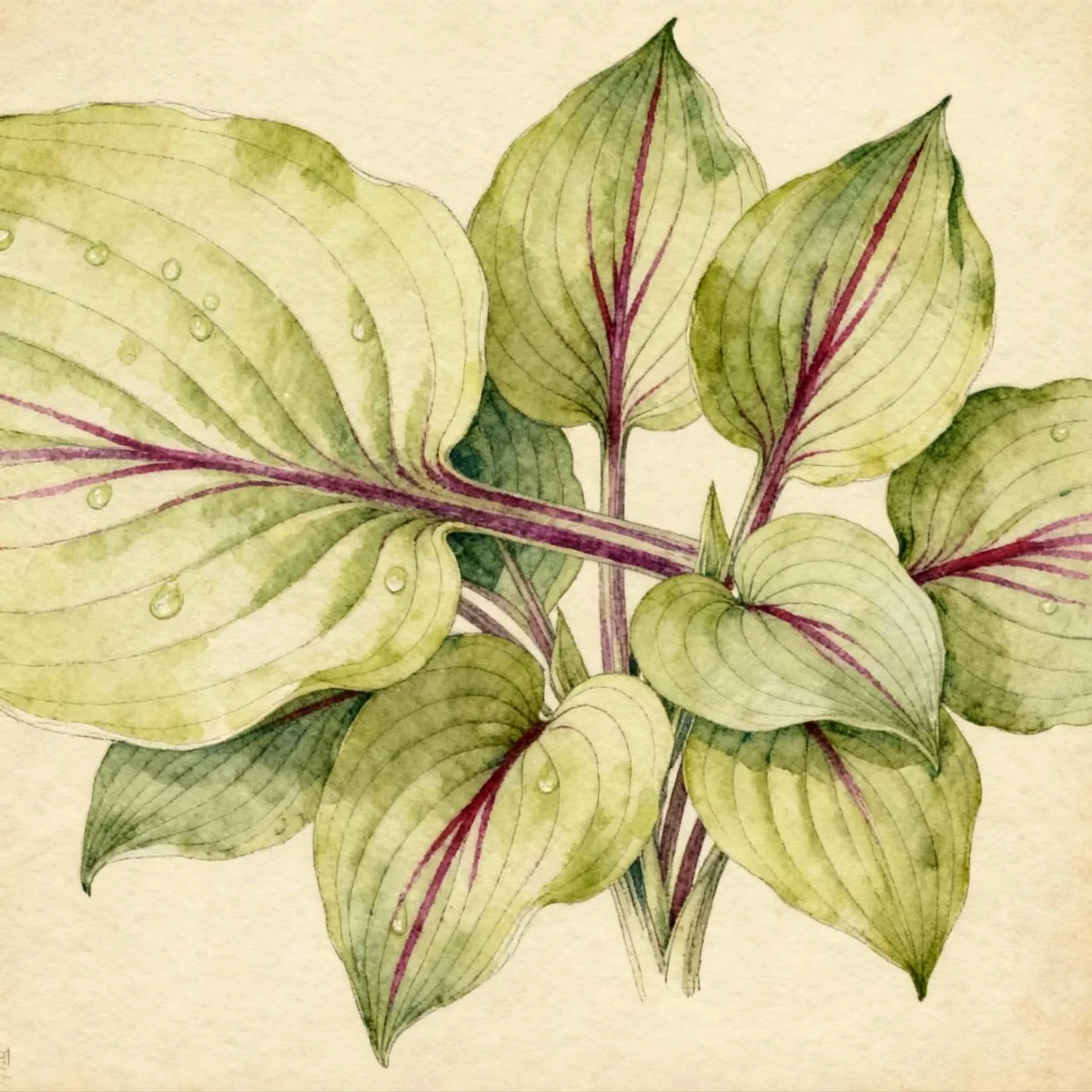
Hosta ‘Fire Island’ is valued by gardeners for its dynamic foliage display, featuring bright yellow leaves in spring that transition to a lovely chartreuse green as summer progresses. This small to medium-sized Hosta cultivar provides excellent texture contrast in shady landscapes. Its red petioles add an unexpected flash of color throughout the growing season, complementing the lavender summer blooms.
As a rhizomatous, clump-forming perennial, Hosta ‘Fire Island’ excels in environments where many other plants struggle, thriving in part shade to full shade conditions. It offers low maintenance requirements, cementing its status as a cornerstone for shaded borders and woodland settings. Gardeners appreciate the reliability and ornamental quality delivered by this popular Hosta hybrid.
The foliage mound develops into a dense, rounded shape, reaching just over a foot high, making it versatile for edging or mass planting. While primarily grown for its foliage, the fragrant, contrasting lavender flowers attract hummingbirds in mid to late summer. Ensuring consistent moisture is key to maximizing the size and color quality of Hosta ‘Fire Island’.
Fast Facts
- Plant Family: Asparagaceae
- Plant Type: Herbaceous perennial
- Hardiness Zones: USDA Zones 3-8
- Size at Maturity:
- Height: 1-1.25 ft
- Spread: 1.5-1.75 ft
- Bloom Time: July to August
- Bloom Description: Lavender
- Sun Exposure: Part shade to full shade
- Water Needs: Medium
- Maintenance Level: Low
How to Grow
Planting Hosta ‘Fire Island’ is best achieved in spring or autumn, ensuring the location receives ideal conditions—ideally part shade with some morning sun or dappled light. These perennials require evenly moist, organically rich, well-drained soils to reach their full potential. Avoid planting where they will receive hot, intense afternoon sun, as Hosta ‘Fire Island’ is susceptible to leaf scorch under those stressful conditions.
Consistent moisture management is vital for maintaining lush foliage on your Hosta. Water deeply directly at the soil level beneath the leaves, especially during dry spells, as allowing established plants to dry out will compromise their size and quality. Maintenance is generally low; fertilizing is rarely necessary if the soil is rich.
Dividing your clumps of Hosta can be done every few years as needed, typically performed in early spring before the emerging leaves unfurl, or in the autumn. Always plant this Hosta cultivar in locations that offer some protection from harsh winds, which can physically damage the leaves.
Landscape Uses
Hostas are foundational plants for any shade garden, and Hosta ‘Fire Island’ brings vibrant color to those dimmer corners. These perennials are exceptionally effective when grouped or massed together to create a bold, uniform carpet of chartreuse texture against dark backgrounds or under deciduous trees. They serve perfectly as seasonal borders or as reliable infill between larger shrubs.
Due to their mounding habit, Hostas like ‘Fire Island’ work well along shady borders or seamlessly integrated into woodland garden designs. They pair beautifully with plants that offer contrasting leaf shapes or colors, such as deep green ferns, bright-leafed Astilbes, or variegated Solomon’s Seal. Their functional use as groundcover helps suppress weeds while offering year-round visual interest, provided the planting location matches the cultural needs of the Hosta.
Flower Qualities
- Showy
Noteworthy Characteristics
Hosta is a genus celebrated for its ornamental foliage displayed in dense, basal mounds rising from a central crown. Hosta ‘Fire Island’ is a distinguished hybrid noted for its broadly ovate leaves marked by gently rippled margins and slight corrugation. This cultivar specifically emerges with yellow spring foliage that matures to chartreuse green, accented beautifully by red petioles which persist throughout the season before mid to late summer brings contrasting lavender flowers.
Tolerances
- Heavy Shade
- Black Walnut
Potential Problems
Slugs and snails pose the most immediate threat to the foliage of Hosta ‘Fire Island’, chewing characteristic jagged holes that severely detract from the plant’s appearance if not managed promptly. Proactive management, such as using traps or baits, is critical for keeping the foliage pristine throughout the growing season.
Foliar nematodes can cause interveinal browning, while leaf spots and crown rot are less common but possible issues, often related to excessive wetness or poor air circulation. Additionally, be aware that deer and rabbits frequently graze on Hosta leaves, sometimes voraciously. Plants infected with severe viruses like HVX must be removed and destroyed immediately to prevent spread.
Standout Features
Companion Planting
When selecting companions for Hosta ‘Fire Island’, focus on plants that appreciate similar medium moisture levels and shade to partial shade conditions. Deeply textured ferns, such as Japanese Painted Fern or Ostrich Fern, provide excellent textural contrast to the broad leaves of the Hosta. Consider planting seasonal bulbs like snowdrops or scilla nearby, as they bloom early before the Hosta foliage fully emerges, providing interest when the garden is otherwise bare.
Container Growing
Hosta ‘Fire Island’ adapts well to container life, provided drainage is excellent, meeting the demands for organically rich soil. Use a high-quality potting mix amended with compost to retain adequate moisture without becoming waterlogged. Ensure the container is deep enough to accommodate the developing root structure, as Hostas dislike being pot-bound. Growing Hosta in pots allows manipulation of sun exposure to perfectly dial in the right light levels to maintain that desirable chartreuse coloration without scorching the leaves.
Frequently Asked Questions
What hardiness zones is Hosta ‘Fire Island’ suitable for?
Hosta ‘Fire Island’ is hardy and reliably perennial across USDA Zones 3 through 8.
How large does Hosta ‘Fire Island’ grow?
This Hosta cultivar typically reaches a mature height between 1 and 1.25 feet, spreading to a width of 1.5 to 1.75 feet.
What sun exposure does Hosta ‘Fire Island’ need?
Hosta ‘Fire Island’ thrives best in part shade, though it tolerates full shade; afternoon sun should be minimized to prevent leaf scorch.
When does Hosta ‘Fire Island’ bloom?
The blooms appear from July through August, generally featuring attractive lavender flowers atop scapes.
Conclusion
Hosta ‘Fire Island’ offers distinctive, reliable color and structure, making it an indispensable choice for brightening shaded areas of the garden. Its seasonal color shifts, paired with its manageable size and low maintenance, secure its place as a favorite Hosta variety. Take care to provide consistent moisture and ample shade, and plan your planting schedule around the early spring or autumn division windows for best establishment.