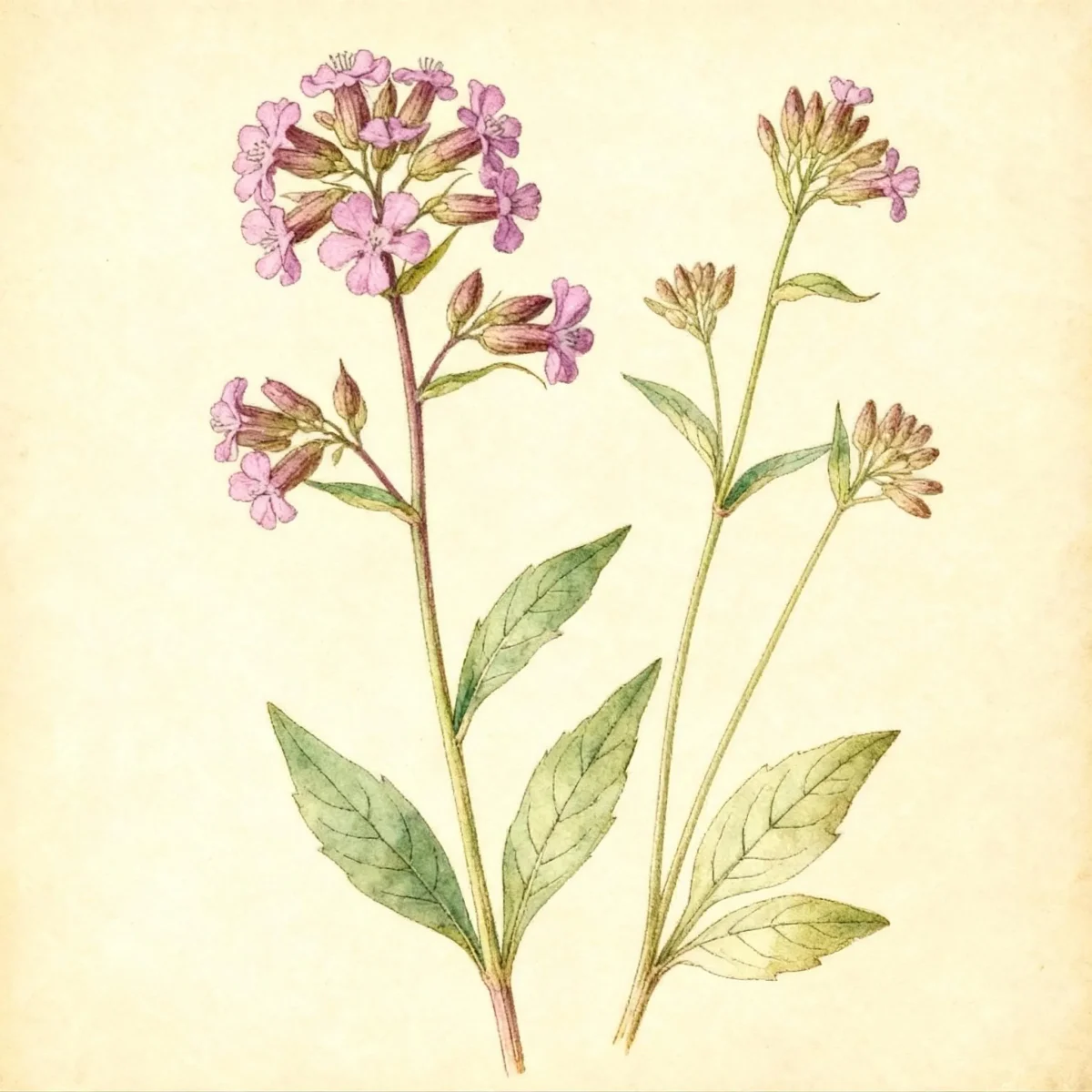
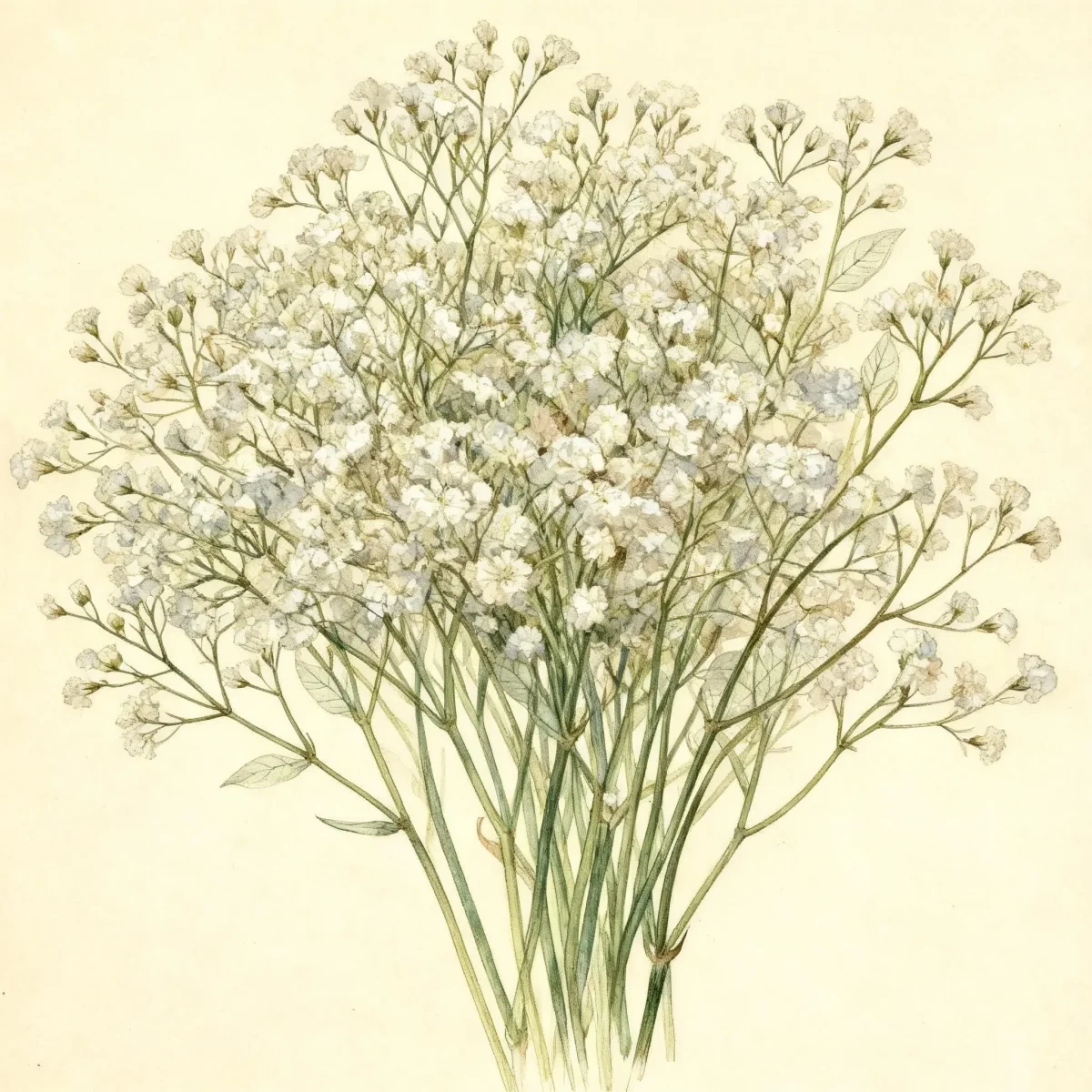
Baby's breath (Gypsophila paniculata 'Danfestar' FESTIVAL STAR)
Gypsophila paniculata 'Danfestar' FESTIVAL STAR, or Baby's breath, offers airy white blooms, excellent dryness tolerance, and is a favorite for cut flower arrangements.
Scroll down to discover growing tips, care requirements, companion plants, and more
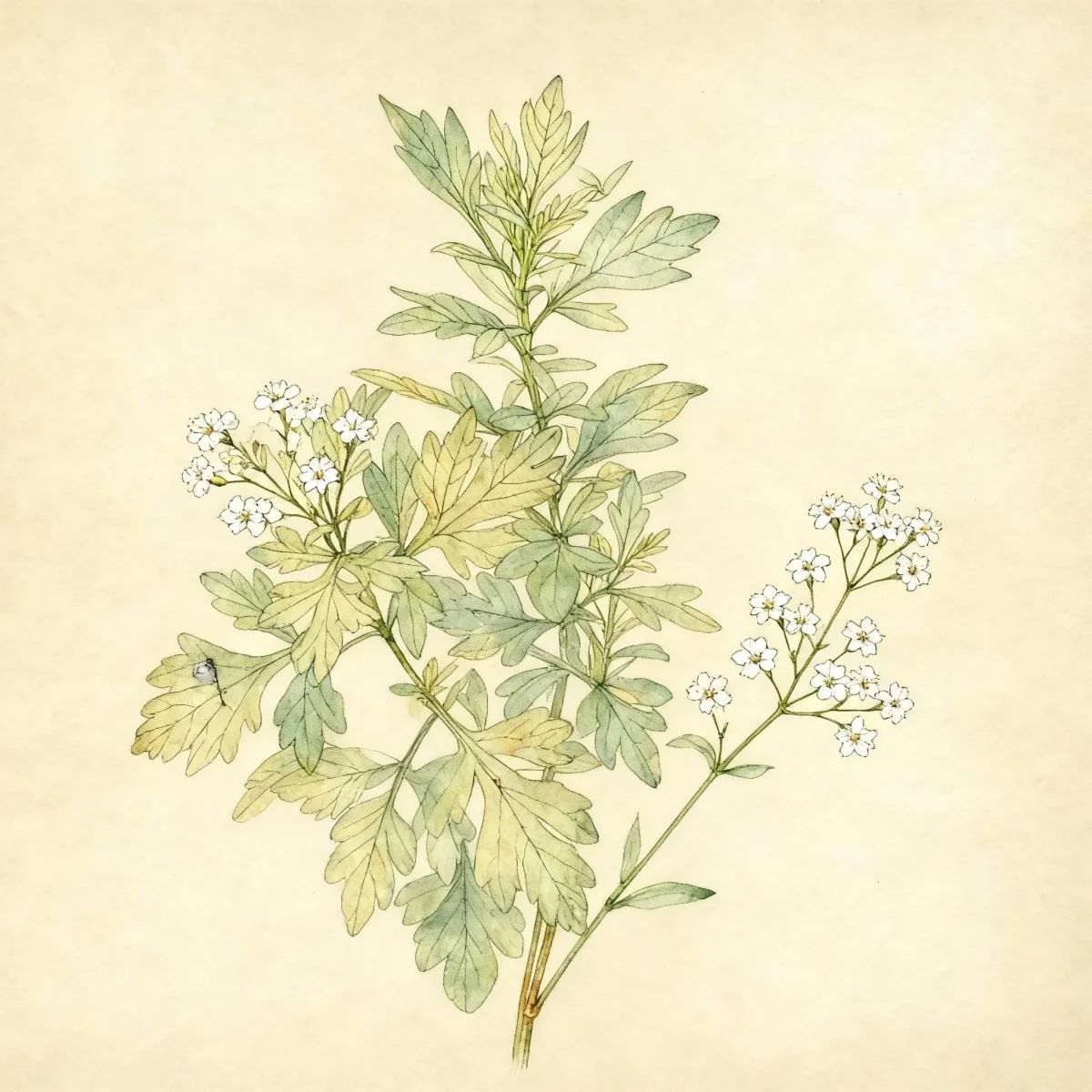
Complete Plant Information
Overview
Gypsophila paniculata ‘Danfestar’ FESTIVAL STAR, known commonly as Baby’s breath, is a highly valued herbaceous perennial prized for its cloud-like mass of small, white flowers that bloom profusely from late spring through summer. This cultivar stands out due to its compact, densely branched habit, reaching only 1 to 1.5 feet tall, which minimizes the need for staking often associated with larger Gypsophila varieties. Gardeners appreciate the airy texture it brings, effortlessly lightening borders and acting as an ideal textural contrast against bolder foliage or darker blooms.
This selection, sometimes marketed as FESTIVAL STAR, is notably floriferous and offers a long season of interest, making it a reliable performer in sunny, well-drained garden spots. While the species is native to Eurasian steppes, the ‘Danfestar’ variety provides robust garden performance across a wide range of climates, thriving in USDA Zones 3 through 9. Its drought tolerance once established makes it a practical choice for low-water gardening schemes.
The primary appeal of Baby’s breath lies in its versatility; beyond the garden border, its sprays of white flowers are indispensable in both fresh floral arrangements and when dried for lasting winter displays. Successful cultivation hinges on providing the right drainage and sun exposure demanded by this sun-loving perennial.
Fast Facts
- Plant Family: Caryophyllaceae
- Plant Type: Herbaceous perennial
- Hardiness Zones: USDA Zones 3-9
- Size at Maturity:
- Height: 1-1.5 ft
- Spread: 1.25-2 ft
- Bloom Time: May to August
- Bloom Description: White
- Sun Exposure: Full sun
- Water Needs: Dry to medium
- Maintenance Level: Medium
How to Grow
Planting should occur when soils are warming, ensuring the chosen location receives full, unrelenting sun exposure throughout the day. Gypsophila paniculata ‘Danfestar’ FESTIVAL STAR demands sharp drainage; soils must be well-drained to prevent crown rot, especially over winter. Cultivate the soil to allow for deep taproot establishment, and importantly, aim for a slightly alkaline pH (ideally 7.3–7.5). If your existing soil is acidic, incorporate lime amendments well in advance of planting.
Once established, ongoing maintenance is comparatively low, relying on dry to medium watering schedules—err on the side of underwatering rather than overwatering. Fertilization is rarely necessary; rich soils can encourage excessive vegetative growth over fine flowering. Because this plant develops a significant taproot, avoid disturbing the root zone or attempting to move established specimens, which rarely respond well to transplanting.
Pruning is straightforward. After the main flush of bloom concludes, cut back or shear the plant to maintain its tidy, mounding shape and encourage a secondary, though smaller, rebloom period. This careful shearing also helps manage its naturally airy structure. Hardy in Zones 3-9, this perennial appreciates the high light intensity typical of these regions to prevent floppiness.
Landscape Uses
The fine, airy texture of Gypsophila paniculata ‘Danfestar’ FESTIVAL STAR makes it an excellent textural element in any perennial border design. It serves wonderfully as a light ‘filler’ plant, capable of softening the edges of larger hostas or hiding the fading foliage of spring-flowering bulbs that quickly disappear by early summer. Consider pairing the small white flowers of this Baby’s breath with deep purple or blue companions, such as Salvia or Russian Sage, to maximize visual contrast.
Because of its inherent suitability for drying, design groupings near the cutting garden where sprays of ‘Danfestar’ can be easily harvested. While it may look delicate, its drought tolerance means it integrates well into sunny, mixed borders that require minimal supplemental irrigation once mature. Use it liberally as a contrast in structure against plants with broad or heavy leaves.
Standout Features
Flower Qualities
- Showy
- Good Cut
- Good Dried
Noteworthy Characteristics
Gypsophila paniculata, commonly called baby’s breath, is a herbaceous, taprooted perennial native to meadow steppes and open habitats on calcareous or sandy soils in Eurasia. ‘Danfestar’ is a compact, floriferous selection of baby’s breath that features a mounding, densely branched growth habit and long bloom season, maturing around 1-1.5’ tall and 1.25-2’ wide with airy plumes of semi-double, white flowers. The genus name references its affinity for soils rich in gypsum or calcium.
Tolerances
- Deer
Potential Problems
While generally robust, some susceptibility exists to fungal issues like botrytis, especially in humid conditions or poorly draining soil. Poor air circulation combined with overly wet soil is the primary trigger for these problems. Ensure ample spacing when planting Gypsophila paniculata ‘Danfestar’ FESTIVAL STAR to maximize airflow around the dense foliage.
Aster yellows is another potential issue that causes stunted, chlorotic growth. Management often involves controlling the leafhoppers that spread the disease vector, as treating the disease itself is difficult once established. The excellent drainage required by this plant naturally mitigates many common rot issues.
Gardeners should be aware that some forms of Gypsophila paniculata can escape cultivation and become invasive in certain regions; always check local horticultural recommendations before planting widely. Fortunately, the compact habit of ‘Danfestar’ often reduces the overall impact and need for staking.
Frequently Asked Questions
What hardiness zones is Baby’s breath suitable for?
Gypsophila paniculata ‘Danfestar’ FESTIVAL STAR is hardy across a wide range, thriving in USDA Zones 3 through 9.
How large does Baby’s breath grow?
This compact cultivar reaches a mature height between 1 and 1.5 feet tall, with a spread ranging from 1.25 to 2 feet wide.
What sun exposure does Gypsophila paniculata ‘Danfestar’ FESTIVAL STAR need?
This perennial requires full sun exposure to flower best and maintain its attractive mounding habit.
When does Baby’s breath bloom?
This variety offers a long blooming window, typically flowering from May all the way through August with masses of white blossoms.
Conclusion
The compact Gypsophila paniculata ‘Danfestar’ FESTIVAL STAR provides outstanding textural lightness and reliable, drought-tolerant performance for full-sun locations in Zones 3-9. Its suitability as an excellent cut and dried flower secures its place in any functional garden design. Before planting, ensure your site offers the required excellent drainage and slightly alkaline soil conditions for consistently beautiful displays of this airy Baby’s breath.
Companion Planting
When designing a border featuring Gypsophila paniculata ‘Danfestar’ FESTIVAL STAR, select companions that appreciate full sun and tolerate relatively dry summer soil conditions. Darker-colored, bold-textured plants create a stunning contrast against the white haze of the Baby’s breath. Consider pairing it with deep purple Salvia nemorosa cultivars or the sturdy foliage of ornamental grasses like Blue Fescue (Festuca glauca) during the summer months. These companions enhance the visual impact of the airy flowers while sharing the preference for lean, well-drained media.
Design Ideas for Lightening Borders
Use this variety extensively to create an illusion of mist or fog drifting through the middle layer of your perennial beds. Planting Gypsophila paniculata ‘Danfestar’ FESTIVAL STAR in drifts rather than single specimens amplifies the cloud-like effect, making it appear softer and more voluminous. Because it only reaches 1.5 feet tall, it works perfectly in the mid-ground, allowing taller background plants like Russian Sage or Veronica to stand prominently while letting shorter front-of-border edging plants peep through its lower branches.