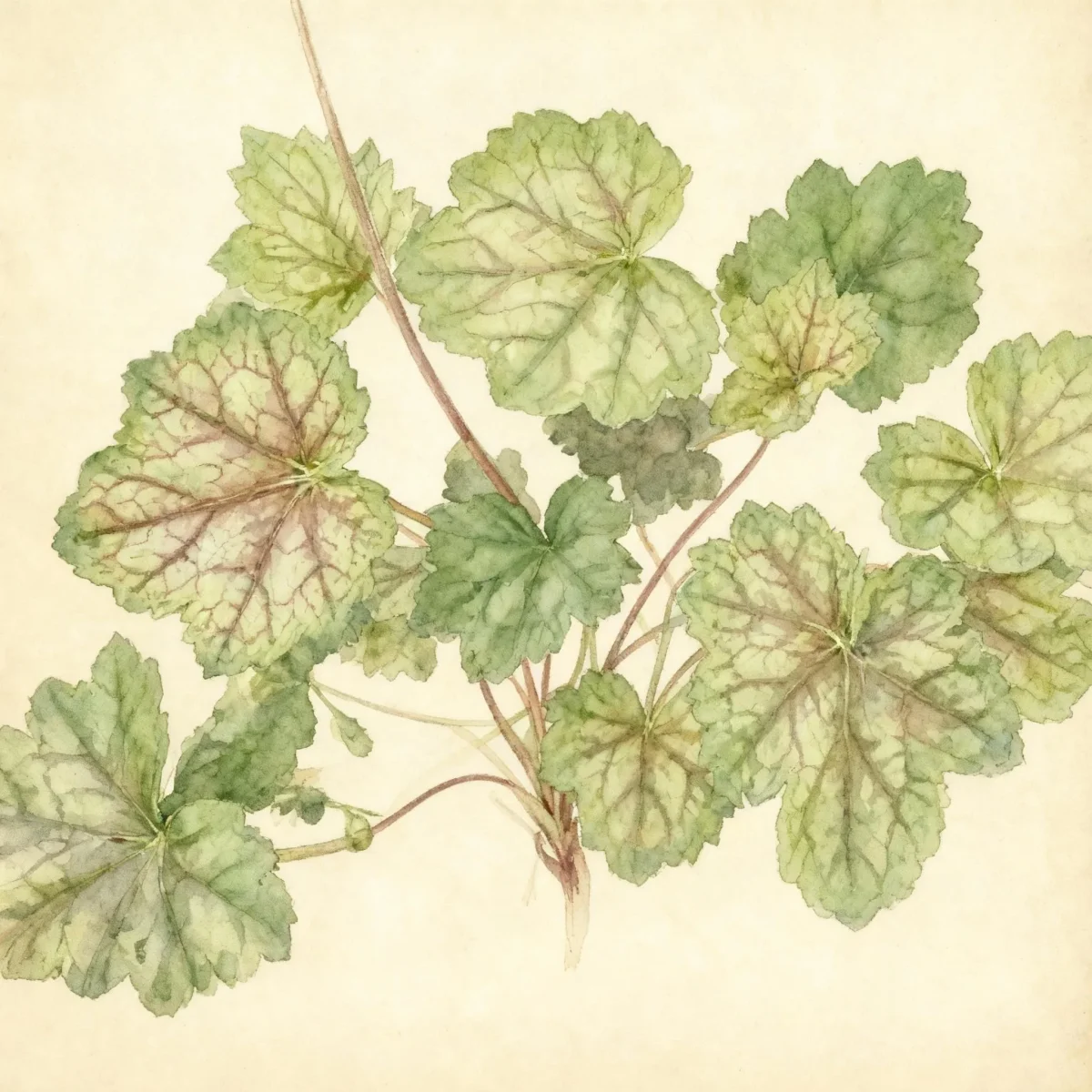
Coral bells (Heuchera 'PWHEU0109' DOLCE BLACKCURRANT)
Heuchera 'PWHEU0109' DOLCE BLACKCURRANT offers deep purple, silver-accented foliage. This Coral bells cultivar thrives in zones 5-9.
Scroll down to discover growing tips, care requirements, companion plants, and more
Complete Plant Information
Overview
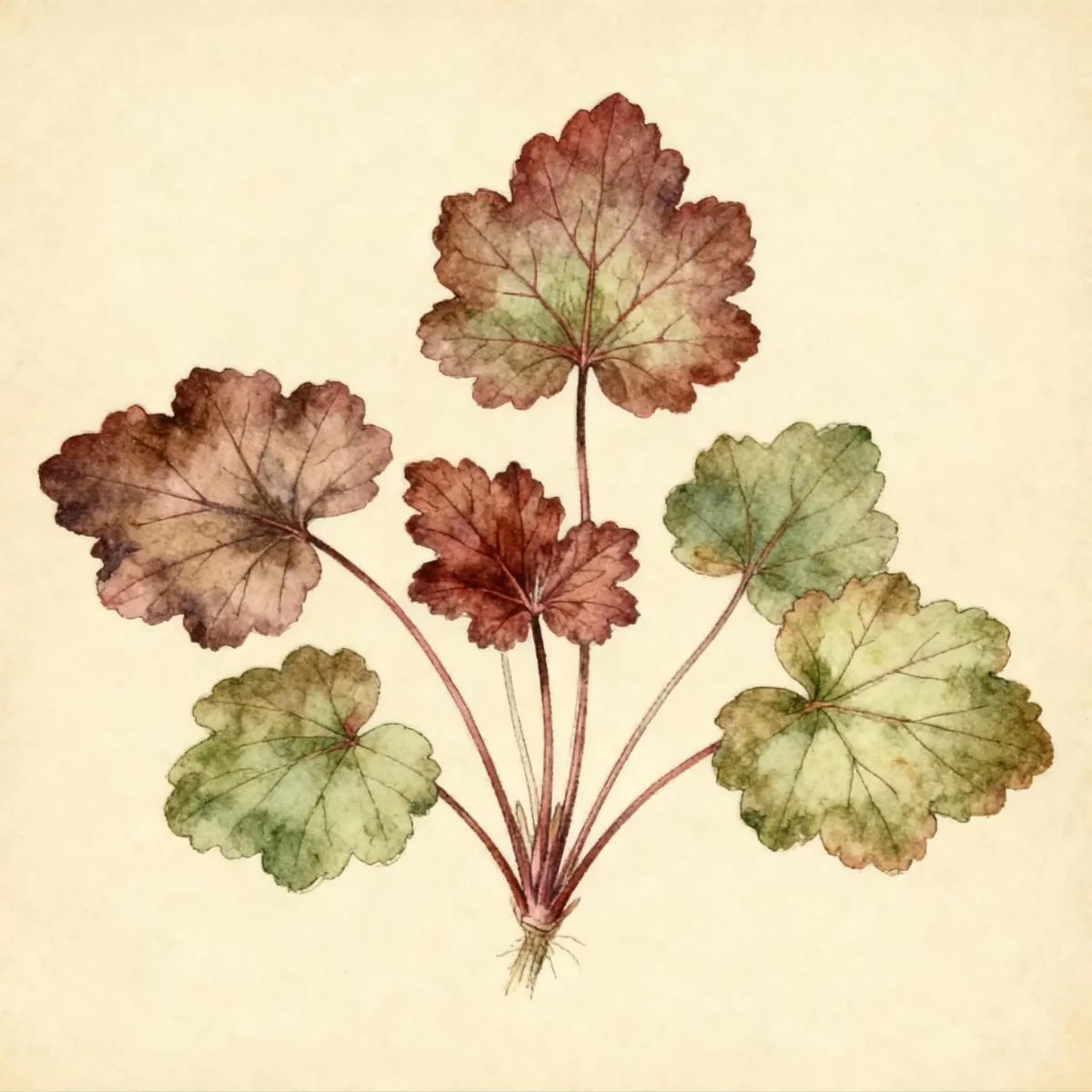
Heuchera ‘PWHEU0109’ DOLCE BLACKCURRANT is a standout herbaceous perennial celebrated for its deeply colored foliage, providing essential year-round structure in the garden. This vigorous cultivar of Coral bells forms a neat basal mound, contrasting beautifully with traditional greens and providing year-round visual interest, particularly in mixed borders. Its robust nature allows it to adapt well to various light conditions, though afternoon shade is beneficial in hotter climates for retaining its best color.
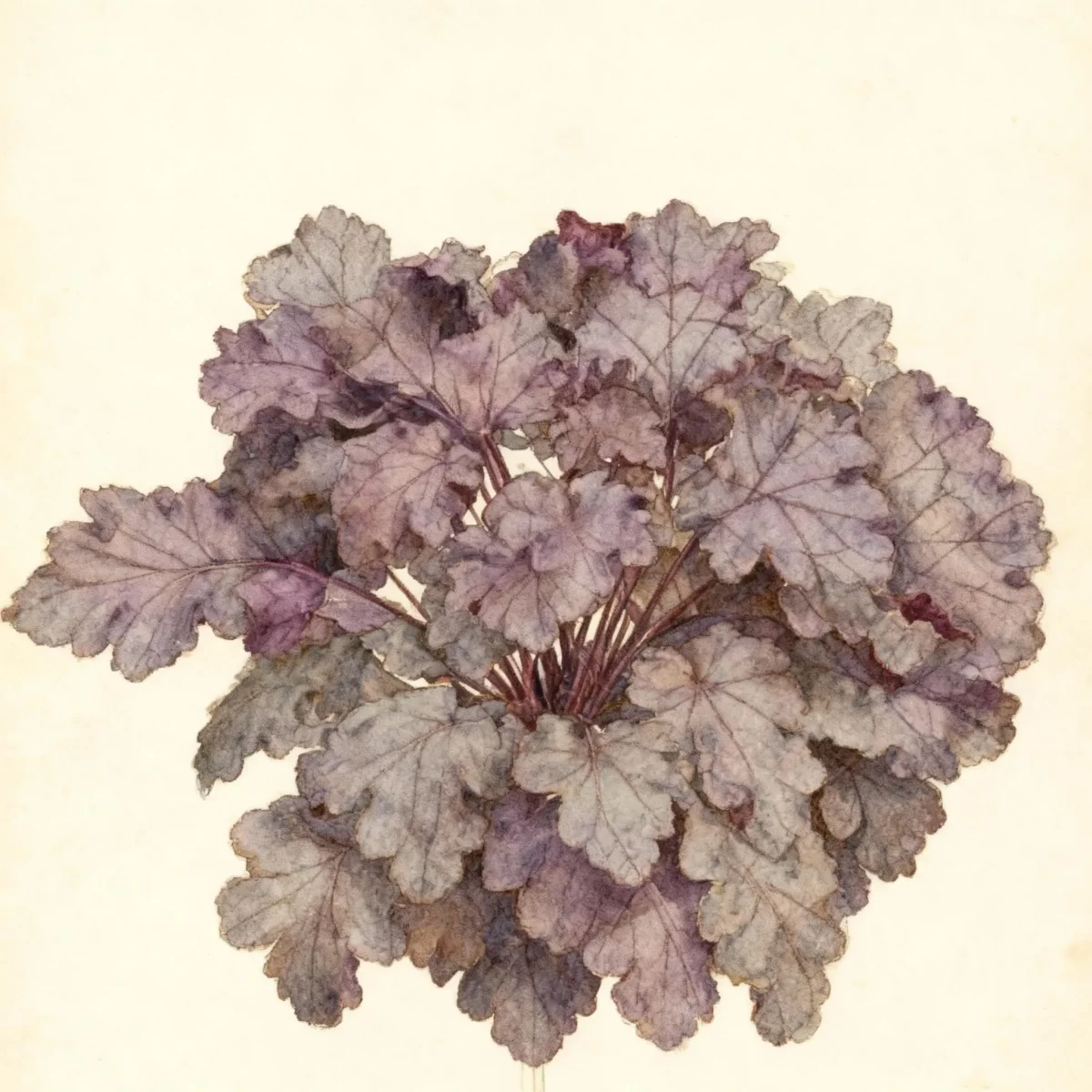
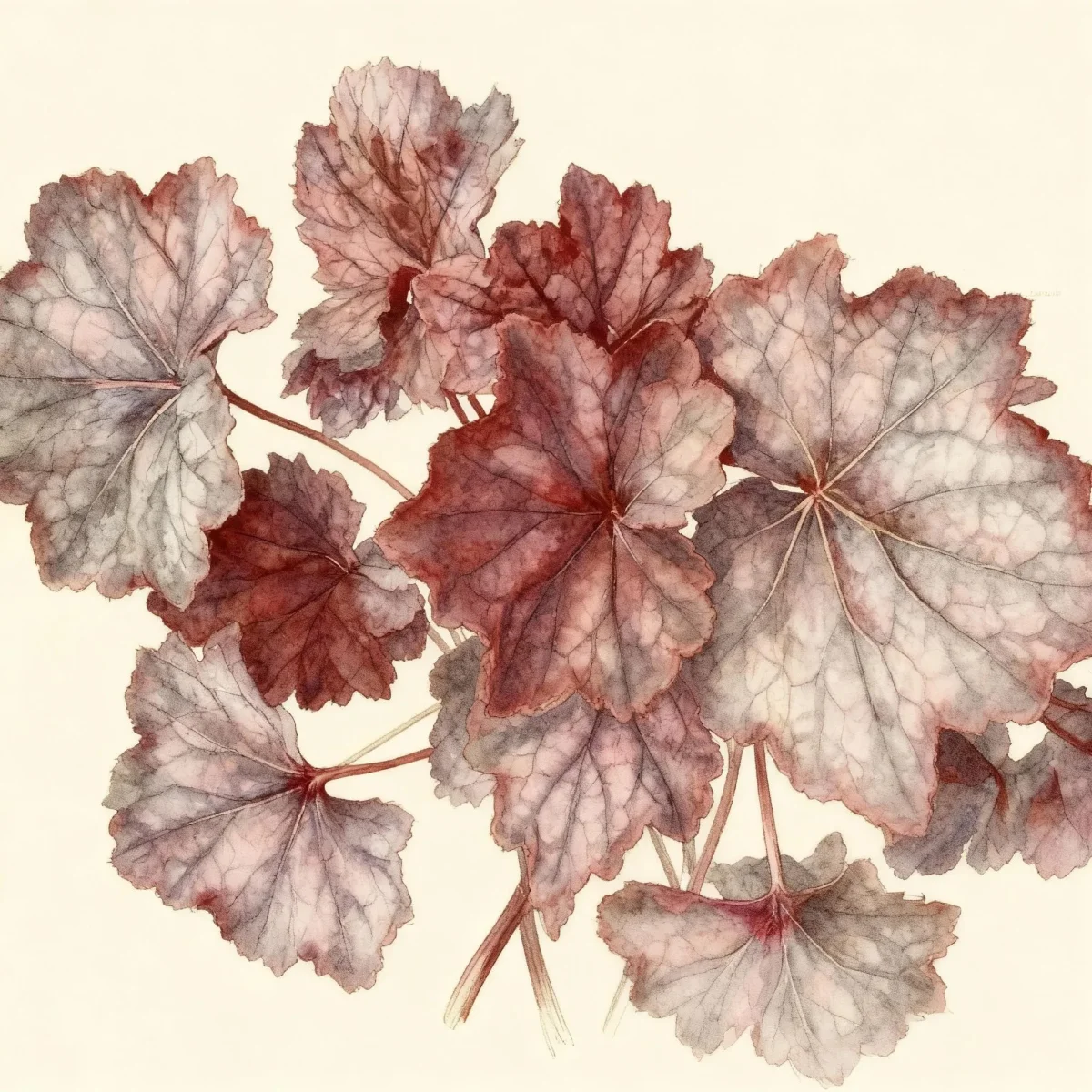
The appeal of this particular Coral bells variety lies in its dark, rounded, lobed leaves accented strongly with silver. While it does produce small flowers, the primary ornamental value of Heuchera ‘PWHEU0109’ DOLCE BLACKCURRANT, like many modern hybrids, is in its foliage display from spring through winter. It offers reliable performance across USDA zones 5 through 9, making it a versatile choice for edging or mass planting.
As an Alum root, this plant belongs to a genus known for its adaptability to woodland and rock garden settings. Cultivating Heuchera ‘PWHEU0109’ DOLCE BLACKCURRANT is straightforward for gardeners seeking low-effort perennials that deliver high impact through exceptional leaf coloration and tidy growth habits.
Fast Facts
- Plant Family: Saxifragaceae
- Plant Type: Herbaceous perennial
- Hardiness Zones: USDA Zones 5-9
- Size at Maturity:
- Height: 0.75-1.5 ft
- Spread: 1-1.5 ft
- Bloom Time: June to July
- Sun Exposure: Full sun to part shade
- Water Needs: Medium
- Maintenance Level: Medium
How to Grow
Heucheras are best established in spring or fall when temperatures are moderate. Aim to plant Heuchera ‘PWHEU0109’ DOLCE BLACKCURRANT in organically rich, humusy, medium moisture, well-drained soils. While some sun is tolerated, particularly in cooler northern climates, most hybrids benefit from partial shade, especially avoiding intense, hot afternoon sun which can cause leaf scorch or decline.
Consistent moisture is crucial, especially if the plant receives more sun exposure. Allow the soil to approach dryness between waterings, but ensure the soil never fully desiccates, as this stresses the foliage. Fertilization is rarely necessary if the soil is rich; however, a light annual application of compost helps maintain organic content and drainage. Remove faded flower stems promptly to tidy the appearance, although this is not essential for the plant’s health.
In colder zones (like St. Louis mentioned in its culture notes), the extent of winter foliage retention depends heavily on the severity of the winter temperatures. Protect the root crown by applying a winter compost mulch only after the ground has frozen solid to prevent damaging frost heaving. Dividing established clumps every 3 to 4 years in the spring helps rejuvenate the plant and maintain vigor.
Landscape Uses
Coral bells are incredibly versatile design elements, excellent for adding pockets of rich, dark color throughout the garden tapestry. Heuchera ‘PWHEU0109’ DOLCE BLACKCURRANT excels when massed together to create a flowing river of purple, or planted individually to punctuate the edges of beds. Their relatively compact size makes them highly effective as neat edgers along stone paths and walkways where their foliage can contrast against lighter hardscaping elements.
Consider pairing this dark cultivar with contrasting textures and colors typical of woodland gardens. Bright chartreuse foliage from groundcovers or silvery-leafed Lamb’s Ears provide excellent counterpoints to the deep tones of the Coral bells. They blend seamlessly into rock gardens due to their moderate size and preference for well-drained soils, often tucking beautifully between larger shrubs or perennials.
The consistent mounding habit of Heuchera ‘PWHEU0109’ DOLCE BLACKCURRANT ensures they serve as reliable structural plants in mixed containers too. Use them as “spillers” or “thrillers” alongside trailing annuals or upright ornamental grasses to maintain visual complexity throughout the growing season.
Standout Features
Flower Qualities
- Showy
Noteworthy Characteristics
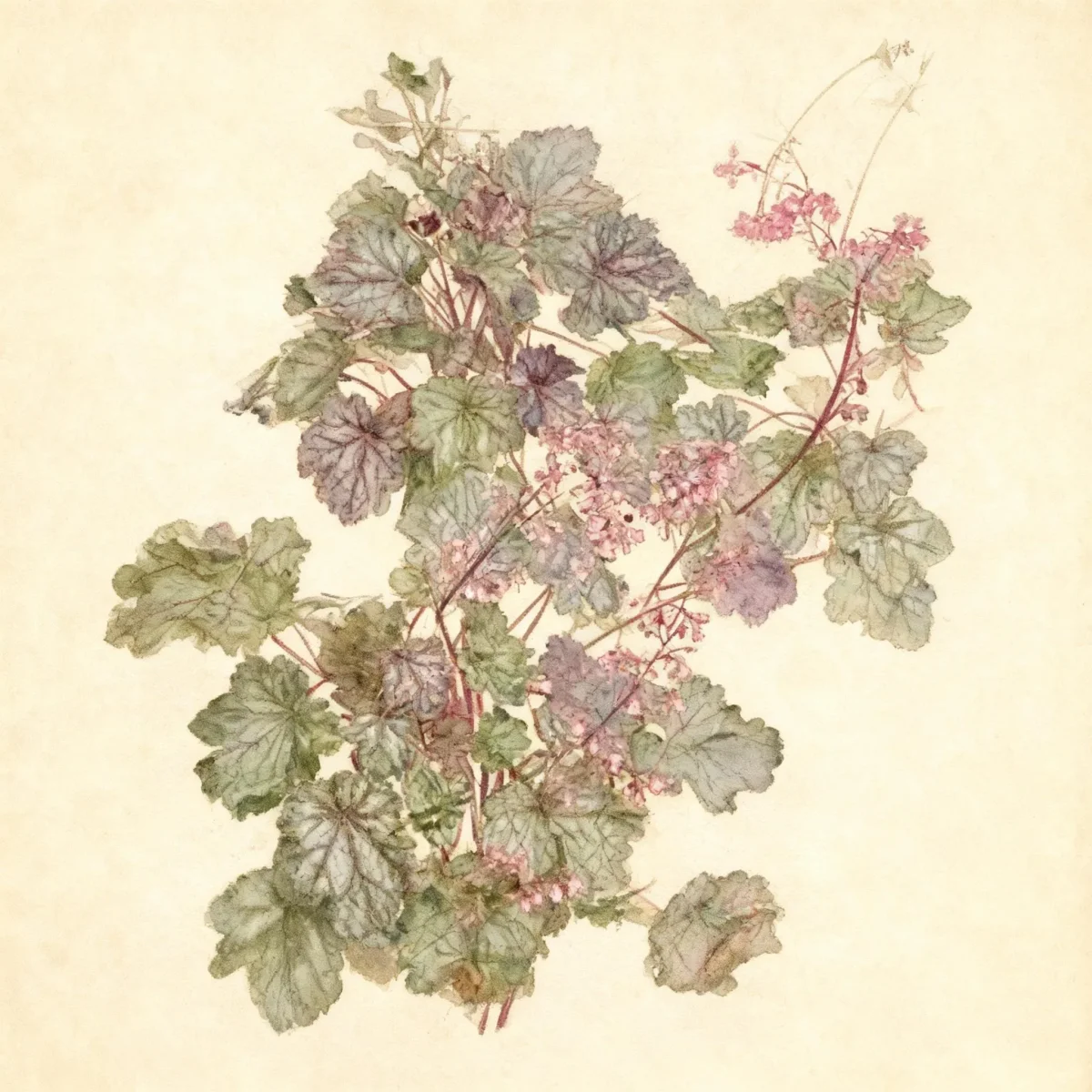
Heuchera, commonly called coral bells or alumroot, is a genus offering evergreen to semi-evergreen herbaceous perennials native across North America, thriving in habitats ranging from woodland floors to rocky cliffs. Modern hybrids, like the Heuchera ‘PWHEU0109’ DOLCE BLACKCURRANT, expand the available leaf color palette significantly beyond green to include shades of violet, bronze, silver-black, and deep purple. DOLCE BLACKCURRANT is specifically noted for its vigorous, clump-forming habit, featuring purple leaves accented heavily with silver and bearing small, generally insignificant flowers on slender stems above the foliage mound.
Tolerances
Potential Problems
Frost heaving, where winter temperature swings cause the soil to expand and contract, can lift the roots of your Coral bells above the soil line, requiring you to promptly tuck them back in. Gardeners should diligently monitor for common fungal issues such as powdery mildew and rust, which thrive in overly humid or stagnant conditions. Preventative care involves ensuring excellent air circulation and avoiding overhead watering late in the day.
Insect pests are generally limited, but be mindful of weevils and foliar nematodes, which can target the leaves and stems. Maintaining healthy soil conditions, as favored by Heuchera ‘PWHEU0109’ DOLCE BLACKCURRANT, reduces overall stress, making the plant more resilient to minor infestations.
Frequently Asked Questions
What hardiness zones is Coral bells suitable for?
Heuchera ‘PWHEU0109’ DOLCE BLACKCURRANT is suitable for growing in USDA Hardiness Zones 5 through 9.
How large does Coral bells grow?
This cultivar of Coral bells typically reaches a height between 0.75 and 1.5 feet, with a spread generally ranging from 1 to 1.5 feet.
What sun exposure does Heuchera ‘PWHEU0109’ DOLCE BLACKCURRANT need?
This plant prefers partial shade but can tolerate full sun, especially in cooler northern climates, provided it receives consistent moisture.
When does Coral bells bloom?
The bloom time for Heuchera ‘PWHEU0109’ DOLCE BLACKCURRANT is generally noted as June to July, producing small, often inconspicuous flowers.
Conclusion
The dramatic, near-black foliage accented with silver makes Heuchera ‘PWHEU0109’ DOLCE BLACKCURRANT an indispensable plant for gardeners seeking low-maintenance color. By understanding its moderate cultural needs—well-drained soil and protection from intense afternoon heat—you can ensure this vibrant Coral bells thrives for many seasons. Before planting, confirm that your chosen location aligns with USDA Zones 5-9 requirements.
Companion Planting
Selecting companions that share similar cultural needs—namely dislike of dry, harsh conditions—will maximize the health of your Heuchera ‘PWHEU0109’ DOLCE BLACKCURRANT. Good neighbors include Hostas and Astilbe, which appreciate the dappled light and consistent moisture levels common in woodland settings. The dark foliage of this Coral bells cultivar pairs exceptionally well with plants offering vibrant greens or golden hues, such as Japanese Forest Grass (Hakonechloa macra) or light green Sedums.
Propagation Tips
While seeds can be used for species plants, the best way to propagate Heuchera ‘PWHEU0109’ DOLCE BLACKCURRANT is via division, as this preserves its specific hybrid characteristics. This division should ideally be performed in the spring every three to four years to prevent the center of the clump from dying out and to refresh the plant’s vigor. Carefully dig up the established clump, gently separate it into smaller sections, ensuring each division has several healthy roots and growing points, and replant them immediately at the appropriate depth.