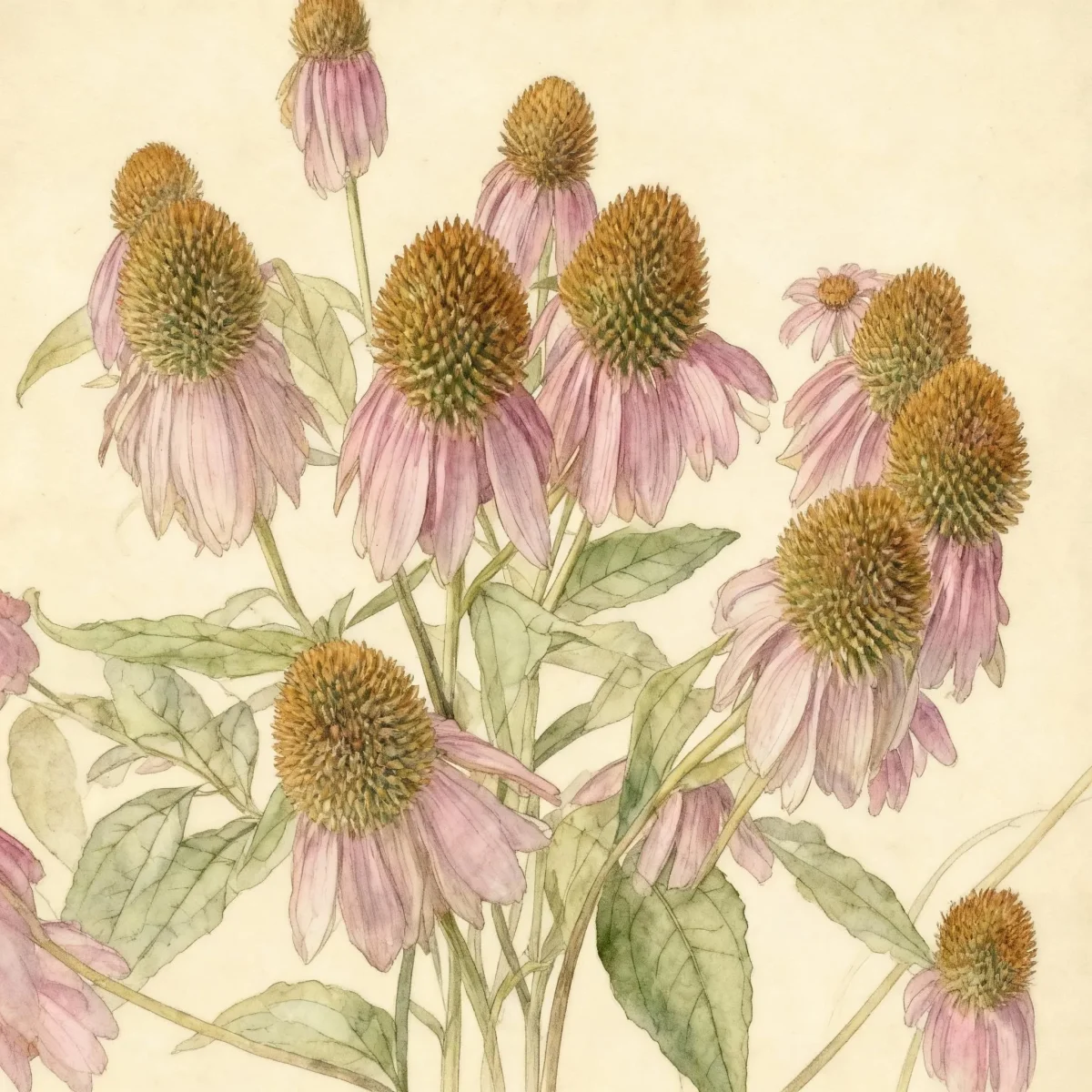
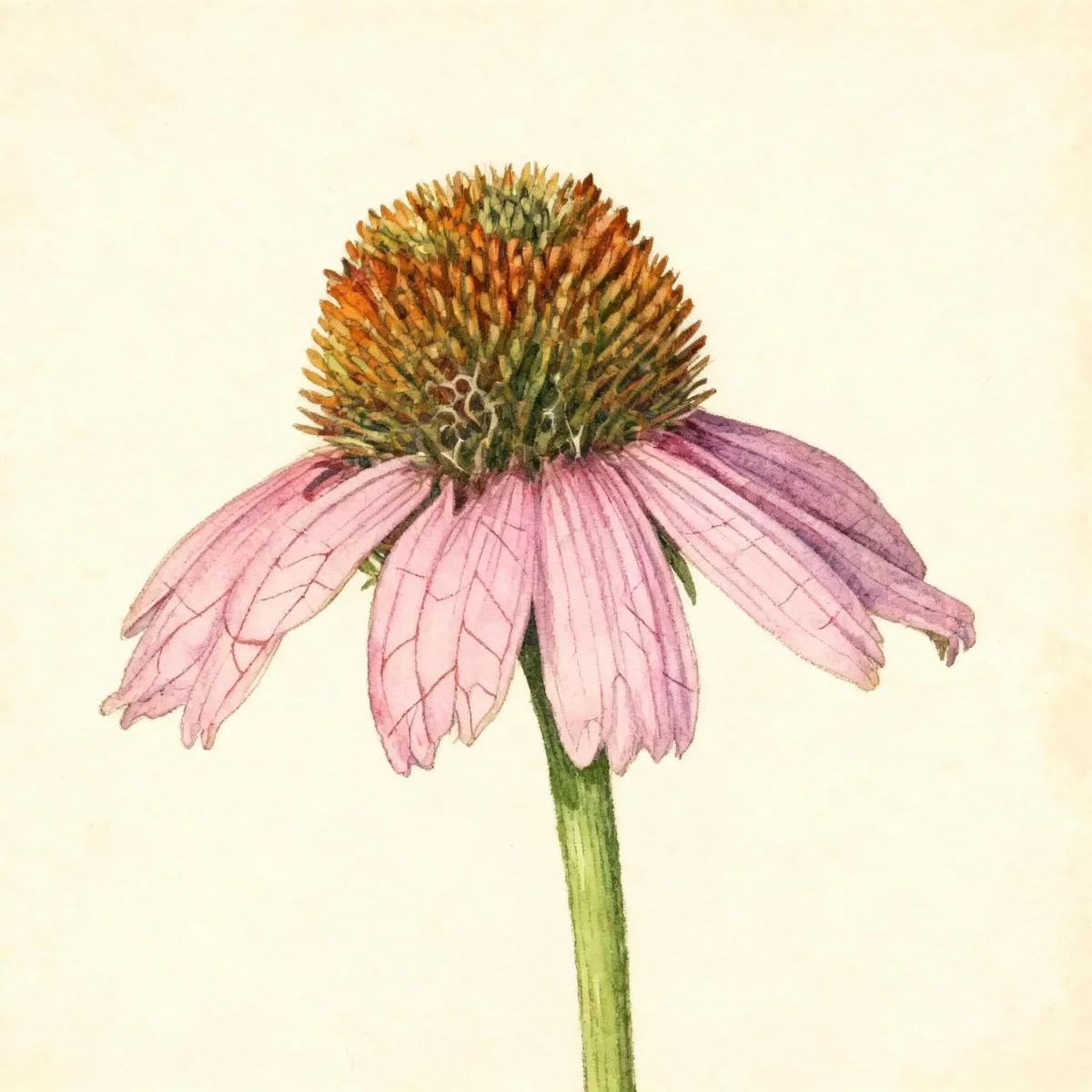
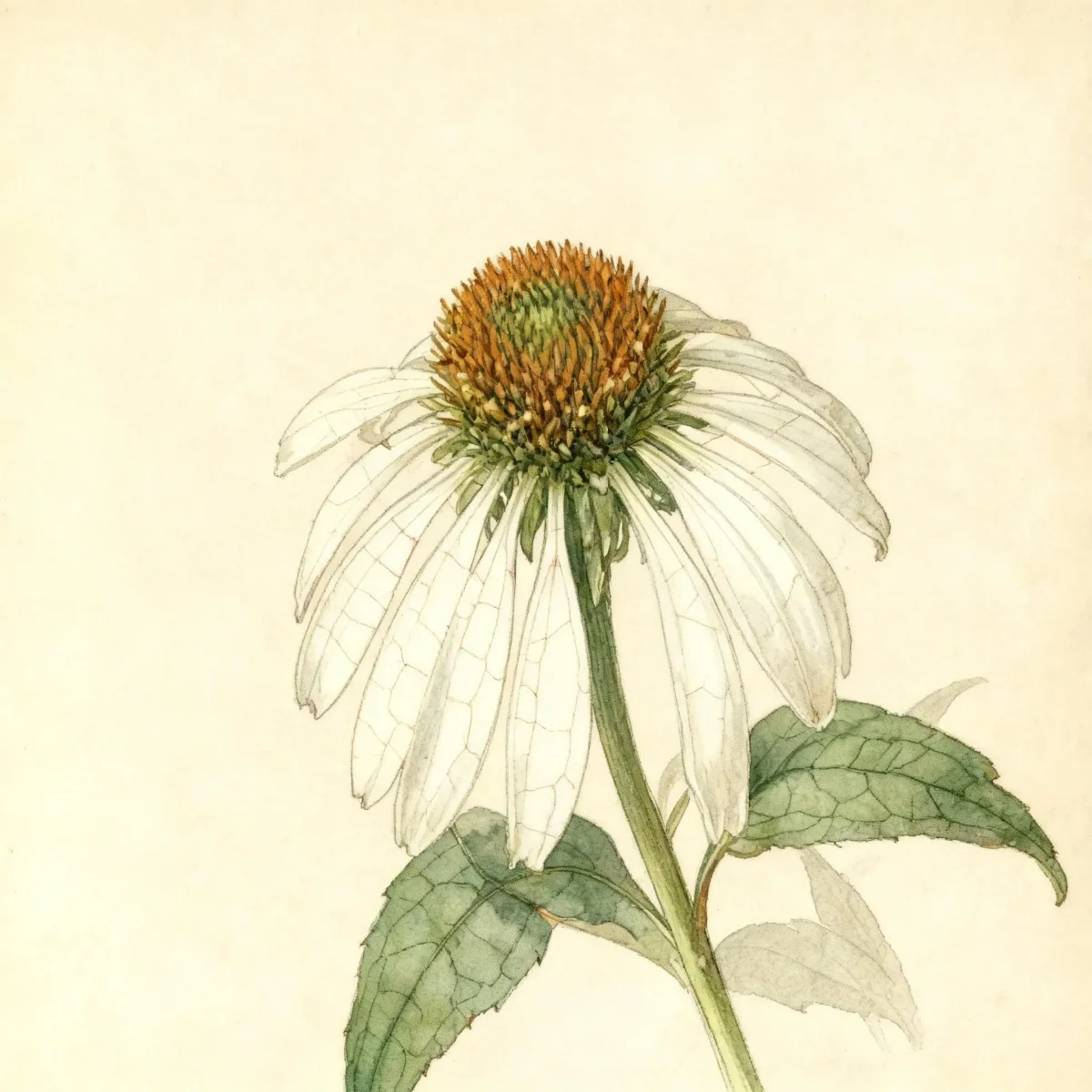
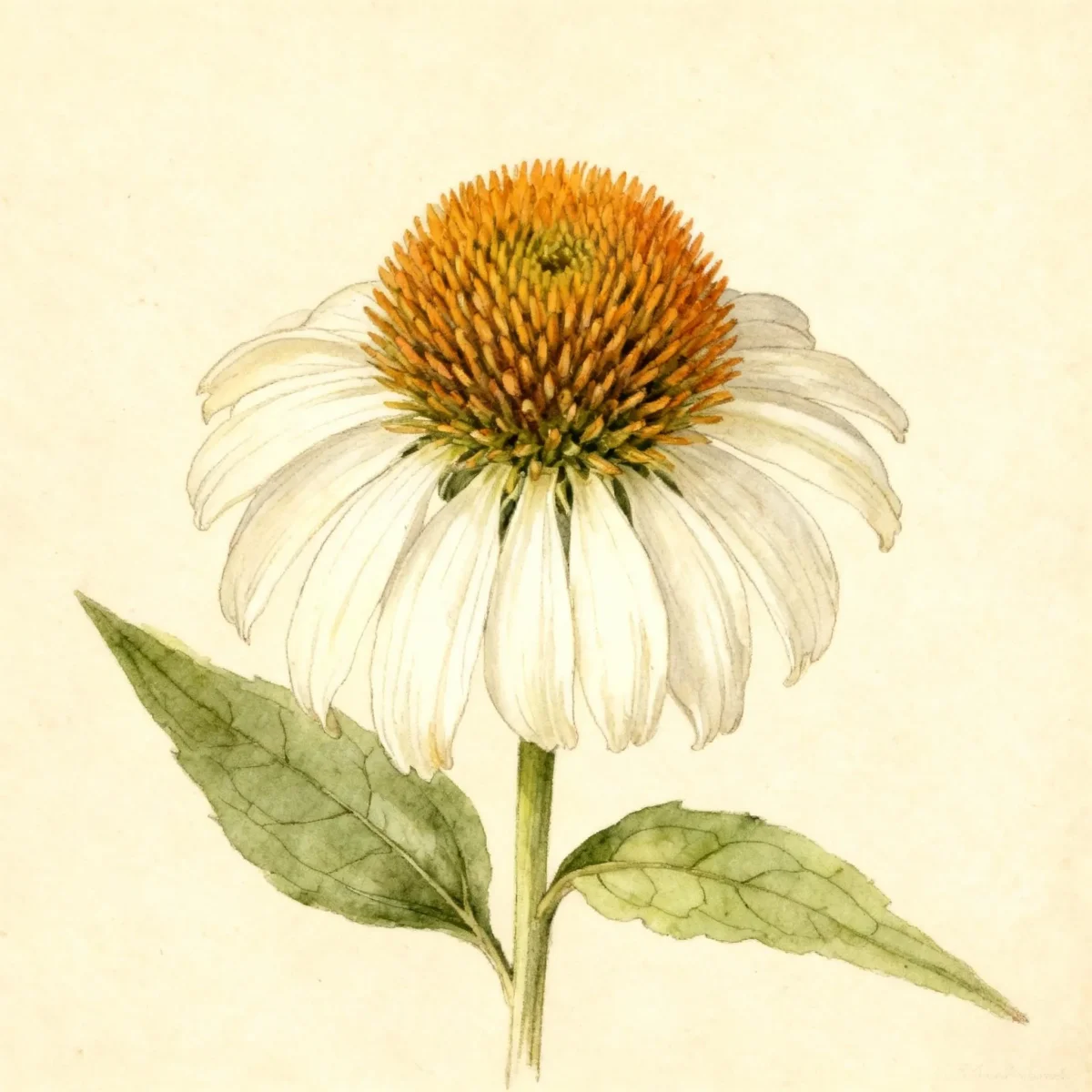
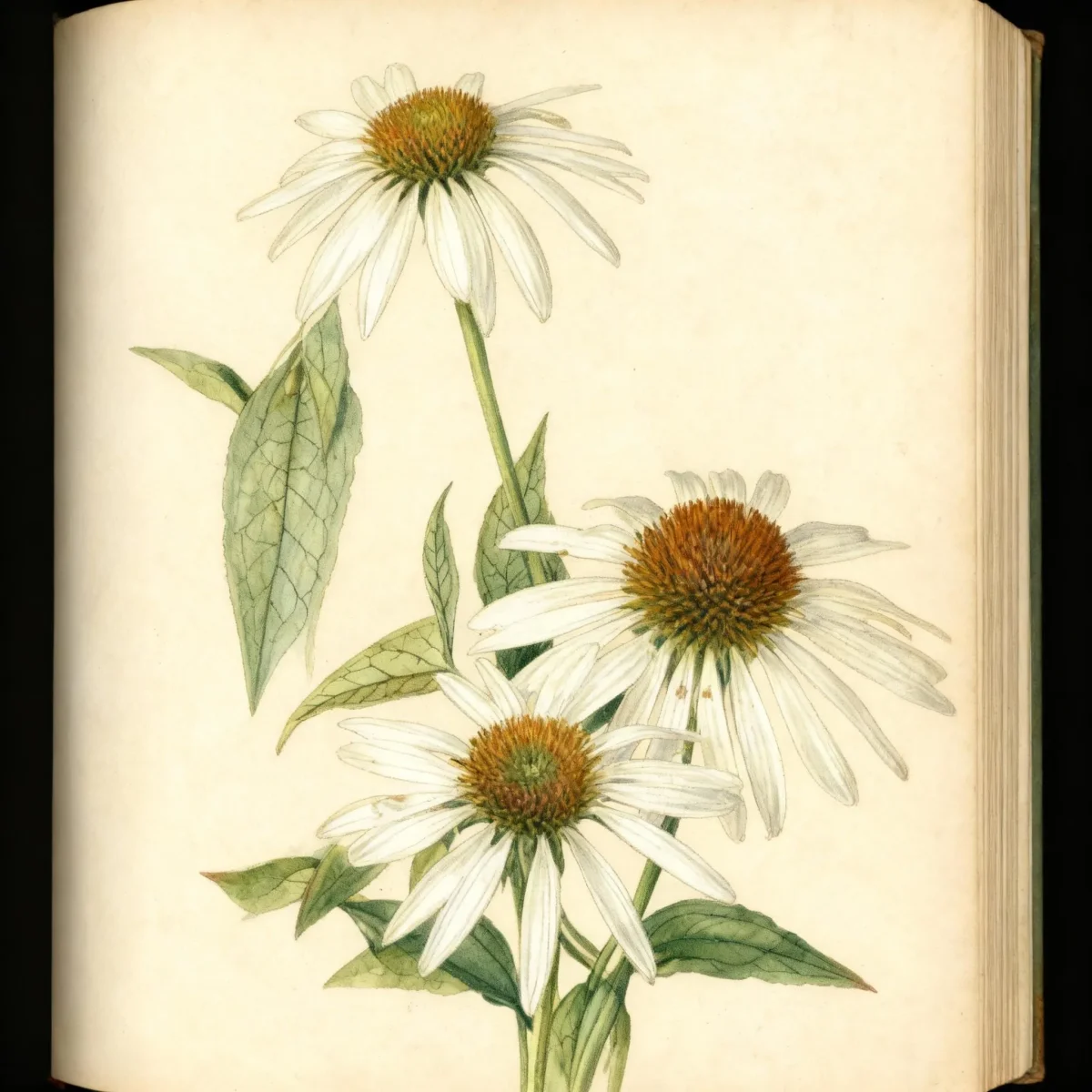
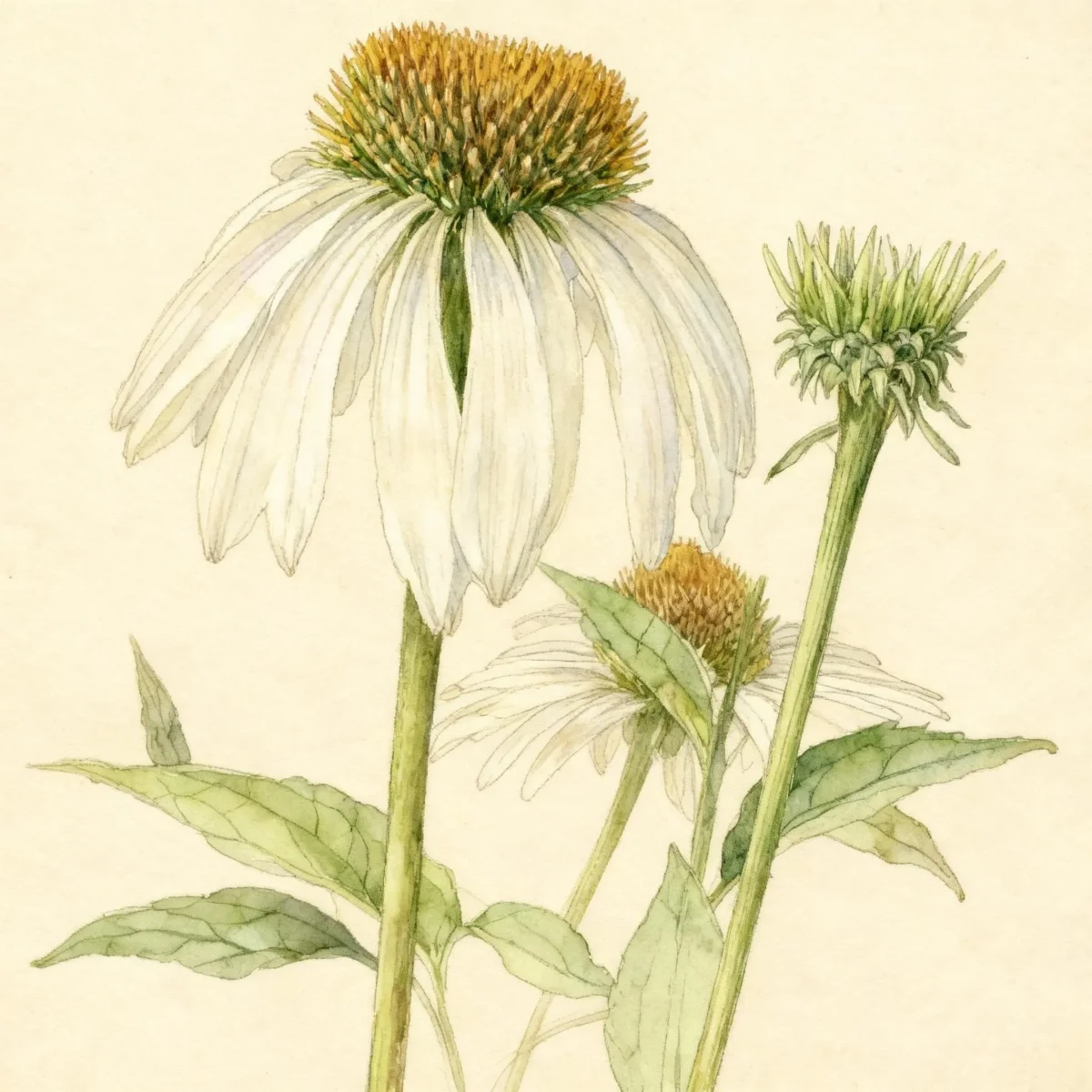
Purple coneflower (Echinacea purpurea 'Fatal Attraction')
Echinacea purpurea 'Fatal Attraction' is a compact Purple coneflower boasting magenta-purple blooms and low maintenance needs. Hardy Z3-8.
Scroll down to discover growing tips, care requirements, companion plants, and more
Complete Plant Information
Overview
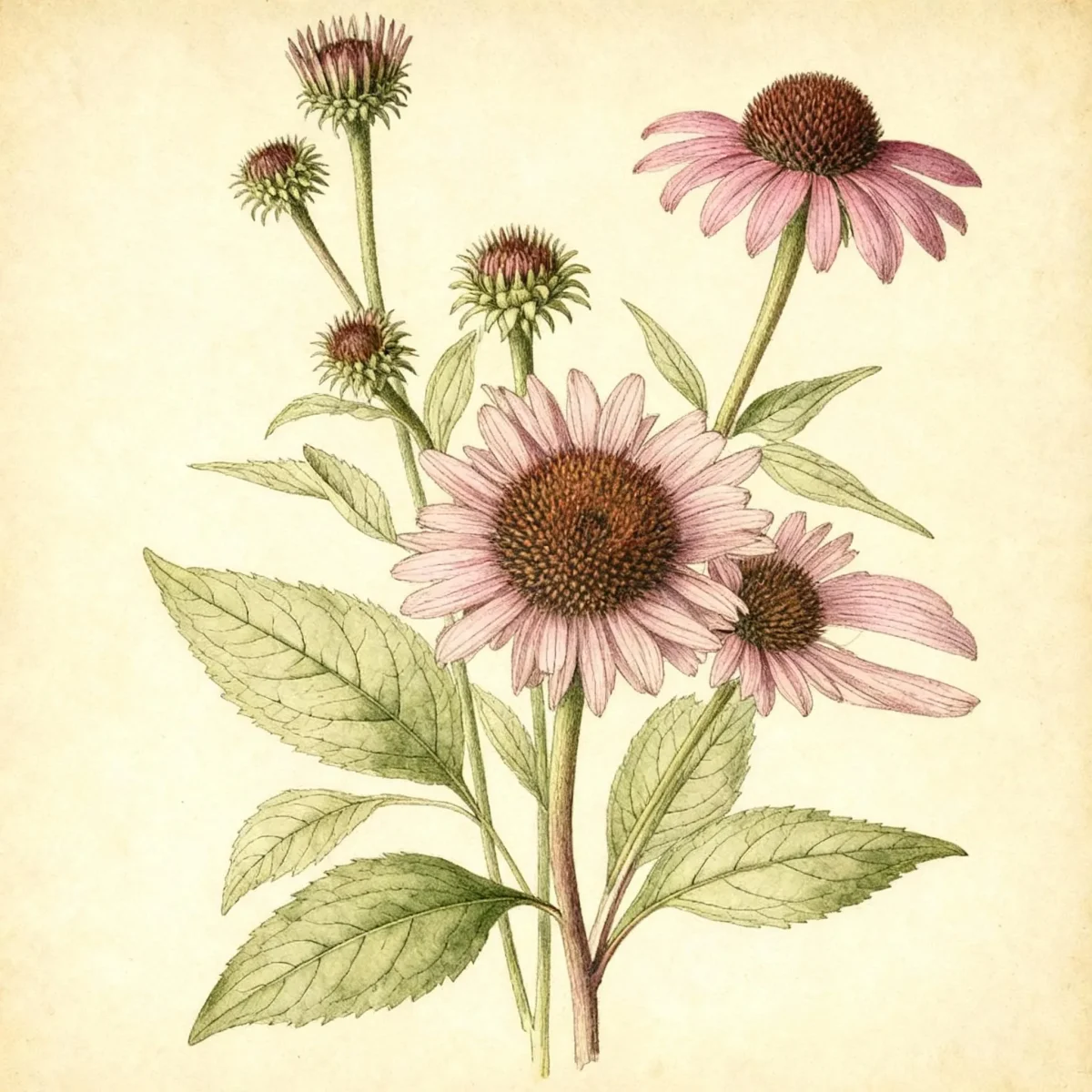
Echinacea purpurea ‘Fatal Attraction’ offers gardeners a highly desirable, compact variety of the beloved Purple coneflower. This cultivar is easily recognized by its striking, slightly upturned magenta-purple ray flowers and notably large, orange-bronze central cones, setting it apart from standard species types. Its near black flowering stems add a dramatic, sophisticated element to summer perennial displays.
As an herbaceous perennial that demands relatively low maintenance, Echinacea purpurea ‘Fatal Attraction’ thrives in sunny borders and naturalized settings. It combines exceptional drought tolerance with adaptability to various soil conditions, making it a reliable performer across USDA Zones 3 through 8.
Beyond its aesthetic appeal—providing color from June through September—this Purple coneflower supports local ecosystems by providing visual interest into winter, even if left standing for seed collection by birds. Planting Echinacea purpurea ‘Fatal Attraction’ ensures long-lasting, robust color with minimal effort.
Fast Facts
- Plant Family: Asteraceae
- Plant Type: Herbaceous perennial
- Hardiness Zones: USDA Zones 3-8
- Size at Maturity:
- Height: 1.5-2 ft
- Spread: 1-1.5 ft
- Bloom Time: June to September
- Bloom Description: Magenta purple with orange-brown center
- Sun Exposure: Full sun to part shade
- Water Needs: Dry to medium
- Maintenance Level: Low
How to Grow
Plant Echinacea purpurea ‘Fatal Attraction’ during the spring or early fall for best establishment success. While adaptable, this perennial prefers average, dry to medium, well-drained soil. Ensure it receives full sun for the best bloom display; although it tolerates part shade, flowering may be reduced in shadier spots.
Care for this plant is straightforward due to its inherent robustness. It is highly tolerant of drought, heat, and humidity once established, requiring minimal supplemental watering beyond what nature provides, especially in areas with dry or clay soils. Fertilizing is rarely necessary; over-fertilization can lead to floppy, leggy growth rather than tight clumps.
Deadheading spent flowers is optional, as plants often rebloom without prompt attention. However, removing spent blooms improves the overall summer appearance. If you wish to encourage late-season birds or allow natural reseeding, leave some of the dry seed cones standing through winter. Divide clumps every four years if overcrowding becomes apparent.
Landscape Uses
The compact stature and long bloom window of Echinacea purpurea ‘Fatal Attraction’ make it incredibly versatile in landscape design. It serves as an excellent, bold accent plant when massed in mixed perennial borders, providing crucial mid-season vertical structure. Its strong architectural form also works well in meadow plantings or native gardens where structure and resilience are key requirements.
Consider grouping this Purple coneflower with classic prairie companions like Rudbeckia (black-eyed Susans) to amplify the complementary texture and color contrasts during peak summer performance. Because it handles dry, poor soils, it integrates seamlessly into low-water or xeriscape designs near the front or middle of the border where maintenance access is easy.
For a more informal look, allow Echinacea purpurea ‘Fatal Attraction’ to naturalize slightly. Allow seed heads to remain standing in the fall, creating winter interest and providing crucial food for goldfinches and other seed-eating birds enjoying the blackened cones.
Standout Features
Flower Qualities
- Showy
- Good Cut
Noteworthy Characteristics
The genus name Echinacea originates from the Greek word for hedgehog, referring to the spiny center cone characteristic of most flowers in the genus. The cultivar ‘Fatal Attraction’ is specifically valued for having ray petals that remain slightly upturned rather than drooping downward, paired beautifully with large, flattened orange-bronze cones and near-black stems. This specific Purple coneflower variation is also noted for possessing a pleasant, sweet fragrance.
Tolerances
- Deer
- Drought
- Clay Soil
- Dry Soil
- Shallow-Rocky Soil
Potential Problems
This robust plant occasionally faces damage from pests like the Japanese beetle, which may chew on the foliage or flowers during their active feeding window. Leaf spot is another occasional fungal issue, especially in humid conditions or when air circulation is poor. Gardeners should also be alert to the possibility of Aster Yellows disease, which can dramatically distort new growth and flowering structure. Ensuring excellent air circulation and managing nearby pest populations are the best preventative measures.
Frequently Asked Questions
What hardiness zones is Purple coneflower suitable for?
Echinacea purpurea ‘Fatal Attraction’ is generally hardy and reliably grows in USDA Zones 3 through 8.
How large does Echinacea purpurea ‘Fatal Attraction’ grow?
This compact cultivar typically reaches a mature height between 1.5 to 2 feet tall, spreading about 1 to 1.5 feet wide in an upright clump.
When does Purple coneflower bloom?
This variety provides excellent garden color starting in June and typically continues blooming robustly through September, sometimes offering sporadic rebloom afterward.
What sun exposure does Echinacea purpurea ‘Fatal Attraction’ need?
For optimal flowering, this plant performs best in full sun, though it will adapt to partial shade conditions.
Conclusion
Echinacea purpurea ‘Fatal Attraction’ is a champion of resilience and sophisticated color, offering gardeners magenta-purple flowers atop strong, dark stems with minimal effort. Its exceptional drought and soil tolerance make this Purple coneflower a cornerstone for sustainable, long-season garden design. Before planting, confirm that your location falls within USDA Zones 3-8 and that you can provide at least a half-day of full sun exposure.
Companion Planting
When planning beds featuring Echinacea purpurea ‘Fatal Attraction’, select partners with similar cultural needs—especially drought tolerance and a preference for full sun. Plants that share the North American prairie heritage make excellent neighbors. Tall ornamental grasses, such as Little Bluestem (Schizachyrium scoparium), provide contrasting fine texture and movement against the sturdy structure of the coneflower.
Pairing ‘Fatal Attraction’ with other reliable bloomers like Salvia, Catmint (Nepeta species), or native milkweeds (Asclepias) ensures continuous visual interest as your Echinacea transitions from its peak bloom phase. These companions often share the same appreciation for well-drained, average soil and a relaxed watering schedule.
Wildlife Benefits
Beyond providing structural height, the central cones of the Purple coneflower are a significant resource for local wildlife, particularly later in the season. Leaving the seed heads standing after the flowers fade provides a rich food source for seed-eating birds, notably goldfinches, throughout the late fall and winter months.
The large, showy flowers of Echinacea purpurea ‘Fatal Attraction’ are magnets for beneficial pollinators, including large native bees, honeybees, and various butterfly species seeking nectar. Integrating this native-derived perennial supports the local insect ecology while simultaneously delivering vibrant color to your garden space.