Pineapple sage (Salvia elegans 'Golden Delicious')
Discover Salvia elegans 'Golden Delicious', the Pineapple sage, prized for its pineapple-scented foliage and bright red late-season blooms.
Scroll down to discover growing tips, care requirements, companion plants, and more
Complete Plant Information
Overview
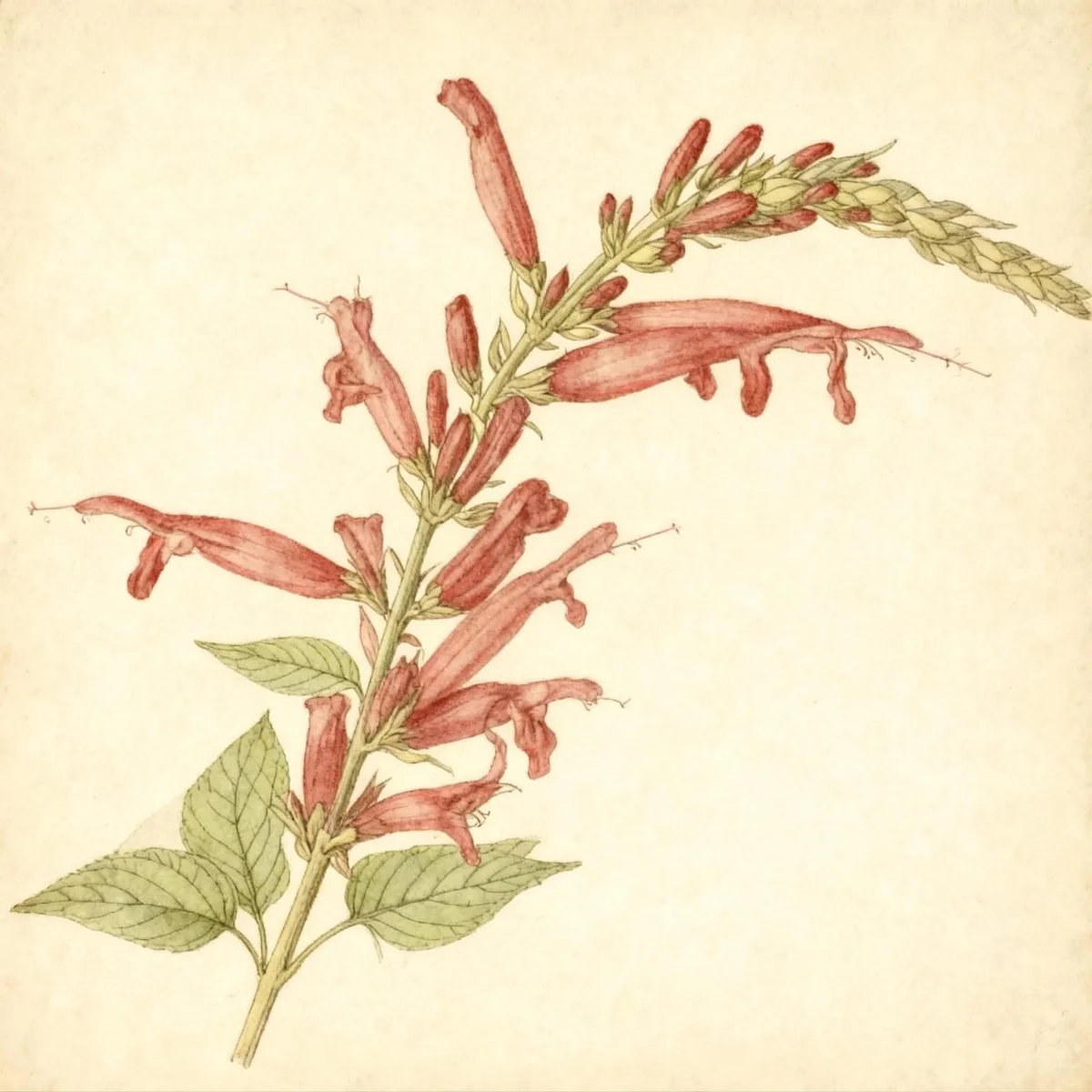
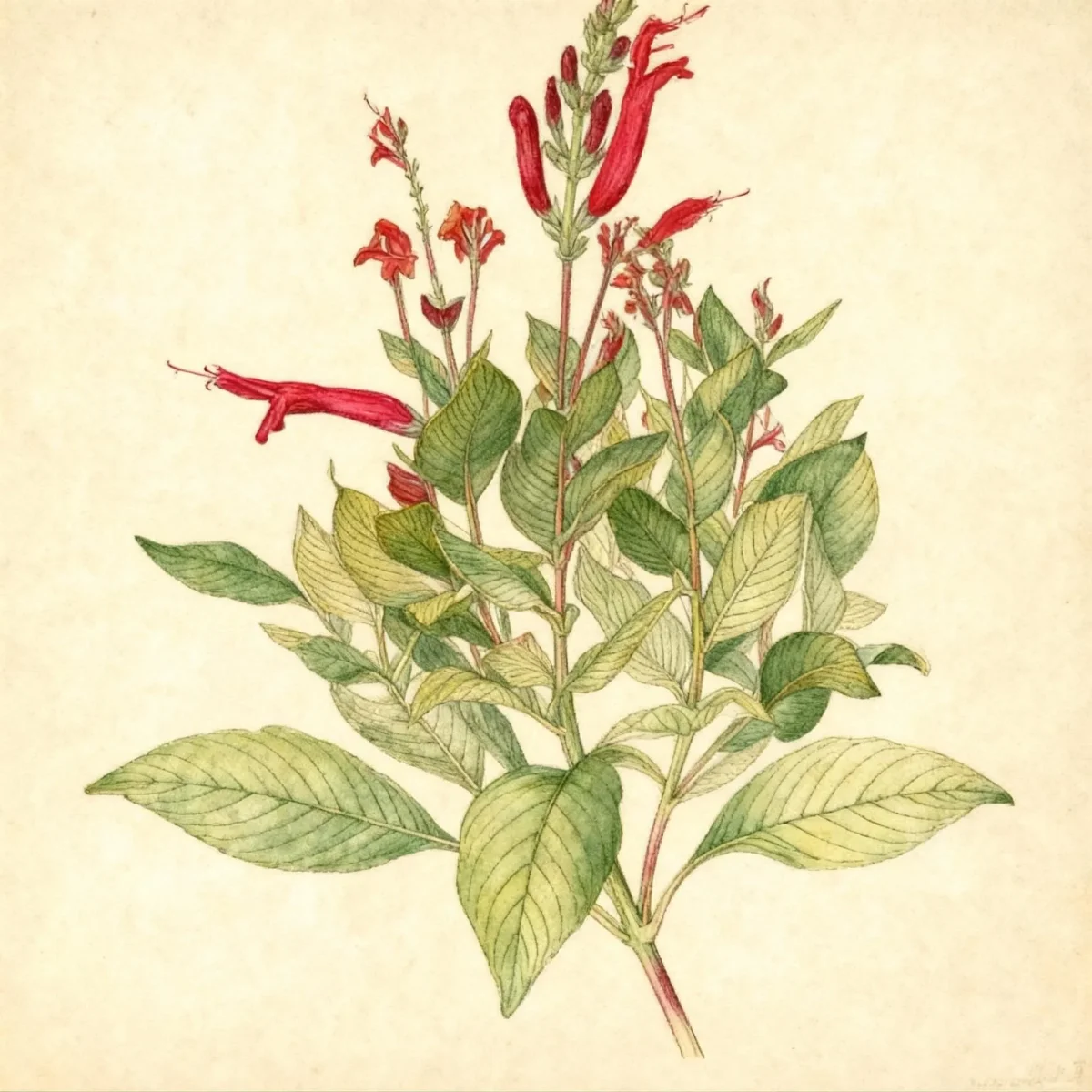
Salvia elegans ‘Golden Delicious’, commonly known as Pineapple sage, offers exceptional sensory appeal in the garden. This selection is highly valued primarily for its vibrant, light green to yellow foliage that releases a distinct pineapple aroma when crushed. It serves as a superb late-season color accent, contrasting richly with its scarlet flowers.
As a shrubby, tender perennial, Pineapple sage thrives best in full sun, although it can tolerate some light afternoon shade in very hot climates. In its native region of Mexico and Guatemala, this species forms large clumps, and in warmer zones (8-10), it establishes similarly, spreading slowly via underground runners.
Beyond its ornamental value, the foliage and flowers of Salvia elegans ‘Golden Delicious’ are practical additions to the kitchen, offering fragrance and flavor for teas or garnishes. Gardeners should enjoy the buzz created by hummingbirds and butterflies attracted to the bright red blooms of Pineapple sage late in the season.
Fast Facts
- Plant Family: Lamiaceae
- Plant Type: Herbaceous perennial
- Hardiness Zones: USDA Zones 8-10
- Size at Maturity:
- Height: 2-3 ft
- Spread: 2-3 ft
- Bloom Time: September to October
- Bloom Description: Red
- Sun Exposure: Full sun
- Water Needs: Medium
- Maintenance Level: Low
How to Grow
Pineapple sage establishes best when planted after the danger of the last frost has passed, generally in spring, ensuring plants have the entire warm season to grow. Salvia elegans ‘Golden Delicious’ requires humusy, well-drained soil with consistently even moisture for optimal vigor. While it tolerates light shade, full sun encourages the best growth and densest foliage, making it ideal for sunny garden borders. Avoid overly wet soil conditions, which this plant dislikes.
Maintenance for this herb is generally low. Water requirements are medium; provide consistent moisture, especially during dry spells, but allow the topsoil to dry slightly between waterings. Little pruning is usually necessary unless you wish to shape the plant or harvest heavily. If growing in colder zones (below USDA Zone 8), treat it as an annual or prepare for overwintering indoors.
For growers in non-hardy zones, overwintering is simple: cut back the plant in the fall, pot up a few specimens, and bring them inside before the first hard frost. Place them near a cool, sunny window for winter dormancy. Alternatively, take cuttings in late summer to root indoors, providing fresh starts for the following spring.
This variety, Salvia elegans ‘Golden Delicious’, typically reaches 2-3 feet tall and wide in a single growing season when planted in the ground, allowing it to fill out borders effectively by autumn.
Landscape Uses
When you are gardening in zones 8 to 10, Pineapple sage is highly versatile, excelling in mixed perennial beds, cottage garden settings, or dedicated herb gardens. Its low-maintenance nature means it integrates seamlessly, offering bright foliage color all season long. In northern climates, its use shifts to seasonal containers or summer annual display beds.
The vivid red flowers of the species, which remain true for Salvia elegans ‘Golden Delicious’ even with yellowing foliage, are magnets for hummingbirds, making this plant invaluable for wildlife-focused designs. Plant it near seating areas where the pineapple scent of the leaves can be easily released when brushed against.
Whether used for culinary accents or landscape structure, the late-season bloom of this Salvia ensures color when many summer flowers are fading. Containers are an excellent option, allowing gardeners to move the fragrant Pineapple sage indoors easily for winter protection.
Standout Features
Flower Qualities
- Showy
Noteworthy Characteristics
Salvia elegans, commonly known as pineapple sage, is native to Mexico and Guatemala where it is typically found growing in large naturalized clumps at woodland peripheries. As the common name suggests, pineapple sage is noted for the pineapple aroma and flavor of its foliage when crushed. ‘Golden Delicious’ is specifically recognized for its yellow-green, pineapple-scented foliage, which provides a stunning backdrop for the tubular bright red flowers that appear late in the season, typically September through October.
Tolerances
- Deer
Potential Problems
Gardeners usually find Salvia elegans ‘Golden Delicious’ remarkably pest-free, exhibiting no serious insect infestations or common disease problems when cultural needs are met. The primary concern is avoiding overly wet soil, particularly throughout the winter months in borderline zones, as soggy conditions can lead to root rot. Ensure excellent drainage, especially if attempting to overwinter plants where they are borderline hardy.
If planting in areas with heavy summer humidity and humidity, monitor for potential fungal issues, though the plant generally remains resilient. Proper spacing, which allows good air circulation around the stems and foliage, further mitigates any potential for minor leaf spot issues common to the Lamiaceae family.
Frequently Asked Questions
What hardiness zones is Pineapple sage suitable for?
Salvia elegans ‘Golden Delicious’ is winter hardy in USDA Zones 8 through 10.
How large does Pineapple sage grow?
This herbaceous perennial typically reaches a mature height and spread between 2 and 3 feet in a single growing season.
What sun exposure does Salvia elegans ‘Golden Delicious’ need?
This plant performs best when situated in full sun, although it can manage with some light afternoon shade in very hot summer climates.
When does Pineapple sage bloom?
Salvia elegans ‘Golden Delicious’ produces its contrasting red flowers from late summer sharply into the fall, specifically during September and October.
Conclusion
Salvia elegans ‘Golden Delicious’ provides distinct aromatic foliage and crucial late-season color, making Pineapple sage a multi-functional addition to any garden space. Its low maintenance needs and attractiveness to pollinators further cement its value for gardeners focusing on sensory experiences. Before planting, confirm that your climate supports its minimum hardiness zone of 8, or plan ahead for appropriate container overwintering strategies.
Companion Planting
When planning borders or herb sections, pair Pineapple sage with plants sharing similar high-sun and medium-water needs. Consider companion planting with sturdy, drought-tolerant herbs like Lavender (Lavandula spp.) or Rosemary (Salvia rosmarinus) which enjoy similar drainage. The lush, aromatic foliage contrasts nicely with structural, upright plants like ornamental grasses or sturdy Echinacea varieties, providing textural balance.
In edible landscapes, use Salvia elegans ‘Golden Delicious’ near vegetables that benefit from proximity to strongly scented herbs, though research specific companion benefits carefully. Its preference for well-drained soil makes it a good candidate for raised beds or mixed herb troughs where moisture control is easier to manage than in heavy clay ground.
Wildlife Benefits
The bright, tubular scarlet flowers produced by Salvia elegans ‘Golden Delicious’ are an unmistakable beacon for native pollinators, particularly hummingbirds. These birds rely heavily on nectar sources late in their season as they prepare for migration or overwintering. Placing Pineapple sage near a window or patio allows you to observe these fast-moving visitors up close.
In addition to attracting hummingbirds, the flowers are generally attractive to butterflies, adding dynamic movement to your late summer garden display. By providing this extended nectar source well into autumn, you support local ecosystems when other flowering sources may be scarce.