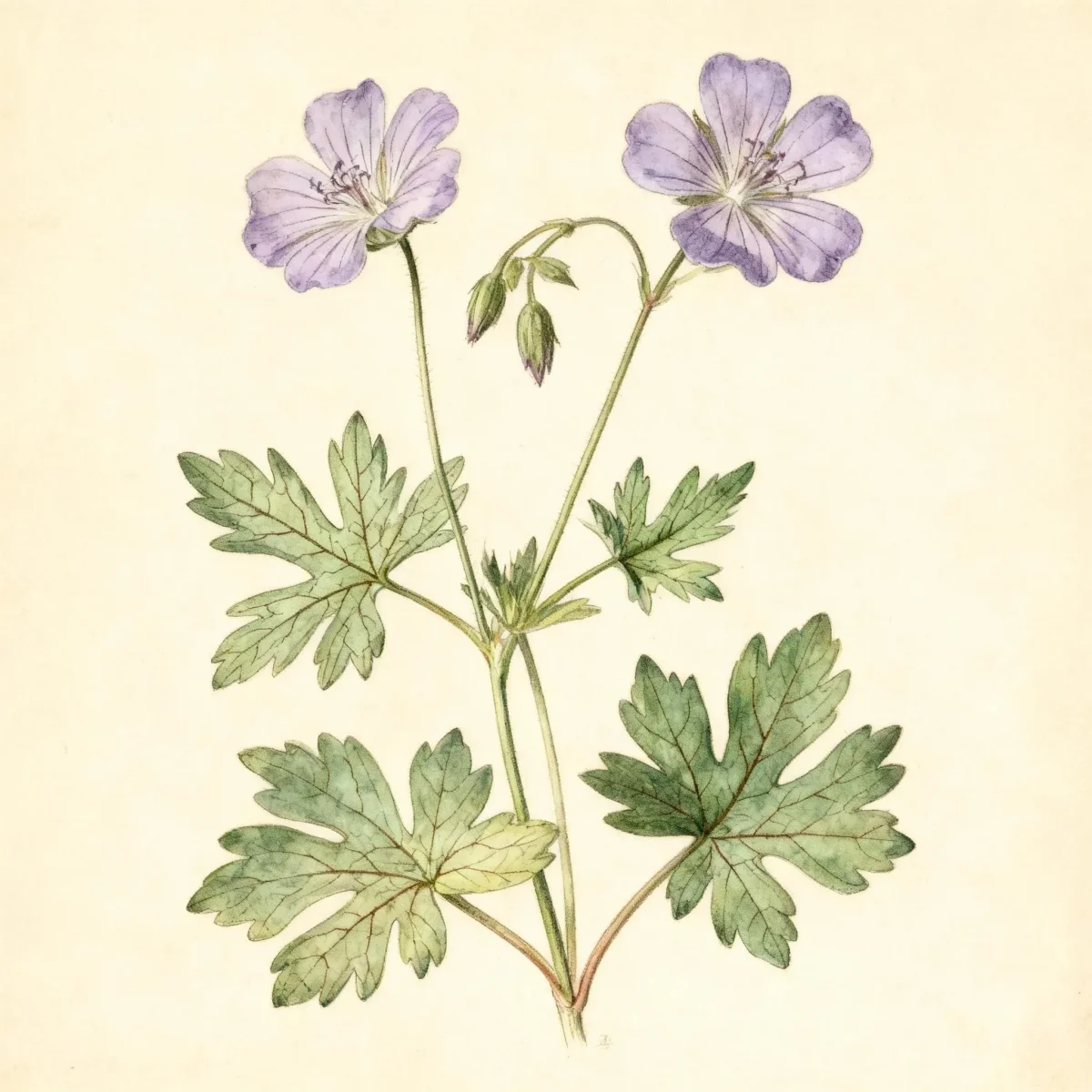
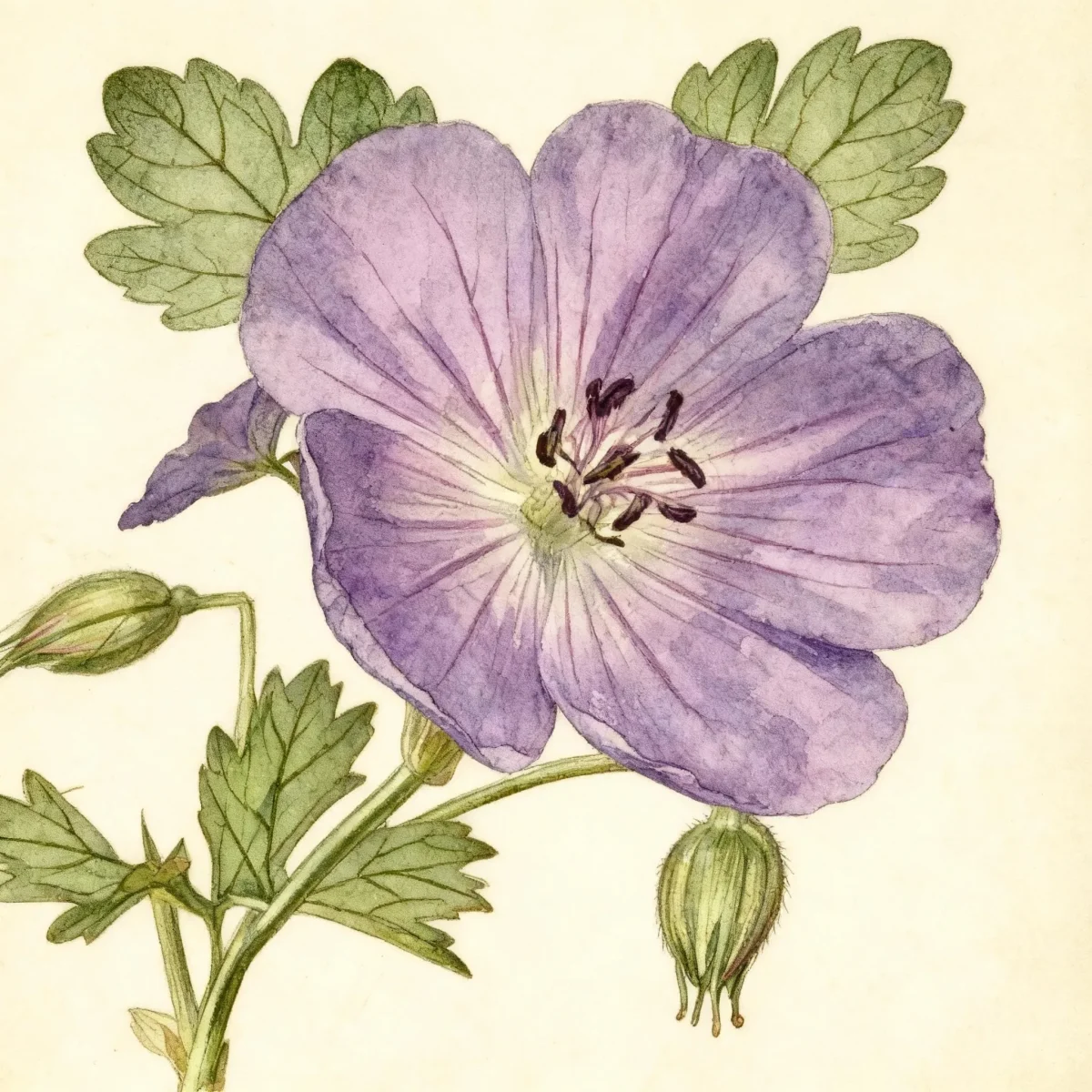
Cranesbill (Geranium 'Orkney Cherry')
Geranium 'Orkney Cherry' is a low-maintenance Cranesbill offering bronze foliage and prolific pink blooms from May to frost.
Scroll down to discover growing tips, care requirements, companion plants, and more
Complete Plant Information
Overview
Geranium ‘Orkney Cherry’ is a celebrated compact, hardy geranium hybrid valued for its long season of color and attractive foliage. This specific Cranesbill stands out due to its deep bronze leaves that provide year-round interest, complementing the prolific summer-to-frost flowering display. It establishes quickly, forming dense mounds perfect for softening hard edges in the garden.
This herbaceous perennial thrives in average to well-drained soils, preferring medium moisture levels to sustain its vigorous growth. Gardeners appreciate the low maintenance requirements of Geranium ‘Orkney Cherry’, which typically asks only for adequate sun and occasional trimming to maintain shape. Its resilience against common pests further establishes it as a reliable performer.
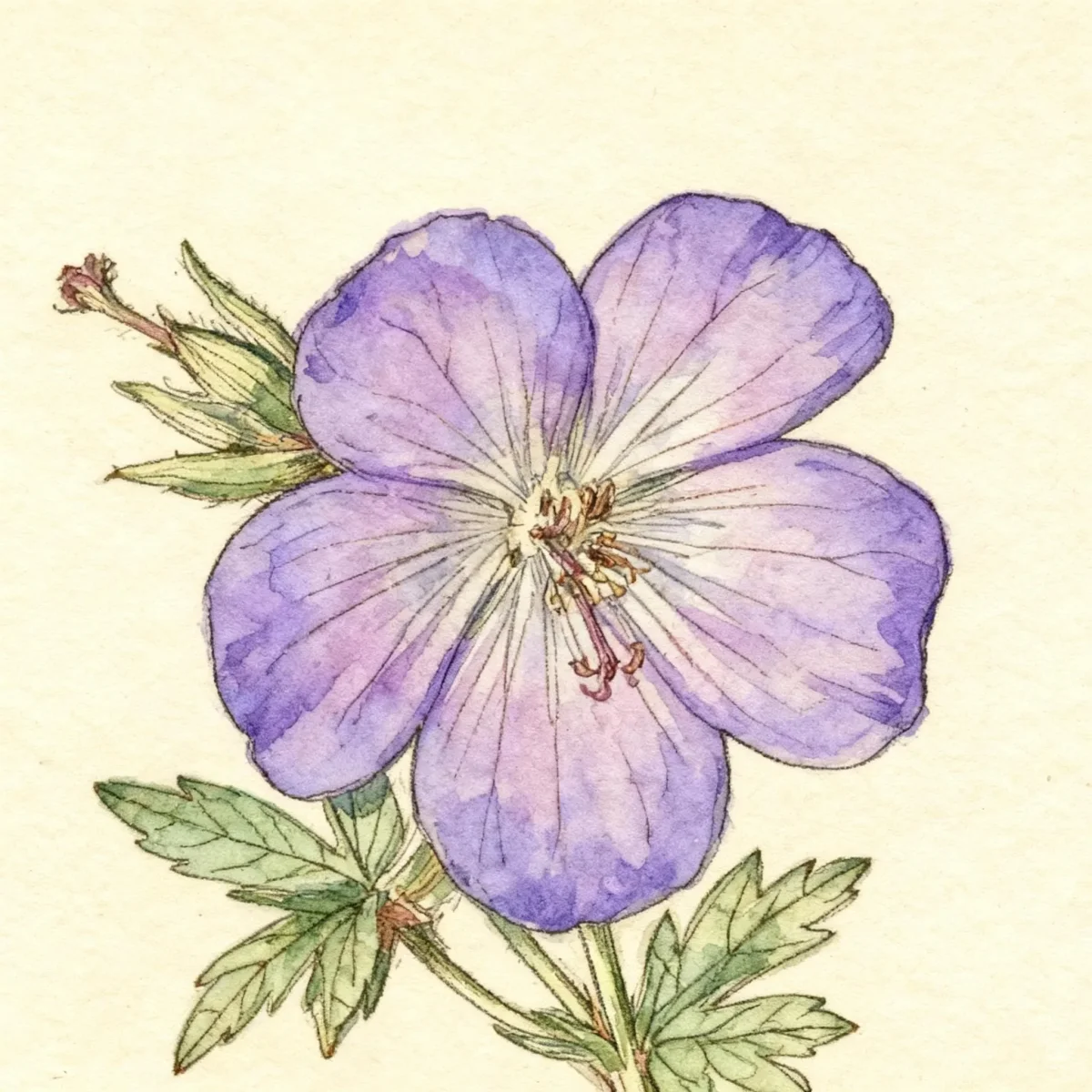
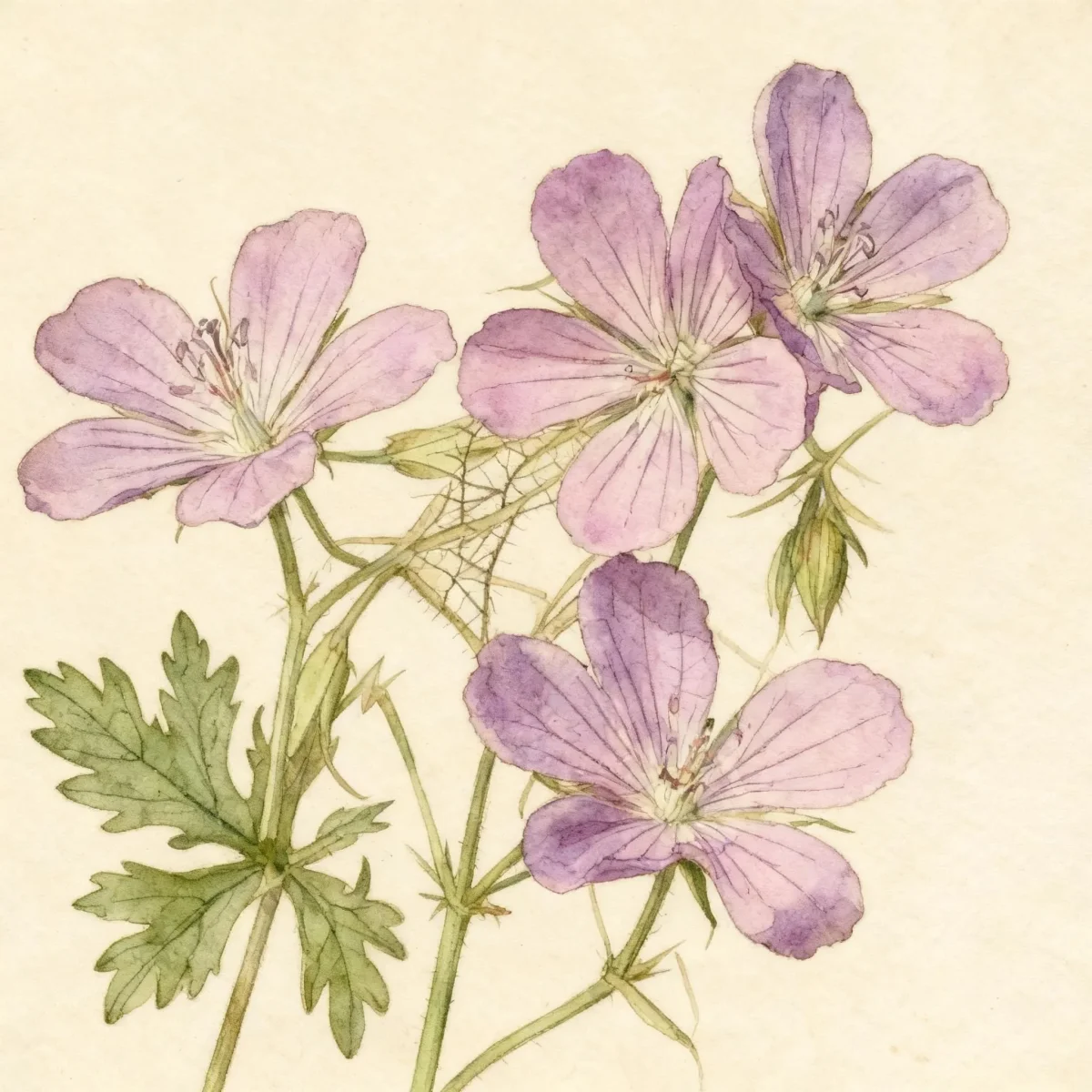
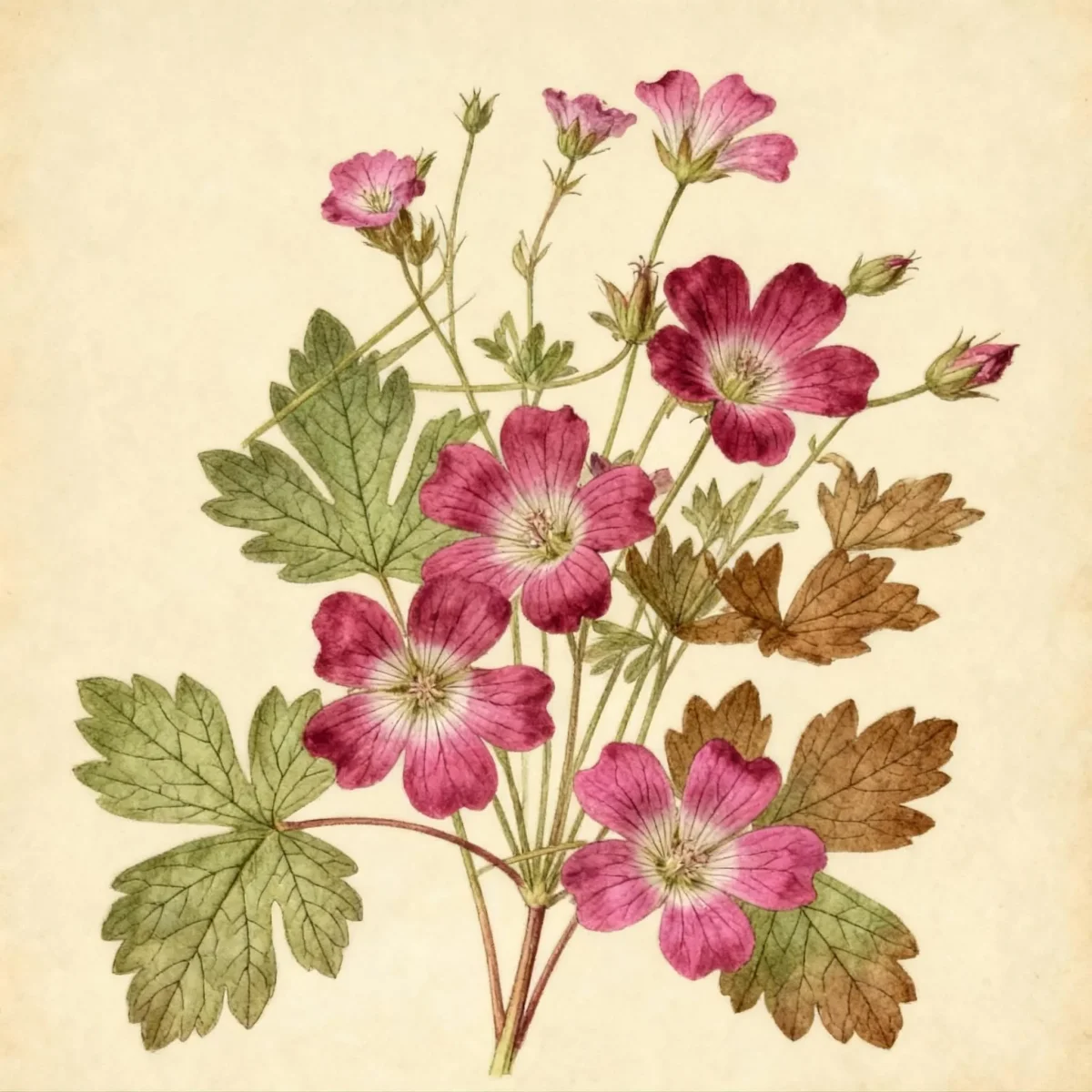
The appeal of Geranium ‘Orkney Cherry’ lies in its extended bloom time, offering five-petaled pink flowers with distinct white throats continuously from late spring until frost arrives. Whether used as ground cover or edging a walkway, this variety of Cranesbill adds reliable texture and persistent color to temperate gardens.
Fast Facts
- Plant Family: Geraniaceae
- Plant Type: Herbaceous perennial
- Hardiness Zones: USDA Zones 5-8
- Size at Maturity:
- Height: 0.5-1 ft
- Spread: 1-2 ft
- Bloom Time: May to frost
- Bloom Description: Pink with white throats
- Sun Exposure: Full sun to part shade
- Water Needs: Medium
- Maintenance Level: Low
How to Grow
For optimal performance, plant Geranium ‘Orkney Cherry’ in spring or early fall when temperatures are mild. This Cranesbill adapts well to average, medium moisture, well-drained soils. While it tolerates full sun, providing some afternoon shade will benefit the plant, especially in hotter climates, which can help prevent flowering interruption during peak summer heat.
Watering should be consistent, maintaining medium moisture, though established plants demonstrate notable drought tolerance once settled. Little to no supplemental fertilizer is usually required if the soil is reasonably rich. Pruning is straightforward; side stems can be trimmed anytime to manage spread or shape the plant.
If bloom slows down during intense summer heat, especially in regions like St. Louis, cutting the plant back hard will encourage rejuvenation and initiate a lighter, attractive rebloom later in the season stretching into the fall. In cooler northern climates, Geranium ‘Orkney Cherry’ continues robust flowering throughout the summer months without significant prompting.
Landscape Uses
Geranium ‘Orkney Cherry’ excels in various landscape applications due to its mounding habit and persistent color. It is an excellent choice for defining the edge of borders, providing a flowing middle layer in cottage gardens, or massed liberally to create an effective, colorful ground cover. Its ability to thrive alongside stone walls offers a beautiful softening effect.
Consider using this hardy geranium in rock gardens where its bronze foliage can contrast beautifully with lighter-colored stones. It also performs admirably when tucked into containers, adding texture that spills slightly over the edge, though care must be taken to ensure containers offer the necessary drainage. For mass planting, the dense coverage provided by Geranium ‘Orkney Cherry’ helps suppress unwanted weeds effectively.
Standout Features
Flower Qualities
- Showy
Noteworthy Characteristics
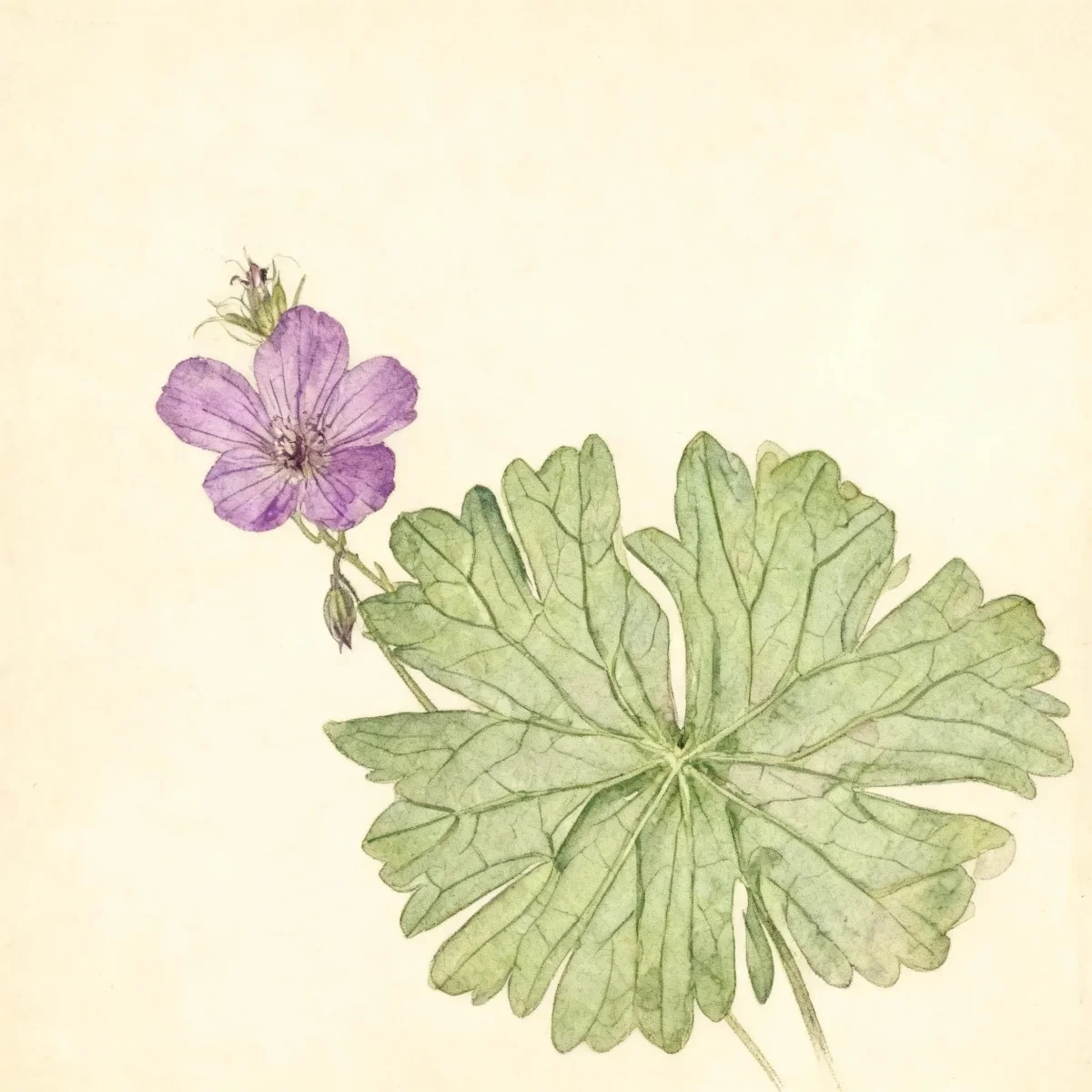
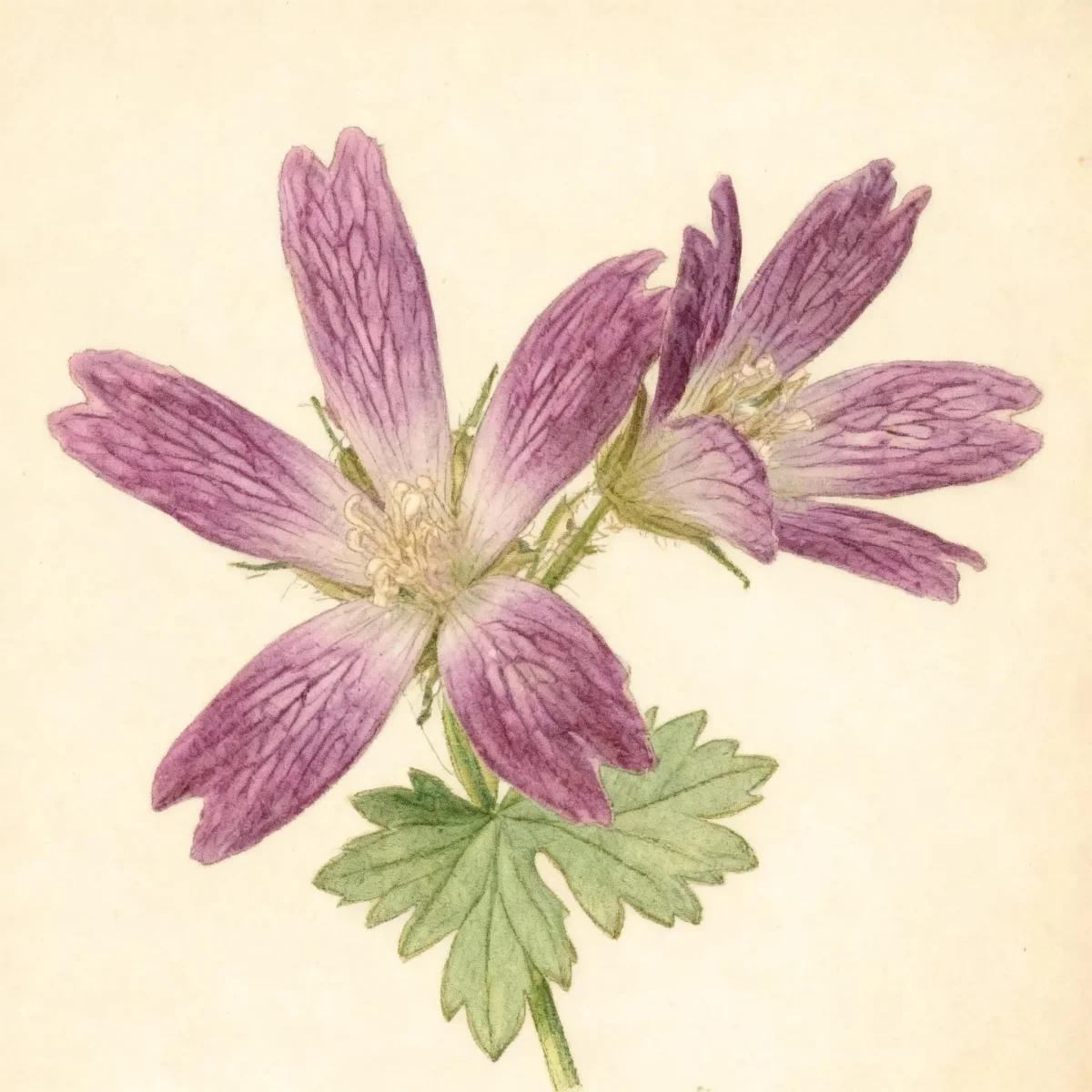
Genus name comes from the Greek word geranos meaning crane in reference to the fruit which purportedly resembles the head and beak of a crane. ‘Orkney Cherry’ is a compact hardy geranium hybrid that is noted for its bronze foliage and prolific summer to frost bloom of pink flowers. Five-petaled, pink flowers with reddish veins and white throats bloom from late May to September (sometimes to frost) on stems clad with deeply lobed bronze-green leaves. Foliage forms an attractive ground cover throughout the growing season.
Tolerances
- Rabbit
- Deer
Potential Problems
This variety of Cranesbill generally presents no serious insect or disease problems, contributing to its low maintenance rating. However, gardeners should remain aware of some slight susceptibility to fungal issues such as leaf spots and rusts, particularly if air circulation is poor or watering is overhead during humid weather. Good garden hygiene and ensuring the soil drains well are the best preventative measures against these minor complaints.
Frequently Asked Questions
What hardiness zones is Cranesbill suitable for?
Geranium ‘Orkney Cherry’ is reliably hardy in USDA Zones 5 through 8, making it a dependable perennial across a wide range of temperate climates.
How large does Cranesbill grow?
This variety typically reaches a height between 0.5 and 1 foot tall, spreading outwards to cover an area between 1 and 2 feet wide, forming a dense, attractive mound.
When does Cranesbill bloom?
Geranium ‘Orkney Cherry’ begins flowering heavily in May and continues blooming consistently through the summer until the first hard frost, producing pink flowers with white throats.
What sun exposure does Cranesbill need?
This plant adapts well to a range of light conditions, thriving in either full sun or partial shade, though protection from the hottest afternoon sun is sometimes beneficial in very hot regions.
Conclusion
Geranium ‘Orkney Cherry’ is an exceptional choice for gardeners seeking reliable color, attractive bronze foliage, and minimal fuss. This versatile Cranesbill offers long-lasting beauty ideal for borders and ground cover applications throughout the moderate growing season. Evaluate your property’s sunlight and ensure well-drained soil before planting this season to experience the prolonged charm of Geranium ‘Orkney Cherry’.
Companion Planting Principles
When planning beds around Geranium ‘Orkney Cherry’, focus on plants that share similar cultural needs: medium moisture and adaptable sun exposure. It pairs beautifully with later-blooming perennials that can fill in once the initial heavy flush of bloom slows in summer heat. Consider planting shorter, sun-loving varieties of ornamental grasses or the silver foliage of Artemisia nearby to highlight the bronze tones of the Cranesbill leaves.
For cottage garden designs, associate Geranium ‘Orkney Cherry’ with spring bulbs that finish flowering before the geranium takes over, such as late-blooming tulips or alliums. Its tidy, mounding habit prevents it from being swamped by taller neighbors, making it an excellent foreground plant for borders needing reliable texture from May through fall.
Seasonal Care Calendar
Spring: As new growth emerges, this is the ideal time for a light application of balanced, slow-release fertilizer if soils are poor, though often unnecessary. Cut back any remaining tattered winter foliage to encourage fresh bronze leaves. Ensure area has sufficient moisture before summer heat sets in.
Summer: For gardeners in hot zones, implement the rejuvenating cut-back after the primary bloom ends in mid-summer. This promotes better secondary flowering and keeps the plant tidy. Monitor soil moisture, especially if planted near structures that wick away water.
Fall/Winter: Geranium ‘Orkney Cherry’ is quite cold-tolerant in its designated zones. Minimal intervention is needed in autumn beyond standard cleanup. If evergreen habits are desired, the bronze foliage may persist well into winter in milder parts of Zones 7 and 8.