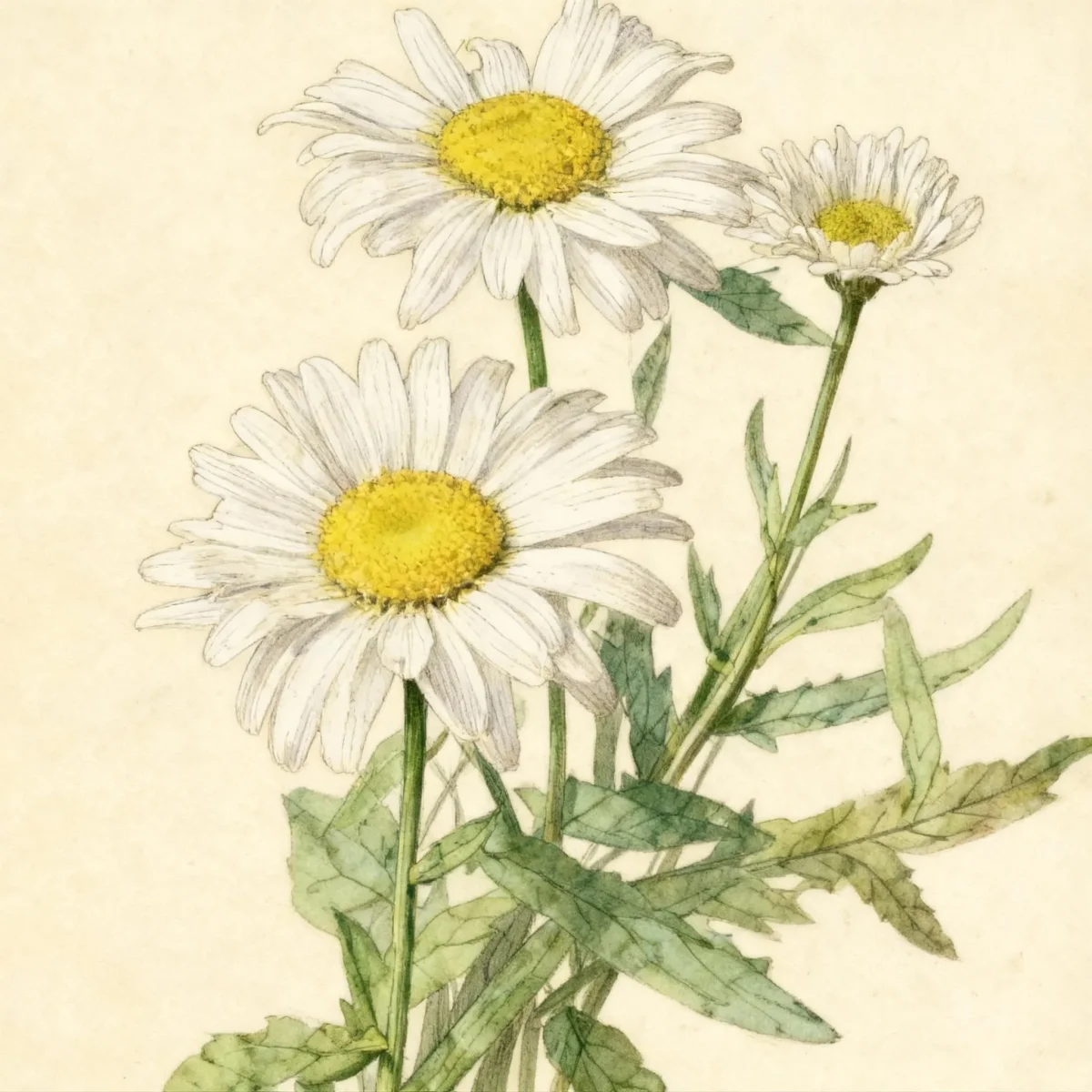
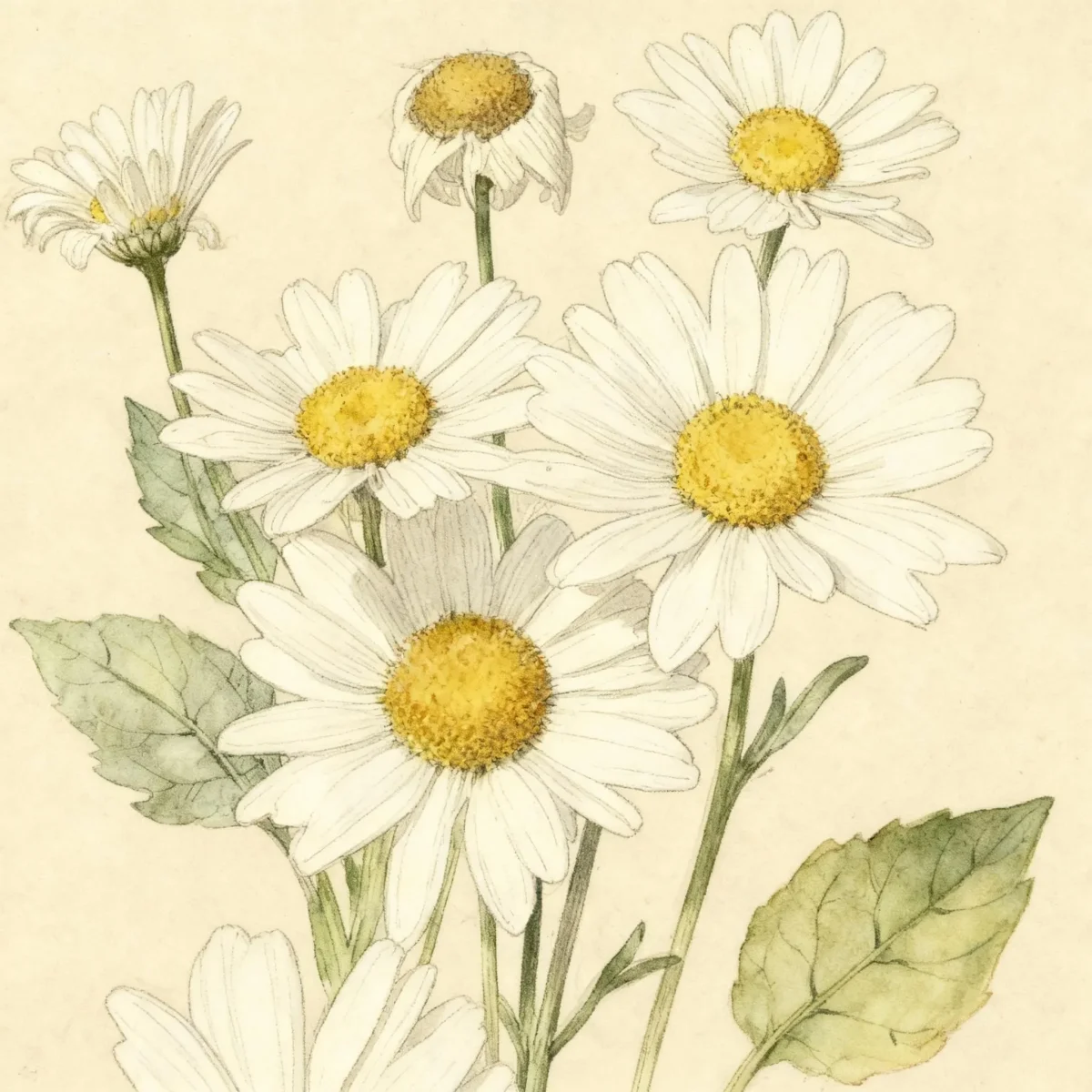
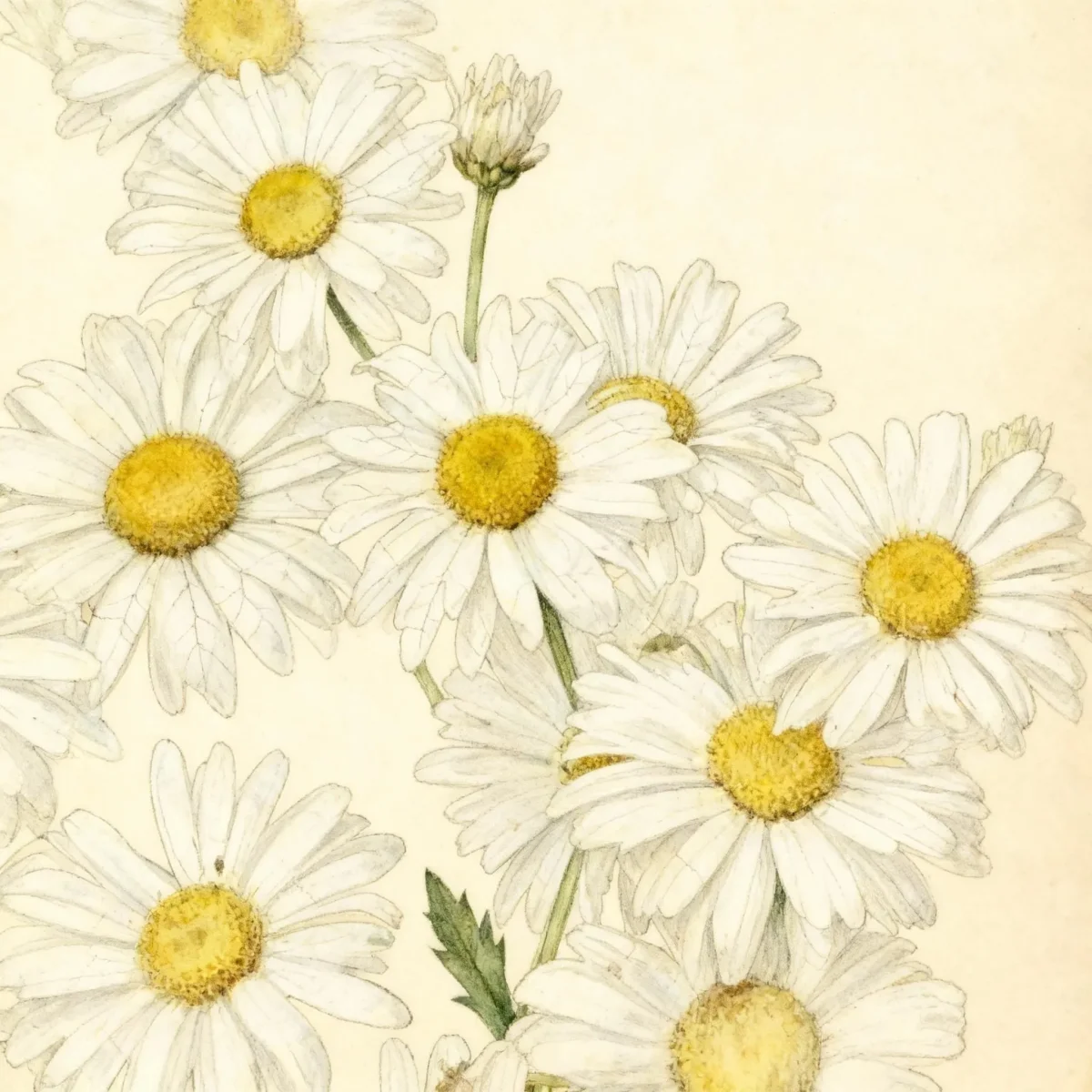
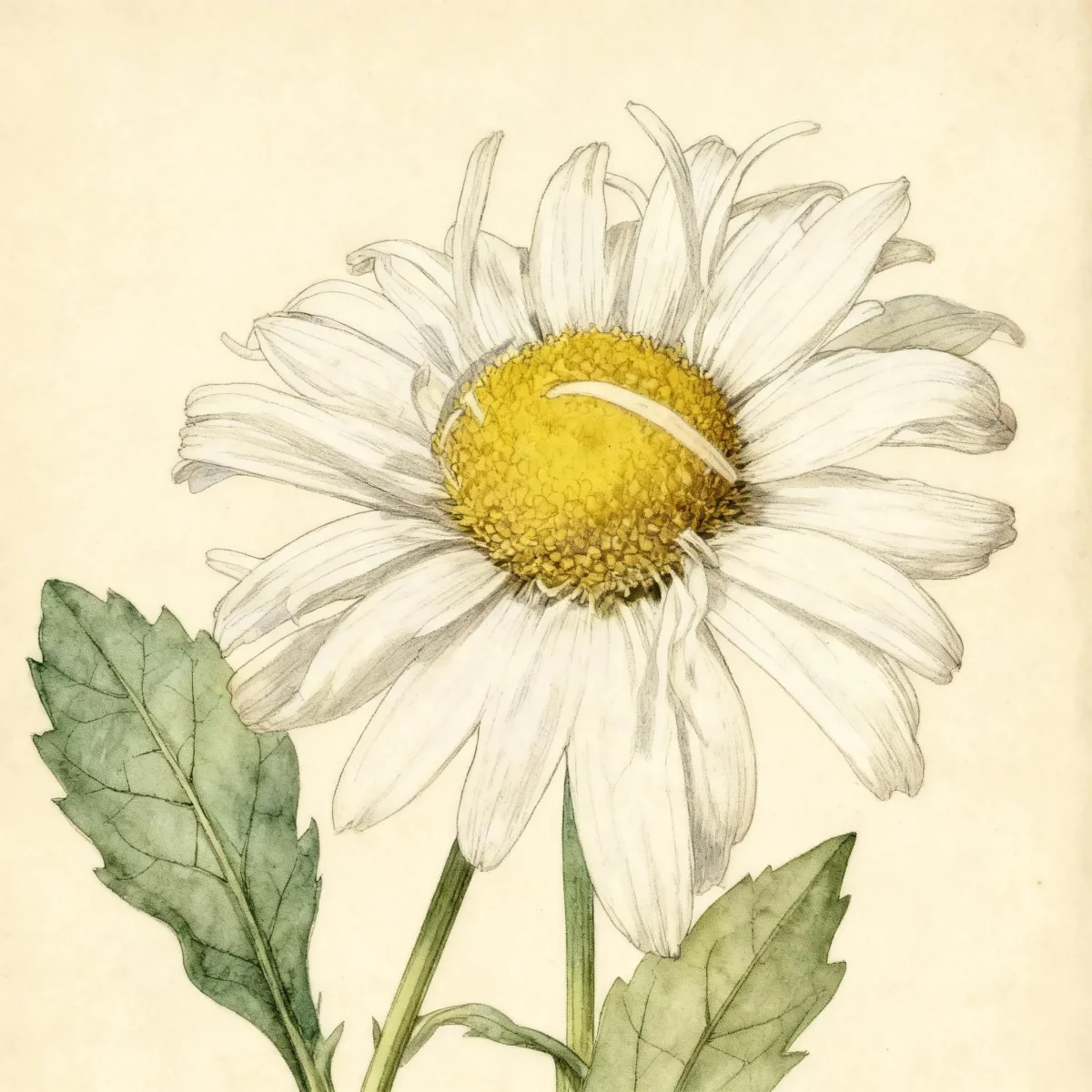
Shasta daisy (Leucanthemum × superbum 'Brightside')
Achieve classic cottage garden charm with Leucanthemum × superbum 'Brightside', a low-maintenance Shasta daisy known for its summer-long white blooms.
Scroll down to discover growing tips, care requirements, companion plants, and more
Complete Plant Information
Overview
The Leucanthemum × superbum ‘Brightside’, commonly known as the Shasta daisy, is a celebrated centerpiece in perennial gardens, prized for its abundant, showy white flowers that mimic traditional daisies. Developed through careful hybridization, this cultivar offers long seasons of bright, cheerful bloom from early summer well into autumn. Its robust nature, combined with relatively low demands, makes Leucanthemum × superbum ‘Brightside’ an essential choice for reliable summer color.
This easy-to-grow herbaceous perennial typically maintains a compact stature, making it manageable even in smaller garden spaces where its bright daisies stand out beautifully. Gardeners appreciate the Shasta daisy for its versatility, allowing it to anchor borders or provide stunning material for fresh bouquets.
For gardeners seeking enduring summer vitality with minimal fuss, the sturdy structure and dependable flowering of the Leucanthemum × superbum ‘Brightside’ deliver exceptional value. Ensuring appropriate conditions promotes strong growth and beautiful blooms throughout the season.
Fast Facts
- Plant Family: Asteraceae
- Plant Type: Herbaceous perennial
- Hardiness Zones: USDA Zones 5-9
- Size at Maturity:
- Height: 1.5-2.5 ft
- Spread: 1-1.5 ft
- Bloom Time: June to September
- Bloom Description: White
- Sun Exposure: Full sun
- Water Needs: Dry to medium
- Maintenance Level: Low
How to Grow
Planting should occur in spring or early fall, ideally in a location receiving full sun exposure, which is crucial for abundant flowering. The most important cultural consideration for any Shasta daisy, including the ‘Brightside’ cultivar, is excellent soil drainage. These plants thrive in average, dry to medium soils; wet winter soils are often fatal.
Watering should be consistent but allow the soil to dry slightly between waterings, aligning with its “dry to medium” preference once established. Fertilizing is rarely required if the native soil is reasonably average. To encourage a longer bloom period and maintain an attractive shape, remember to remove spent flower heads (deadhead) regularly throughout the summer.
To maintain plant vigor, expect to divide the clumps every two to three years, as Shasta daisies can become congested over time. Gardeners also benefit from cutting the stems back to the basal foliage after the main flush of bloom concludes; this practice conserves plant energy and may even extend the lifespan of the clump. Propagation of Leucanthemum × superbum ‘Brightside’ can also be achieved via seed.
Landscape Uses
Shasta daisies provide long-lasting summer bloom and are mainstays of the perennial border, cottage garden, and cutting garden. Their bright white structure contrasts beautifully with blues, purples, and deep reds, adding necessary brightness to mid-to-back borders.
The compact size of Leucanthemum × superbum ‘Brightside’ also makes it an excellent choice for edging formal beds or integrating into mixed shrub borders where its daisy form provides textural relief. Furthermore, they perform admirably in large containers, often used to flank entryways or patios during the summer months. They are also suitable for use in rock gardens where drainage is naturally excellent.
Standout Features
Flower Qualities
- Showy
- Good Cut
Noteworthy Characteristics
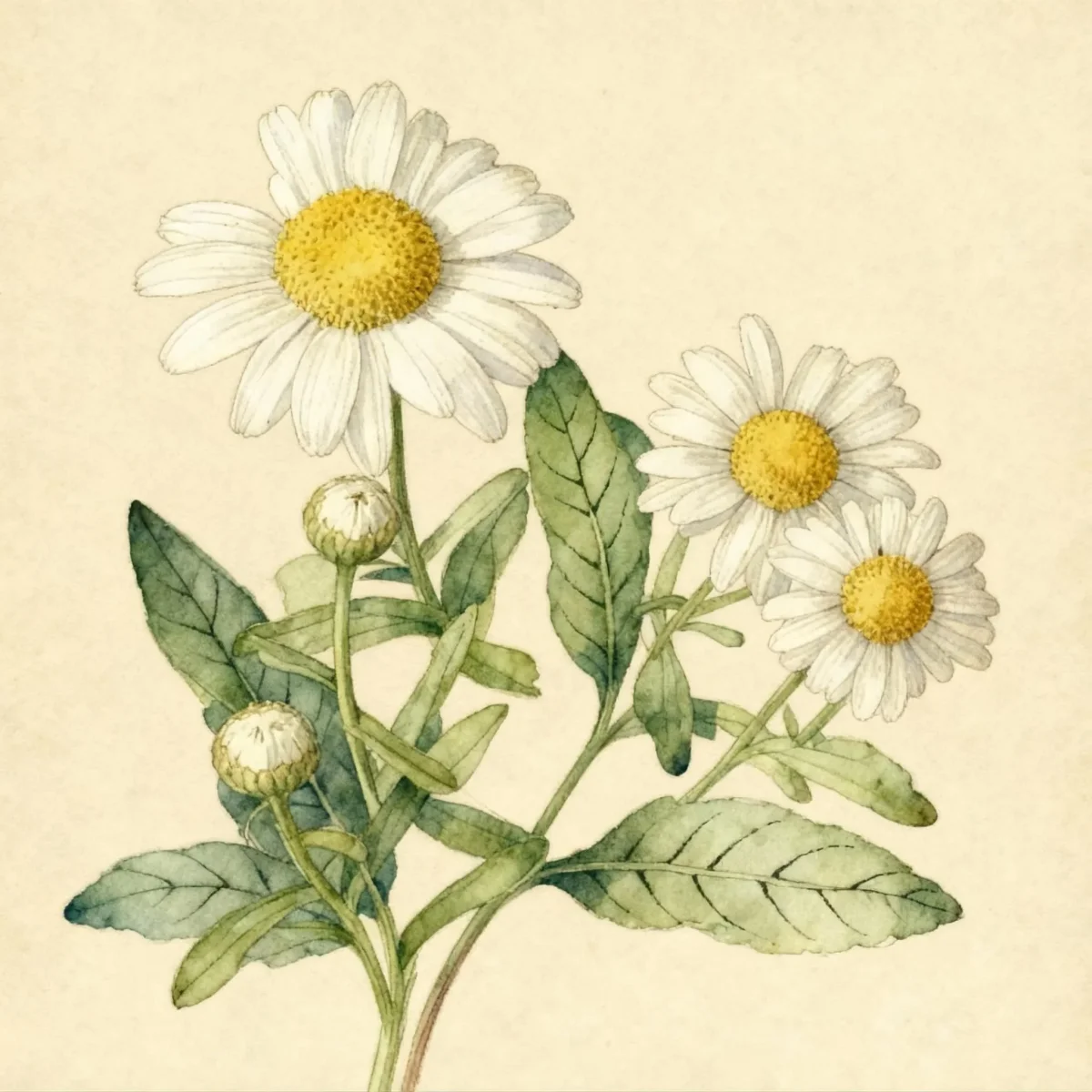
Leucanthemum × superbum, commonly called Shasta daisy, is a hybrid developed by Luther Burbank (1849-1926) near Mt. Shasta. Burbank crossed several parent species to produce this superb hybrid, which formerly belonged to the Chrysanthemum genus. The cultivar ‘Brightside’ features large white daisies with yellow centers, typically reaching 18-24” tall, showcasing coarsely-toothed, lance-shaped leaves.
Tolerances
- Rabbit
- Deer
- Drought
- Dry Soil
Potential Problems
Leucanthemums generally face some susceptibility, primarily concerning fungal issues like verticillium wilt, various leaf spots, and stem rots, usually exacerbated by poor air circulation or excessively wet conditions. Be vigilant for occasional pests such as aphids, leaf miners, and mites, particularly during hot, stressed periods. Always ensure sharp drainage to mitigate the risk of root and stem diseases.
Frequently Asked Questions
What hardiness zones is Shasta daisy suitable for?
This variety of Shasta daisy, Leucanthemum × superbum ‘Brightside’, is well-suited for cultivation in USDA Hardiness Zones 5 through 9.
How large does Leucanthemum × superbum ‘Brightside’ grow?
At maturity, this herbaceous perennial typically reaches a height between 1.5 and 2.5 feet, with a spread of 1 to 1.5 feet wide.
What sun exposure does Shasta daisy need?
For optimal flowering and health, the Leucanthemum × superbum ‘Brightside’ requires full sun exposure throughout the growing season.
When does Shasta daisy bloom?
The flowers are produced profusely from June and continue blooming through September, displaying classic white petals around yellow centers.
Conclusion
The Leucanthemum × superbum ‘Brightside’ guarantees classic summer bouquets and enduring color in the landscape, fulfilling its role as a gardener’s perennial workhorse. Its low maintenance needs and high tolerance for drier conditions solidify the value of this Shasta daisy cultivar. Ensure your site offers full sun and excellent drainage before planting to enjoy years of dependable blooms.
Propagation Tips
Division is the most common and easiest method for propagating established Leucanthemum × superbum ‘Brightside’ clumps. Perform this every 2 to 3 years in early spring just as new growth emerges or in the early fall. Dig up the entire clump, gently separate it into smaller sections, ensuring each division has a healthy set of roots and several growing points, and replant them immediately at the same depth.
While division maintains the parent plant’s characteristics, Leucanthemum × superbum ‘Brightside’ can also be grown from seed, as it is identified as a seed strain. Starting seeds indoors allows for earlier flowering, though results from seed-grown plants can sometimes show slight variability compared to commercially propagated divisions.
Companion Planting
Given the sturdy, upright habit and full sun requirements of the Shasta daisy, excellent companions offer contrasting textures or bloom times. Plant the Leucanthemum × superbum ‘Brightside’ alongside plants that enjoy similar dry-to-medium soil moisture, such as Lavender (Lavandula), which provides a complementary scent and color palette.
For mid-border structure, place them near ornamental grasses or taller perennials like Rudbeckia or Salvia varieties that bloom later in the season, ensuring continuous interest after the main Shasta daisy flush begins to fade. Avoid dense, moisture-loving plants near the base, as these can contribute to the poor drainage that proves fatal to the daisies.