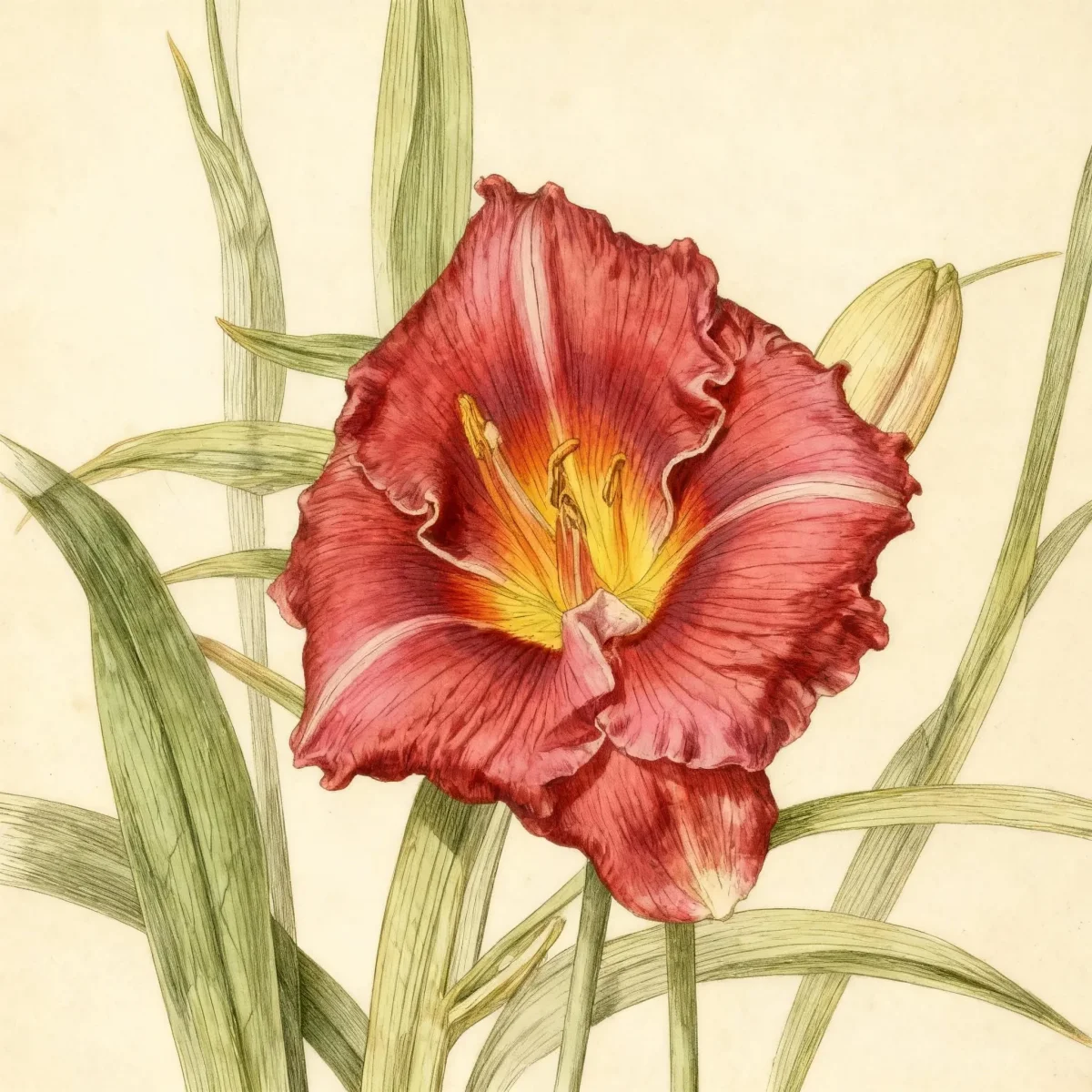
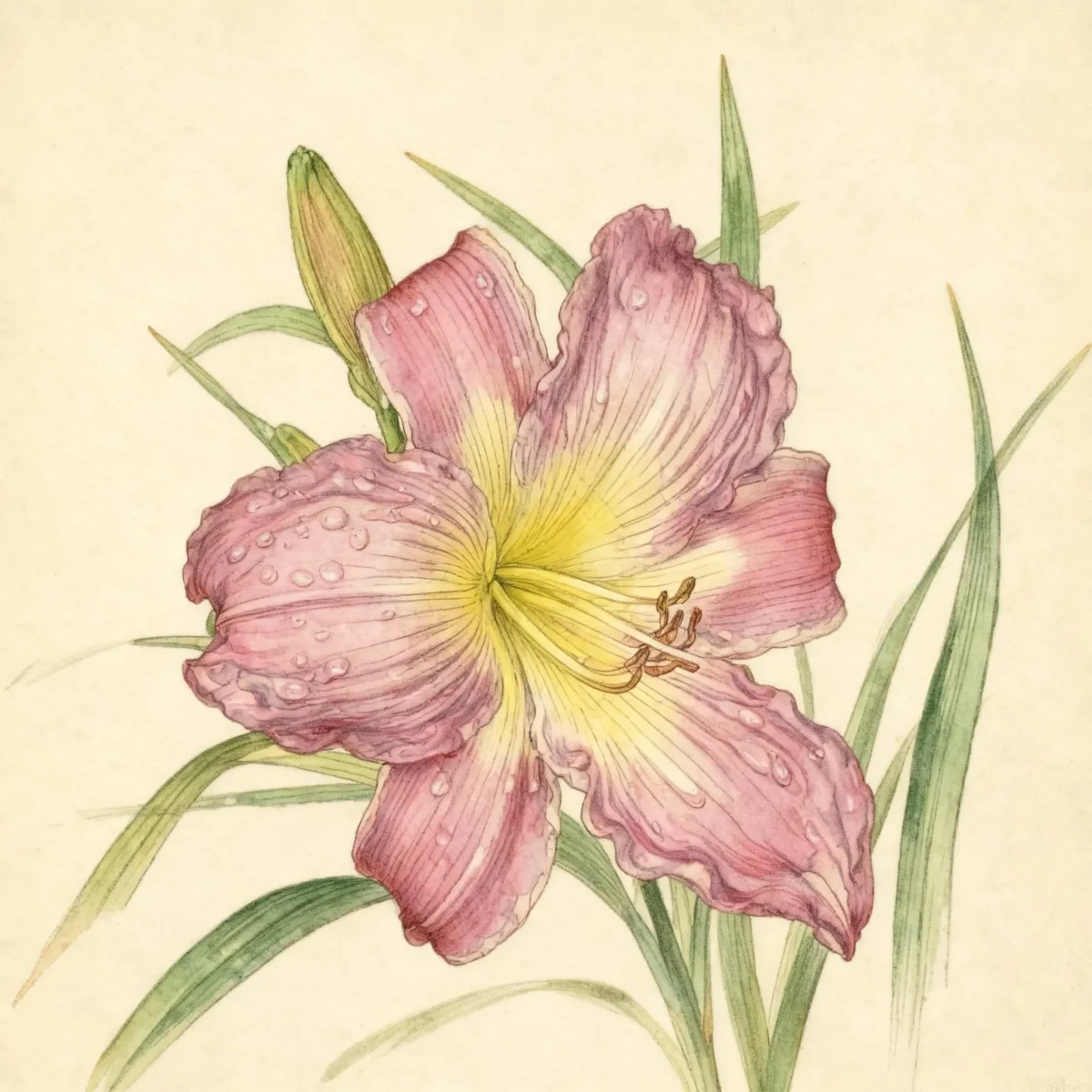
Daylily (Hemerocallis 'Going Bananas')
Hemerocallis 'Going Bananas' is a low-maintenance Daylily producing yellow, fragrant blooms from June to July. Hardy in Zones 3-9.
Scroll down to discover growing tips, care requirements, companion plants, and more
Complete Plant Information
Overview
Hemerocallis ‘Going Bananas’ is a highly desirable Daylily cultivar, celebrated for its long blooming season and attractive, fragrant flowers. As a vigorous herbaceous perennial, it offers reliable color performance year after year with minimal input from the gardener. This specific variety is valued for its ability to repeat bloom, extending the visual interest well beyond the typical short period of many single-flush plants.
This robust Daylily thrives in a wide range of conditions, preferring full sun to partial shade but adapting well to various soil types provided drainage is adequate. Reaching a manageable height of up to two feet, Hemerocallis ‘Going Bananas’ creates dense clumps of arching, grass-like foliage that provides excellent structure in the perennial border. Gardeners appreciate the Daylily genus, and cultivars like ‘Going Bananas’ showcase why hybridization has led to such robust and beautiful garden staples.
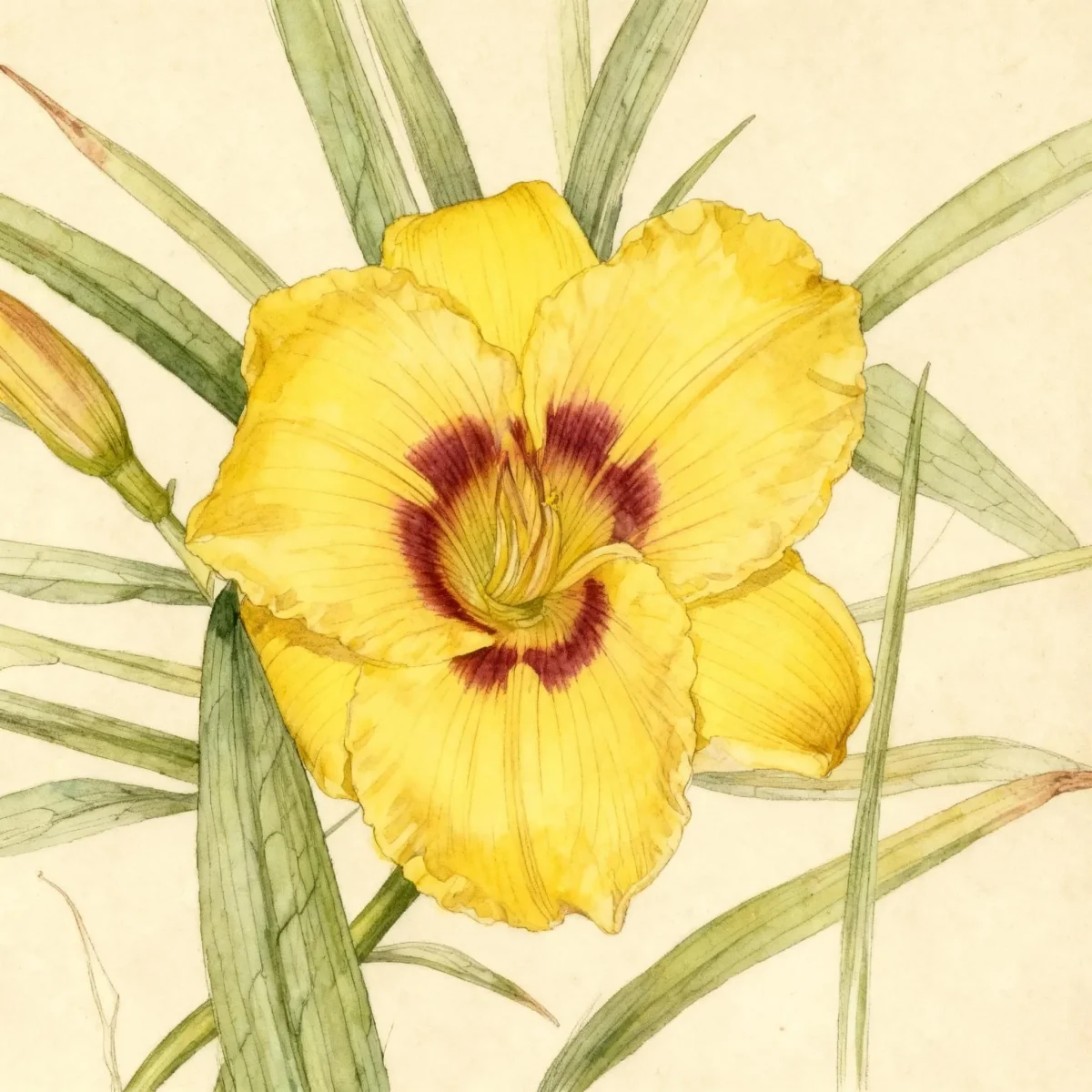
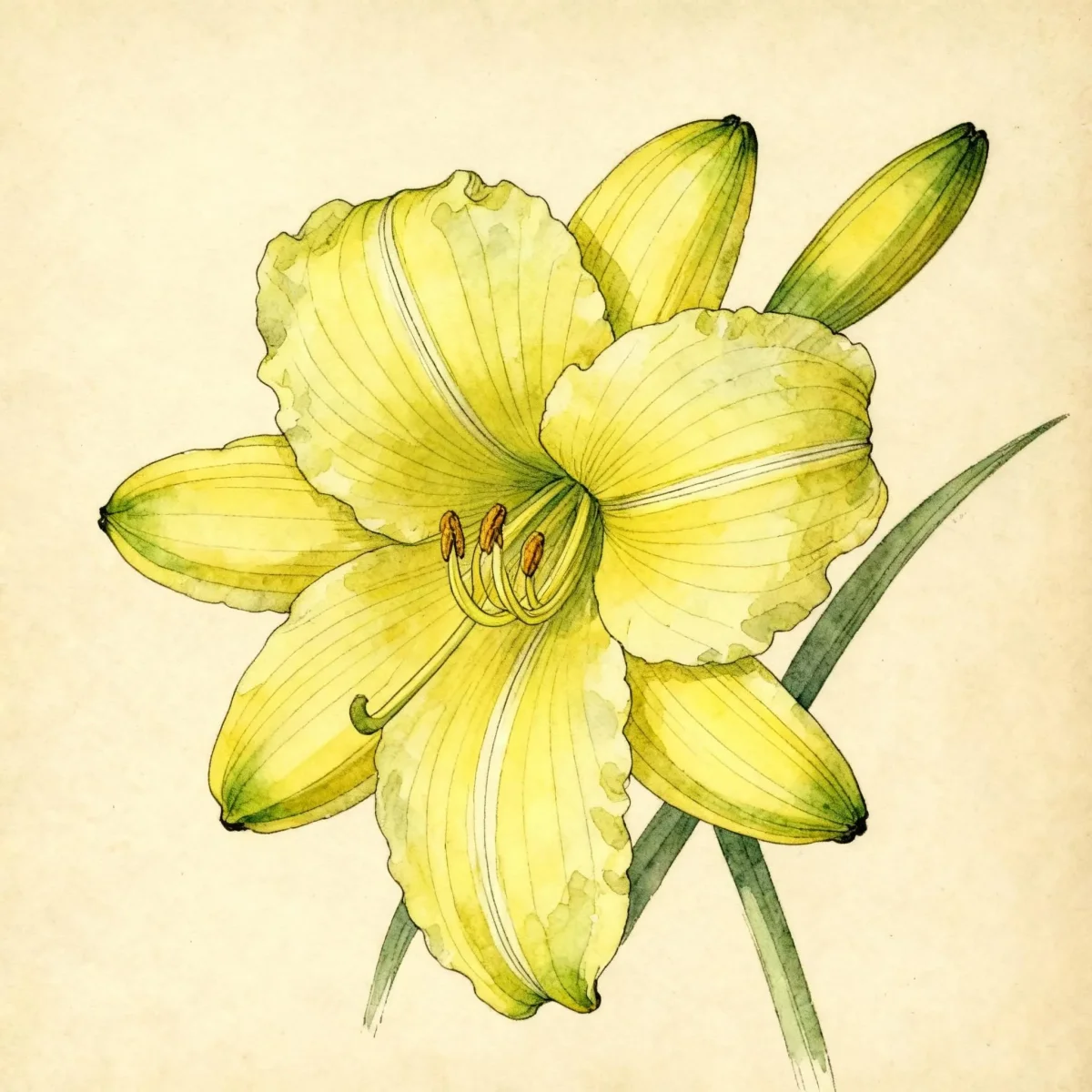
The primary aesthetic draw of Hemerocallis ‘Going Bananas’ comes from its bright yellow flowers, which feature a distinct green throat and are produced abundantly on upright scapes. Its low maintenance profile and inherent toughness—even tolerating environmental stresses like air pollution—make it an excellent choice for mass plantings, borders, or mixed perennial groupings where consistent beauty is required.
Fast Facts
- Plant Family: Asphodelaceae
- Plant Type: Herbaceous perennial
- Hardiness Zones: USDA Zones 3-9
- Size at Maturity:
- Height: 1.5-2 ft
- Spread: 1.5-2 ft
- Bloom Time: June to July
- Bloom Description: Yellow with green throat
- Sun Exposure: Full sun to part shade
- Water Needs: Medium
- Maintenance Level: Low
How to Grow
Planting Hemerocallis ‘Going Bananas’ is best done in spring or fall, allowing the fibrous roots time to establish before stressful summer heat or deep winter freezes. These Daylilies perform best in average, medium moisture, well-drained soils, though they will appreciate deep, fertile loams for the most vigorous growth. Ensure they receive adequate sunlight—full sun maximizes bud production, while part shade is perfectly acceptable.
Maintenance for this low-fuss perennial is straightforward. Deadhead spent flowers daily for seasonal neatness, though the plant will not suffer if missed, and remove the entire flower stalk (scape) once the blooming period has concluded. Remember that while Daylilies tolerate heat and humidity, supplemental deep watering during extended dry spells keeps the foliage looking its best and supports continuous rebloom cycles.
For optimal performance, plan to divide large clumps of Hemerocallis ‘Going Bananas’ every three to four years, typically in the spring in colder regions or fall elsewhere. Since this is a hybrid Daylily, germination from seed will not yield true plants, underlining the importance of division for perpetuation. If grown in the colder end of its range (Zones 3-6), ensure that winter dormancy protocols are met; evergreen types behave differently in warmer zones but may need foliage cut back after dormancy issues.
Landscape Uses
Hemerocallis ‘Going Bananas’ excels as a highly versatile garden component due to its reliable habit and vibrant color. Its defined, clumping structure makes it perfect for creating crisp borders along walkways or defining the edge of flower beds. Unlike some taller cultivars, the modest height of this Daylily allows it to blend seamlessly, providing mid-level texture without overwhelming smaller plants.
For high-impact designs, plant Hemerocallis ‘Going Bananas’ in large drifts or mass plantings over sweeping areas of the landscape. This technique emphasizes the continuous flush of summer flowers and ensures that the striking contrast provided by the yellow blooms and green throat is visible from a distance. It pairs beautifully with later-blooming perennials or fine-textured ornamental grasses that can complement its linear foliage.
Dwarf cultivars, while perhaps not this exact size classification, are excellent for rock gardens, and even at 1.5 to 2 feet, this Daylily works well in structured cottage gardens or mixed perennial borders where space allows for grouping. Its tolerance for light pollution also makes it a sound choice for urban settings or heavily planted areas.
Flower Qualities
- Showy
Fruit Qualities
Noteworthy Characteristics
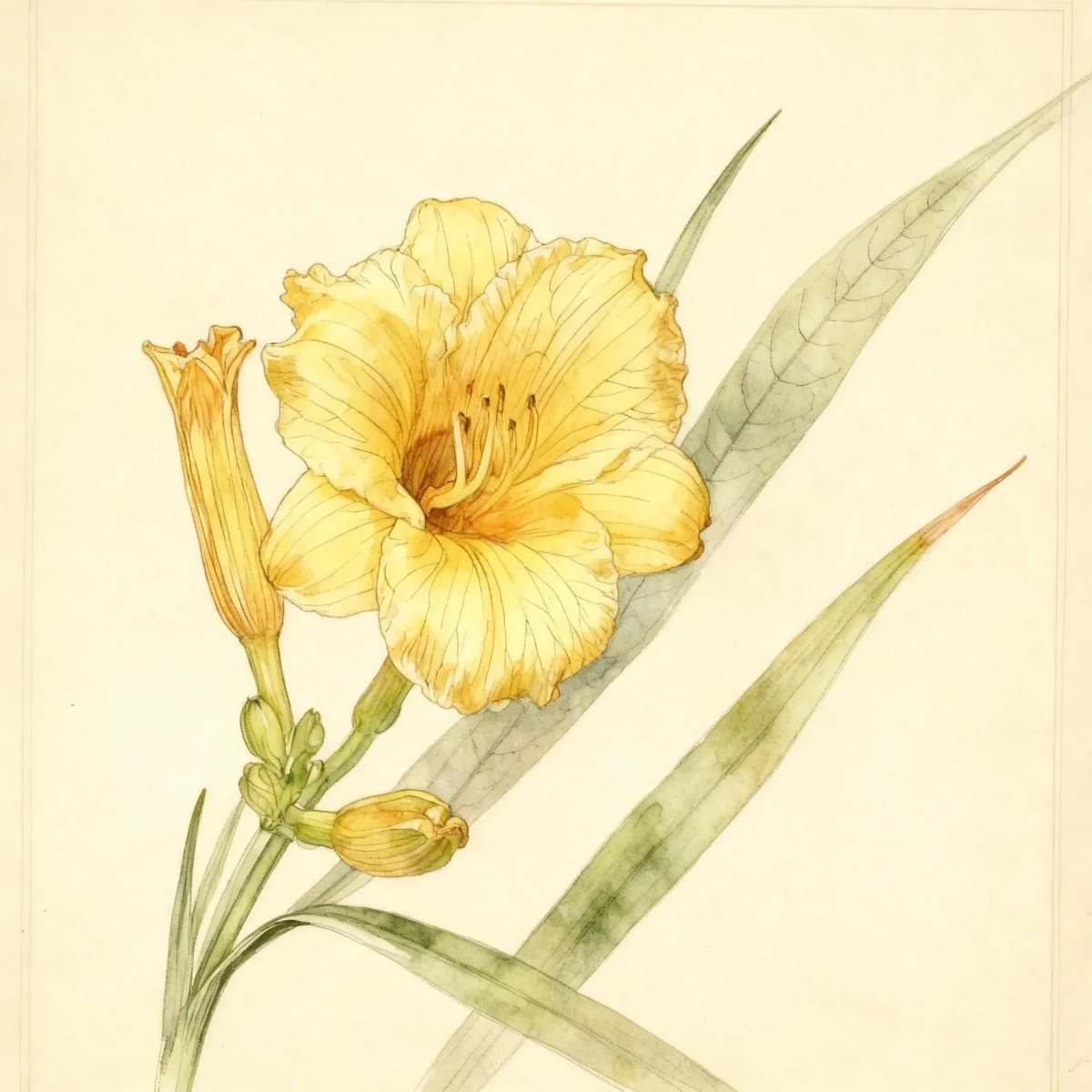
Hemerocallis is a genus prized for producing funnel-shaped flowers that last a single day, earning the common name Daylily. Hybridizers have dramatically expanded the color palette beyond naturally occurring forms, resulting in tens of thousands of registered cultivars like ‘Going Bananas’, which is esteemed for its near-continuous summer rebloom. This specific cultivar features fragrant, light-yellow flowers (up to 4” across) with slightly creped petals arising above neat, arching green leaves.
Tolerances
- Rabbit
- Erosion
- Air Pollution
Potential Problems
Daylilies are generally robust and considered extremely adaptable, making them comparatively pest-free. However, occasionally watch for common pests like aphids, mites, or thrips, managing any small infestations with targeted insecticidal soap if necessary. In certain humid regions, Daylily rust can become an issue; immediate removal of symptomatic foliage and ensuring good air circulation around the clumps often mitigates spread. Rabbits generally avoid consuming Daylily foliage.
Frequently Asked Questions
What hardiness zones is Daylily suitable for?
Hemerocallis ‘Going Bananas’ is hardy across a wide spectrum, thriving reliably in USDA Hardiness Zones 3 through 9.
How large does Daylily grow?
This Daylily cultivar typically reaches a height between 1.5 and 2 feet tall, with a similar spread ranging from 1.5 to 2 feet wide at maturity.
What sun exposure does Hemerocallis ‘Going Bananas’ need?
For the best flowering performance, Hemerocallis ‘Going Bananas’ should be situated where it receives full sun, although it will still perform acceptably in areas receiving part shade.
When does Daylily bloom?
This Daylily variety displays its flowers primarily from June to July, often producing a substantial rebloom period extending later into the summer, noted for its yellow color with a green throat.
Conclusion
Hemerocallis ‘Going Bananas’ remains a staple choice due to its reliable, low-maintenance nature and the season-long visual impact provided by its attractive yellow Daylily blooms. This cultivar offers exceptional value for gardeners seeking dependable color that establishes quickly. Before planting, always confirm that your local USDA zone aligns with this plant’s range (Zones 3-9) and plan your installation for spring or fall for the fastest establishment.
Companion Planting
Selecting appropriate neighbors is key to creating a cohesive perennial display around Hemerocallis ‘Going Bananas’. Since this Daylily prefers medium moisture and full sun to part shade, pair it with plants that share similar cultural needs. Consider tall Russian Sage (Perovskia atriplicifolia) for contrasting silver foliage, or use low-growing Geraniums to cover the ground beneath the Daylily clumps during early spring before the foliage fully develops.
For structural contrast, planting near foliage-focused plants like Hostas (in shadier spots) or Ornamental Grasses, such as switchgrass (Panicum virgatum), works well. The linear structure of the Daylily blades contrasts beautifully against mounding or rounded forms. Ensure any companion plant does not aggressively compete for surface nutrients, as Daylilies appreciate deep, fertile soil.
Seasonal Care Calendar
Early Spring is the ideal time to clean up the winter foliage of dormant Daylilies, cutting back the dead leaves to allow new fans of growth to emerge. Spring is also the best time for dividing overcrowded clumps of Hemerocallis ‘Going Bananas’ if necessary. During active summer growth, apply fertilizer lightly if growth seems weak, focusing on balanced formulations.
Summer watering should be consistent, especially during heatwaves, to keep foliage vibrant and support the reblooming cycles that ‘Going Bananas’ is known for. Continue to deadhead spent flowers regularly as this promotes the production of new buds throughout the June to July bloom period. Late Summer/Fall is the ideal time for divisions in warmer climates, or preparation for winter dormancy in colder zones by ensuring the crown is protected.