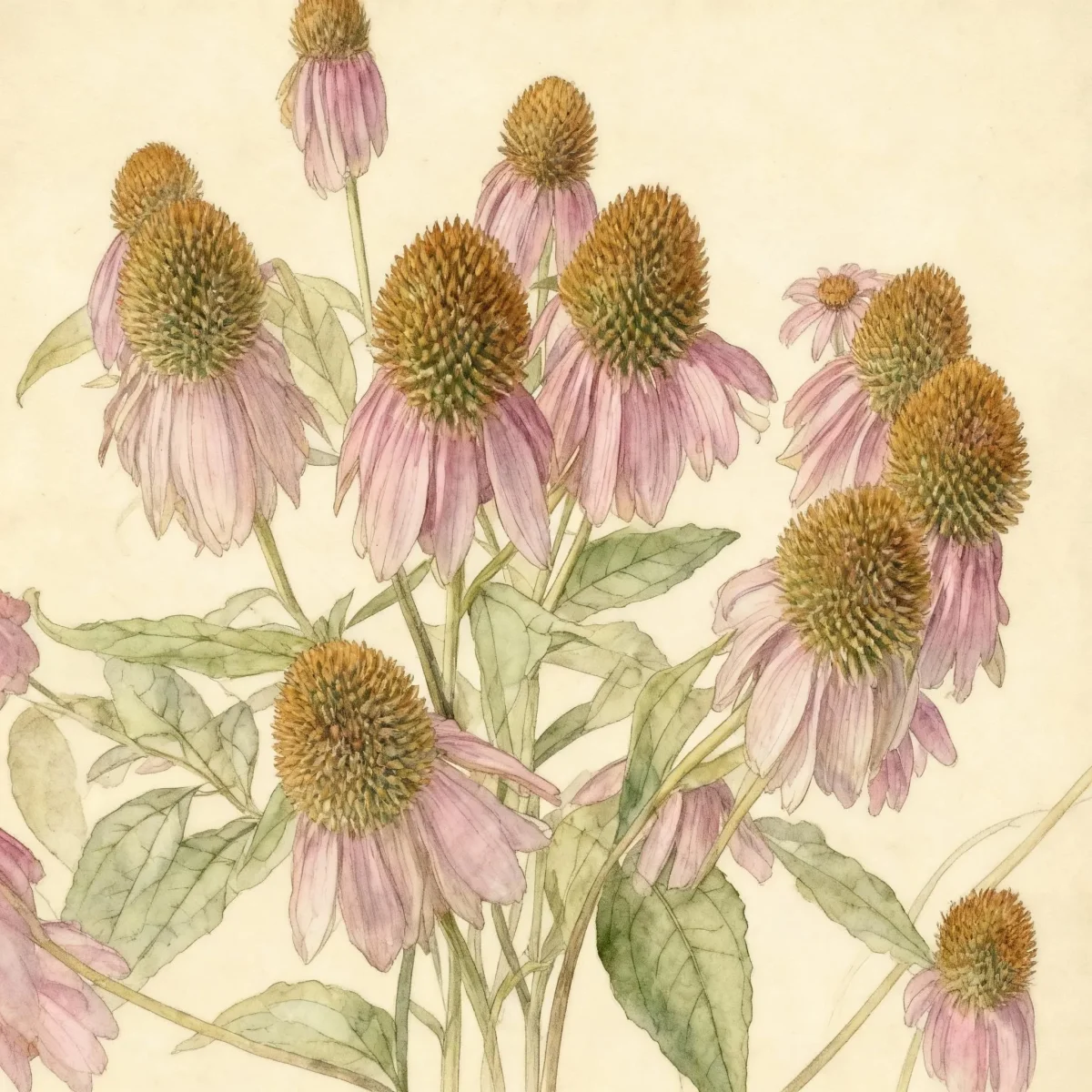
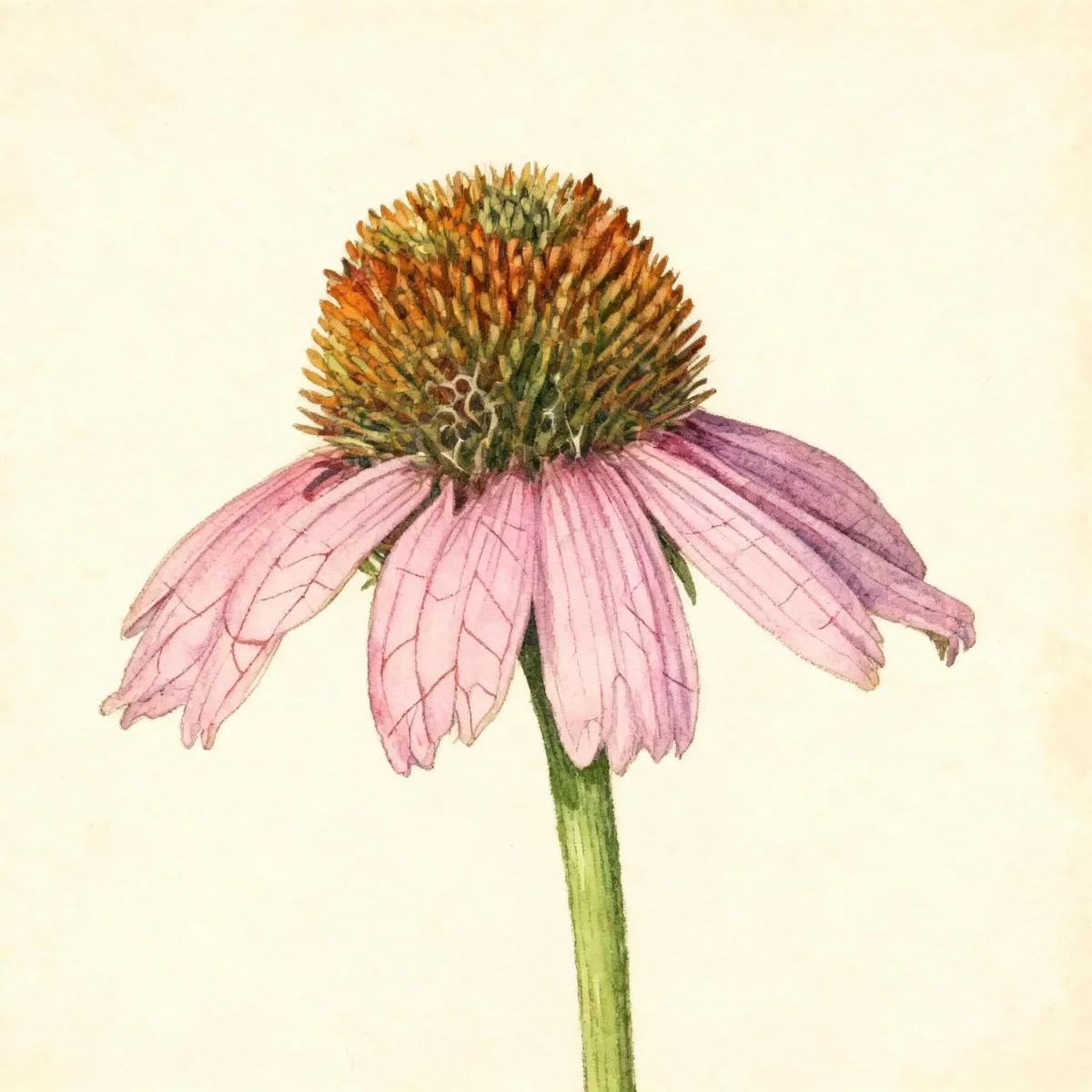
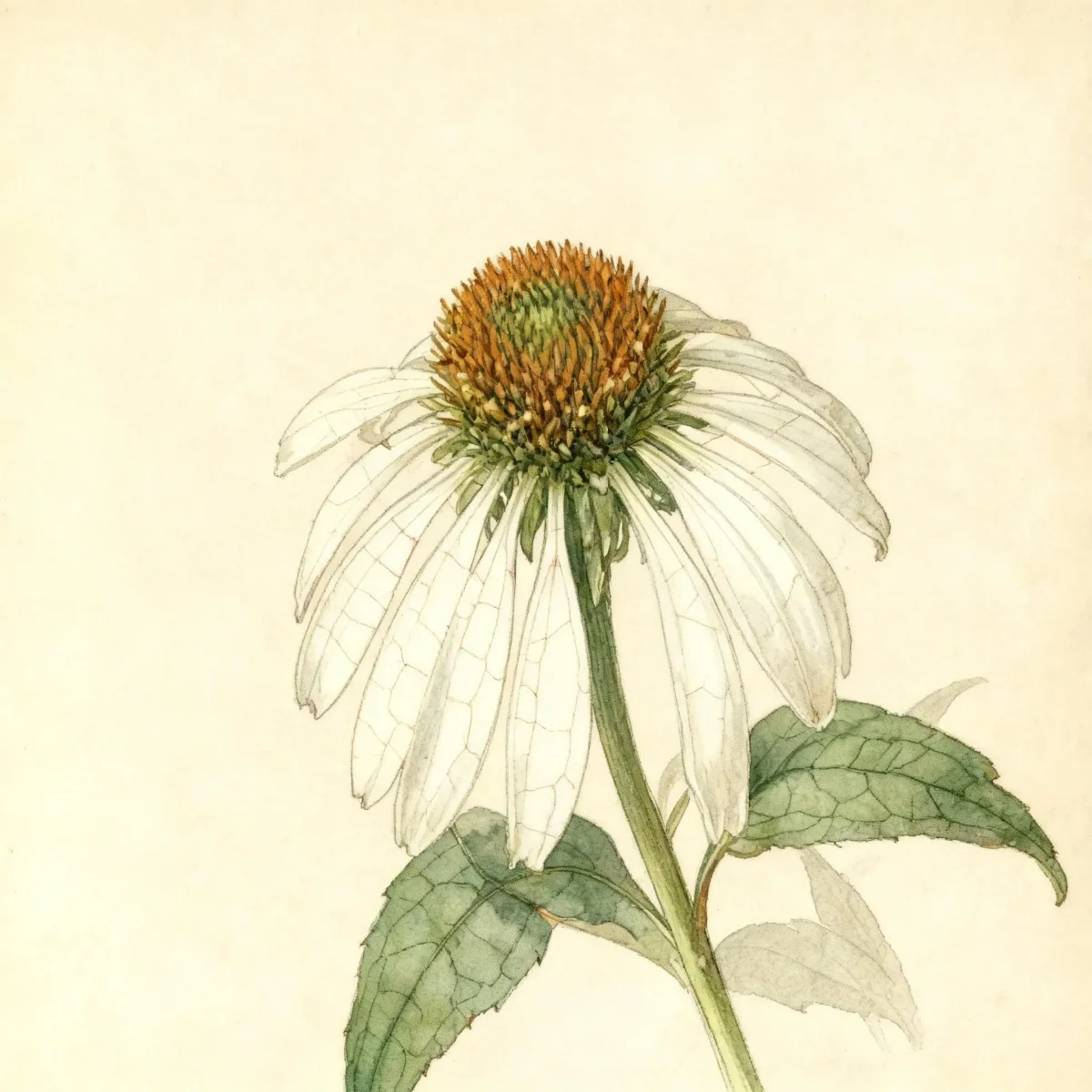
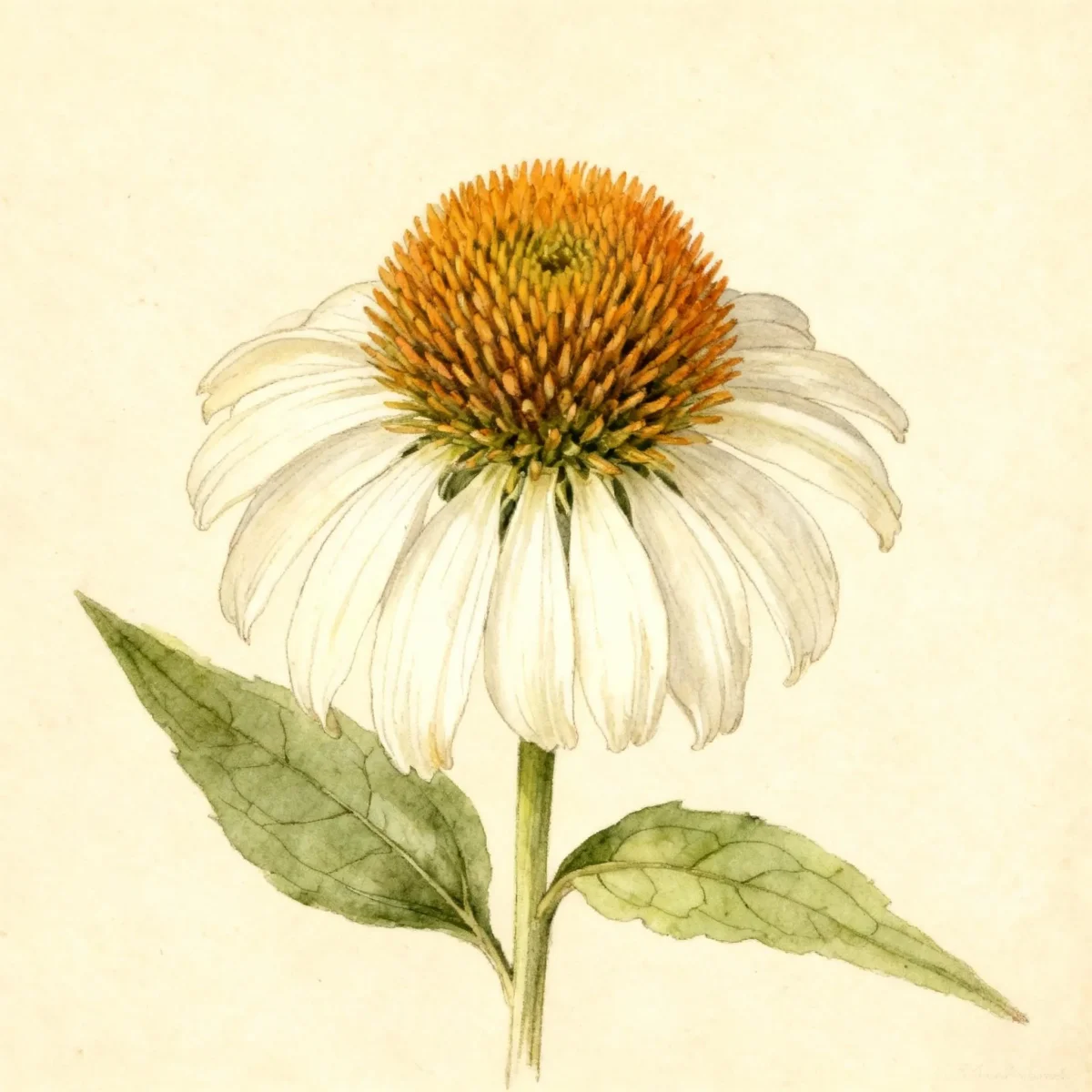
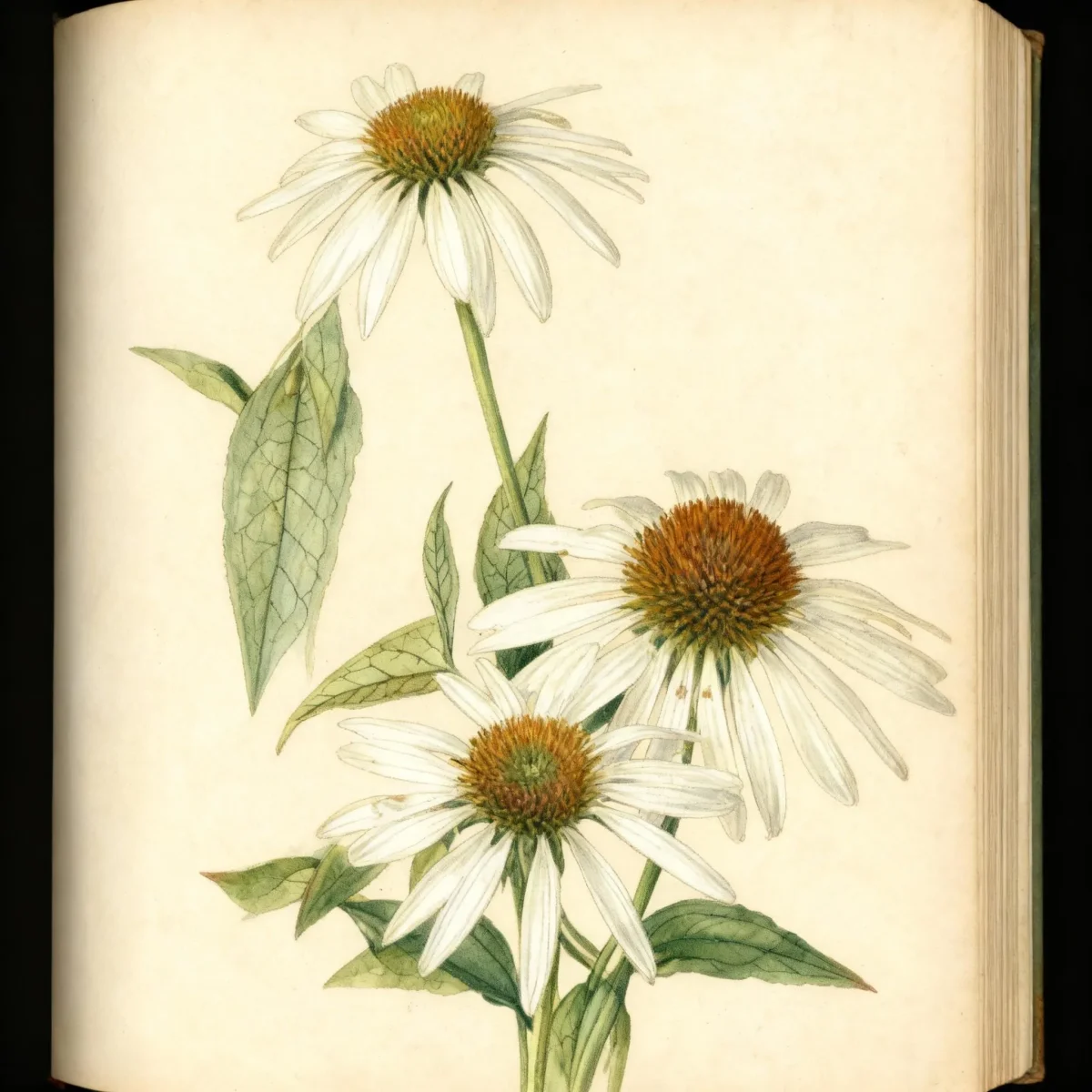
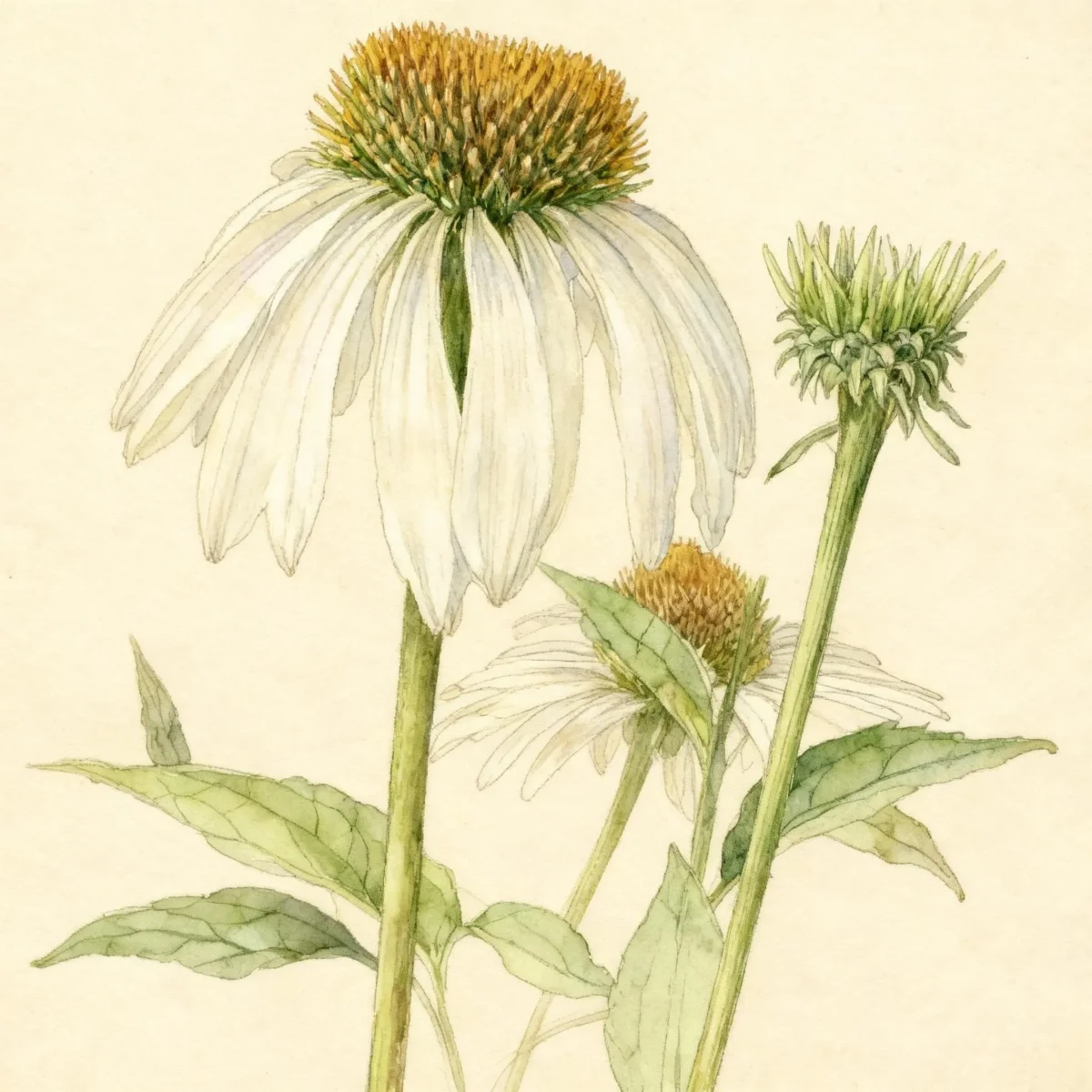
Purple coneflower (Echinacea purpurea 'Pica Bella')
Echinacea purpurea 'Pica Bella' offers deep pink, showy blooms from June to September. Low maintenance and drought tolerant Purple coneflower.
Scroll down to discover growing tips, care requirements, companion plants, and more
Complete Plant Information
Overview
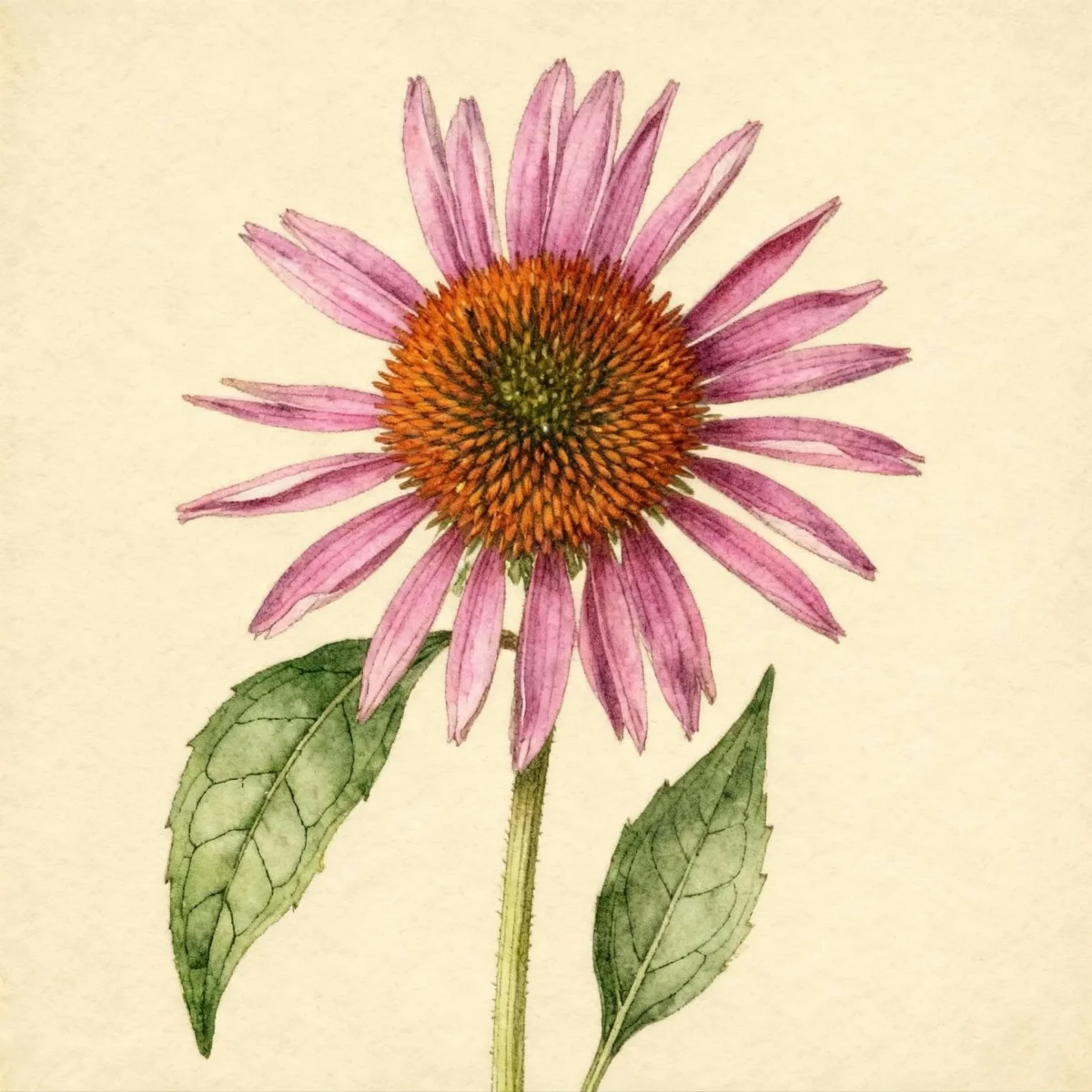
Echinacea purpurea ‘Pica Bella’ is a highly valued herbaceous perennial celebrated for its vibrant, daisy-like flowers that reliably bloom through much of the summer season. This cultivar, a beautiful representation of the native Purple coneflower, features striking deep pink ray petals surrounding a prominent orange-brown central cone, drawing in pollinators and adding vertical interest to borders. As an adaptable plant, this selection of Purple coneflower thrives in challenging conditions, setting it apart as a reliable performer in the landscape.
This compact variety is known for maintaining an upright clump, making it easier to integrate into foundation plantings or tighter perennial groupings than some of its taller relatives. Gardeners appreciate the low maintenance requirements and inherent toughness of Echinacea purpurea ‘Pica Bella’, as it handles heat, humidity, and even poor soils with resilience. Whether you are establishing a native garden or seeking long-lasting color, this coneflower provides substantial aesthetic payoff.
The extended bloom period, running from June well into September, ensures prolonged color impact. Furthermore, leaving the seed heads intact after flowering provides winter structure and essential food for goldfinches, connecting the garden to local wildlife even during colder months. Growing Echinacea purpurea ‘Pica Bella’ is an excellent way to add sustainable beauty to any sunny spot.
Fast Facts
- Plant Family: Asteraceae
- Plant Type: Herbaceous perennial
- Hardiness Zones: USDA Zones 3-8
- Size at Maturity:
- Height: 1.5-3 ft
- Spread: 1-2 ft
- Bloom Time: June to September
- Bloom Description: Deep pink with orange-brown center
- Sun Exposure: Full sun to part shade
- Water Needs: Dry to medium
- Maintenance Level: Low
How to Grow
The best time to establish your Echinacea purpurea ‘Pica Bella’ is typically in spring after the danger of hard frost has passed, although fall planting also works well. Select a location that offers full sun exposure for the best flowering performance, though they will tolerate part shade. This variety is easily grown in average, well-drained soil, thriving even in clay or drier conditions.
Once established, this Purple coneflower is highly drought tolerant, requiring only occasional watering during prolonged dry spells. Avoid overwatering, as good drainage is key to success. High fertility is usually unnecessary; avoid rich compost or heavy fertilization which can lead to weak stems.
Clumps of Echinacea purpurea ‘Pica Bella’ may become overcrowded after about four years and benefit from being divided at that time to maintain vigor. While plants often rebloom without deadheading, promptly removing spent flowers improves the overall tidy appearance of the planting bed. If you leave some seed heads standing, the plant will freely self-seed in the garden.
Landscape Uses
Echinacea purpurea ‘Pica Bella’ is an excellent, long-blooming choice perfect for mass planting, creating drifts of consistent color along borders or within meadow settings. Its manageable height of up to three feet makes it ideal for the middle to front of a mixed perennial border where it won’t overshadow shorter blooms. It integrates beautifully into butterfly gardens or naturalized areas, echoing its native prairie heritage.
Consider massing this Purple coneflower alongside companions that share similar cultural requirements, particularly those needing full sun and dry tolerance. Black-eyed Susans (Rudbeckia) are classic partners, offering a contrasting yellow hue that complements the deep pink rays of the coneflower. Placing Echinacea purpurea ‘Pica Bella’ near the edge of a woodland garden can brighten shadier spots, provided they still receive dappled sun for several hours daily.
Standout Features
Flower Qualities
- Showy
- Good Cut
Noteworthy Characteristics
Echinacea purpurea, commonly called purple coneflower, is a coarse, rough-hairy, herbaceous perennial native to moist prairies. Showy daisy-like purple coneflowers bloom throughout summer atop stiff stems clad with coarse, dark green leaves, making them excellent fresh cut or dried flowers. The genus name, Echinacea, refers to the spiny central cone resembling a hedgehog, and the cultivar ‘Pica Bella’ specifically offers narrow deep pink rays blooming from June into early September on a compact plant structure.
Tolerances
- Deer
- Drought
- Clay Soil
- Dry Soil
- Shallow-Rocky Soil
Potential Problems
Occasionally, Japanese beetles may bother the flowers, and leaf spot can appear, particularly in humid conditions. Management often involves improving air circulation or applying appropriate treatments if infestations are severe. Echinacea purpurea ‘Pica Bella’ can also be susceptible to aster yellows disease, which distorts growth and changes flower color; infected plants should be removed to prevent potential spread.
Frequently Asked Questions
What hardiness zones is Purple coneflower suitable for?
Echinacea purpurea ‘Pica Bella’ is reliably hardy in USDA Zones 3 through 8.
How large does Echinacea purpurea ‘Pica Bella’ grow?
This compact cultivar typically grows 1.5 to 3 feet tall with a spread of 1 to 2 feet wide.
When does Purple coneflower bloom?
This coneflower generally features its main display of deep pink flowers from June through September.
What sun exposure does Echinacea purpurea ‘Pica Bella’ need?
For the best growth and most prolific blooming, this plant requires full sun, though it will tolerate partial shade.
Conclusion
Echinacea purpurea ‘Pica Bella’ delivers reliable, long-season color and robust performance, making it a cornerstone for low-maintenance perennial gardens. Gardeners will benefit from its tolerance to dry conditions and poor soil, ensuring a beautiful display of deep pink Purple coneflower year after year. Check your local growing zone compatibility before purchasing and plan to plant this tough perennial during the early spring for optimal establishment.
Companion Planting
When planning your garden layout around Echinacea purpurea ‘Pica Bella’, select companions that appreciate similar full sun and dry-to-medium soil conditions. Many prairie natives share these needs, such as Russian Sage (Perovskia atriplicifolia), which offers vertical blue spikes that contrast beautifully with the pink cones. Similarly, upright Sedums (Hylotelephium) provide late-season bulk and texture without competing aggressively for resources.
This combination of structural plants, colorful blooms, and tolerance for drier soil mimics natural meadow ecosystems. By grouping plants that share similar water needs, you simplify your irrigation schedule significantly, benefiting the entire planting area. Ensure companions do not grow tall enough to shade out the coneflower entirely, as consistent sunlight drives the best bloom production for Purple coneflower.
Wildlife Benefits
The characteristic central cone of Echinacea purpurea ‘Pica Bella’ is a significant attractant for various beneficial insects and later, birds. During the summer months, the open, accessible flower structure provides an excellent landing platform and nectar source for many species of native bees and butterflies. Providing these resources helps support local pollinator populations throughout the entire growing season.
Once the bloom period ends toward fall, the dried seed heads become critical winter forage. Goldfinches, in particular, are frequently observed feeding on the seeds held within the spiky cones. Leaving these structural elements standing through the cold months not only provides food security for birds but also adds valuable architectural interest to the dormant winter landscape.