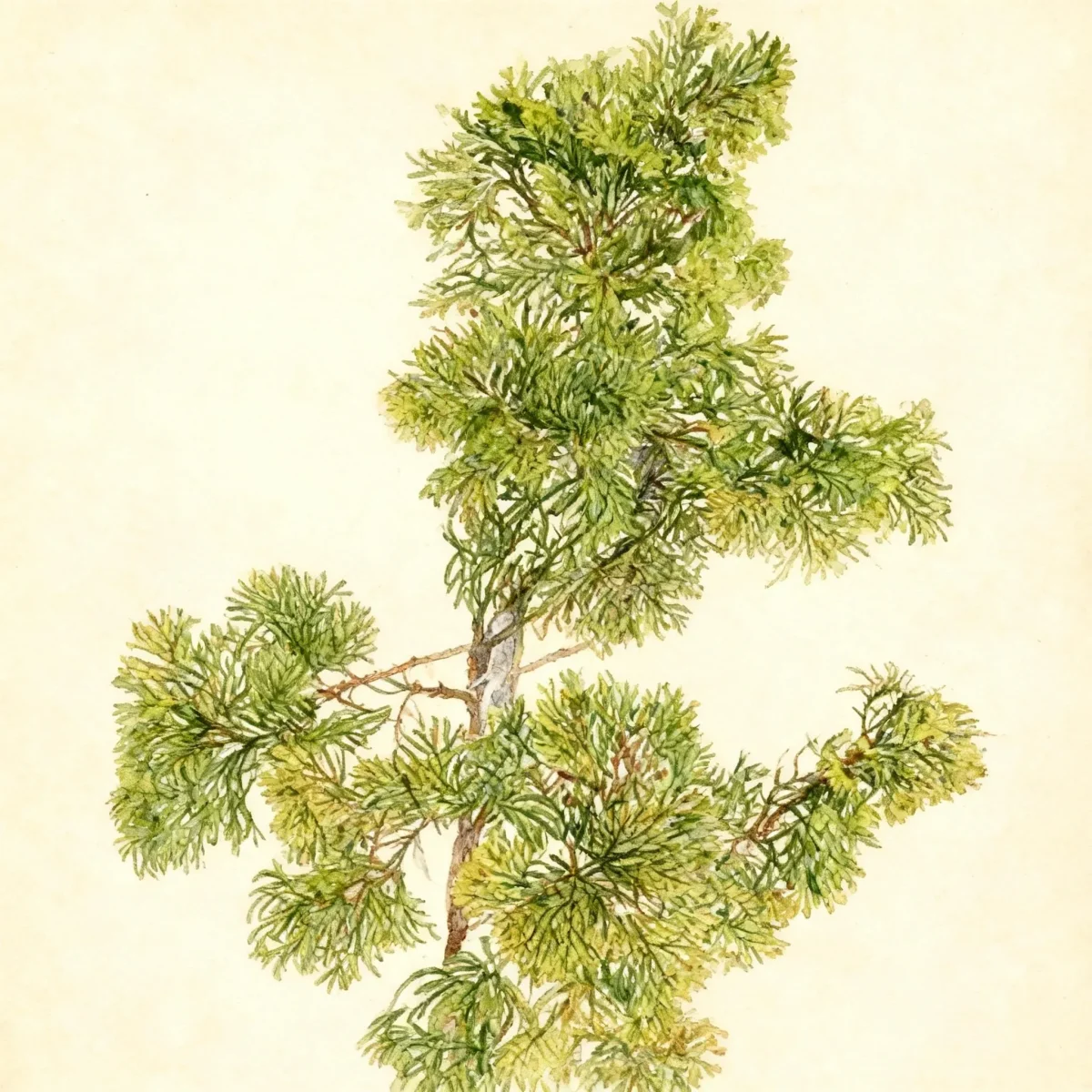
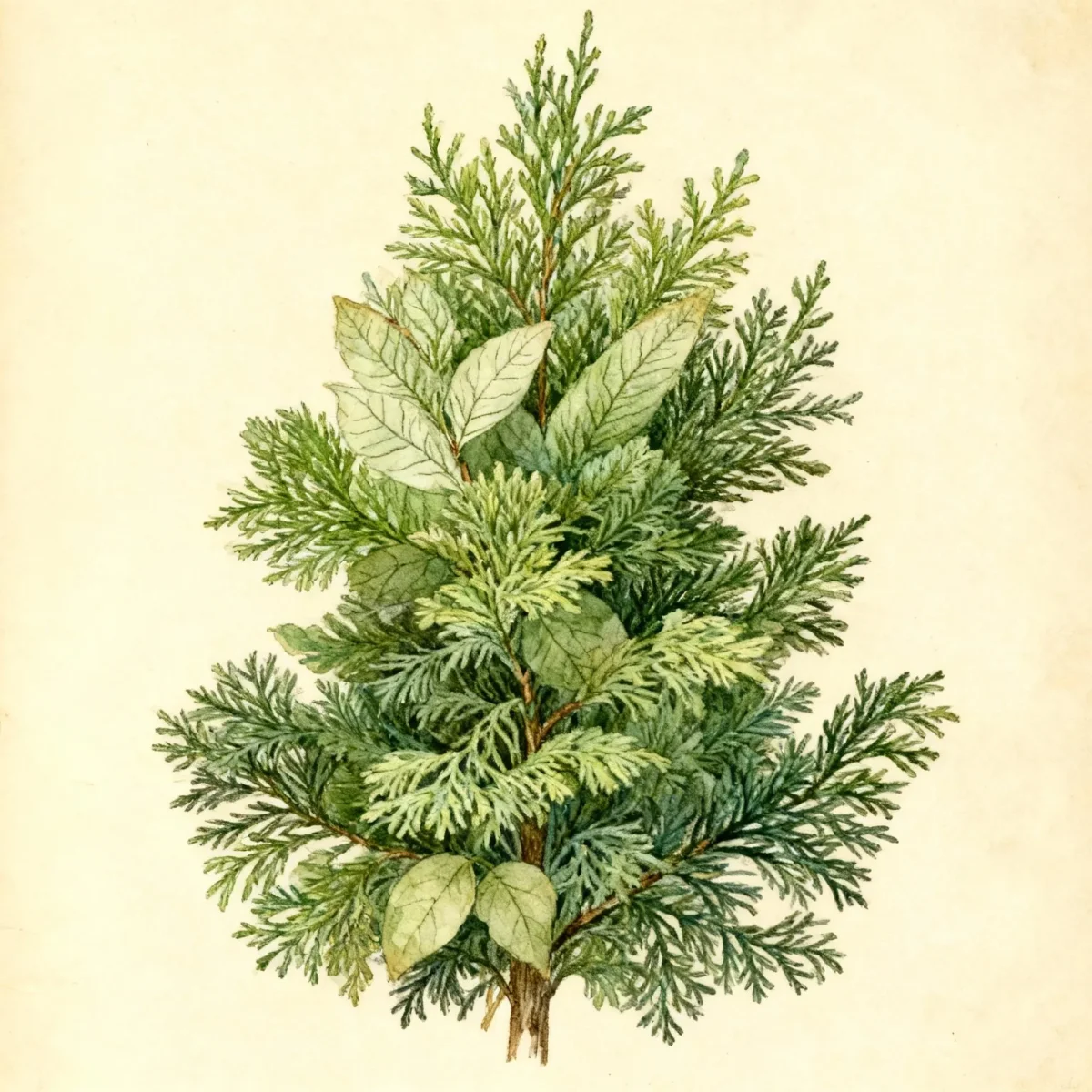
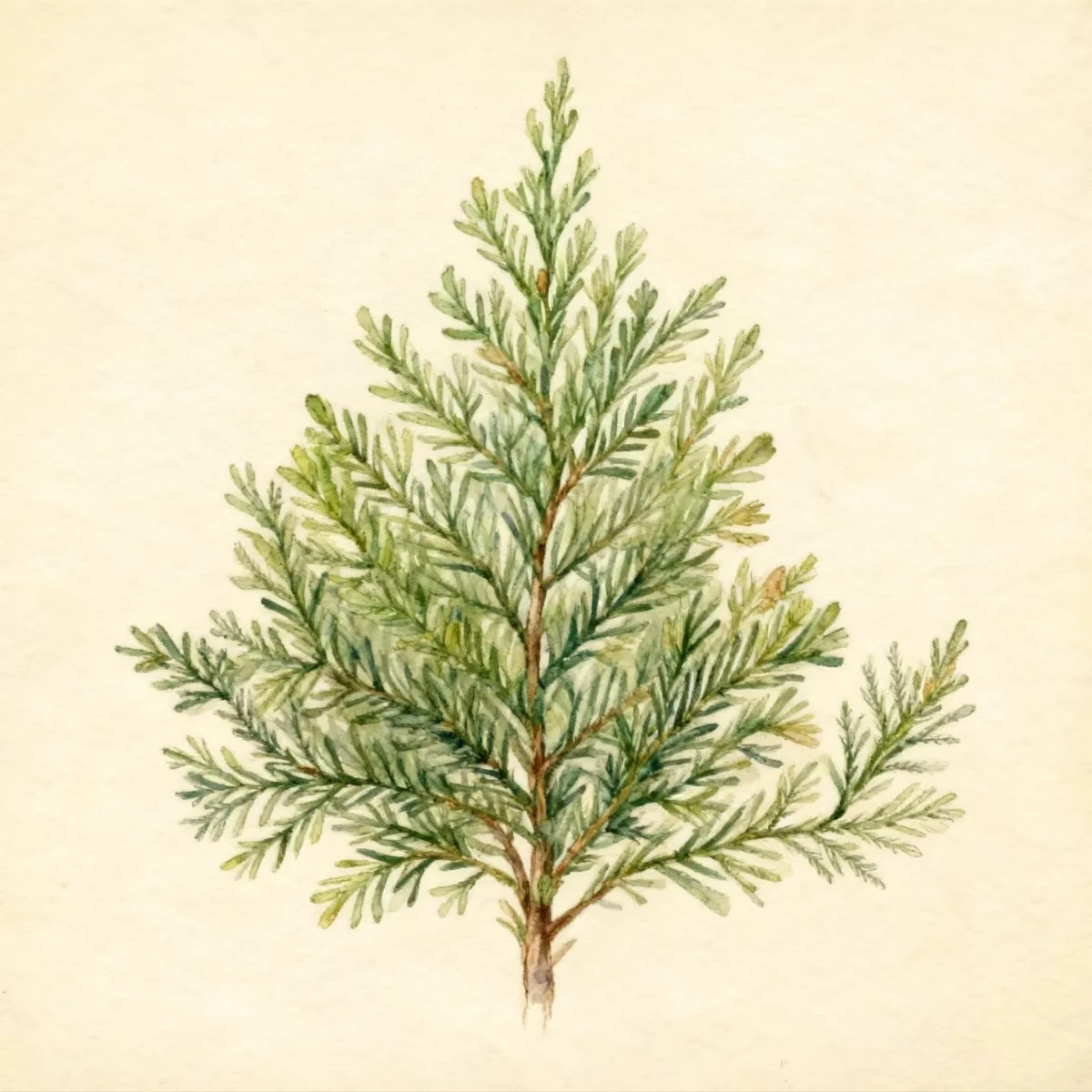
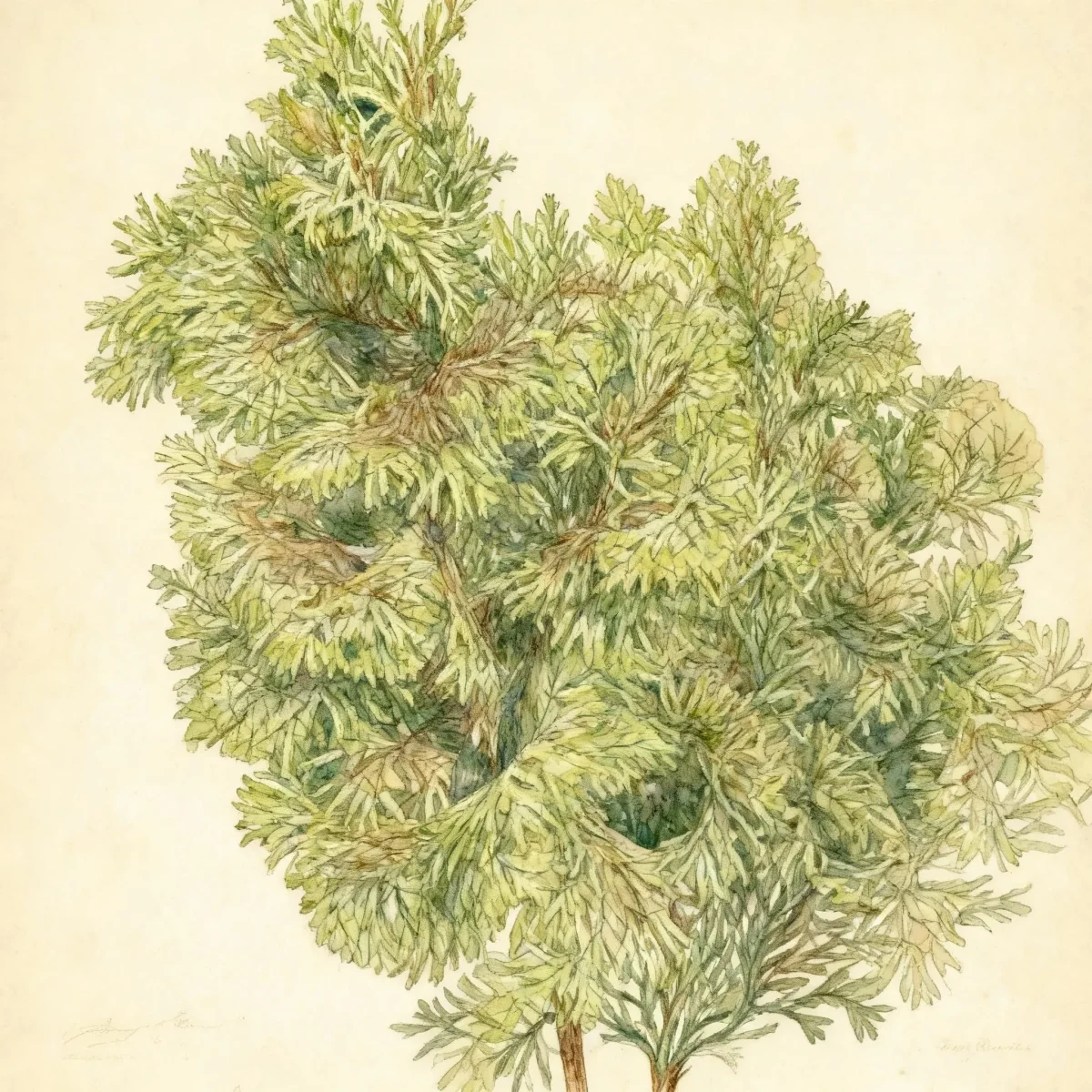
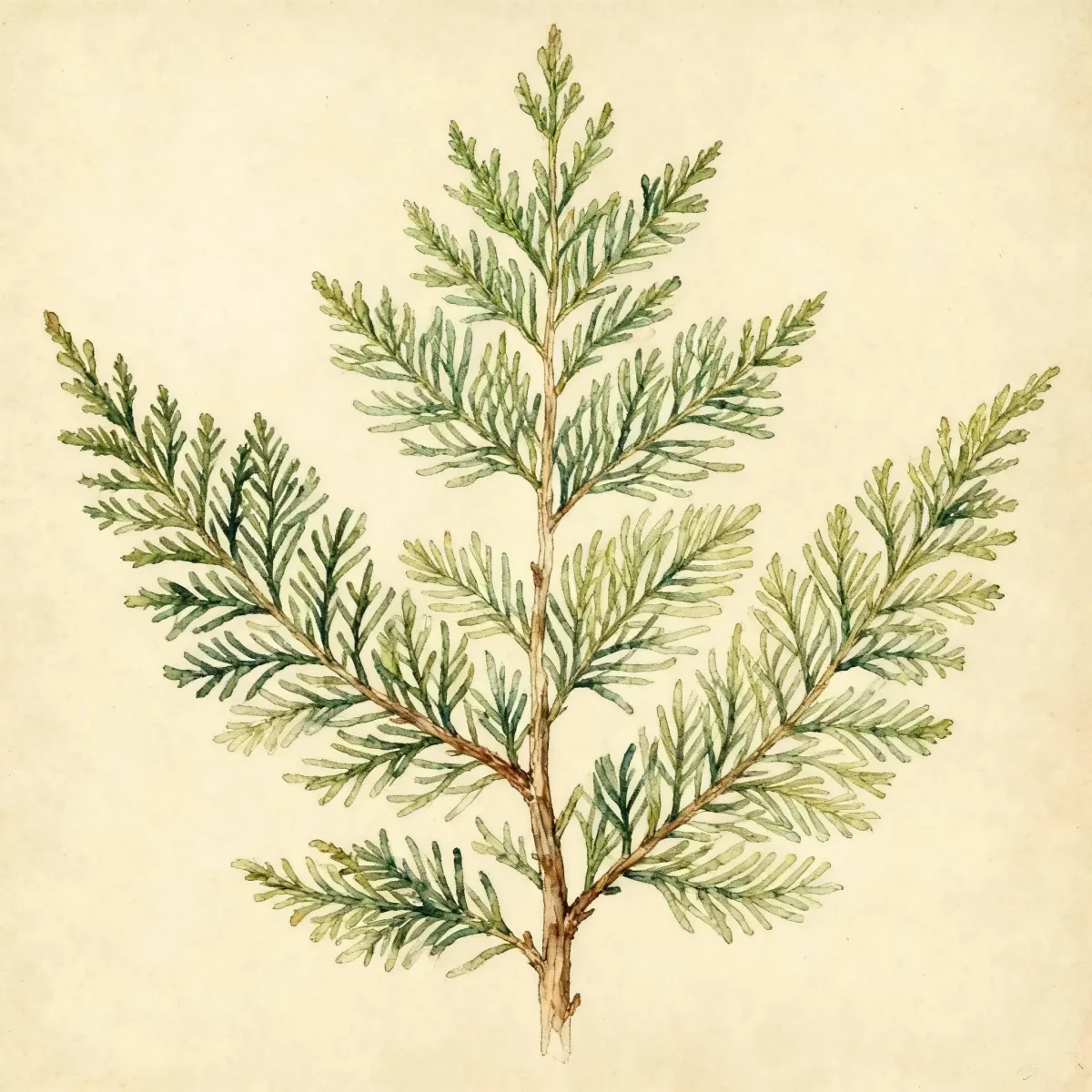
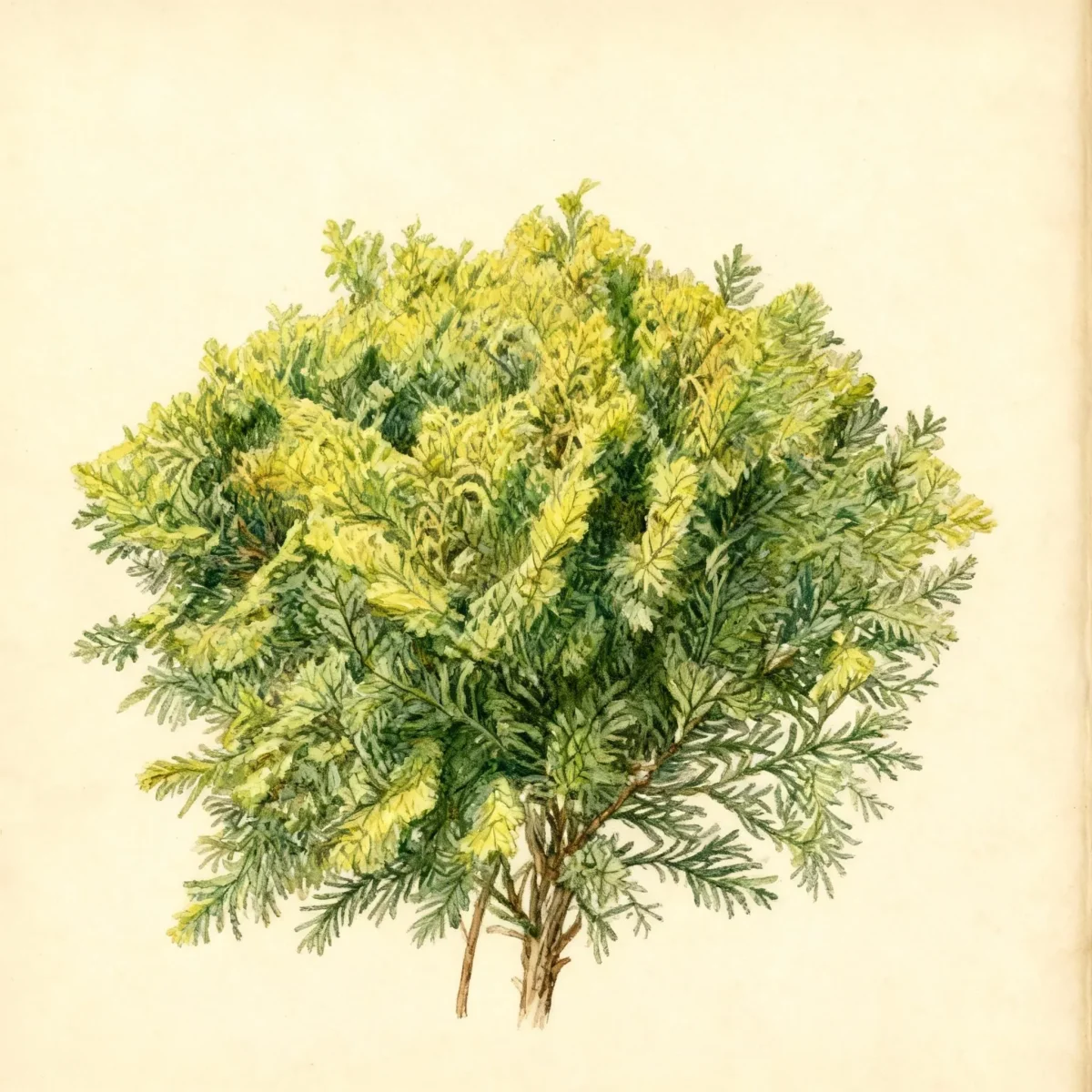
Hinoki cypress (Chamaecyparis obtusa 'Golden Fastigiata')
Dwarf, slow-growing Chamaecyparis obtusa 'Golden Fastigiata'. This Hinoki cypress offers golden foliage in a tight, upright form.
Scroll down to discover growing tips, care requirements, companion plants, and more
Complete Plant Information
Overview
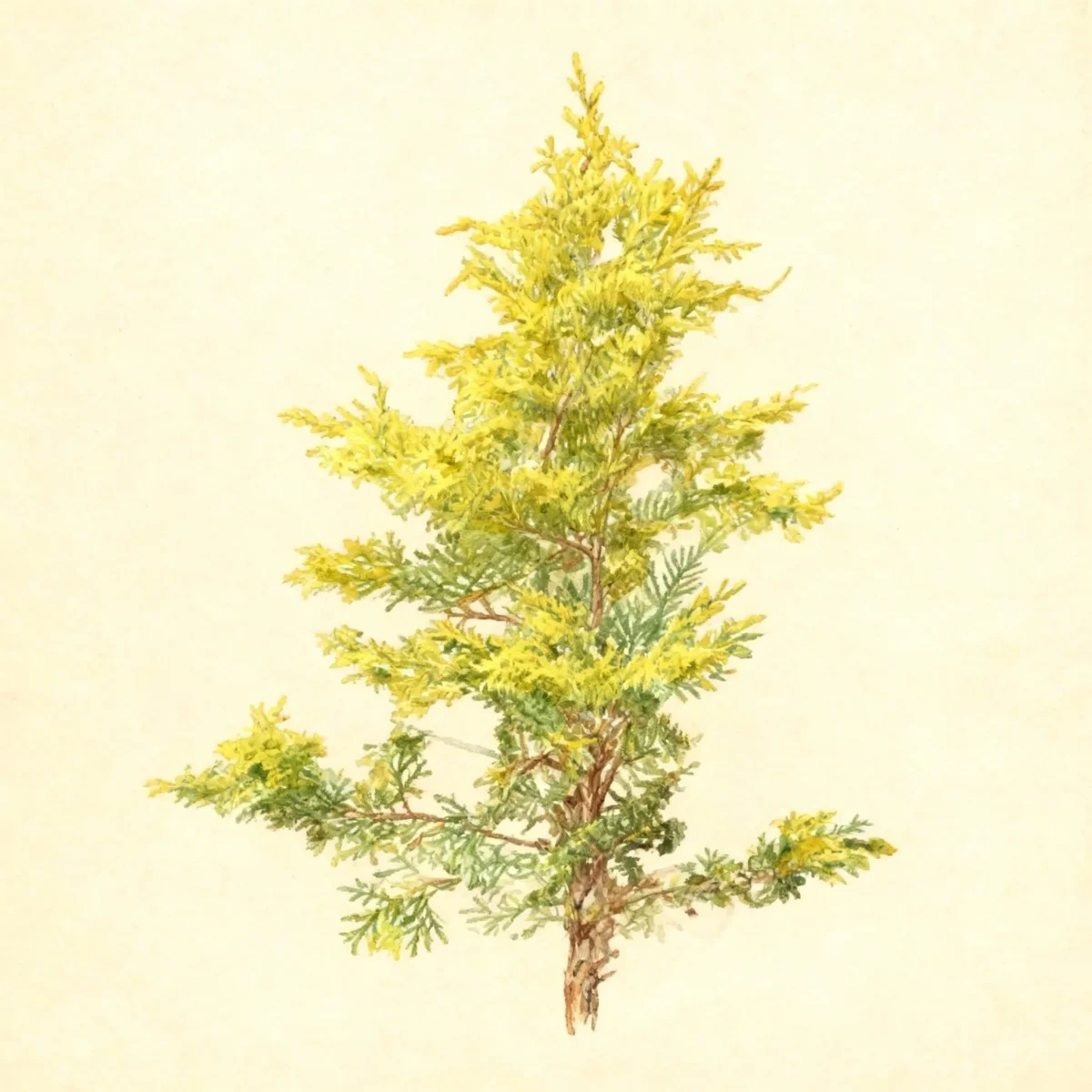
The Chamaecyparis obtusa ‘Golden Fastigiata’ is a highly prized dwarf variety of the Japanese cypress, offering exceptional upright structure and brilliant color for small gardens. This Hinoki cypress cultivar is renowned for its tightly held, fastigiate (narrowly upright) habit, making it an ideal specimen where vertical interest without excessive spread is required. Its slow growth rate ensures it remains manageable for years, providing consistent texture and golden-yellow hues against darker evergreens.
Valued for its low maintenance requirements and striking appearance, the Chamaecyparis obtusa ‘Golden Fastigiata’ brings year-round structure to the landscape. Unlike many larger conifers, this dwarf Hinoki cypress fits seamlessly into foundation plantings, rock gardens, or containers, ensuring its distinctive foliage remains a focal point. Gardeners appreciate its resilience once established, provided basic cultural needs for drainage and moisture are met.
Fast Facts
- Plant Family: Cupressaceae
- Plant Type: Needled evergreen
- Hardiness Zones: USDA Zones 4-8
- Size at Maturity:
- Height: 2-3 ft
- Spread: 1-2 ft
- Bloom Time: Non-flowering
- Bloom Description: Non-flowering
- Sun Exposure: Full sun to part shade
- Water Needs: Medium
- Maintenance Level: Low
How to Grow
Planting the Chamaecyparis obtusa ‘Golden Fastigiata’ is best done in spring or fall when temperatures are moderate, allowing the roots to establish before extreme summer heat or winter cold sets in. Location is critical; while it tolerates part shade, this golden cultivar achieves its best, brightest coloration in full sun. Soil should be average, medium moisture, and critically, very well-drained. Avoid heavy, poorly-drained sites, as these conditions are the primary cause of root rot in cypresses.
Maintenance for this slow-growing conifer is generally considered low. Consistent, medium watering is necessary, especially during the first few seasons until the root system is mature. Ensure the soil remains moist but never waterlogged. Fertilizing is rarely required, though a balanced, slow-release fertilizer applied in early spring can encourage robust new growth.
Pruning needs are minimal for the Chamaecyparis obtusa ‘Golden Fastigiata’ due to its naturally compact, upright shape. If shaping is desired, light trimming of the current year’s growth in late winter or early spring is best. Always shelter this plant from strong, drying winds, which can cause foliage scorching, particularly in exposed winter locations.
Landscape Uses
The compact and upright nature of Chamaecyparis obtusa ‘Golden Fastigiata’ makes it an excellent choice for structured landscape designs. Use it as a formal specimen element to break up repetitive lines in a border or as a vibrant accent against a backdrop of deep green shrubs. Because of its modest size, it excels in small gardens or Asian-inspired landscapes where attention to form and texture is paramount.
This Hinoki cypress also functions beautifully in container gardening, particularly flanking an entryway or patio. When selecting companions, pair it with plants that contrast in texture or color but share similar sun and water needs. Consider low-growing, mounding groundcovers or fine-textured, blue-needled dwarf conifers to highlight the fine sprays of golden foliage. As a specimen evergreen conifer, it provides essential winter interest.
Standout Features
Noteworthy Characteristics
Chamaecyparis obtusa is native to Japan and is commonly known as Hinoki cypress or hinoki falsecypress. The species forms a large evergreen conifer, but cultivars like ‘Golden Fastigiata’ are valued for their compact size, typically maturing slowly to only 3 feet tall and 2 feet wide. This specific cultivar is noted for its flattened horizontal sprays of intense golden-yellow leaves, offering superior color contrast in the garden.
Tolerances
- Some susceptibility to juniper blight
- Susceptible to root rot
- Some susceptibility to certain insect pests such as bagworms
Potential Problems
The primary threats to the health of your Chamaecyparis obtusa ‘Golden Fastigiata’ involve environmental stresses rather than widespread pest outbreaks. The most critical issue to manage is drainage; susceptibility to root rot is high if the soil remains soggy, emphasizing the need for well-drained conditions. Furthermore, like many fine-textured conifers, it can suffer from foliage scorch if exposed to harsh winter winds without adequate shelter.
Insect pests, such as bagworms, can defoliate small sections if left unchecked. Inspect the plant regularly, especially during the active growing season, and manually remove small infestations or apply horticultural oil as appropriate for pest control. Address potential fungal issues like juniper blight promptly by ensuring good air circulation and avoiding overhead watering during humid conditions.
Frequently Asked Questions
What hardiness zones is Hinoki cypress suitable for?
The Chamaecyparis obtusa ‘Golden Fastigiata’ is hardy and adaptable to USDA Zones 4 through 8.
How large does Chamaecyparis obtusa ‘Golden Fastigiata’ grow?
This dwarf cultivar typically matures very slowly, reaching a height between 2 and 3 feet and a spread between 1 and 2 feet wide.
What sun exposure does Chamaecyparis obtusa ‘Golden Fastigiata’ need?
For best color saturation, provide full sun, though it can tolerate partial shade; full sun is preferred for the golden variegation.
When does Hinoki cypress bloom?
This Hinoki cypress is non-flowering, as is typical for conifers in the Cupressaceae family.
Conclusion
The Chamaecyparis obtusa ‘Golden Fastigiata’ offers gardeners a superb combination of vibrant golden color, tight upright form, and low maintenance, making it an invaluable architectural plant for small spaces. Successfully growing this Hinoki cypress relies heavily on ensuring excellent soil drainage and providing adequate sunlight for optimal color. Before planting, confirm your site falls within USDA Zones 4-8 and prepare the soil to be well-drained for long-term success.
Companion Planting
When selecting companions for the Chamaecyparis obtusa ‘Golden Fastigiata’, focus on creating strong textural and color contrasts. Because this plant thrives in the same conditions as many rhododendrons and azaleas (moist, acidic soil), these broadleaf evergreens make excellent neighbors, providing deep green foliage that makes the golden sprays of the dwarf cypress really pop. Avoid planting near species that require dry, lean soil, as this will stress the cypress.
For a sophisticated mixed border, consider pairing the upright Hinoki cypress with low, mounding plants like creeping thyme or dwarf mondo grass (Ophiopogon japonicus ‘Nigrescens’) to contrast its vertical lines with horizontal spread. This variety works perfectly near pathways or entryways where its slow, controlled growth won’t overwhelm the hardscape.
Design Ideas for Compact Conifers
Dwarf cultivars like Chamaecyparis obtusa ‘Golden Fastigiata’ are essential tools in contemporary landscape design, especially where space is premium. Use them in groupings of odd numbers (threes or fives) to establish rhythm without creating a dense hedge; their upright habit maintains an open feel beneath them. They are superb for breaking up large expanses of mulch or gravel in xeriscaping approaches, provided water needs are met early in establishment.
In contemporary suburban lots, utilize this plant near hardscape elements such as stone walls or concrete patios. The soft texture of the cypress foliage beautifully contrasts the linear, hard texture of stone and metal accents. Furthermore, because it is a sturdy evergreen, it ensures that the garden retains structure and visual interest even after deciduous plants have dropped their leaves.