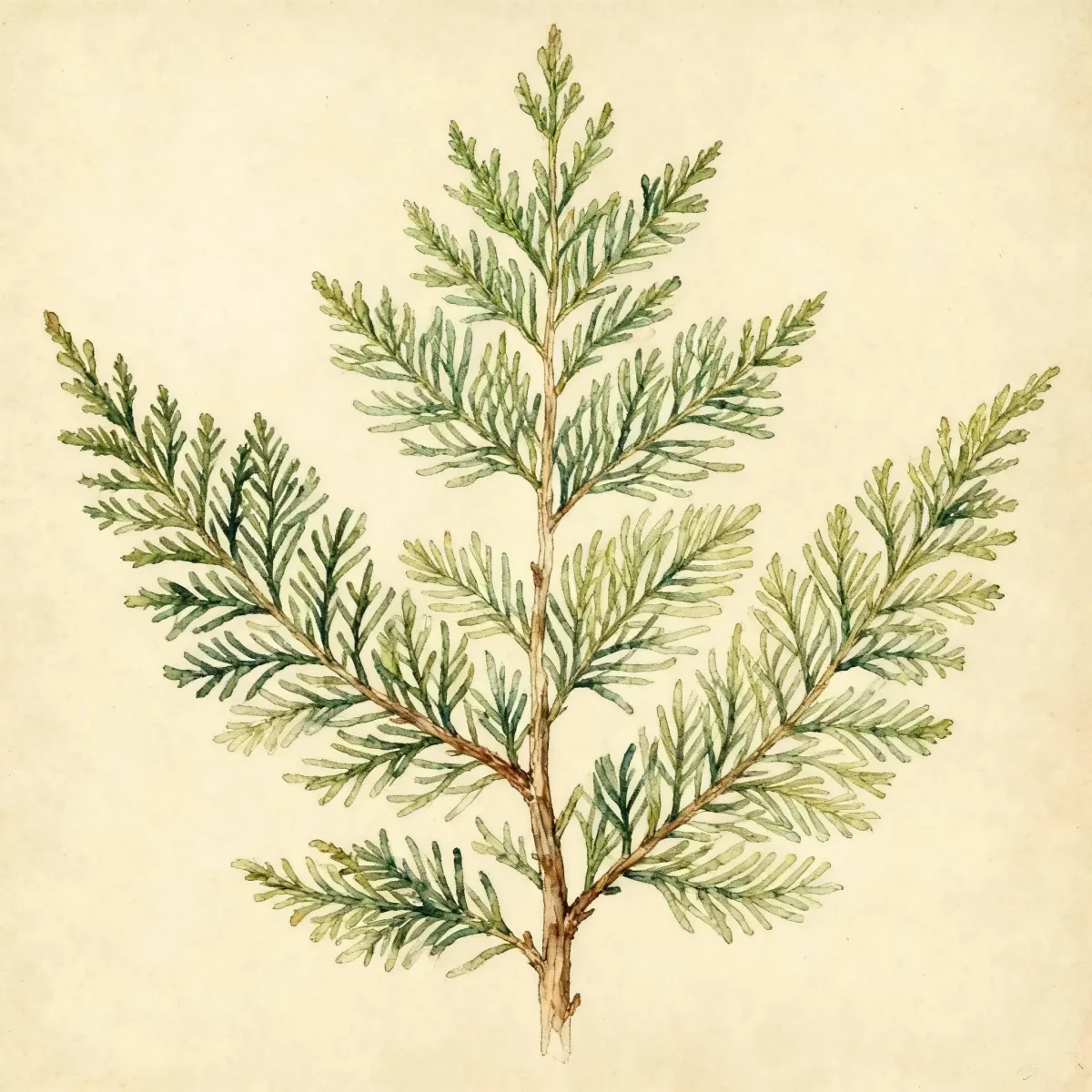
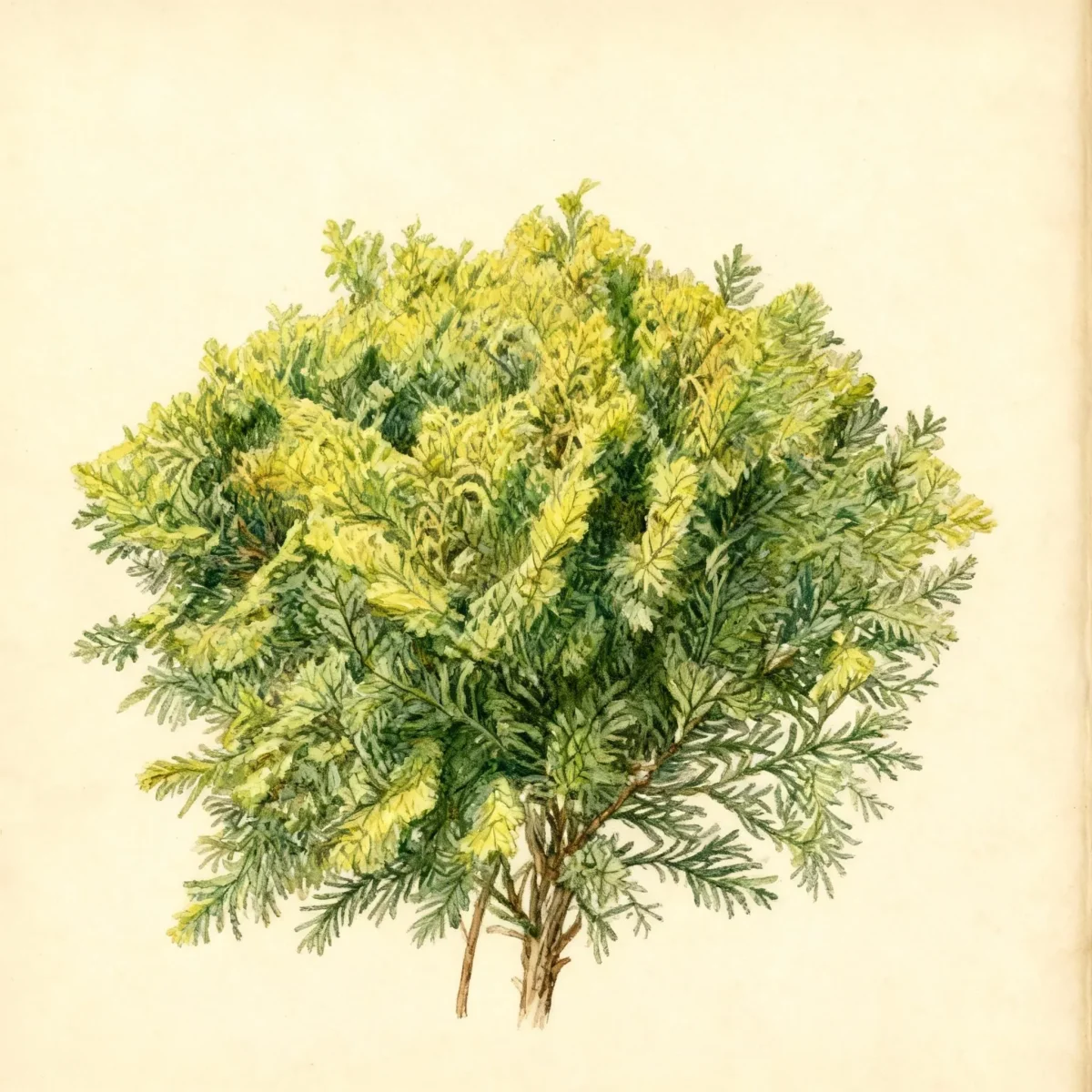
Hinoki cypress (Chamaecyparis obtusa 'Golden Whorl')
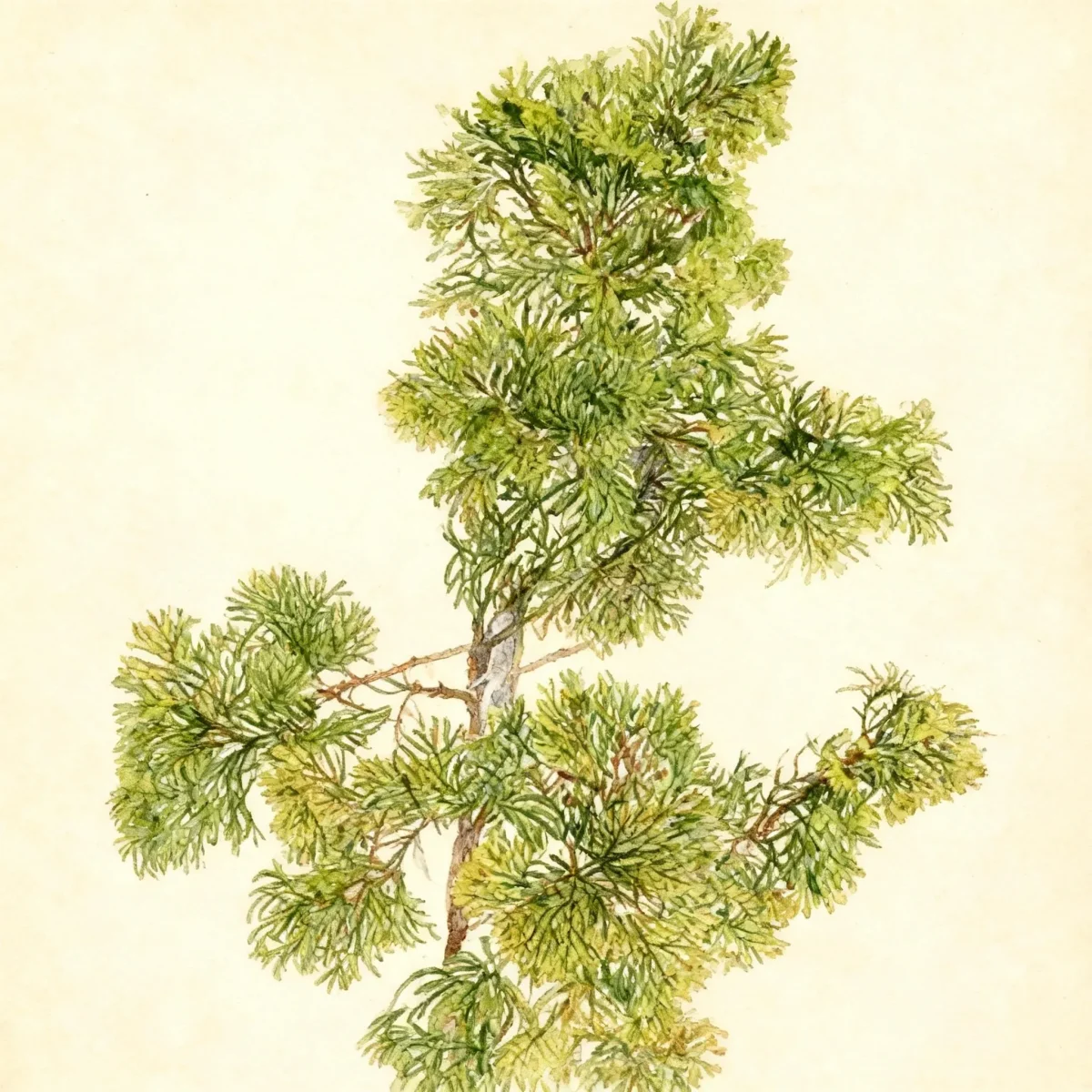
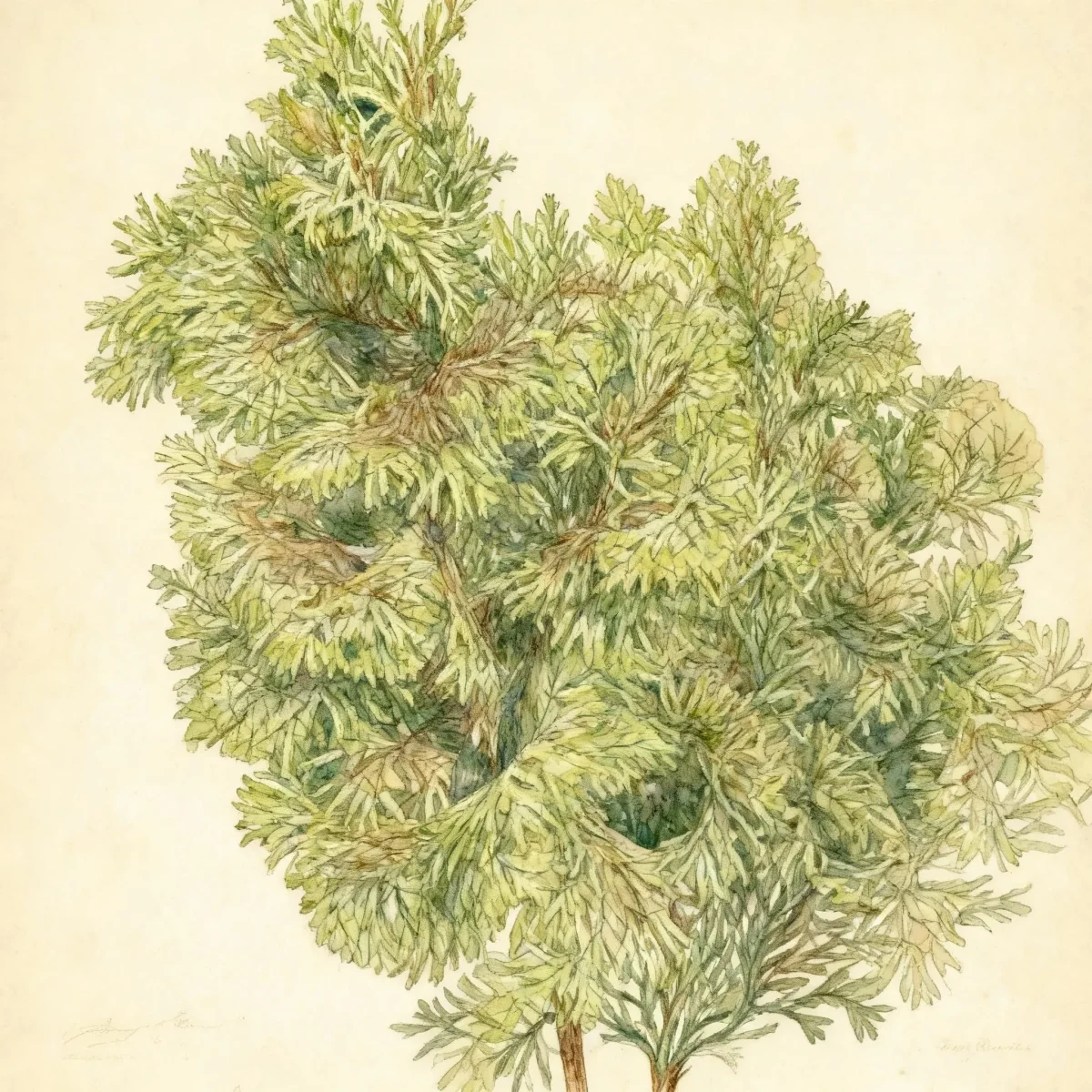
The Chamaecyparis obtusa 'Golden Whorl' is a slow-growing Hinoki cypress cultivar featuring unique, twisted, golden yellow foliage.
Scroll down to discover growing tips, care requirements, companion plants, and more
Complete Plant Information
Overview
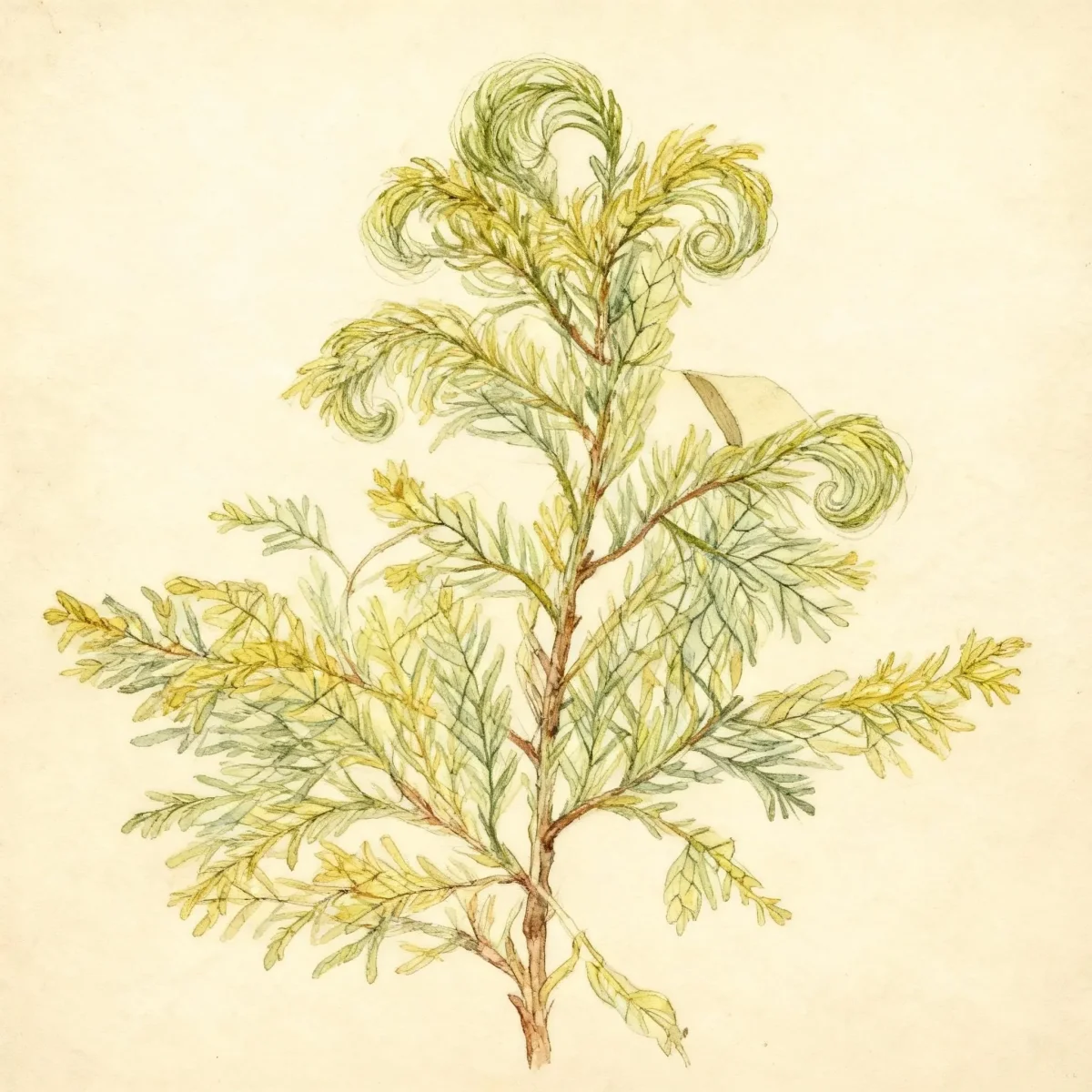
The Chamaecyparis obtusa ‘Golden Whorl’, commonly known as Hinoki cypress, offers exceptional textural and color interest for the smaller garden space. This cultivar is highly valued for its slow growth and unique, mounding habit, setting it apart from the towering species form. Its standout feature is the distinctive rope-like foliage that glows golden yellow, providing year-round structure.
This evergreen conifer provides reliable color and form, maturing into a rounded mound perfect for accent planting. While the species is a large tree, the compact nature of the ‘Golden Whorl’ ensures it remains manageable in suburban landscapes. Its low maintenance requirements make it an excellent choice for gardeners seeking high-impact specimen evergreens without significant upkeep.
As a golden-leaved hinoki cypress, ‘Golden Whorl’ brings light reflective qualities to shaded areas, although it thrives best with ample sun exposure. It is celebrated for maintaining its structure and color through multiple seasons, offering dependable visual interest when many other plantings fade.
Fast Facts
- Plant Family: Cupressaceae
- Plant Type: Needled evergreen
- Hardiness Zones: USDA Zones 4-8
- Size at Maturity:
- Height: 3-4 ft
- Spread: 4-5 ft
- Bloom Time: Non-flowering
- Bloom Description: Non-flowering
- Sun Exposure: Full sun to part shade
- Water Needs: Medium
- Maintenance Level: Low
How to Grow
Planting Chamaecyparis obtusa ‘Golden Whorl’ is best done in the spring or fall when temperatures are moderate. Ensure the location provides well-drained soil, as this juniper cypress dislikes sitting in waterlogged conditions. While it tolerates part shade, achieving the brightest golden coloration requires planting it in full sun.
Watering needs are medium, requiring consistent moisture, especially during the establishment phase. After planting, water regularly until the root system is fully developed. Mature plants are relatively drought-tolerant but prefer fertile, moist soil throughout the growing season. Avoid overly wet areas to prevent root rot issues common to this family.
Maintenance for this Hinoki cypress is generally low. Pruning is rarely needed due to its naturally compact, rounded shape, though light trimming can be performed in early spring to refine the silhouette. Protect the plant from strong winds, which can scorch or damage the delicate branch tips. Foliage may acquire bronze tones when exposed to winter cold, adding seasonal complexity.
Landscape Uses
The compact size of the Chamaecyparis obtusa ‘Golden Whorl’ makes it an exceptional specimen evergreen conifer in smaller garden settings. Its bright color ensures it serves as a focal point, drawing the eye without overwhelming surrounding plantings. It performs wonderfully as a standalone accent near entryways or in rock gardens where its texture can be appreciated up close.
Consider using this golden cultivar to offset darker green plantings, creating high contrast in foundation beds or mixed borders. Because it maintains a defined shape, it works well as a low, informal screen or as textural anchors along pathways. It pairs aesthetically with broadleaf evergreens or deciduous shrubs that offer varied leaf shapes.
Designers value Chamaecyparis obtusa ‘Golden Whorl’ for its year-round presence. It serves admirably in contemporary or Japanese-inspired gardens where structure and nuanced color are key design elements. Its slow nature means placement decisions will remain relevant for many years.
Standout Features
Noteworthy Characteristics
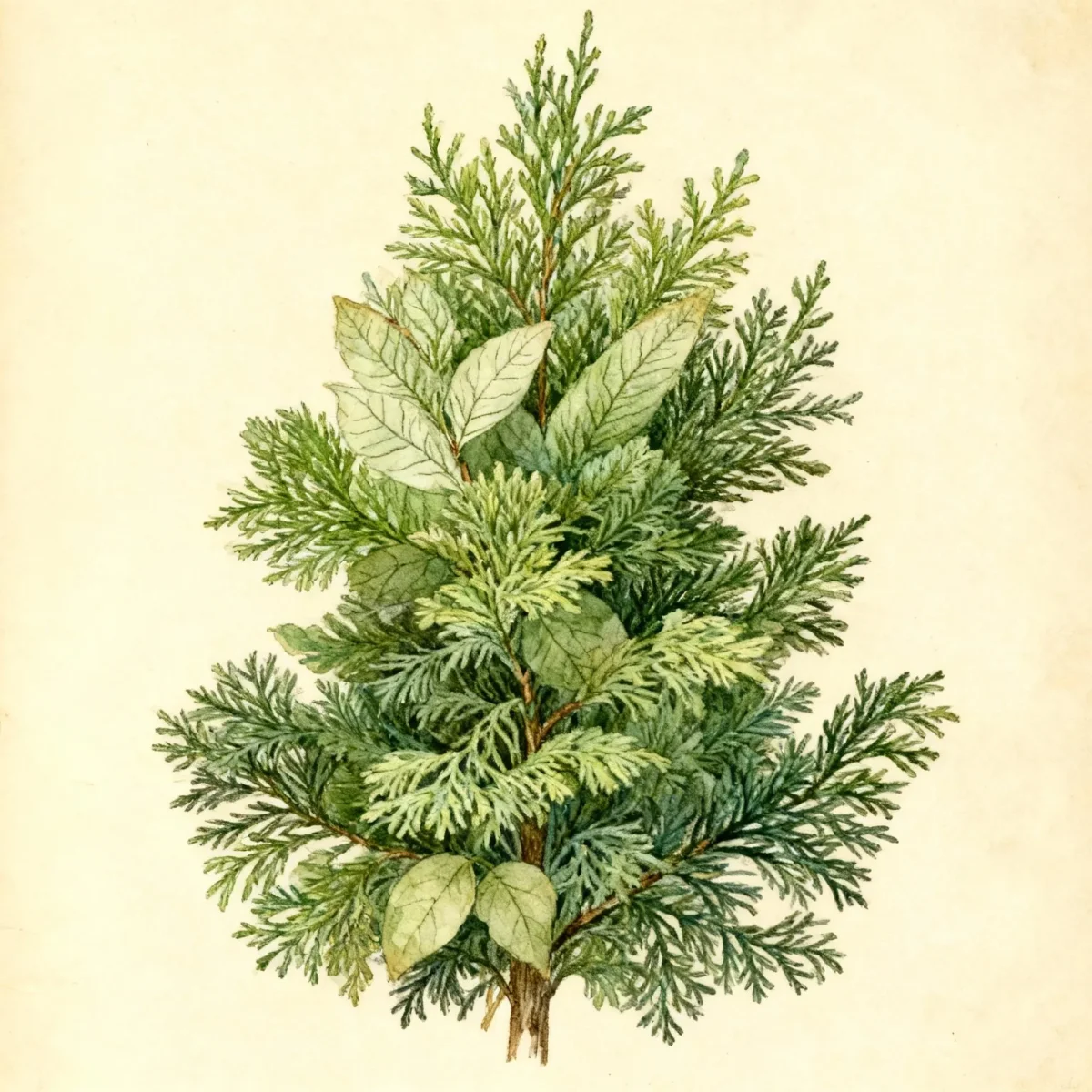
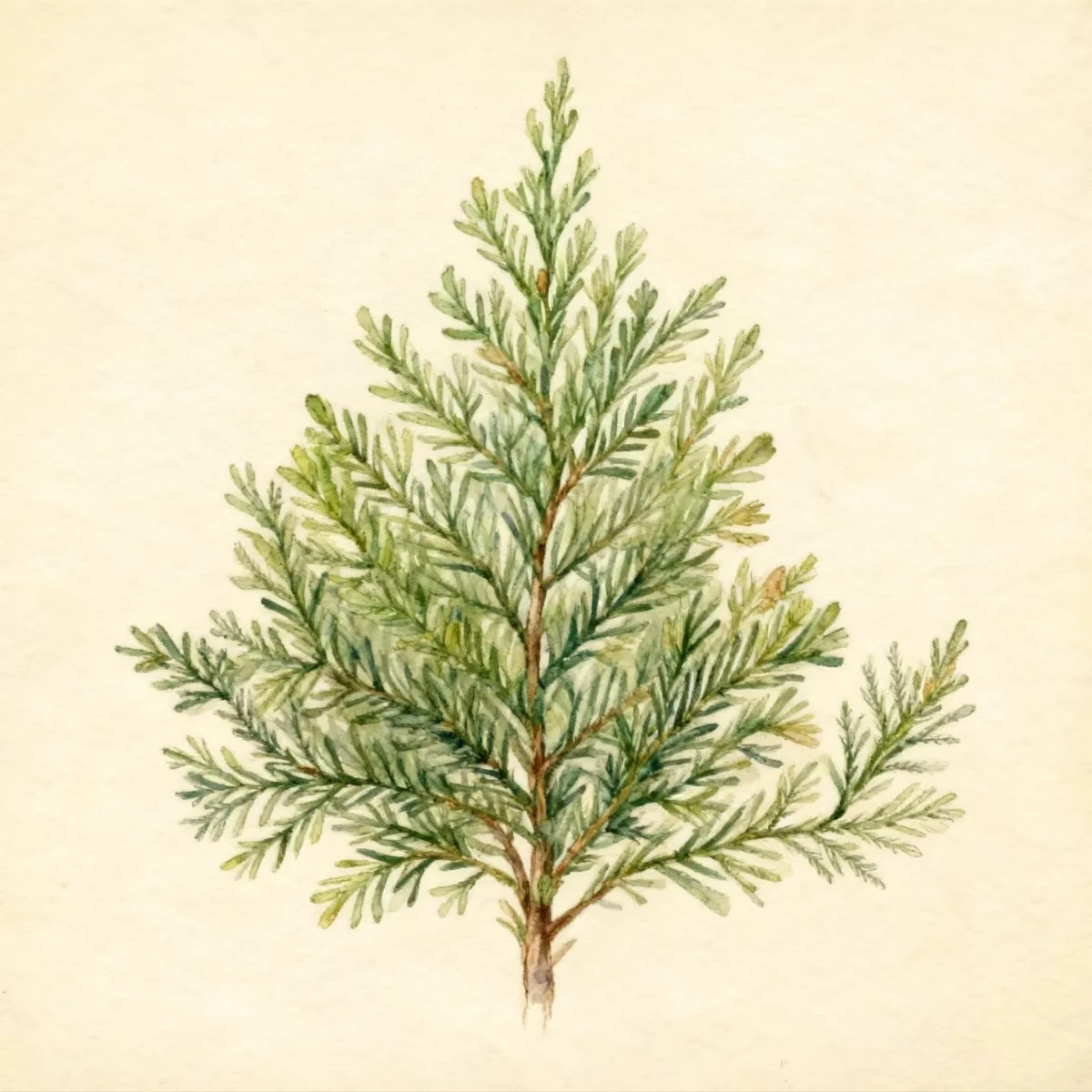
Chamaecyparis obtusa is native to Japan and is commonly known as hinoki cypress or hinoki falsecypress. The species showcases spreading branches with flattened, drooping branchlets and aromatic foliage. The ‘Golden Whorl’ cultivar specifically grows slowly in a rounded mound, recognized by its signature rope-like, golden yellow foliage that twists and curls upwards. Branchlets often display fasciated tips, and the foliage deepens to bronze tones during the winter months.
Tolerances
- Susceptible to juniper blight
- Susceptible to root rot
- Susceptible to certain insect pests such as bagworms
Potential Problems
While generally robust, gardeners should monitor Chamaecyparis obtusa ‘Golden Whorl’ for specific issues. The primary concerns relate to fungal diseases like juniper blight, which can cause dieback, and root rot if drainage is poor. Ensuring adequate air circulation and avoiding overhead spring watering can help mitigate fungal risks.
Insects such as bagworms can occasionally infest the foliage. Inspect the plant regularly, particularly in spring when pests are small, and remove any visible webbing or masses manually. Prompt action prevents significant defoliation, maintaining the excellent appearance of this Hinoki cypress.
Frequently Asked Questions
What hardiness zones is Hinoki cypress suitable for?
The Chamaecyparis obtusa ‘Golden Whorl’ is hardy and successfully grown in USDA Hardiness Zones 4 through 8.
How large does Chamaecyparis obtusa ‘Golden Whorl’ grow?
This dwarf cultivar typically reaches a height between 3 to 4 feet and spreads approximately 4 to 5 feet wide at maturity.
What sun exposure does Chamaecyparis obtusa ‘Golden Whorl’ need?
This golden-leaved evergreen performs best when situated in full sun, although it can tolerate partial shading, which may slightly dull the intensity of the golden foliage.
When does Hinoki cypress bloom?
Both the species and this cultivar are non-flowering plants; they produce small cones instead of showy blooms.
Conclusion
The Chamaecyparis obtusa ‘Golden Whorl’ is a highly rewarding, low-maintenance conifer that delivers irreplaceable texture and year-round golden color to the landscape. Its compact, rounded form makes the Hinoki cypress perfect for accent planting where space is limited. Assess your local hardiness zone and soil drainage before selecting the ideal spot for this beautiful yellow specimen.
Design Ideas for Golden Foliage
The unique coloration of Chamaecyparis obtusa ‘Golden Whorl’ makes it an outstanding transitional element in garden design. Use it near cool-toned hardscaping, such as blue-gray slate or white gravel, to maximize the visual impact of the gold. It serves excellently as a single specimen to break up long stretches of uniform green foundation plantings.
To enhance its winter interest, pair this cultivar with plants that provide deep, dark contrast during the colder months. Japanese forest grass (Hakonechloa macra) or dark-leaved Heuchera varieties planted nearby will make the golden whorls pop when the background color deepens.
Companion Planting Considerations
When selecting companions for this Hinoki cypress, prioritize plants that share similar cultural needs, focusing on well-drained soils and medium water requirements. Woodland perennials that thrive in dappled light, such as Japanese painted ferns or Astilbe, can complement its texture if the planting site is not in constant hot, full sun all day.
Avoid planting anything aggressive or overly vigorous immediately next to the Chamaecyparis obtusa ‘Golden Whorl.’ Since it is a slow grower, aggressive neighbors can quickly suppress its form. Opt for careful positioning to ensure this special specimen receives the space necessary to display its unique rope-like foliage structure.