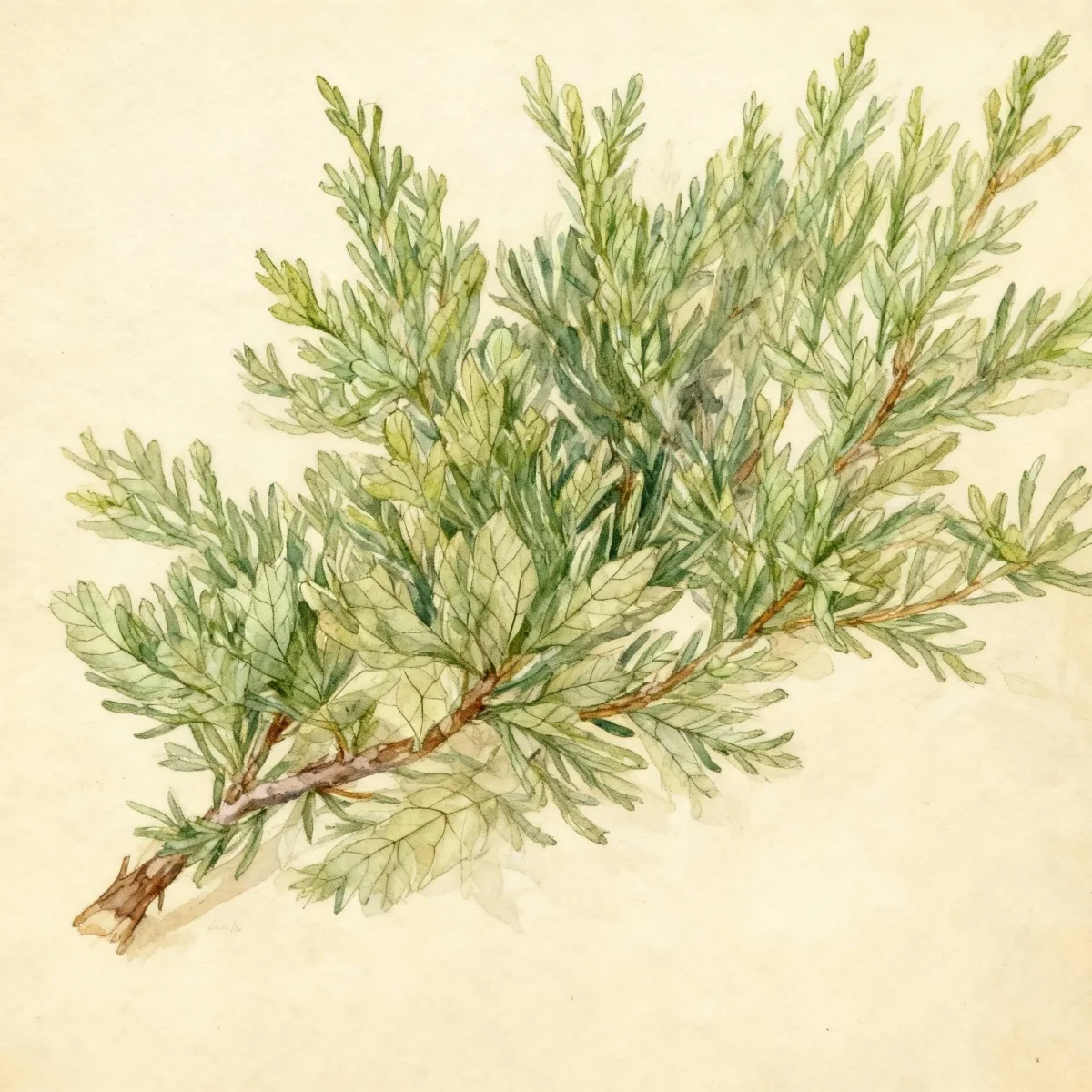
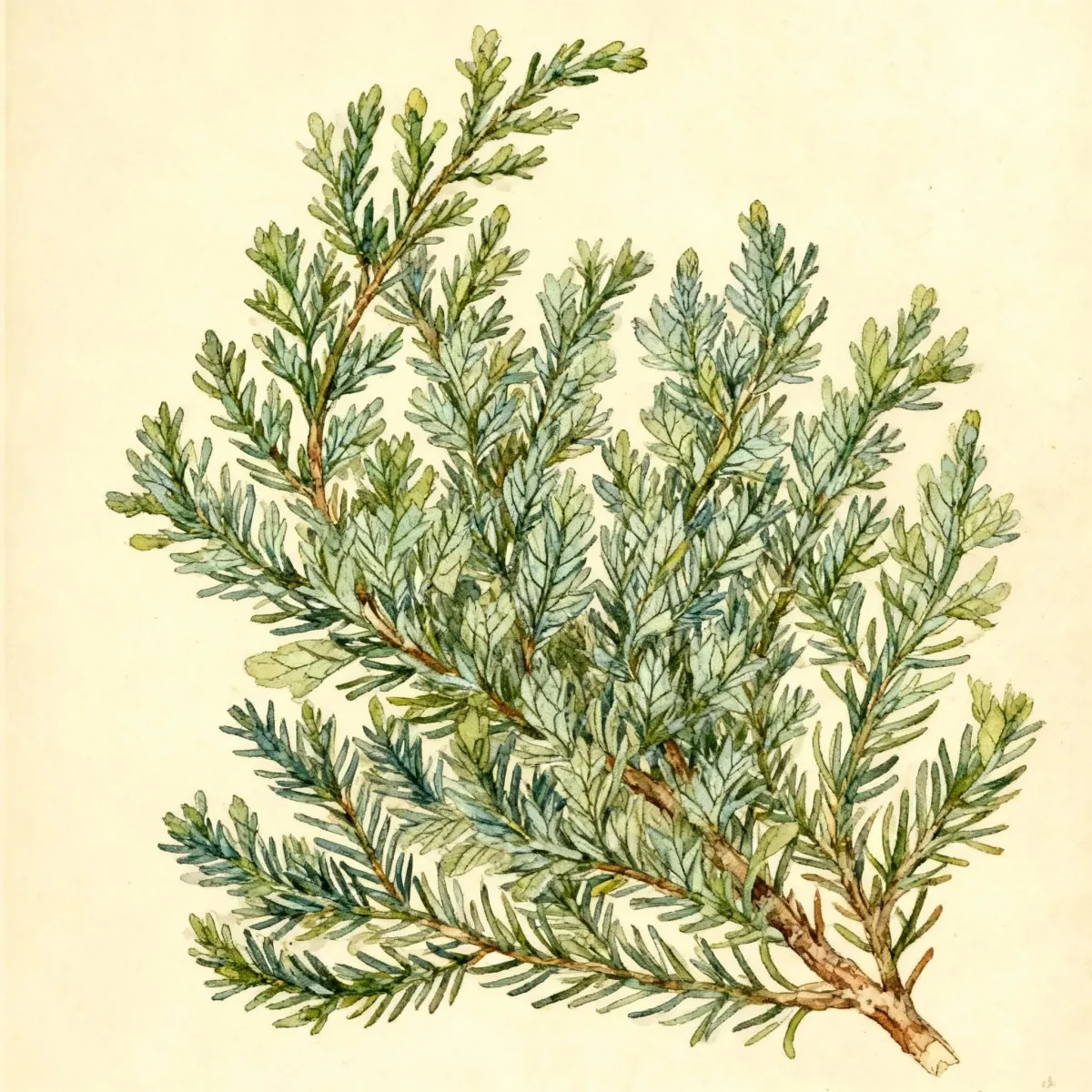
Creeping juniper (Juniperus horizontalis 'Blue Forest')
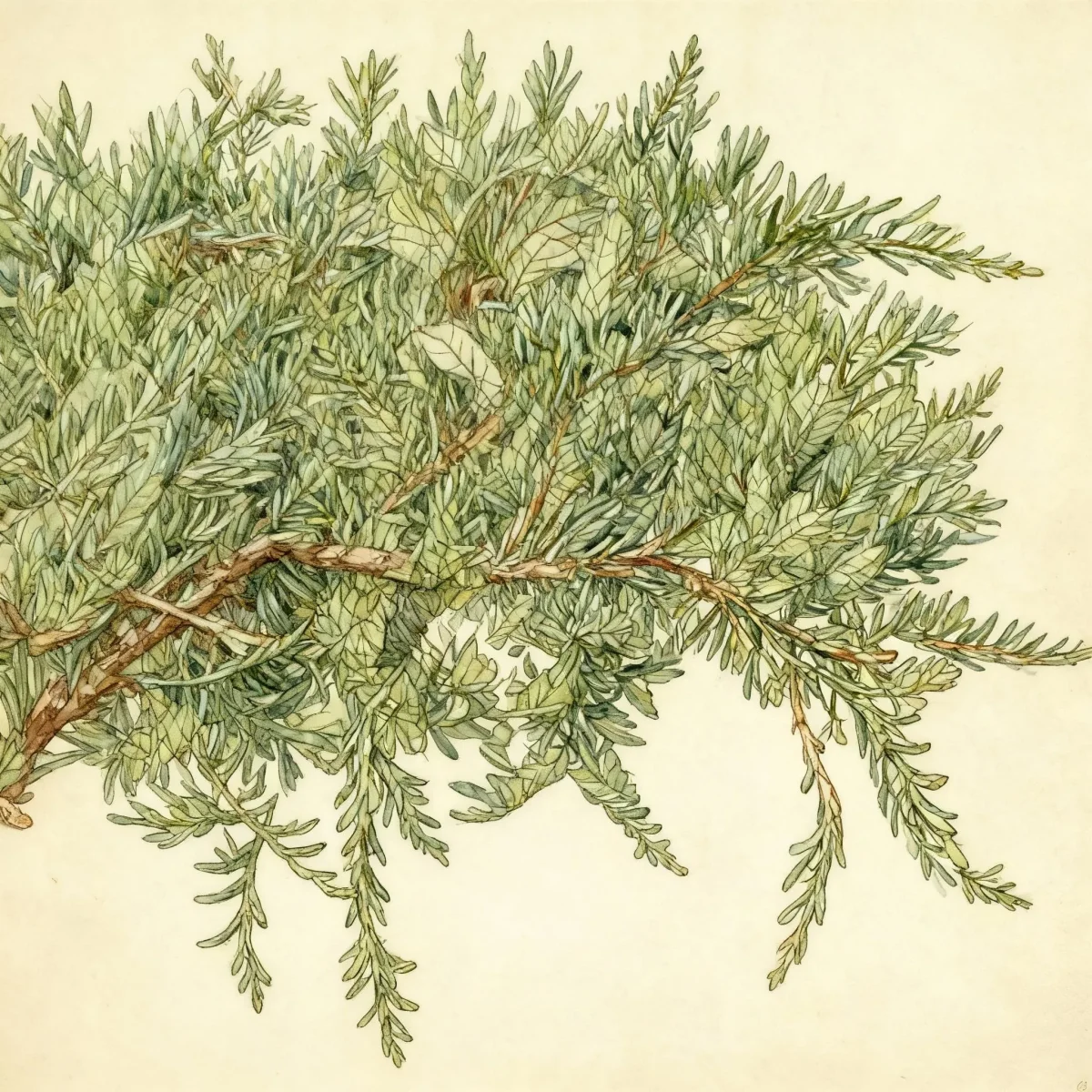
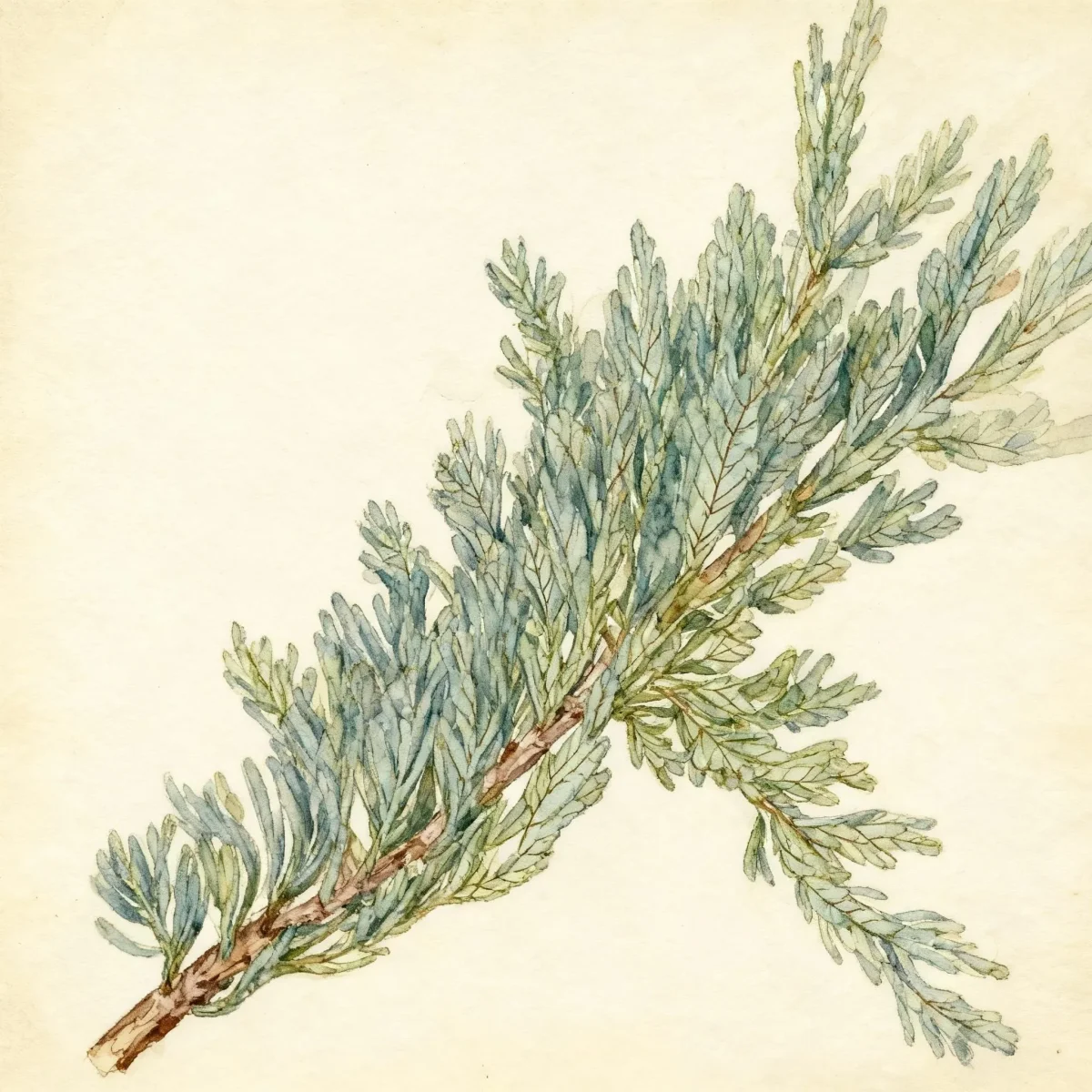
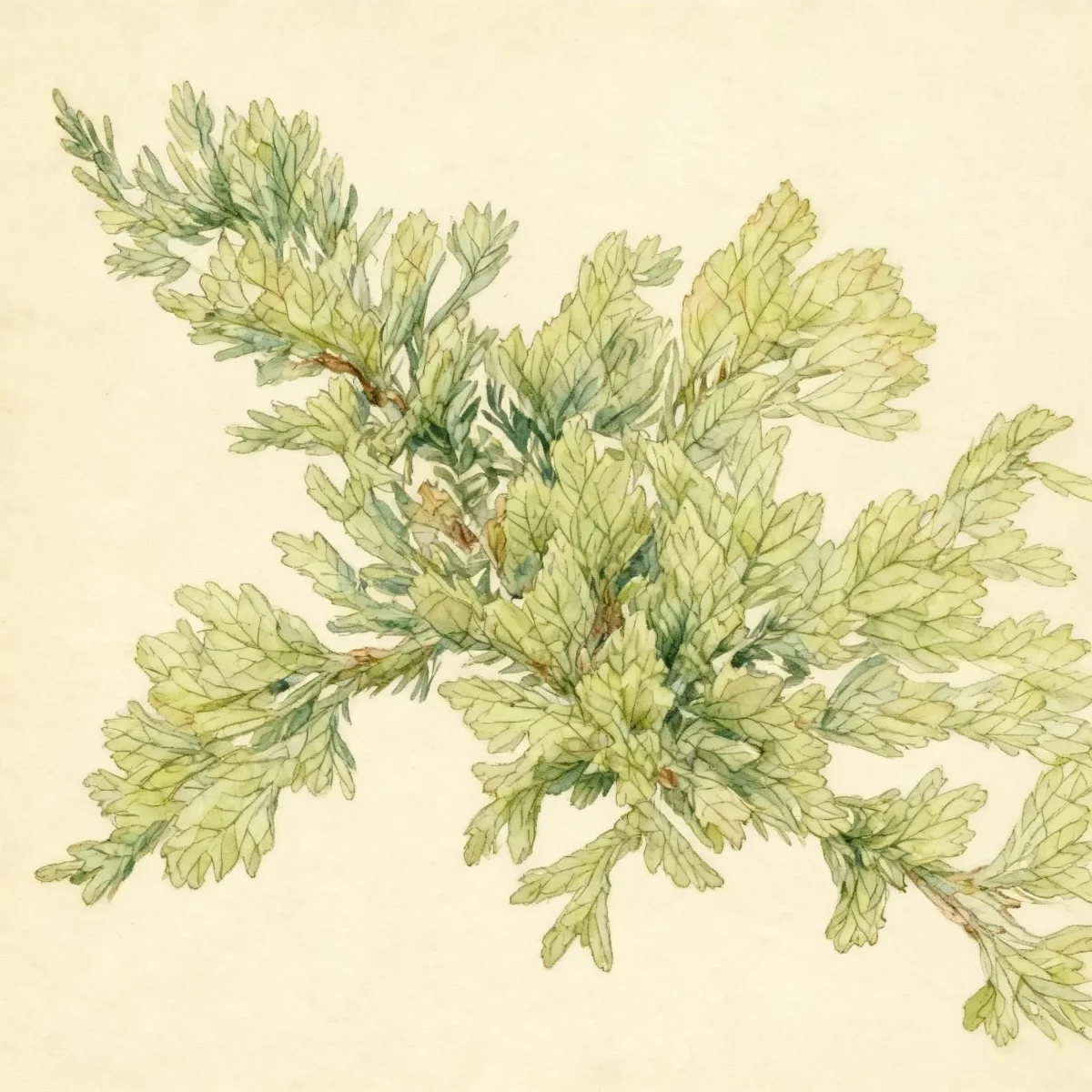
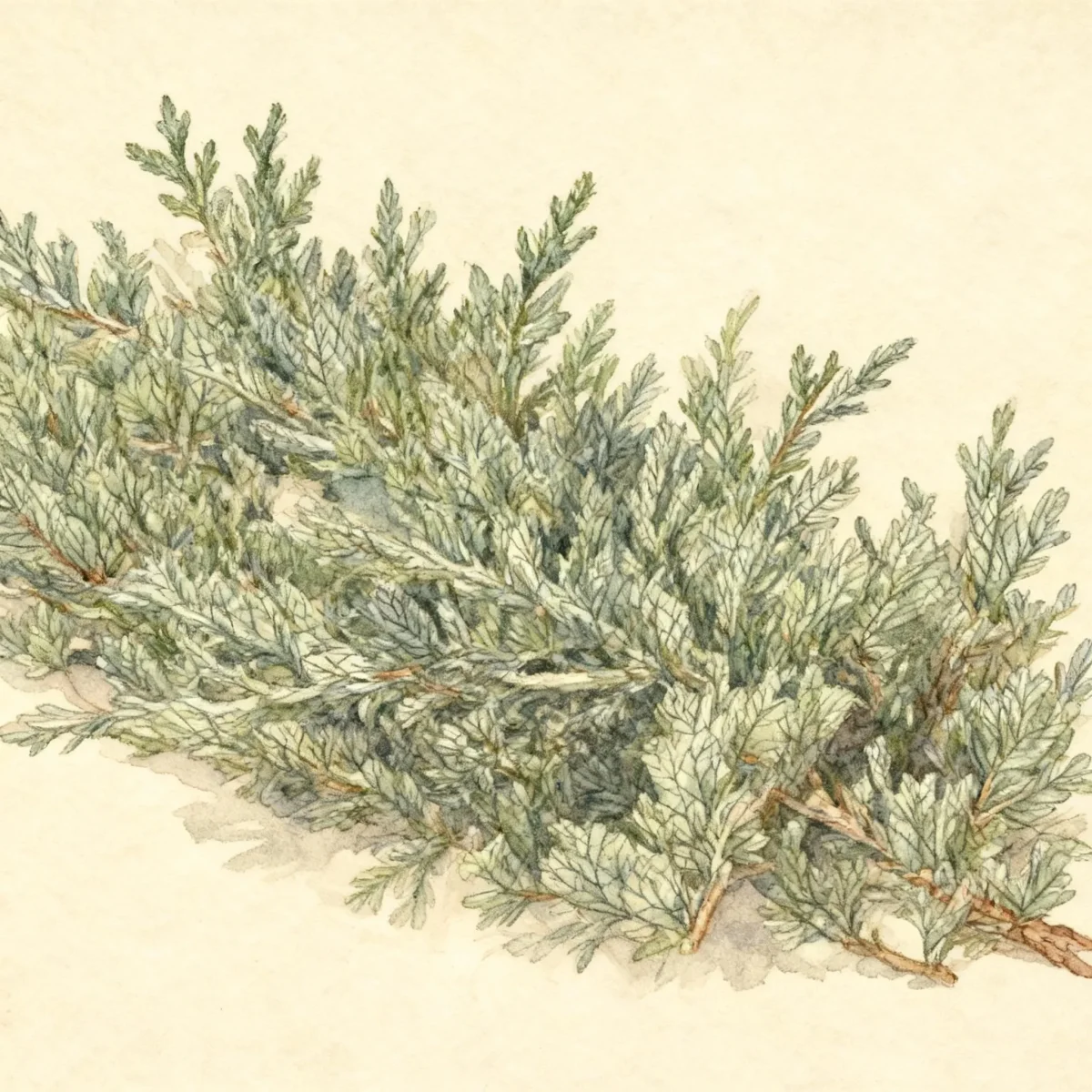
Juniperus horizontalis 'Blue Forest' is a stunning, low-spreading Creeping juniper. Ideal for ground cover, its foliage turns purple in winter.
Scroll down to discover growing tips, care requirements, companion plants, and more
Complete Plant Information
Overview
Juniperus horizontalis ‘Blue Forest’ offers exceptional year-round color and texture, making it a favorite among landscape designers seeking durable groundcover solutions. This variety of creeping juniper establishes a dense, mat-like habit, defined by ascending branchlets that mimic a miniature forest landscape. Its value lies in its resilience and ability to suppress weeds while draping beautifully over tough terrain.
This procumbent evergreen is highly adaptable, thriving in challenging environments that would stress softer plantings. Gardeners appreciate the foliage transformation; while primarily blue-green during the growing season, the needles develop rich purple tones as temperatures drop in winter, providing crucial seasonal interest. The low profile of this creeping juniper ensures it remains useful without obstructing views or overwhelming smaller garden vignettes.
Overall, Juniperus horizontalis ‘Blue Forest’ serves as a tough, low-maintenance foundation plant capable of handling hot, dry conditions once established. Its ability to anchor slopes and soften hard edges makes it an indispensable component for effective, long-term landscape planning where dependable ground cover is required.
Fast Facts
- Plant Family: Cupressaceae
- Plant Type: Needled evergreen
- Hardiness Zones: USDA Zones 3-9
- Size at Maturity:
- Height: 0.75-1 ft
- Spread: 3-4 ft
- Bloom Time: Non-flowering
- Sun Exposure: Full sun
- Water Needs: Medium
- Maintenance Level: Low
How to Grow
Planting your Juniperus horizontalis ‘Blue Forest’ is best done when dormant, either in early spring or fall, allowing the roots time to establish before summer stress or deep winter freezes. Ensure the planting site receives full sun, as this is critical for maintaining the compact habit and intense blue-purple seasonal color. This creeping juniper readily adapts to various soils, but excels in average, well-drained conditions, preferring a site that is on the drier side, such as sandy or rocky ground.
Water requirements are medium; maintain consistent moisture during the initial establishment period, watering deeply when the top inch of soil feels dry. Once established, the drought tolerance of this plant allows for reduced supplemental watering, making it excellent for low-water landscapes. Fertilization is rarely necessary; excessive nutrients often lead to looser, less desirable growth forms, so apply slow-release fertilizer only if growth appears stunted in poor soils.
Pruning is generally minimal for this low-growing variety. Focus on removing any dead or damaged foliage found in the interior of the mat during early spring cleanup. A key consideration for all junipers is avoiding wet, poorly drained soils, as Juniperus horizontalis is highly intolerant of these conditions, which greatly increases the risk of root rot.
Landscape Uses
As a versatile, sprawling ground cover, Juniperus horizontalis ‘Blue Forest’ excels in mass plantings across challenging sites. Its dense coverage makes it an excellent choice for stabilizing slopes, effectively mitigating erosion with its tenacious root system. The creeping habit is perfect for softening the edges of retaining walls or defining the border along pathways where a neat, low profile is desired.
This tough evergreen also performs admirably in rock gardens, mimicking the natural environments where native junipers thrive. It handles the heat radiating from stone paths and foundations exceptionally well, offering year-round texture contrast against hardscaping materials. For large areas needing reliable, functional coverage, massing this creeping juniper creates a robust, weed-suppressing carpet.
When selecting companions, choose other xeric, sun-loving perennials or small shrubs that complement its blue-purple tones. Consider planting near Sedum varieties or low-growing ornamental grasses that share similar soil and water requirements, ensuring a cohesive, drought-tolerant planting scheme.
Standout Features
Noteworthy Characteristics
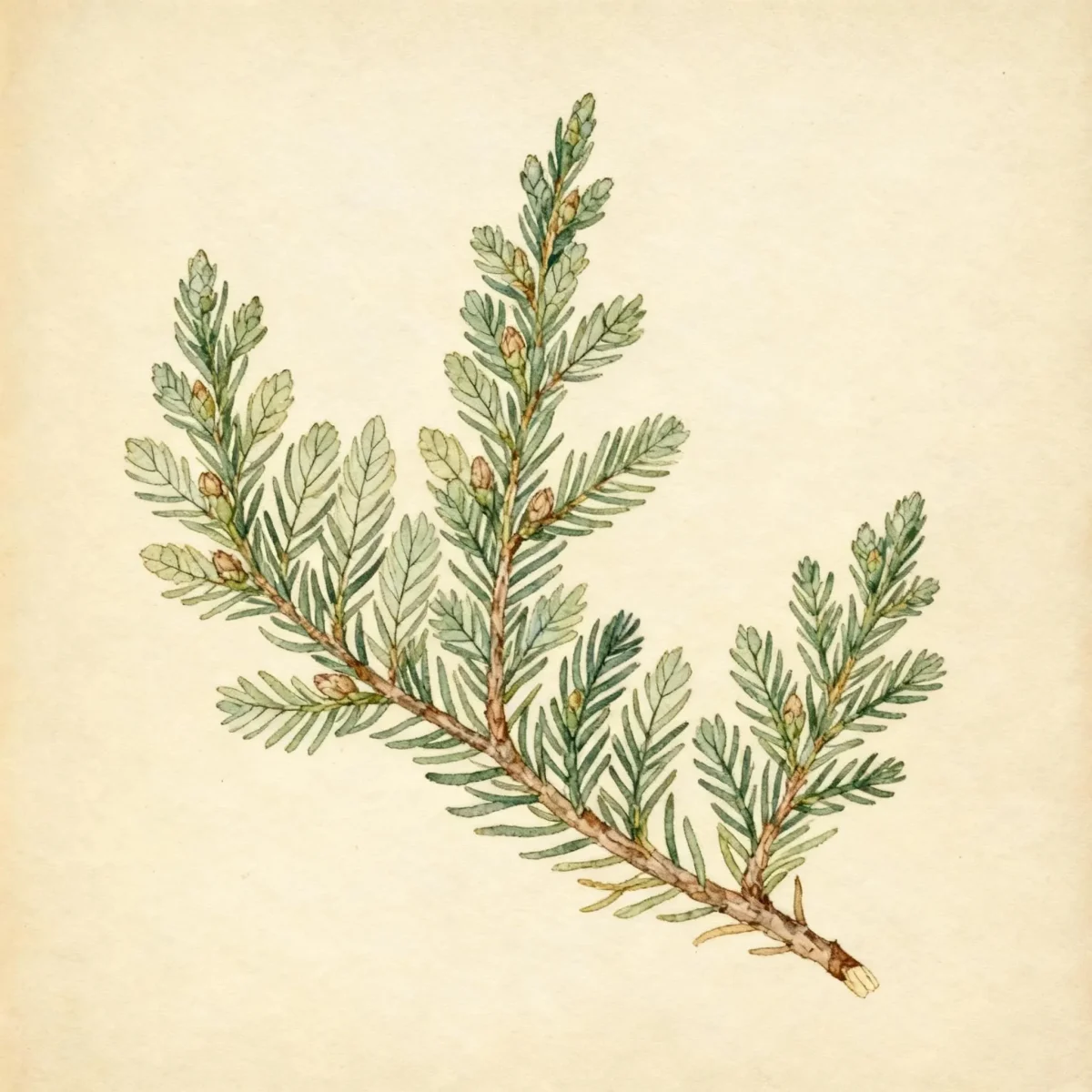
Juniperus horizontalis, commonly called creeping juniper, is a procumbent evergreen shrub that is native to Alaska, Canada and the northern U.S. It typically forms a low groundcover that spreads by long trailing branches to form an often-dense mat, with foliage that transitions from green to blue-green, acquiring deeper purple tones in winter. Specifically, ‘Blue Forest’ is a dwarf shrub that grows on ascending branchlets, creating the unique visual appearance of a tiny spruce forest, boasting foliage that deepens to blues and purples in cold weather.
Tolerances
- Deer
- Drought
- Erosion
- Shallow-Rocky Soil
Potential Problems
While typically robust, gardeners should monitor for a few common issues. Junipers are generally susceptible to blights, which cause dieback at the stem tips, often exacerbated during unusually wet or rainy springs; ensuring excellent air circulation helps mitigate this risk. Root rot is a significant concern if planted in wet, poorly drained soils, leading to plant failure, so site selection based on drainage is paramount for successful establishment of Juniperus horizontalis ‘Blue Forest’.
Occasional insect pests include aphids, scale, bagworms, and webworm; these are usually treatable with horticultural oils or insecticidal soaps applied at first detection. Rust diseases, like cedar-apple rust, also spend part of their life cycle on junipers, so avoid planting near susceptible apples or hawthorns if possible to break the disease cycle.
Frequently Asked Questions
What hardiness zones is Creeping juniper suitable for?
Juniperus horizontalis ‘Blue Forest’ is suitable for USDA Zones 3-9, offering excellent resilience across a broad climatic range.
How large does Juniperus horizontalis ‘Blue Forest’ grow?
This low-spreading cultivar generally reaches a height between 0.75 and 1 foot tall, spreading out 3 to 4 feet wide.
What sun exposure does Creeping juniper need?
This plant demands full sun exposure to achieve its best coloration and tight, dense growth habit.
When does Creeping juniper bloom?
This plant is non-flowering, as it is a conifer, producing small, fleshy blue berries in nature, though these are often absent on cultivated forms.
Conclusion
The Juniperus horizontalis ‘Blue Forest’ stands out as one of the most reliable and visually interesting low-growing evergreens available, prized for its low maintenance and seasonal color shift to deep purples. Whether you need erosion control on a dry slope or dependable edging, this creeping juniper provides dense coverage and superior toughness. Before planting, confirm your site receives full sun and has well-drained soil to ensure your Juniperus horizontalis ‘Blue Forest’ thrives for years to come.
Companion Planting
Since Juniperus horizontalis ‘Blue Forest’ thrives in full sun and prefers dryish, sandy, or poor soils, ideal companions are drought-tolerant plants that do not require rich organic matter. Consider pairing it with native prairie grasses or various ornamental grasses that offer contrasting textures against the fine, needle-like foliage of the juniper. Low-growing, silver-leaved perennials, such as certain artemisias or lamb’s ears (though these may require more summer water), can amplify the blue tones of the foliage.
The key is matching cultural needs—look for plants noted for thriving in hot, dry conditions, as this creeping juniper tolerates extreme circumstances. Avoid setting it near moisture-loving woodland plants, as the juniper’s intolerance to wet soil will cause problems for the entire grouping, especially near its roots.
Designing with Foliage Color
The dynamic color palette of Juniperus horizontalis ‘Blue Forest’ offers unique design opportunities, especially during the colder months. The winter transition to deep blue and purple hues contrasts sharply with many traditional evergreen shades. Use this plant near yellow- or gold-leafed deciduous shrubs that still provide color contrast when the juniper deepens its tone.
Placing this low mat near structural elements, like large boulders or retaining wall stones, emphasizes its horizontal spread and texture. The low 0.75 to 1-foot height ensures it never obscures background plantings or architectural features, making it perfect for foundation plantings where height restriction is essential.