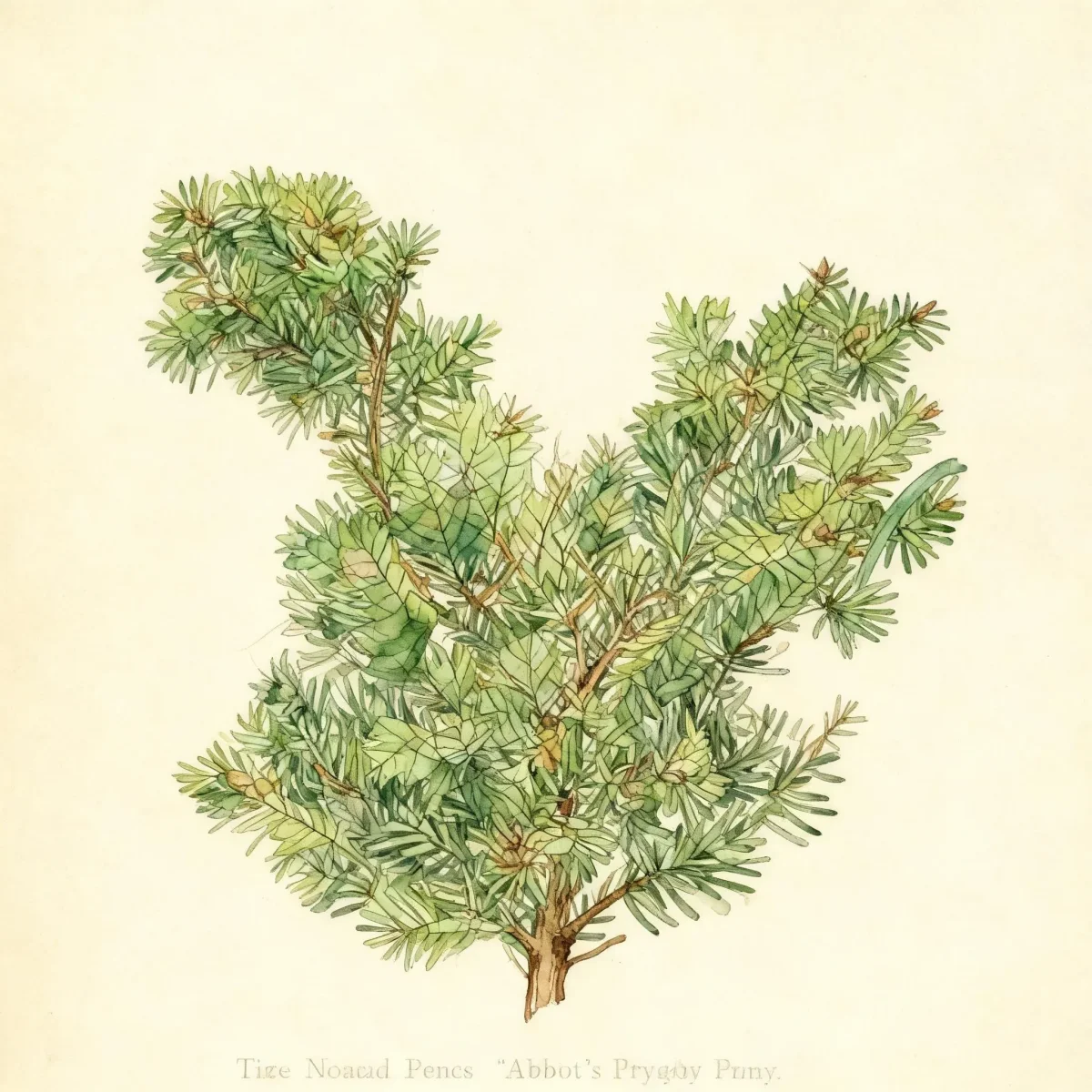
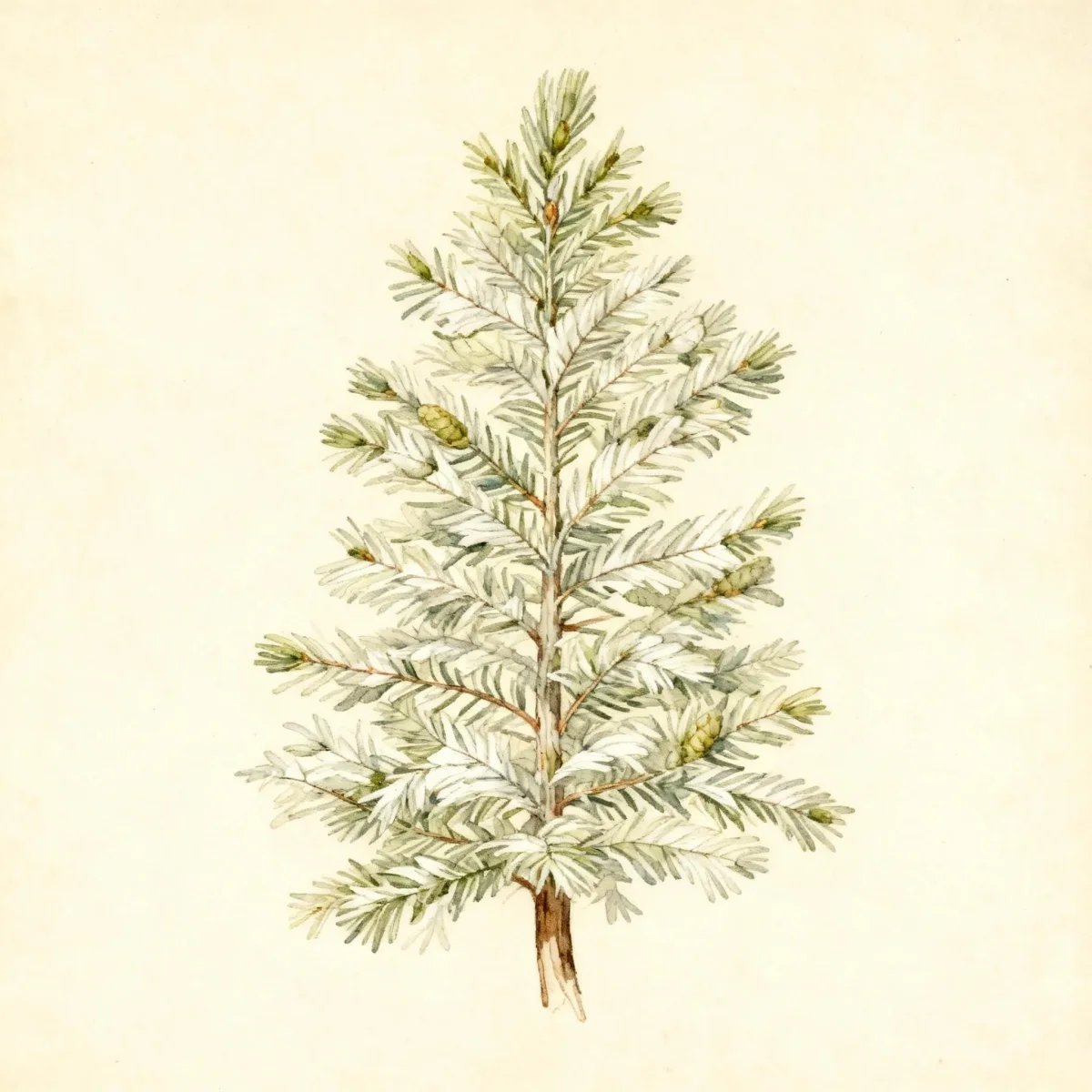
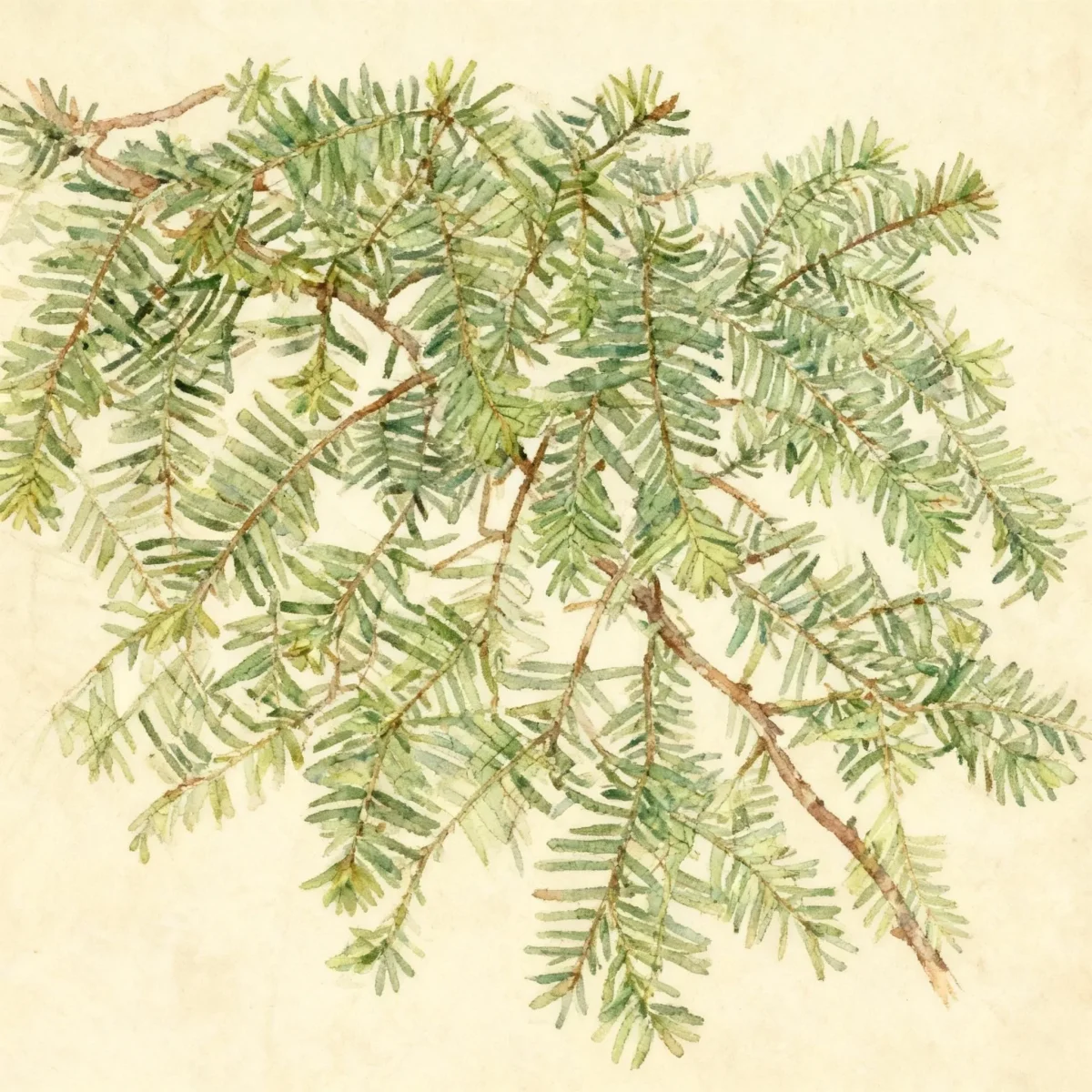
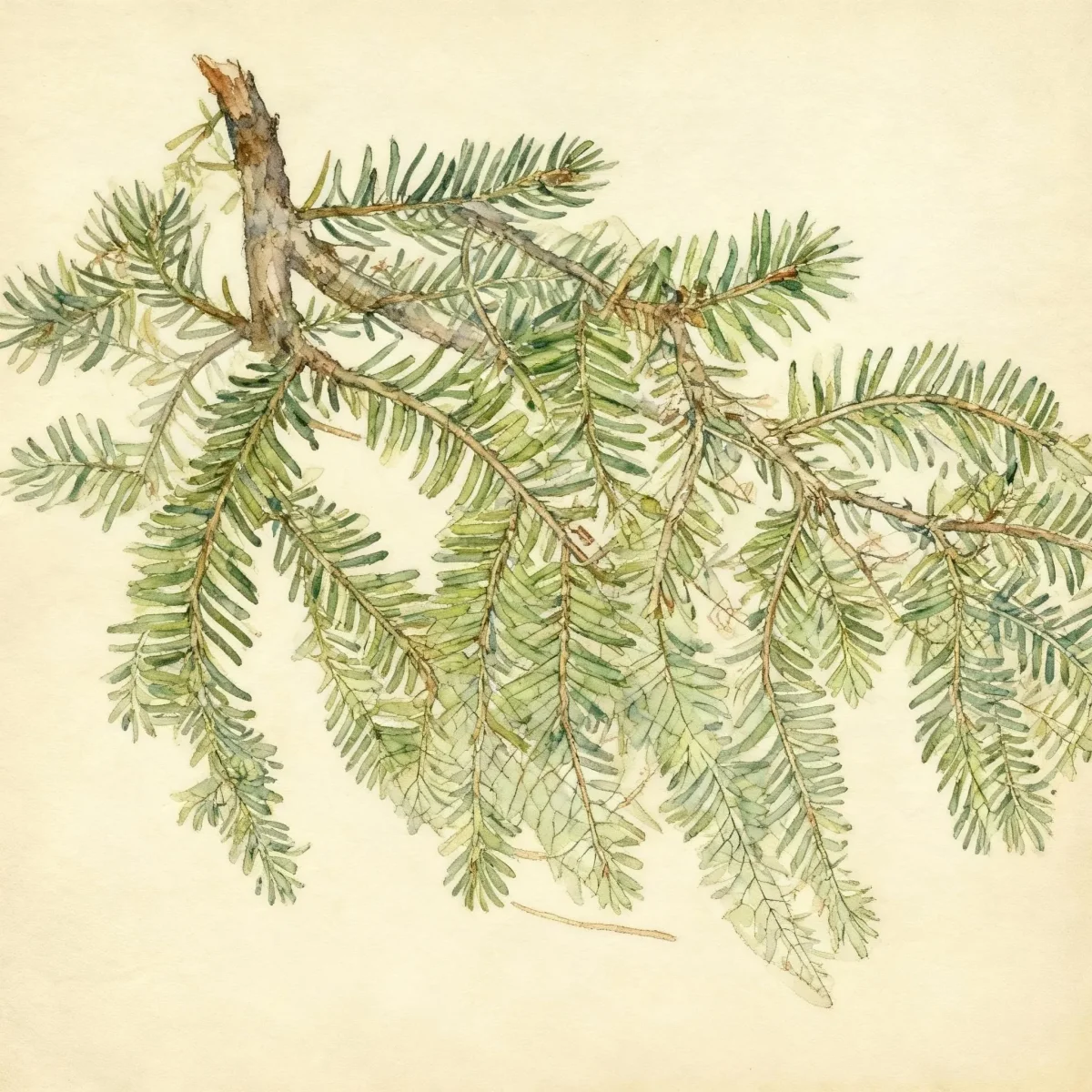
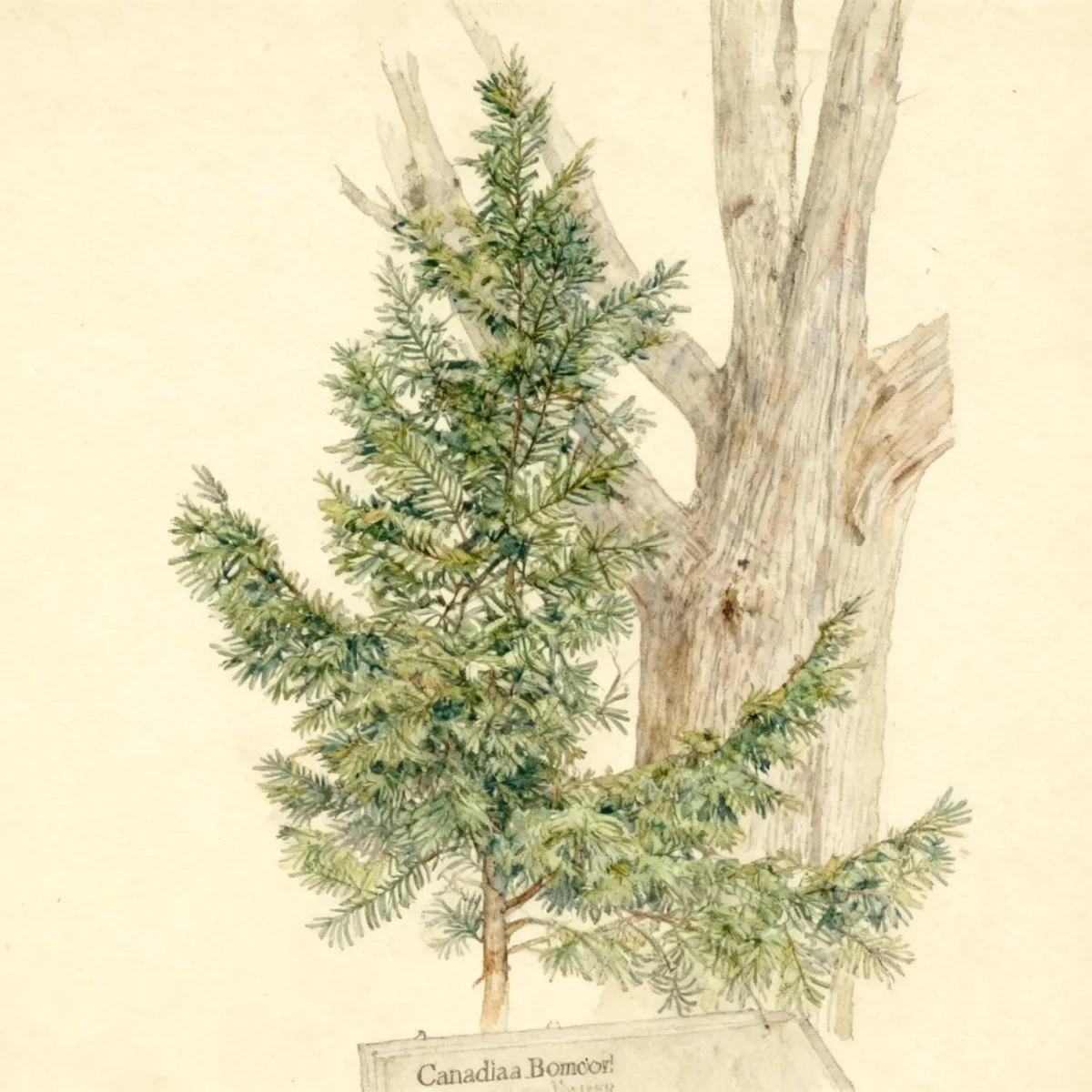
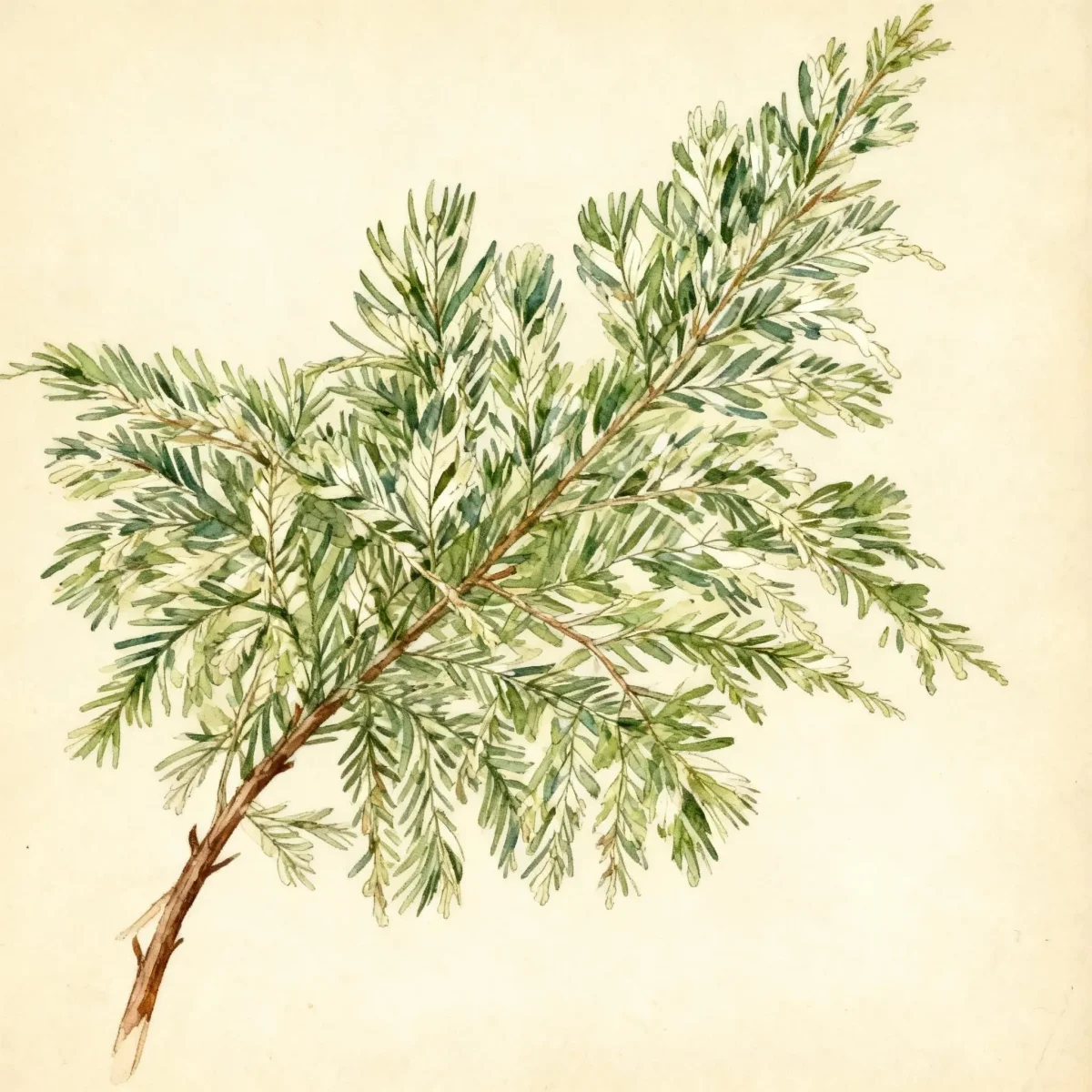
Canadian hemlock (Tsuga canadensis 'Bergman's Snowflake')
Tsuga canadensis 'Bergman's Snowflake' is a dwarf variegated Canadian hemlock valued for its lacy, fine texture and white-dusted foliage.
Scroll down to discover growing tips, care requirements, companion plants, and more
Complete Plant Information
Overview
The Tsuga canadensis ‘Bergman’s Snowflake’ is a highly desirable dwarf cultivar of the native Canadian hemlock, perfect for adding finely textured, evergreen structure to smaller gardens. Unlike its towering wild counterparts, this variety maintains a restrained, pyramidal habit, making it an exceptional accent specimen. Its distinguishing feature is the attractive variegation, where the lacy foliage appears dusted with white, providing year-round interest.
As a slow-growing, low-maintenance evergreen, the Canadian hemlock thrives best when sheltered from the harshest elements. It naturally prefers the dappled light found beneath taller trees or on the eastern side of a structure. Gardeners value this specific form, Tsuga canadensis ‘Bergman’s Snowflake’, for its manageable size suitable for foundation plantings or rock gardens where larger conifers would overwhelm the space.
This variety brings the graceful, sweeping lines characteristic of the genus to a compact scale. Focusing on proper site selection ensures the vibrant variegation remains crisp and the overall health of your Tsuga canadensis ‘Bergman’s Snowflake’ is maintained throughout the growing seasons.
Fast Facts
- Plant Family: Pinaceae
- Plant Type: Needled evergreen
- Hardiness Zones: USDA Zones 4-7
- Size at Maturity:
- Height: 4-6 ft
- Spread: 2-4 ft
- Bloom Time: Non-flowering
- Bloom Description: Non-flowering
- Sun Exposure: Part shade to full shade
- Water Needs: Medium
- Maintenance Level: Low
How to Grow
Planting your Canadian hemlock is best achieved in the spring or early fall, allowing the roots time to establish before seasonal extremes. Select a location in part shade, avoiding intense afternoon sun, especially in hotter regions. The soil must be average, medium-moist, and well-drained; these conifers absolutely dislike sitting in soggy ground, which can lead to root issues.
Ongoing care is straightforward, emphasizing consistent moisture. Water regularly, particularly during dry spells, as the Tsuga canadensis ‘Bergman’s Snowflake’ is intolerant of prolonged drought, especially when young. While generally low maintenance, an appreciated addition is a thick layer of winter mulch to moderate soil temperatures and retain moisture. While the species tolerates full sun in cooler northern climates, avoid hot, humid locations south of Zone 6 to prevent potential sun scald on the delicate foliage.
Pruning is rarely required for this dwarf form, maintaining its natural shape. If shaping is desired, light trimming should be done carefully in early spring before new growth hardens. Be aware of potential pest issues like the Hemlock Woolly Adelgid and monitor regularly.
Landscape Uses
The refined scale of Tsuga canadensis ‘Bergman’s Snowflake’ makes it an excellent focal point for specialized plantings. It functions perfectly as an accent or specimen for small areas where a taller, traditional hemlock would be imposing. Its variegated needles draw the eye, contrasting beautifully against solid green evergreens or lighter deciduous shrubs.
Consider planting this cultivar near patios or walkways where its delicate texture can be appreciated up close. Because of its preference for shade and medium moisture, it pairs well with shade-loving perennials and groundcovers that share similar habitat needs, such as hostas or ferns. Its small footprint also makes the Canadian hemlock a potential candidate for large container plantings, though containerized specimens require more vigilant watering.
Standout Features
Noteworthy Characteristics
The parent species, Canadian hemlock, is native to moist Eastern North American woodlands, characterized by lacy evergreen foliage and small, pendant cones. The Tsuga canadensis ‘Bergman’s Snowflake’ is a dwarf variegated cultivar noted for its green needles dusted with white, creating a striking, frosted effect year-round. This variety typically reaches only 6 feet tall and 4 feet wide over its initial decade, offering a significant structural element without demanding excessive space in the garden.
Tolerances
- Deer
- Heavy Shade
- Black Walnut
Potential Problems
A healthy Tsuga canadensis ‘Bergman’s Snowflake’ in the correct environment is robust, but the genus is susceptible to certain issues. Potential fungal diseases include needle blight, canker, rusts, and various rots, often arising from poor air circulation or overly wet conditions. Common insect threats involve bagworms, borers, leaf miners, sawflies, and spider mites.
The most significant threat to eastern hemlocks currently is the Hemlock Woolly Adelgid (HWA), a tiny, sap-sucking pest capable of killing mature trees if left untreated. Inspect needles closely for early signs of infestation. Foliage can scorch if exposed to intense, unrelenting afternoon sun, and drought conditions can prove fatal to young plantings.
Management of HWA is complex and often requires systemic pesticide treatments containing active ingredients like imidacloprid or dinotefuran applied according to state regulations. Proactive monitoring is your best defense against both pests and disease.
Frequently Asked Questions
What hardiness zones is Tsuga canadensis ‘Bergman’s Snowflake’ suitable for?
This Canadian hemlock cultivar is reliably hardy in USDA Zones 4 through 7.
How large does Canadian hemlock grow?
The ‘Bergman’s Snowflake’ cultivar is compact, typically reaching heights between 4 and 6 feet, with a spread between 2 and 4 feet.
What sun exposure does Tsuga canadensis ‘Bergman’s Snowflake’ need?
It performs best in part shade to full shade, needing protection from harsh, hot afternoon sun, especially in warmer parts of its range.
When does Tsuga canadensis ‘Bergman’s Snowflake’ bloom?
This is a needled evergreen and is considered non-flowering.
Conclusion
The Tsuga canadensis ‘Bergman’s Snowflake’ offers exceptional textural contrast and year-round interest thanks to its dwarf stature and unique variegated foliage. Its low maintenance profile, when sited correctly in sheltered, medium-moisture conditions, makes it a rewarding addition to shaded borders or as a specimen planting. Before planting, confirm your location falls within USDA Zones 4-7 and plan for protection against drying winds to ensure your variegated Canadian hemlock thrives.
Companion Planting
For gardeners situated within the hardiness range, selecting companions that share the need for consistent moisture and protection from intense sun will enhance the setting for your Tsuga canadensis ‘Bergman’s Snowflake’. Consider pairing it with acid-loving shrubs like Rhododendrons or Azaleas, provided they are planted far enough away to not compete heavily for surface moisture. Shade-tolerant woodland perennials such as Hellebores (Lenten Rose) or various low-growing ferns create an excellent ground layer beneath the airy canopy of the hemlock.
Seasonal Care Calendar
Spring is the optimal time to prepare the planting area and apply a fresh layer of mulch around the base of the Canadian hemlock. This season is also ideal for a light application of slow-release fertilizer if growth seems sluggish, though it is often unnecessary for slower-growing cultivars. During summer heat waves, focus heavily on deep, consistent watering, ensuring the root zone stays evenly moist without becoming saturated. In autumn, clean up any fallen debris around the base to improve air circulation, reducing fungal risk heading into winter.