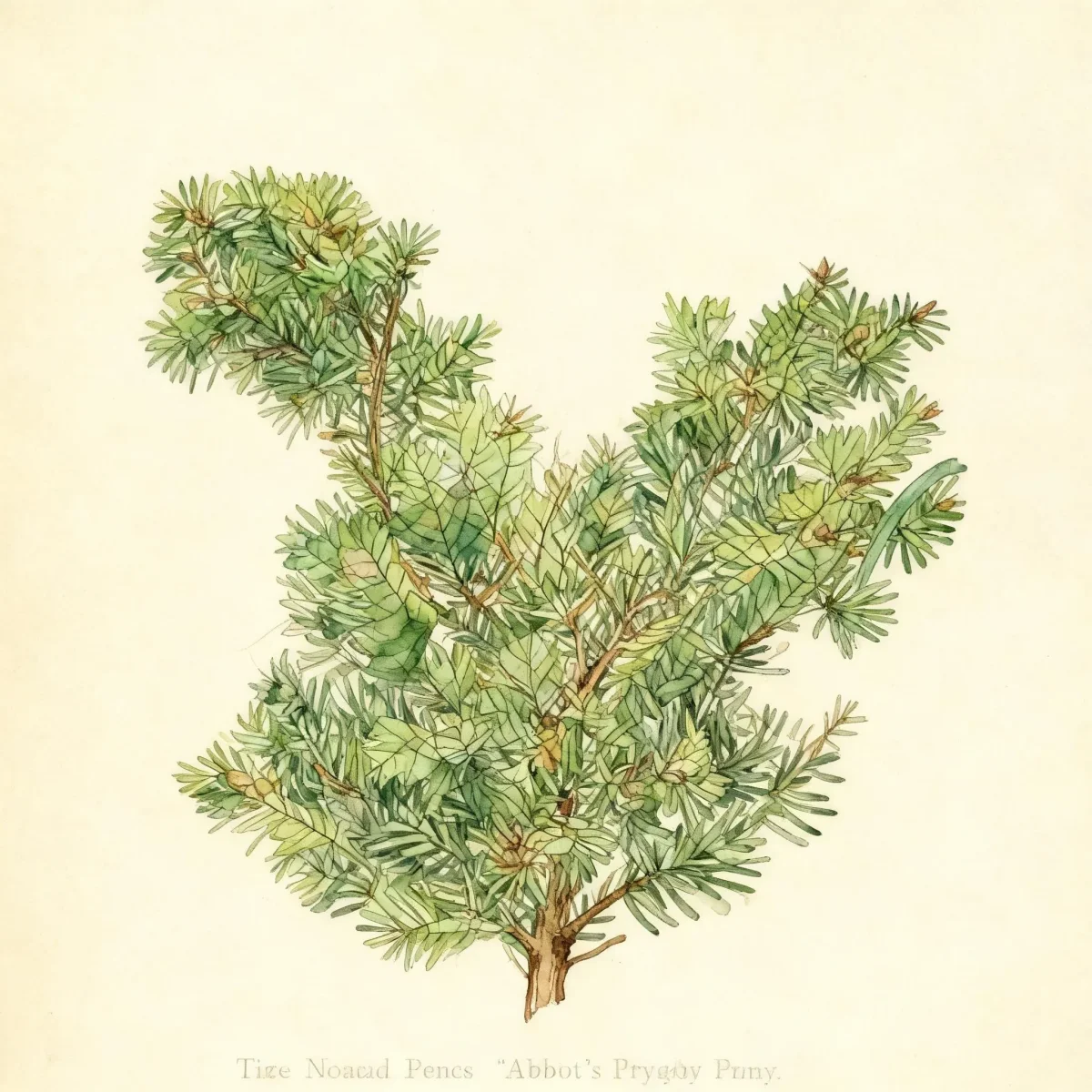
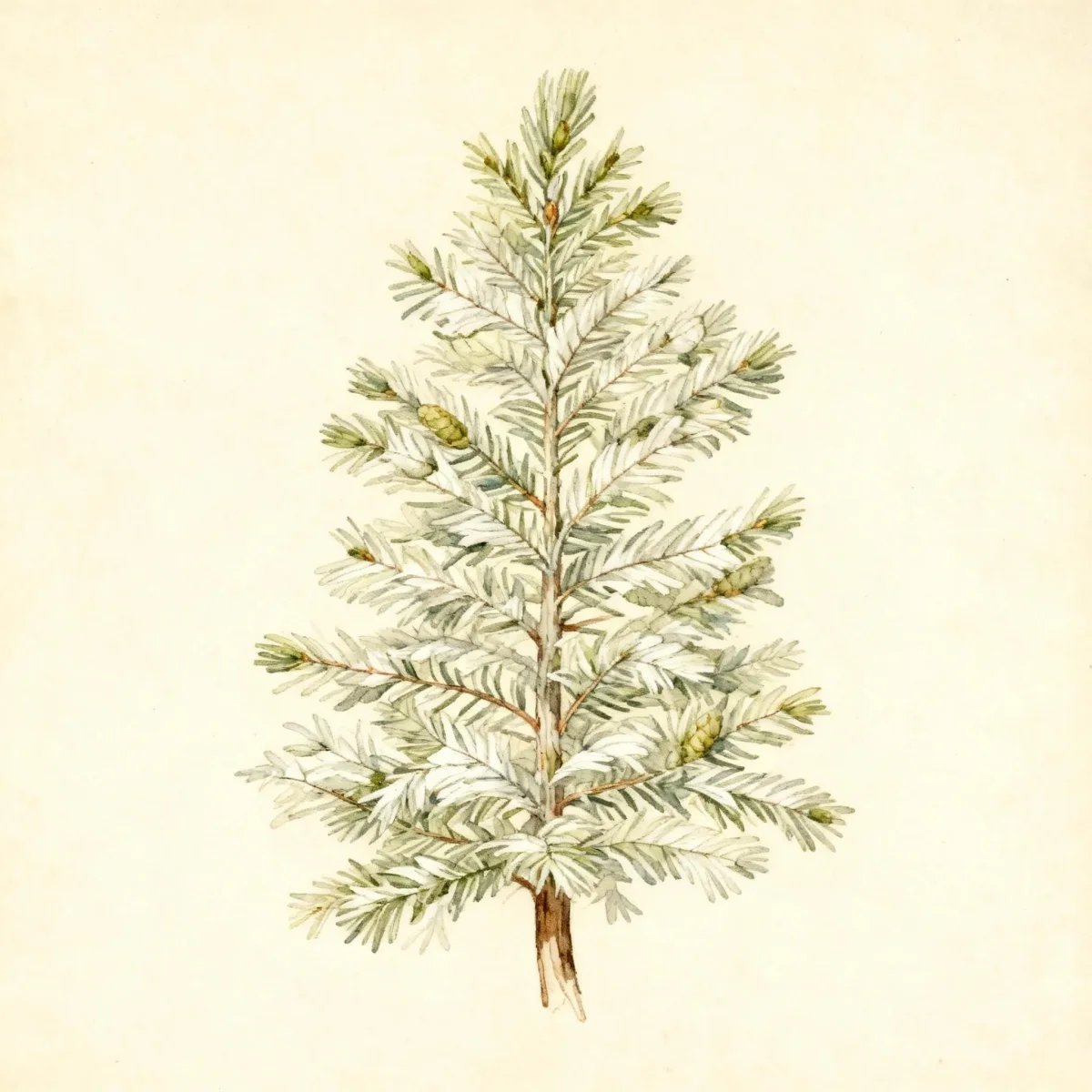
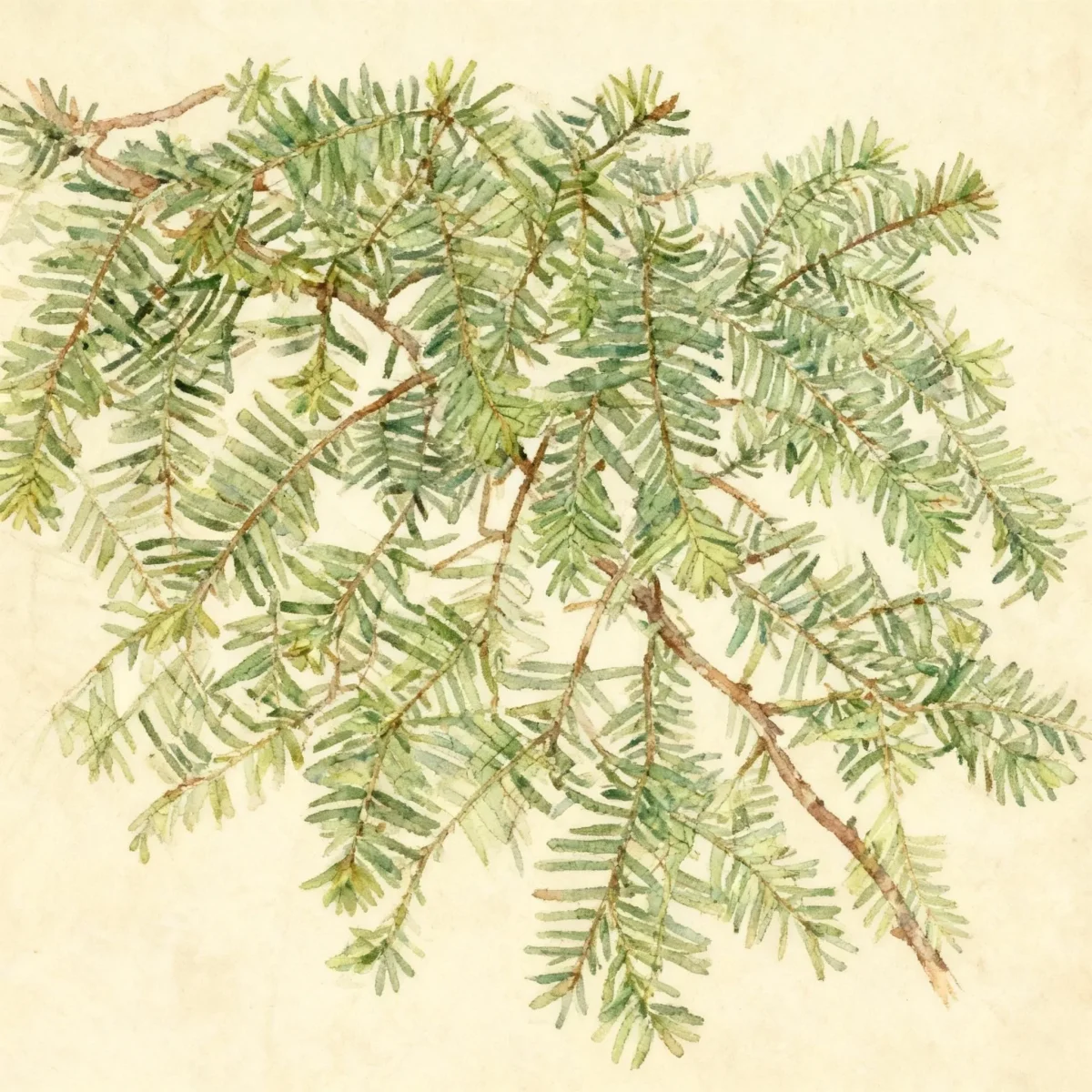
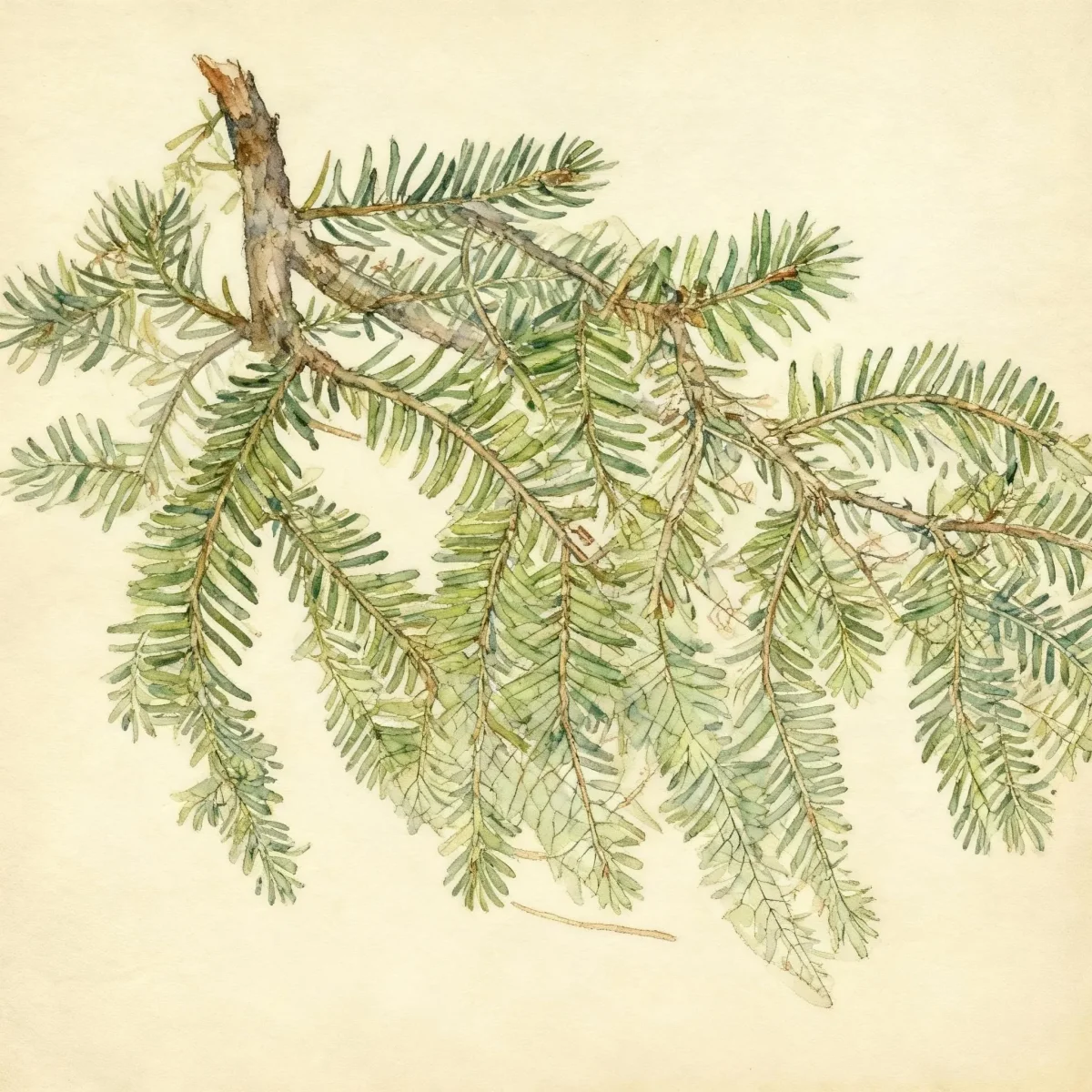
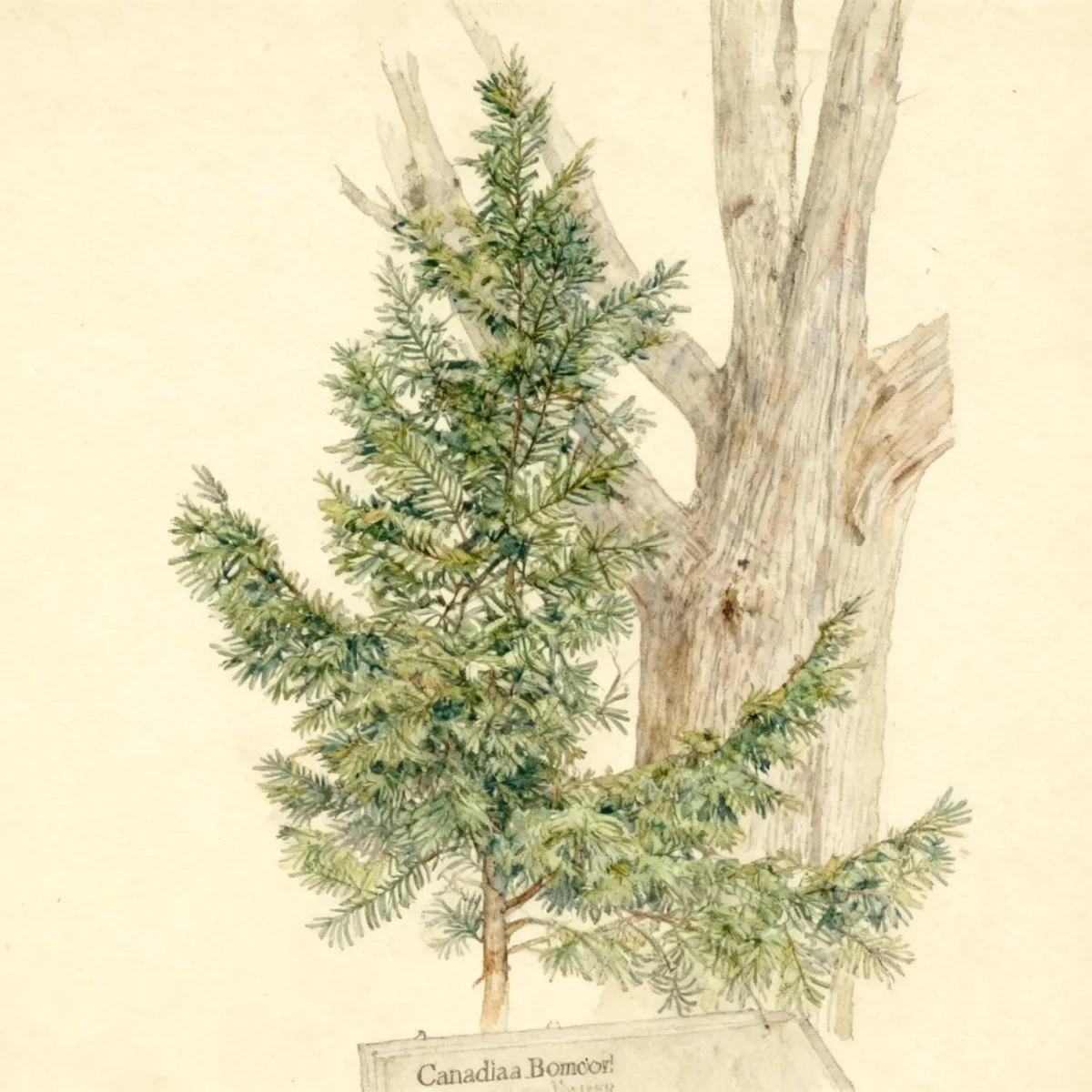
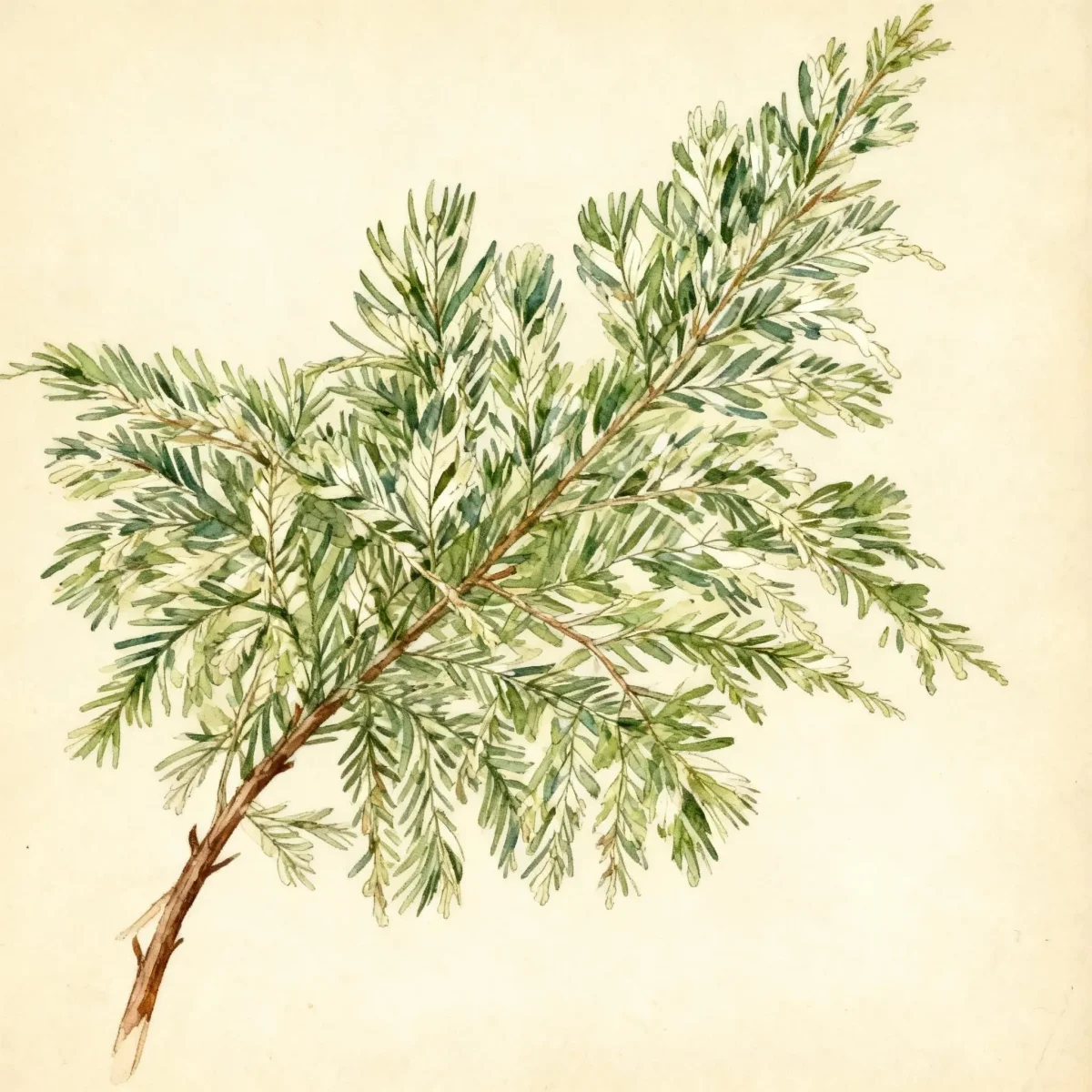
Canadian hemlock (Tsuga canadensis 'Green Spider')
The Tsuga canadensis 'Green Spider' is a dwarf, slow-growing Canadian hemlock, perfect for rock gardens needing low-maintenance, shade-tolerant evergreens.
Scroll down to discover growing tips, care requirements, companion plants, and more
Complete Plant Information
Overview
The Tsuga canadensis ‘Green Spider’ offers a unique, dense, and somewhat irregular upright form ideal for smaller garden spaces where the majestic size of the full-sized Canadian hemlock would overwhelm structures. This cultivar translates the lacy, delicate texture of the native eastern hemlock into a manageable, slow-growing dwarf specimen reaching only 6 to 7 feet tall. Its dark green foliage provides year-round structure, making it an exceptional choice for providing contrast against lighter perennials or foundation plantings.
Gardeners value the Canadian hemlock cultivars like ‘Green Spider’ for their adaptability to lower light conditions. Unlike many evergreens that scream for full sun, this variety thrives in part shade to full shade, opening up design possibilities in deep borders or beneath mature deciduous trees. Despite its preference for shade, ensure it is protected from harsh afternoon sun, especially in hot climates, to maintain peak health.
Overall, Tsuga canadensis ‘Green Spider’ is a low-maintenance evergreen that maintains its visual appeal throughout the year without demanding constant attention. Its deer resistance and tolerance for challenging sites like those exposed to black walnut roots add significant practical value to the landscape design palette.
Fast Facts
- Plant Family: Pinaceae
- Plant Type: Needled evergreen
- Hardiness Zones: USDA Zones 4-7
- Size at Maturity:
- Height: 6-7 ft
- Spread: 3-4 ft
- Bloom Time: Non-flowering
- Bloom Description: Non-flowering
- Sun Exposure: Part shade to full shade
- Water Needs: Medium
- Maintenance Level: Low
How to Grow
Planting your Tsuga canadensis ‘Green Spider’ is best executed in the spring or fall when temperatures are moderate, allowing the root system to establish before facing extreme summer heat or winter cold. Ensure the planting site offers average, well-drained soil that retains medium moisture consistently. Because this dwarf cultivar appreciates shelter, position it where it is protected from strong drying winds and intense, hot afternoon sun, especially if gardening south of USDA Zone 6.
Water needs for the Canadian hemlock are medium; it is intolerant of drought. Water deeply and regularly, especially during the first few growing seasons, to encourage robust root development and prevent the foliage from scorching. Mature plants should still receive water during prolonged dry spells. Providing a thick layer of winter mulch helps stabilize soil temperature and retain moisture throughout the year.
Maintenance for this variety is generally low, fitting well into foundations or rock gardens. Minimal pruning is usually needed; only remove dead or damaged branches as they appear. While it tolerates full sun in cooler northern climates, remember that hot, humid summers can cause foliage damage if temperatures consistently exceed 95°F.
Landscape Uses
The compact nature of Tsuga canadensis ‘Green Spider’ makes it highly versatile for structured landscaping. It excels when placed near home foundations where larger trees would cause structural issues, providing year-round green texture. Its slow, irregular growth habit also lends itself perfectly to small rock gardens or Japanese-style garden vignettes where specimen plants are key focal points.
For design contrast, place this dark green foliage against plants that enjoy similar light and moisture needs but offer different textures, such as hostas or fine-bladed ornamental grasses that prefer shade. While it doesn’t function well as a traditional fast-growing screen, its tight form allows it to be used effectively as a formal accent piece or integrated into low, mixed evergreen borders where definition is needed.
Standout Features
Noteworthy Characteristics
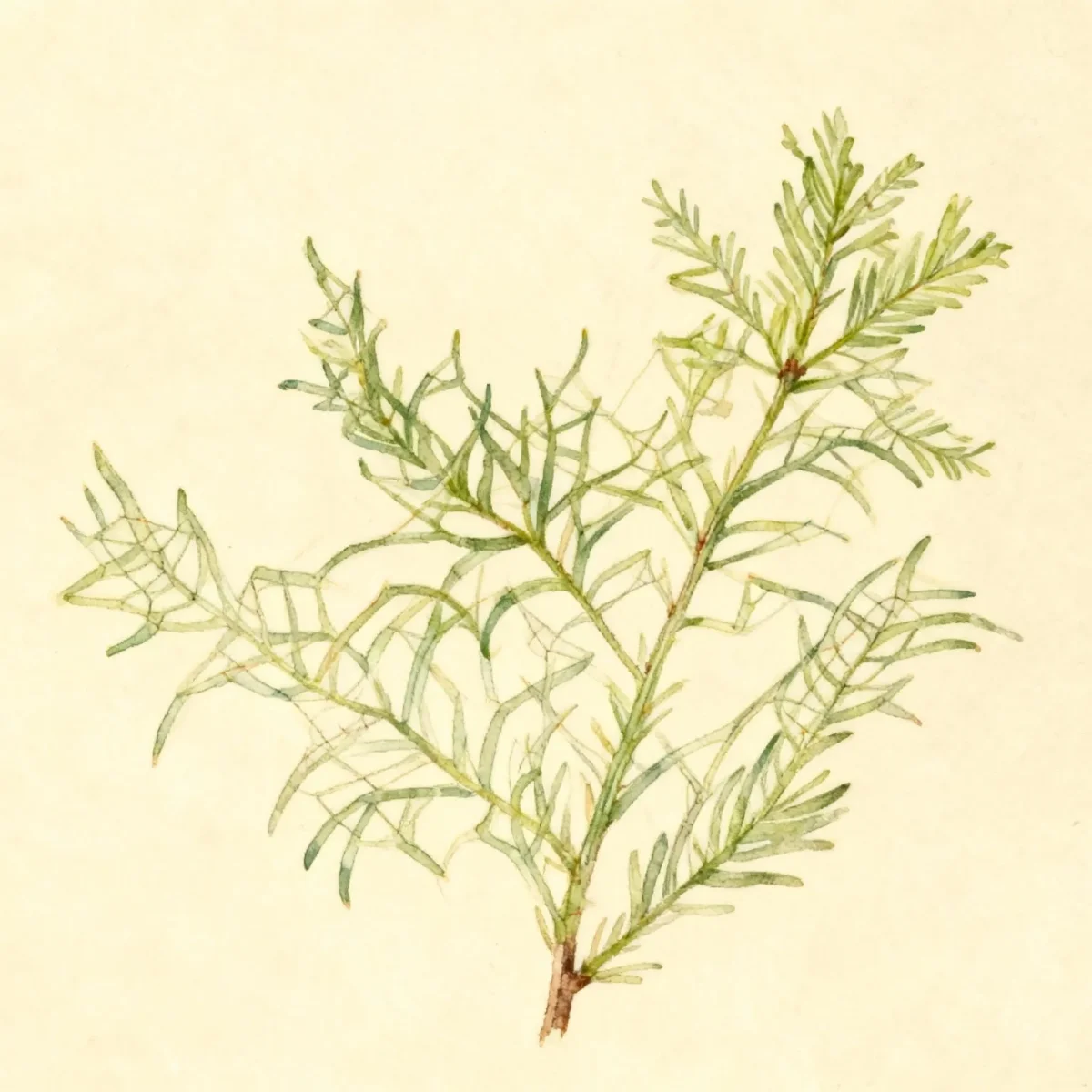
The wild Tsuga canadensis species, commonly called Canadian hemlock, is famous for its lacy sprays of short, dark green needles displaying two white bands beneath, creating a graceful form. The ‘Green Spider’ variety maintains this delicate texture but develops into an upright, irregular shape, typically maturing to only 6-7 feet tall over many years. Mature trees of the species exhibit thick, ridged, red-brown to gray-brown bark.
Tolerances
- Deer
- Heavy Shade
- Black Walnut
Potential Problems
A healthy Tsuga canadensis ‘Green Spider’ in the correct environment faces few hurdles, but gardeners must be mindful of specific threats common to the hemlock genus. Potential disease issues include needle blight, canker, rusts, and various rots, often exacerbated by poor air circulation or overly wet conditions. Common insect pests may include borers, bagworms, sawflies, and spider mites, all requiring early detection.
The most significant threat to hemlocks across the eastern US is the Hemlock Woolly Adelgid (HWA), a tiny, invasive sap-sucking insect. HWA can be devastating, often killing mature trees within a few years if left untreated. While treatment using systemic pesticides containing imidacloprid or dinotefuran is available, control is difficult and requires a proactive management schedule, especially in areas where HWA is prevalent.
To minimize general stress, ensure consistent moisture; prolonged drought can be fatal to young Canadian hemlock specimens. Similarly, be aware that foliage may scorch easily in intensely hot weather, particularly if combined with drought stress.
Frequently Asked Questions
What hardiness zones is Tsuga canadensis ‘Green Spider’ suitable for?
This dwarf Canadian hemlock is well-suited for gardeners in USDA Zones 4 through 7.
How large does Tsuga canadensis ‘Green Spider’ grow?
This cultivar typically achieves a mature height between 6 and 7 feet tall, with a spread ranging from 3 to 4 feet wide.
What sun exposure does Canadian hemlock need?
Tsuga canadensis ‘Green Spider’ prefers part shade to full shade conditions, thriving best when protected from strong afternoon sun.
When does Canadian hemlock bloom?
This plant is a needled evergreen and is non-flowering; it does not produce traditional blooms or conspicuous fruit.
Conclusion
The Tsuga canadensis ‘Green Spider’ brings the sophisticated texture and year-round color of the Eastern Hemlock into the manageable scale necessary for contemporary garden design, offering low maintenance and excellent shade tolerance. For gardeners seeking a distinctive, slow-growing accent plant resistant to deer, this cultivar is an outstanding choice. Before planting, confirm your local hardiness zone compatibility and ensure you have a protected spot with well-drained soil ready for this unique Canadian hemlock.
Companion Planting
When selecting companions for Tsuga canadensis ‘Green Spider’, prioritize plants that share the need for protected environments, deep shade, and consistently moist, well-drained soil. Shade-loving perennials like Astilbe or Helleborus create beautiful textural contrast against the fine needles without competing aggressively for space, especially near a foundation planting. Similarly, woodland-edge shrubs, such as Rhododendrons or Azaleas, can offer seasonal flower interest while thriving under the filtered light that best suits this hemlock.
Focusing on groundcover options can also enhance the look of your display. Creeping Jenny (Lysimachia nummularia) or various hardy Fern species create a lush, cool carpet around the base of the Canadian hemlock, helping to shade the soil surface and retain the critical moisture that this species requires. Avoid planting aggressive spreaders or varieties that demand full, intense sunlight, as this will compromise the health of the ‘Green Spider’.
Design Ideas for Dwarf Evergreens
Utilizing the Tsuga canadensis ‘Green Spider’ as a specimen plant is one of its greatest strengths due to its unique, somewhat irregular upright habit. In contemporary Asian-inspired landscapes, its mossy texture pairs perfectly with raked gravel, large accent boulders, and water features, offering a constant deep green counterpoint to deciduous color change. Its slow growth rate here means its placement can be considered permanent without extensive long-term management concerns.
For foundation plantings, use this cultivar sparingly as an anchor point rather than planting multiple specimens in a row. A single Tsuga canadensis ‘Green Widow’ placed near a corner or entryway provides year-round substance where a boxwood might be too formal or a larger shrub too rapidly invasive of the home’s facade. Its compact size prevents the foliage from obscuring windows, making it a practical and aesthetic choice for softening architectural lines.