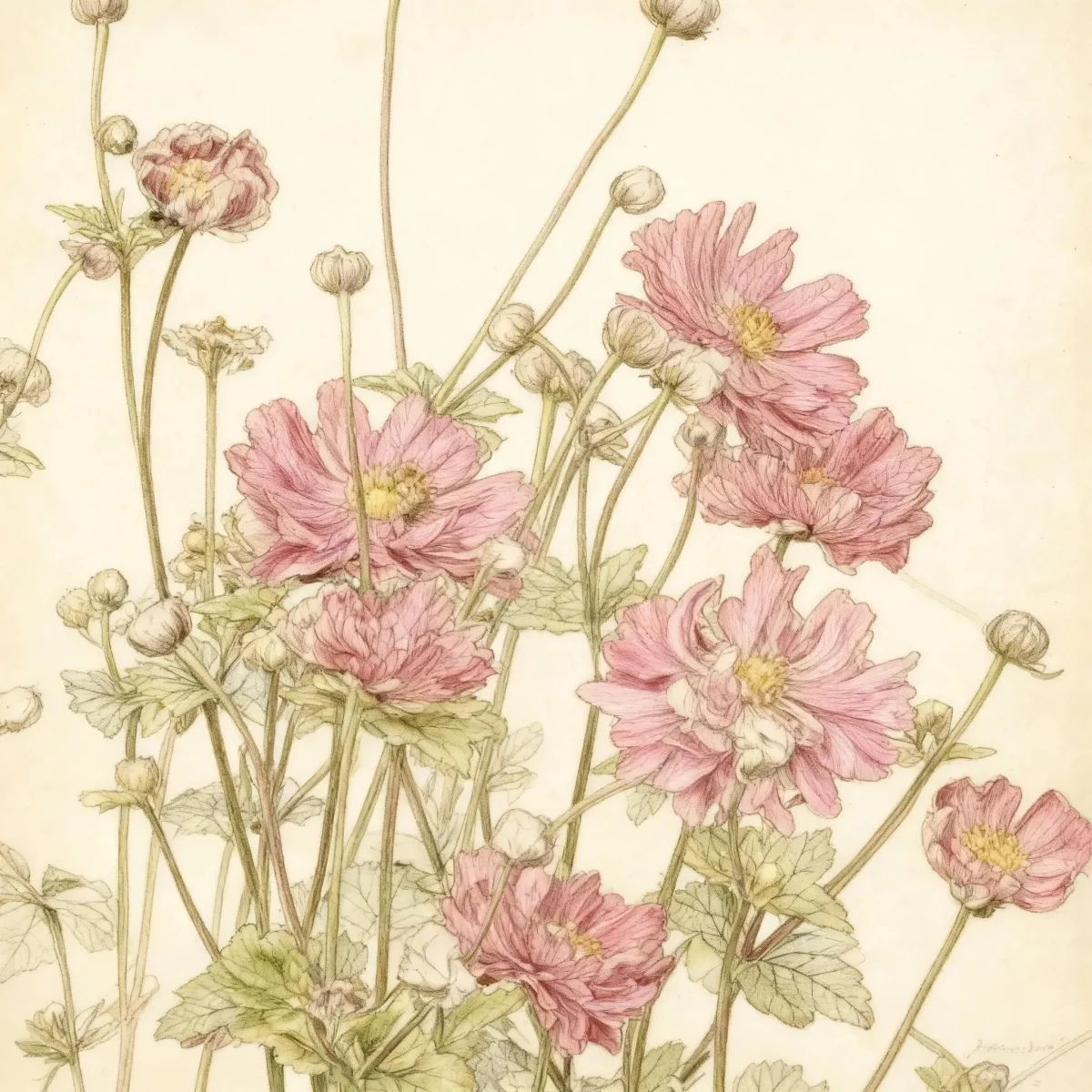
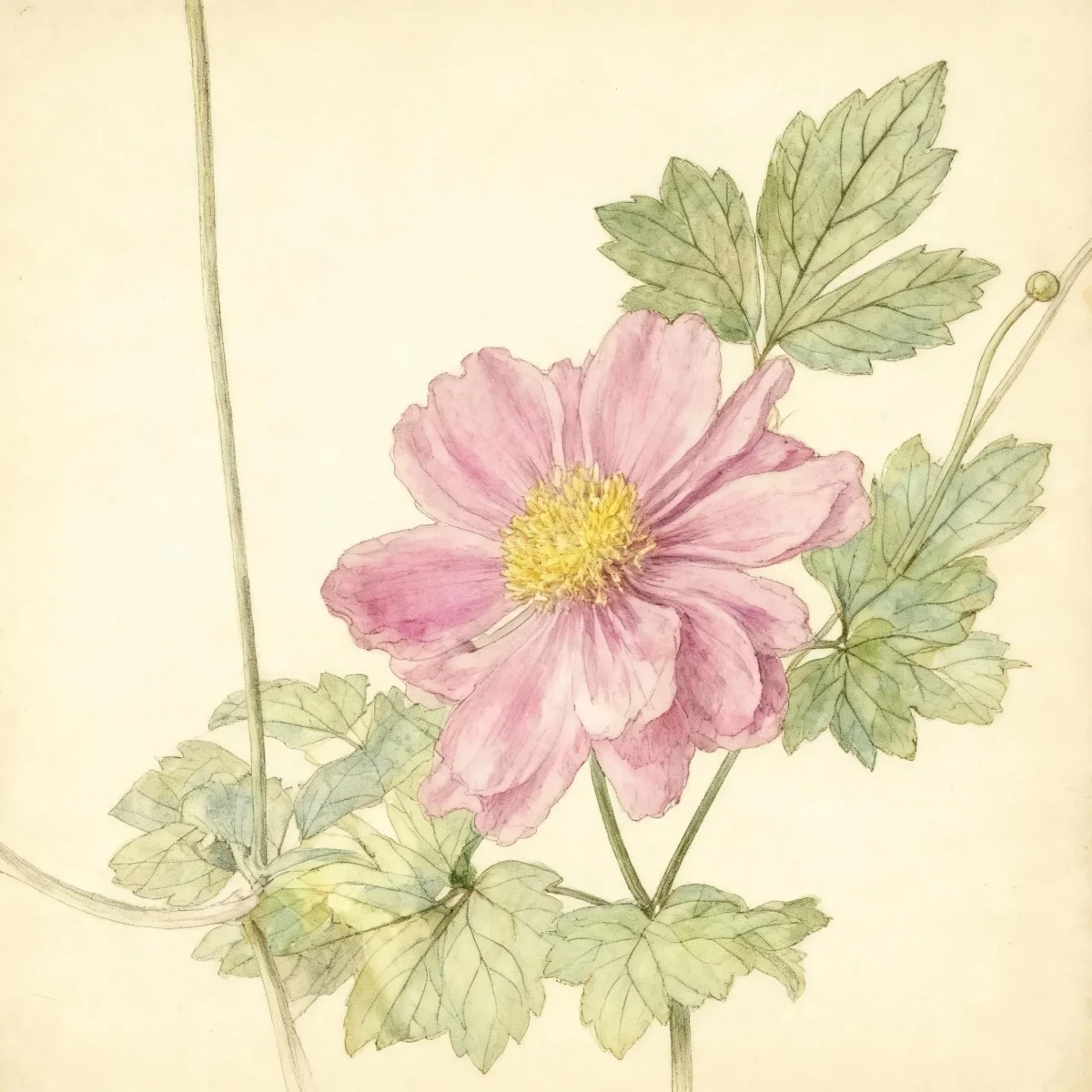
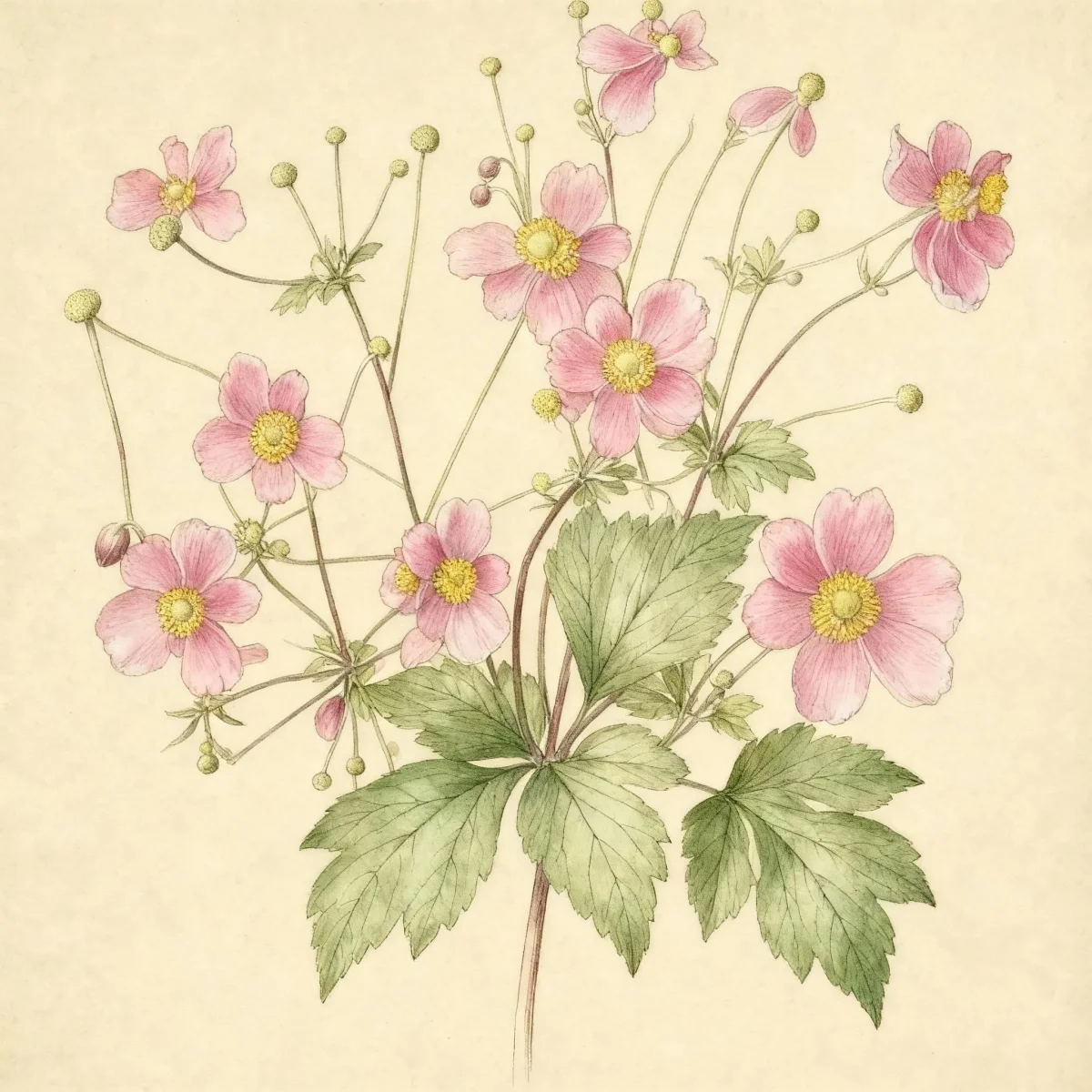
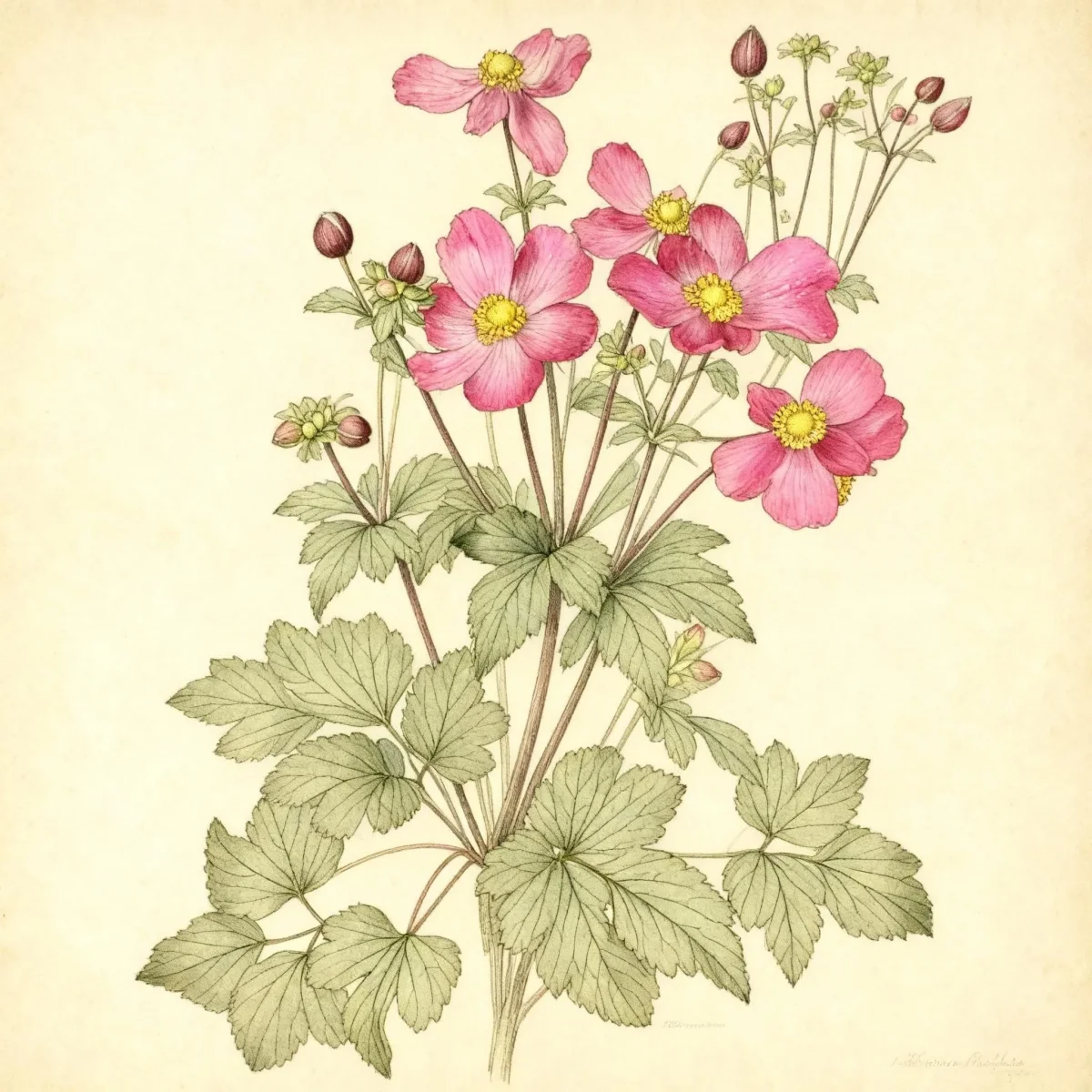
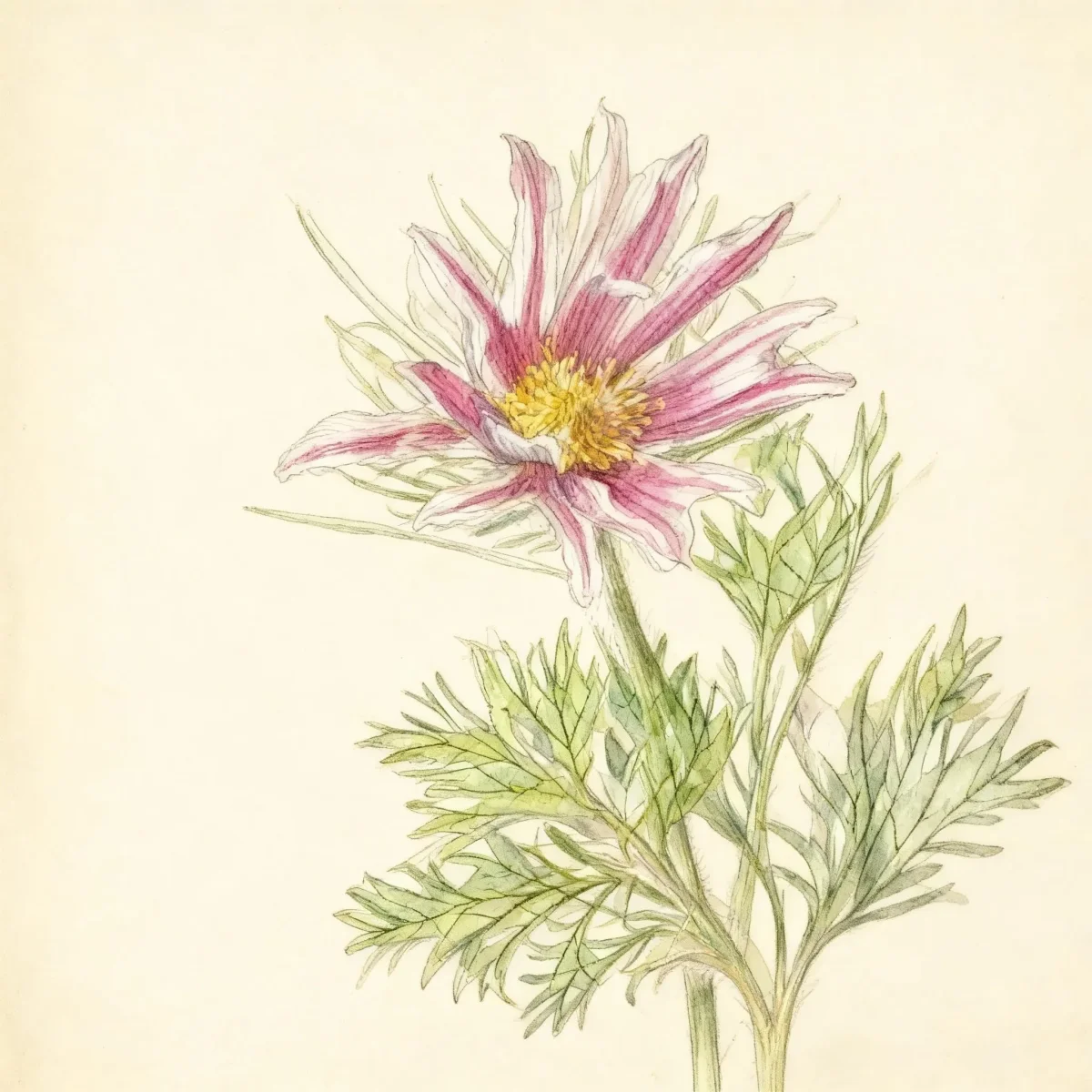
Japanese anemone (Anemone × hybrida 'September Charm')
Anemone × hybrida 'September Charm' is a showy Japanese anemone perennial, thriving in Zones 4-8 with silvery pink late-season blooms.
Scroll down to discover growing tips, care requirements, companion plants, and more
Complete Plant Information
Overview
Anemone × hybrida ‘September Charm’, often known simply as Japanese anemone, offers essential color when many other perennials are fading. This vigorous, clumping perennial delivers beautiful silvery pink flowers with darker rose shadings from late summer well into autumn. Its ability to provide structure and bloom into October makes the Japanese anemone a backbone plant for fall gardens.
This selection is highly valued for its reliable performance in rich, moist soils, lending an airy yet substantial presence to borders. While it appreciates sun, site Anemone × hybrida ‘September Charm’ carefully to avoid the harshest afternoon conditions, especially in warmer climates. Gardeners appreciate the low maintenance requirements once this plant is happily established.
Furthermore, Anemone × hybrida ‘September Charm’ spreads gently by rhizomes, allowing it to naturalize gracefully over time without becoming overly aggressive. Enjoy the elegant stems of this windflower adding movement and lasting impact to woodland or cottage garden settings.
Fast Facts
- Plant Family: Ranunculaceae
- Plant Type: Herbaceous perennial
- Hardiness Zones: USDA Zones 4-8
- Size at Maturity:
- Height: 2-4 ft
- Spread: 2-3 ft
- Bloom Time: August to October
- Bloom Description: Silvery pink with rose shading
- Sun Exposure: Full sun to part shade
- Water Needs: Medium
- Maintenance Level: Low
How to Grow
For optimal growth, plant Anemone × hybrida ‘September Charm’ in late spring or early fall when temperatures are moderate. The key requirement is soil quality: select a location providing organically rich, humusy soil that remains evenly moist but drains perfectly well. Partial shade with morning sun is often preferred, as foliage can show burn damage if exposed to hot, dry summer sun for too long.
Watering must be consistent; these plants do not tolerate drying out, requiring medium supplemental watering during dry spells. Fertilization is rarely necessary if the soil is rich, but a light application of compost in spring suffices. Staking may be required for the taller stems if the plant is located in a windy spot, though ‘September Charm’ is generally quite graceful.
In cold winter climates, providing a winter mulch will help protect the fibrous roots. Be aware that Japanese anemone can be slow to establish its initial root system but will reward patience by spreading modestly via rhizomes once settled. Propagation is best achieved via root cuttings taken in winter or by division in the spring.
Landscape Uses
The naturalizing habit of Anemone × hybrida ‘September Charm’ makes it excellent for softening edges in large beds or filling out underplanting areas. Because it flowers so late in the season, it is indispensable for extending the perennial border display into the autumn months. These plants are terrific when massed together, creating a cloud of silvery pink that signals the shift toward fall.
Consider using this striking Japanese anemone in classic cottage garden designs, where its height and late bloom complement shorter, earlier-flowering companions. It works beautifully alongside foliage-focused plants like hostas or textural bloomers such as astilbes, creating layers of interest throughout the growing season. Use them to provide vertical accents in woodland garden scenarios where dappled light prevails.
Standout Features
Flower Qualities
- Showy
- Good Cut
Noteworthy Characteristics
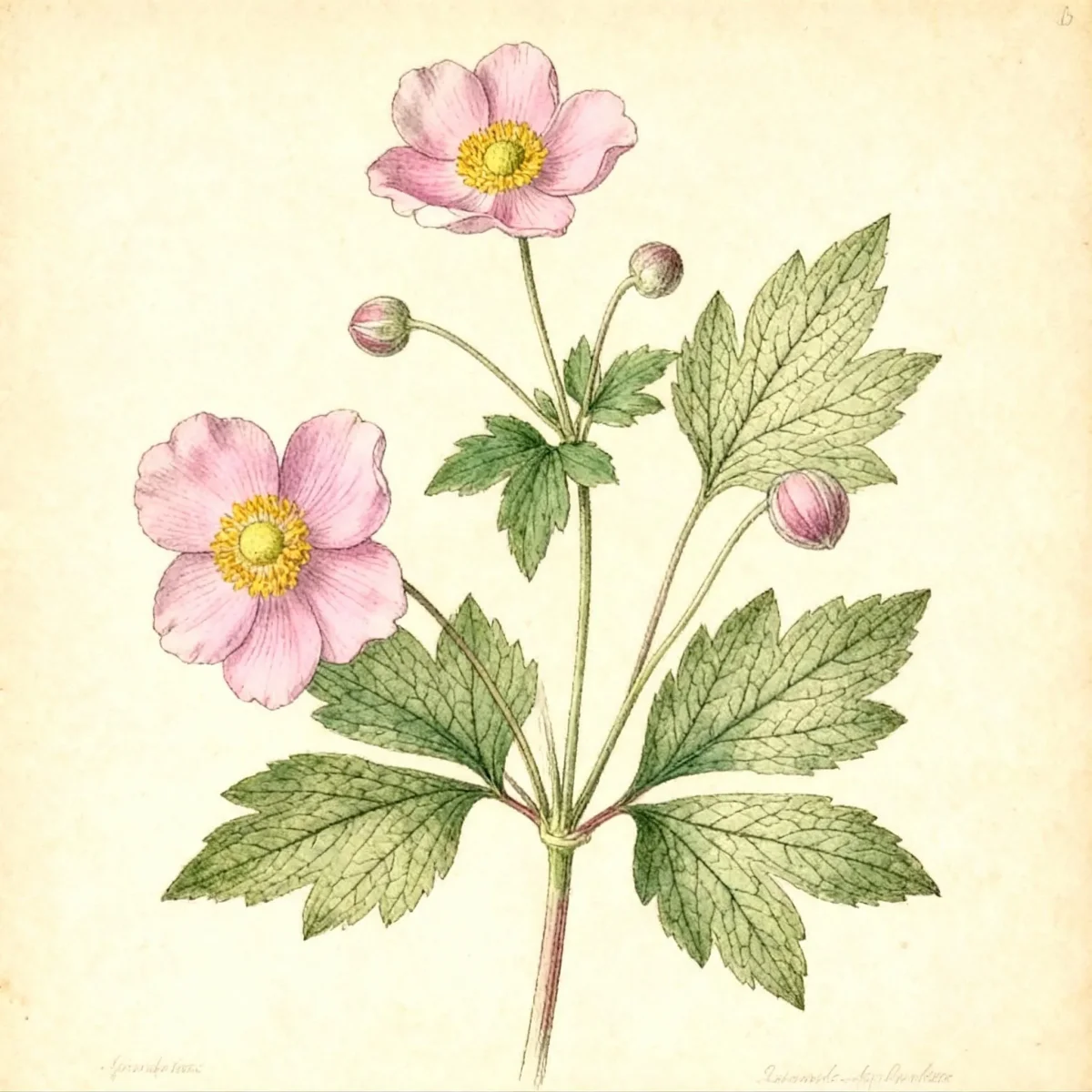
The genus name Anemone is often said to derive from the Greek word anemos, meaning wind, leading to the common name windflower. ‘September Charm’ is a vigorous, fibrous-rooted, mounding Japanese hybrid anemone. It produces 2-3” silvery pink flowers featuring darker rose shadings and yellow stamens on graceful stems, blooming reliably from late August through October.
Tolerances
- Deer
Potential Problems
Gardeners should keep an eye out for common fungal issues like leaf spot, powdery mildew, downy mildew, and rust, particularly if air circulation is poor or humidity is high. Ensure thorough watering at the base rather than wetting the foliage to mitigate these risks. Slugs, caterpillars, and nematodes can sometimes bother the foliage, so scout regularly during the establishment phase. If black blister beetles or Japanese beetles appear, physical removal or targeted treatment may be necessary before they defoliate the leaves.
Frequently Asked Questions
What hardiness zones is Japanese anemone suitable for?
Anemone × hybrida ‘September Charm’ is reliably hardy across USDA Zones 4 through 8.
How large does Anemone × hybrida ‘September Charm’ grow?
This perennial typically reaches a mature height between 2 and 4 feet, with a spread of 2 to 3 feet wide.
When does Japanese anemone bloom?
This variety provides excellent fall color, with blooms appearing from August all the way through October.
What sun exposure does Anemone × hybrida ‘September Charm’ need?
It thrives best in conditions ranging from full sun to partial shade, requiring protection from intense afternoon sun in hot summers.
Conclusion
Anemone × hybrida ‘September Charm’ secures its place in the garden through its dependable, late-season burst of silvery pink beauty, offering significant aesthetic value. This long-blooming Japanese anemone requires relatively low maintenance once established in a suitably rich and moist spot. Before planting, confirm that your location falls within USDA Zones 4-8 and plan your planting time for spring or early fall for the best start.
Companion Planting
When planning a perennial border featuring Anemone × hybrida ‘September Charm’, consider plants that share the requirement for consistent moisture retention. Hostas are excellent companions, as their large leaves thrive in similar conditions and provide contrasting foliage texture when the anemone begins to bloom. Astilbes are another fantastic pairing, offering feathery plumes of color earlier in the season beneath the upright stems of the Japanese anemone.
For a truly cottage garden feel that lasts well into the fall, interplant with Sedum cultivars (stonecrop) that offer grounding structure. Ensure companions do not aggressively compete for moisture or root space early in the season, allowing the newly establishing rhizomes of the anemone time to spread.
Seasonal Care Calendar
Spring preparation involves clearing away any winter mulch and lightly amending the soil with compost to boost organic matter content. This is also the ideal time for dividing overcrowded clumps or taking propagation cuttings if desired. During the summer months, vigilant monitoring of soil moisture is critical; never allow the soil to dry out, especially during heat waves, to prevent leaf scorch.
In the autumn, enjoy the prolonged bloom of your Anemone × hybrida ‘September Charm’ and resist the urge to cut back spent stems immediately. Allow the foliage and seed heads to remain through winter; this provides natural protection and structure until new growth emerges in spring. If stems become excessively floppy, perform light staking in late summer before the blooms fully develop.