Ninebark (Physocarpus opulifolius 'Dart's Gold')
Physocarpus opulifolius 'Dart's Gold' Ninebark offers stunning golden foliage and exfoliating bark, ideal for low-maintenance structure.
Scroll down to discover growing tips, care requirements, companion plants, and more
Complete Plant Information
Overview
Physocarpus opulifolius ‘Dart’s Gold’ is a celebrated cultivar of Ninebark, valued for its compact size and brilliant, season-long color. This deciduous shrub transforms the landscape, emerging in spring with bright golden foliage that brightens shady corners, making it far more dynamic than many standard green shrubs. As a tough member of the Rosaceae family, this Ninebark establishes quickly and offers structure through its characteristic peeling bark.
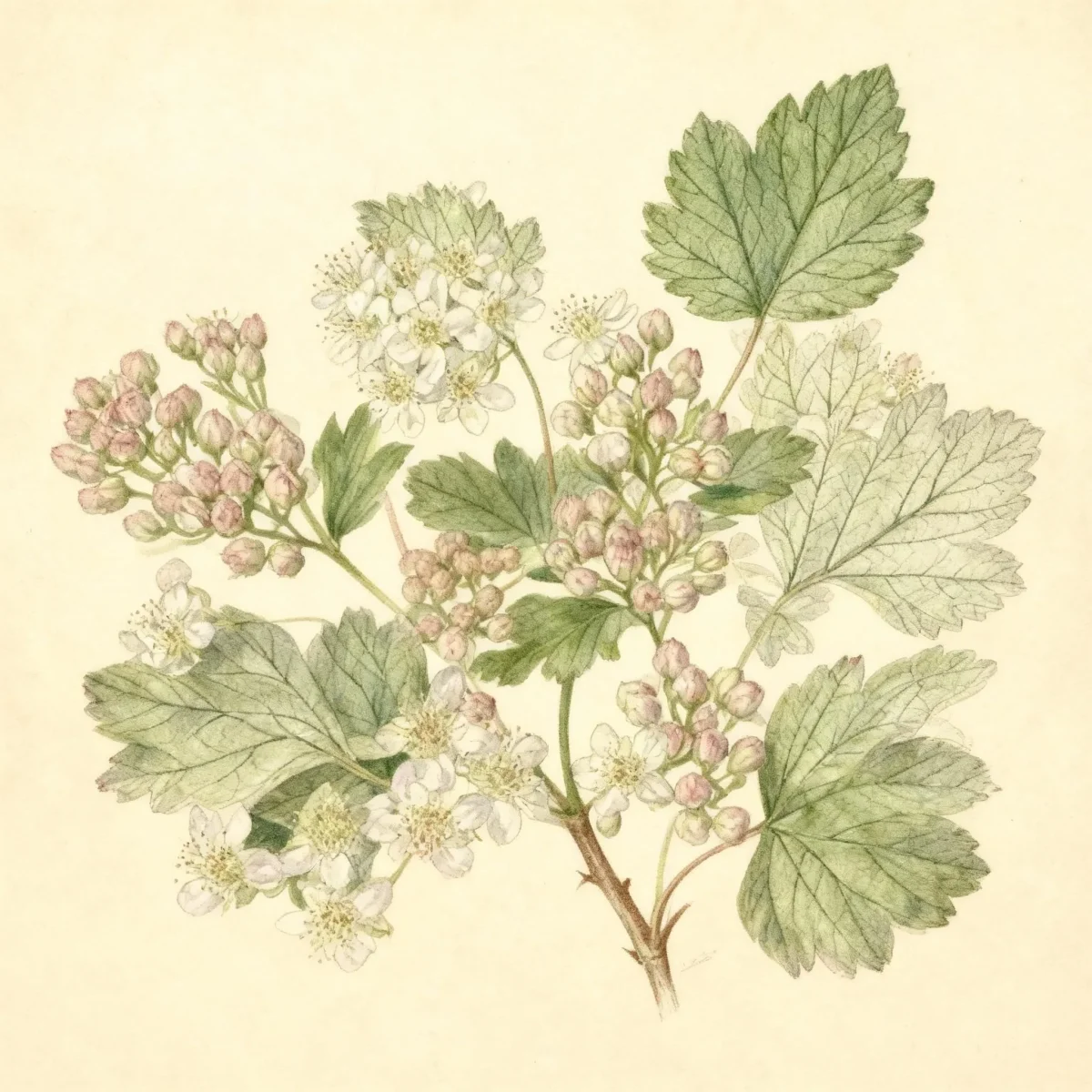
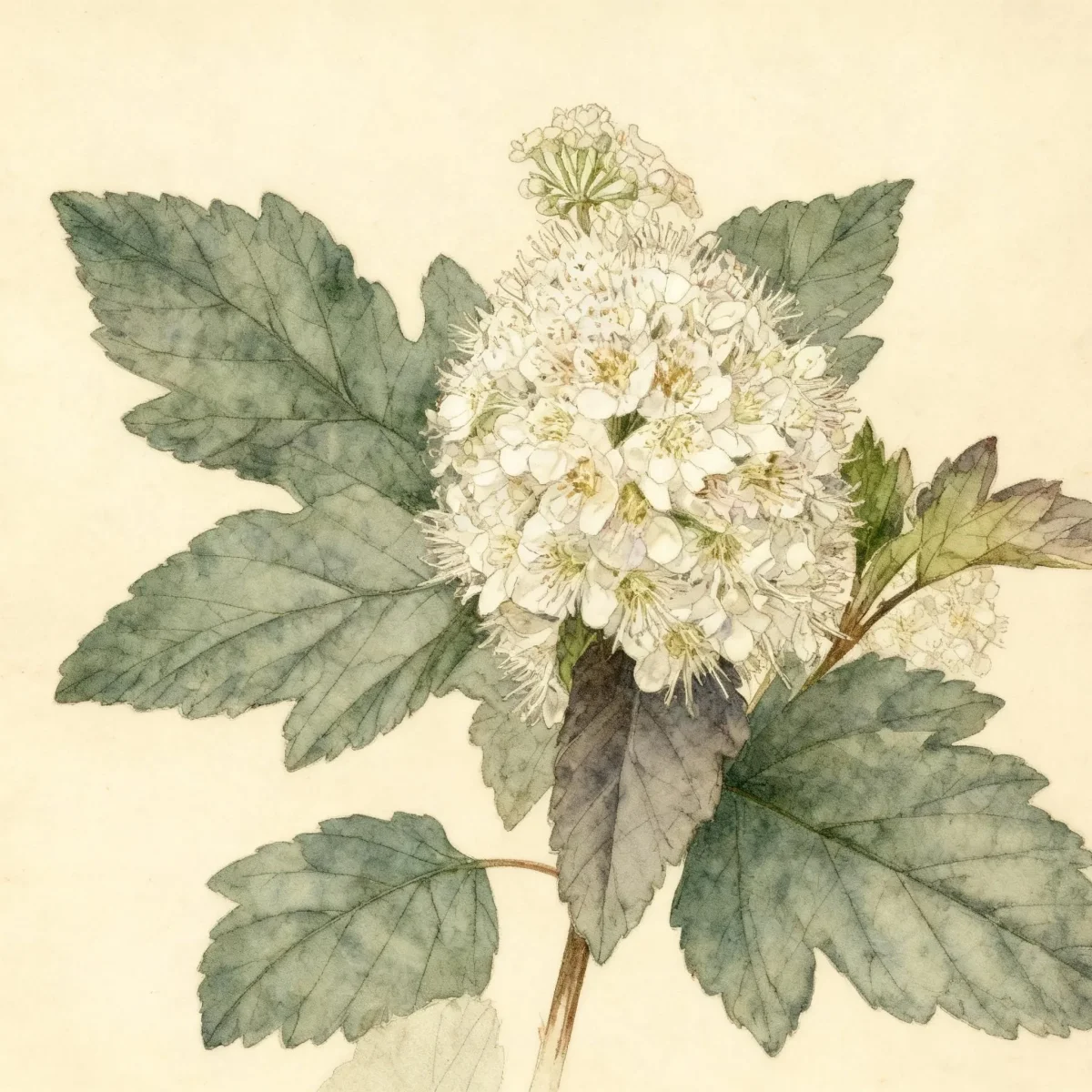
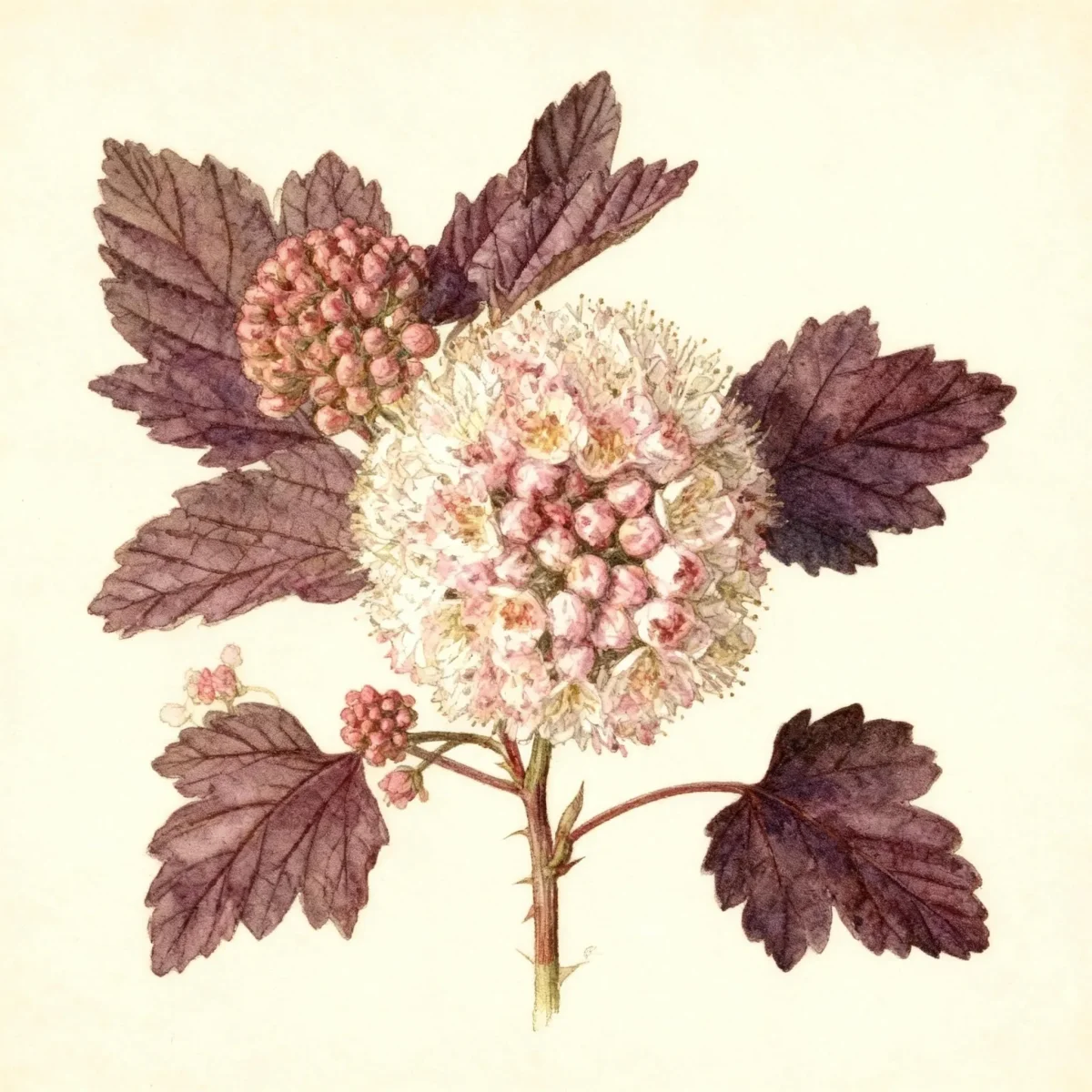
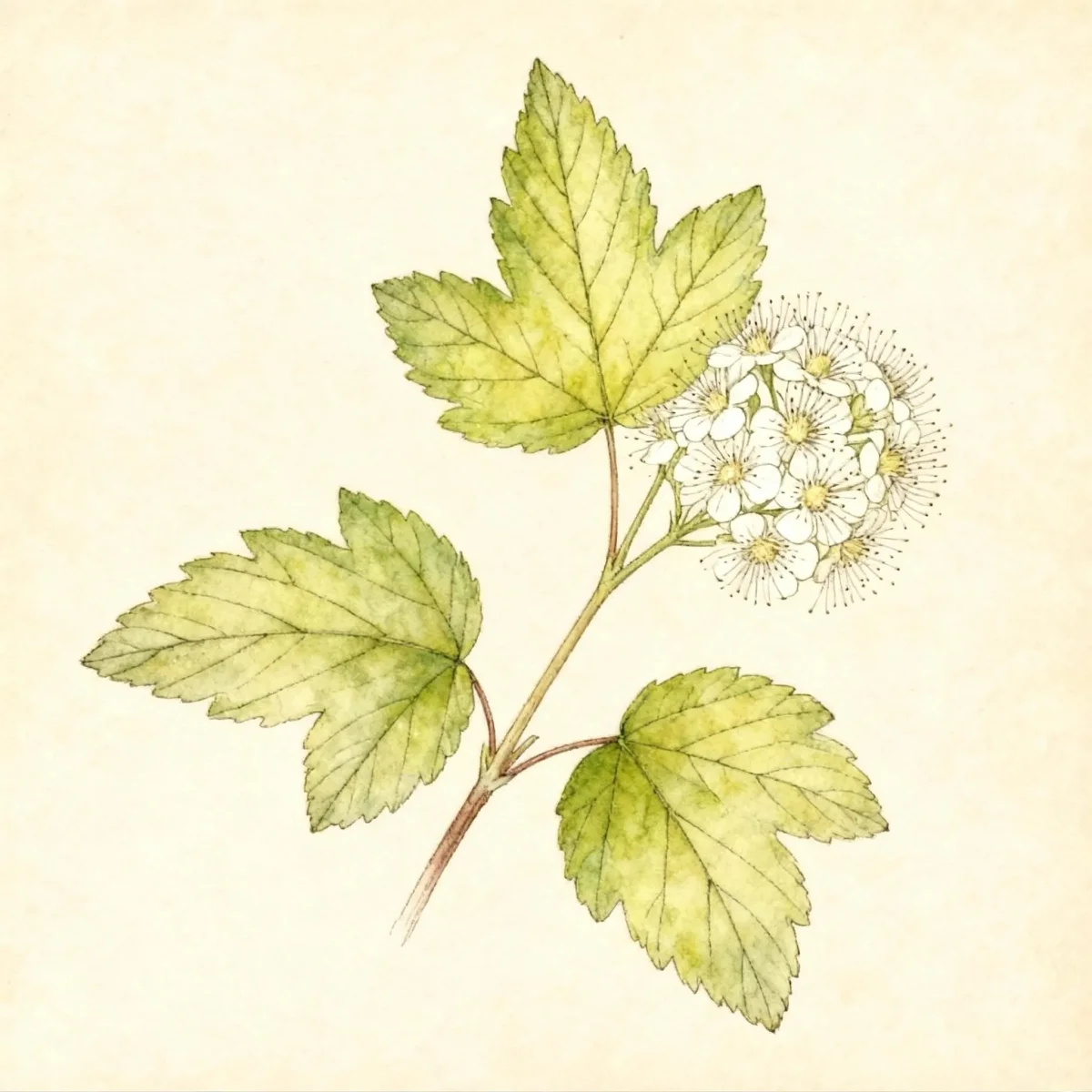
This compact Ninebark typically reaches 4 to 5 feet tall and wide, fitting well in smaller garden spaces or utilized as a dense hedge. Beyond its ornamental foliage and attractive peeling bark, it produces delicate white flowers tinged with pink in late spring, adding textural interest to the garden design.
For gardeners seeking robust, low-fuss ornamental plantings, Physocarpus opulifolius ‘Dart’s Gold’ provides reliable performance across various soil types, including moist thickets or rocky banks where other plants struggle. Its adaptability and multi-season interest solidify its spot as a staple in modern landscaping.
Fast Facts
- Plant Family: Rosaceae
- Plant Type: Deciduous shrub
- Hardiness Zones: USDA Zones 3-7
- Size at Maturity:
- Height: 4-5 ft
- Spread: 4-5 ft
- Bloom Time: May to June
- Bloom Description: White often tinged with pink
- Sun Exposure: Full sun to part shade
- Water Needs: Dry to medium
- Maintenance Level: Medium
How to Grow
Plant Physocarpus opulifolius ‘Dart’s Gold’ in the spring or fall, once the threat of hard frost has passed, establishing it in a location receiving full sun for the brightest gold coloring. This Ninebark cultivar thrives in average, slightly acidic, well-drained soil, but it possesses remarkable tolerance for challenging sites. While it prefers moisture, once established, it handles dry soil well, living up to its “dry to dry/medium” water needs rating.
Care requirements are moderate. While established plants are drought-tolerant, consistent moisture supports the best growth, especially during hot summers. Fertilizing is usually not required unless the soil is exceptionally poor. The most critical task is pruning; shape the shrub immediately after flowering finishes, ensuring this is completed no later than mid-August to allow new growth to harden off before winter.
Should rejuvenation be necessary, old, unproductive plants can be severely cut back—or even cut close to the ground—in early spring. Gardeners in climates with intense afternoon heat (especially in the southern range) should aim for morning sun exposure or dappled afternoon shade to prevent leaf scorch, ensuring the vibrant golden tones endure.
Landscape Uses
The reliable size and bright yellow cast of Physocarpus opulifolius ‘Dart’s Gold’ make it an exceptional structural component. It excels when massed in shrub borders where its consistent color provides a vibrant backdrop for darker green or purple perennials. Because this Ninebark tolerates a wide range of conditions, it is highly effective when utilized for erosion control on banks and slopes, simultaneously stabilizing soil and adding visual appeal.
This cultivar is perfect for creating a bright, informal hedge, providing year-round structure complemented by its exfoliating bark in winter. Consider pairing the bright foliage of this Ninebark with deep-colored plants, such as dark purple Baptisia or black Mondo Grass, to maximize contrast. Its ability to handle harsh conditions also makes it a prime candidate for native plant gardens or mixed foundation plantings where resilience is key.
Standout Features
Flower Qualities
- Showy
Fruit Qualities
- Showy
Noteworthy Characteristics
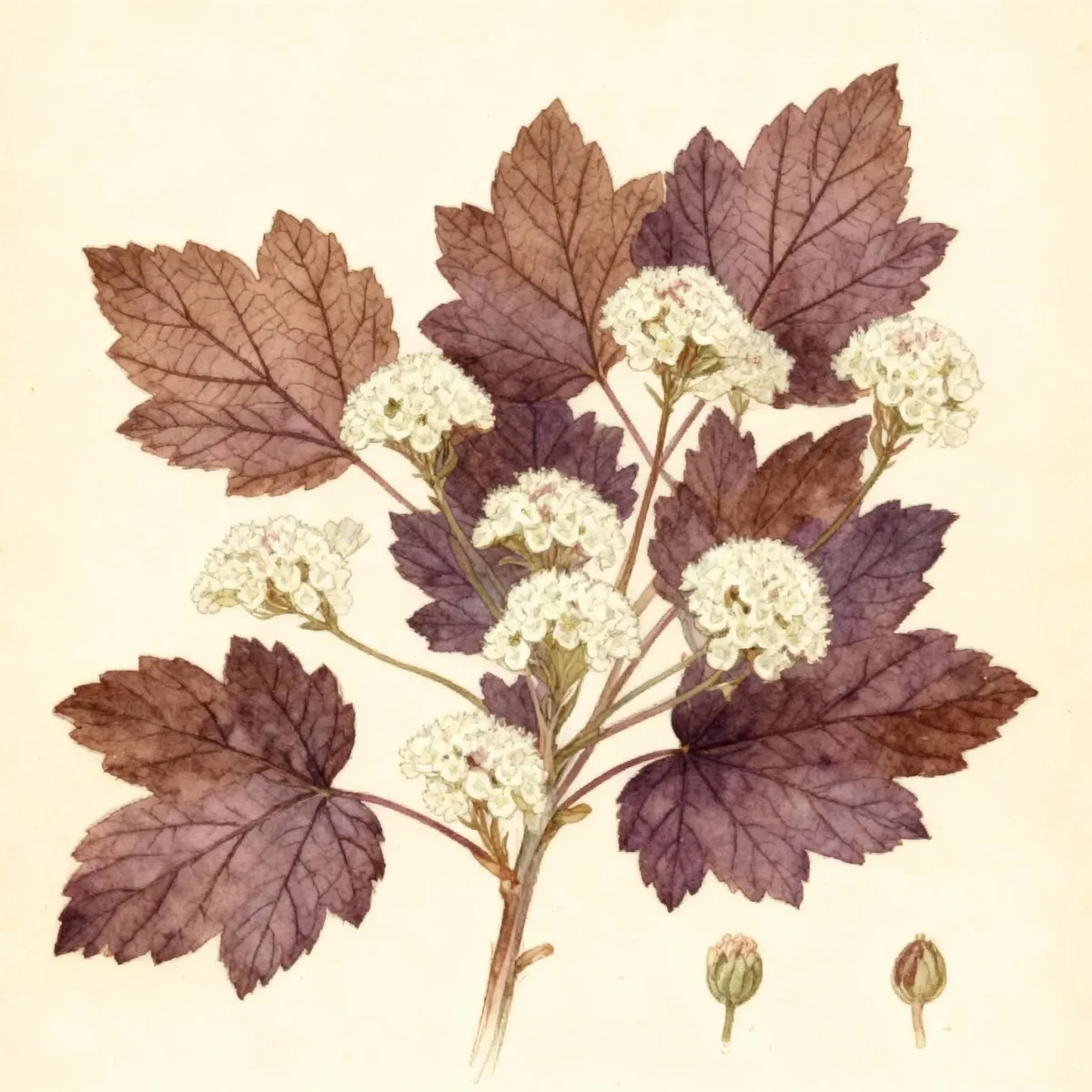
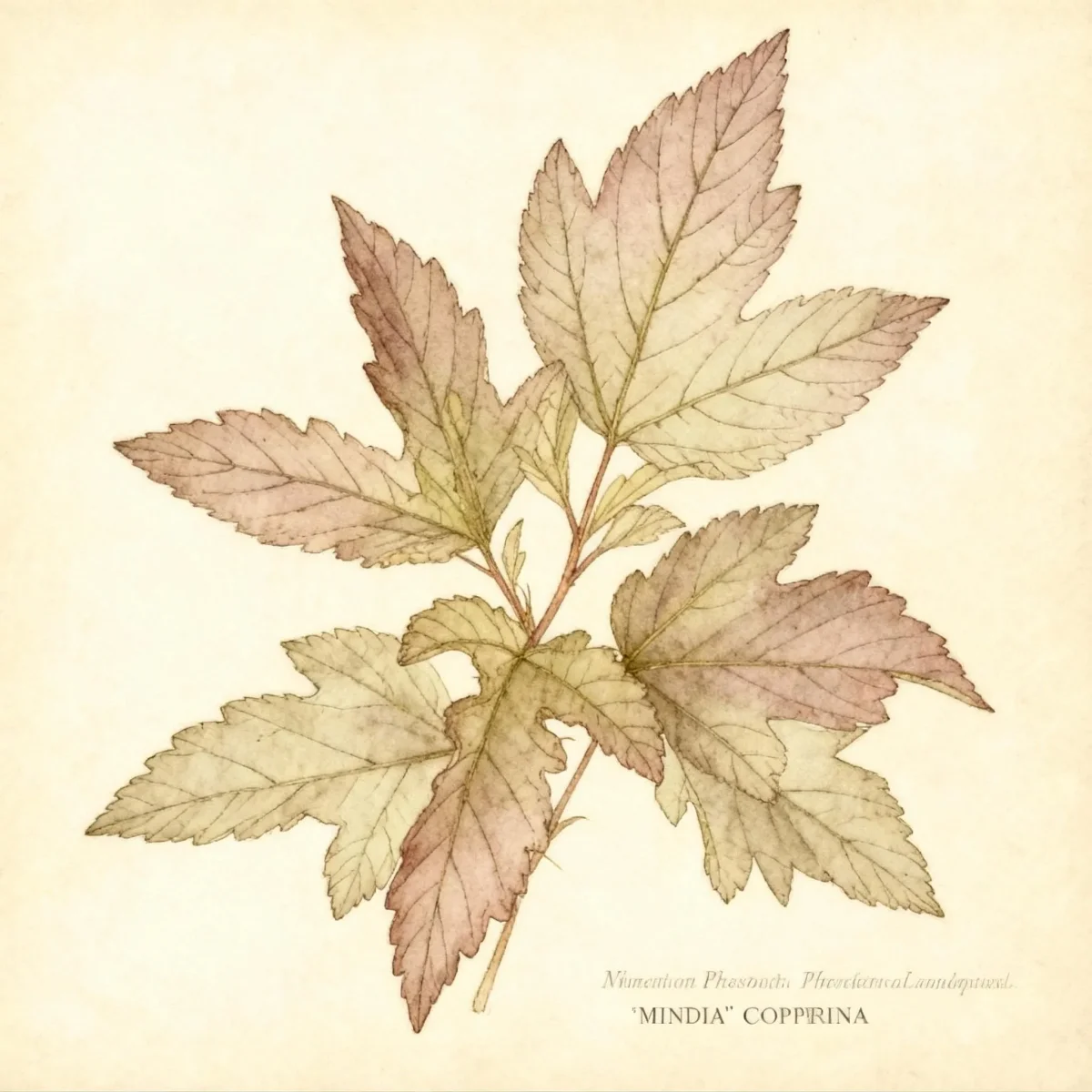
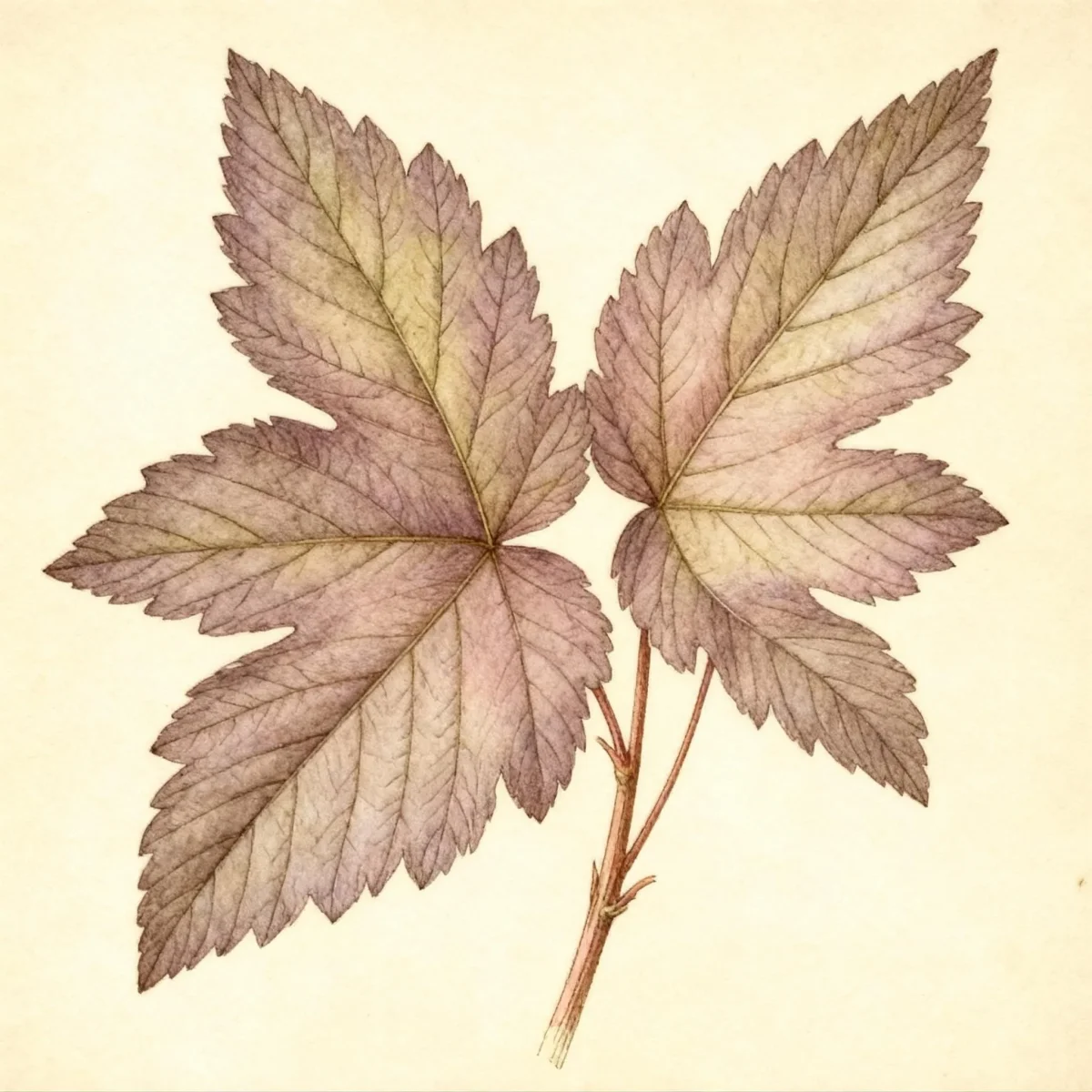
Physocarpus opulifolius, commonly called ninebark, is noted for its exfoliating bark which peels to reveal inner layers of reddish brown bark, providing good winter interest. ‘Dart’s Gold’ is specifically noted for its attractive yellow foliage, emerging bright gold in spring, aging to chartreuse by mid-summer, and finishing with bronze tints in fall. Small, white, five-petaled flowers bloom in dense, flat clusters during late spring, nicely setting off the vibrant leaves.
Tolerances
- Drought
- Erosion
- Clay Soil
- Dry Soil
- Shallow-Rocky Soil
Potential Problems
Potential issues for Ninebark include fireblight, powdery mildew, and general leaf spots. To manage fungal issues, particularly powdery mildew, ensure good air circulation around the shrub when planting. While Physocarpus opulifolius ‘Dart’s Gold’ reportedly shows good resistance to powdery mildew, avoiding overhead watering late in the day can further mitigate risk. Prompt cleanup of fallen leaves in the fall helps prevent overwintering fungal spores.
Frequently Asked Questions
What hardiness zones is Ninebark (Physocarpus opulifolius ‘Dart’s Gold’) suitable for?
This specific cultivar of Ninebark is hardy across USDA Zones 3 through 7, indicating excellent cold tolerance.
How large does Ninebark (Physocarpus opulifolius ‘Dart’s Gold’) grow?
When fully mature, Physocarpus opulifolius ‘Dart’s Gold’ typically reaches a height between 4 and 5 feet, with a similar spread of 4 to 5 feet, maintaining a compact, mounded habit.
What sun exposure does Ninebark (Physocarpus opulifolius ‘Dart’s Gold’) need?
For the best and brightest golden foliage color, this Ninebark requires full sun, though it can tolerate part shade, especially in dangerously hot summer climates.
When does Ninebark (Physocarpus opulifolius ‘Dart’s Gold’) bloom?
This plant blooms predictably in the late spring, generally between May and June, displaying clusters of white flowers that are frequently tinged with pink.
Conclusion
The resilient nature and year-round visual impact make Physocarpus opulifolius ‘Dart’s Gold’ an outstanding choice for color and texture in the landscape. Its golden foliage during the growing season transitions beautifully into interesting exfoliating bark during winter, ensuring this Ninebark earns its medium maintenance rating through high reward. Consult your local hardiness map to confirm that USDA Zones 3-7 aligns with your growing region before planning your spring installation.
Companion Planting
Selecting companions for Physocarpus opulifolius ‘Dart’s Gold’ should focus on plants that either complement its bright color or share its moderate cultural needs. Plants featuring deep purple or burgundy foliage, such as certain varieties of Barberry (if planting in non-invasive zones) or Purple Smoke Bush (Cotinus coggygria), create a striking contrast against the bright gold of the Ninebark. Hostas with deep green, textured leaves also pair well near the base, especially in areas where afternoon shade is provided to protect the cultivar’s leaves.
Since this Ninebark tolerates dry soil and performs well in part shade, consider lower-growing, semi-shady groundcovers such as Hellebores (Helleborus) or Geraniums for mid-layer interest. These combinations utilize the plant’s tolerance for tough conditions while leveraging the Ninebark’s upright, mounding form as a primary structural element in the border design.
Pruning and Rejuvenation Strategies
While standard maintenance involves light shaping immediately after flowering to maintain a tidy shape or hedge line, more aggressive pruning is possible with Physocarpus opulifolius ‘Dart’s Gold’. If the plant becomes leggy or loses its lower density after several years, gardeners can employ renovation pruning. This involves cutting the entire shrub back hard, even down to just a few inches above the ground, during the early spring dormancy period before new growth begins.
This severe pruning resets the plant’s structure, encouraging vigorous new suckers and foliage from the base, which revitalize both the density and leaf color. Remember that any cuts made after mid-August risk stimulating tender new growth that will not survive winter, so adhere strictly to the post-bloom pruning window for routine shaping.