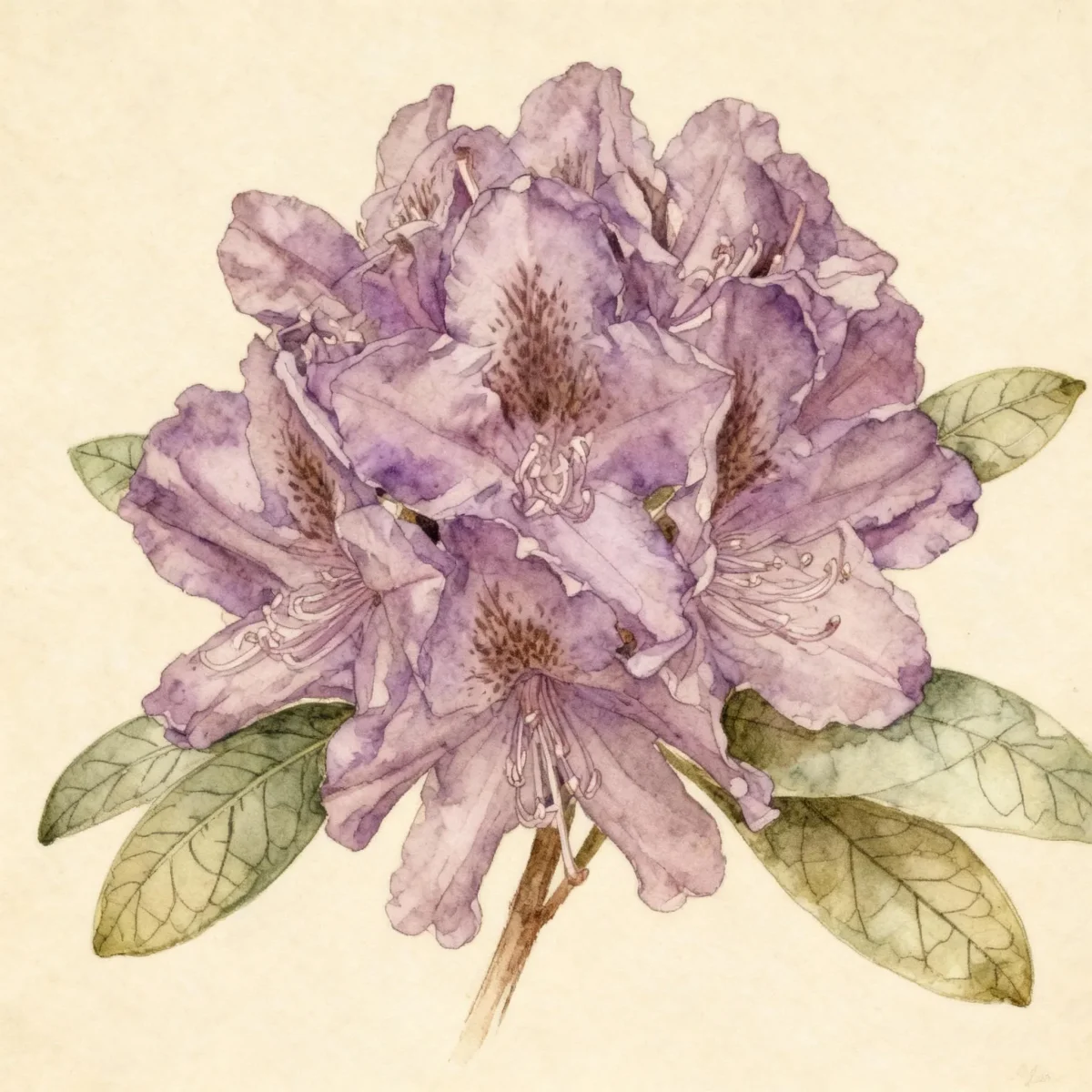
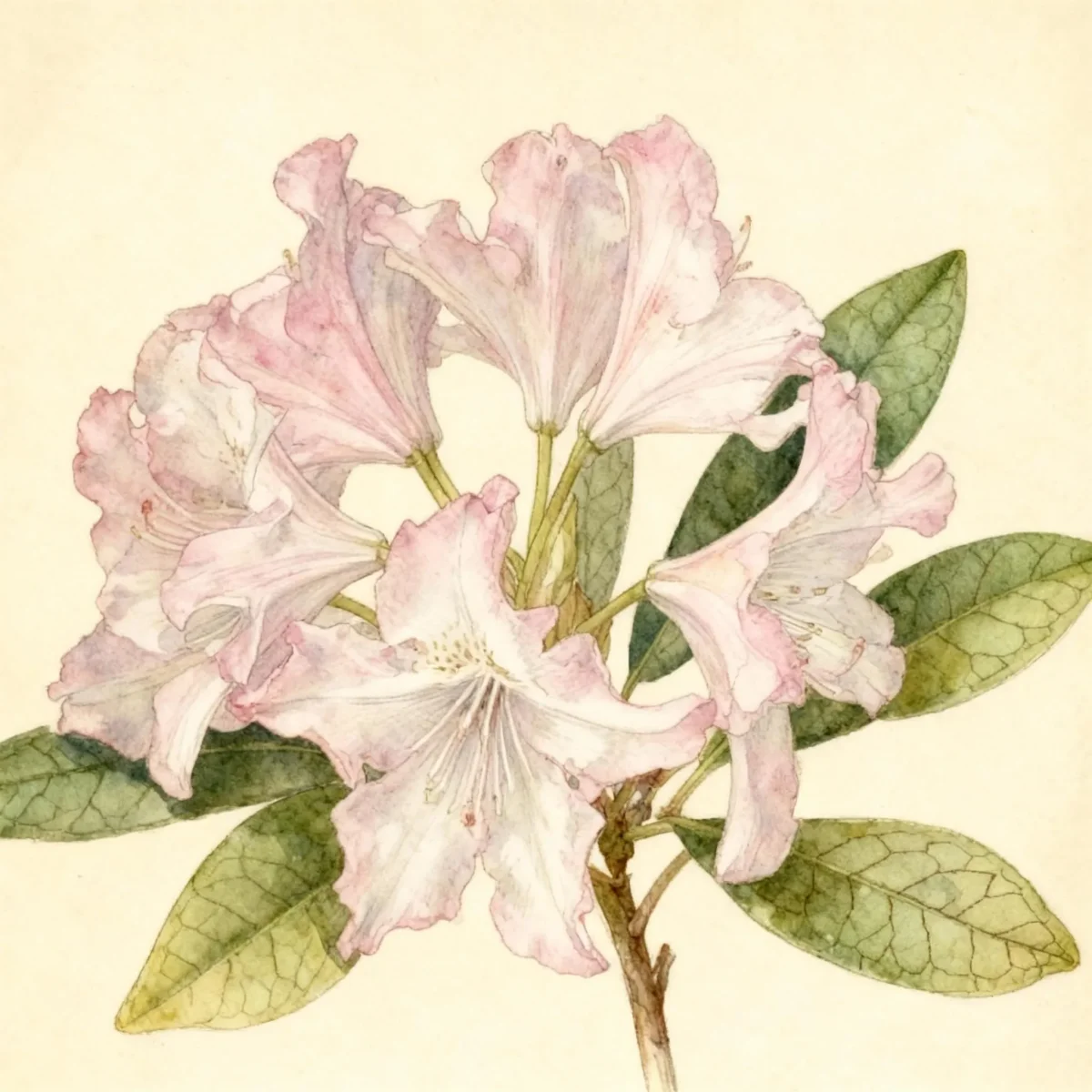
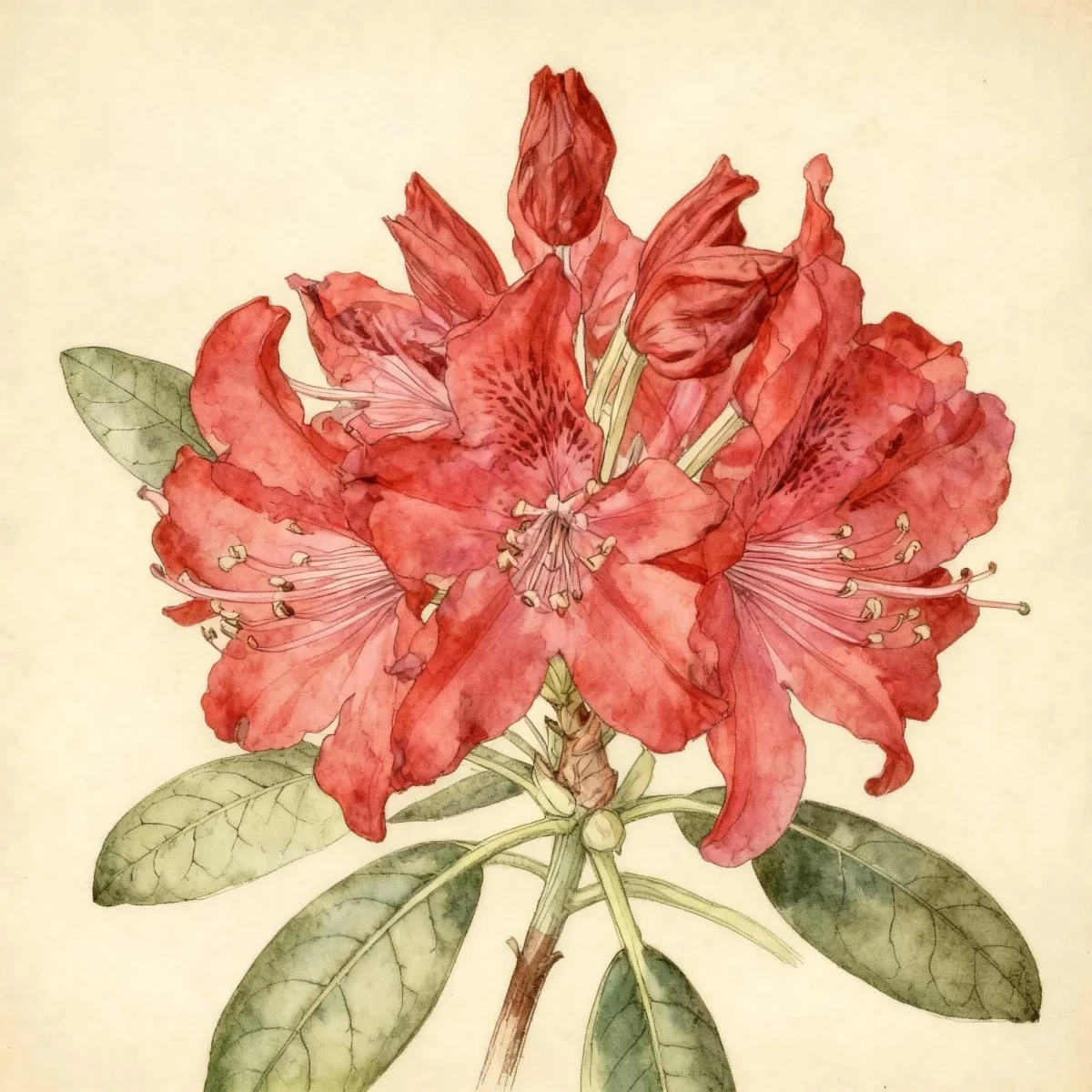
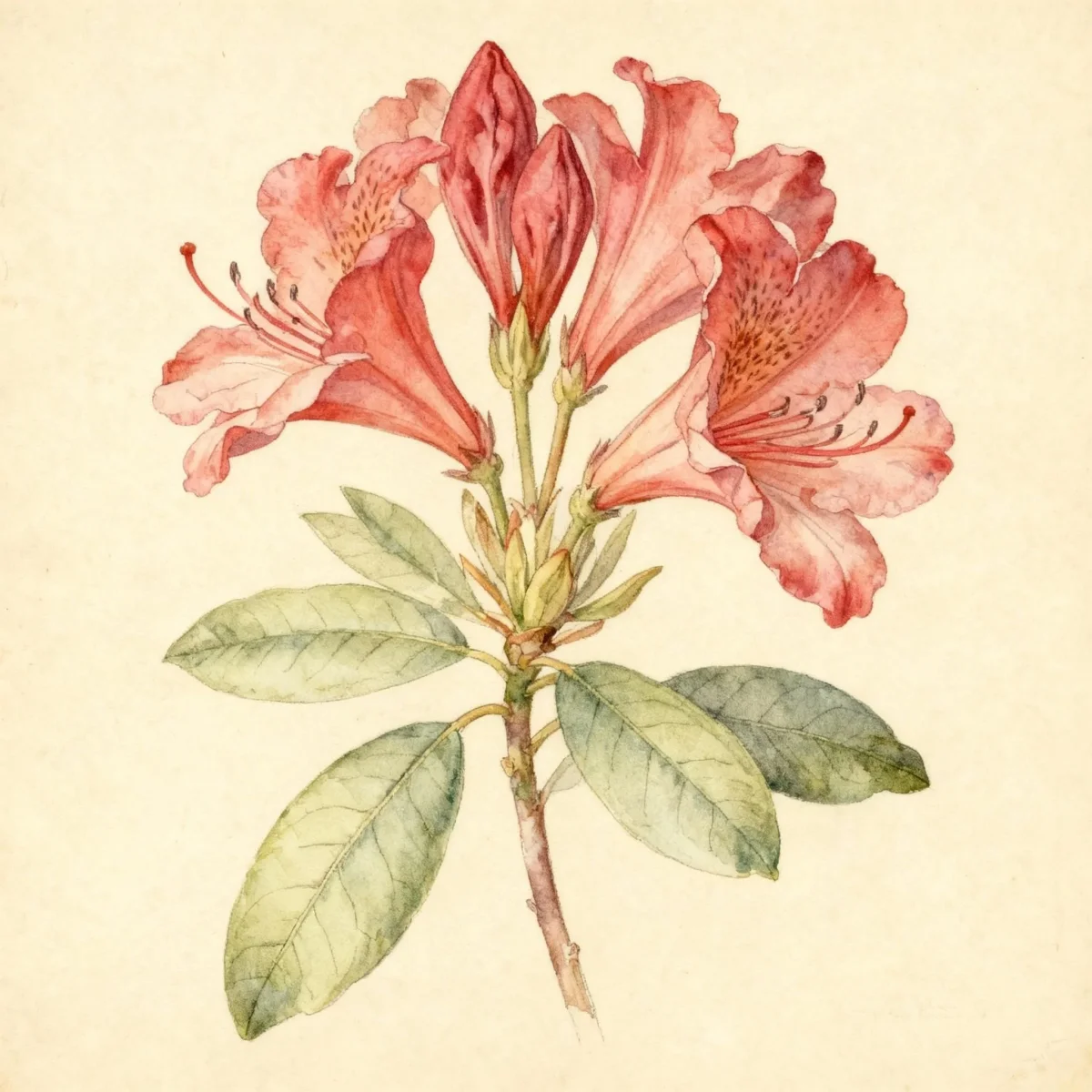
Catawba rhododendron (Rhododendron 'Catawbiense Album')
The Rhododendron 'Catawbiense Album' or Catawba rhododendron offers showy white blooms, making it a cold-hardy broadleaf evergreen for Zones 4-8.
Scroll down to discover growing tips, care requirements, companion plants, and more
Complete Plant Information
Overview
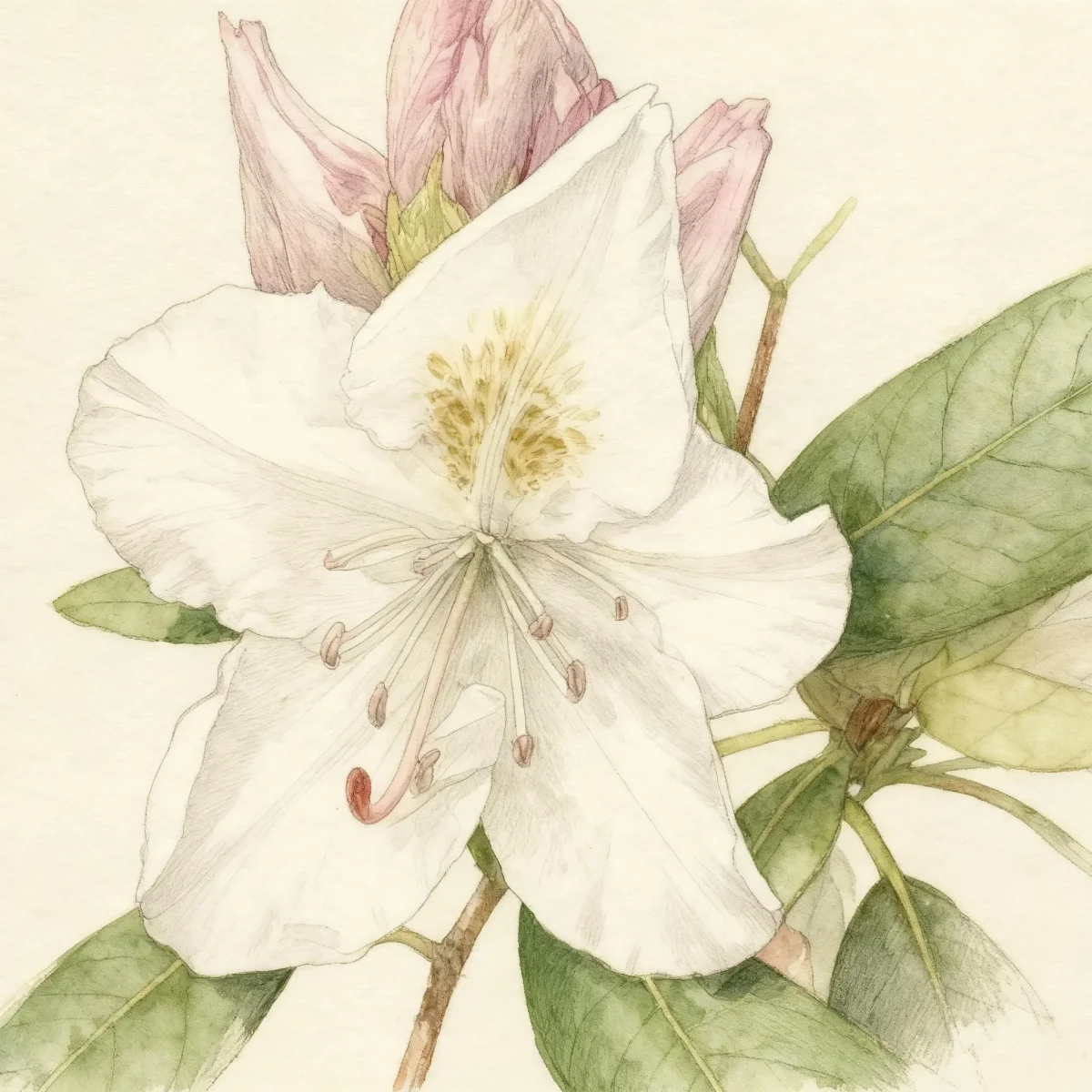
The Rhododendron ‘Catawbiense Album’, commonly known as Catawba rhododendron, is a highly valued broadleaf evergreen admired for its striking spring floral display. Bred for superior cold tolerance, this cultivar provides reliable structure and color, even in colder northern climates, fitting well into USDA Zones 4 through 8. Expect large trusses of pure white flowers, often marked with a distinctive greenish-yellow blotch, creating a significant focal point in the landscape during May.
Unlike some less resilient cultivars, Rhododendron ‘Catawbiense Album’ establishes itself as a robust, large rounded shrub, typically reaching 5 to 6 feet high and wide. Gardeners appreciate its dense foliage, which provides continuous visual appeal throughout the winter months. Its dependability in challenging conditions contributes significantly to its popularity in mixed borders and foundation plantings.
Cultivating the Catawba rhododendron successfully hinges on providing the correct acidic soil pH and ensuring excellent drainage. While it displays good sun tolerance, dappled shade is often ideal to prevent leaf scorch in intense summer heat. This classic specimen ensures beauty and resilience when planted correctly, making Rhododendron ‘Catawbiense Album’ a staple in temperate zone gardens.
Fast Facts
- Plant Family: Ericaceae
- Plant Type: Broadleaf evergreen
- Hardiness Zones: USDA Zones 4-8
- Size at Maturity:
- Height: 5-6 ft
- Spread: 5-6 ft
- Bloom Time: May
- Bloom Description: White with a greenish-yellow blotch
- Sun Exposure: Full sun to part shade
- Water Needs: Medium
- Maintenance Level: Medium
How to Grow
Plant the Catawba rhododendron in the most favorable spot possible, ideally receiving morning sun followed by afternoon shade, though it tolerates more sun in cooler regions. The single most critical factor for success is soil structure. Best grown in acidic, organically rich, humusy, medium moisture, moisture-retentive but well-drained soils. Good drainage is non-negotiable; consider raised beds if your native soil is heavy clay, as root rot quickly occurs in soggy conditions.
Consistent moisture management is key, as the shallow, fibrous root systems of Rhododendron ‘Catawbiense Album’ must never be allowed to dry out. Apply a thick layer of organic mulch, like pine needles or wood chips, around the base—but keep it away from the trunk—to stabilize soil temperature and retain moisture. Soil pH management is vital; aim for a range of 5.0 to 5.5, adding iron sulfate or sulfur if acidification is necessary.
Pruning should be minimal; immediately after bloom concludes, clip off spent flower clusters (deadheading) as practicality allows. Avoid deep cultivation near the plant, respecting its shallow root structure. Never plant this variety near walnuts, butternuts, or hickories, as they produce juglone toxins detrimental to most rhododendrons.
Landscape Uses
Rhododendron ‘Catawbiense Album’ excels in numerous landscape roles due to its dense, rounded shape and evergreen presence. It is highly effective when used as a formal or informal hedge, providing a substantial, consistent green backdrop throughout the year. When massed or grouped, it creates a stunning sweep of white color in the spring, perfect for defining woodland margins or softening hard architectural lines in foundation plantings.
For mixed borders, the Catawba rhododendron serves as an excellent anchor plant. Pair it with acid-loving companions that share its moisture and sun preferences, such as Japanese maples for filtered shade, evergreen azaleas, or ferns. Its presence adds essential evergreen texture to perennial beds, offering structure when deciduous plants are dormant.
Due to its noted hardiness, ‘Catawbiense Album’ performs reliably in woodland gardens where filtered light mimics its native environment. Its stately form also makes it an appropriate specimen plant, drawing the eye to a specific area before the spring flush of blooms arrives.
Standout Features
Flower Qualities
- Showy
Noteworthy Characteristics
Rhododendron is a genus of 500 to 900 species that includes both what we commonly call rhododendrons and azaleas, originating mostly from the Northern Hemisphere. The evergreen rhododendrons produce stiff, linear leaves and large trusses of flowers at the tips of branches, ranging in color from white to purple. ‘Catawbiense Album’ is specifically noted as an “Ironclad rhododendron,” bred in the late 1800s for excellent cold hardiness, presenting pale lavender buds that open to white, campanulate flowers with a greenish-yellow center blotch.
Tolerances
- Rabbit
Potential Problems
Rhododendrons and azaleas, including the Rhododendron ‘Catawbiense Album’, are susceptible to various insect and disease issues if cultural needs are not met. Potential insect pests include scale, lacebugs, and aphids, while diseases range from leaf spot and rust to serious issues like root rot, often signaled by poor drainage. A common visual issue is chlorosis—yellowing leaves—which almost always indicates the soil pH is too high, resulting in iron deficiency.
Prevention is the best defense; ensure the plant is sited correctly in well-drained, acidic soil and protect it from drying out or becoming waterlogged. If pests appear, identify them promptly for targeted treatment, usually starting with horticultural oils or insecticidal soaps for soft-bodied insects. Maintaining optimal conditions for this Catawba rhododendron ensures it possesses the vigor needed to naturally resist most common challenges.
Frequently Asked Questions
What hardiness zones is Catawba rhododendron suitable for?
The Rhododendron ‘Catawbiense Album’ is highly cold-tolerant, suitable for USDA Hardiness Zones 4 through 8.
How large does Rhododendron ‘Catawbiense Album’ grow?
This cultivar typically matures to a height and spread of 5 to 6 feet, forming a large, rounded shrub shape.
What sun exposure does Catawba rhododendron need?
It thrives best in full sun to part shade, ideally receiving sun dappled or high open shade locations.
When does Rhododendron ‘Catawbiense Album’ bloom?
This durable evergreen blooms reliably in May, producing white flowers accented with a greenish-yellow blotch.
Conclusion
The Rhododendron ‘Catawbiense Album’ stands out as an indispensable shrub for cold-climate gardeners, offering reliable evergreen screening and spectacular white spring flowers. By prioritizing acidic, well-drained soil, you ensure the long-term health and performance of your Catawba rhododendron. Before planting, always confirm your local hardiness zone compatibility and prepare the soil thoroughly to establish this magnificent specimen correctly.
Companion Planting
Selecting companions that thrive in the same acidic conditions will greatly enhance the aesthetic appeal and health of your planting beds featuring Rhododendron ‘Catawbiense Album’. Consider planting under the high canopy of established pines or oaks, which naturally filter sunlight and drop acidic needles that benefit the soil. Low-growing groundcovers like creeping phlox, woodland sedges, or certain heaths (Erica species) work well near the base, helping to insulate the shallow roots.
For height contrast, deciduous companion plants are excellent choices. Hydrangeas, especially those preferring slightly acidic and shaded conditions, or native dogwood varieties offer branching structure and seasonal color that complements the year-round structure of the evergreen Rhododendron ‘Catawbiense Album’. Ensure companions do not compete too aggressively for surface nutrients or water, respecting the established root zone of the rhododendron.
Seasonal Care Calendar
Spring preparation is crucial for activating growth after winter dormancy. As temperatures warm in early spring, apply a fresh layer of mulch if needed, and check the soil pH, amending with sulfur if levels have drifted high, as this prepares the plant for its May bloom flush. Immediately following blooming, deadhead spent trusses to direct energy toward foliage development rather than seed production.
Summer care focuses primarily on consistent watering, as this broadleaf evergreen cannot tolerate drought, especially when young. Water deeply when the top inch or two of soil feels dry, particularly during hot spells in sunnier exposures. Avoid fertilizing heavily during the summer months, focusing instead on maintaining adequate moisture levels.
In autumn, while little structural work is needed, ensure the soil remains moist before the ground freezes. Mulching deeply before the first hard freeze helps insulate the roots against freeze-thaw cycles, protecting the fibrous root system of your Catawba rhododendron through the winter months.