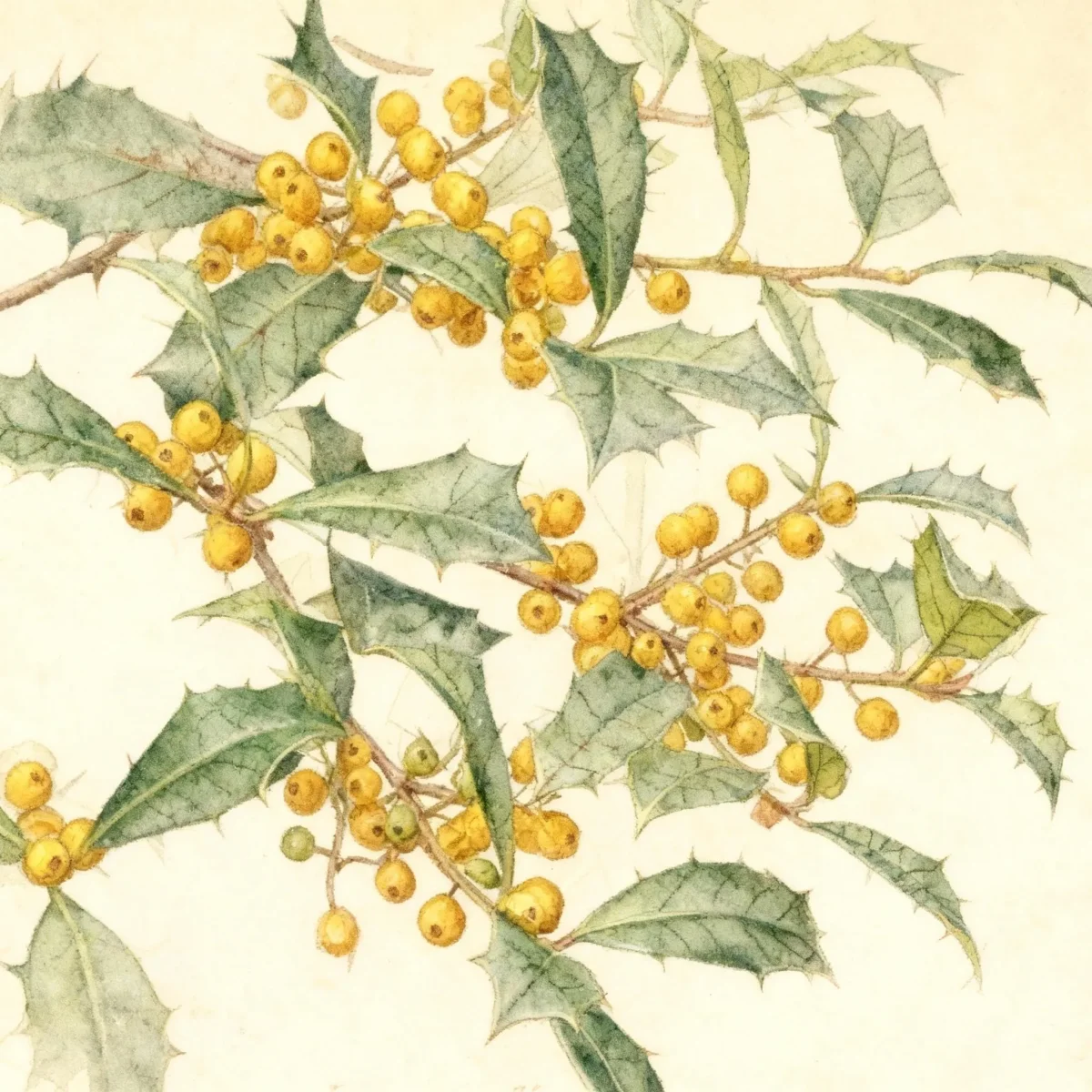
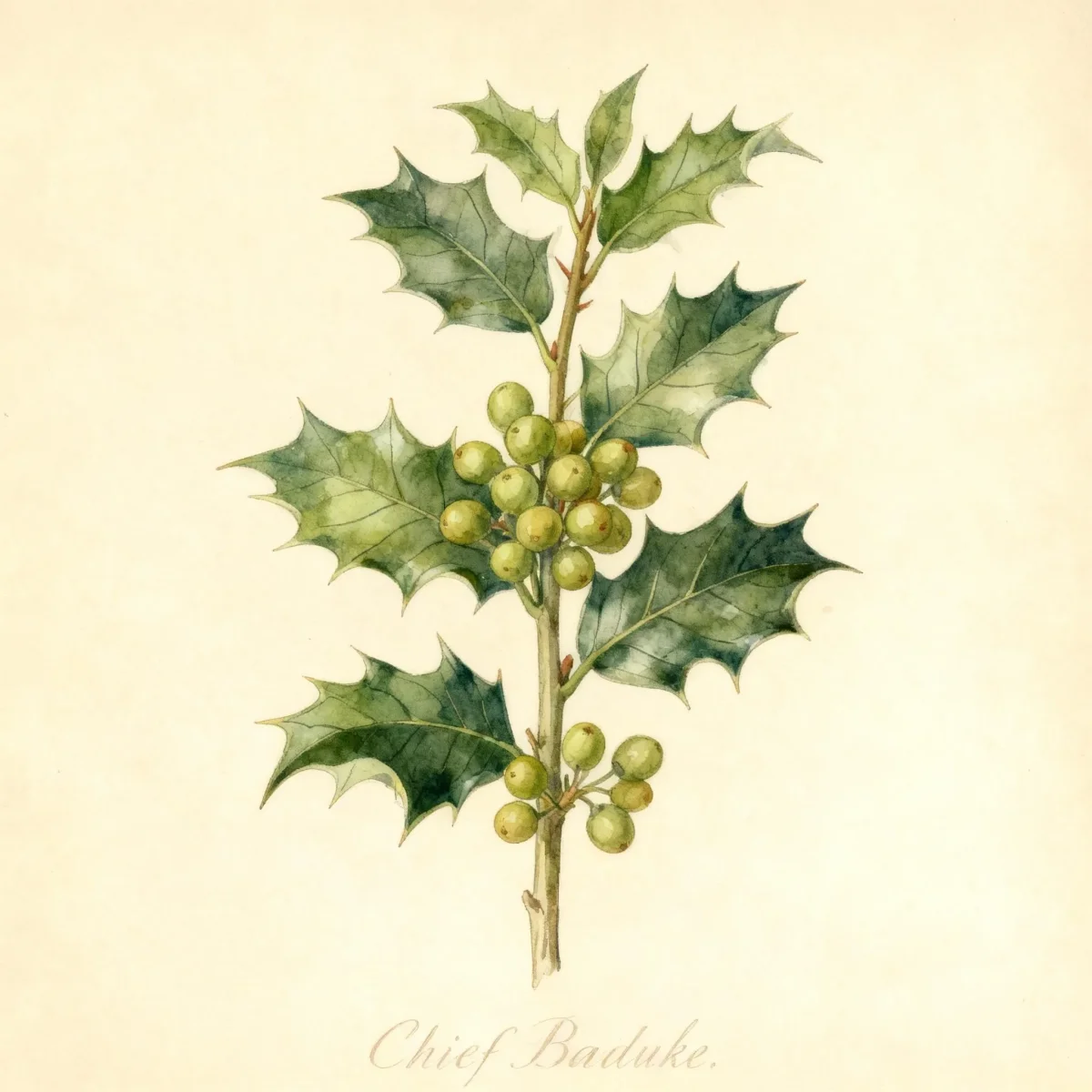
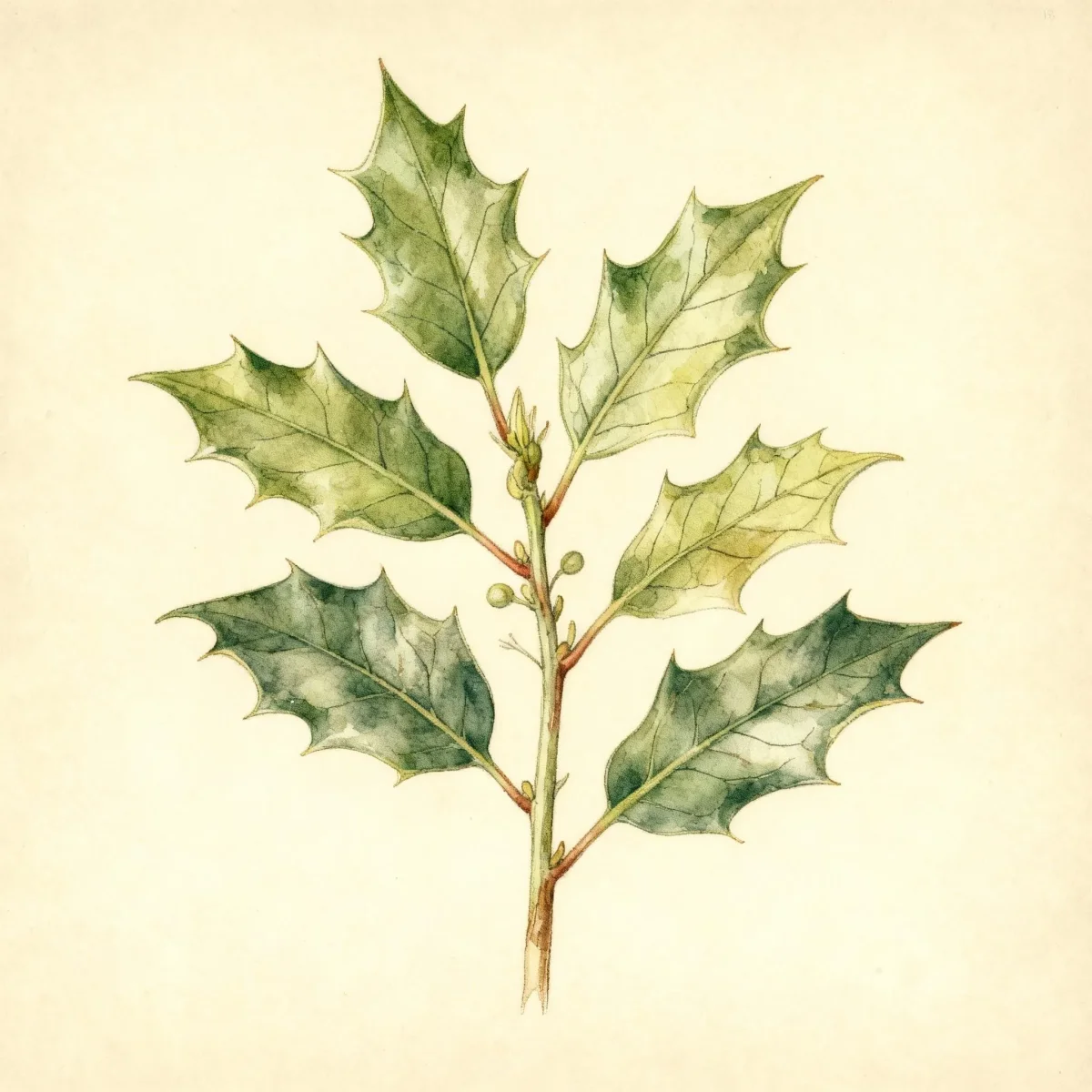
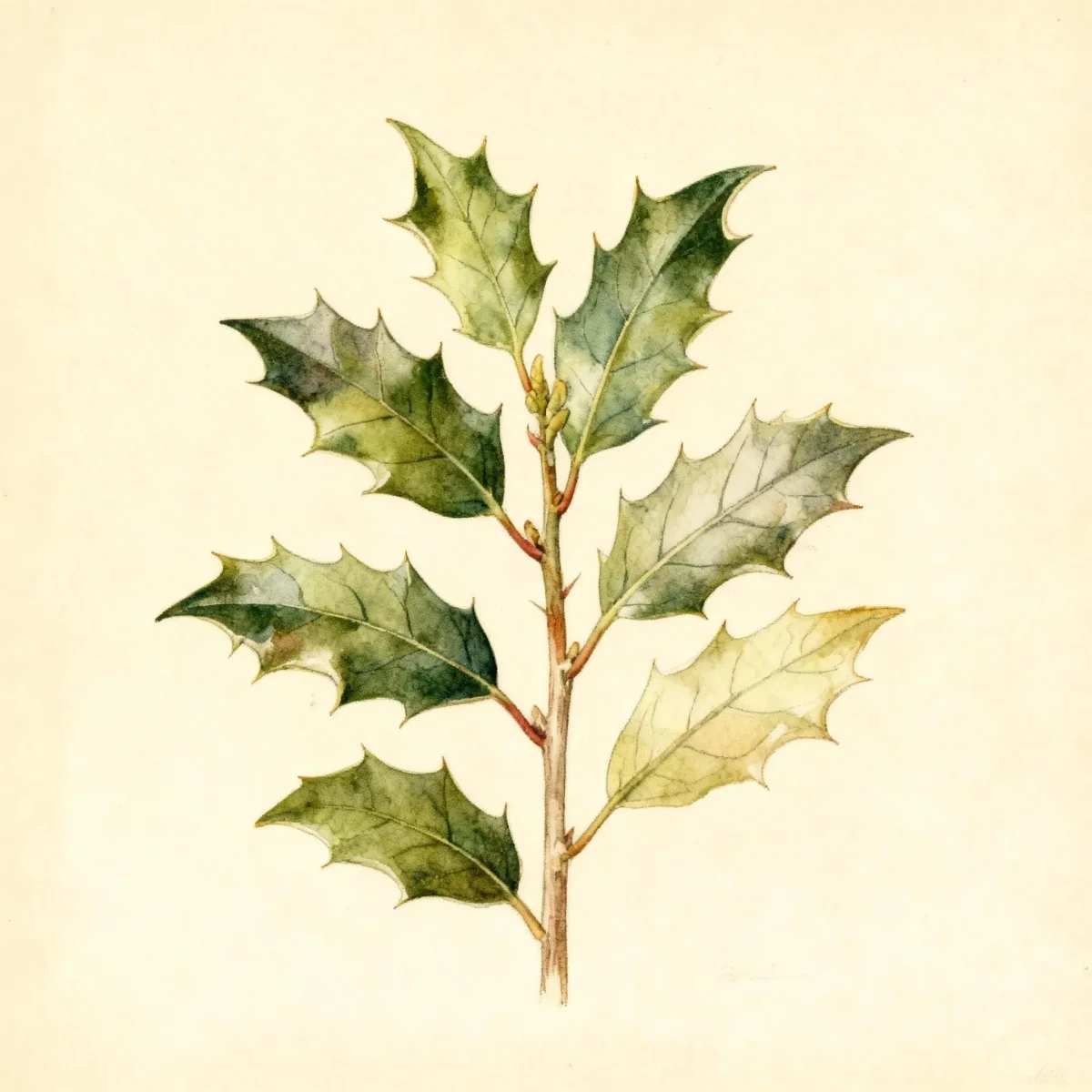
American holly (Ilex opaca 'William Hawkins')
Ilex opaca 'William Hawkins' is a dense, low-maintenance American holly offering rich evergreen foliage perfect for winter structure.
Scroll down to discover growing tips, care requirements, companion plants, and more
Complete Plant Information
Overview
The cultivar Ilex opaca ‘William Hawkins’ provides gardeners with a robust, dense form of the native American holly. This broadleaf evergreen is highly valued for maintaining sharp, dark green texture throughout the coldest months, offering crucial winter interest when deciduous plants are bare. Growing as a dense, shrubby specimen, Ilex opaca ‘William Hawkins’ is adaptable, tolerating a range of conditions that many other broadleaf evergreens struggle with.
As a male cultivar, this specific selection of American holly is prized for its consistent foliage and low maintenance requirements. While the species is dioecious, this cultivar focuses on structure rather than fruit production, making it an excellent choice for foundation plantings or as a screen where consistent form is desired. Its sturdy nature and tolerance to urban challenges add significant practical value to the landscape design.
Gardeners seeking reliable winter screening will appreciate the tight growth habit of Ilex opaca ‘William Hawkins’. It establishes well in average soils, provided drainage is adequate, lending deep color against snowy backdrops or neutral winter hardscapes. Ensure proper site selection to maximize the health and density of this beautiful American holly.
Fast Facts
- Plant Family: Aquifoliaceae
- Plant Type: Broadleaf evergreen
- Hardiness Zones: USDA Zones 5-9
- Size at Maturity:
- Height: 6-15 ft
- Spread: 6-12 ft
- Bloom Time: May
- Bloom Description: Greenish-white
- Sun Exposure: Full sun to part shade
- Water Needs: Medium
- Maintenance Level: Low
How to Grow
Planting Ilex opaca ‘William Hawkins’ is best achieved in spring or early fall when soil temperatures are moderate, allowing roots time to establish before extreme weather hits. This plant thrives in average, consistently moist, acidic, well-drained soils. It adapts to various soil types, including clay soil, but gardeners must aggressively avoid locations where water pools or the soil remains saturated, as the roots cannot tolerate flooding.
Consistent moisture is key, especially when establishing your American holly. Water regularly during the first one to two growing seasons. Once established, this cultivar requires medium water input, though supplemental watering during prolonged summer droughts is beneficial. Fertilization is rarely needed if the plant is situated in deep, rich soil, but pH checks are vital; if soil pH is too high (alkaline), the leaves of the American holly will yellow (chlorosis).
Site locations protected from harsh, cold winter winds to minimize leaf scorch and wind burn. While Ilex opaca ‘William Hawkins’ handles full sun, providing partial afternoon shade is ideal in areas with blistering summer heat. If the plant receives too much deep shade, the foliage density will decrease, resulting in a much less attractive specimen.
Landscape Uses
The dense, shrubby nature of Ilex opaca ‘William Hawkins’ makes it an exceptional choice for foundation plantings where a formal, evergreen base is required near structures. Due to its manageable height of 6 to 15 feet, it functions beautifully as a year-round specimen plant or clustered for effective screening hedges. The foliage maintains excellent color, providing essential structure for winter beds.
Foliage cuttings from American holly selections are traditionally popular for holiday décor, offering a classic, deep green addition to Christmas wreaths and arrangements. While this male cultivar does not produce berries, its primary design function is textural and structural integrity that supports nearby fruiting shrubs or flowering perennials throughout the year. Use this reliable evergreen in woodland garden settings where naturalized growth is desired, respecting its need for acidic soil.
Standout Features
Flower Qualities
- Insignificant
Noteworthy Characteristics
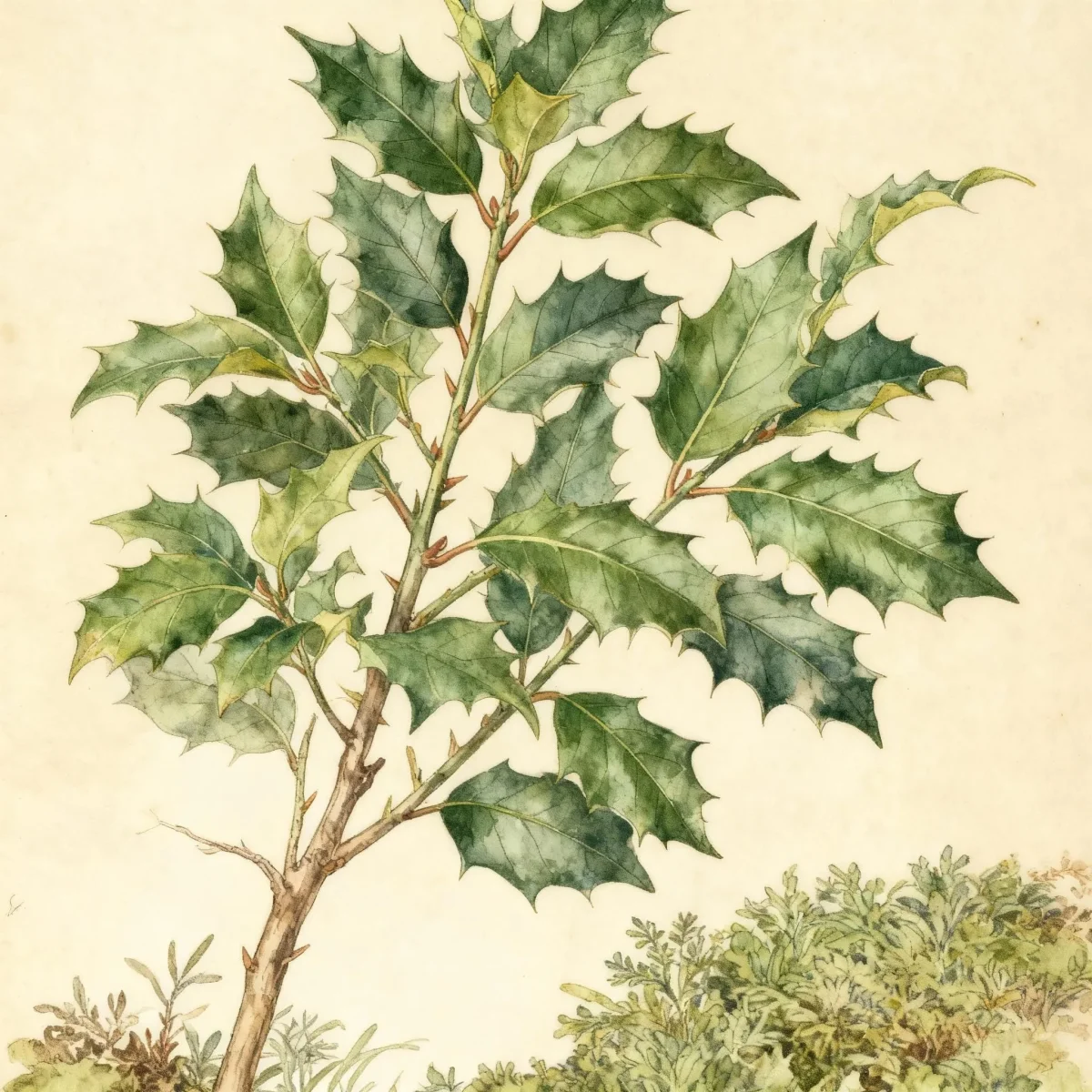
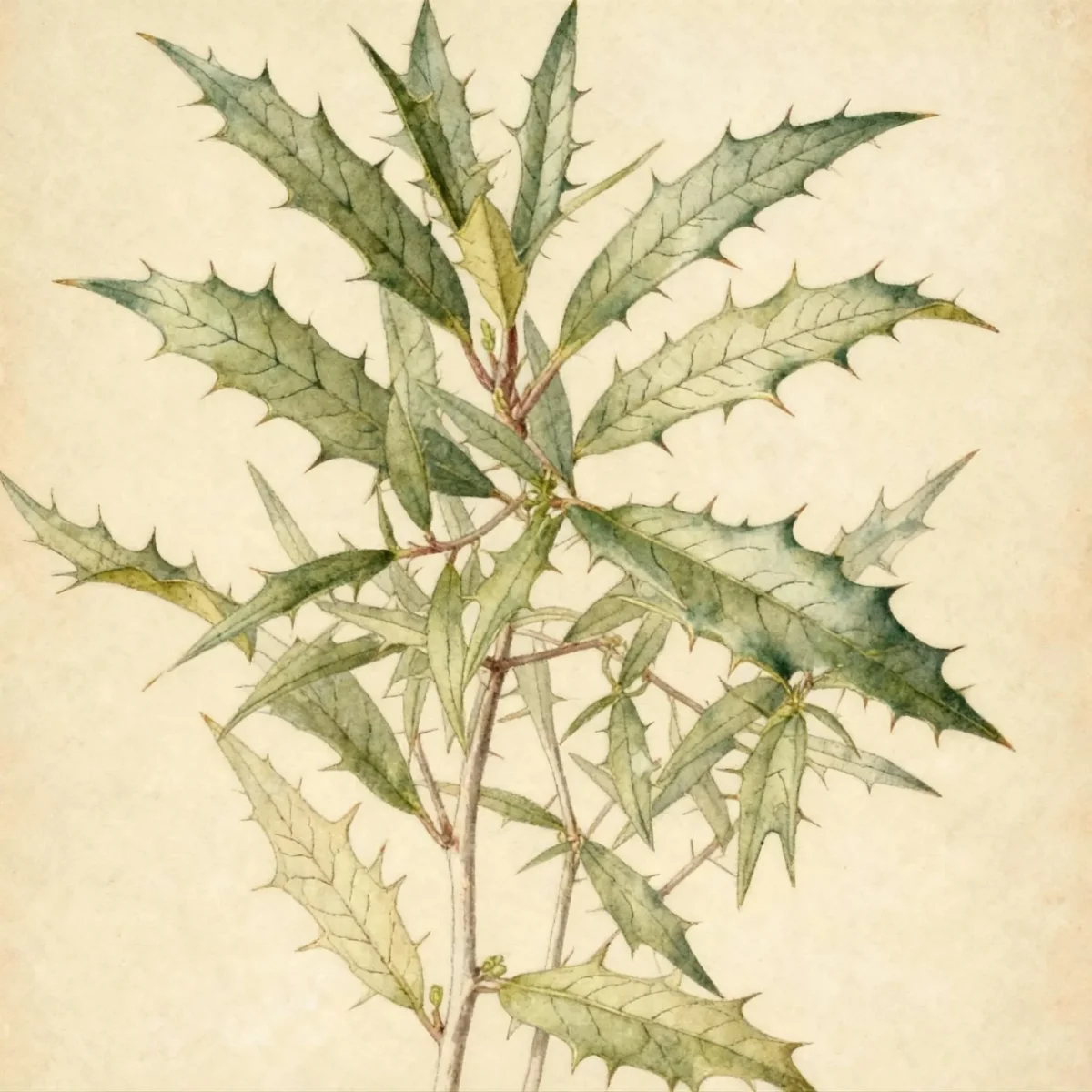
Ilex opaca ‘William Hawkins’ is a dense, shrubby male cultivar of the American holly, typically maturing between 6 to 15 feet tall with a spread of 6 to 12 feet. It is distinguished by its unusually narrow, spiny-toothed, deep evergreen leaves, which provide excellent year-round texture. The species itself is native across the eastern U.S., making this cultivar a strong choice for native landscaping where structure and evergreen color are paramount.
Tolerances
- Deer
- Clay Soil
- Air Pollution
Potential Problems
When pests target your American holly, the common culprits include the holly leaf miner, whitefly, scale insects, and spider mites. Regularly inspect the undersides of leaves for signs of scale or mite activity. Minor insect issues can often be managed with horticultural oil applications.
Disease management focuses primarily on maintaining good air circulation and proper soil conditions to prevent fungal issues. Problems like leaf spot, tar spot, and powdery mildew can appear, especially in overly humid or crowded plantings. Ensure adequate spacing as noted in the cultural requirements to minimize fungal pressure.
Cultural stress often manifests as leaf issues; for instance, planting in high pH soils leads to chlorosis (yellowing leaves), and exposure to intense winter sun or drying winds can cause leaf scorch or premature leaf drop. Proper siting, as discussed above, is your best defense against these common non-pest issues.
Frequently Asked Questions
What hardiness zones is American holly suitable for?
Ilex opaca ‘William Hawkins’ is hardy and reliably evergreen in USDA Zones 5 through 9.
How large does Ilex opaca ‘William Hawkins’ grow?
This dense cultivar typically matures to a height between 6 and 15 feet and spreads 6 to 12 feet wide.
What sun exposure does American holly need?
This plant performs best when placed in locations receiving full sun to partial shade conditions.
When does Ilex opaca ‘William Hawkins’ bloom?
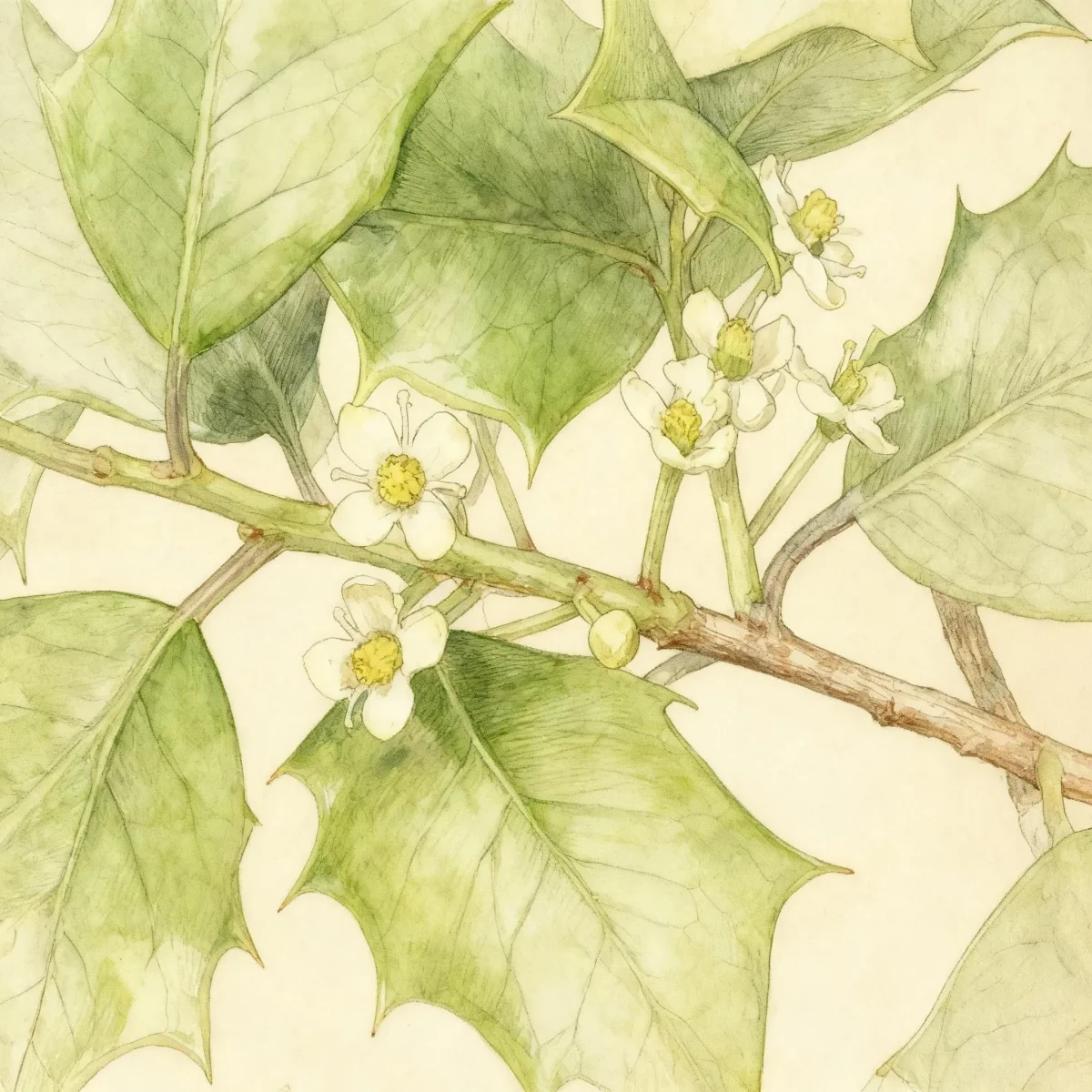
The inconspicuous, greenish-white flowers of this variety typically appear during the month of May.
Conclusion
The Ilex opaca ‘William Hawkins’ cultivar delivers reliable, dense evergreen structure and low maintenance, making it superior for year-round garden performance. Its adaptability to clay soil and urban air pollution solidifies its position as a staple American holly. Before planting your specimen, confirm your soil pH is acidic to ensure the deep green foliage remains vibrant throughout the winter season.
Companion Planting
When styling a garden around Ilex opaca ‘William Hawkins’, select plants that appreciate similar acidic soil requirements and prefer partial shade or dappled light. Consider pairing this evergreen shrub with Japanese Andromeda (Pieris japonica) for contrasting leaf texture and complementary spring flowers. Deciduous magnolias or dogwoods provide wonderful high canopy interest without shading the lower holly too severely.
For groundcover, hostas or various ferns thrive in the dappled light cast by the holly, offering broad, lighter green foliage beneath the dense, spiny leaves of the shrub. This combination creates excellent textural contrast, highlighting the formal shape of the Ilex opaca ‘William Hawkins’ in the understory.
Wildlife Benefits
While Ilex opaca ‘William Hawkins’ is a male plant and therefore produces no berries, it still provides critical habitat benefits to local fauna. The dense, broadleaf evergreen structure offers excellent protective cover and safe nesting sites for smaller birds seeking refuge from winter weather or predators. Its dense branching pattern creates a vital year-round visual screen.
The deep green foliage retains its structure throughout the winter, providing necessary thermal cover when temperatures drop. While it won’t feed wildlife, the physical structure of this American holly supports avian health during dormant seasons, acting as a sturdy anchor in the winter landscape palette.