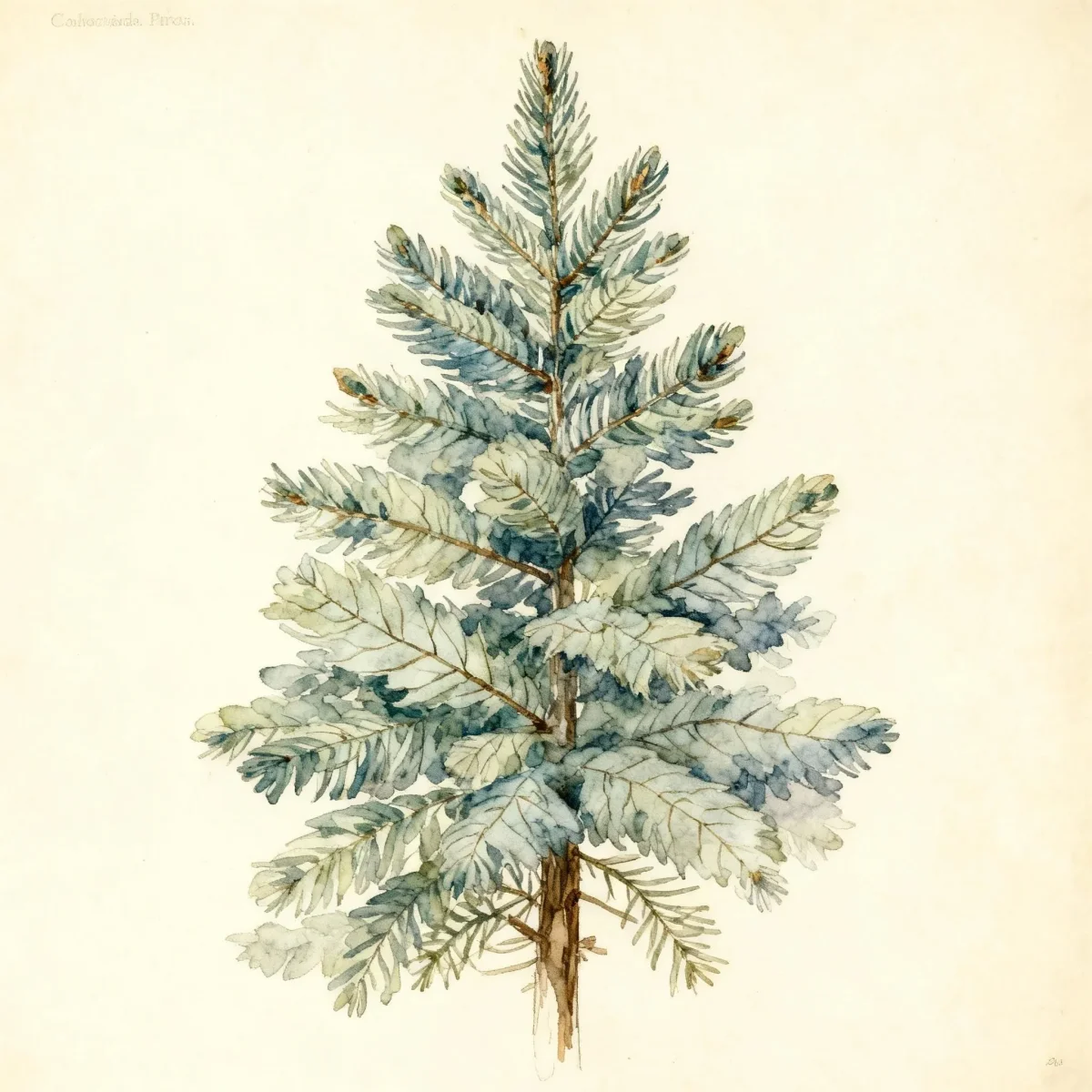
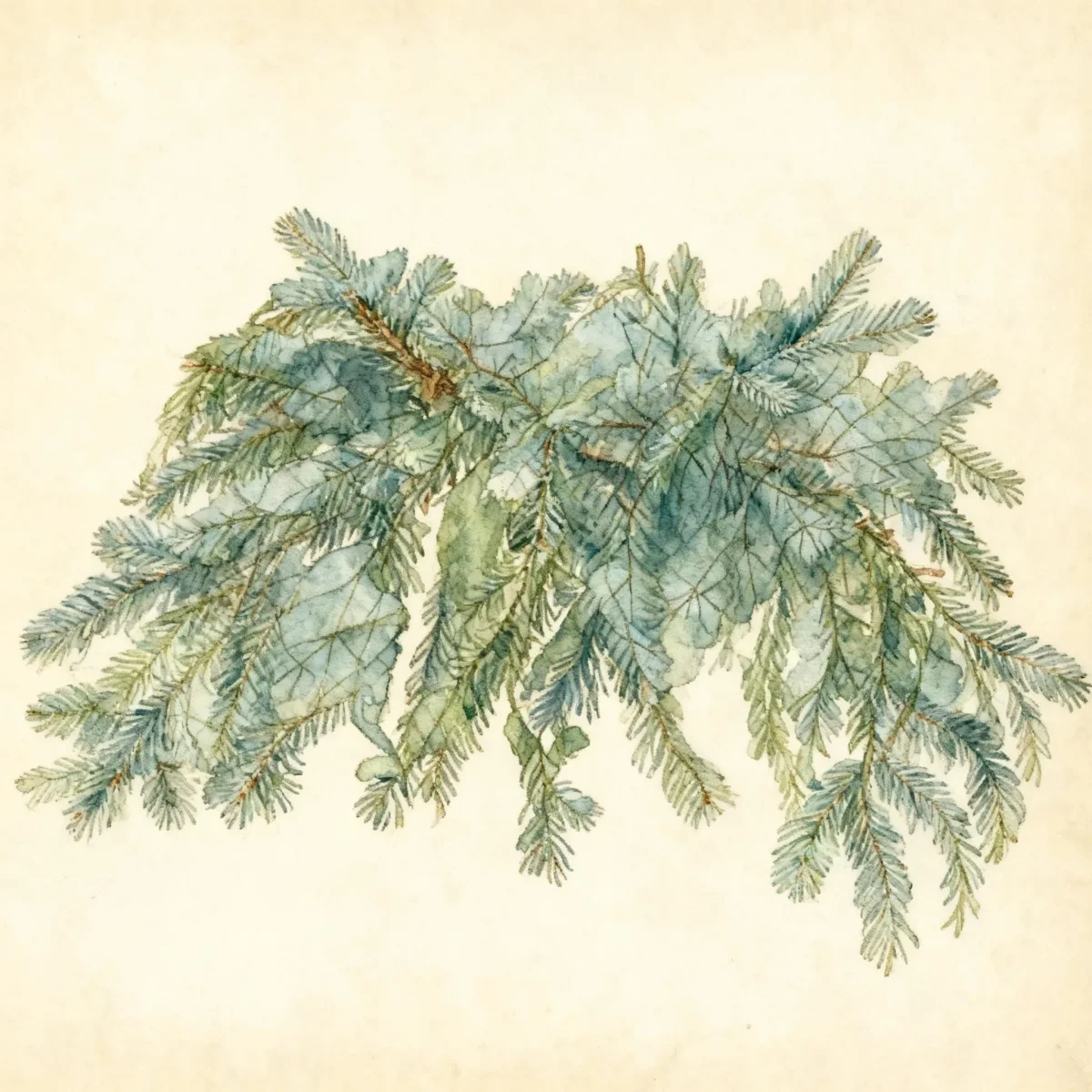
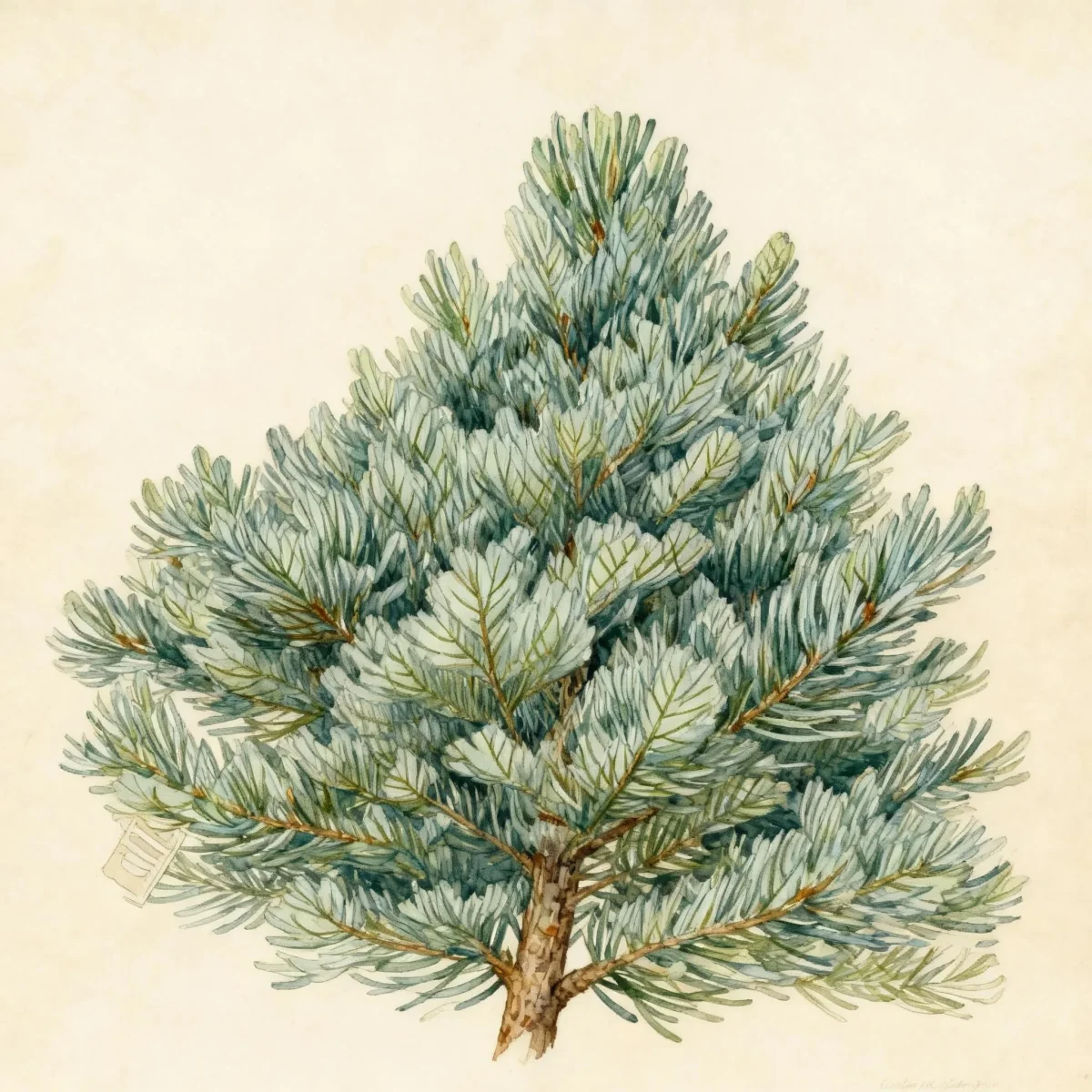
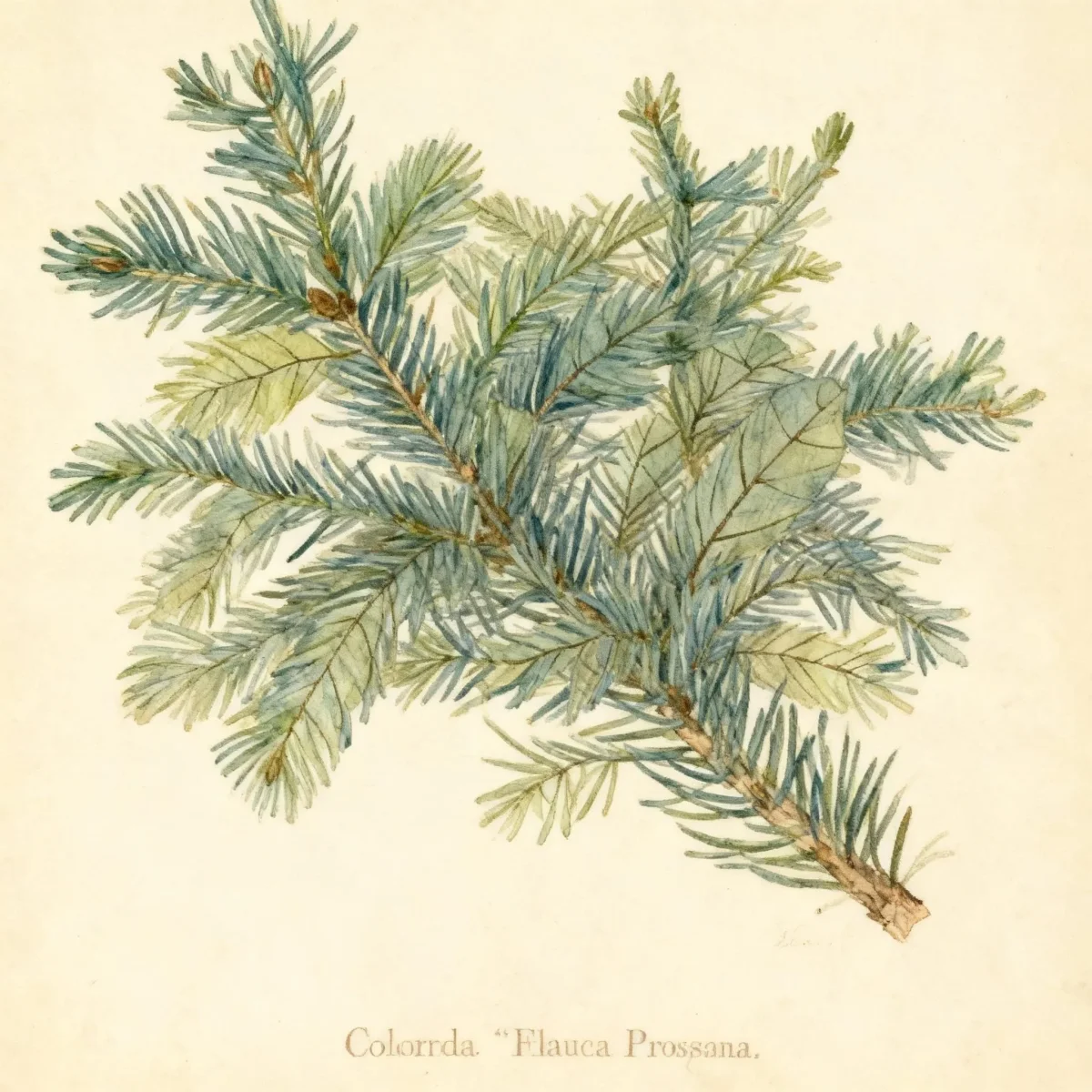
Colorado spruce (Picea pungens 'Baby Blueeyes')
Picea pungens 'Baby Blueeyes' is a coveted semi-dwarf Colorado spruce offering dense, blue-gray needles and low maintenance.
Scroll down to discover growing tips, care requirements, companion plants, and more
Complete Plant Information
Overview
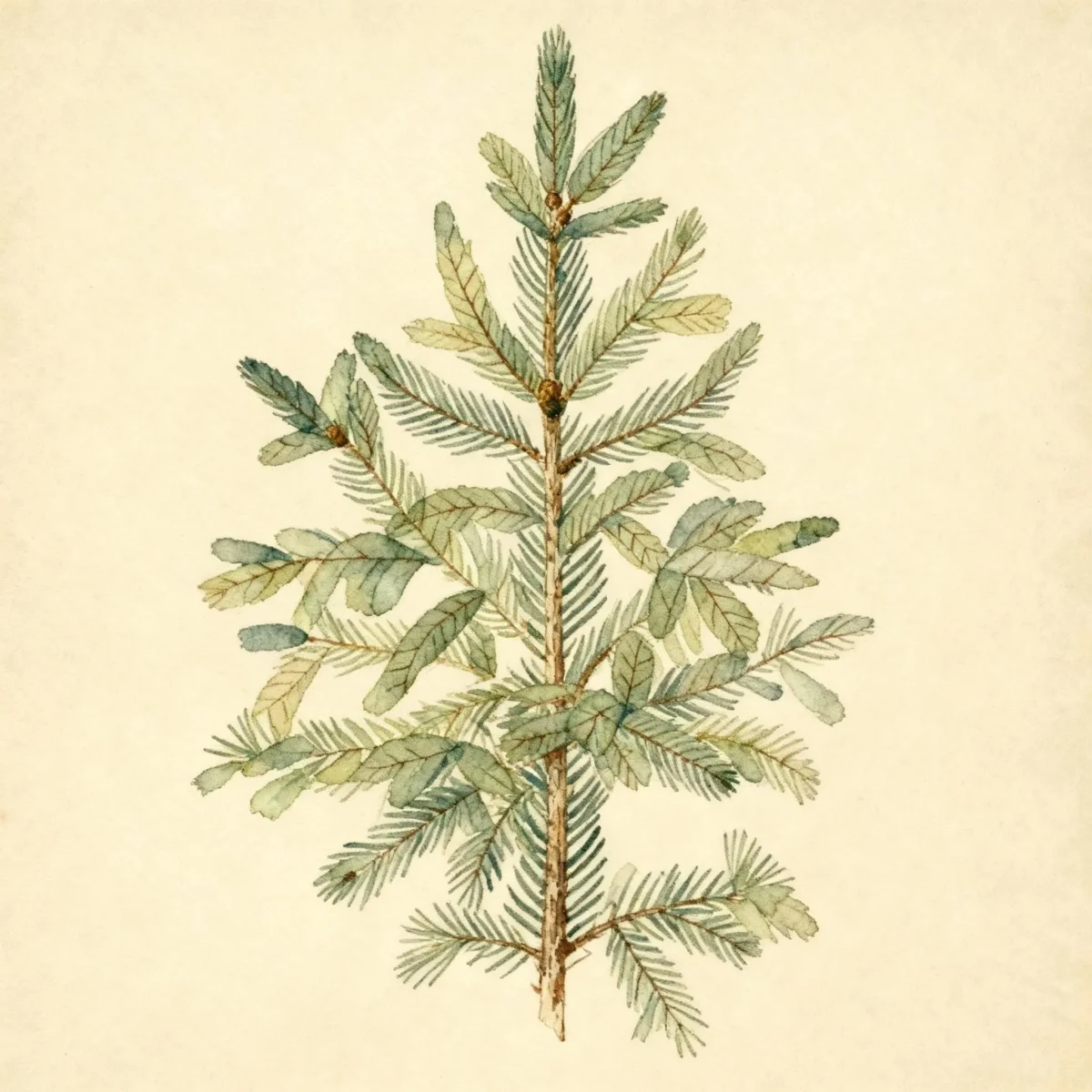
Picea pungens ‘Baby Blueeyes’ is a standout semi-dwarf cultivar prized for its intensely dense, blue-gray foliage that retains its striking color year-round. This cultivar of the Colorado spruce offers a more manageable size than its towering wild relatives, making it perfect for structured landscapes where a strong vertical accent is desired. Gardeners seek out this evergreen for its pyramidal shape and reliable needle density, providing excellent year-round structure.
As a variety of Colorado spruce, ‘Baby Blueeyes’ thrives when given the right conditions, particularly consistent moisture during establishment. While it exhibits some drought tolerance once mature, ensuring adequate water is key to maintaining the best blue coloration and vigor. This plant delivers spectacular visual appeal with relatively low effort once sited correctly, simplifying long-term landscape management.
The appeal of Picea pungens ‘Baby Blueeyes’ lies in its refinement; it presents the classic rugged beauty of the Rocky Mountain spruce in a compact, architecturally pleasing form. Whether used as a specimen plant or a dense screen, it consistently provides excellent year-round texture and color contrast against softer plantings.
Fast Facts
- Plant Family: Pinaceae
- Plant Type: Needled evergreen
- Hardiness Zones: USDA Zones 3-7
- Size at Maturity:
- Height: 15-20 ft
- Spread: 6-10 ft
- Bloom Time: Non-flowering
- Bloom Description: Non-flowering
- Sun Exposure: Full sun
- Water Needs: Medium
- Maintenance Level: Low
How to Grow
For optimal establishment, plant Picea pungens ‘Baby Blueeyes’ in the spring or fall when temperatures are moderate. Choose a site offering full sun exposure; while it tolerates some light shade, full sun ensures the best blue needle coloration. The soil must be well-drained, as standing water is detrimental to spruce health. It prefers average, acidic conditions, but the most critical factor is consistent moisture, especially during its early years.
Watering should be deep and regular, aiming to keep the root zone consistently moist, particularly through the first few growing seasons. While established Colorado spruce possesses moderate drought tolerance, avoid letting the soil dry out completely. Fertilization is generally unnecessary if the native soil is average, but a slow-release fertilizer formulated for evergreens can encourage strong growth in poor soils.
Avoid heavy pruning; Picea pungens ‘Baby Blueeyes’ maintains its desired pyramidal form naturally, exhibiting strong terminal dominance early on. Excessive pruning can disrupt this natural shape and resilience. In intensely hot or humid summer climates, providing afternoon shade can help reduce heat stress and improve overall performance.
Landscape Uses
The semi-dwarf stature of Picea pungens ‘Baby Blueeyes’ makes it an ideal compact blue-needled evergreen for defined spaces where full-sized spruce would overwhelm the area. It functions beautifully as a strong accent specimen, drawing the eye with its dense, uniquely colored needles. Grouping several plants together can create an imposing, formal screen or windbreak that maintains visual interest even in deep winter.
Due to its sharp, bristly needles and dense structure, this Colorado spruce cultivar works well when contrasted against softer, mounding, or deciduous companion plants. Consider placing it near large boulders or contrasting it with broadleaf evergreens that offer differing textures. Its upright habit also complements linear bed designs or formal entrance plantings.
For smaller properties or large container gardening, the defined size of Picea pungens ‘Baby Blueeyes’ is a significant asset, allowing homeowners to incorporate the grand appearance of blue spruce without the massive tree commitment. It serves as a permanent, bold anchor in foundation plantings.
Standout Features
Noteworthy Characteristics
Picea pungens, commonly known as Colorado spruce or blue spruce, is typically a large conifer, but the ‘Baby Blueeyes’ cultivar has been selected for its manageable semi-dwarf size, reaching only 15-20 feet tall. It features stiff, bristly, four-angled needles that exhibit a dense blue-gray hue throughout the year, a highly desirable trait horticulturally. Patent documents highlight its distinctive pyramidal shape, early terminal dominance, and dense, closely spaced needles, making it an exceptional ornamental evergreen.
Tolerances
- Rabbit
- Deer
- Drought
- Air Pollution
Potential Problems
Spruce trees are susceptible to several common fungal and insect issues that require vigilance. Fungally, watch closely for needle cast, cytospora canker, and rust, which often appear when air circulation is poor or moisture management is inconsistent. Prune out infected branches immediately to improve air flow and remove disease sources.
Insects pose another threat, necessitating regular inspection, particularly of new growth. Aphids, especially spruce gall aphids, scale insects, budworms, and bagworms can infest Picea pungens ‘Baby Blueeyes’. Spider mites can cause significant foliage bronzing and stippling, especially during hot, dry periods; using horticultural oil or insecticidal soap can manage smaller infestations on your Colorado spruce.
Frequently Asked Questions
What hardiness zones is Colorado spruce (Picea pungens ‘Baby Blueeyes’) suitable for?
Picea pungens ‘Baby Blueeyes’ is reliably hardy in USDA Zones 3 through 7.
How large does Colorado spruce (Picea pungens ‘Baby Blueeyes’) grow?
At maturity, this semi-dwarf cultivar typically reaches a height of 15 to 20 feet, with a spread between 6 and 10 feet.
What sun exposure does Picea pungens ‘Baby Blueeyes’ need?
This evergreen requires full sun exposure to achieve and maintain its best blue coloration.
When does Picea pungens ‘Baby Blueeyes’ bloom?
This plant is classified as non-flowering, as is typical for coniferous evergreens.
Conclusion
Picea pungens ‘Baby Blueeyes’ offers exceptional value by capturing the majestic silvery-blue hue of the Colorado spruce in a compact, low-maintenance package suitable for smaller landscapes. Its dense pyramidal form ensures year-round visual interest and improved screening capabilities. Before planting, always confirm your site provides the full sun and well-drained soil necessary for this stunning blue evergreen to flourish.
Companion Planting
Selecting appropriate companions enhances the visual appeal and health of your Picea pungens ‘Baby Blueeyes’. Because this spruce prefers acidic soil and consistent moisture, pair it with other acid-loving plants that share similar cultural needs. Plants like rhododendrons, azaleas, and blueberries thrive in similar pH ranges and will benefit from the slightly cooler microclimate afforded by the evergreen mass.
For textural contrast, use lower-growing, mounding perennials or groundcovers near the base of the Colorado spruce where the lower branches might thin slightly. Light-colored hostas or ferns thrive in the partial afternoon shade this tree might cast, balancing the sharp texture of the needles with softer forms. Avoid planting large deciduous trees too close, as competition for moisture can stress the spruce roots.
Design Ideas for Blue Foliage
The striking blue-gray color of Picea pungens ‘Baby Blueeyes’ makes it an easy focal point in any garden design. Use it as a single specimen planted off-center to create asymmetric balance and year-round drama within a mixed border. Its strong vertical line also works exceptionally well when planted near architectural features like stone walls or pergolas, emphasizing structure.
In contemporary or minimalist landscapes, utilize the color saturation of this spruce by grouping it with plants featuring strong dark green or bright chartreuse foliage. The contrast elevates both the blue needles and the companion colors. Ensure ample space is left around the mature spread of the Picea pungens ‘Baby Blueeyes’ to allow for good air circulation, which is vital for fungal disease prevention.