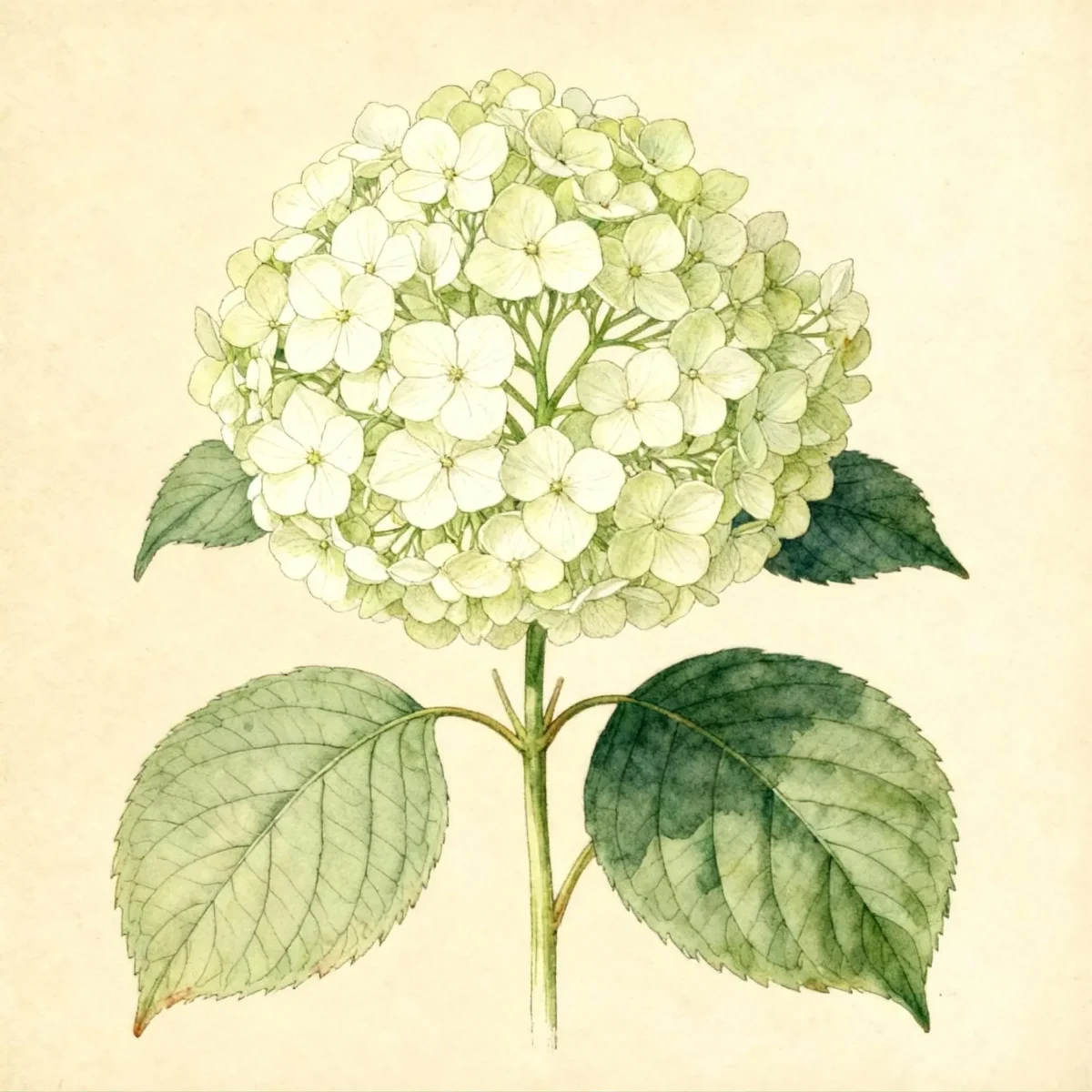
Smooth hydrangea (Hydrangea arborescens 'Ryan Gainey')
Hydrangea arborescens 'Ryan Gainey' offers low-maintenance white blooms on strong stems, ideal for zone 3-9 gardens.
Scroll down to discover growing tips, care requirements, companion plants, and more
Complete Plant Information
Overview
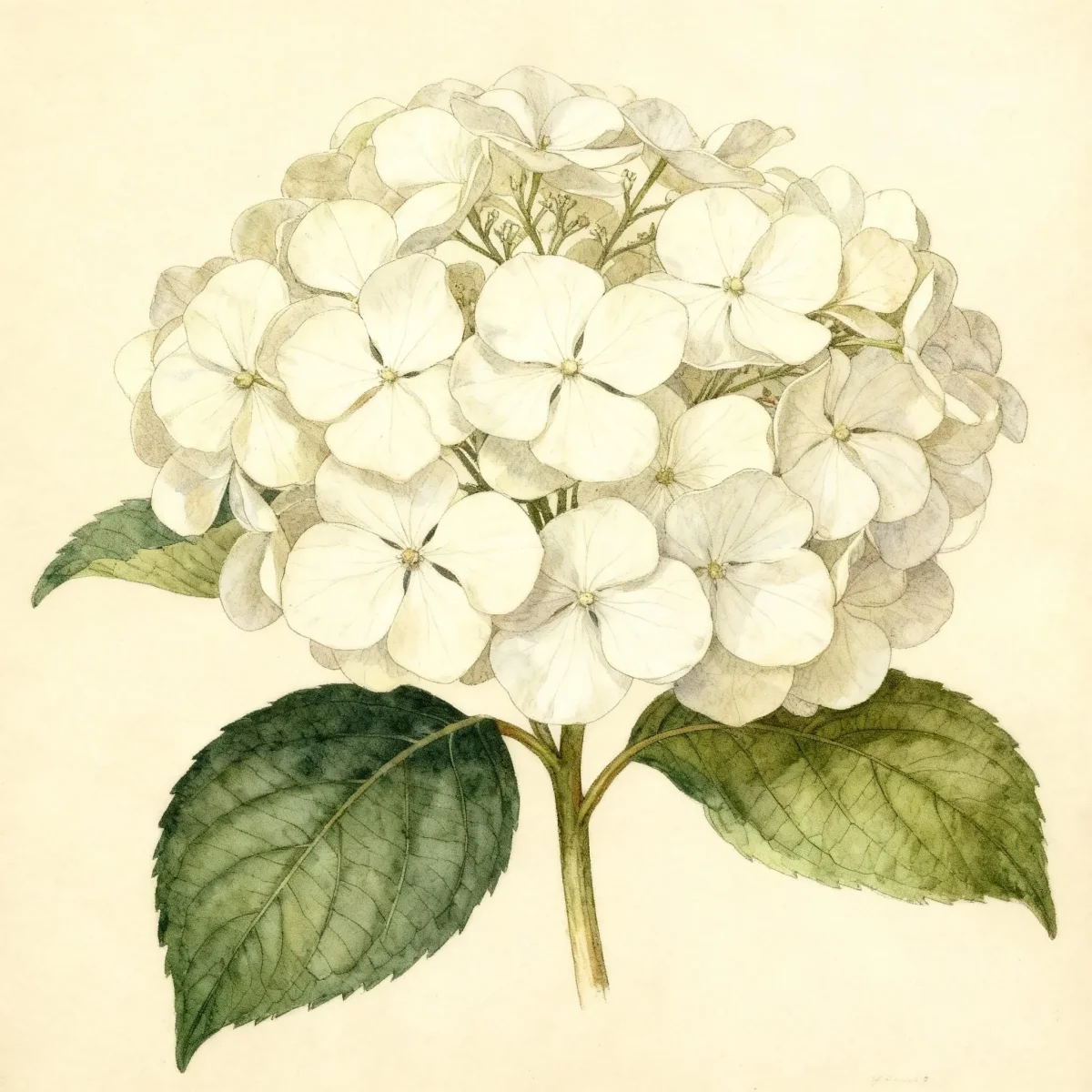
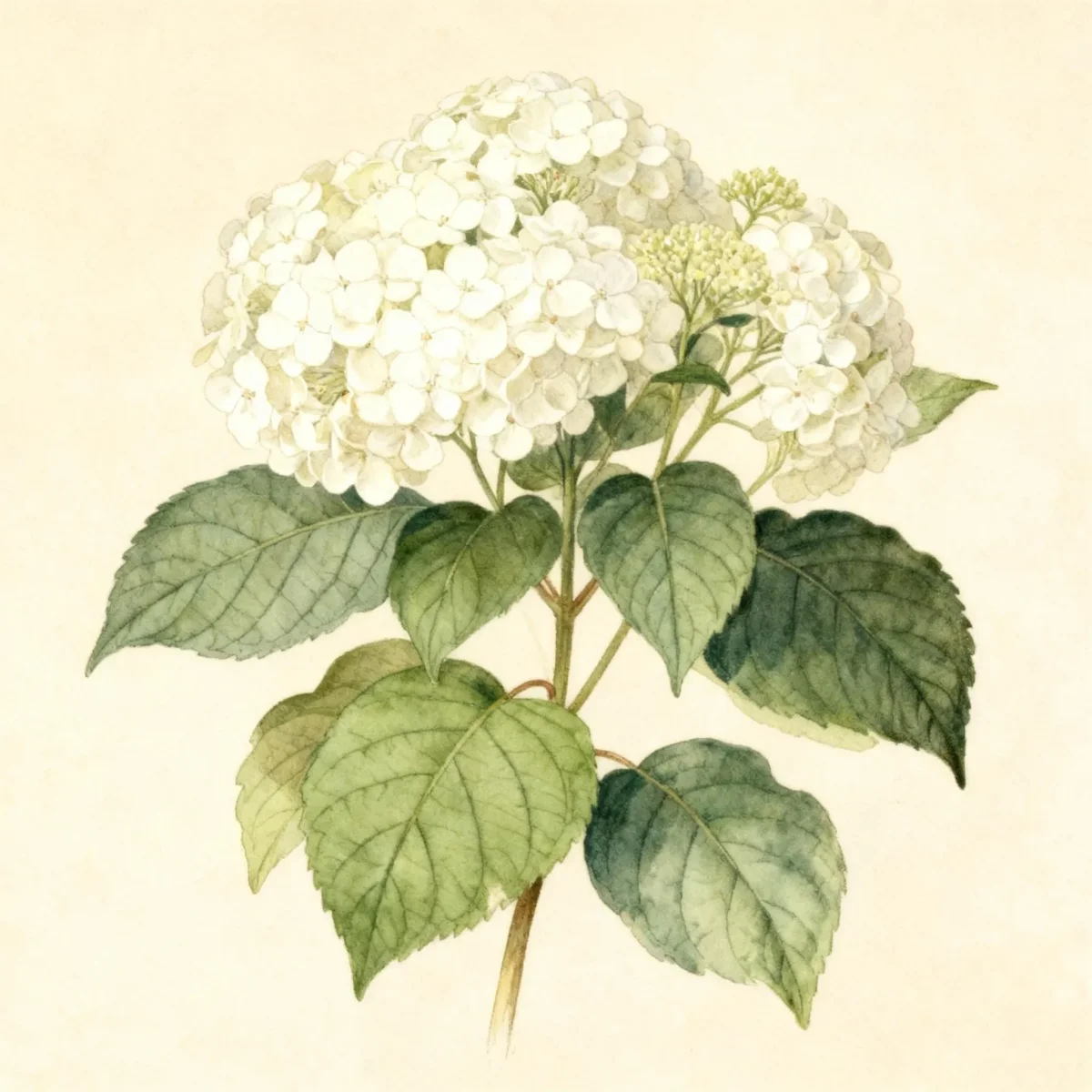
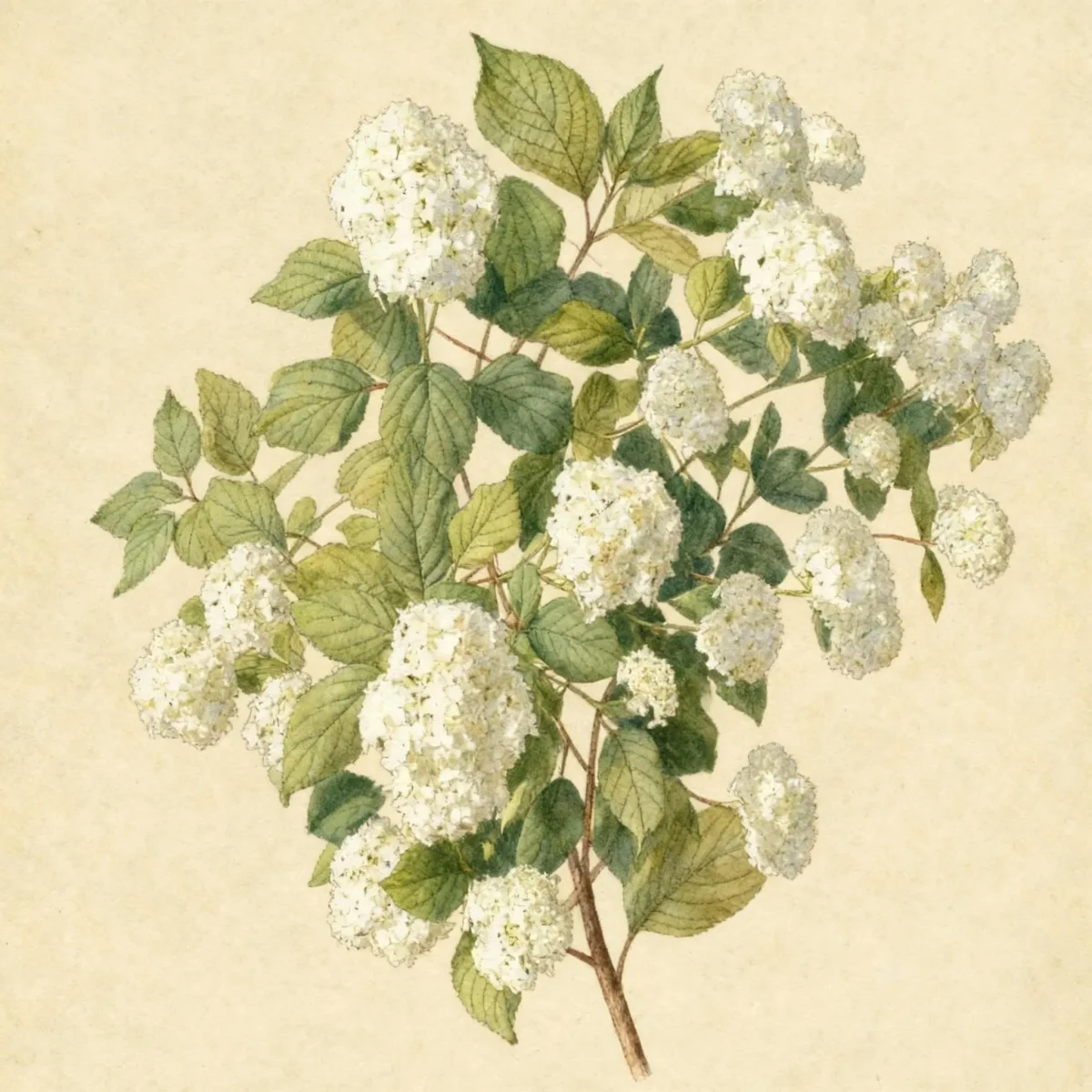
Hydrangea arborescens ‘Ryan Gainey’ is a highly valued cultivar of the Smooth hydrangea, prized by gardeners for its robust performance and classic aesthetics. This compact deciduous shrub produces attractive, snowball-like white flower heads from early summer well into September. Unlike some older smooth hydrangea varieties, ‘Ryan Gainey’ features notably stronger stems, which resist flopping under the weight of rain-soaked blooms.
Its upright, free-branching habit makes Hydrangea arborescens ‘Ryan Gainey’ an extremely versatile planting choice for diverse garden settings. With low maintenance demands and adaptability across a wide hardiness range, this selection offers reliable seasonal interest without constant fuss. Gardeners appreciate its cleaner look compared to the straight species, boasting darker green foliage and denser flower clusters.
This sturdy Smooth hydrangea offers excellent structural interest, thriving as an accent plant, informal hedge, or mass planting in partially shaded borders. Its reliable summer flowering display and toughness ensure that Hydrangea arborescens ‘Ryan Gainey’ remains a staple for foundation plantings and woodland edge designs.
Fast Facts
- Plant Family: Hydrangeaceae
- Plant Type: Deciduous shrub
- Hardiness Zones: USDA Zones 3-9
- Size at Maturity:
- Height: 3-4 ft
- Spread: 3-4 ft
- Bloom Time: June to September
- Bloom Description: White
- Sun Exposure: Part shade
- Water Needs: Medium
- Maintenance Level: Low
How to Grow
Planting Hydrangea arborescens ‘Ryan Gainey’ is best achieved in spring or fall. Locate your Smooth hydrangea in an area receiving part shade. While it can tolerate some full sun exposure, consistent moisture is critical in those sunnier spots, as this plant is intolerant of drought conditions. It adapts well to average, well-drained soils but can manage various soil types, including heavy clay.
Watering requirements mandate medium moisture; ensure the soil remains consistently damp, especially during establishment or hot summer spells, because foliage declines noticeably in dry conditions. Avoid over-fertilizing, as this can sometimes encourage excessive leaf growth at the expense of flower production. For Hydrangea arborescens ‘Ryan Gainey’, the most impactful care is pruning.
Since this hydrangea blooms on new wood, gardeners can rejuvenate the plant by pruning stems back close to the ground in very late winter or early spring. This technique encourages vigorous new growth, resulting in the strongest possible stems to support the flower heads. If heavy pruning is skipped, always remove any damaged or weakened stems in early spring to maintain good structure.
Landscape Uses
The strong stems and compact yet rounded shape make Hydrangea arborescens ‘Ryan Gainey’ an exceptional specimen plant for mixed borders. It serves beautifully as background structure, contrasting against fine-textured perennials or vibrant annuals that prefer similar light conditions. Due to its cultural adaptability, it fits well into rain garden designs or as an informal screen or hedge.
For woodland gardens or naturalized areas, these shrubs create a lush, cool-toned mass planting effect. While the species plants are often naturalized, cultivars like ‘Ryan Gainey’ excel as repeating elements along pathways or flanking entryways, providing reliable, clean white blooms throughout the summer peak.
Standout Features
Flower Qualities
- Showy
Noteworthy Characteristics
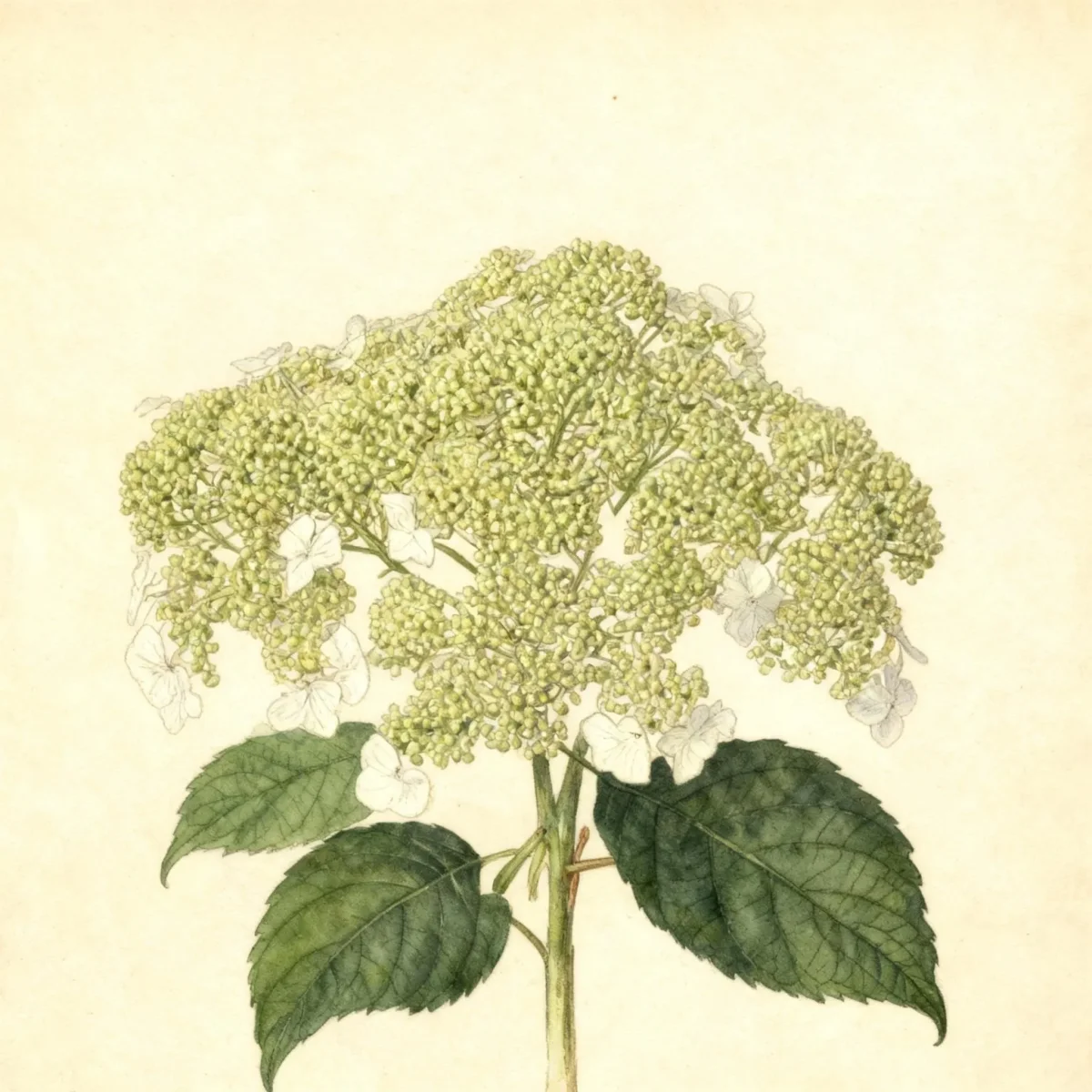
Hydrangea arborescens, commonly known as smooth hydrangea or wild hydrangea, is a loosely and widely branched deciduous shrub that typically grows to 3-6’ (less frequently to 10’) tall. Its cultivar, ‘Ryan Gainey’, is notably compact, growing around 3 1/2’ tall, featuring symmetrical, rounded flowerheads densely packed with showy white sterile florets. A key advantage of this cultivar over older types is its thicker stems, making it less prone to flopping when flower clusters are wet or exposed to wind.
Tolerances
- Rabbit
- Erosion
- Clay Soil
- Dry Soil
- Wet Soil
- Shallow-Rocky Soil
- Black Walnut
Potential Problems
Many species of hydrangea, including the Smooth hydrangea, can be susceptible to various fungal and pest issues. Watch for common diseases such as bud blight, bacterial wilt, leaf spots, rust, and powdery mildew. Inspect foliage regularly for signs of pests like aphids, mites, scale insects, or nematodes.
Consistent cultural management is the best prevention. Ensuring good air circulation by avoiding overly dense groupings helps reduce humidity, which limits fungal diseases like powdery mildew. Addressing pests promptly with targeted, least-toxic methods when infestations occur is crucial for maintaining healthy foliage.
Vigorous pruning of Hydrangea arborescens ‘Ryan Gainey’ back to the ground in late winter not only revitalizes the plant but also helps manage disease carryover, promoting strong, fresh growth in the spring. Interestingly, rabbits tend to avoid this particular plant variety.
Frequently Asked Questions
What hardiness zones is Smooth hydrangea suitable for?
Hydrangea arborescens ‘Ryan Gainey’ is very adaptable, thriving in USDA Zones 3 through 9.
How large does Hydrangea arborescens ‘Ryan Gainey’ grow?
This compact cultivar generally reaches a medium height of 3 to 4 feet, with a spread between 3 and 4 feet at maturity.
What sun exposure does Smooth hydrangea need?
The ideal cultivation spot for this plant is part shade. It requires consistent moisture if placed where it receives more direct afternoon sun.
When does Hydrangea arborescens ‘Ryan Gainey’ bloom?
This variety displays its attractive white flowers reliably from June straight through to September.
Conclusion
The Hydrangea arborescens ‘Ryan Gainey’ offers gardeners a fantastic combination of classic beauty and modern resilience, thanks to its strong stems supporting abundant white blooms throughout summer. This low-maintenance Smooth hydrangea is an excellent investment for virtually any shaded border or rain garden setting. Before planting, confirm that your local conditions fall within USDA Zones 3-9 to ensure successful establishment and enjoyment of this superb shrub.
Companion Planting
Selecting companions that share the cultural needs of Hydrangea arborescens ‘Ryan Gainey’ ensures a cohesive, thriving landscape. Since this shrub prefers moist, part-shaded conditions, consider pairing it with other woodland edge perennials. Hostas, Astilbes, and bleeding hearts (Dicentra spectabilis) all appreciate similar light and moisture levels and offer contrasting foliage textures.
For color contrast against its massive white blooms, consider planting late-season bloomers like white wood aster or deep purple Heuchera varieties. Its medium height means it works well as a mid-layer in a layered border, allowing taller spring-flowering shrubs to provide early interest while the Smooth hydrangea takes over the mid-to-late summer show.
Seasonal Care Calendar
Late Winter/Very Early Spring is the prime time for rejuvenation pruning your Hydrangea arborescens ‘Ryan Gainey’. Cut all stems back to within 2-3 inches of the ground to encourage the strongest new growth which will bear this year’s flowers. Wait until buds begin to swell before pruning dead wood.
Spring requires monitoring moisture levels. Apply a 2-3 inch layer of organic mulch, keeping it several inches away from the main stems, to help conserve soil moisture, especially important as temperatures rise. This minimizes the risk of drought stress common for new plantings.
Summer is peak performance time. Enjoy the white flowers, but remain vigilant about deep watering during dry periods to keep the foliage looking fresh. Deadheading is generally unnecessary for this variety, as spent blooms are often left in place or trimmed during the dormant season pruning.