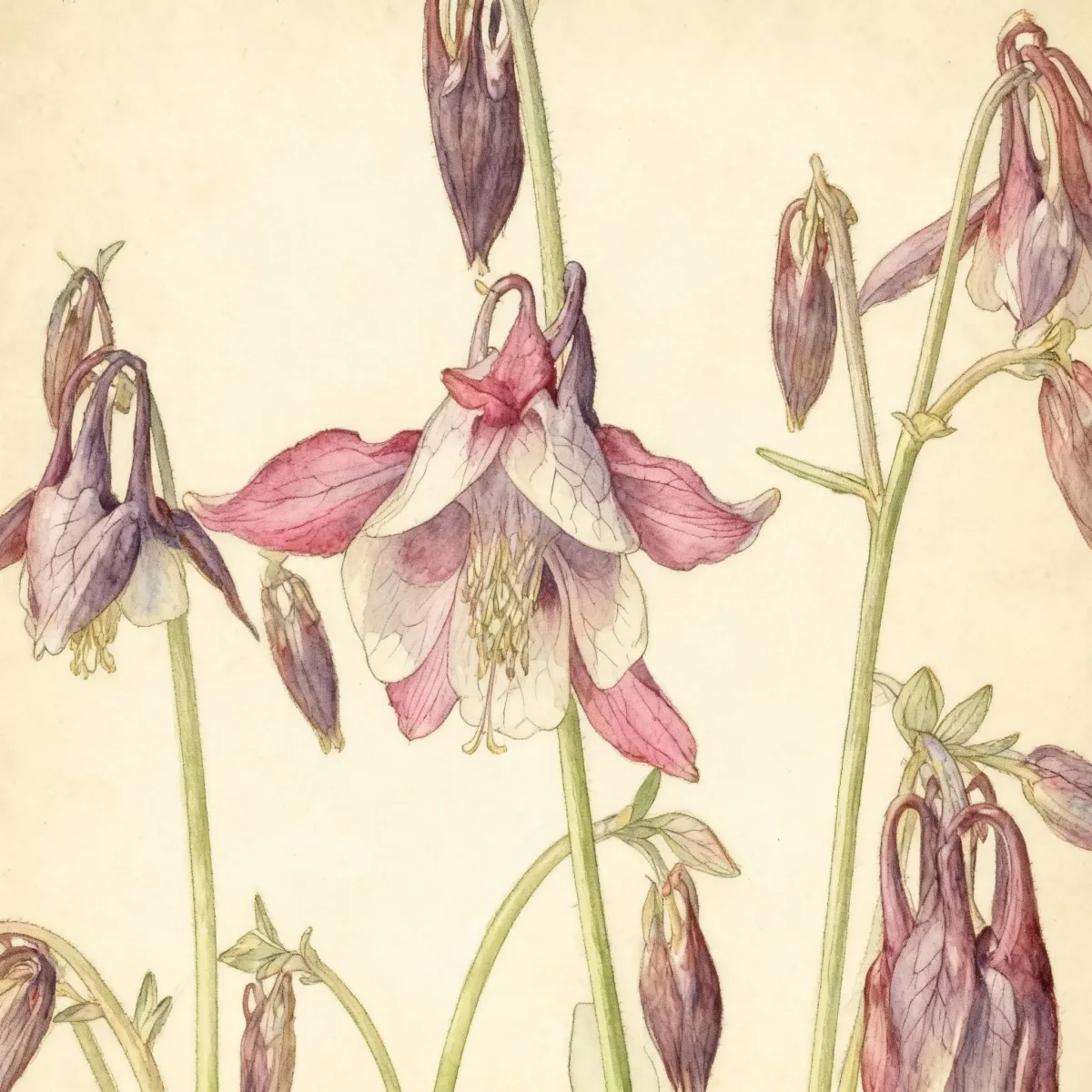
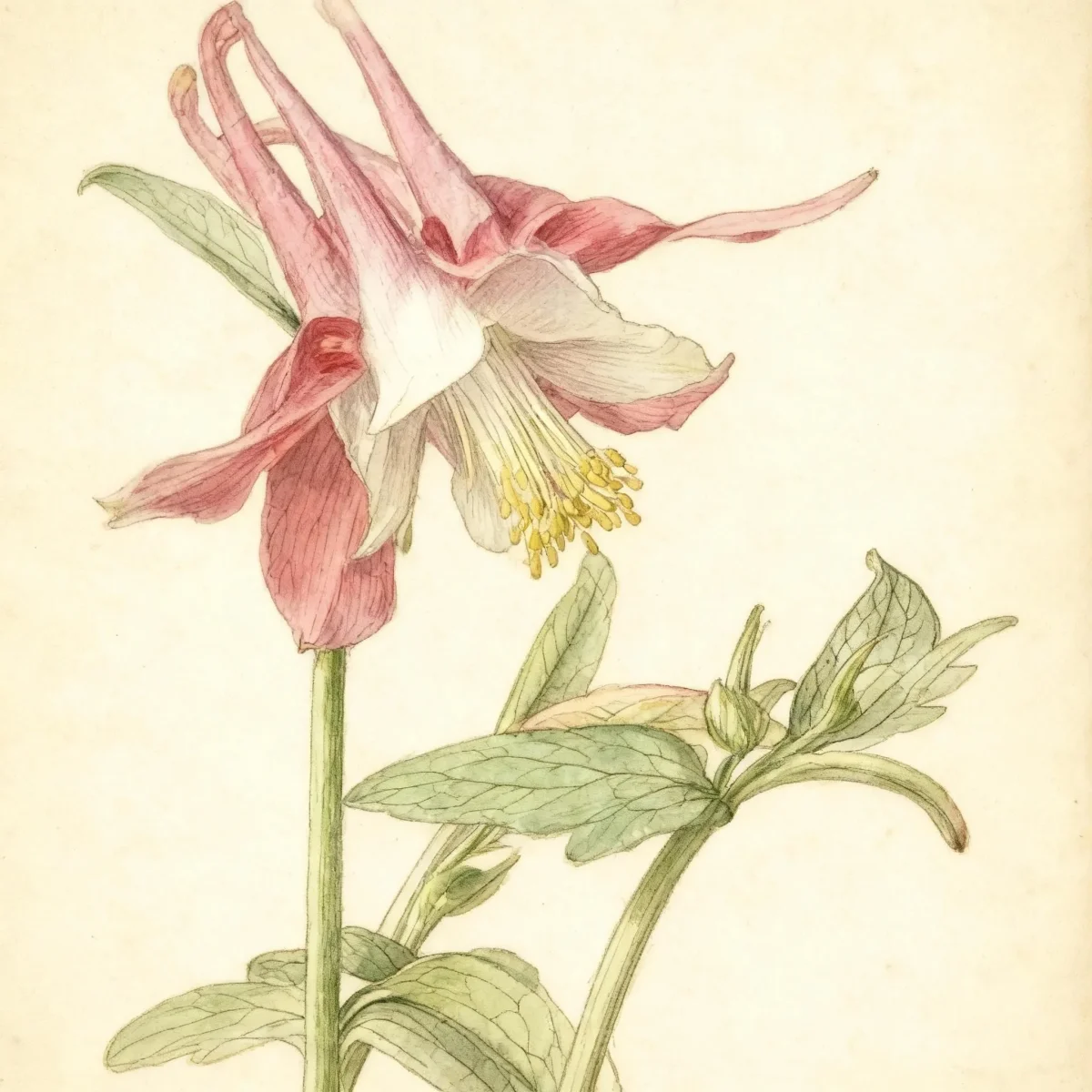
Columbine (Aquilegia vulgaris var. stellata 'Ruby Port')
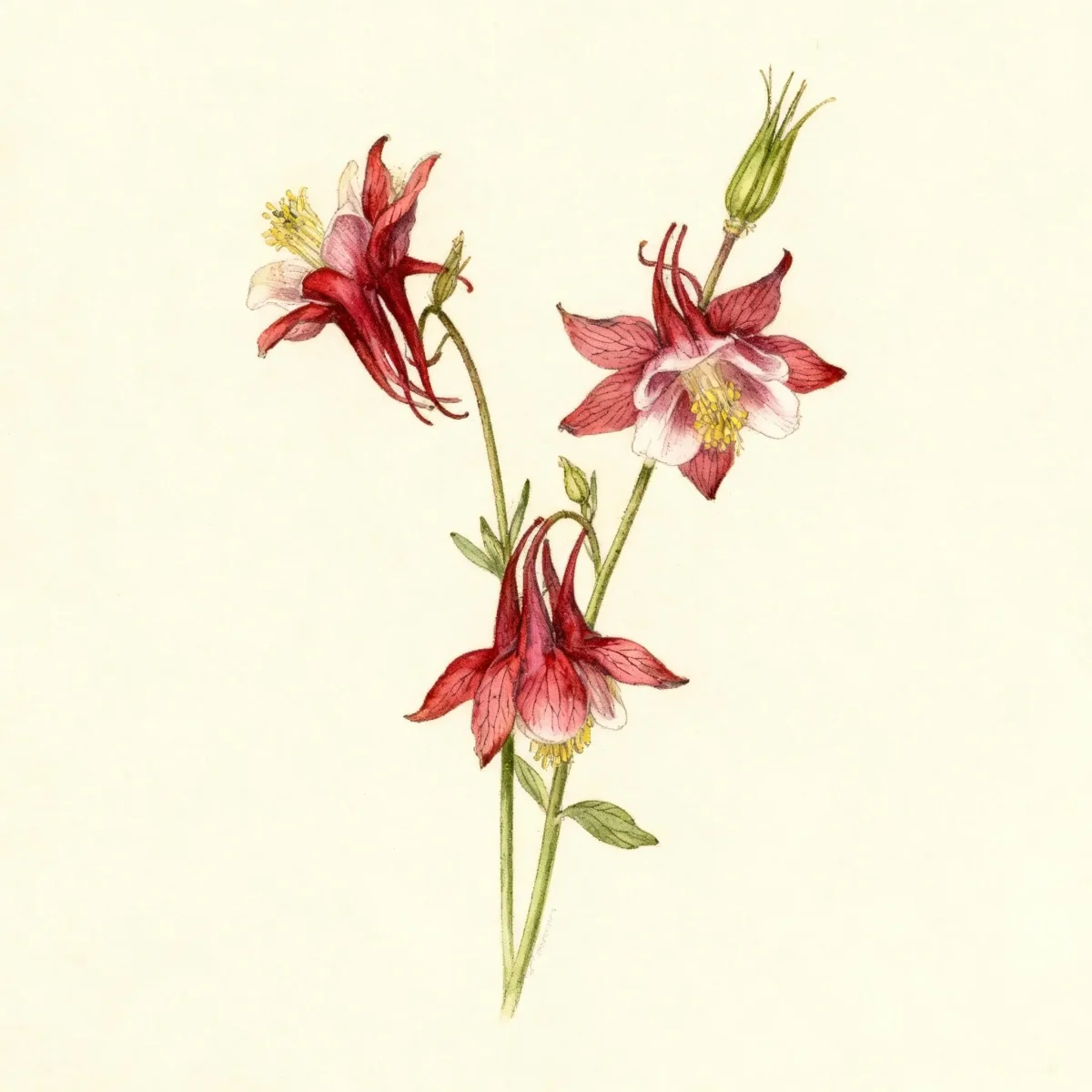
Aquilegia vulgaris var. stellata 'Ruby Port' Columbine offers rich, maroon red double blooms. An easy-to-grow perennial for zones 3-8.
Scroll down to discover growing tips, care requirements, companion plants, and more
Complete Plant Information
Overview
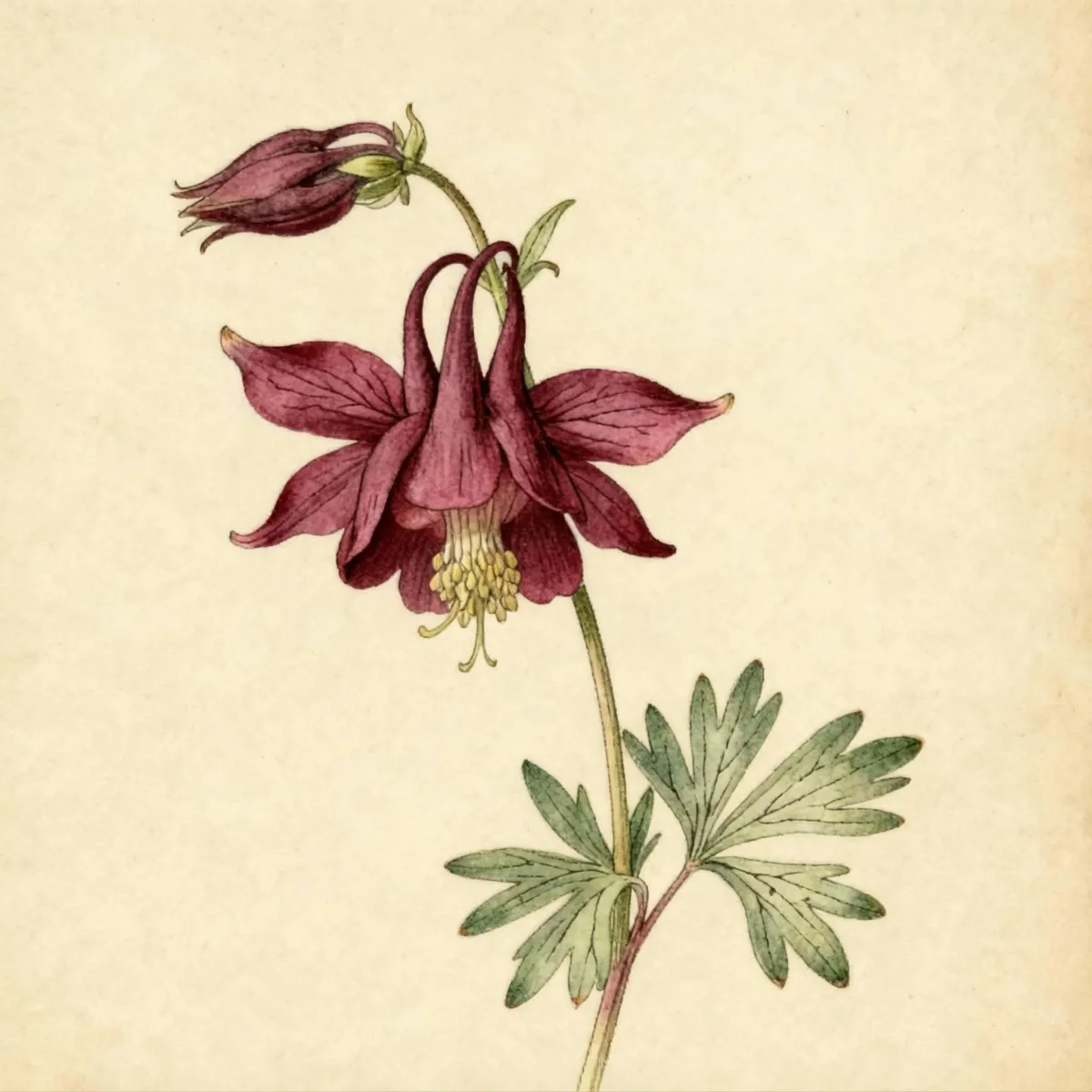
Aquilegia vulgaris var. stellata ‘Ruby Port’ is a highly valued heirloom Columbine cultivar, dating back to the 1600s, celebrated for its distinctive, fully double, spurless flowers. These deep maroon red blooms create a striking focal point in the spring garden, distinguishing themselves from the many single-flowered varieties of Aquilegia vulgaris. This bushy, clump-forming perennial offers fine-textured, almost fern-like foliage that emerges with a dark tint before maturing to green.
This easy-to-manage plant thrives as a herbaceous perennial in average garden conditions, provided the soil is well-drained. While it tolerates sunlight ranging from full sun to light shade, the appearance of the foliage is often best maintained in areas receiving moderate afternoon shade, especially in warmer climates. Gardeners appreciate the reliable spring performance of Columbine.
Beyond its stunning spring presentation, the foliage of Aquilegia vulgaris var. Stellata ‘Ruby Port’ offers late-season ground cover if kept properly moist after the initial bloom period concludes. Growing Aquilegia vulgaris var. stellata ‘Ruby Port’ effectively introduces historic charm and reliable early-season color to mixed borders and cottage gardens.
Fast Facts
- Plant Family: Ranunculaceae
- Plant Type: Herbaceous perennial
- Hardiness Zones: USDA Zones 3-8
- Size at Maturity:
- Height: 2-3 ft
- Spread: 1-1.5 ft
- Bloom Time: April to May
- Bloom Description: Maroon red(double)
- Sun Exposure: Full sun to part shade
- Water Needs: Medium
- Maintenance Level: Medium
How to Grow
Plant Columbine in the spring or fall directly into average, well-drained soil. While it tolerates various soil types, it thrives best in rich, moist conditions, often appreciating light to moderate shade, particularly where summer heat is intense. Ensure heavy, poorly draining soils are avoided to prevent root issues.
During the growing season, maintain medium soil moisture, keeping the earth uniformly damp, especially after the main bloom flush concludes, which helps keep the foliage looking attractive longer. Deadheading is a key cultural practice for this plant; promptly remove flowering stems after the bloom period ends to encourage a potential secondary flush of flowering.
If the foliage predictably declines or becomes unsightly by mid-summer, which is common for many Columbines, cut the entire plant back to the ground. New basal growth will emerge and provide texture until frost. Be cautious when saving seeds, as ‘Ruby Port’ may not grow true to type due to potential cross-pollination with other Columbine varieties nearby.
Landscape Uses
The vertical structure and unique flower form of Aquilegia vulgaris var. stellata ‘Ruby Port’ make it an excellent vertical accent in perennial borders. It blends beautifully into traditional cottage garden settings where its antique coloring complements softer pastels or deep jewel tones. Due to its preference for dappled light, it fits perfectly within woodland gardens or areas featuring open shade beneath taller trees.
Consider using this Columbine variety alongside spring ephemerals or mid-summer bloomers to ensure continuous interest in the space. Furthermore, its value extends to wildlife design; this variety is a good selection for attracting hummingbirds early in the season. Keep watering consistently after bloom time to ensure the leafy ground cover effect persists through the summer months.
Standout Features
Flower Qualities
- Showy
Noteworthy Characteristics
Aquilegia vulgaris knows as columbine (also commonly called European crowfoot and granny’s bonnet) is native to Europe. It is noted for its spurless, dark maroon red, double flowers that bloom in spring (April-May in St. Louis). This is a bushy, clump-forming perennial that typically grows in a mound to 24-36” tall and features biternate, almost fern-like, leaves. The genus name refers to the eagle’s talon resemblance of the flower spurs, though ‘Ruby Port’ is spurless, maintaining its historical charm.
Tolerances
- Rabbit
- Deer
Potential Problems
The primary concern for growing Columbine, including Aquilegia vulgaris var. stellata ‘Ruby Port’, is susceptibility to leaf miner, which creates unsightly tunnels in the leaves. Management usually involves diligent sanitation; foliage typically declines by mid-summer, at which point the entire clump should be cut back to the ground. Removing this faded foliage helps prevent pests from overwintering and encourages healthier, late-season regrowth.
Frequently Asked Questions
What hardiness zones is Columbine suitable for?
Aquilegia vulgaris var. stellata ‘Ruby Port’ is reliably hardy in USDA Zones 3 through 8, making it suitable for a wide range of Northern and temperate gardens.
How large does Aquilegia vulgaris var. stellata ‘Ruby Port’ grow?
This cultivar generally reaches a height between 2 and 3 feet tall, with a spread of 1 to 1.5 feet, forming a moderate, bushy clump.
What sun exposure does Columbine need?
For the best results with ‘Ruby Port’, aim for full sun locations, though it performs very well in part shade, especially appreciating protection from the hottest afternoon sun.
When does Aquilegia vulgaris var. Stellata ‘Ruby Port’ bloom?
This specialized Columbine variety blooms reliably during April and May, showcasing its unique maroon red, double flowers.
Conclusion
Aquilegia vulgaris var. stellata ‘Ruby Port’ remains a spectacular addition to any garden looking for historic charm and saturated color in the early season border. The unique, double, spurless flowers of this Columbine offer unmatched texture and richness. Check your local USDA hardiness zone compatibility and ensure you have well-drained soil before planning your spring planting schedule for this magnificent heirloom.
Companion Planting
Selecting companions that share similar cultural needs—specifically medium moisture and part shade tolerance—will ensure the best display. Consider planting Aquilegia vulgaris var. stellata ‘Ruby Port’ near plants that emerge later in the season, giving the Columbine space to shine before being overshadowed. Good partners include hostas (Hosta spp.), bleeding hearts (Dicentra spectabilis), and astilbes (Astilbe spp.), as these can tolerate the same light conditions and appreciate the consistent moisture required by Columbine.
Design Ideas for Vintage Charm
To emphasize the heirloom quality of ‘Ruby Port’, incorporate it into simulated cottage garden designs alongside silver-leaved plants like Lamb’s Ears (Stachys byzantina) or lacy textures like true Meadow Rue (Thalictrum), which the foliage faintly resembles. Because the foliage often wanes in mid-summer heat, strategically place shorter, summer-blooming perennials (like Geraniums) in front. This ensures that as the Columbine fades back, the new plants fill the gap, maintaining a lush look throughout the entire season.