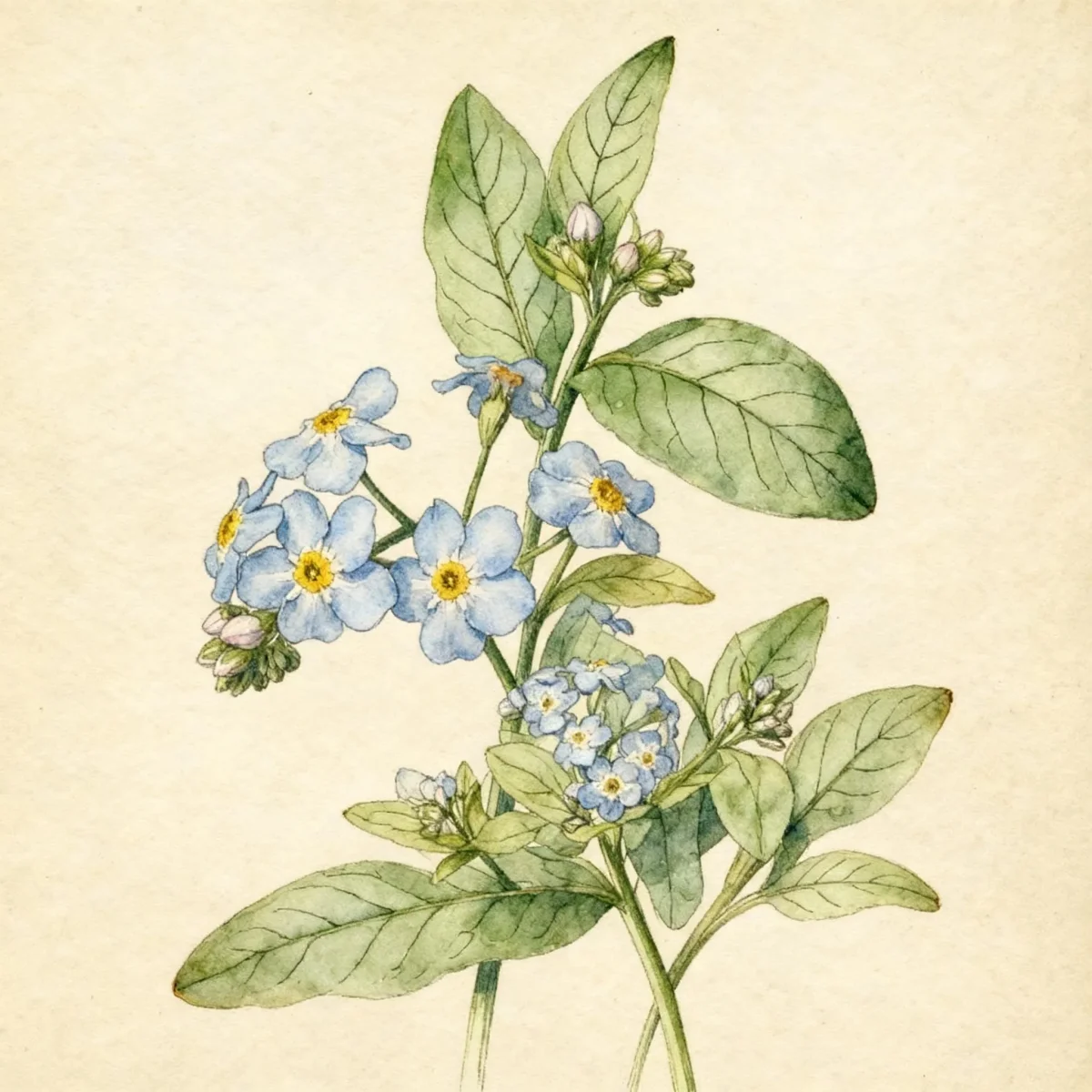
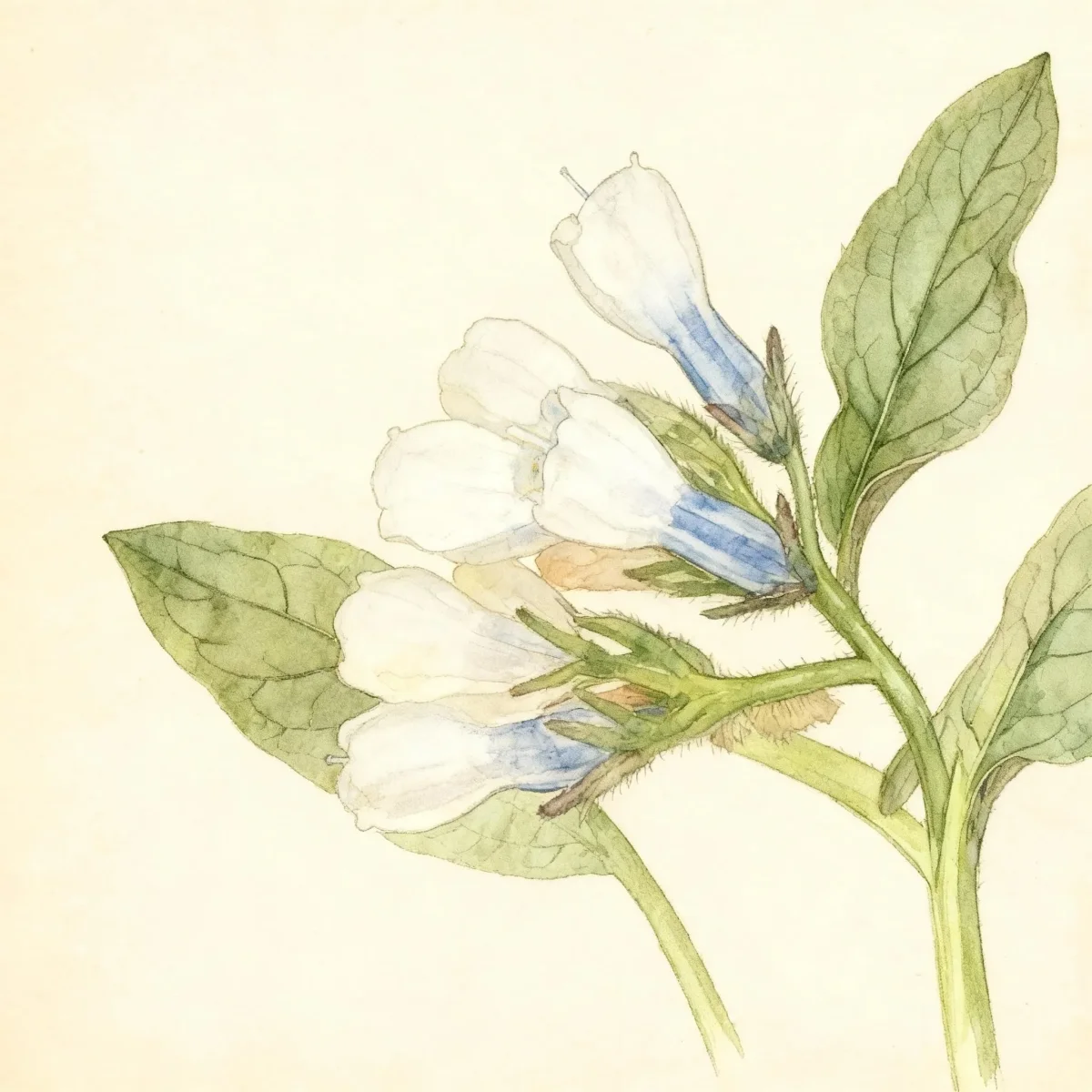
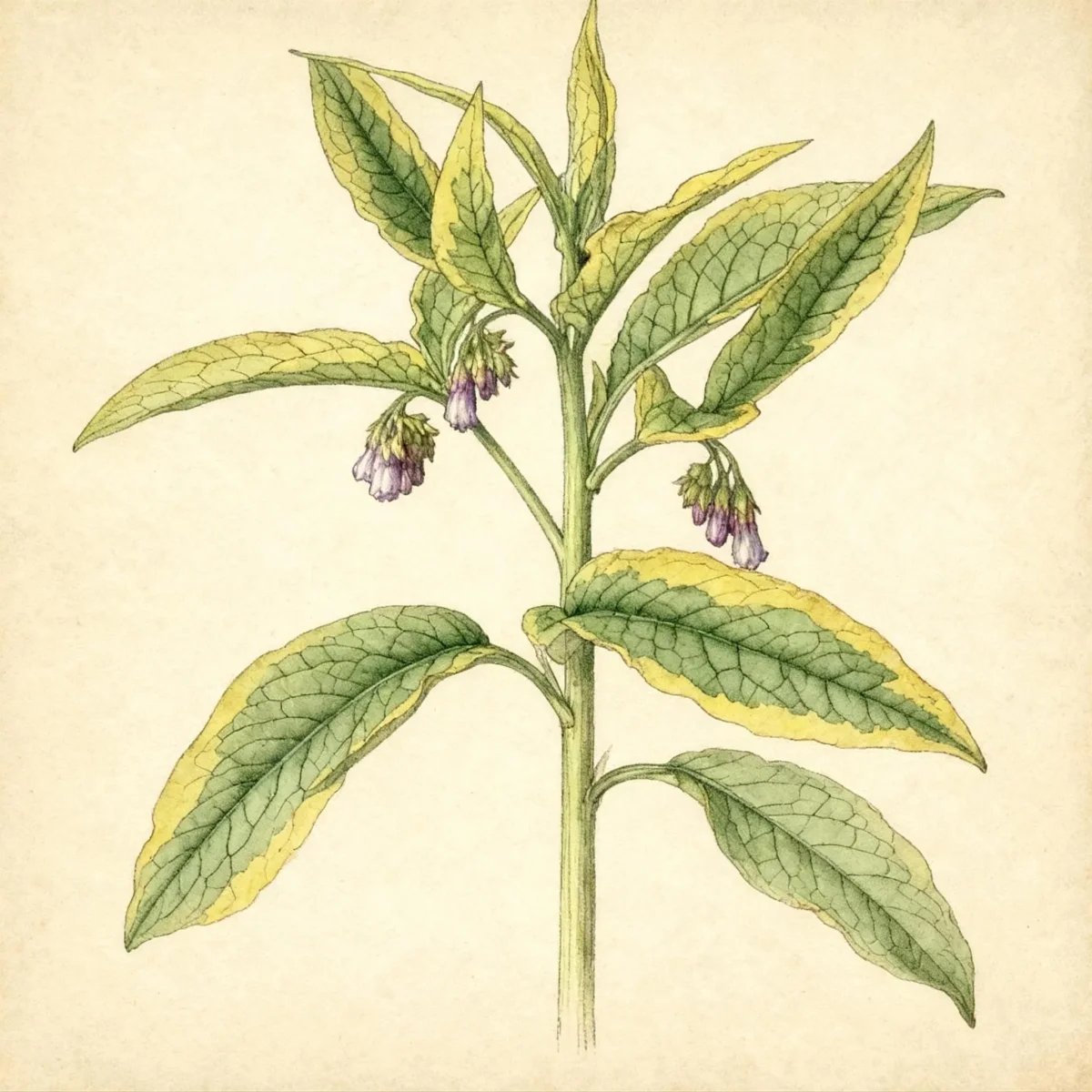
Forget-me-not (Myosotis scorpioides 'Semperflorens')
Discover Myosotis scorpioides 'Semperflorens,' the long-flowering Forget-me-not. Ideal for wet areas, zones 5-9.
Scroll down to discover growing tips, care requirements, companion plants, and more
Complete Plant Information
Overview
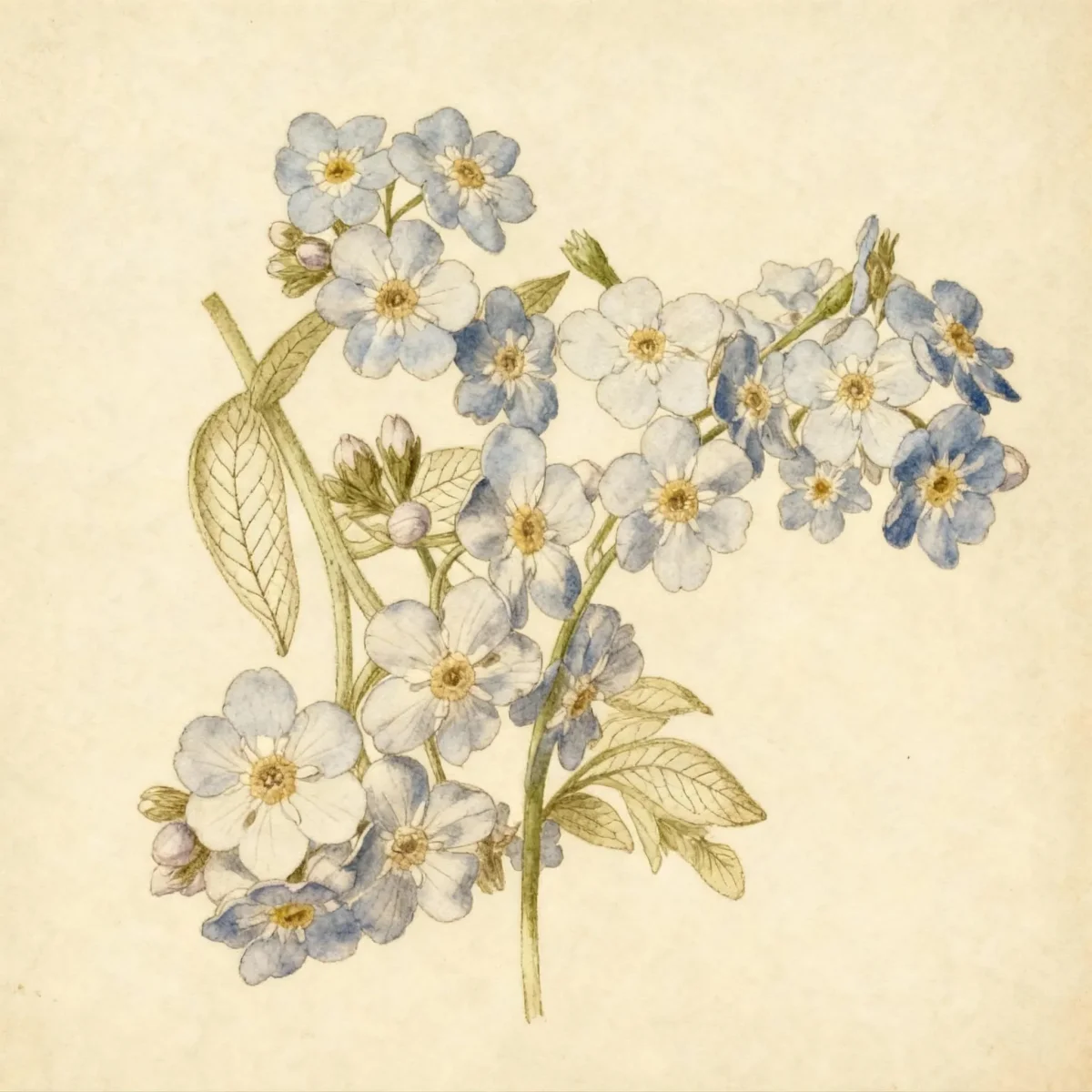
The deep blue flowers of the Forget-me-not provide essential color to damp garden areas. Specifically, Myosotis scorpioides ‘Semperflorens’ is a valued cultivar, boasting an extended bloom period that often lasts from spring well into late summer, living up to its ‘always flowering’ Latin designation. This herbaceous perennial offers a tidy habit suitable for edging water features or naturalizing in moist meadows.
As a tough, low-maintenance plant, Forget-me-not thrives where many others struggle—in consistently wet to even standing water conditions. Its creeping rhizomes allow it to form attractive, flowering mats, making it an excellent alternative to more common ground covers when moisture is plentiful. Gardeners appreciate Myosotis scorpioides ‘Semperflorens’ for its reliability and its classic, cheerful coloration.
This dwarf form, typically reaching under a foot in height, naturally spreads but is generally not considered invasive, allowing for controlled use in beds near ponds or streams. For dynamic plantings, consider establishing patches of Myosotis scorpioides ‘Semperflorens’ to link dry borders with your water garden elements.
Fast Facts
- Plant Family: Boraginaceae
- Plant Type: Herbaceous perennial
- Hardiness Zones: USDA Zones 5-9
- Size at Maturity:
- Height: 0.5-0.75 ft
- Spread: 0.75-1 ft
- Bloom Time: June to August
- Bloom Description: Light sky blue with yellow center
- Sun Exposure: Full sun to part shade
- Water Needs: Medium to wet
- Maintenance Level: Low
How to Grow
Plant Forget-me-not during the spring or fall season, ensuring it is situated in a location that receives organically rich soil. The most crucial cultural requirement is consistent moisture; this plant performs best in consistently moist to wet soils under full sun or light afternoon shade. A unique benefit is its tolerance for inundation, growing successfully even in up to three inches of standing water, making it perfect for boggy spots.
Watering for Myosotis scorpioides ‘Semperflorens’ should focus on keeping the base soil moist, especially during dry spells if planted away from natural water sources. Fertilization is rarely necessary if planted in rich organic soil. To encourage a denser shape, pinch back young plants early in the season to promote bushiness.
Since Forget-me-not readily self-seeds, you may find new plants appearing nearby. If spread is a concern near delicate borders, use containers partially submerged as planters for water garden arrangements. For propagation, rhizome division in early spring is straightforward, or summer stem cuttings can be taken to establish new colonies of this wonderful species.
Landscape Uses
The primary utility of Forget-me-not lies in water gardening and creating naturalized edges. Plant dense groupings along stream banks, the margins of ponds, or within designated rain gardens where water collects. Its low, spreading habit makes it an ideal ground cover that suppresses weeds while providing vibrant blue color through the summer.
In woodland settings, place Myosotis scorpioides ‘Semperflorens’ where it benefits from the dappled shade cast by larger trees near a moist area. It integrates well with moisture-loving companion plants like various irises, marsh marigolds, and cardinal flowers, creating a layered, natural look around water features.
Allowing Myosotis scorpioides ‘Semperflorens’ to naturalize along paths or beneath taller marginal plants helps soften hard lines in the landscape. Because it handles up to three inches of standing water, it effectively bridges the gap between dry land plants and true aquatic species.
Standout Features
Flower Qualities
- Showy
Noteworthy Characteristics
The genus name derives from the Greek words for mouse ear due to the shape of certain leaves, while the specific epithet ‘scorpion’ refers to the coiled arrangement of the flower cymes when emerging. The cultivar ‘Semperflorens’ is notable for being a dwarf form, typically only 6 to 8 inches tall, and for its exceptionally long flowering season extending from late spring intermittently until the first hard frost.
Tolerances
- Deer
- Wet Soil
Potential Problems
This plant generally avoids serious insect or disease complications, showcasing its robust nature. However, under humid or crowded conditions, it can become susceptible to fungal issues, developing mildew or rust, particularly late in the growing season when air circulation is poor. To mitigate these risks, ensure adequate spacing when planting and avoid overhead watering late in the day, which keeps foliage damp overnight.
If signs of mildew appear, improve air flow and consider a targeted fungicide application for the worst-affected foliage. Otherwise, the low maintenance level for Myosotis scorpioides ‘Semperflorens’ means minimal intervention is usually needed.
Frequently Asked Questions
What hardiness zones is Forget-me-not suitable for?
Myosotis scorpioides ‘Semperflorens’ is hardy in USDA Zones 5 through 9, offering wide adaptability across many temperate climates.
How large does Forget-me-not grow?
This specific perennial typically reaches a height between 0.5 and 0.75 feet, with a spread generally ranging from 0.75 to 1 foot wide.
What sun exposure does Forget-me-not need?
For optimal performance and the longest bloom time, plant Forget-me-not in a location receiving full sun to partial shade.
When does Forget-me-not bloom?
The bloom time for Myosotis scorpioides ‘Semperflorens’ is generally June to August, featuring charming light sky blue flowers contrasted by a yellow center.
Conclusion
The Forget-me-not, specifically the cultivar Myosotis scorpioides ‘Semperflorens’, is an invaluable addition to any moisture-rich garden setting due to its low upkeep, tolerance for wet feet, and prolonged bloom. Utilizing this charming plant where water collects maximizes its natural strengths, transforming boggy corners into vibrant blue showcases. Check your local hardiness zone compatibility before planting near ponds or streams this spring.
Companion Planting for Moist Margins
When designing a water garden, pairing Myosotis scorpioides ‘Semperflorens’ with compatible neighbors enhances visual texture and ecological function. Excellent companions include tall marsh plants that can tolerate having their lower root systems consistently moist. Try drifts of Caltha palustris (Marsh Marigold) near the edge, which shares similar moisture needs and offers early spring yellow contrast to the blue Forget-me-not.
For vertical interest downstream, consider moisture-loving astilbes or ferns that appreciate the high humidity provided by the pond environment. Since Forget-me-not spreads gently via rhizomes, planting taller species nearby prevents its low profile from becoming overwhelmed later in the season, ensuring continuous interest throughout the summer bloom period of Myosotis scorpioides ‘Semperflorens’.
Propagation Tips
While Myosotis scorpioides ‘Semperflorens’ is easily maintained by letting it self-seed, gardeners looking for immediate, identical replacements benefit from vegetative methods. Division of the creeping rhizomes is best performed in early spring before new growth fully accelerates. Gently lift clumps, ensuring each section has adequate roots attached, and replant immediately into the desired moist location.
Alternatively, taking stem cuttings during the summer months is an effective secondary propagation route. Select healthy, non-flowering stem tips, snip them off, and place them in moist sand or a shallow tray of water, keeping them partially shaded until roots develop. This method is excellent for increasing stock without disturbing established clumps.