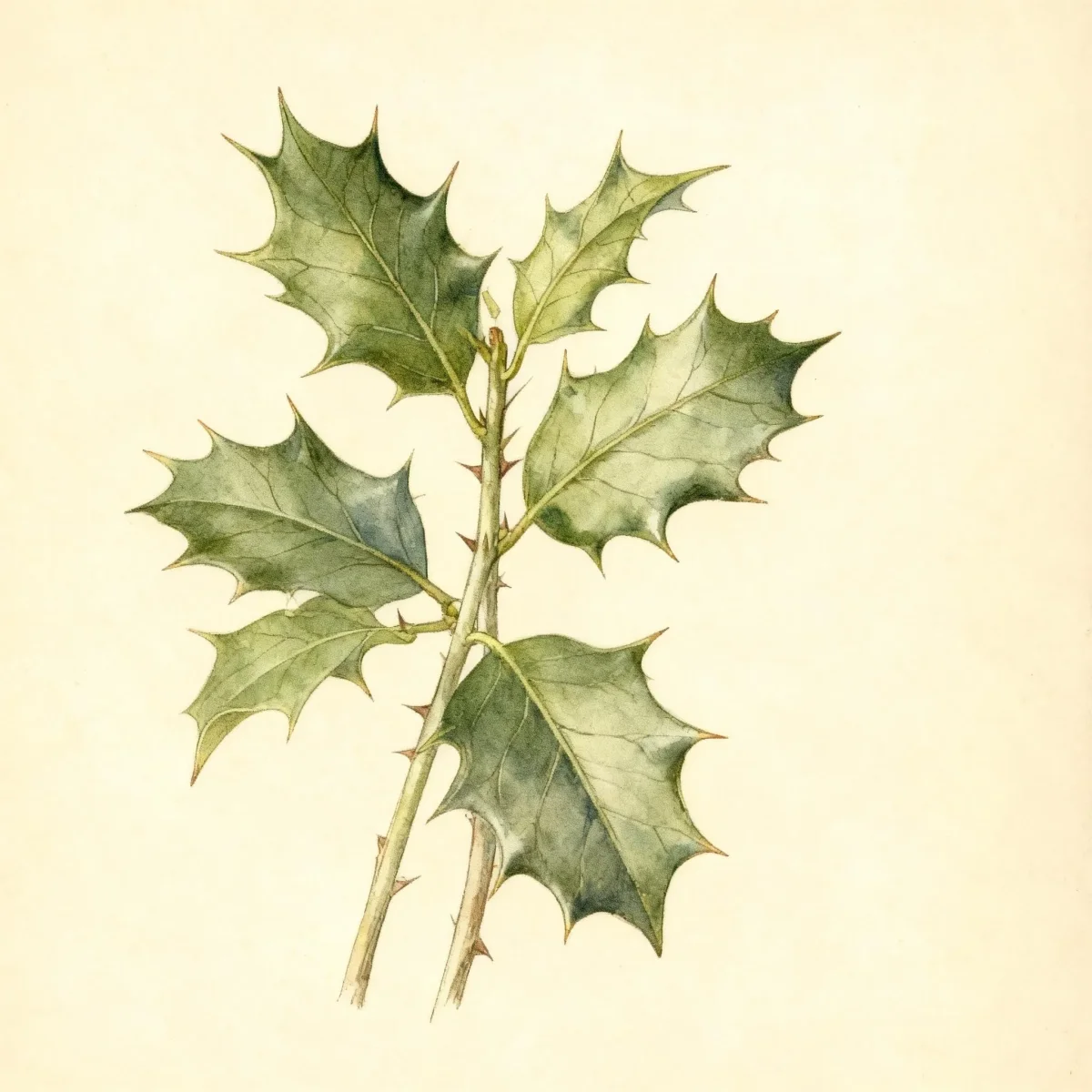
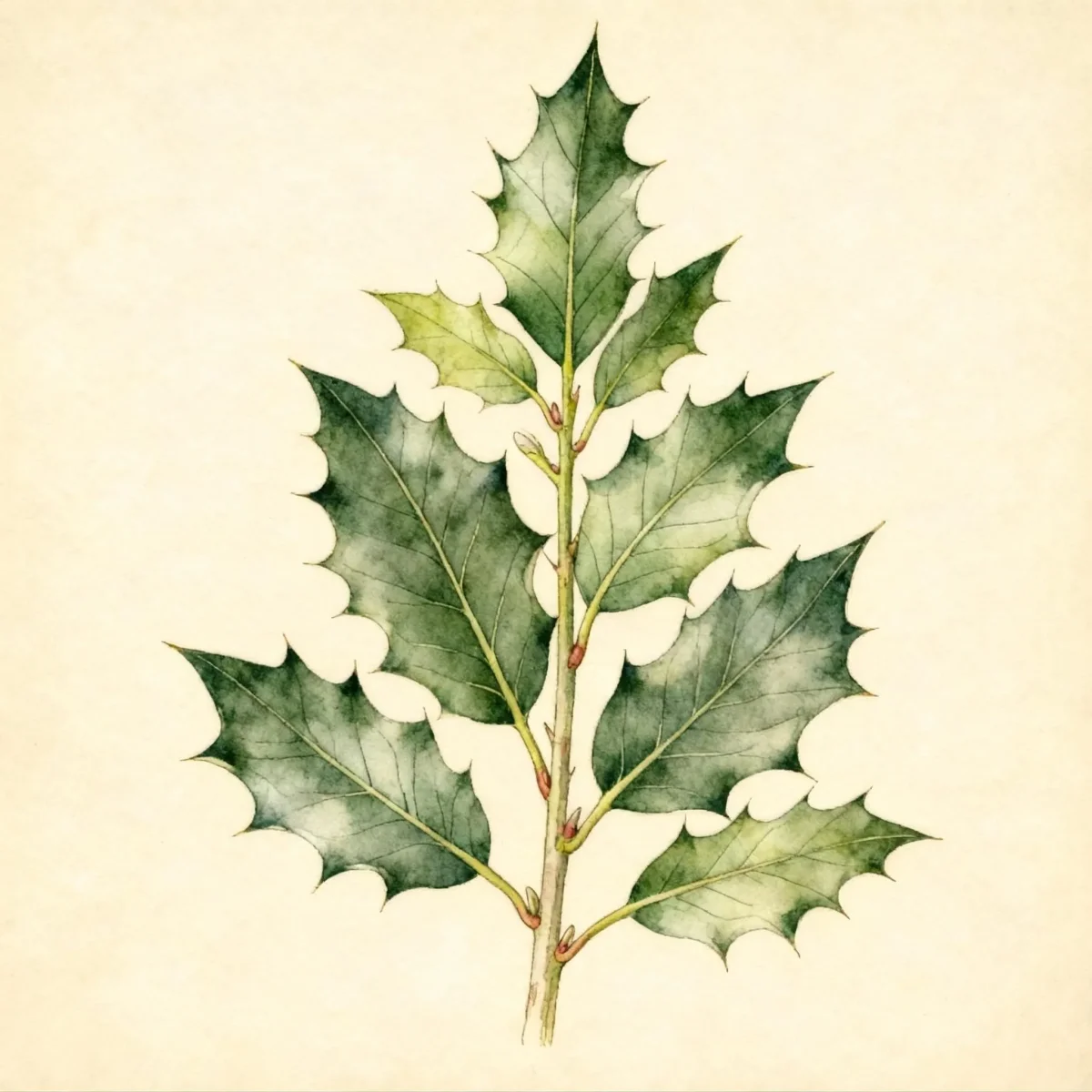
Holly (Ilex × meserveae 'Heckenstar' CASTLE WALL)
The Ilex × meserveae 'Heckenstar' CASTLE WALL Holly is a low-maintenance, broadleaf evergreen ideal for screens in Zones 5-7.
Scroll down to discover growing tips, care requirements, companion plants, and more
Complete Plant Information
Overview
The Ilex × meserveae ‘Heckenstar’ CASTLE WALL is a highly valuable broadleaf evergreen, prized for its performance as a dense screen or hedge. This specific clone of Meserve Holly is celebrated for maintaining its glossy, deep green, blue-tinged foliage year-round, providing excellent visual structure even in the dead of winter. As a male cultivar, the Ilex × meserveae ‘Heckenstar’ CASTLE WALL does not produce fruit, but it serves the crucial function of pollinating nearby female Hollies.
Introducing this Holly cultivar into your landscape ensures reliable, low-maintenance coverage. It forms a compact, upright, pyramidal shape, maturing to a manageable 5 to 8 feet tall, making it an excellent structural plant. Gardeners favor this hybrid Holly for its inherent hardiness and its ability to deliver year-round interest where other deciduous screens fail.
Its success lies in its parentage, developed to handle colder northeastern American winters while retaining the classic English Holly look. When correctly sited, the Ilex × meserveae ‘Heckenstar’ CASTLE WALL is an exceptionally tough and rewarding addition, requiring minimal intervention once established.
Fast Facts
- Plant Family: Aquifoliaceae
- Plant Type: Broadleaf evergreen
- Hardiness Zones: USDA Zones 5-7
- Size at Maturity:
- Height: 5-8 ft
- Spread: 3-4 ft
- Bloom Time: April to May
- Bloom Description: Greenish-white
- Sun Exposure: Full sun to part shade
- Water Needs: Medium
- Maintenance Level: Low
How to Grow
Planting should occur when the soil is moist, aiming for spring or early fall outside of deep freezes. The Ilex × meserveae ‘Heckenstar’ CASTLE WALL thrives best in average soils that are slightly acidic, consistently moist, and exceptionally well-drained. In hotter summer climates, ensure this Holly receives part afternoon shade to prevent leaf scorch.
Watering should be consistent, especially during the first few years as the root system establishes. While classified as medium water needs, avoid letting the soil become waterlogged, which can lead to root stress or disease. Maintenance is generally low; occasional shaping may be necessary to maintain a formal hedge line, but the natural pyramidal habit is attractive.
Crucially, remember that Ilex × meserveae ‘Heckenstar’ CASTLE WALL is a male clone and functions as a pollinator, not a fruit producer. To ensure berry display on nearby female Meserve Hollies, plant one male pollinator for every three to five females specified by the female variety’s needs. Check winter hardiness specifically in Zone 5, where providing shelter from harsh winter winds is highly recommended for optimal performance.
Landscape Uses
The robust and dense nature of this Holly makes it a prime choice for creating formal and informal screens. Its glossy evergreen foliage provides a solid block of color and texture, offering privacy throughout the year. For borders, plant the Ilex × meserveae ‘Heckenstar’ CASTLE WALL slightly staggered to create a thicker visual impact along pathways or property lines.
Beyond hedging, these plants perform admirably as foundation plantings near structures, softening harsh architectural lines while maintaining year-round definition. Because of the bluish cast to the mature foliage common to Meserve Hollies, they pair well visually with plants exhibiting chartreuse or warmer-toned evergreens, which helps contrast the deep green of the Ilex × meserveae ‘Heckenstar’ CASTLE WALL.
Standout Features
Flower Qualities
- Insignificant
Noteworthy Characteristics
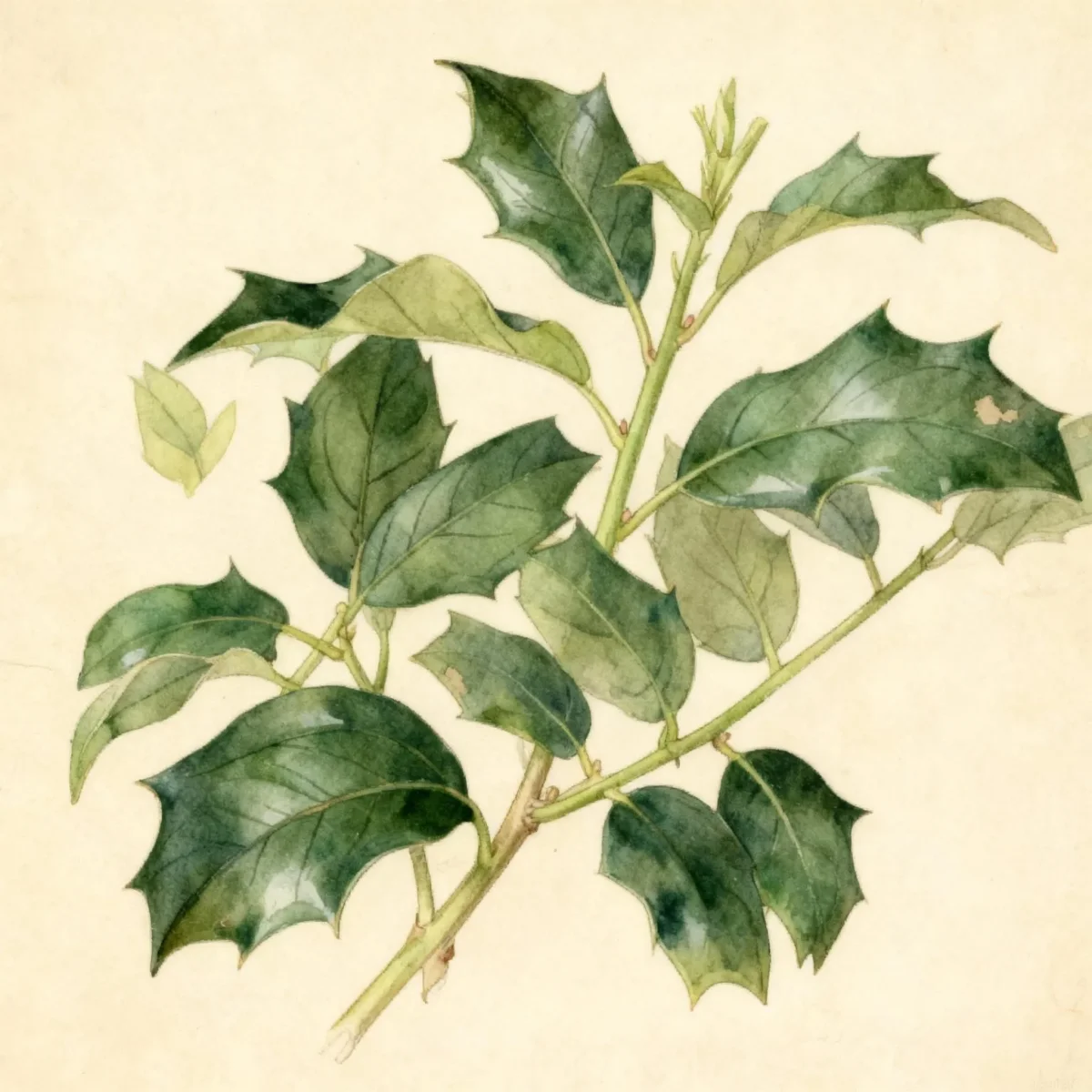
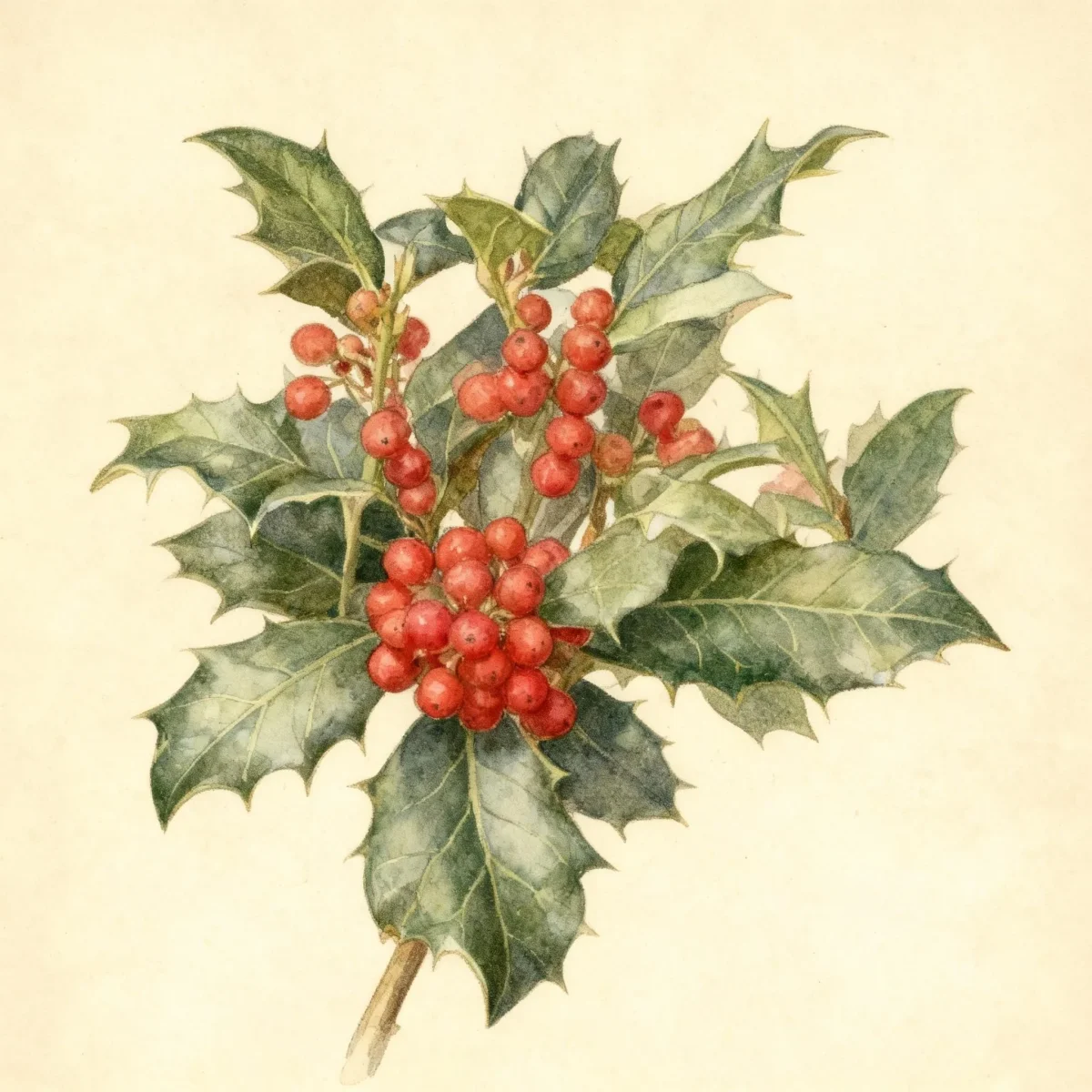
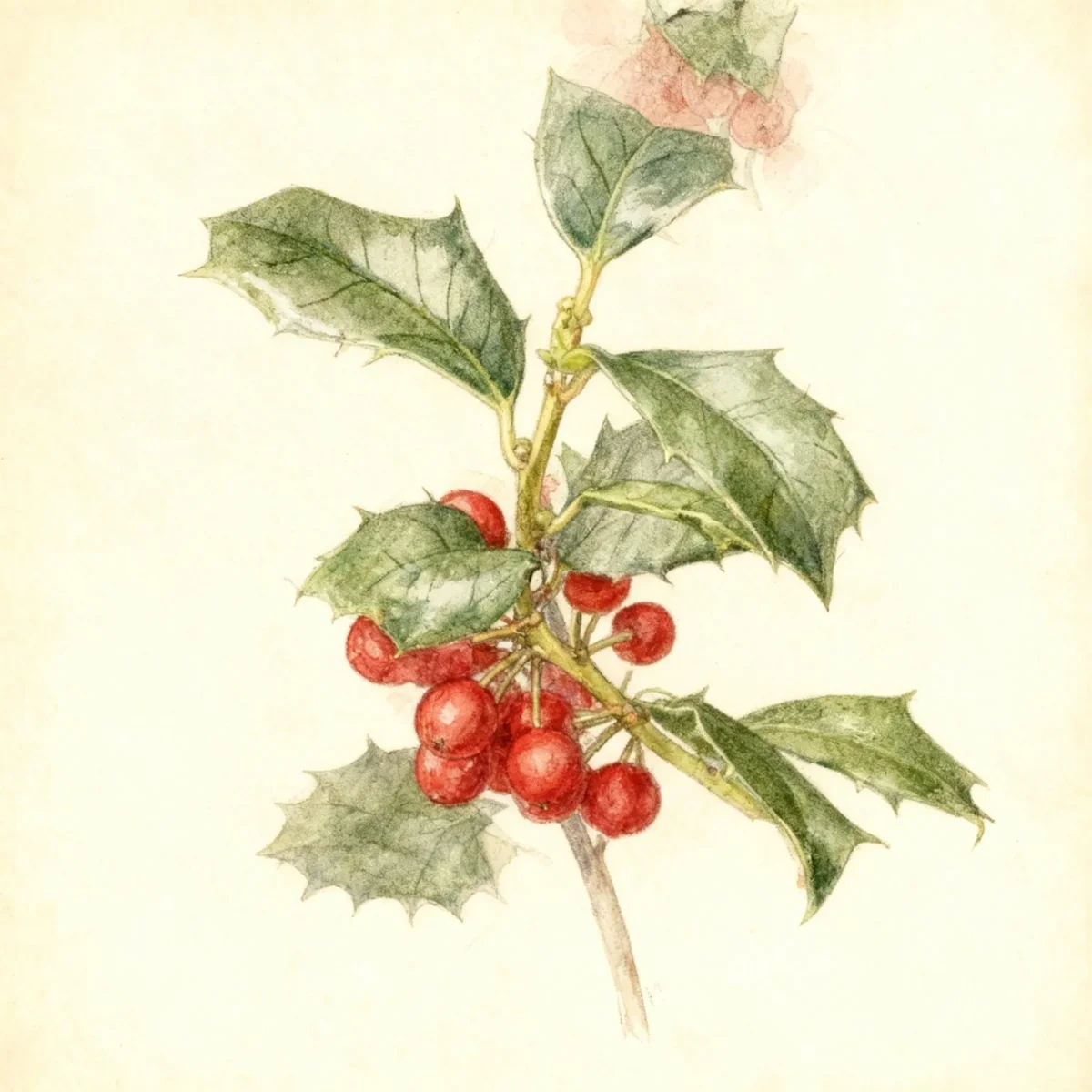
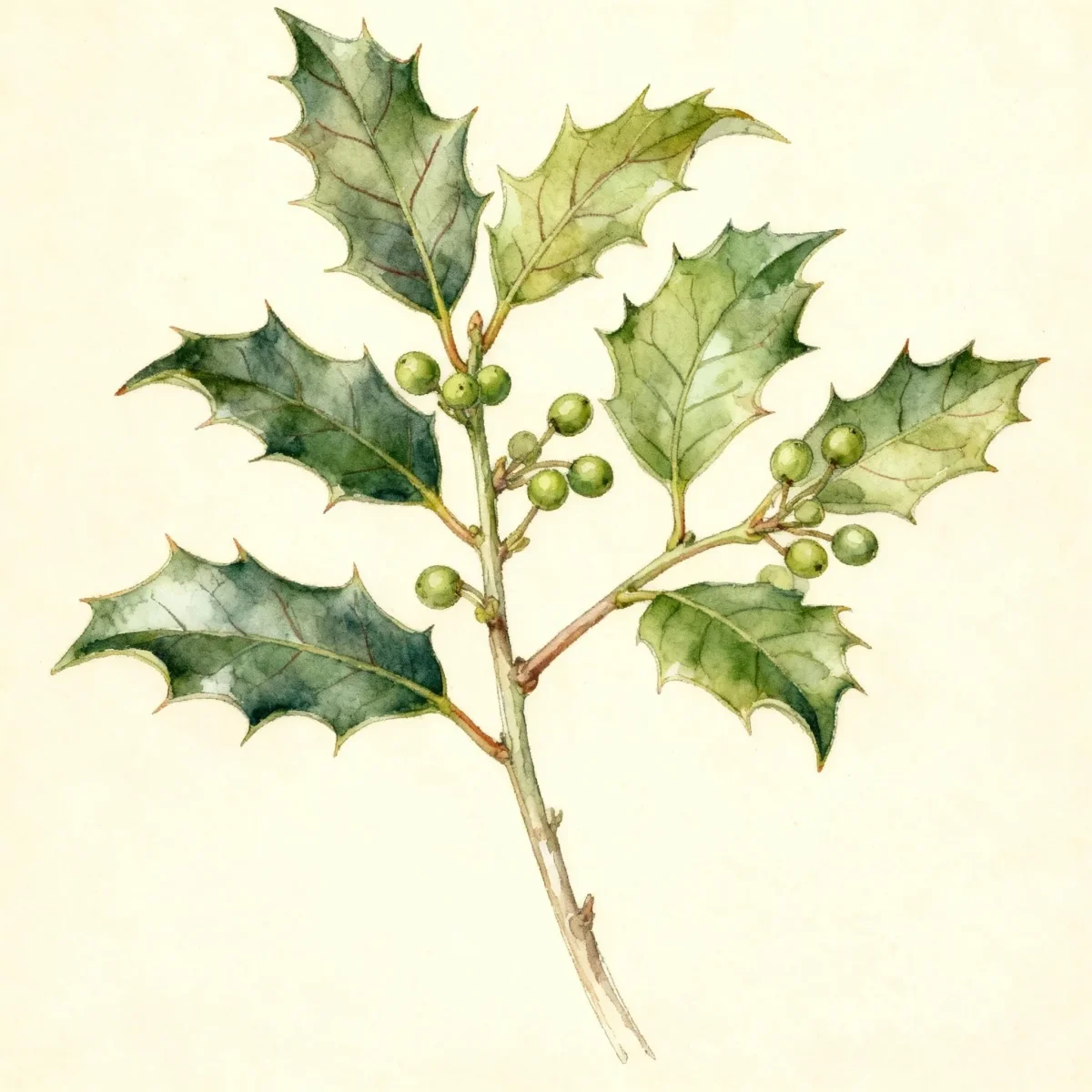
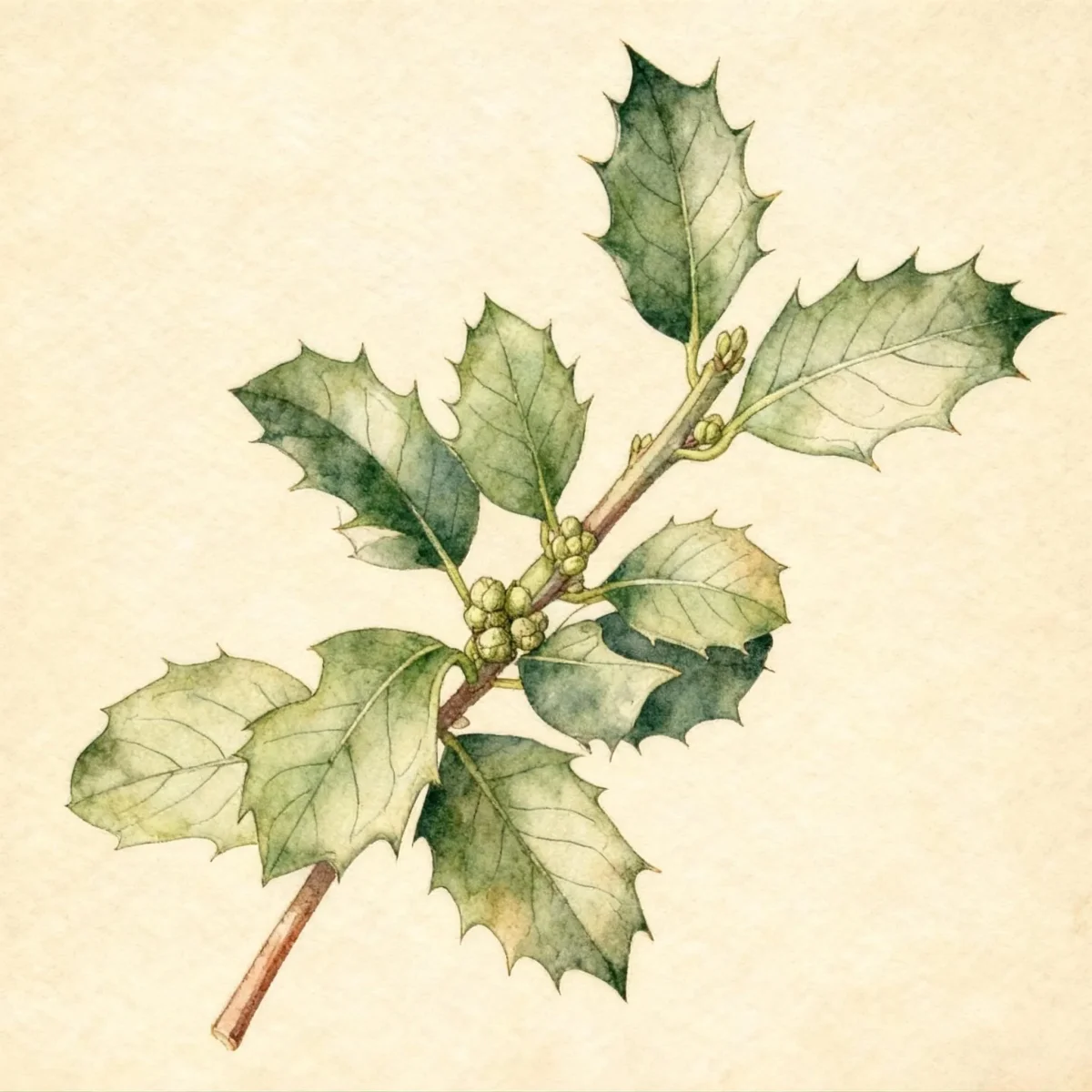
The Ilex × meserveae hybrid group, often called blue hollies, was developed by Kathleen K. Meserve to improve the winter hardiness of traditional English holly. This specific male clone, Ilex × meserveae ‘Heckenstar’ CASTLE WALL, exhibits a classic upright, pyramidal form with glossy, deep green leaves that possess spiny margins. Discovered in Germany in 1998, its value lies in its density and its role as a reliable pollinator for compatible female Meserve hollies.
Tolerances
- Air Pollution
Potential Problems
Pest issues can include common landscape threats like scale insects, spider mites, whitefly, and the holly leaf miner. Proactive monitoring is key, as infestations can compromise the foliage quality of your Holly. Diseases to watch for include various leaf spots, tar spot, and powdery mildew, often associated with poor air circulation or excessive overhead watering.
To manage susceptibility to leaf drop or chlorosis (yellowing), ensure the soil pH remains slightly acidic, as high pH soils can lock up essential nutrients. When siting plants, choose locations protected from drying winter winds, which can cause leaf scorch, particularly in the upper reaches of Zone 5.
Frequently Asked Questions
What hardiness zones is Holly suitable for?
The Ilex × meserveae ‘Heckenstar’ CASTLE WALL is reliably hardy in USDA Zones 5 through 7.
How large does Ilex × meserveae ‘Heckenstar’ CASTLE WALL grow?
This cultivar typically reaches a mature height between 5 and 8 feet, with a modest spread of 3 to 4 feet wide, maintaining a compact, upright structure.
What sun exposure does Ilex × meserveae ‘Heckenstar’ CASTLE WALL need?
This Holly performs best when situated in full sun or partial shade; however, providing protection from intense afternoon sun is advisable in the warmest parts of its hardiness range.
When does Holly bloom?
The greenish-white flowers appear inconspicuously on Ilex × meserveae ‘Heckenstar’ CASTLE WALL from April into May.
Conclusion
The Ilex × meserveae ‘Heckenstar’ CASTLE WALL is an indispensable, low-maintenance evergreen for landscape architects and home gardeners alike, providing reliable structure and deep-green texture. As a sturdy male Holly, its primary functional role is pollination, supporting the vibrant winter interest provided by nearby female plants. Before planting, confirm your location fits within USDA Zones 5-7 and ensure your soil drains well for long-term success with this superior hybrid.
Companion Planting
When utilizing this Holly for screening, select companions that appreciate similar slightly acidic soil conditions and medium moisture levels. Consider pairing it with late-blooming native shade perennials or low-growing groundcovers that do not compete heavily for root space near the base of the hedge line. Plants with contrasting textures, such as fine-needled junipers or broad-leaved hostas (in shaded areas), enhance the architectural presence of the glossy Holly foliage.
Design Ideas for Evergreen Screens
For maximum privacy, plant Ilex × meserveae ‘Heckenstar’ CASTLE WALL clones roughly 3 to 4 feet apart on center, depending on the desired speed of closure. This spacing allows for the 3 to 4-foot mature spread to eventually merge into a continuous, dense barrier. Because this cultivar provides consistent structure, build your design plan around it, integrating flowering deciduous shrubs or small ornamental trees that offer seasonal variation without breaking up the evergreen backbone you’ve established.