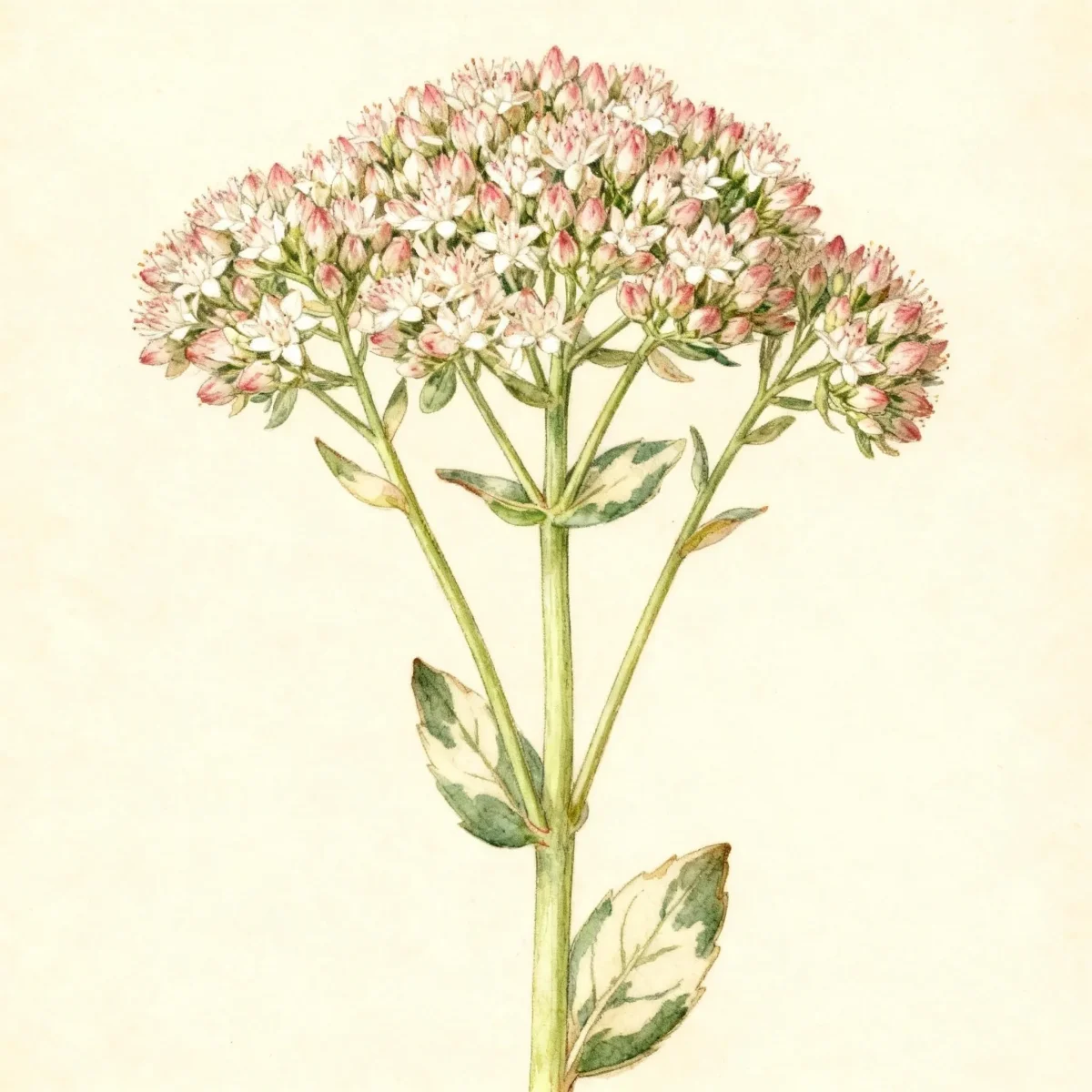
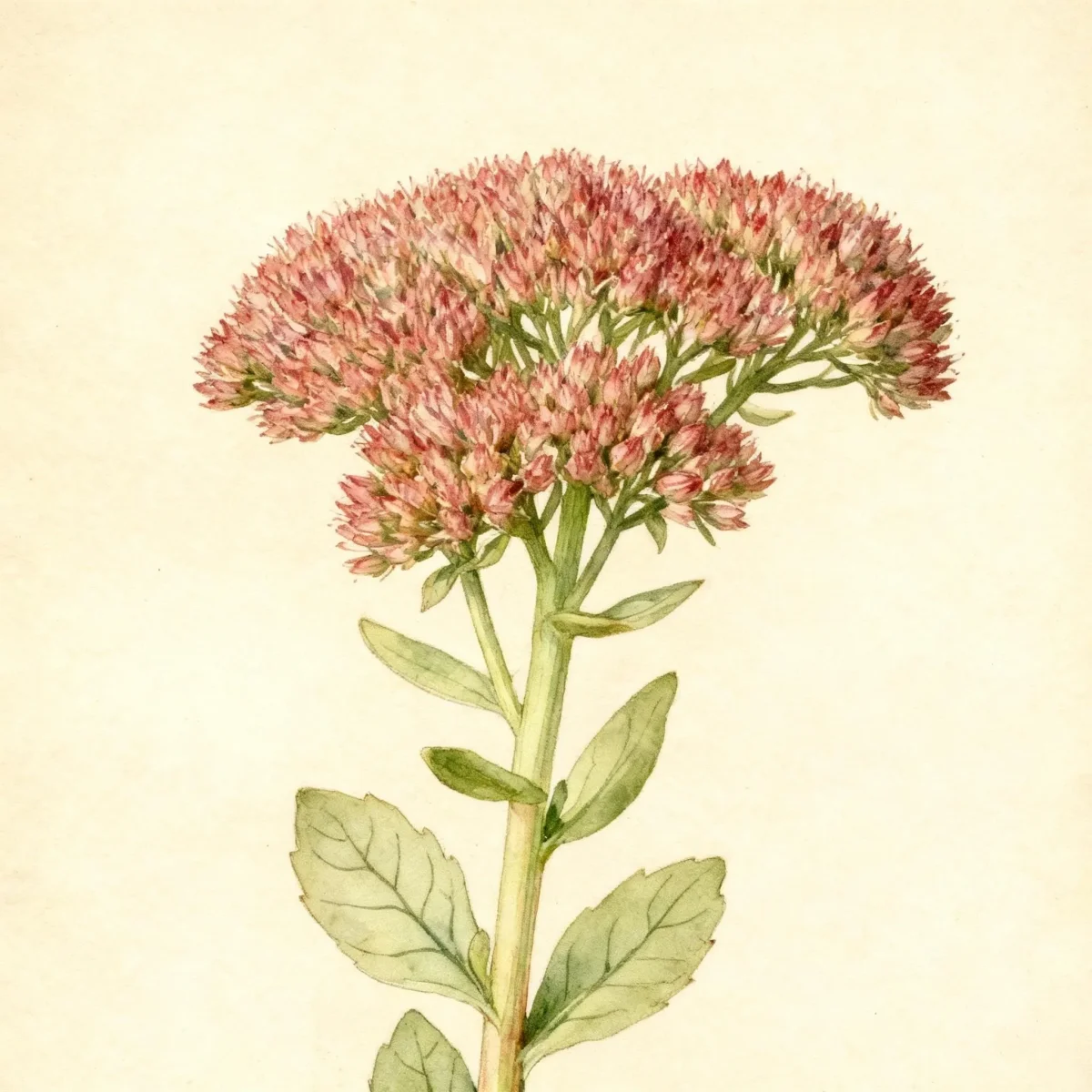
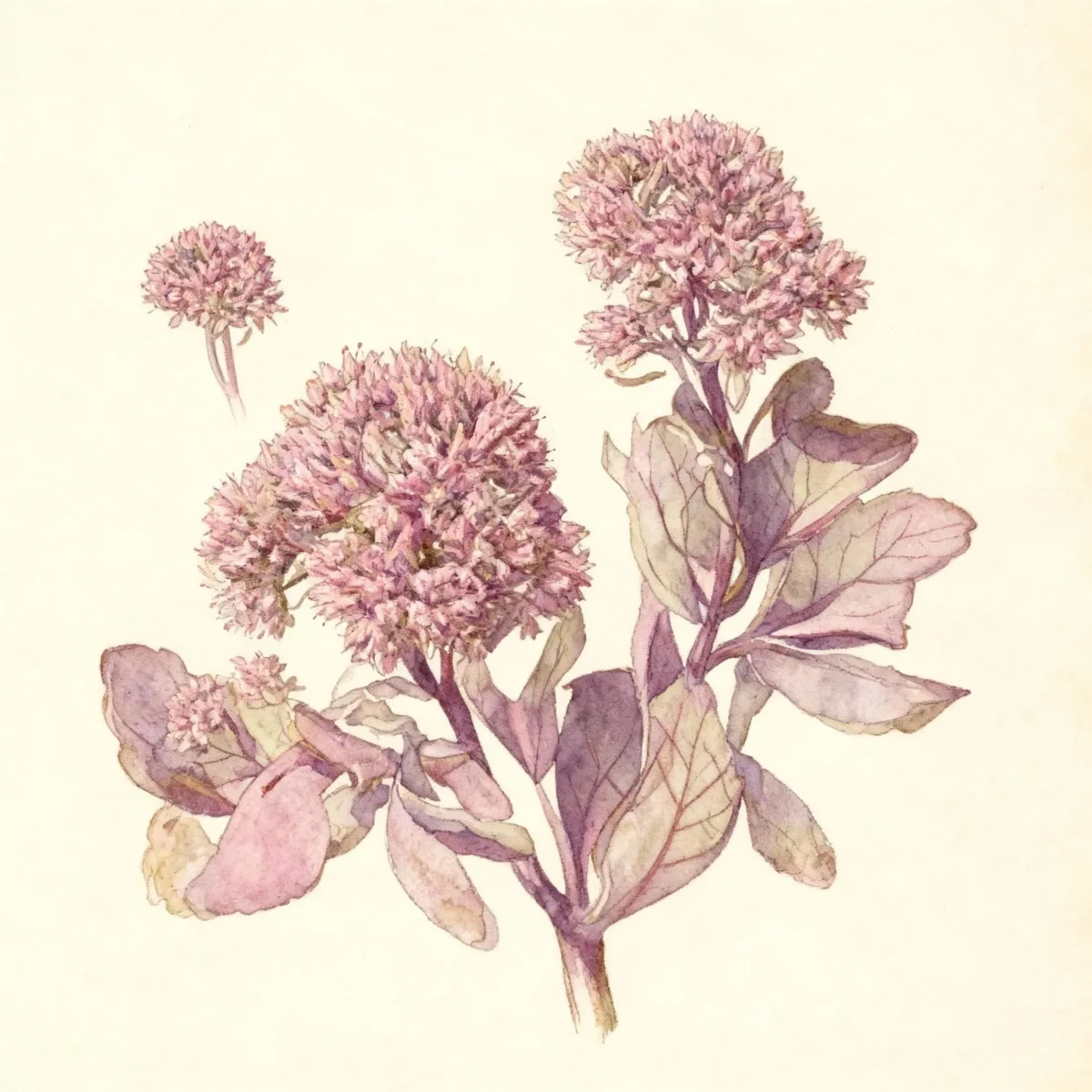
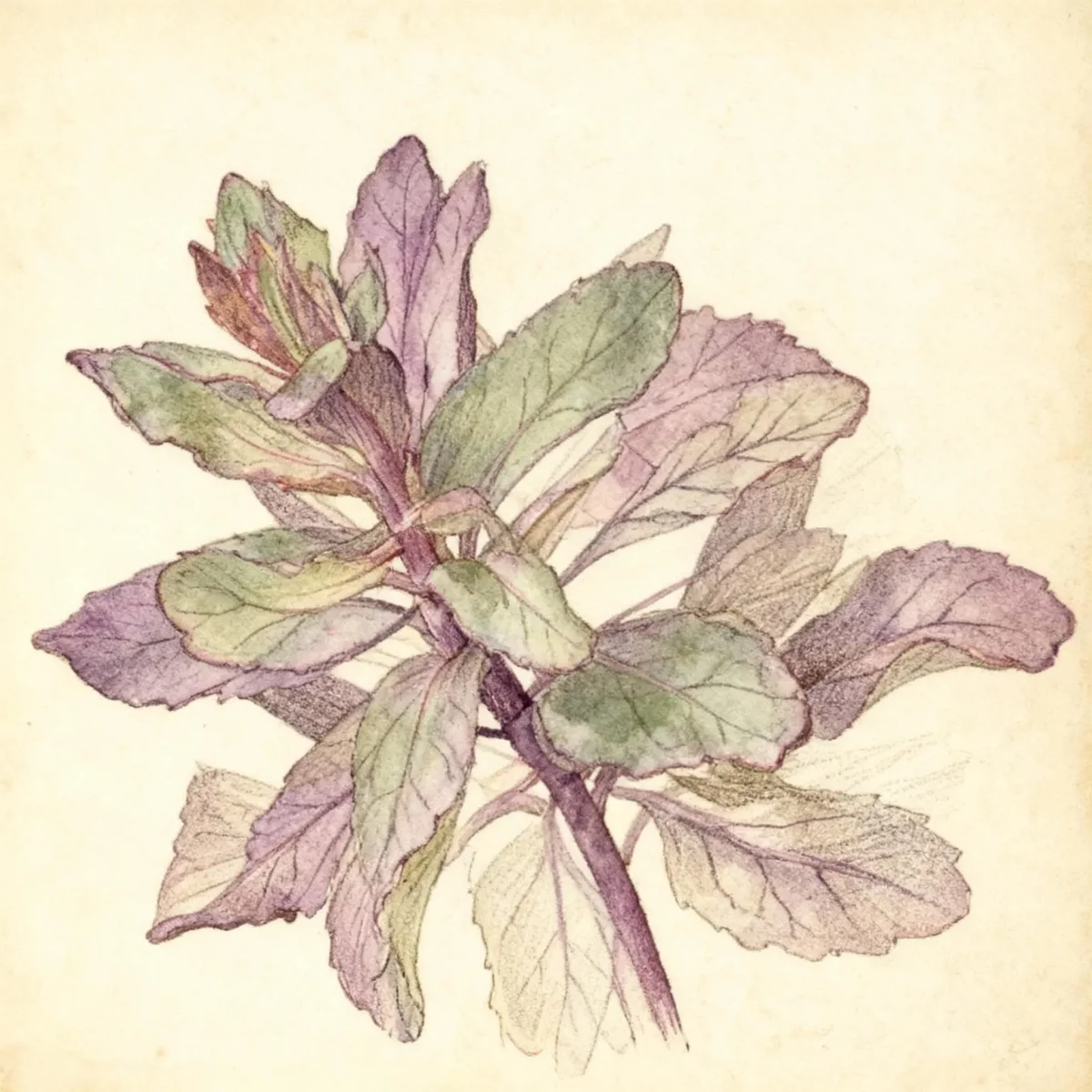
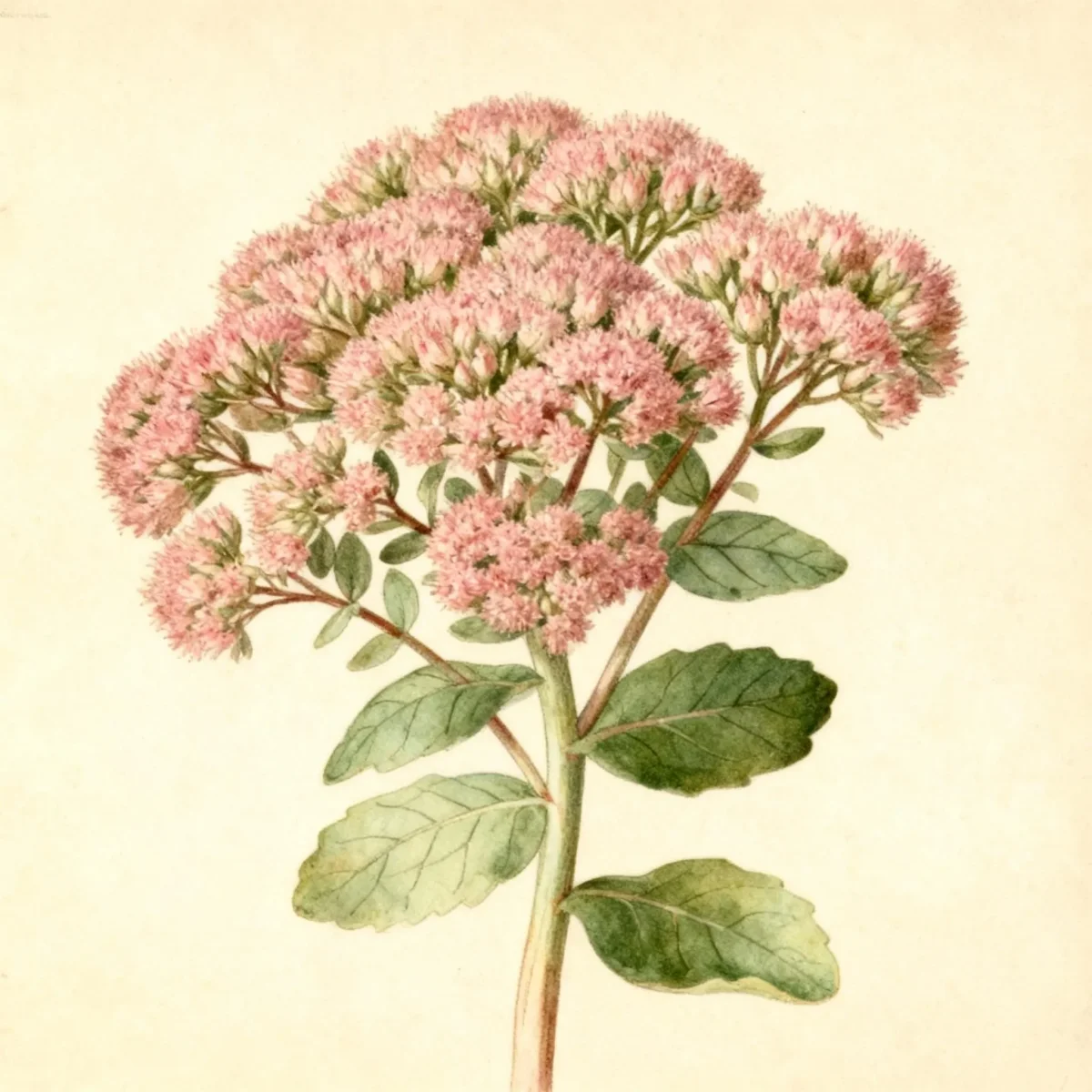
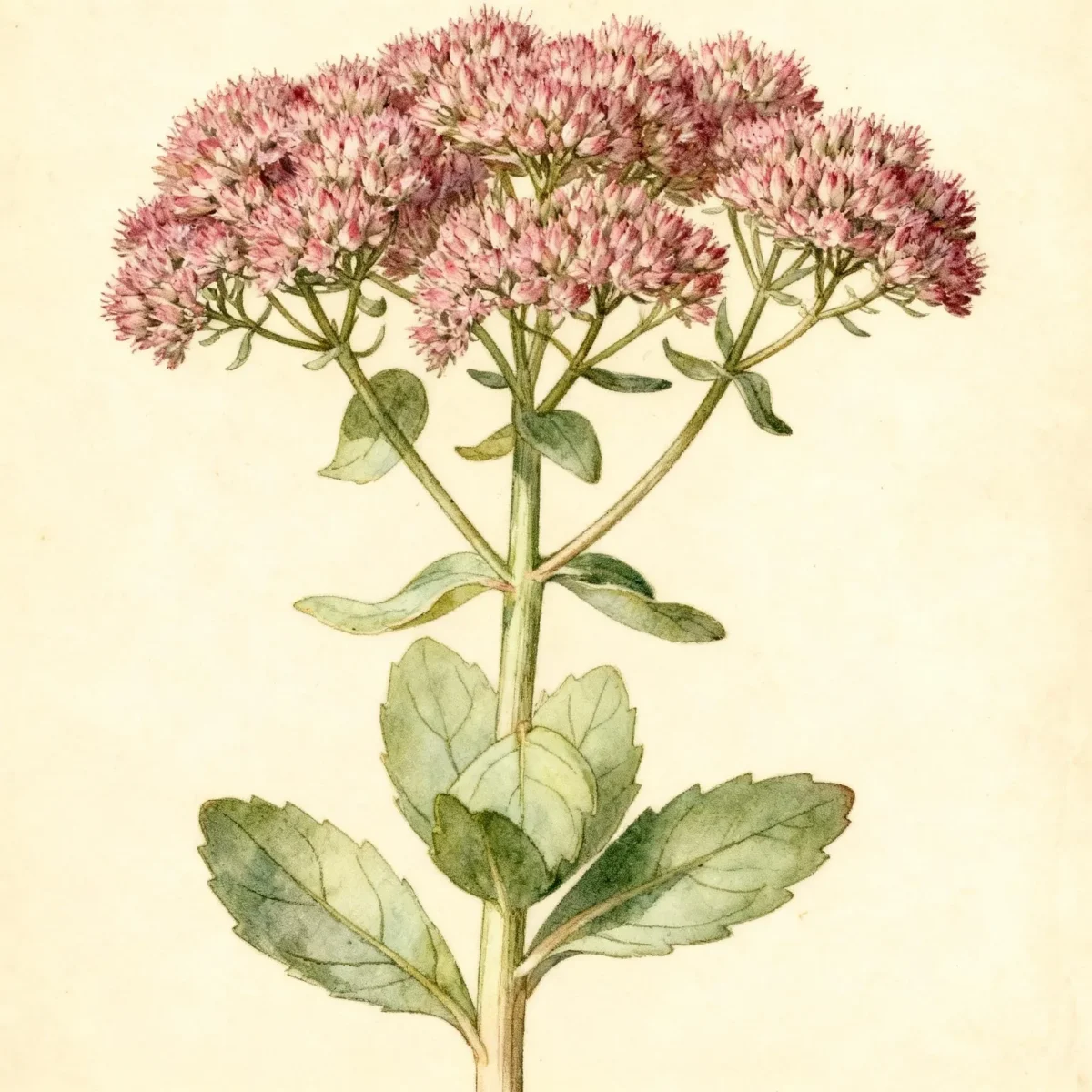
Stonecrop (Hylotelephium telephium (Atropurpureum Group) 'Postman's Pride')
Hylotelephium telephium (Atropurpureum Group) 'Postman's Pride' Stonecrop is a tough, upright perennial known for deep purple foliage and late-season pink flowers.
Scroll down to discover growing tips, care requirements, companion plants, and more
Complete Plant Information
Overview
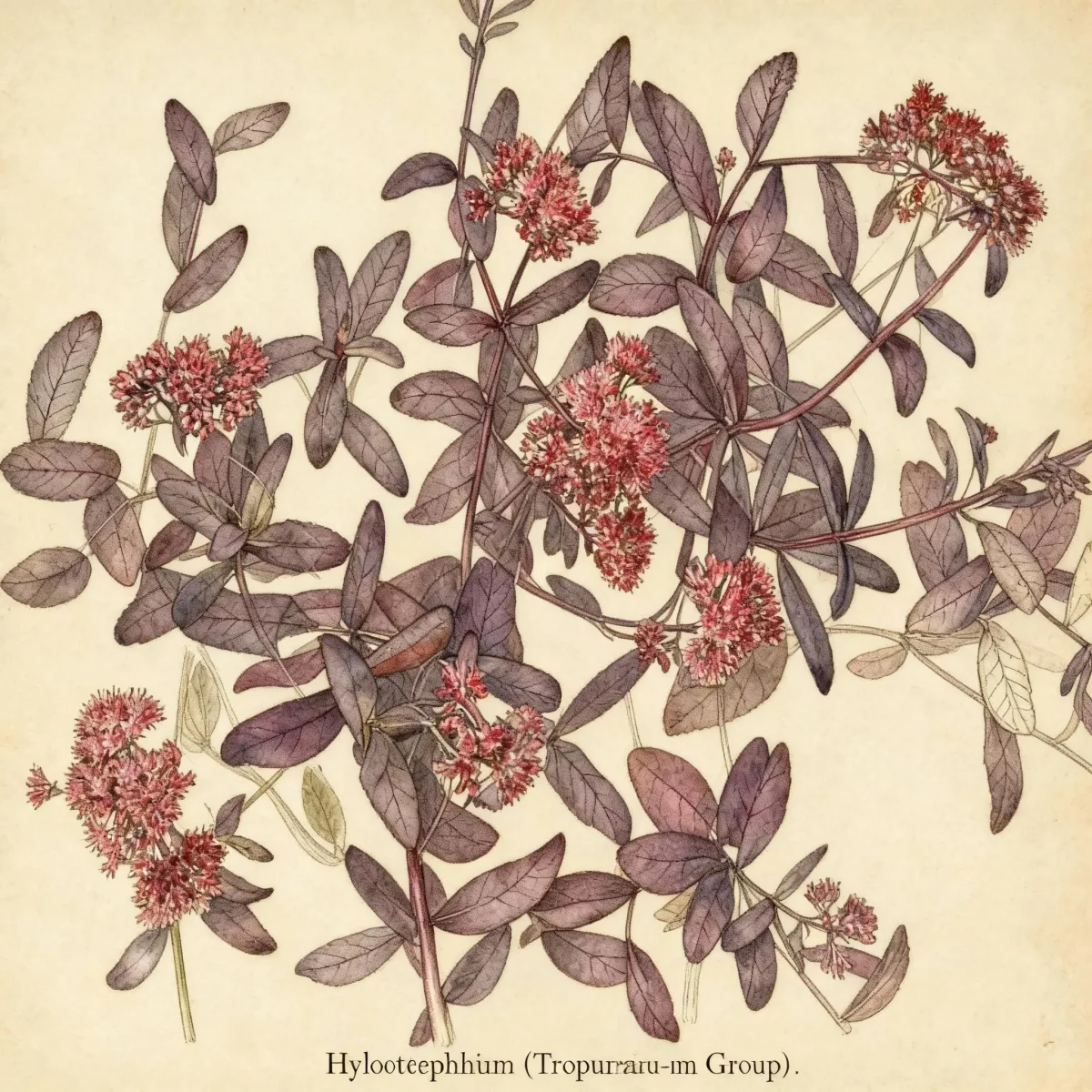
Hylotelephium telephium (Atropurpureum Group) ‘Postman’s Pride’ is a highly valued succulent herbaceous perennial, commonly known as Stonecrop or Live-forever. This cultivar stands out due to its deep bluish-purple to brownish-purple succulent foliage, which provides excellent textural and color contrast throughout the gardening season. Gardeners appreciate this variety for its robust nature and reliable late-summer to fall flowering display.
This Stonecrop typically forms an upright, semi-upright mound, seldom exceeding 2 feet in height, maintaining a compact and bushy habit. Its tiny, star-like pinkish-purple flowers emerge when many summer blooms are fading, attracting late-season pollinators. The value of Hylotelephium telephium (Atropurpureum Group) ‘Postman’s Pride’ lies in its low-maintenance requirements coupled with persistent visual appeal, right through to winter interest provided by the persistent dried flower heads.
As a member of the Crassulaceae family, this plant is inherently tough and drought-tolerant. It excels in conditions that challenge other perennials, thriving in average, well-drained sites while reliably returning year after year. Planting ‘Postman’s Pride’ ensures reliable color and structure late in the season.
Fast Facts
- Plant Family: Crassulaceae
- Plant Type: Herbaceous perennial
- Hardiness Zones: USDA Zones 3-9
- Size at Maturity:
- Height: 1-2 ft
- Spread: 1-2 ft
- Bloom Time: September to October
- Bloom Description: Pink-purple
- Sun Exposure: Full sun
- Water Needs: Dry to medium
- Maintenance Level: Low
How to Grow
Planting Hylotelephium telephium (Atropurpureum Group) ‘Postman’s Pride’ is best achieved in spring or early fall, ensuring the location provides full sun exposure for the deepest leaf color. This Stonecrop particularly thrives in sandy to gravelly soils characterized by moderate to low fertility, as long as excellent drainage is present. Good soil drainage is non-negotiable; soggy conditions in winter will severely compromise plant health.
Once established, ongoing care is minimal. Water needs are best met with dry to medium consistency; allow the soil to dry out between waterings, leveraging its natural drought tolerance. Fertilizing is generally unnecessary; overly rich soils can lead to weak, floppy growth, diminishing the compact habit that makes ‘Postman’s Pride’ so desirable.
Pruning is generally limited to cutting back the dead flower heads and foliage in late winter or early spring, just before new growth emerges. Propagation of this robust plant is highly successful, utilizing divisions in spring or taking stem cuttings during the summer months. Even single detached leaves placed on soil can often root to form new plants.
Landscape Uses
The architectural structure and late-season color make ‘Postman’s Pride’ invaluable for structuring perennial borders. Its manageable height (1-2 feet) positions it perfectly for the middle ground, softening the edges of larger shrubs or accompanying taller ornamental grasses. It performs excellently in large rock gardens where lean, well-drained conditions mimic its native habitat in rocky ledges.
For design flexibility, consider using Hylotelephium telephium (Atropurpureum Group) ‘Postman’s Pride’ in groupings to maximize the impact of its dark foliage and late bloom clusters. Due to its succulent nature and tolerance for dry soil, it is an outstanding choice for containers, either as a central specimen or combined with trailing plants that appreciate similar low-water conditions.
Contrast is key when integrating dark-leaved selections like this Stonecrop. Pair the purplish leaves and pink flowers with plants featuring bright green, yellow, or silvery foliage for striking combinations as summer wanes and autumn approaches.
Flower Qualities
- Showy
Noteworthy Characteristics
Hylotelephium telephium, commonly known as stonecrop, orpine or live-forever, is a succulent herbaceous perennial which typically grows in an upright to semi-upright mound on unbranched stems rising to 18-24” tall. This cultivar, ‘Postman’s Pride’, is specifically noted for its deep bluish-purple to brownish-purple succulent leaves, which contrast beautifully with its pinkish-purple flowers that bloom late in the season. The plant remains easy to grow, regenerating readily from just a leaf, and its foliage and dead flower heads often persist into winter.
Tolerances
- Drought
- Dry Soil
- Shallow-Rocky Soil
Potential Problems
Hylotelephium telephium (Atropurpureum Group) ‘Postman’s Pride’ is generally regarded as having no serious insect or disease problems when grown in proper conditions. The biggest threat is poor drainage, which can cause rot.
If pests do appear, watch for common succulent visitors such as slugs, scale, mealybugs, nematodes, aphids, and weevils. Management involves ensuring placement in a sunny, dry spot to discourage slug activity. For other pests, targeted horticultural oils or insecticidal soaps can remove infestations without harming the plant’s general health.
Frequently Asked Questions
What hardiness zones is Stonecrop suitable for?
Hylotelephium telephium (Atropurpureum Group) ‘Postman’s Pride’ is suitable for USDA Zones 3 through 9, offering wide adaptability across varied climates.
How large does Stonecrop grow?
This perennial typically reaches a mature height between 1 and 2 feet tall and spreads to a similar width of 1 to 2 feet, forming a nicely rounded clump.
What sun exposure does Hylotelephium telephium (Atropurpureum Group) ‘Postman’s Pride’ need?
This Stonecrop requires full sun to achieve its best performance, particularly for developing the deep purple pigmentation in its foliage.
When does Stonecrop bloom?
This specific cultivar blooms during the late season, typically from September into October, bearing pink-purple flower heads.
Conclusion
The toughness, reliable late-season bloom time, and outstanding dark foliage make Stonecrop, specifically Hylotelephium telephium (Atropurpureum Group) ‘Postman’s Pride’, an essential component of the late-summer garden. Its low maintenance and tolerance for poor, dry soil guarantee success in challenging spots. Before planting, ensure your chosen location offers full sun and excellent drainage to reap the full benefits of this superb perennial.
Propagation Tips
As a vigorous succulent, propagation is one of the easiest aspects of caring for this Stonecrop. Divisions offer the fastest route to creating new plants and should ideally be done in the spring when new growth is emerging. Gently separate rooted clumps and replant immediately to minimize transplant shock.
Stem cuttings provide another straightforward method, best taken during the summer months when the plant is actively growing. Take cuttings just below a leaf node, allow the cut end to callus over for a day or two in dry air, and then plant directly into well-draining, gritty soil. Keep the soil lightly moist until roots develop.
A remarkable feature noted for Hylotelephium telephium (Atropurpureum Group) ‘Postman’s Pride’ is its ability to root from leaves alone. Simply detach a healthy leaf and lay it on top of dry potting media. Keep conditions dry until tiny new rosettes appear, turning this easy propagation into a fun project for gardeners.
Companion Planting
Choosing companions that share the need for full sun and dry, well-drained soil is crucial when situating Stonecrop. Plants that bloom earlier in the season provide a nice succession, while grasses offer contrasting texture. Good partners include ornamental grasses like Calamagrostis or Miscanthus varieties, which offer vertical accents near the mounding Stonecrop.
For color contrast in the border, pair the dark foliage of ‘Postman’s Pride’ with silvery or gold-leafed perennials. Lamb’s Ears (Stachys byzantina) or certain Sedums with chartreuse foliage work well beneath the late-season blooms of this Hylotelephium. Avoid moisture-loving plants, as they will compete unfairly with the Stonecrop’s need for drier roots.