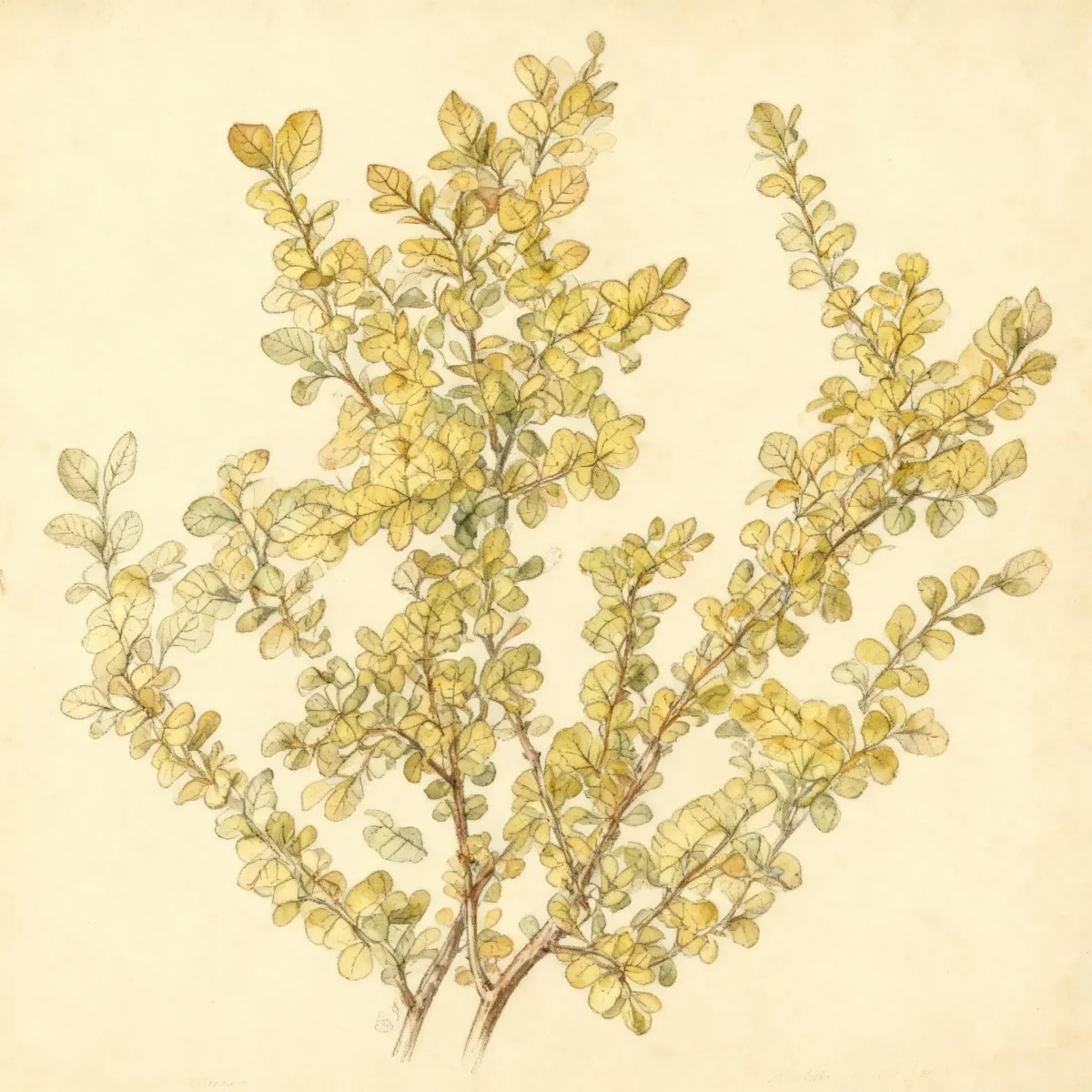
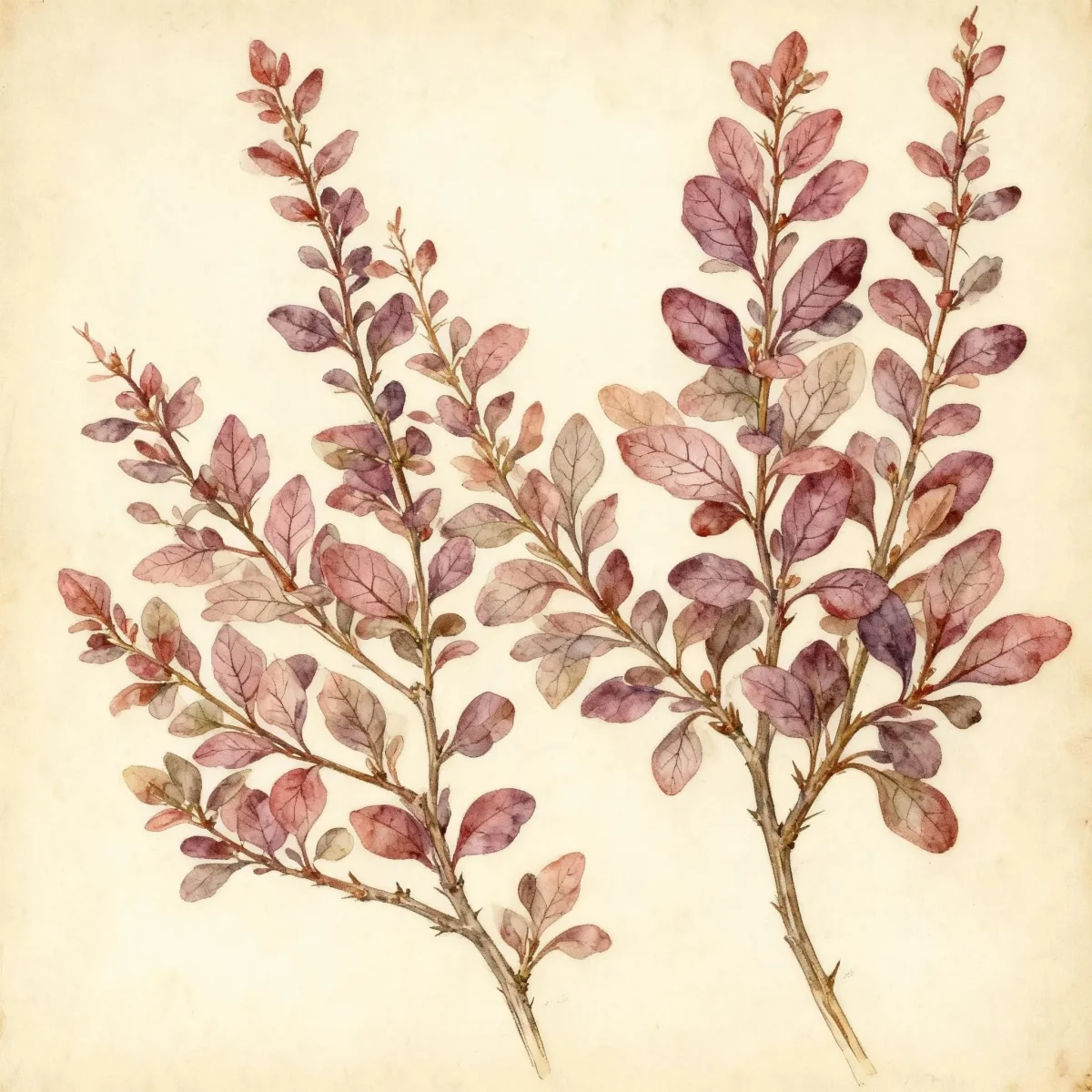
Japanese barberry (Berberis thunbergii f. atropurpurea 'Harlequin')
Berberis thunbergii f. atropurpurea 'Harlequin' is a low-maintenance Japanese barberry prized for its variegated foliage and drought tolerance.
Scroll down to discover growing tips, care requirements, companion plants, and more
Complete Plant Information
Overview
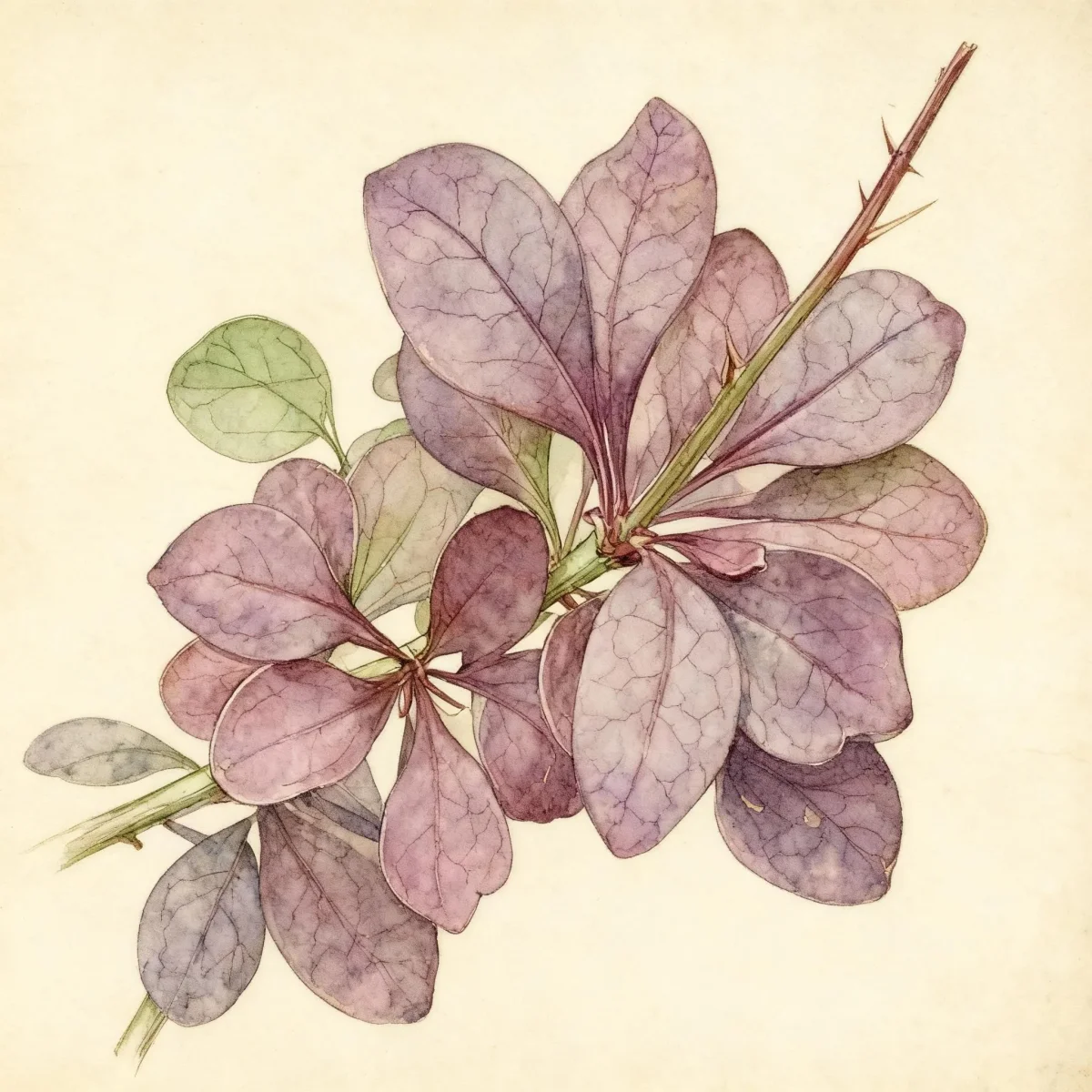
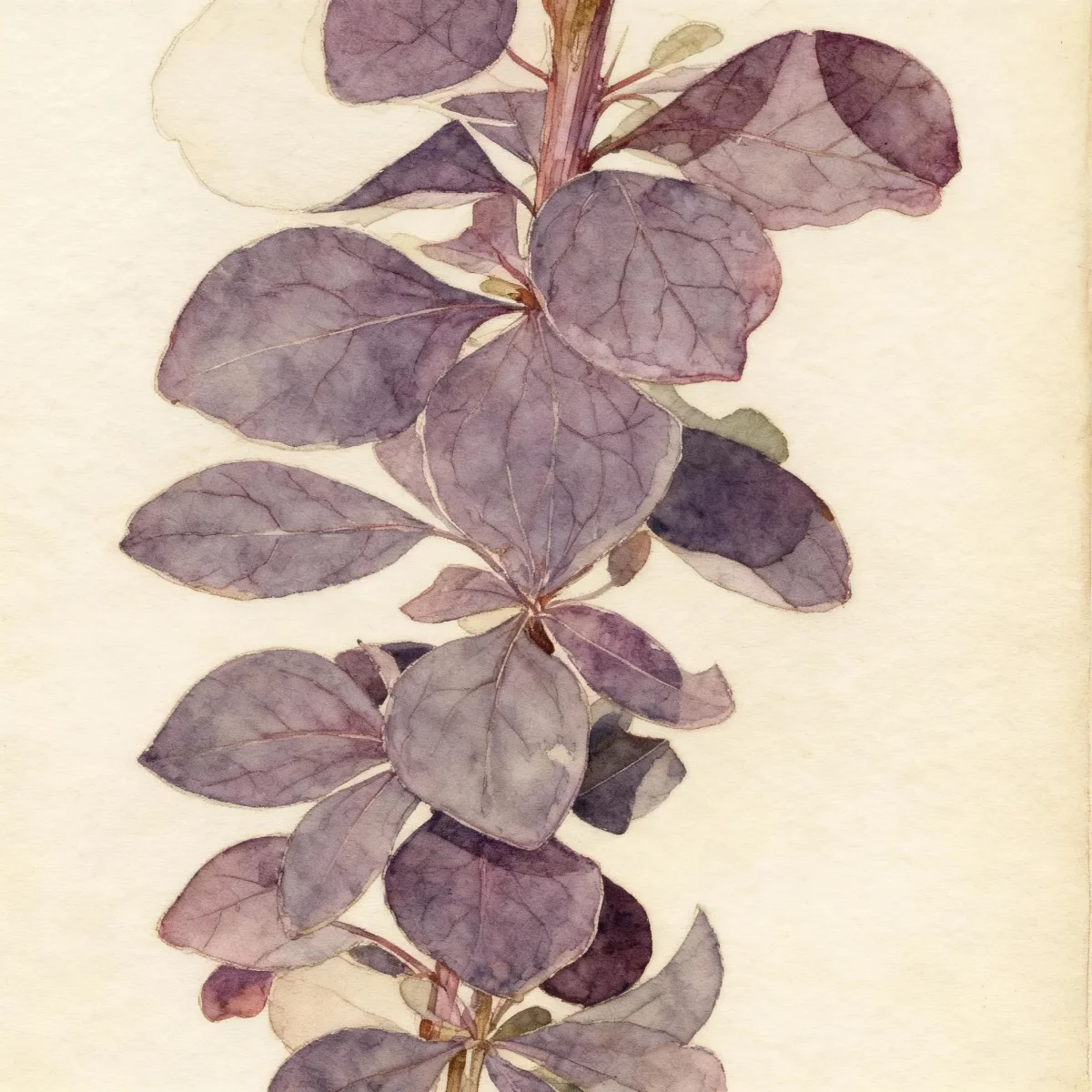
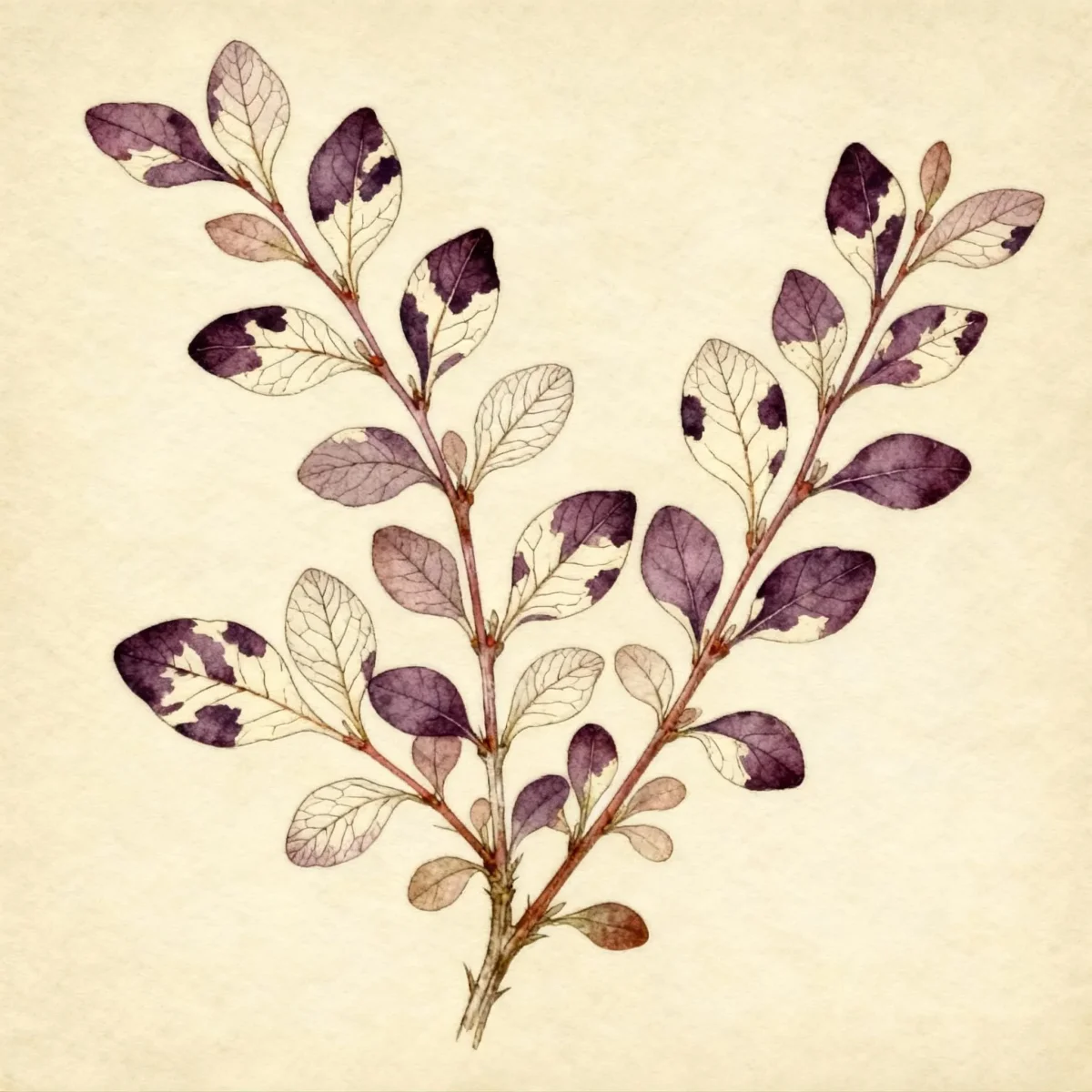
The variegated foliage of Berberis thunbergii f. atropurpurea ‘Harlequin’ makes it a highly sought-after ornamental shrub for landscape design. This specific cultivar of Japanese barberry emerges with reddish-purple leaves dramatically splashed with pink and cream variegation, offering year-round interest when paired with its persistent red berries. It is an exceptionally adaptable plant, thriving well in average, dry to medium soils and offering excellent toughness for challenging locations.
As a low-maintenance, deciduous shrub, Berberis thunbergii f. Atropurpurea ‘Harlequin’ provides structure and seasonal color. Its spiny stems make it an excellent natural barrier or informal hedge, serving both aesthetic and functional purposes in the garden. Gardeners should note this plant’s hardiness and tolerance for urban settings, though vigilance regarding its potential invasiveness in certain regions is prudent.
Fast Facts
- Plant Family: Berberidaceae
- Plant Type: Deciduous shrub
- Hardiness Zones: USDA Zones 4-8
- Size at Maturity:
- Height: 2-4 ft
- Spread: 3-5 ft
- Bloom Time: April to May
- Bloom Description: Pale yellow
- Sun Exposure: Full sun
- Water Needs: Dry to medium
- Maintenance Level: Low
How to Grow
For the best performance, plant Berberis thunbergii f. atropurpurea ‘Harlequin’ in the spring or fall when temperatures are moderate. Ensure the location provides full sun, which is crucial for maintaining the best variegation and compact habit, although it can handle light afternoon shade. This shrub thrives in average, well-drained soil, but critically, it is intolerant of wet, poorly-drained conditions, which can lead to root rot issues.
Once established, this Japanese barberry requires minimal supplemental watering; only water during extended dry spells, as it prefers dry to medium soil conditions and tolerates drought exceptionally well. Fertilization is rarely necessary for established plants. Pruning is generally only required to shape hedges or remove stray growth, best done immediately after flowering finishes in late spring.
Be mindful that Berberis thunbergii f. atropurpurea ‘Harlequin’ can spread slowly via creeping roots and that birds readily distribute its seeds, leading to potential self-seeding. Propagation is typically achieved through cuttings taken from mature wood. Its inherent adaptability makes it highly tolerant of urban pollution and heat stress.
Landscape Uses
The dense, spiny nature of this Japanese barberry makes it an outstanding choice for creating an effective natural barrier or a formal hedge where security or demarcation is desired. Due to its striking variegated color, Berberis thunbergii f. atropurpurea ‘Harlequin’ also functions beautifully as a standalone specimen plant, drawing attention to small areas in the landscape. Consider using it for border fronts where its low profile won’t overwhelm shorter perennials, or as an accent shrub nestled against foundation plantings.
Its resistance to deer and drought, combined with its low maintenance requirements, means it integrates well into mixed shrub borders where nearby companions enjoy similar sun and moisture profiles. The persistent red berries offer excellent winter interest, contrasting nicely with evergreen neighbors.
Standout Features
Flower Qualities
- Insignificant
Fruit Qualities
- Showy
Noteworthy Characteristics
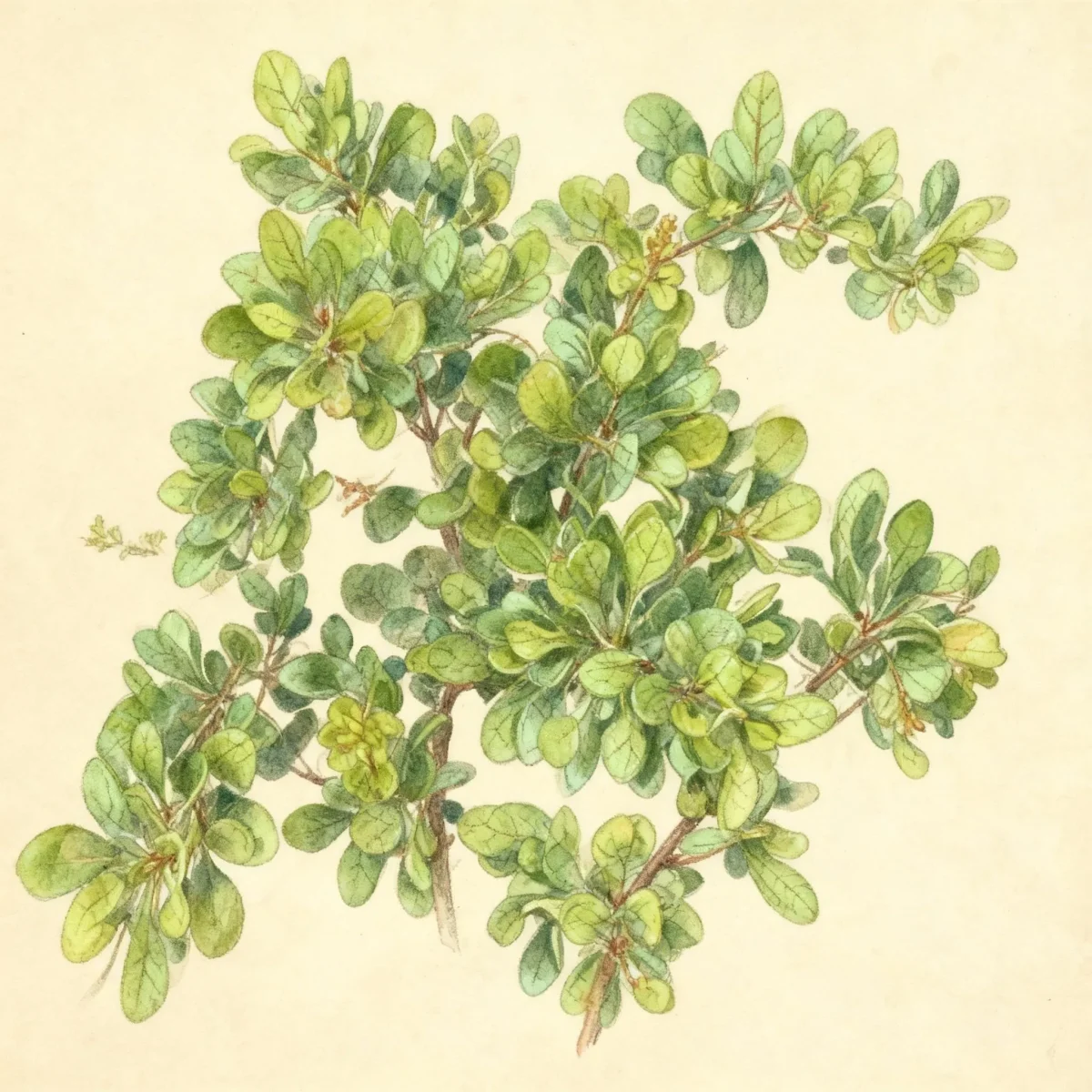
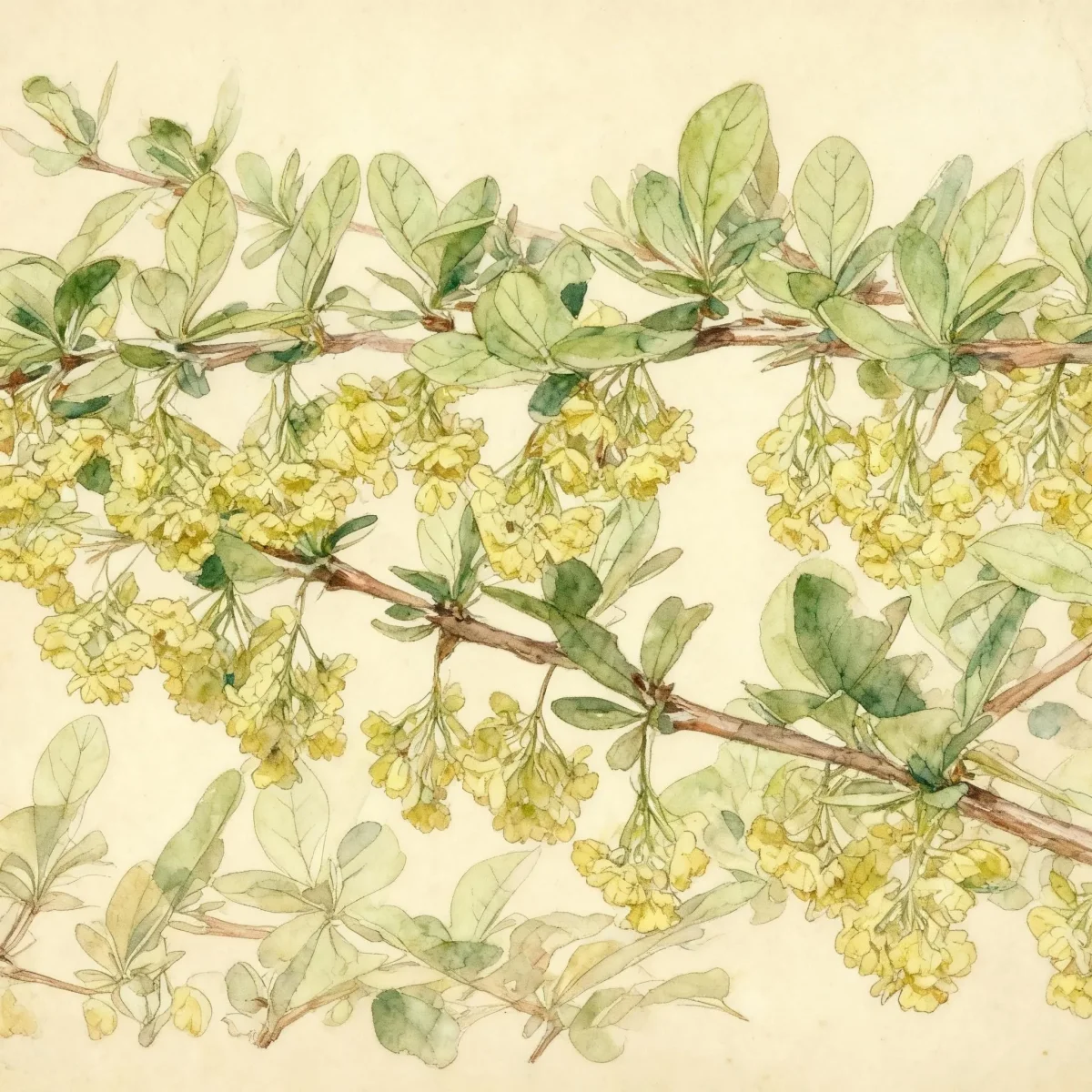
Berberis thunbergii, commonly called Japanese barberry, is a spiny, broad-rounded, deciduous shrub with obovate green leaves that usually turn brilliant orange, yellow, and red in the autumn, although the ‘Harlequin’ form maintains its unique color pattern. This cultivar typically forms a neat mound up to 4 feet tall, highlighted by reddish-purple foliage that shows off attractive pink and cream variegation throughout the growing season. The tiny, pale yellow flowers give way to glossy, persistent red berries, which offer vital food for birds in the late fall and winter months.
Tolerances
- Deer
- Drought
- Erosion
- Clay Soil
- Dry Soil
Potential Problems
This Japanese barberry generally exhibits resistance to serious disease or pest issues, contributing to its low maintenance profile. However, like other members of the genus, it can occasionally suffer from bacterial leaf spot, anthracnose, or various root rots if drainage is poor. Occasionally, you may observe aphids, scale insects, or the barberry webworm.
Management should focus on prevention; ensure rich, well-draining soil to avoid root rots, and practice good air circulation by spacing plants appropriately. The spiny stems, while useful for security, are notorious for trapping wind-blown debris, requiring occasional manual cleanup to maintain an attractive appearance.
Frequently Asked Questions
What hardiness zones is Japanese barberry suitable for?
Berberis thunbergii f. atropurpurea ‘Harlequin’ is reliably hardy in USDA Zones 4 through 8. Always confirm soil drainage meets its preference for dry to medium conditions.
How large does Berberis thunbergii f. atropurpurea ‘Harlequin’ grow?
This cultivar typically matures into a compact, mounding shrub reaching a manageable height between 2 to 4 feet tall and spreading 3 to 5 feet wide.
What sun exposure does Japanese barberry need?
For the optimal development of its characteristic variegated foliage, this plant requires full sun exposure. It can tolerate some part shade but may become leggier, reducing the vibrancy of the pink and cream splashes.
When does Berberis thunbergii f. atropurpurea ‘Harlequin’ bloom?
The flowering period for this shrub occurs from April into May, producing small, pale yellow flowers along its stems before the attractive red berries develop later in the season.
Conclusion
The Berberis thunbergii f. atropurpurea ‘Harlequin’ offers exceptional ornamental value through its distinctive pink and cream variegated foliage and its impressive tolerance for difficult conditions like drought and clay soil. This reliable Japanese barberry variety serves equally well as a structural accent or a functional barrier plant in the landscape. Before planting, confirm your site receives adequate sunlight and ensures soil drainage is good to maximize the beauty of this low-maintenance shrub.
Companion Planting
Selecting companions based on similar cultural needs enhances the health and visual appeal of your Berberis thunbergii f. atropurpurea ‘Harlequin’ planting scheme. Because this shrub prefers full sun and tolerates dry soil, pair it with other drought-tolerant perennials and shrubs that thrive in sunny conditions. Good matches include Sedum (Stonecrop), Russian Sage (Perovskia), ornamental grasses like Blue Fescue, or various low-growing Yucca varieties. Avoid planting it near moisture-loving plants, as the barberry’s intolerance for wet feet could prove detrimental to the entire grouping.
Propagation Tips
Propagating Berberis thunbergii cultivars like ‘Harlequin’ is best achieved asexually to ensure new plants retain the desirable variegation. The recommended method is taking cuttings from semi-hardwood or hardwood sections of the plant. Take cuttings after the summer growing season ends but before deep frost sets in. Dip the base of the cuttings into rooting hormone powder and place them in a sterile, moist medium, preferably in a cold frame or greenhouse setting for overwintering. Success rates are highest when propagation is performed consistently using fresh material.