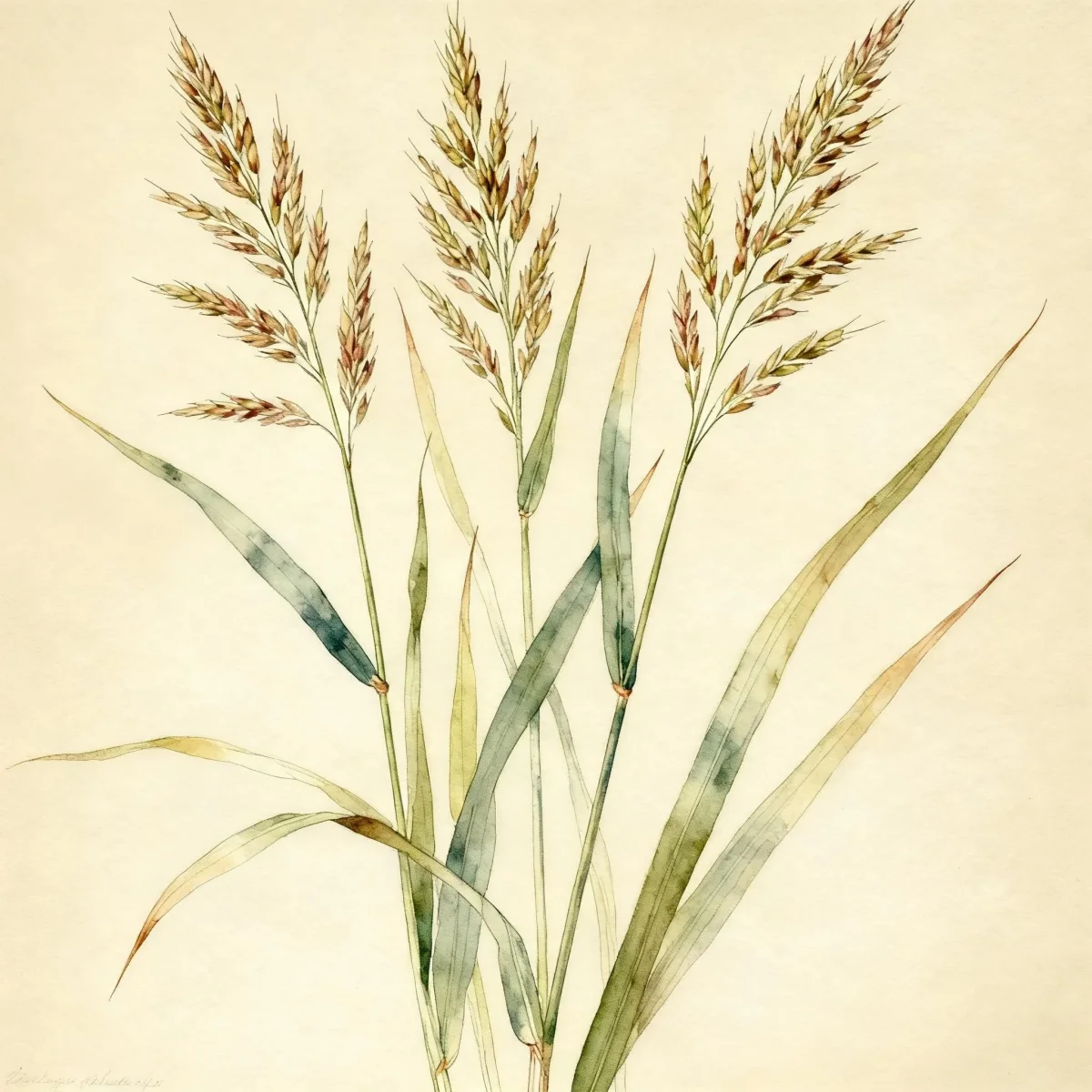
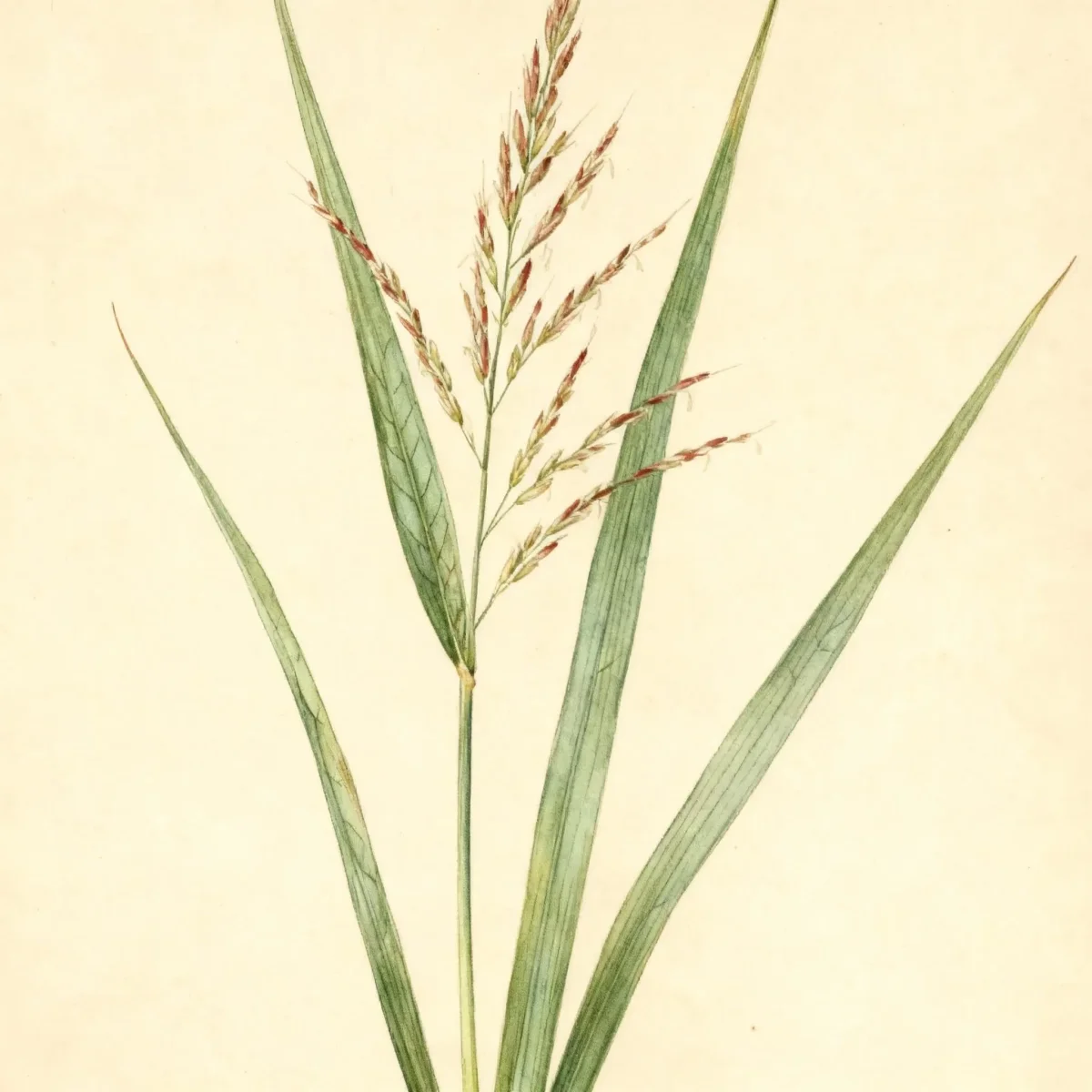
Switch grass (Panicum 'Huron Solstice')
Stunning Panicum 'Huron Solstice' Switch grass offers blue-green foliage turning wine-purple amidst purple plumes. Low maintenance ornamental grass for zones 4-9.
Scroll down to discover growing tips, care requirements, companion plants, and more

Complete Plant Information
Overview
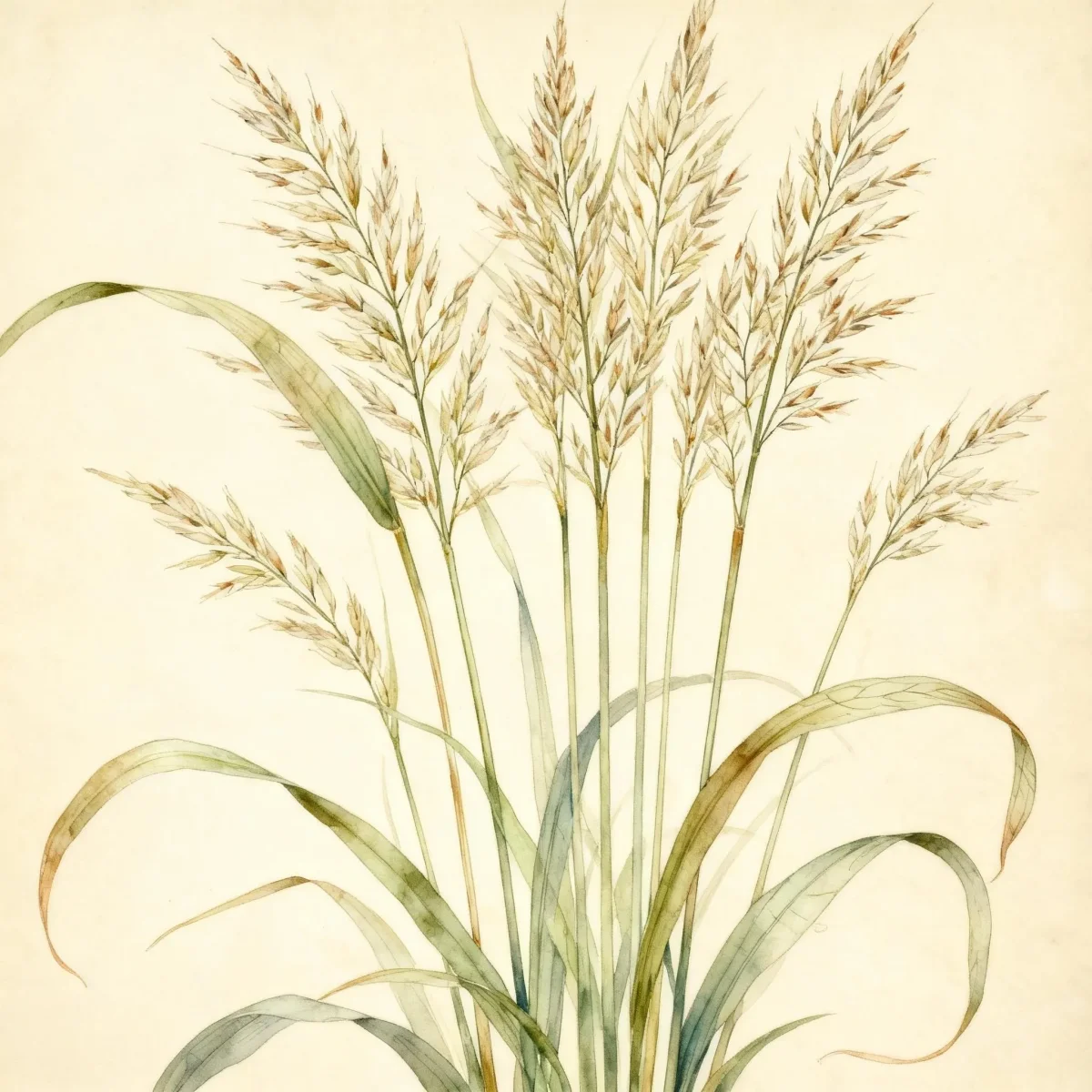
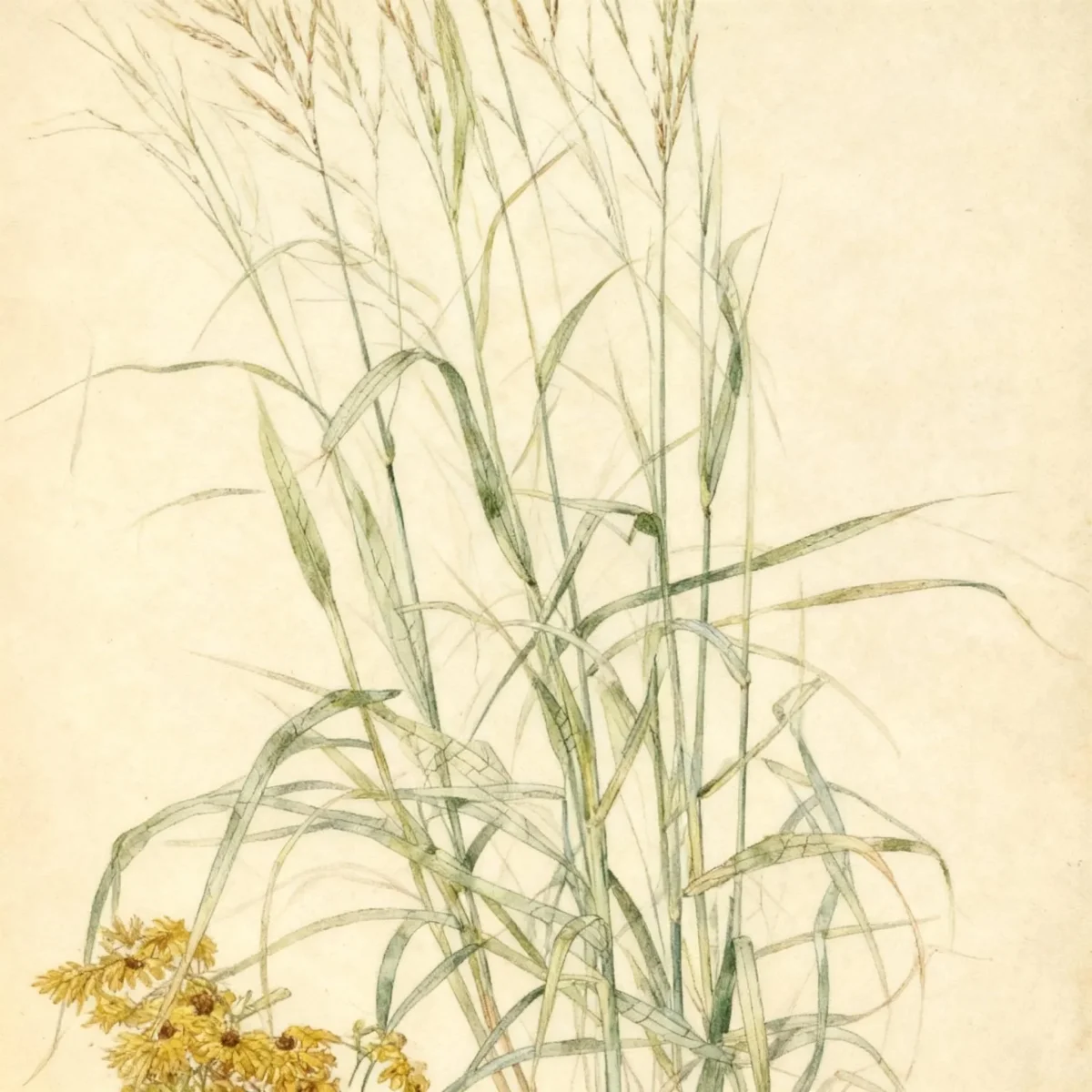
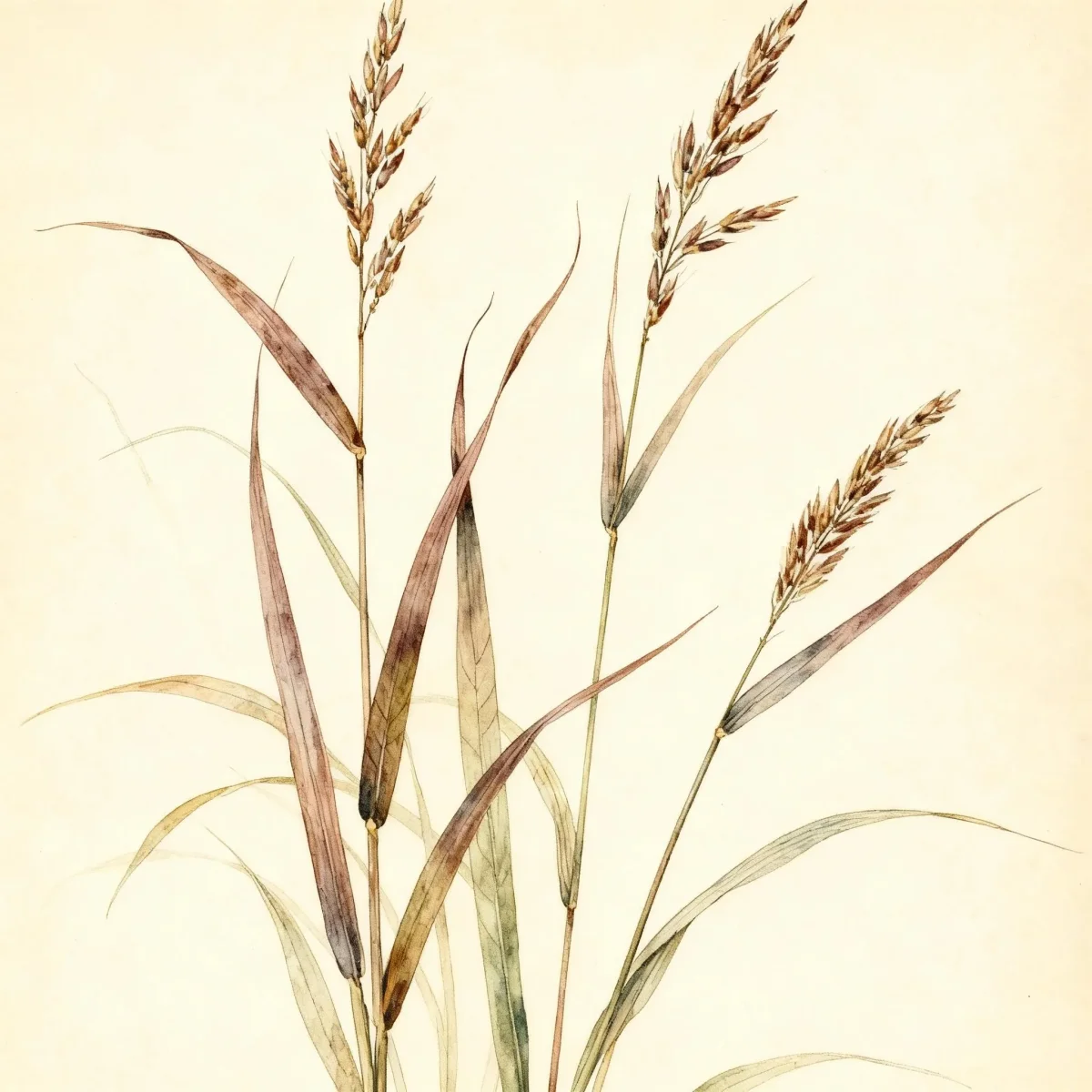
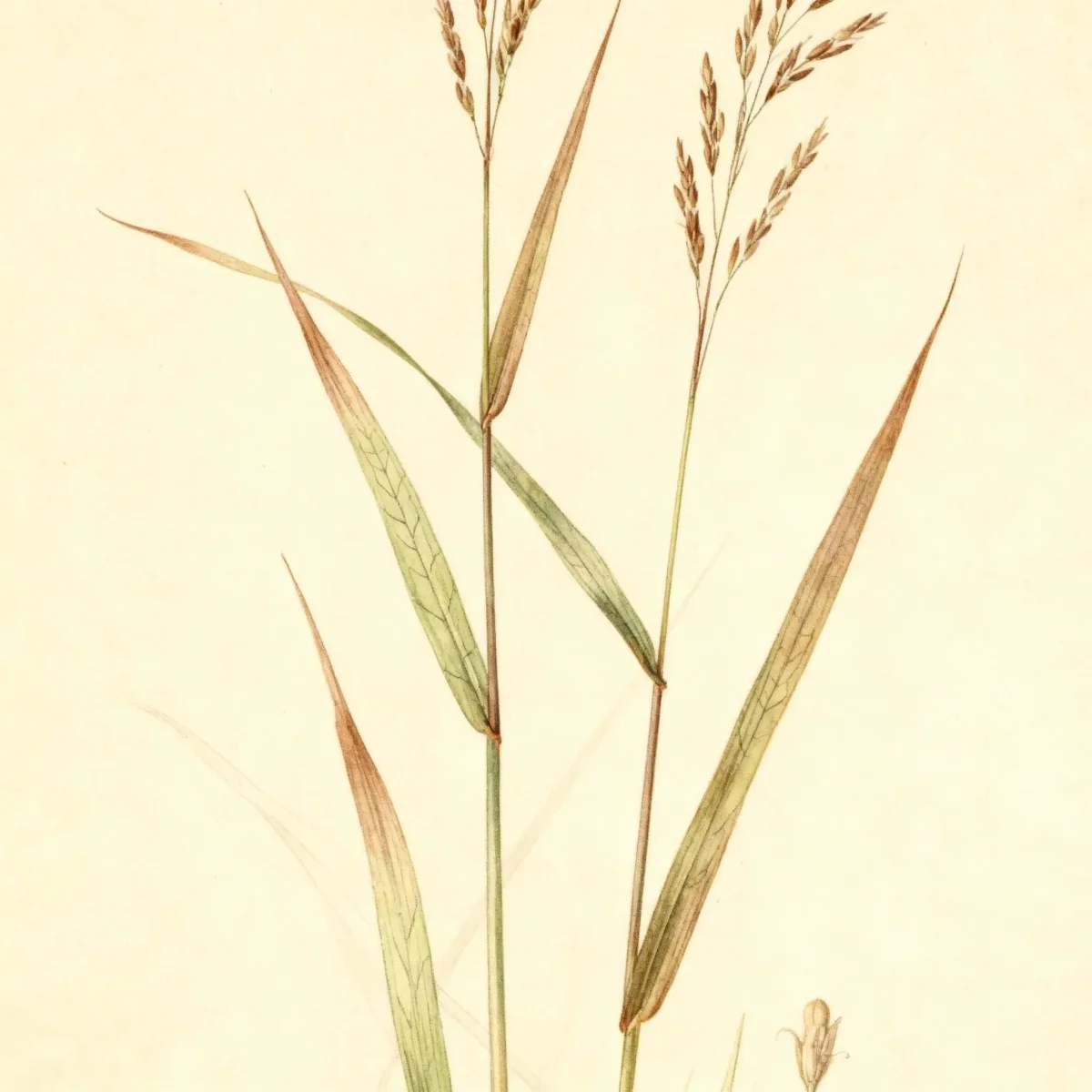
Panicum ‘Huron Solstice’, commonly known as Switch grass, is a highly valued ornamental grass celebrated for its striking seasonal color shifts. Gardeners prize this cultivar for its dense, erect clumping habit and its fantastic foliage, which transitions from blue-green to a deep wine-purple by midsummer. As a warm-season grass, Panicum ‘Huron Solstice’ provides excellent late-season interest, topped by finely textured purple flower panicles persisting well into winter.
This cultivar exhibits low maintenance requirements, thriving across a wide range of soil conditions, though it shows a preference for moist, well-drained sites. Its upright, narrow form makes Panicum ‘Huron Solstice’ an excellent structural element in the landscape, offering visual appeal and structure long after many perennials have faded. Furthermore, its resilience makes it a practical, environmentally friendly choice for various landscape applications, including rain gardens and naturalized areas.
Fast Facts
- Plant Family: Poaceae
- Plant Type: Ornamental grass
- Hardiness Zones: USDA Zones 4-9
- Size at Maturity:
- Height: 3-4 ft
- Spread: 1.5-2 ft
- Bloom Time: July to February
- Bloom Description: Purple tinge
- Sun Exposure: Full sun to part shade
- Water Needs: Medium to wet
- Maintenance Level: Low
How to Grow
Plant Switch grass in the spring or early fall, allowing it time to establish roots before extreme temperatures hit. Panicum ‘Huron Solstice’ is adaptable; easily grown in average soils, it performs best when given full sun, which maximizes its upright habit and coloration. While it tolerates dry soil, it thrives best in moist, sandy, or clay conditions, making it ideal for areas needing reliable water.
Maintenance for Panicum ‘Huron Solstice’ is minimal. While it tolerates diverse soil moisture levels, avoid overly rich garden soils, as excessive fertility can cause the stems to flop. This grass grows primarily in clumps, though slow spreading by rhizomes can occur over time. The most significant annual chore is pruning.
Cut back all the dead stems and foliage to the ground level late in the winter or very early in the spring, just before new growth begins. This practice encourages vigorous new blue-green shoots for the upcoming season. In areas of heavy shade, the plant may start to lose its desirable compact form, becoming more open and prone to flopping, so aim for at least four hours of direct sunlight.
Landscape Uses
Switch grass is incredibly versatile, making it a perfect specimen for rain gardens due to its ability to handle moist or medium water needs. Its strong vertical structure lends itself well to use as an accent plant where height and texture are required, or planted in mass for broad sweeps of color in meadows. Consider using Panicum ‘Huron Solstice’ in perennial borders to create dynamic backdrops or integrate it into native plant gardens and prairies.
Because of its tolerance for wet soils, it pairs beautifully along the edges of ponds, streams, or in boggy areas, functioning effectively as a naturalized screen. When massed, these grasses move beautifully in the wind, providing soft texture alongside broad-leafed perennials that contrast its fine plumes. Its multi-season interest, particularly the persistent seed heads, also attracts the eye through the colder months.
Standout Features
Flower Qualities
- Showy
Noteworthy Characteristics
Panicum is a diverse genus of grasses, but ‘Huron Solstice’ stands out as a premier Switch grass cultivar, noted particularly for its blue-green foliage that darkens to an attractive wine-purple hue during the summer months. This warm-season grass maintains a dense, narrow, erect clump, typically reaching up to 4 feet tall, and its upright stems hold their form well throughout the season. The plant is crowned in early September by large, finely-textured flower panicles that emerge purple, eventually fading to beige while providing winter seed interest for birds.
Tolerances
- Drought
- Erosion
- Dry Soil
- Wet Soil
- Black Walnut
- Air Pollution
Potential Problems
Panicum ‘Huron Solstice’ is generally robust and resists serious pest or disease issues, contributing to its low maintenance profile. However, gardeners should watch for occasional rust, especially in high heat and humidity, which can manifest as powdery yellow or orange spots on the foliage. Crown or root rot is a possibility, usually resulting from environmental stress such as poor drainage or excessive watering outside recommended parameters. Minor pest issues like Japanese beetles, thrips, or spider mites might occasionally be observed, though rarely causing significant damage requiring intervention.
Frequently Asked Questions
What hardiness zones is Switch grass suitable for?
This reliable ornamental grass is rated for USDA Zones 4 through 9.
How large does Panicum ‘Huron Solstice’ grow?
Panicum ‘Huron Solstice’ typically reaches a mature height between 3 and 4 feet, with a spread of 1.5 to 2 feet wide in a dense clump.
What sun exposure does Panicum ‘Huron Solstice’ need?
For the best habit and deepest color, Panicum ‘Huron Solstice’ requires full sun, though it can tolerate part shade, which might result in a looser, less upright form.
When does Switch grass bloom?
The bloom period for this Switch grass cultivar extends from July all the way through February, featuring distinctive purple tinge in its structures.
Conclusion
Panicum ‘Huron Solstice’ offers exceptional value to the landscape through its structural upright form and dynamic seasonal foliage changes, proving itself a resilient, low-effort ornamental grass. Its adaptability to both dry and wet sites, coupled with winter interest provided by the seed plumes, ensures year-round beauty. Assess your garden’s sun and moisture conditions now to successfully integrate this high-performing cultivar into your design this planting season.
Companion Planting
Switch grass thrives alongside companions that share similar architectural needs or that benefit from its vertical presence. Grouping Panicum ‘Huron Solstice’ with late-blooming perennials like Rudbeckia, Echinacea, or Aster provides a textural contrast when the grass begins to show its purple plumes. For water-wise designs where soil might dry out, pair it with drought-tolerant natives like Baptisia or native Yucca varieties, leveraging its drought tolerance when the site isn’t perpetually moist.
Wildlife Benefits
As a warm-season native grass, Switch grass offers substantial ecological advantages beyond aesthetic appeal. The dense clump structure provides crucial refuge and nesting material for small birds and beneficial insects during the winter months. Furthermore, the persistent seed heads of Panicum ‘Huron Solstice’ are an excellent, high-value food source for various seed-eating songbirds throughout the fall and winter, making it an active contribution to local wildlife support.