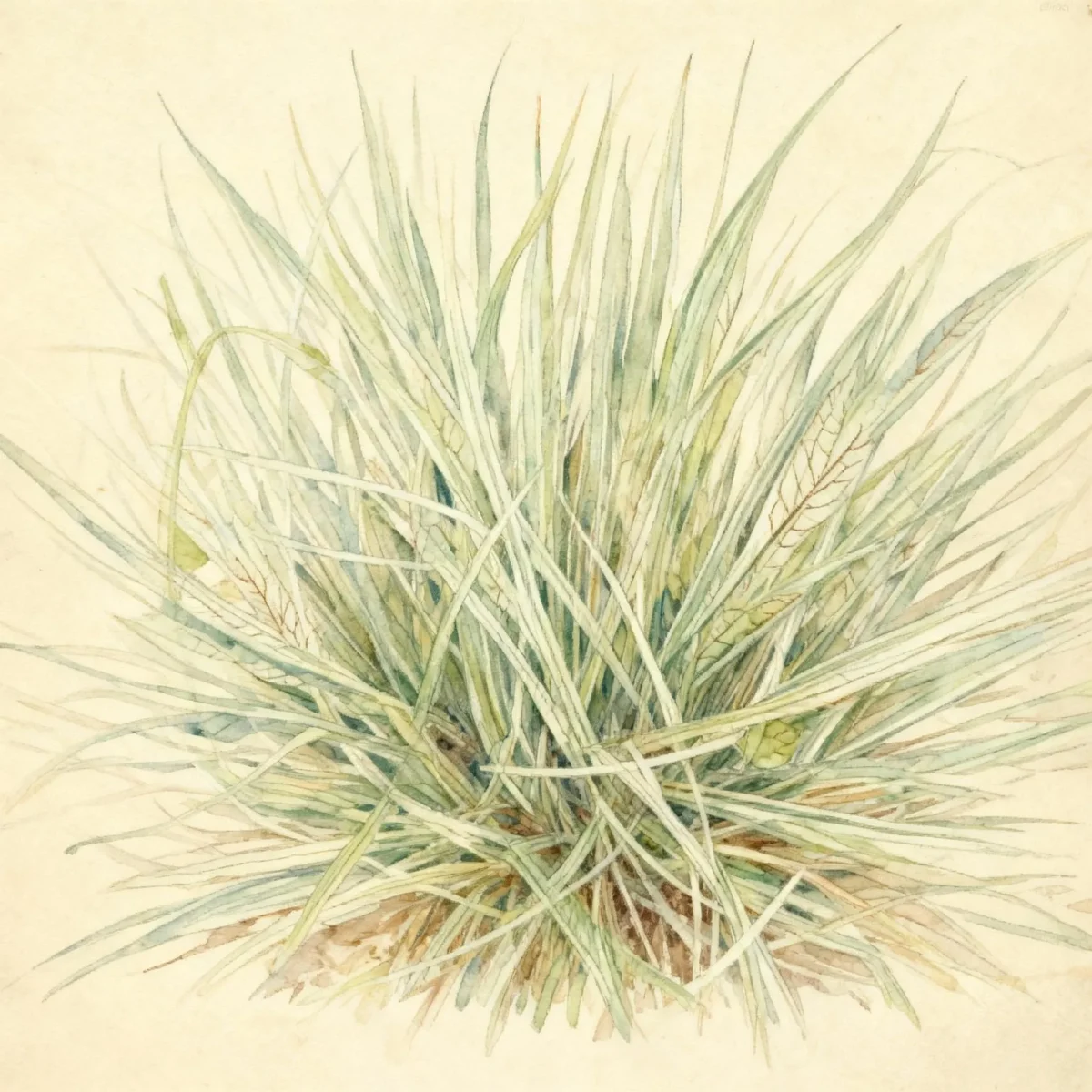
Sedge (Carex laxiculmis 'Hobb' BUNNY BLUE)
Discover Carex laxiculmis 'Hobb' BUNNY BLUE Sedge, a stunning blue-leaved evergreen for moist, shady gardens. Low maintenance and deer resistant.
Scroll down to discover growing tips, care requirements, companion plants, and more

Complete Plant Information
Overview
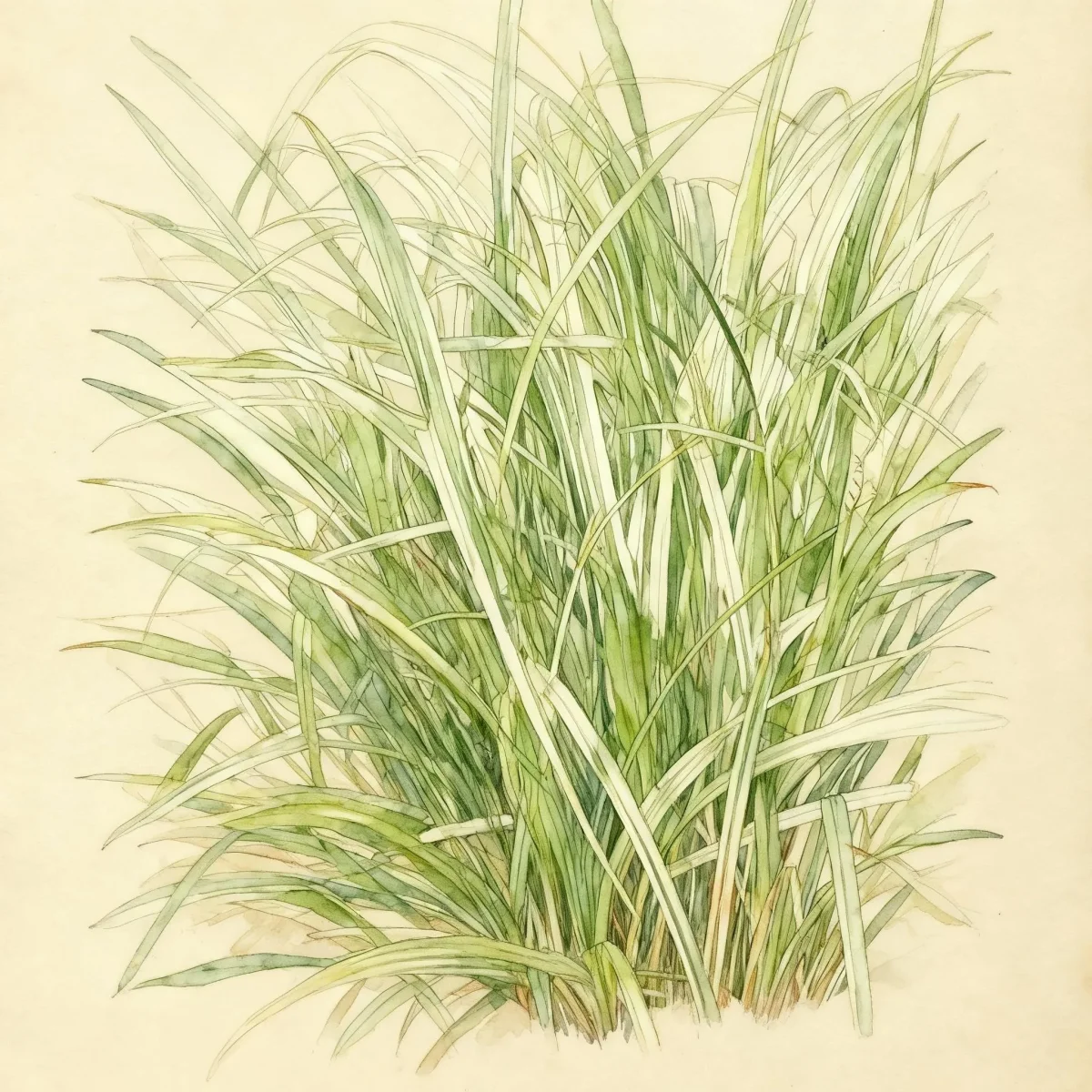
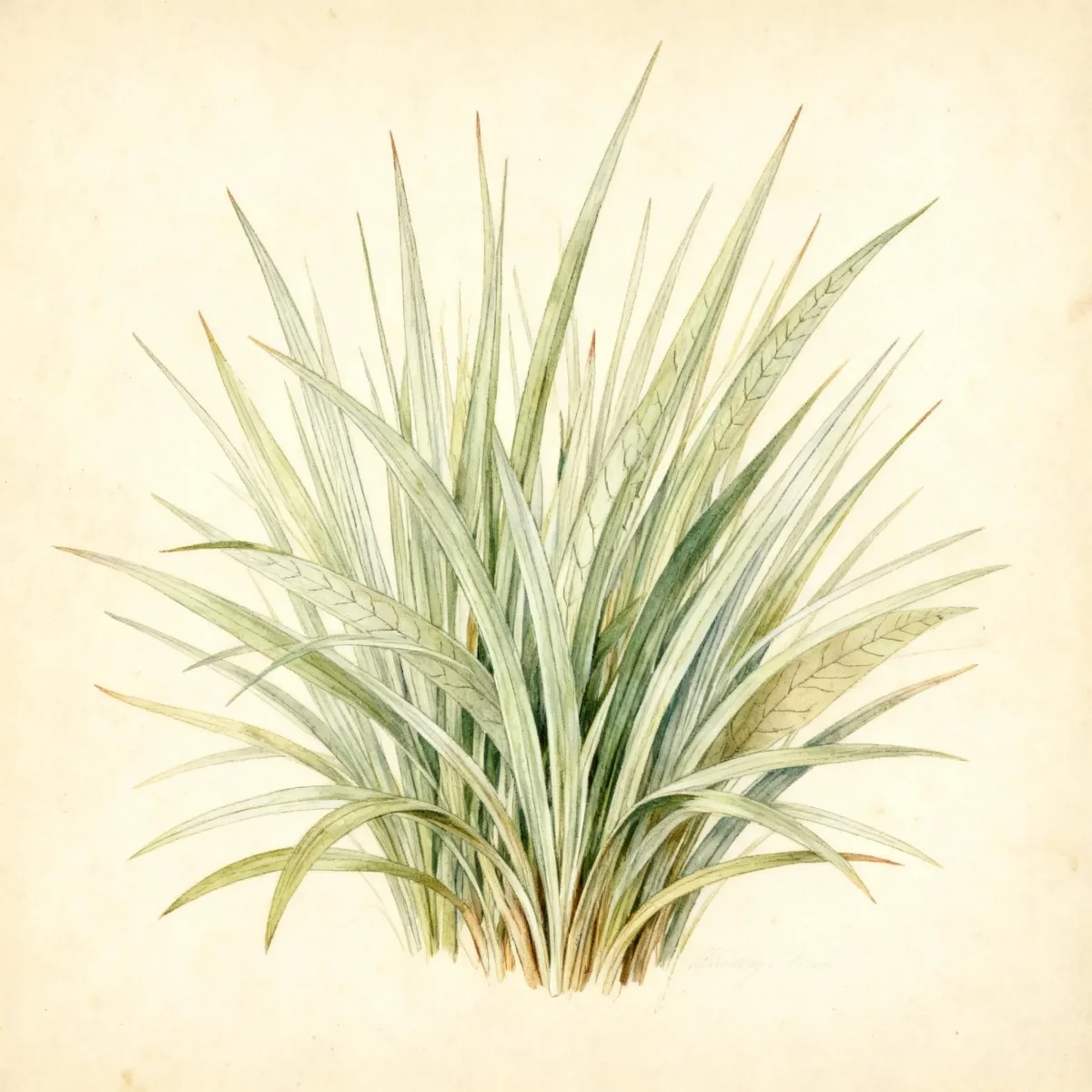
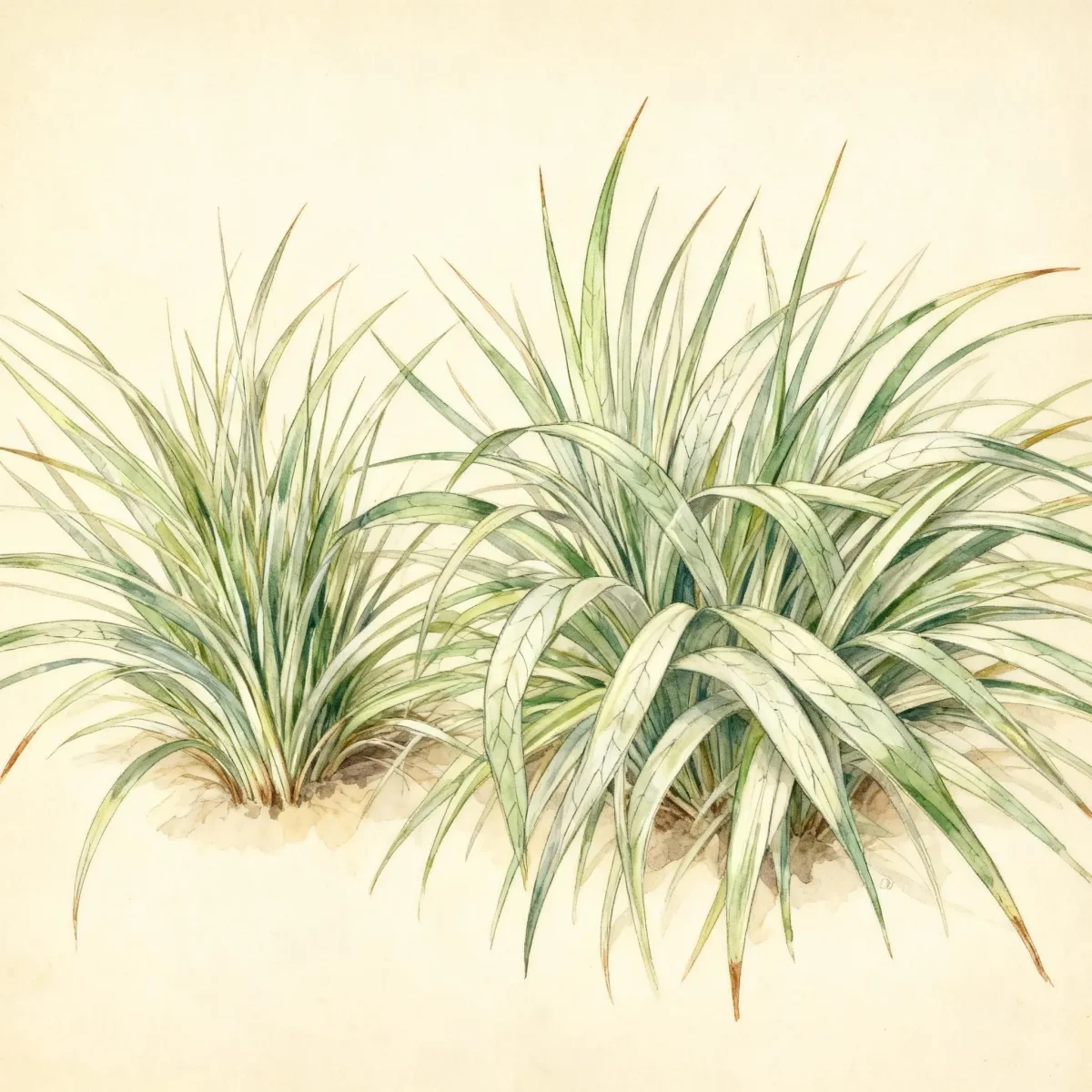
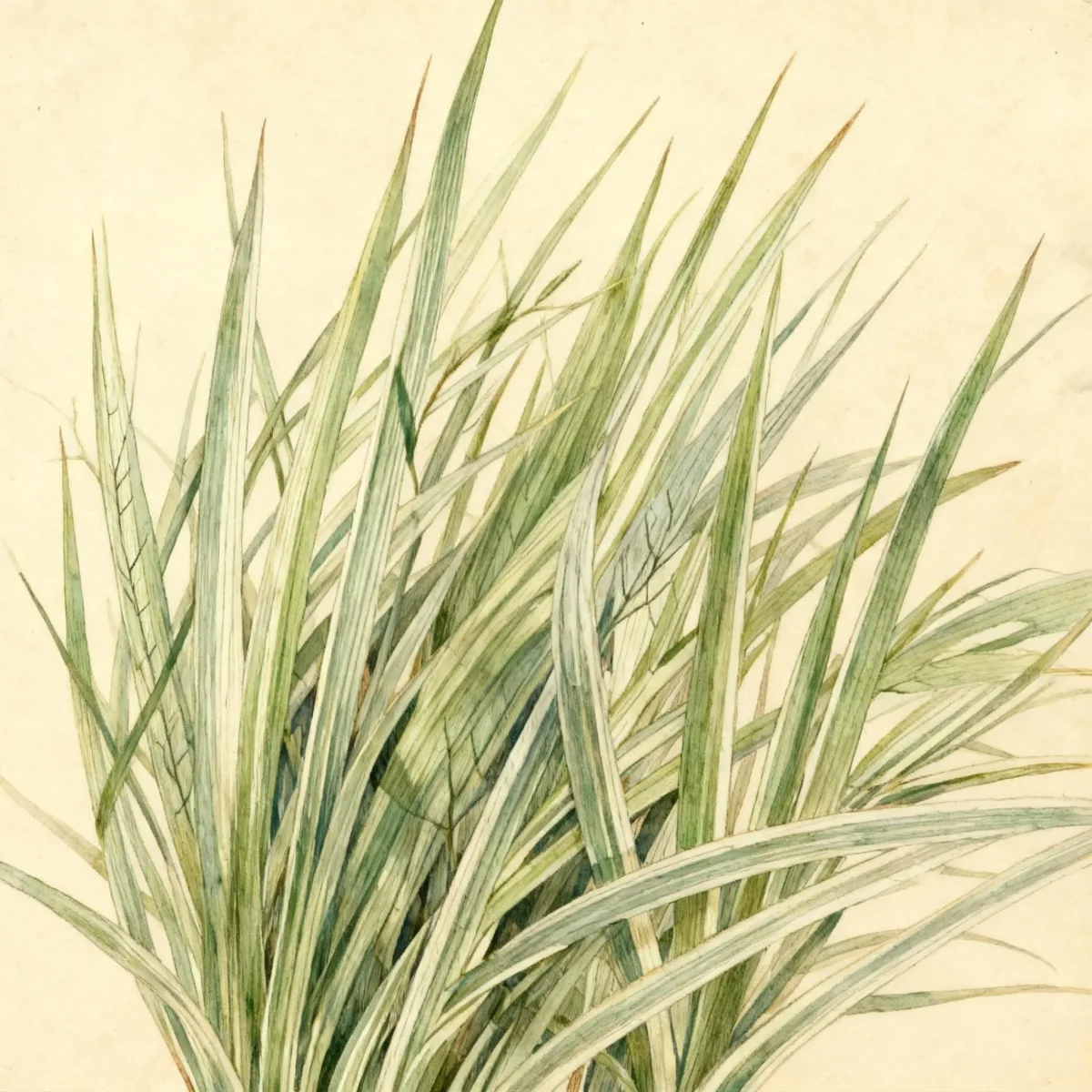
The Carex laxiculmis ‘Hobb’ BUNNY BLUE, commonly known as Sedge, is highly valued by gardeners for its striking, silvery blue-green foliage that maintains its color year-round. This cultivar of Carex laxiculmis forms dense, tidy clumps, making it an excellent textural contrast plant in shaded landscapes. As an evergreen Sedge native to rich eastern North American woodlands, it brings reliable color and structure to areas where many other perennials struggle.
This particular Sedge thrives in consistently moist to wet conditions, making it an indispensable choice for rain gardens or low spots needing reliable ground cover. The cultivar ‘Hobb’, often marketed as BUNNY BLUE, typically reaches only 1 foot tall, offering a refined, low-profile accent. With its low maintenance requirements and strong deer resistance, Carex laxiculmis ‘Hobb’ BUNNY BLUE simplifies garden care while delivering significant aesthetic impact.
Fast Facts
- Plant Family: Cyperaceae
- Plant Type: Rush or Sedge
- Hardiness Zones: USDA Zones 5-9
- Size at Maturity:
- Height: 0.5-1 ft
- Spread: 0.5-1 ft
- Bloom Time: May to June
- Bloom Description: Yellowish-white
- Sun Exposure: Part shade to full shade
- Water Needs: Medium to wet
- Maintenance Level: Low
How to Grow
Planting Carex laxiculmis ‘Hobb’ BUNNY BLUE is easiest in spring or fall, avoiding the stress of summer heat. Select a location that receives part shade to full shade, mimicking its native woodland habitat. Crucially, this Sedge requires medium to wet consistency in the soil; do not allow the planting site to dry out completely, especially during hot summer weather, which necessitates consistent supplemental watering.
Maintenance for this evergreen Sedge is refreshingly simple. No regular fertilizer is usually required if the soil retains adequate moisture and is reasonably rich. The key cultural practice involves cutting the old foliage back to the ground in late winter before new spring growth emerges. This pruning keeps the clump looking fresh and tidy for the coming season.
Propagation of your Carex laxiculmis ‘Hobb’ BUNNY BLUE can be achieved through division of established clumps or by seed. Given its preference for consistent moisture and shade, plants will slowly naturalize over time in optimum growing conditions, gradually filling in area edges or woodland borders.
Landscape Uses
The distinct blue hue of the BUNNY BLUE Sedge makes it an amazing textural accent plant, especially effective when massed together in shady borders. It functions perfectly as a clumping ground cover, suppressing weeds while providing consistent year-round interest beneath deciduous trees. Unlike lawns, this handsome Sedge tolerates heavy shade, allowing you to green up dark areas of the garden effectively.
Consider integrating Carex laxiculmis ‘Hobb’ BUNNY BLUE into specialized moisture-loving areas. It is exceptionally appropriate for the periphery of natural ponds or in designed rain gardens, where soils are routinely moist. Furthermore, its tidy, mounding habit makes it useful as a crisp edging plant along shaded pathways or woodland trails, offering a soft but defined boundary.
Standout Features
Flower Qualities
- Insignificant
Noteworthy Characteristics
Carex laxiculmis, sometimes commonly called creeping sedge, is an evergreen sedge that is native to rich wooded areas in eastern North America. It typically grows in a dense rounded clump to 12” tall with grassy blue-green leaves to 12-14” long and 1/2” wide. The cultivar ‘Hobb’ is a silvery blue-leaved variety often sold as BUNNY BLUE, known for its attractive, densely mounding form.
Tolerances
- Deer
- Heavy Shade
- Wet Soil
Potential Problems
This specialized Sedge generally exhibits excellent durability, reporting no serious insect or disease problems under proper cultural care. The primary challenge involves matching its high water needs; allowing the soil to become excessively dry or poorly drained can stress the plant. Ensure planting occurs in well-draining but consistently moist soil to maximize the health and vibrant blue color of the foliage.
Frequently Asked Questions
What hardiness zones is Carex laxiculmis ‘Hobb’ BUNNY BLUE suitable for?
This Sedge is hardy across a wide range, suitable for USDA Zones 5 through 9.
How large does Sedge grow?
Carex laxiculmis ‘Hobb’ BUNNY BLUE typically maintains a modest size, growing between 0.5 and 1 foot in height and spreading between 0.5 and 1 foot wide.
What sun exposure does Carex laxiculmis ‘Hobb’ BUNNY BLUE need?
This plant prefers partial shade conditions but adapts well to full shade, provided its moisture requirements are consistently met.
When does Sedge bloom?
The inconspicuous flowers of this Sedge appear relatively early in the season, generally blooming from May into June, described as a yellowish-white color.
Conclusion
As an outstanding low-maintenance choice, the vibrant foliage of Carex laxiculmis ‘Hobb’ BUNNY BLUE Sedge provides year-round blue textural interest to shaded, moist garden areas. Its deer resistance and adaptability to wet soils make this plant exceptionally strong for functional planting designs like rain gardens. Before installing, confirm your site offers consistent moisture and appropriate shade to ensure your BUNNY BLUE thrives beautifully.
Companion Planting
When selecting neighbors for your Sedge, prioritize other woodland natives that share similar preferences for part shade and consistent moisture. Hostas are classic partners, offering large, contrasting leaf textures against the fine, linear blades of the BUNNY BLUE. Ferns, such as Japanese Painted Ferns or Ostrich Ferns, thrive in the same damp, shady environment and complement the color palette beautifully.
For seasonal interest beyond the Sedge’s evergreen clump, consider incorporating early spring bulbs like Snowdrops (Galanthus) or woodland ephemerals which will bloom before the Sedge fully fills out. Later in the season, Astilbe varieties excel in moist shade, providing airy flower plumes that contrast nicely with the structural mound of the Carex laxiculmis ‘Hobb’ BUNNY BLUE.
Propagation Tips
The most reliable method for increasing your stock of the BUNNY BLUE Sedge is through vegetative division. Wait until late winter or very early spring before the new growth starts; this is the ideal time to perform the task. Carefully dig up the established clump of Carex laxiculmis ‘Hobb’ BUNNY BLUE using a sharp spade or garden fork, then gently tease or cut the root ball into smaller sections, ensuring each new piece has healthy roots and sufficient foliage.
Replant these divisions immediately into prepared, moist soil in their new locations, ensuring the crown remains at the soil line. Consistent watering post-transplantation is vital for establishing the new clumps successfully. While propagation by seed is possible, cultivar traits like the silver-blue color of ‘Hobb’ are often not reliably true when grown from seed, making division the preferred route for gardeners wishing to maintain the specific look of this handsome Sedge.