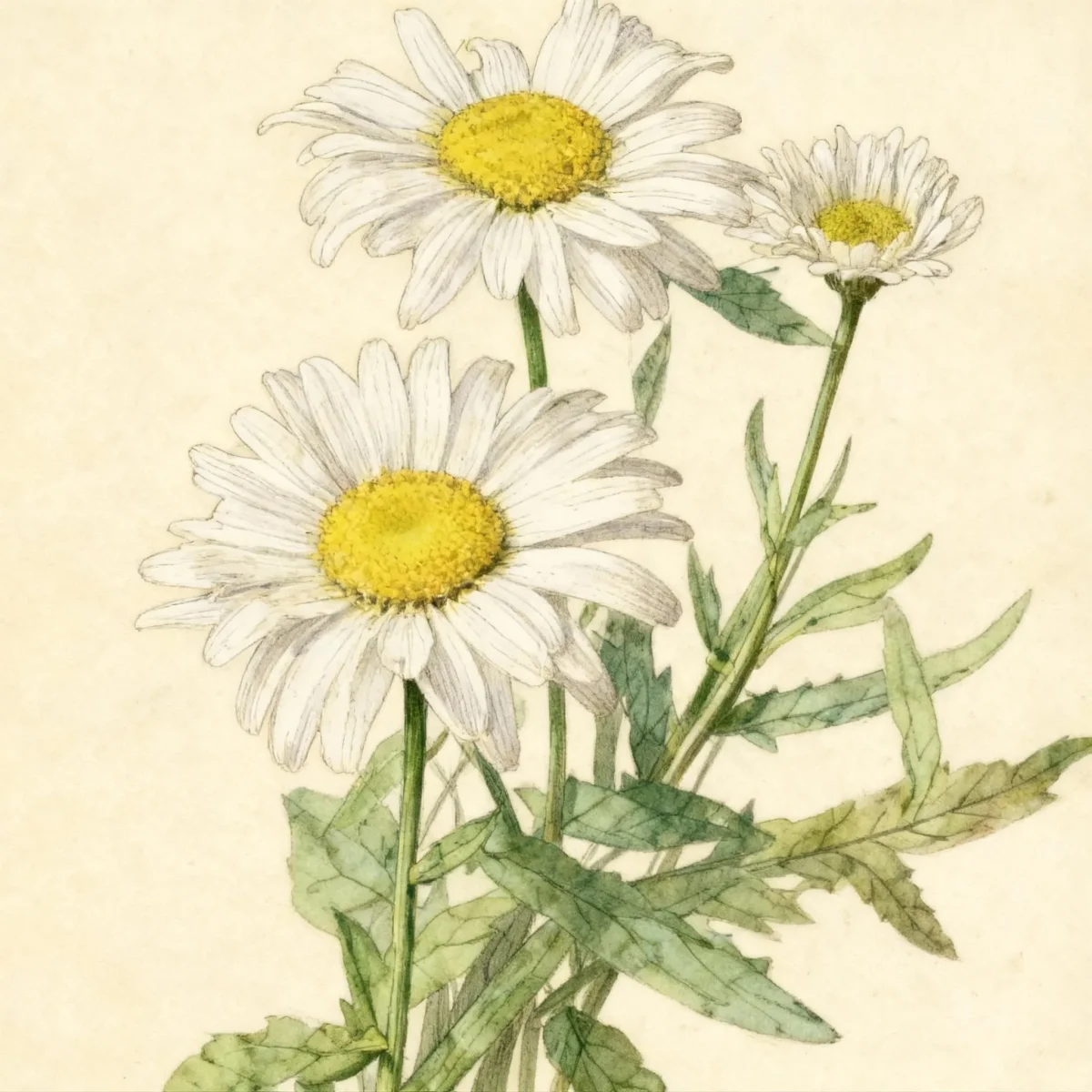
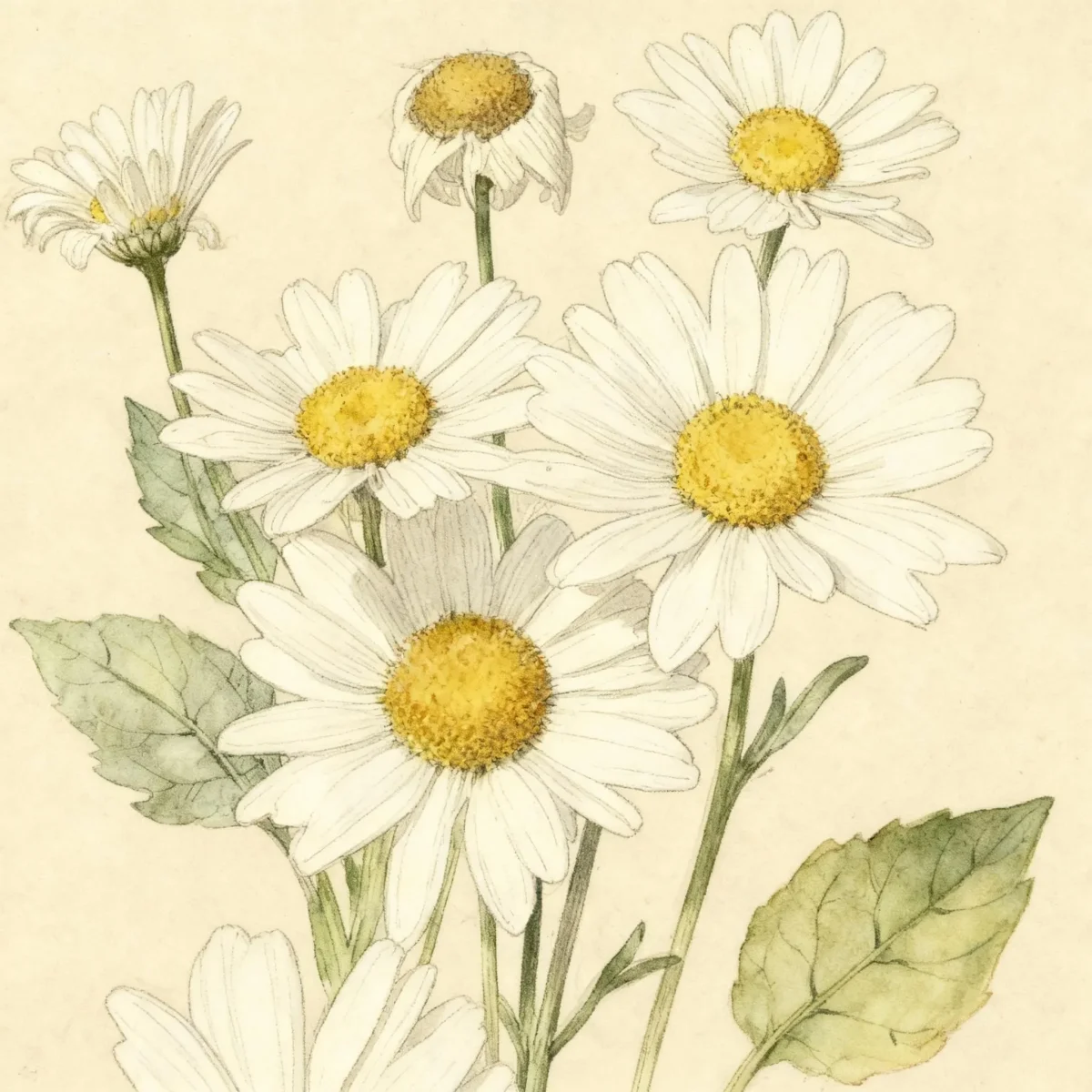
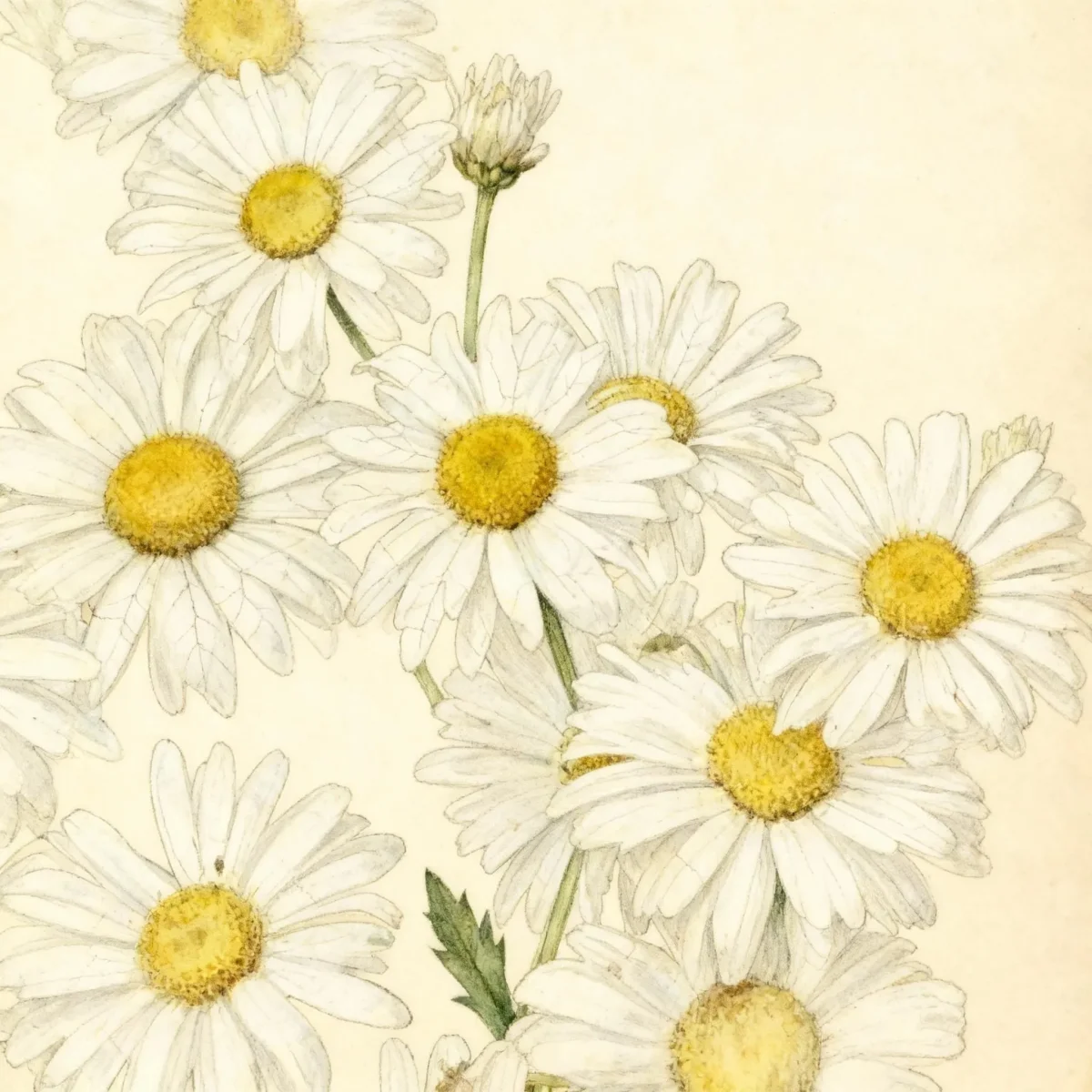
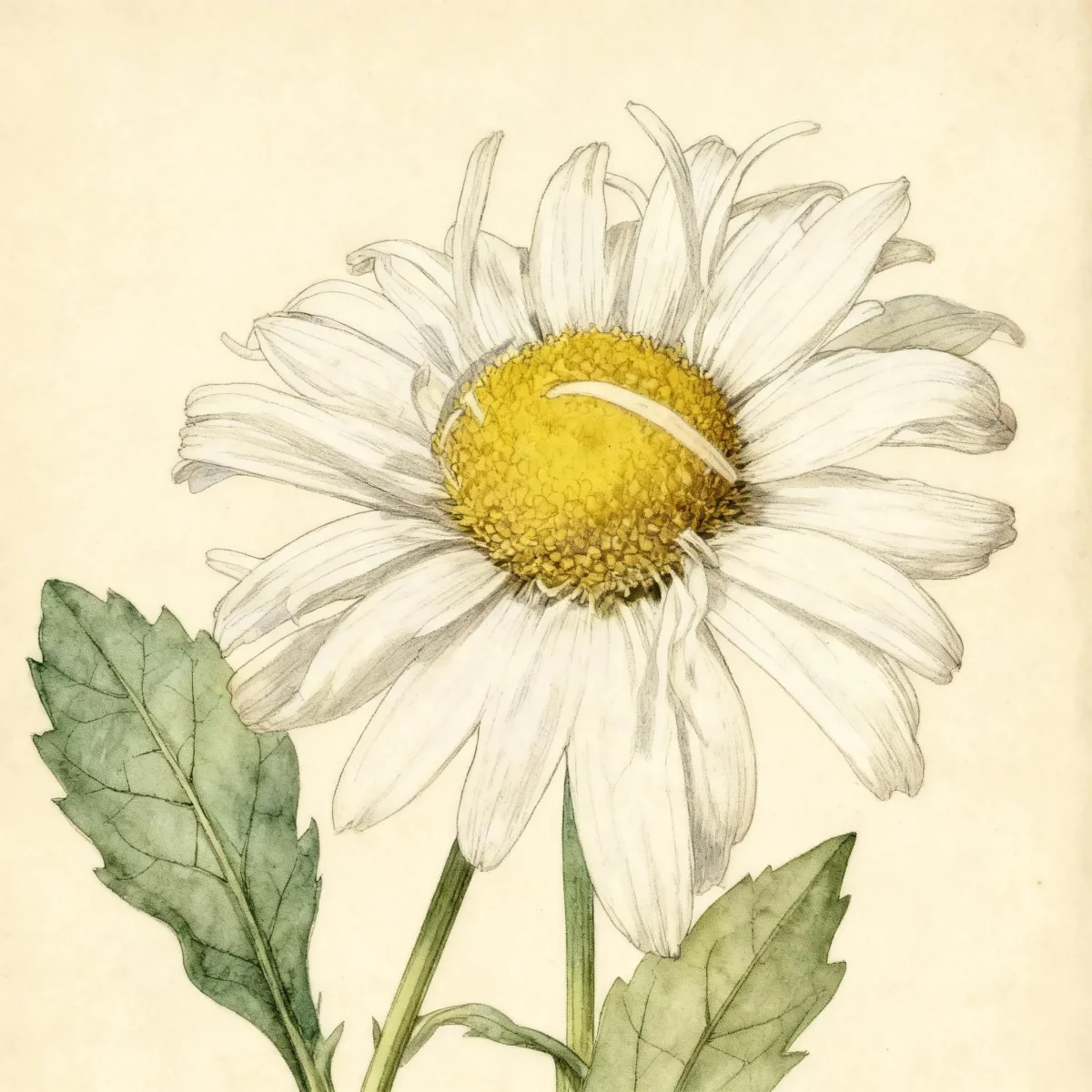
Shasta daisy (Leucanthemum × superbum 'Leukal 01' GOLDRAUSCH)
Discover Leucanthemum × superbum 'Leukal 01' GOLDRAUSCH, a compact, low-maintenance Shasta daisy with stunning yellow-centered blooms flourishing June-August.
Scroll down to discover growing tips, care requirements, companion plants, and more
Complete Plant Information
Overview
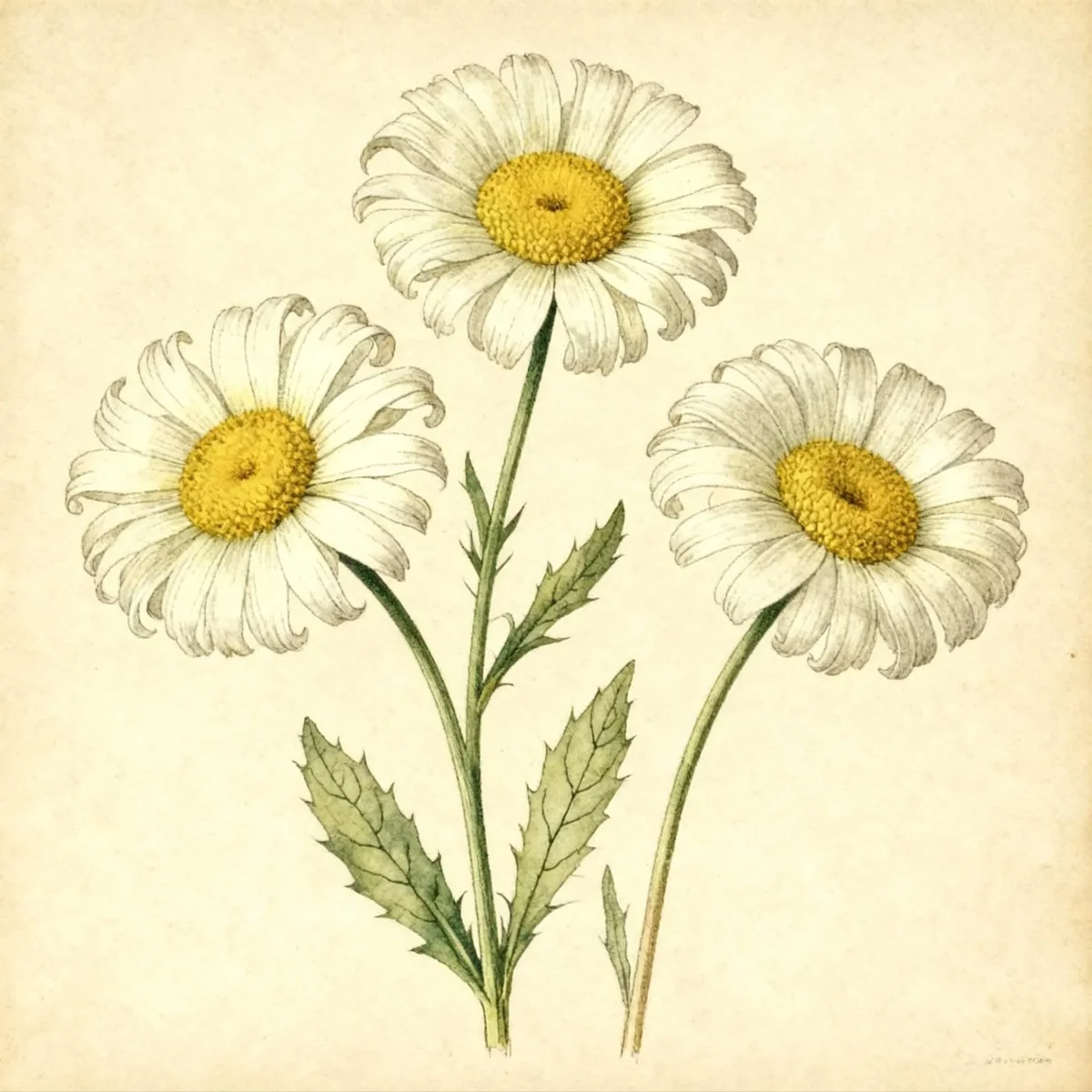
Leucanthemum × superbum ‘Leukal 01’ GOLDRAUSCH introduces a superb, compact iteration of the classic Shasta daisy to the garden. This specific cultivar offers fringed, semi-double flowers boasting bright yellow centers ringed by light yellow inner petals and distinct white outer rays, providing exceptional visual appeal through mid-summer. Valued for its sturdy, upright habit, this reliable herbaceous perennial thrives with minimal fuss, quickly becoming a mainstay in mixed garden settings.
This Shasta daisy hybrid originates from the work of Luther Burbank, combining hardy genetics for excellent performance across a wide range of climates. It delivers long-lasting summer color, making it an invaluable addition for those seeking vibrant yet undemanding additions to their landscape design. The compact size of Leucanthemum × superbum ‘Leukal 01’ GOLDRAUSCH ensures it fits neatly into borders without overwhelming surrounding plants.
Gardeners appreciate the low maintenance requirements, especially when proper drainage is ensured. By providing full sun and avoiding perpetually wet conditions, this cultivar rewards the patient gardener with cheerful blooms ideal for both cutting and border display. Enjoy the reliable summer radiance provided by this superb selection of Shasta daisy.
Fast Facts
- Plant Family: Asteraceae
- Plant Type: Herbaceous perennial
- Hardiness Zones: USDA Zones 4-9
- Size at Maturity:
- Height: 1-1.5 ft
- Spread: 1-1.5 ft
- Bloom Time: June to August
- Bloom Description: Yellow and white rays with yellow center
- Sun Exposure: Full sun
- Water Needs: Dry to medium
- Maintenance Level: Low
How to Grow
Start planting Leucanthemum × superbum ‘Leukal 01’ GOLDRAUSCH in average, well-drained soils during the spring or fall to establish the root system before intense summer heat. Full sun conditions are mandatory for the best flowering display, although some light shade is tolerated, particularly in very hot summer areas where dry soils prevail. Absolute dedication to good soil drainage is essential, as wet winter soils are fatal to these perennials.
Water newly established plants consistently until they become drought tolerant; established Shasta daisy plants prefer consistently dry to medium moisture levels. Once blooming begins, remove spent flower heads frequently to encourage continuous flower production throughout the June to August window. Avoid excessive fertilization, as overly rich soil can lead to floppy stems rather than vigorous bloom.
Vigor is best maintained by dividing the clumps every two to three years, as these plants tend to be somewhat short-lived otherwise. After the main flush of bloom has passed, consider cutting the stems back hard to the basal foliage to help conserve plant energy, which may extend the overall life span of your Leucanthemum × superbum planting.
Landscape Uses
Shasta daisies are foundational elements in traditional perennial borders, offering reliable structure and brilliant contrast against deeper-toned foliage. The long-lasting bloom quality of Leucanthemum × superbum ‘Leukal 01’ GOLDRAUSCH makes it perfect for creating vibrant cottage garden themes where continuous color is desired from early summer onward. Its upright habit suits middle-of-the-border placement, bridging the gap between lower-growing edgers and taller background plants.
Because the flowers are so excellent for cutting, group plantings near the cutting garden entrance ensure easy harvesting. Furthermore, the compact nature of this specific Shasta daisy variety makes it highly suitable for larger containers, providing seasonal patio color that captures the essence of a classic sunny meadow look.
When designing, pair these bright blooms with dark foliage or deep purple flowers to maximize the visual impact of the white and yellow rays. They blend seamlessly with salvias, catmint, or ornamental grasses, creating dynamic texture and color harmonies throughout the season.
Flower Qualities
- Showy
- Good Cut
Noteworthy Characteristics
Leucanthemum × superbum, commonly called Shasta daisy, is a hybrid developed by Luther Burbank (1849-1926) in the 1890s near snow covered Mt. Shasta in northern California. Burbank crossed L. Vulgare (European oxeye daisy), L. Maximum (Pyrenees chrysanthemum), L. Lacustre (Portuguese field daisy) and Nipponanthemum nipponicum (Japanese field daisy) to produce Leucanthemum × superbum which was given the common name of Shasta daisy. ‘LEUKAL 01’ is a patented Shasta daisy cultivar that is commonly sold under the trade name of GOLDRAUSCH (GOLD RUSH in English), featuring fringed flowers atop sturdy stems rising to only 15” tall.
Tolerances
- Rabbit
- Deer
- Drought
- Dry Soil
Potential Problems
Leucanthemums are generally tough plants, but they can occasionally struggle with certain fungal issues, including verticillium wilt, leaf spots, and stem rots, especially in overly humid or poorly drained environments. Good air circulation and appropriate watering practices—keeping the crown dry—are the best preventative measures against these diseases.
Pest pressures tend to be light for established, healthy Leucanthemum × superbum ‘Leukal 01’ GOLDRAUSCH, though occasional infestations of aphids, leaf miners, or mites may occur. Regular scouting during the growing season allows for early intervention with insecticidal soap if necessary, maintaining the fresh look of the medium green foliage.
Frequently Asked Questions
What hardiness zones is Shasta daisy suitable for?
This herbaceous perennial is robust enough for USDA Zones 4-9, offering wide adaptability across North America.
How large does Leucanthemum × superbum ‘Leukal 01’ GOLDRAUSCH grow?
This compact Shasta daisy reaches a manageable height between 1 and 1.5 feet tall, spreading equally wide.
When does Shasta daisy bloom?
Look forward to a lovely blooming period from June through August, featuring attractive yellow and white rays surrounding a strong yellow center.
What sun exposure does Shasta daisy need?
For the most prolific display of flowers, ensure Leucanthemum × superbum ‘Leukal 01’ GOLDRAUSCH receives full sun daily.
Conclusion
Leucanthemum × superbum ‘Leukal 01’ GOLDRAUSCH is a low-maintenance superstar, delivering the classic bright looks of the Shasta daisy in a conveniently compact package ideal for modern gardening. By ensuring excellent drainage and locating it in a spot rich in daily sunlight, you guarantee a season filled with superb, long-lasting blooms. Check your local growing zone compatibility and plant this versatile perennial this spring for immediate landscape impact.
Companion Planting
When planning your border around Leucanthemum × superbum ‘Leukal 01’ GOLDRAUSCH, focus on plants that share its love for full sun and drier soil conditions. Companion plants with contrasting textures or colors often enhance the bright daisy appearance. Consider pairing it with deep blue or purple flowering species, such as Russian Sage (Perovskia atriplicifolia) or various Nepeta cultivars, which thrive under similar light and water regimens.
For structural support and year-round interest near your Shasta daisy, planting sturdy ornamental grasses offers excellent vertical contrast. Grasses like Sporobolus wrightii or shorter varieties of Panicum look beautiful swaying behind the sturdy upright stems of the Leucanthemum × superbum ‘Leukal 01’ GOLDRAUSCH. This combination creates a classic, drought-tolerant perennial drift that requires minimal fuss once established.
Propagation Tips
While Leucanthemum × superbum ‘Leukal 01’ GOLDRAUSCH is generally short-lived and division is recommended primarily for rejuvenation, division is the simplest method of propagation. Perform this labor of love every 2-3 years in early spring when new growth begins to emerge. Carefully dig up the entire clump and gently separate the newer outer sections from the woody interior core.
Ensure that each division has a healthy section of roots attached; replant these divisions immediately at the same depth they were previously growing. Keep the newly divided Shasta daisy plants consistently watered for the first few weeks to help them reestablish quickly in their new locations. Taking divisions promptly after flowering or in early spring yields the best success rates.