Mukdenia (Mukdenia rossii 'Karasuba' CRIMSON FANS)
Discover Mukdenia rossii 'Karasuba' CRIMSON FANS, a low-maintenance perennial for shade gardens, prized for its crimson-tinged leaves.
Scroll down to discover growing tips, care requirements, companion plants, and more
Complete Plant Information
Overview
Mukdenia rossii ‘Karasuba’ CRIMSON FANS, commonly known as Mukdenia, is a highly valued herbaceous perennial celebrated for its attractive foliage that transitions beautifully throughout the season. This plant forms a neat, heuchera-like clump, providing fantastic textural interest in darker garden spaces where other plants may struggle. Its deciduous nature is offset by its reliable spring bloom and consistent leaf color.
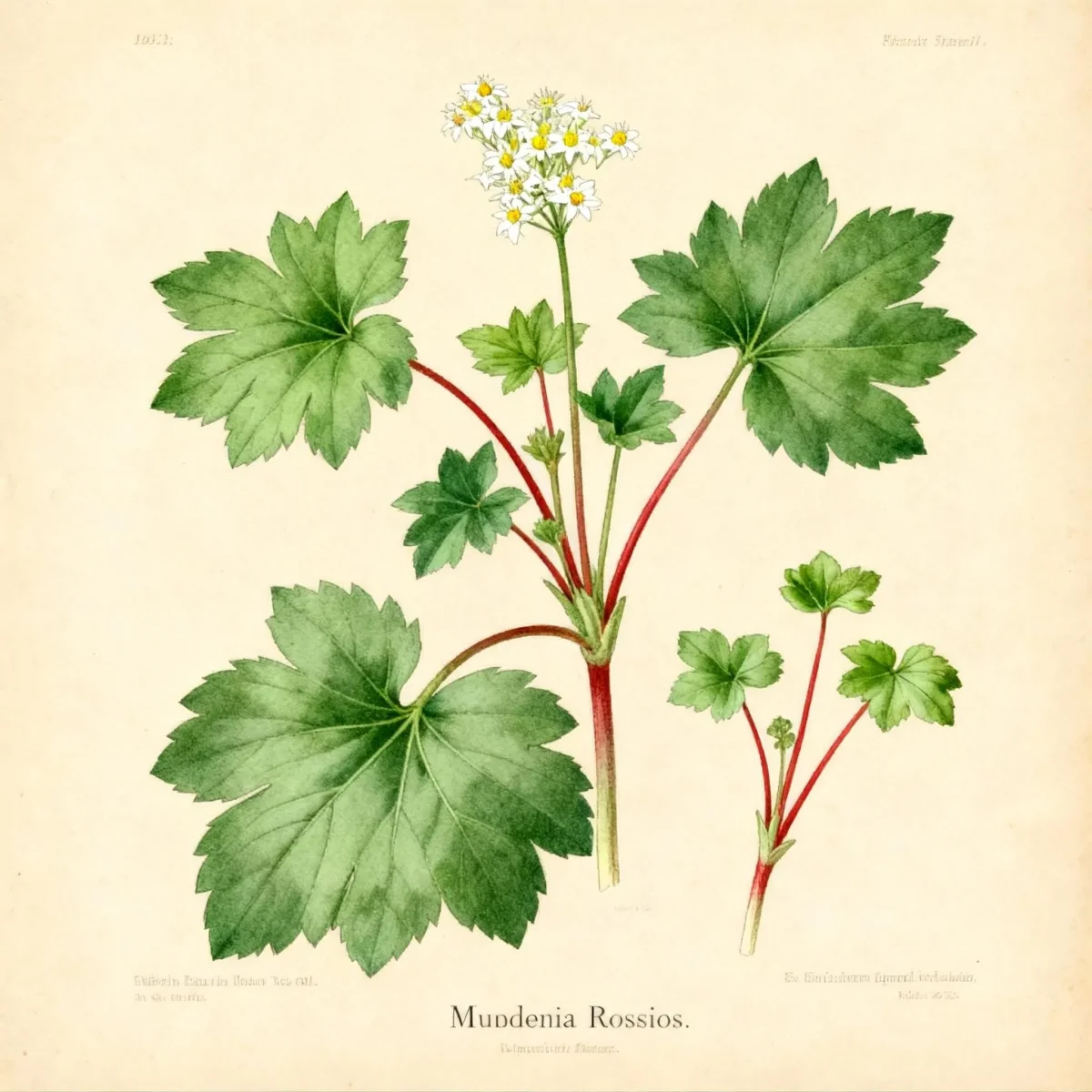
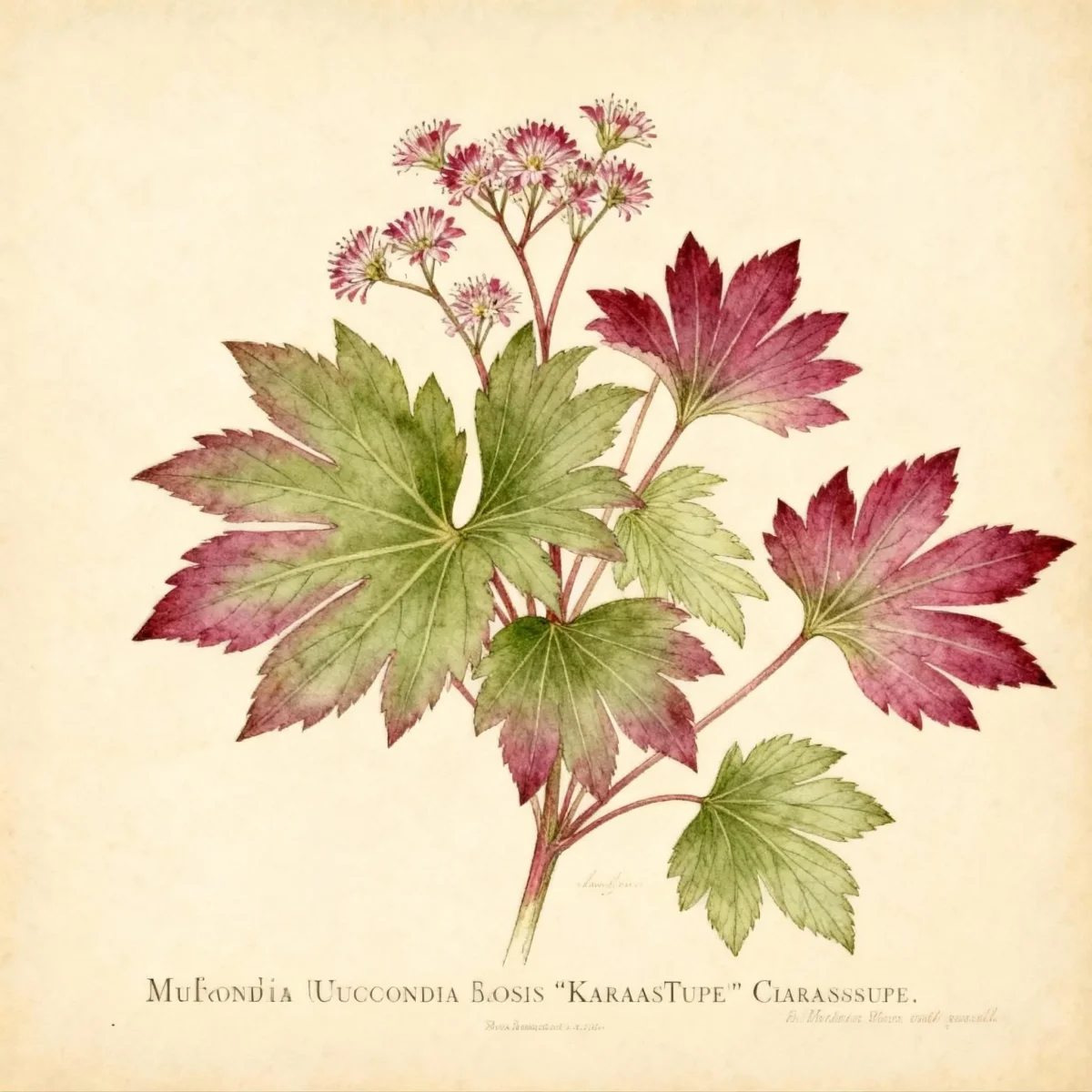
The ‘Karasuba’ cultivar specifically enhances the aesthetic appeal, featuring medium green, rounded leaves that develop rich crimson red tips during the summer months, making it a superior choice over the species form. As a low-maintenance perennial, Mukdenia rossii ‘Karasuba’ CRIMSON FANS spreads gently via rhizomes, effectively serving as a consistent ground cover in shaded borders and woodland settings.
Native to rocky slopes in East Asia, this durable plant brings structure and seasonal color interest to the garden. Gardeners appreciate the straightforward cultural needs of Mukdenia; providing consistent moisture and suitable part shade ensures a robust display year after year with minimal intervention.
Fast Facts
- Plant Family: Saxifragaceae
- Plant Type: Herbaceous perennial
- Hardiness Zones: USDA Zones 4-8
- Size at Maturity:
- Height: 0.75-1.5 ft
- Spread: 1-2 ft
- Bloom Time: April to May
- Bloom Description: White
- Sun Exposure: Part shade
- Water Needs: Medium
- Maintenance Level: Low
How to Grow
For optimal establishment, plant Mukdenia in the spring or fall when soil temperatures are moderate. This plant thrives in fertile, well-drained soils, a critical requirement for preventing root issues. While it prefers part shade, especially in warmer climates, plants in the cooler northern reaches of its range (Zone 4) can often tolerate full sun if consistent moisture can be maintained.
Watering needs are medium; aim for consistently moist soil, particularly if growing Mukdenia rossii ‘Karasuba’ CRIMSON FANS in sunnier spots during the heat of summer. Avoid allowing the soil to dry out completely. Fertilization is rarely necessary if the base soil is rich, but a light dressing of compost in the spring can boost vigor.
As the plant spreads slowly via short creeping rhizomes, annual division is not required, although you can propagate new clumps easily from these rhizomes when dividing established groups. Minimal pruning is needed; remove spent flower stalks if desired, though they are relatively inconspicuous. Be aware that in ideal conditions, the Mukdenia may self-seed lightly around the parent plant.
Landscape Uses
Mukdenia is exceptional as a durable ground cover, offering dense foliage coverage that suppresses weeds while delivering year-round visual interest. Its spreading habit means it naturalizes beautifully under deciduous trees, mimicking the look of a woodland garden floor. Consider mass plantings of Mukdenia rossii ‘Karasuba’ CRIMSON FANS along shaded borders where its leaf texture can contrast with finer-leaved ferns or hostas.
This perennial also performs admirably in shadier foundation plantings or rock gardens where drainage is reliable. Grouping Mukdenia with spring ephemeral bulbs allows for sequential interest, as the expanding fan-shaped leaves of the Mukdenia will emerge to cover the fading bulb foliage. Its robust structure makes it an excellent anchor plant in woodland or shade gardens.
Standout Features
Flower Qualities
- Showy
Noteworthy Characteristics
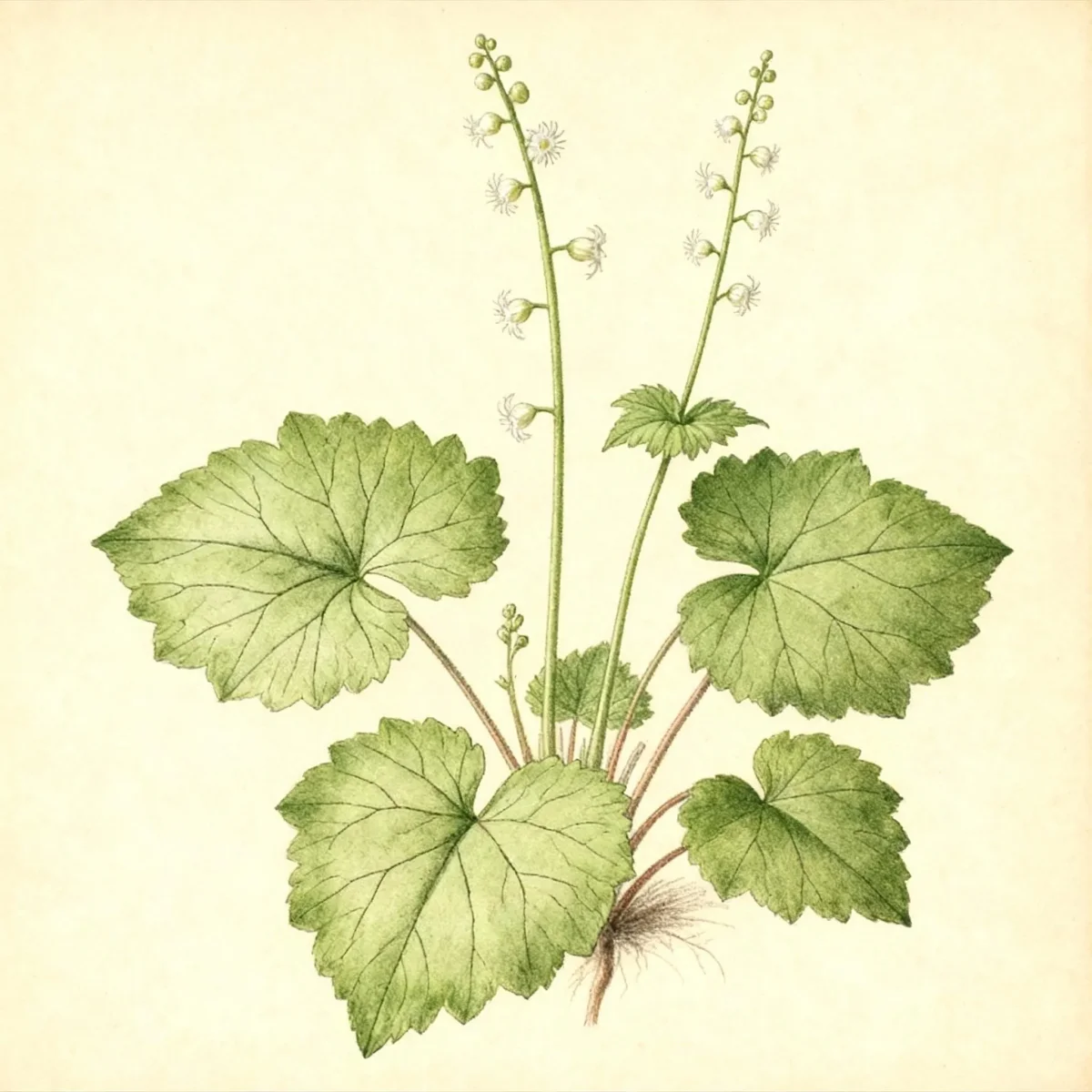
Mukdenia rossii is native to rocky slopes and ravines in China, Manchuria and Korea. It is a compact herbaceous perennial that grows in a heuchera-like clump to 12” tall. Palmate, rounded, 5-9 lobed, dentate, medium green leaves (to 5” long) are tinged with bronze. Leaves are attractive throughout the growing season. White, bell-shaped flowers in branched panicles rise on naked stems above the foliage clump to 16” tall in early spring (April). Mukdenia rossii is synonymous with and formerly known as Aceriphyllum rossii.Specific epithet honors British naval officer and Arctic explorer Sir John Ross (1777-1856).‘Karasuba’ is a cultivar that features more pronounced crimson red color in the leaf tips throughout summer. It may also be sold under the translated trade name of CRIMSON FANS.
Potential Problems
No serious insect or disease problems typically plague this rugged perennial. Gardeners should remain vigilant for common mollusks, specifically slugs and snails, which may occasionally feed on the attractive foliage, especially in damp, sheltered settings. Implementing preventative measures like copper tape or appropriate baits can successfully manage these pests before significant damage occurs to your Mukdenia rossii ‘Karasuba’ CRIMSON FANS.
Frequently Asked Questions
What hardiness zones is Mukdenia suitable for?
Mukdenia rossii ‘Karasuba’ CRIMSON FANS performs reliably within USDA Hardiness Zones 4 through 8.
How large does Mukdenia rossii ‘Karasuba’ CRIMSON FANS grow?
This plant typically reaches a mature height between 0.75 and 1.5 feet tall with a spread ranging from 1 to 2 feet wide, forming a pleasing clump.
What sun exposure does Mukdenia need?
The ideal placement for this perennial is in part shade. It should receive afternoon shade, particularly in hotter, high-humidity climates where direct, intense sun can cause stress.
Conclusion
The Mukdenia rossii ‘Karasuba’ CRIMSON FANS provides reliable, low-maintenance coverage with outstanding textural and color variation, making it an essential component for shaded garden designs. By ensuring adequate moisture and shielding it from the harshest afternoon sun, you can enjoy the lush foliage and subtle white blooms of this perennial for years. Check your local zone compatibility now and plan to incorporate this versatile Mukdenia into your woodland garden this planting season.
Companion Planting
When planning borders or woodland drifts, pairing Mukdenia with other shade-loving plants that have complementary textures enhances the overall design. Hakonechloa (Japanese Forest Grass) provides a soft, mounding contrast to the fan-shaped leaves of the Mukdenia. Columbine (Aquilegia) also shares similar requirements for moist, well-drained soil and blooms slightly later, extending visual interest as the Mukdenia flowers fade.
Consider using creeping Jenny (Lysimachia nummularia) in bright green or gold varieties near edges; its vining habit contrasts nicely with the clump-forming habit of Mukdenia rossii ‘Karasuba’ CRIMSON FANS. Any planting scheme focusing on rich, dark greens and textural diversity will allow the unique crimson accents of this plant to truly shine.
Seasonal Care Calendar
Spring is the primary time to wake up your Mukdenia. As new leaves emerge, ensure steady moisture levels, especially if the plant is recovering from winter dormancy or if early spring has been dry. This is the best time to mulch established clumps lightly with organic matter to retain summer humidity.
Summer care focuses entirely on hydration. If you experience heat waves or drought conditions, supplement watering to keep the soil consistently moist, particularly important if growing the ‘Karasuba’ cultivar in areas where it receives morning sun. Monitor closely for slugs during damp summers.
In the fall, the leaves of the Mukdenia may begin to decline, though they often persist longer than some perennials. In colder zones, providing a light layer of winter mulch will help insulate the creeping rhizomes, protecting the longevity of your planting grouping. Minimal cleanup is required going into winter.