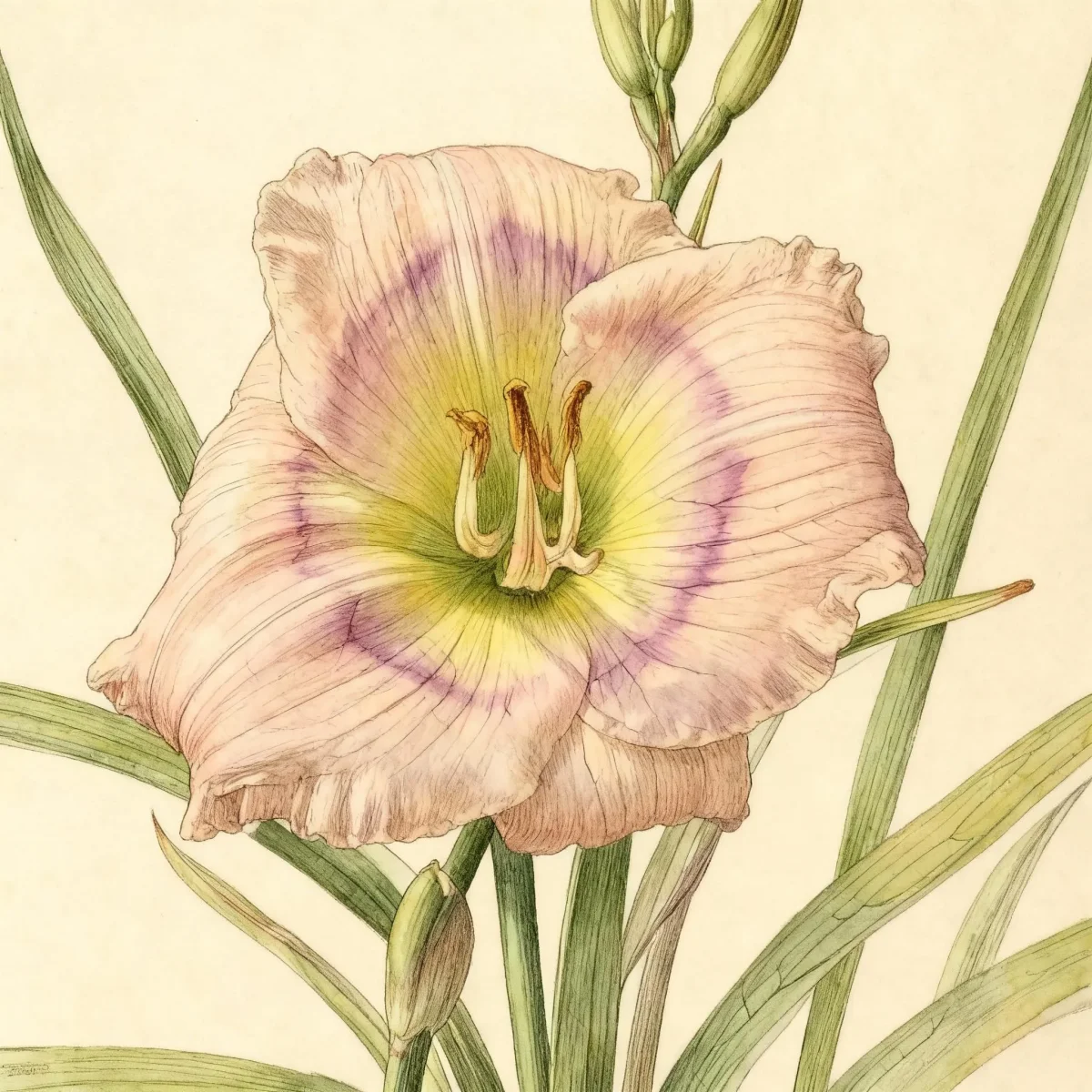
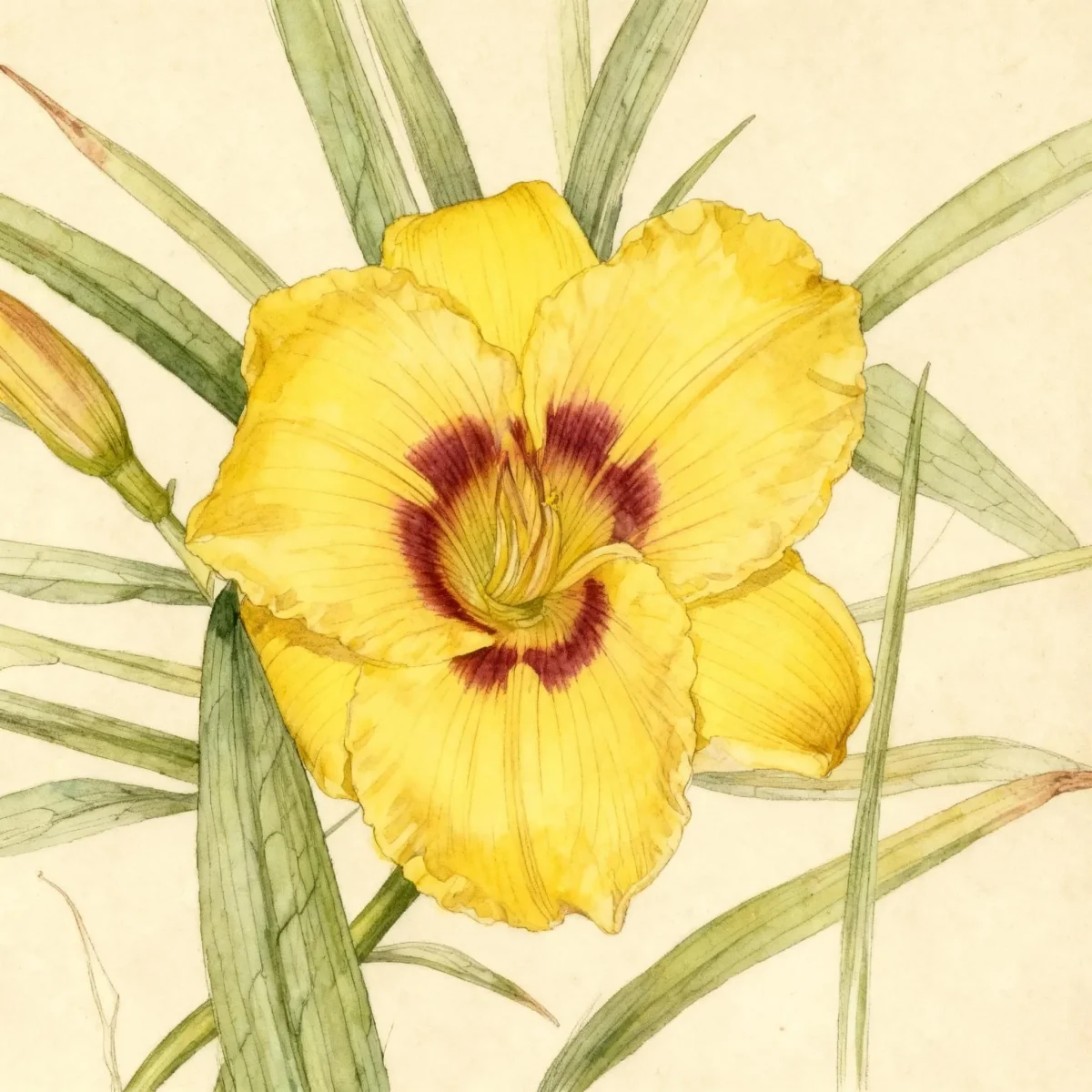
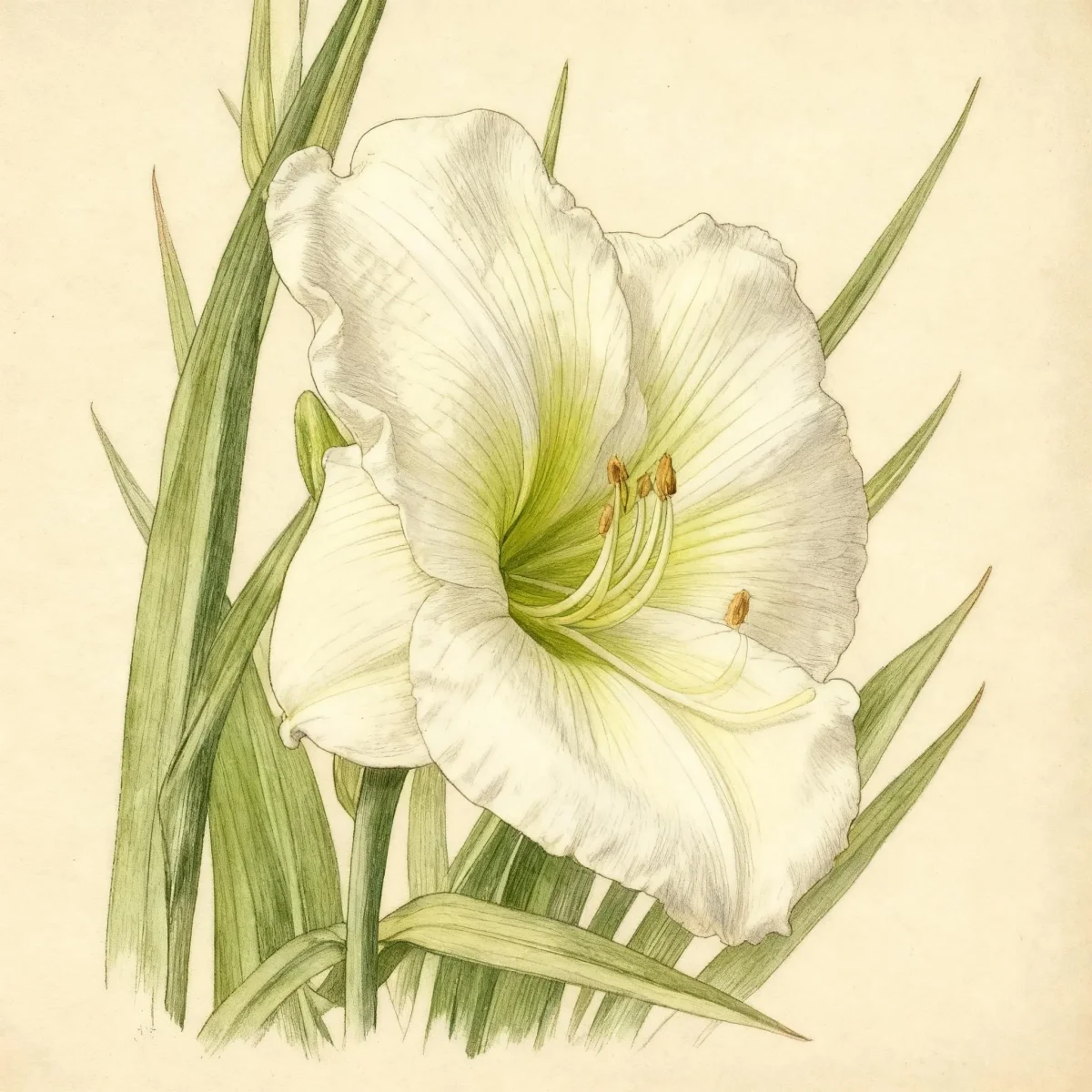
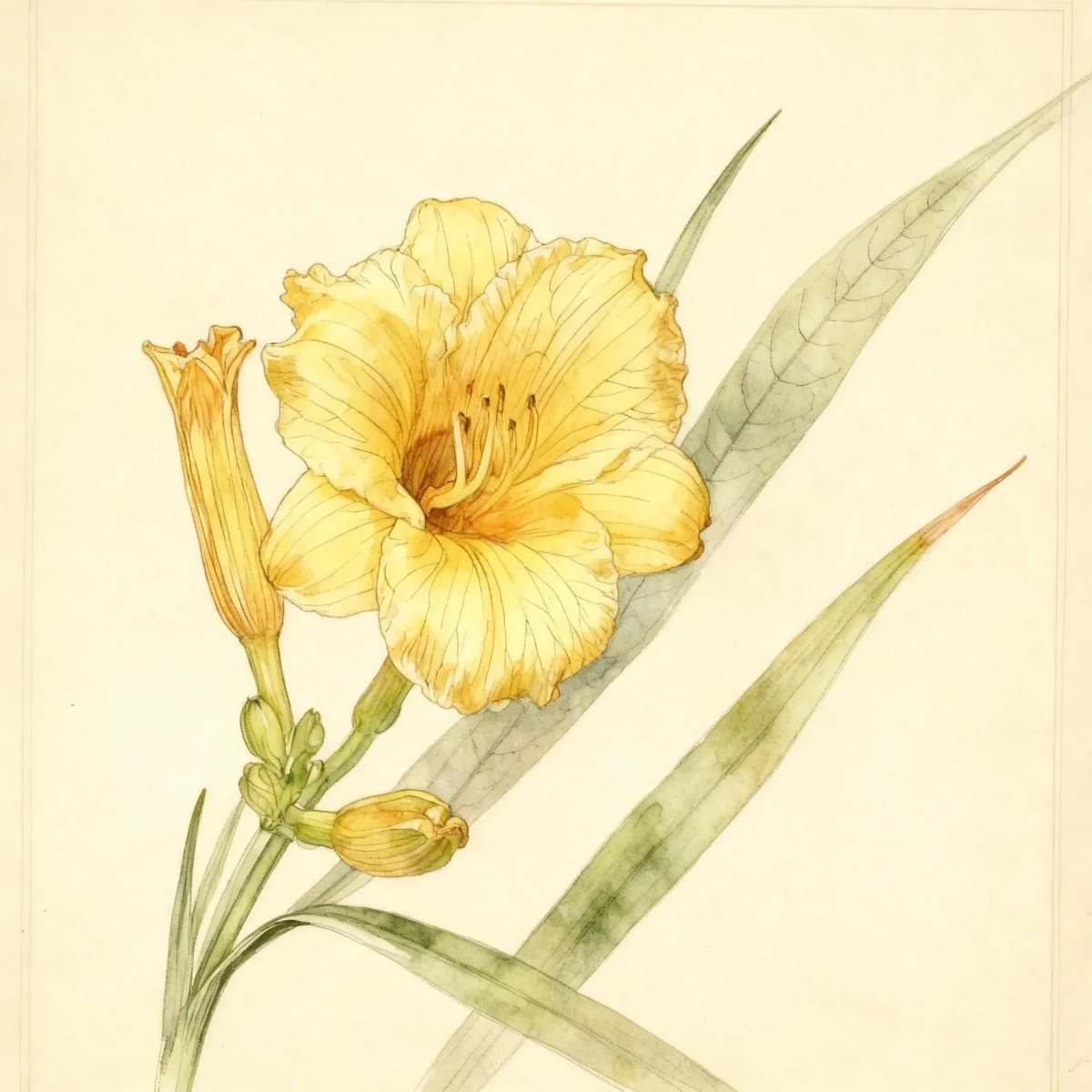
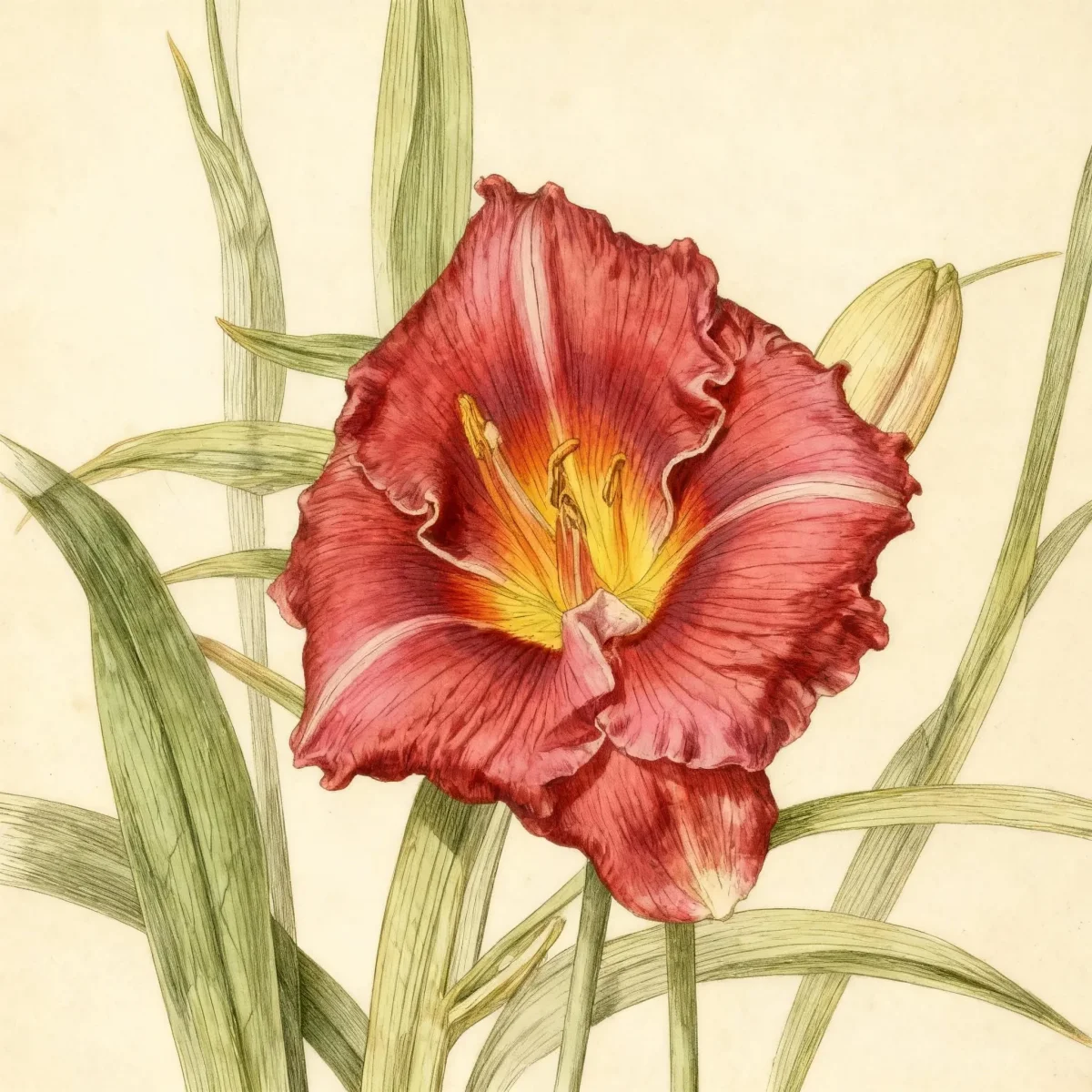
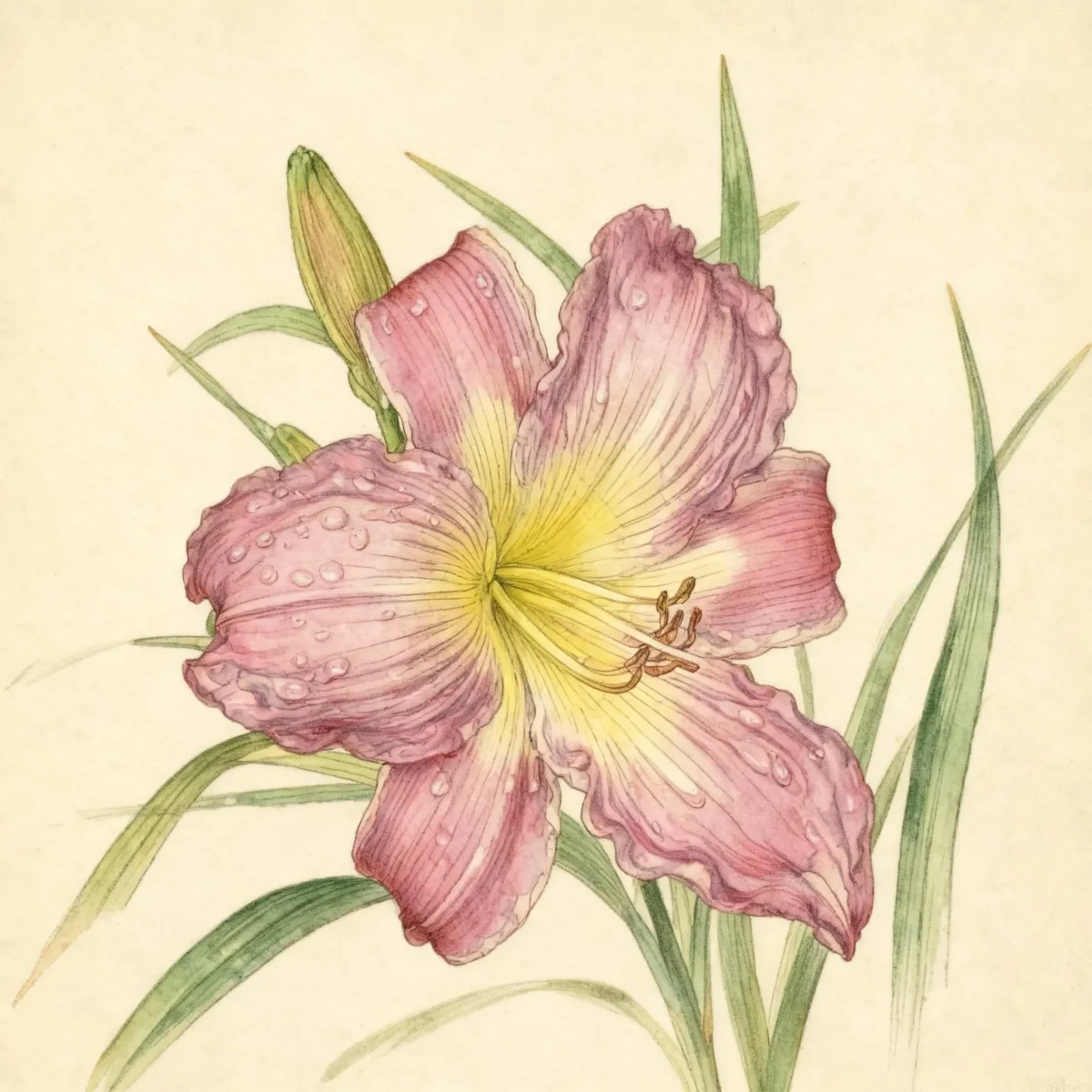
Daylily (Hemerocallis 'Ciel D'Or')
Hemerocallis 'Ciel D'Or' Daylily offers striking golden orange blooms reliably from June to July. This low-maintenance perennial performs best in full sun.
Scroll down to discover growing tips, care requirements, companion plants, and more
Complete Plant Information
Overview
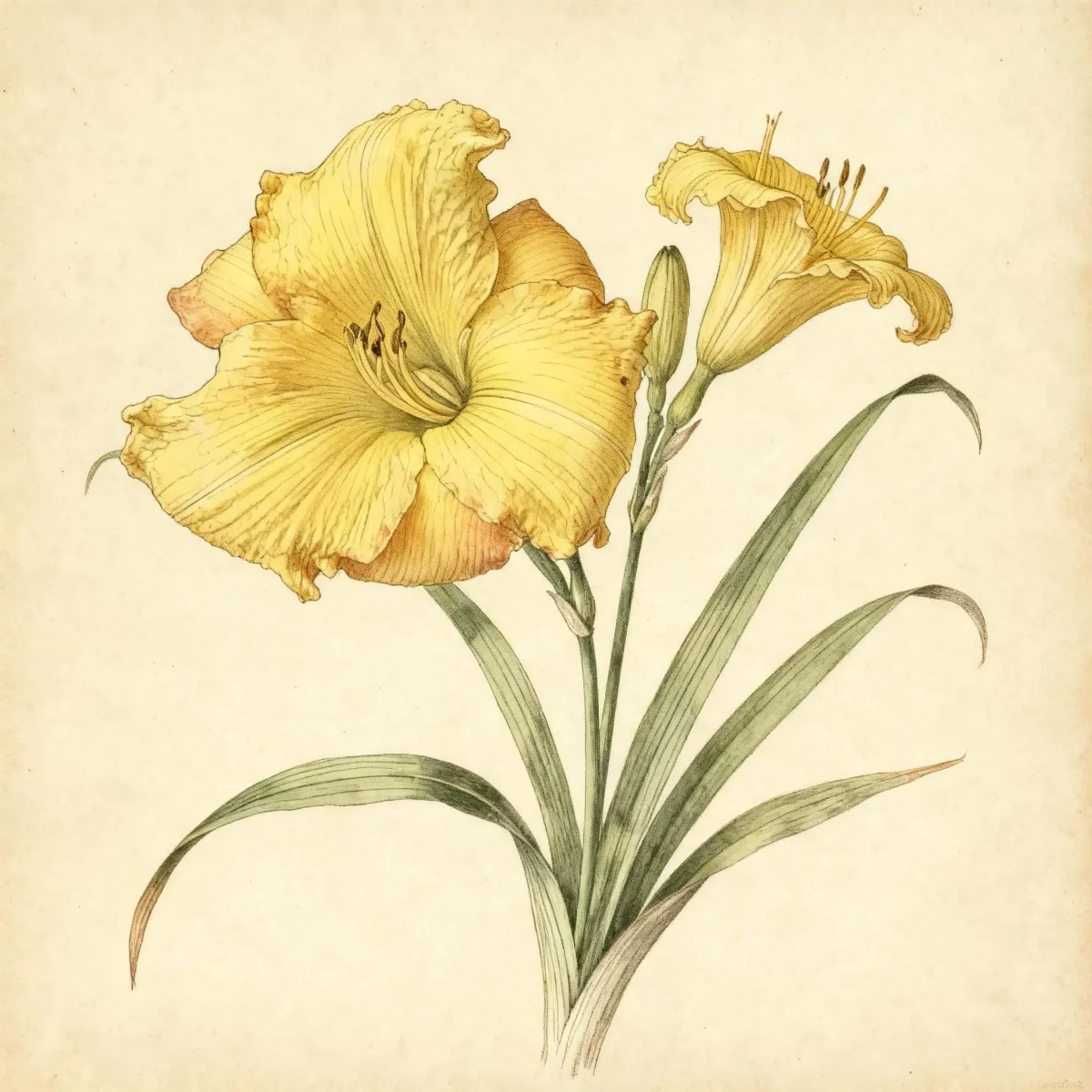
Hemerocallis ‘Ciel D’Or’ is a magnificent tetraploid Daylily valued for its robust nature and vibrant display, making it a staple in temperate garden landscapes. This specific cultivar produces eye-catching golden orange flowers distinguished by a darker halo and a refreshing green throat, blooming reliably through the early summer months. As an herbaceous perennial, the Daylily establishes quickly, providing dense, grassy foliage that serves as an excellent backdrop for other perennials.
Cultivating Hemerocallis ‘Ciel D’Or’ offers gardeners a low-effort, high-reward plant. It possesses excellent adaptability, handling a wide range of soil conditions, though it thrives best when given adequate moisture and sun exposure. Beyond its aesthetic appeal, this Daylily variety shows resilience against common pests and environmental stressors like air pollution.
Gardeners rely on the Daylily for structure and seasonal color, often massing them for high impact. Hemerocallis ‘Ciel D’Or’ fits well into cottage gardens or modern borders, providing that essential vertical element with its slender, upright scapes. Ensure proper cold dormancy for optimal flowering in northern climates to enjoy the best performance from this Daylily.
Fast Facts
- Plant Family: Asphodelaceae
- Plant Type: Herbaceous perennial
- Hardiness Zones: USDA Zones 3-9
- Size at Maturity:
- Height: 2-2.5 ft
- Spread: 1.5-2 ft
- Bloom Time: June to July
- Bloom Description: Orange with darker halo and green throat
- Sun Exposure: Full sun to part shade
- Water Needs: Medium
- Maintenance Level: Low
How to Grow
Hemerocallis ‘Ciel D’Or’ should be planted during spring or fall in well-drained soil. While these Daylilies perform well in various soils, they prefer deep, fertile loams that retain medium moisture. Locate your Hemerocallis ‘Ciel D’Or’ where it receives at least six hours of direct sunlight daily for the most prolific blooming, though partial shade tolerance is a benefit.
Maintenance for this Daylily is generally simple. Deadhead spent flowers daily to maintain neatness, and remove the entire flower scape once flowering concludes. Though tolerant of summer conditions, deep watering during dry spells helps keep the sword-like foliage attractive. This cultivar requires division every 3–4 years for peak performance; spring division is often preferred in colder regions.
Since Hemerocallis ‘Ciel D’Or’ is a winter-dormant type, it requires a cold period; this makes it less suitable for the warmest parts of Zone 9 and higher. If foliage dies back in winter, cut it down in early spring to encourage fresh summer growth. Remember that hybrid Daylilies will not grow true to type if propagated by seed.
Landscape Uses
Daylilies are incredibly versatile, classifying them as easy-to-grow herbaceous perennials perfect for almost any garden setting. Hemerocallis ‘Ciel D’Or’ excels when used for edging along pathways or planted in mass plantings to create sweeping bands of color across large areas. Their dense root systems also make them useful for stabilizing slopes against erosion, a known tolerance of this variety.
For borders, plant the mounding foliage of the Daylily in front of taller shrubs or deciduous plants, allowing the flower scapes to rise above lower-growing perennials like Salvia or Coreopsis. Dwarf cultivars, though not explicitly specified here, are typically excellent choices for rock gardens or containers, providing structure throughout the growing season.
Consider using the Daylily in mixed perennial beds where their arching green leaves blend seamlessly with broader-leafed plants during the non-blooming periods. The consistent color provided by the blooms of Hemerocallis ‘Ciel D’Or’ draws the eye and links different planting zones together effectively.
Standout Features
Flower Qualities
- Showy
Noteworthy Characteristics
Hemerocallis, commonly known as daylilies, are herbaceous perennials originating from Asia and central Europe, boasting over 60,000 registered cultivars developed through hybridization efforts. Each iconic flower lasts only one day, but continuous blooming on tall scapes ensures a prolonged display from spring through late summer. Hemerocallis ‘Ciel D’Or’ specifically showcases evergreen, tetraploid characteristics with 5-inch golden orange flowers atop scapes reaching 26–28 inches.
Tolerances
- Rabbit
- Erosion
- Air Pollution
Potential Problems
Daylilies are widely recognized for being extremely adaptable and generally low-maintenance, making pest issues infrequent. Occasionally, you may observe mites, aphids, or thrips, which can usually be managed with targeted insecticidal soap applications or horticultural oil. Daylily rust, a fungal issue, can sometimes be problematic depending on geographic location and humidity levels.
Managing pests involves regular inspection, especially of the new growth and undersides of the foliage. Healthy, well-drained soil and good air circulation are the best preventative measures against fungal issues like rust. Notably, rabbits typically avoid munching on the foliage of the Daylily, adding to its low-maintenance appeal in areas with wildlife pressure.
Frequently Asked Questions
What hardiness zones is Daylily suitable for?
Hemerocallis ‘Ciel D’Or’ is suitable for USDA Hardiness Zones 3 through 9, offering wide applicability across temperate regions.
How large does Daylily grow?
This specific Daylily cultivar typically reaches a height between 2 and 2.5 feet, with a spread of 1.5 to 2 feet.
When does Hemerocallis ‘Ciel D’Or’ bloom?
Hemerocallis ‘Ciel D’Or’ shows its flowers from June to July, featuring an orange color palette with a darker halo and green throat.
What sun exposure does Daylily need?
This plant prefers full sun exposure but will tolerate partial shade, though blooming intensity may be reduced in shadier spots.
Conclusion
Hemerocallis ‘Ciel D’Or’ remains a premier choice for gardeners seeking reliable perennial color with minimal fuss. Its tolerance for various conditions, combined with the striking golden-orange blooms of the Daylily, ensures long-term landscape satisfaction. Before planting, verify your local USDA zone compatibility to ensure this beautiful Hemerocallis ‘Ciel D’Or’ thrives for many seasons to come.
Companion Planting
Selecting companions for Daylilies involves choosing plants that thrive under similar sun and moisture conditions but offer contrasting texture or bloom times. Consider pairing Hemerocallis ‘Ciel D’Or’ with late-summer bloomers like Coneflowers (Echinacea) or ornamental grasses whose vertical lines will complement the Daylily’s arching foliage post-bloom.
For areas receiving morning sun and afternoon shade, hostas make excellent groundcover companions, as both prefer medium, well-drained soil. Since Daylilies are known for their grassy texture, pairing them with broad-leaved perennials helps create visual interest throughout the entire growing season, masking the foliage as blooming declines.
Seasonal Care Calendar
Spring preparation mainly involves cleaning up any winter debris and cutting back old foliage if it did not fully die back. This is the ideal time for dividing congested clumps of Hemerocallis to maintain vigor and encourage better flowering next season. Apply a balanced, slow-release fertilizer sparingly around the base of the Daylily clump as new growth begins.
During the primary summer bloom period, deadheading spent flowers of Hemerocallis ‘Ciel D’Or’ is key for presentation and encouraging any intermittent rebloom noted for this cultivar. Ensure consistent medium watering, especially during dry spells, to keep the plant healthy and prevent stress during intense heat.
As fall approaches, routine care involves ensuring the planting area remains weed-free around the crown of the Daylily. If you are in a colder zone, avoid heavy late-season fertilizing, which can encourage tender new growth susceptible to early frosts. Winter dormancy preparation is minimal for this hardy perennial.