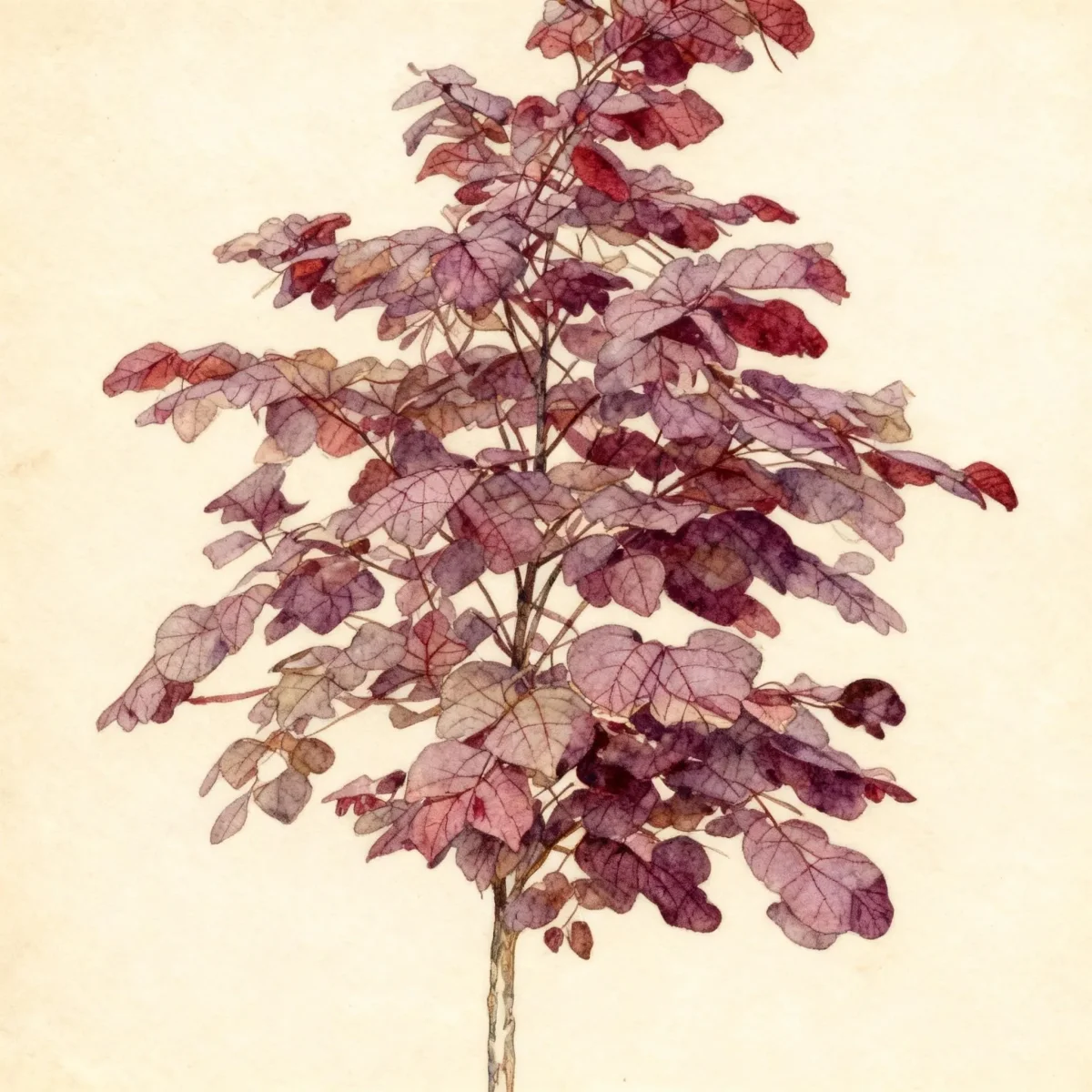
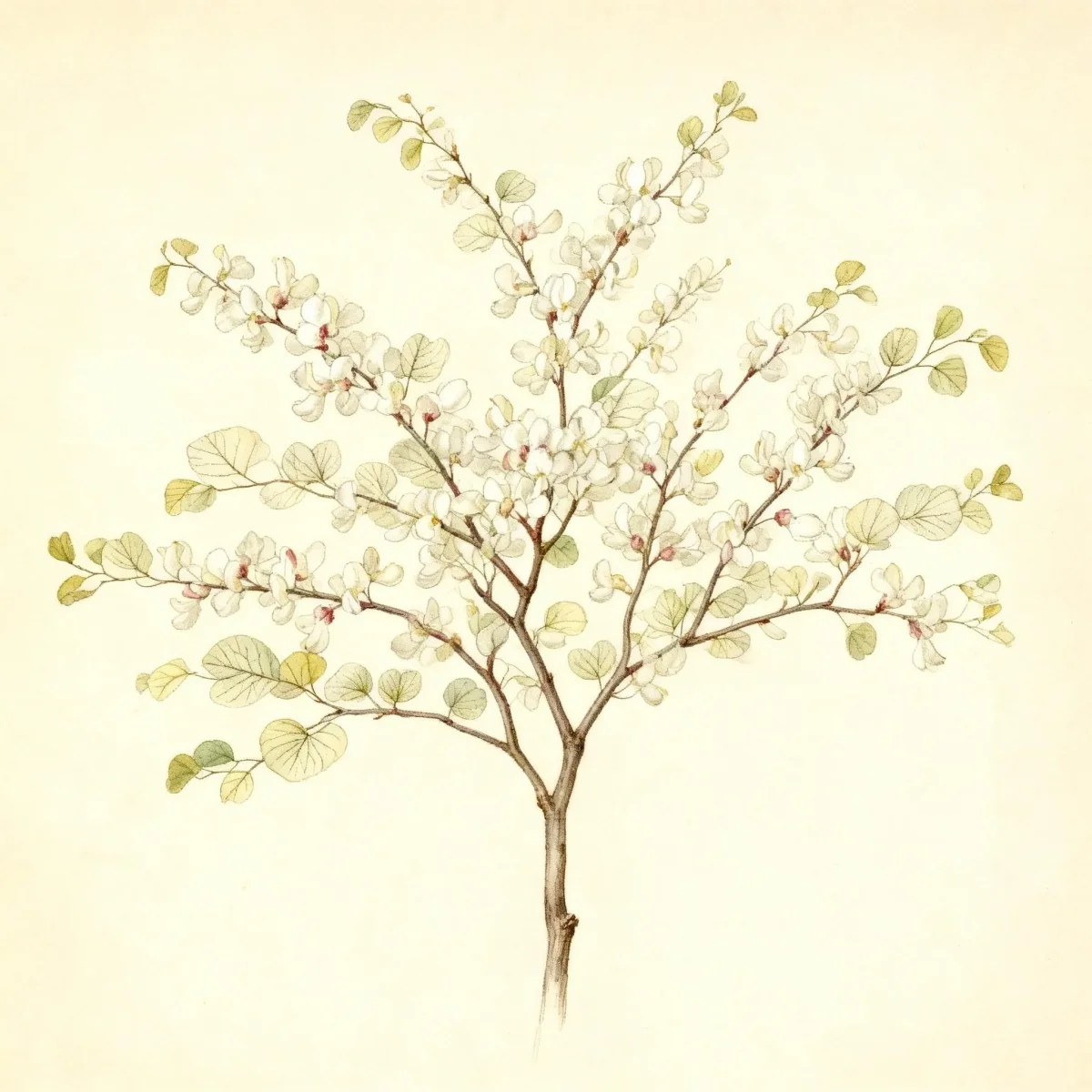
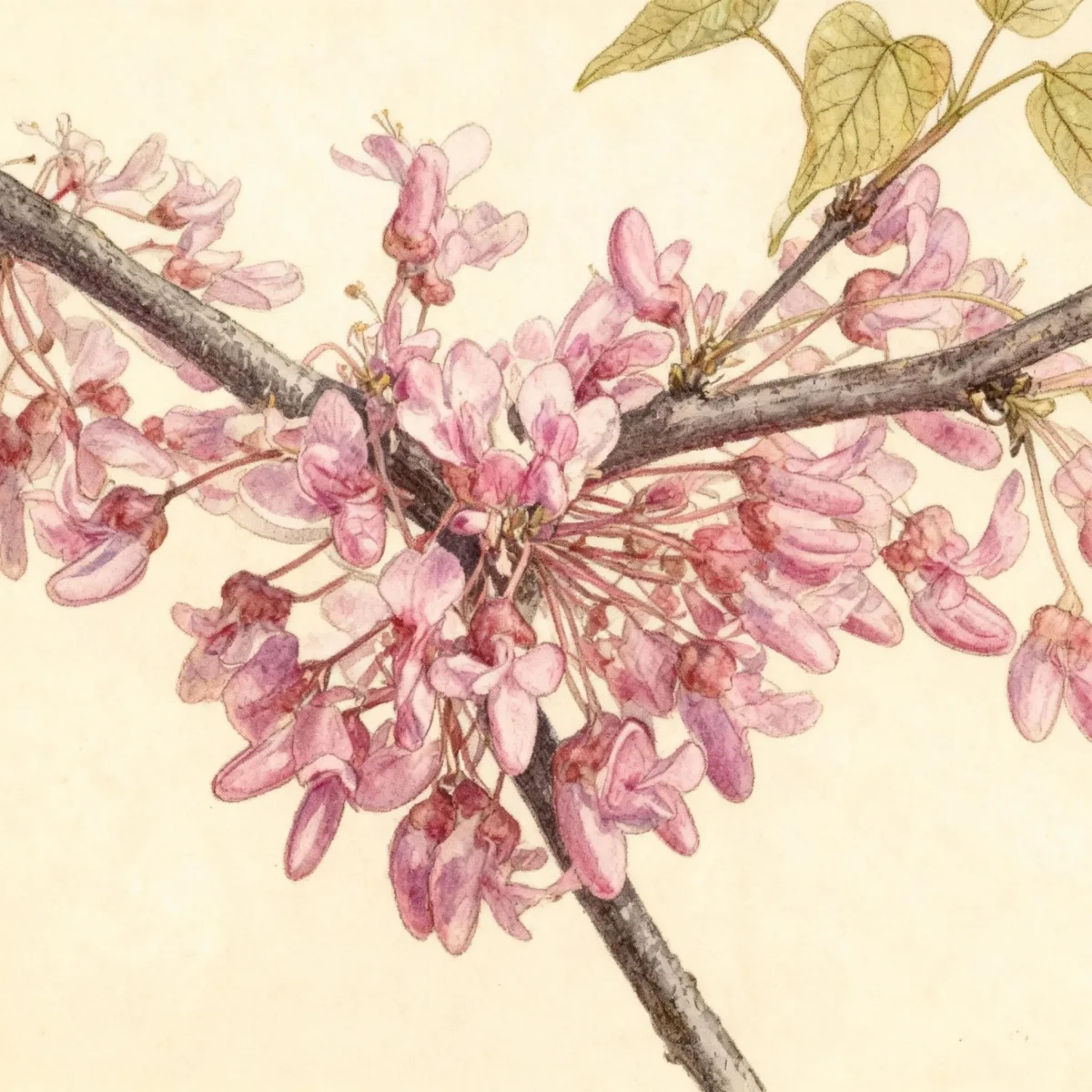
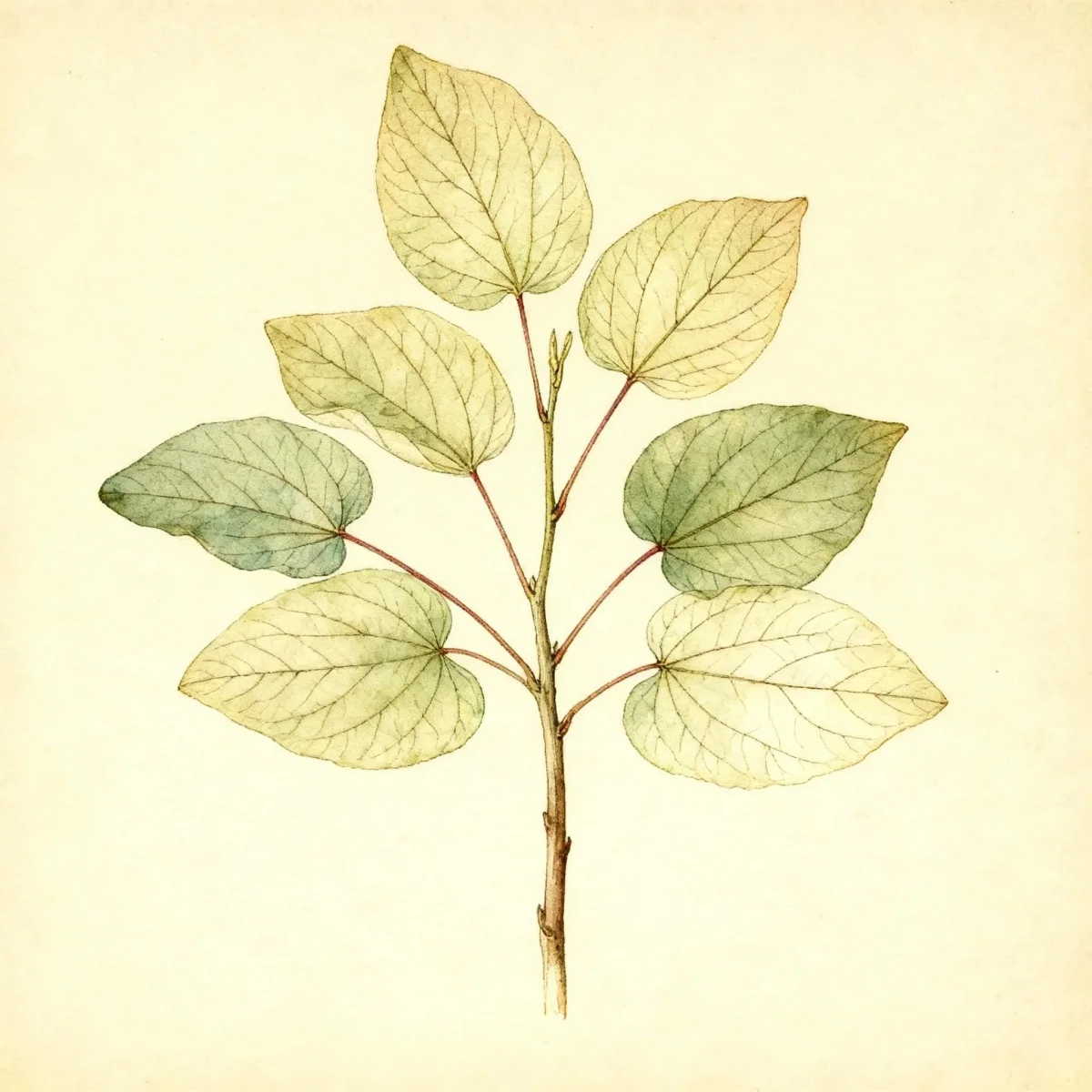
Eastern redbud (Cercis canadensis 'Hearts of Gold')
Cercis canadensis 'Hearts of Gold' is a stunning Eastern redbud cultivar known for brilliant golden foliage, early spring color, and low maintenance.
Scroll down to discover growing tips, care requirements, companion plants, and more
Complete Plant Information
Overview
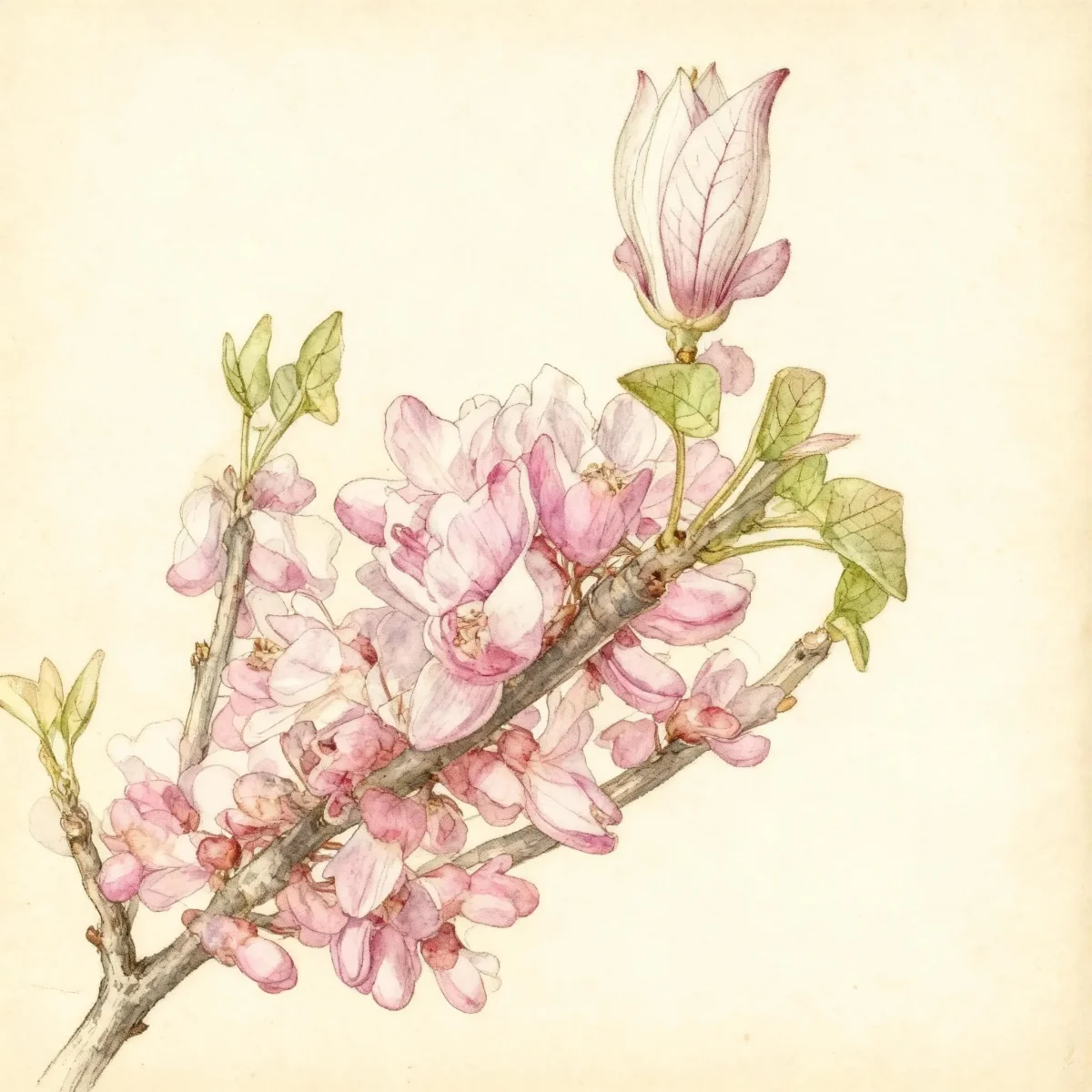
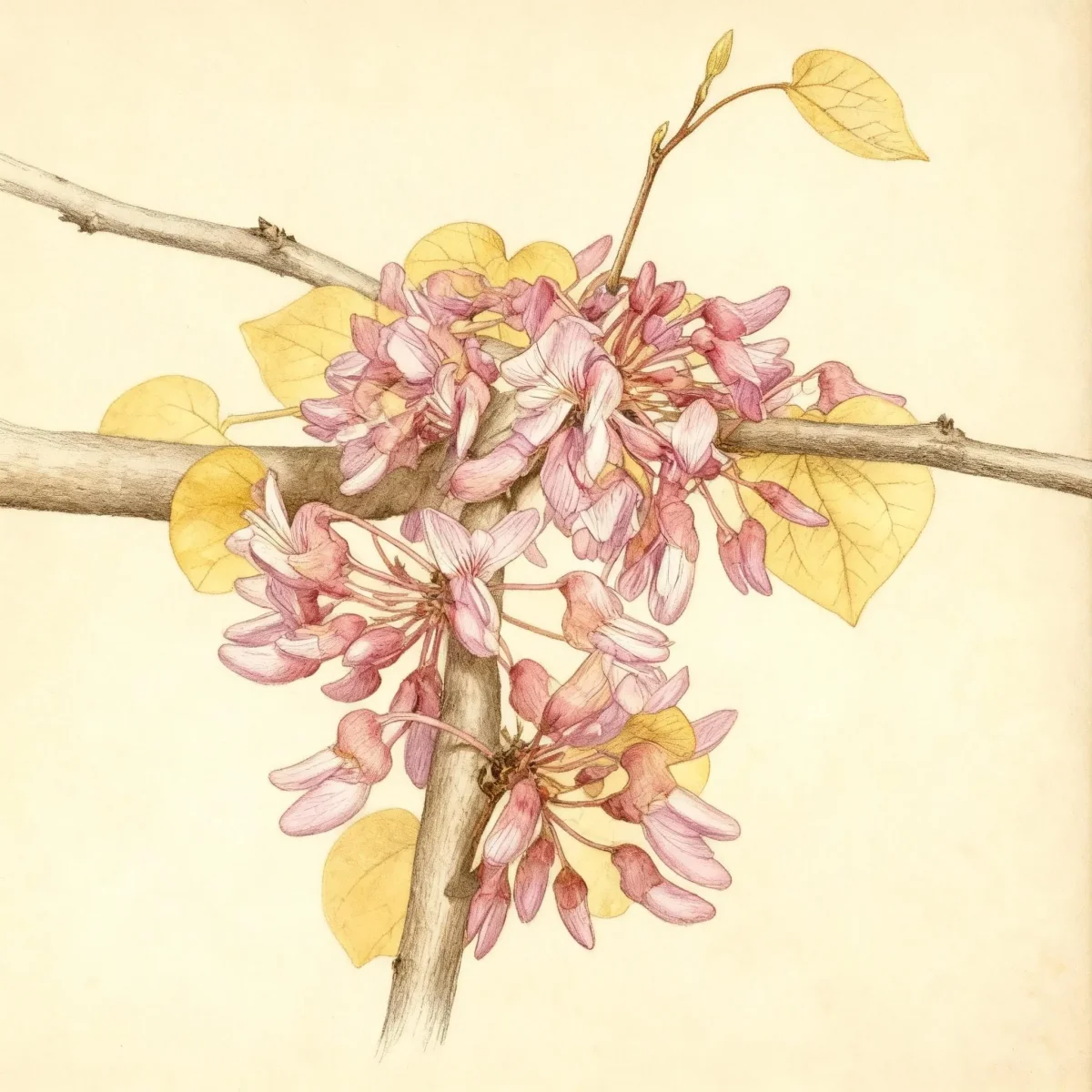
Cercis canadensis ‘Hearts of Gold’ offers exceptional ornamental value, primarily due to its brilliant, burn-resistant golden foliage that brightens the spring and summer landscape. This cultivar of the native Eastern redbud performs best when provided protection from the harshest afternoon sun, developing chartreuse tones as summer progresses. It brings early spring color, showcasing masses of showy, reddish-purple, pea-like flowers that appear just before the leaves emerge.
As a relatively low-maintenance tree once established, the Eastern redbud adds structure and early nectar sources for wildlife. The unique golden coloration distinguishes ‘Hearts of Gold’ from standard green varieties, making it an excellent choice for specimen planting or brightening woodland margins. Gardeners should prioritize planting this tree young, as it does not tolerate transplanting well.
This cultivar is valued for its compact size relative to some species forms, fitting well into residential landscapes or urban settings requiring a striking flowering accent tree. The golden foliage provides sharp contrast against darker greens, making the Eastern redbud a focal point in any garden design.
Fast Facts
- Plant Family: Fabaceae
- Plant Type: Tree
- Hardiness Zones: USDA Zones 5-9
- Size at Maturity:
- Height: 20-25 ft
- Spread: 25-35 ft
- Bloom Time: March to April
- Bloom Description: Reddish-purple
- Sun Exposure: Full sun to part shade
- Water Needs: Medium
- Maintenance Level: Low
How to Grow
To ensure success with your Cercis canadensis ‘Hearts of Gold’, plant it in average, medium moisture, well-drained soil. It thrives in locations receiving full sun to part shade, though afternoon shade is recommended in hotter climates to maintain foliage quality and prevent slight burning. The tree performs best in moderately fertile soil, requiring regular and consistent moisture, especially during establishment. Avoid planting in areas that become waterlogged or poorly drained, as this can lead to root stress.
Because the Eastern redbud does not transplant well, always purchase container-grown stock or balled-and-burlapped trees when young and establish them promptly in their final location. Minimal pruning is usually required beyond removing any dead or damaged limbs as they appear. Keeping the tree vigorous through consistent moisture and appropriate soil conditions is the best defense against potential disease issues.
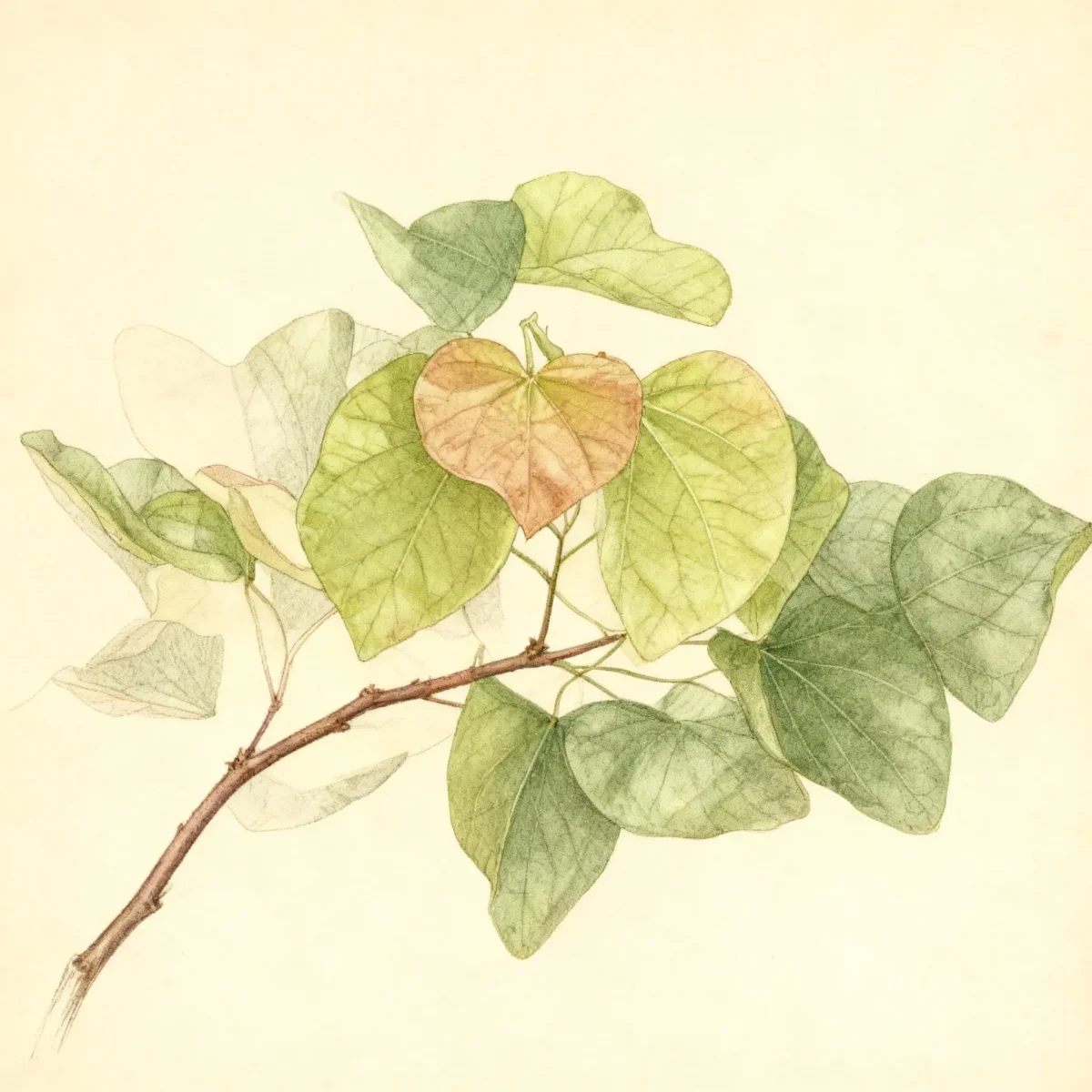
In full sun, the golden foliage of ‘Hearts of Gold’ displays the brightest color, gradually turning light chartreuse as summer progresses. If placed in more shade, the leaves will tend toward a greener chartreuse hue throughout the season. There is no significant winter preparation needed beyond ensuring proper planting depth.
Landscape Uses
The stunning two-season interest offered by the bloom and the golden foliage makes this Eastern redbud an excellent choice for several landscape applications. It excels when sited as a specimen tree where its unique color can be fully appreciated throughout the growing season. Consider planting Cercis canadensis ‘Hearts of Gold’ near darker evergreens or purple-leaved shrubs to maximize the contrast of its bright leaves.
Due to its manageable size of 20-25 feet tall, it is perfectly suited for use as a flowering street tree, lining walkways, or providing high-impact focal points within lawns. It can also add depth and early spring color when placed toward the front of woodland margins or incorporated into shrub borders, provided it receives adequate sunlight to maintain its vibrant hue. Even along patios, the airy branch structure provides dappled shade and seasonal beauty.
Standout Features
Flower Qualities
- Showy
- Good Cut
Noteworthy Characteristics
Cercis canadensis, commonly called eastern redbud, is an understory tree beloved for its profuse, pea-like rose-purple flowers on bare branches in early spring. The ‘Hearts of Gold’ cultivar is distinct due to its attractive golden foliage, which emerges with orange-red tones before maturing to brilliant gold, gradually paling to chartreuse. A key advantage of this variety is its ability to produce flower buds readily on one-year old nursery whips, leading to earlier flowering displays than many other redbuds.
Tolerances
- Deer
- Clay Soil
- Black Walnut
Potential Problems
Canker is cited as a significant potential disease problem for the Eastern redbud, often entering through wounds or weak points. Other fungal issues like Verticillium wilt, dieback, leaf spots, mildew, and various blights may also affect the tree. Insect pests are diverse, including Japanese beetles, borers, scale, and various leaf hoppers and caterpillars, which serve as food sources for birds.
The best management strategy is cultural: maintain tree vigor through consistent watering, particularly during dry spells, and provide appropriate fertilization if soil tests indicate nutrient deficiencies. Promptly prune out any dead or cankered branches immediately to prevent spread, ensuring clean cuts on tools between pruning cuts to avoid transmitting disease. Fortunately, deer tend to avoid browsing on this plant.
Frequently Asked Questions
What hardiness zones is Cercis canadensis ‘Hearts of Gold’ suitable for?
This beautiful Eastern redbud cultivar is hardy and thrives in USDA Zones 5 through 9.
How large does Eastern redbud grow?
Mature Eastern redbud ‘Hearts of Gold’ typically reaches a height between 20 and 25 feet, with a spread ranging from 25 to 35 feet.
When does Cercis canadensis ‘Hearts of Gold’ bloom?
The tree produces its signature reddish-purple flowers profusely on bare branches throughout early spring, usually from March to April.
What sun exposure does Cercis canadensis ‘Hearts of Gold’ need?
For the best performance and foliage color, plant this tree where it receives full sun to part shade.
Conclusion
Cercis canadensis ‘Hearts of Gold’ provides unparalleled golden foliage color combined with the charm of early spring flowers, making the Eastern redbud a highly coveted specimen tree. Its relatively low maintenance requirements and deer resistance add to its appeal for diverse garden settings. Ensure you check your local hardiness compatibility before planting this stunning cultivar and establish it when young for the best long-term results.
Wildlife Benefits
The early bloom time of the Eastern redbud provides a crucial, readily available source of nectar for early-season pollinators and hummingbirds when few other plants are flowering. Once the flowers fade, the resulting seeds and flower buds remain attractive to various songbirds. Furthermore, the insects and caterpillars that feed on the foliage of the redbud become another essential food source for nesting birds.
Design Ideas
Utilizing the contrasting foliage colors is key when designing with Cercis canadensis ‘Hearts of Gold’. Plant it near deep purple, silver, or dark green plantings to truly illuminate the golden leaves. In mixed borders, position it where its spring bloom precedes later-flowering trees, creating a sequential splash of color. Its rounded crown also makes it an ideal specimen near entryways or patios where seasonal interest is paramount.