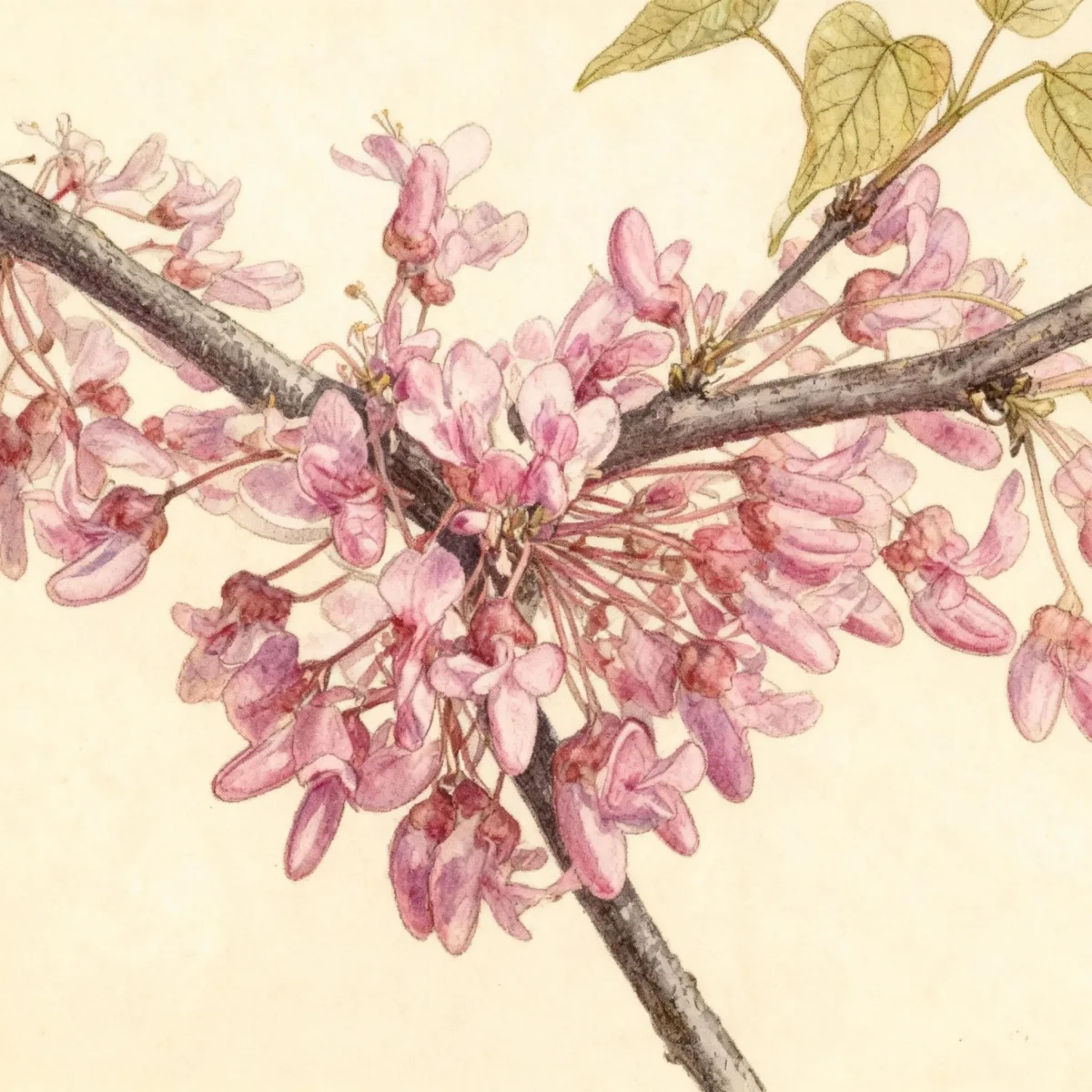
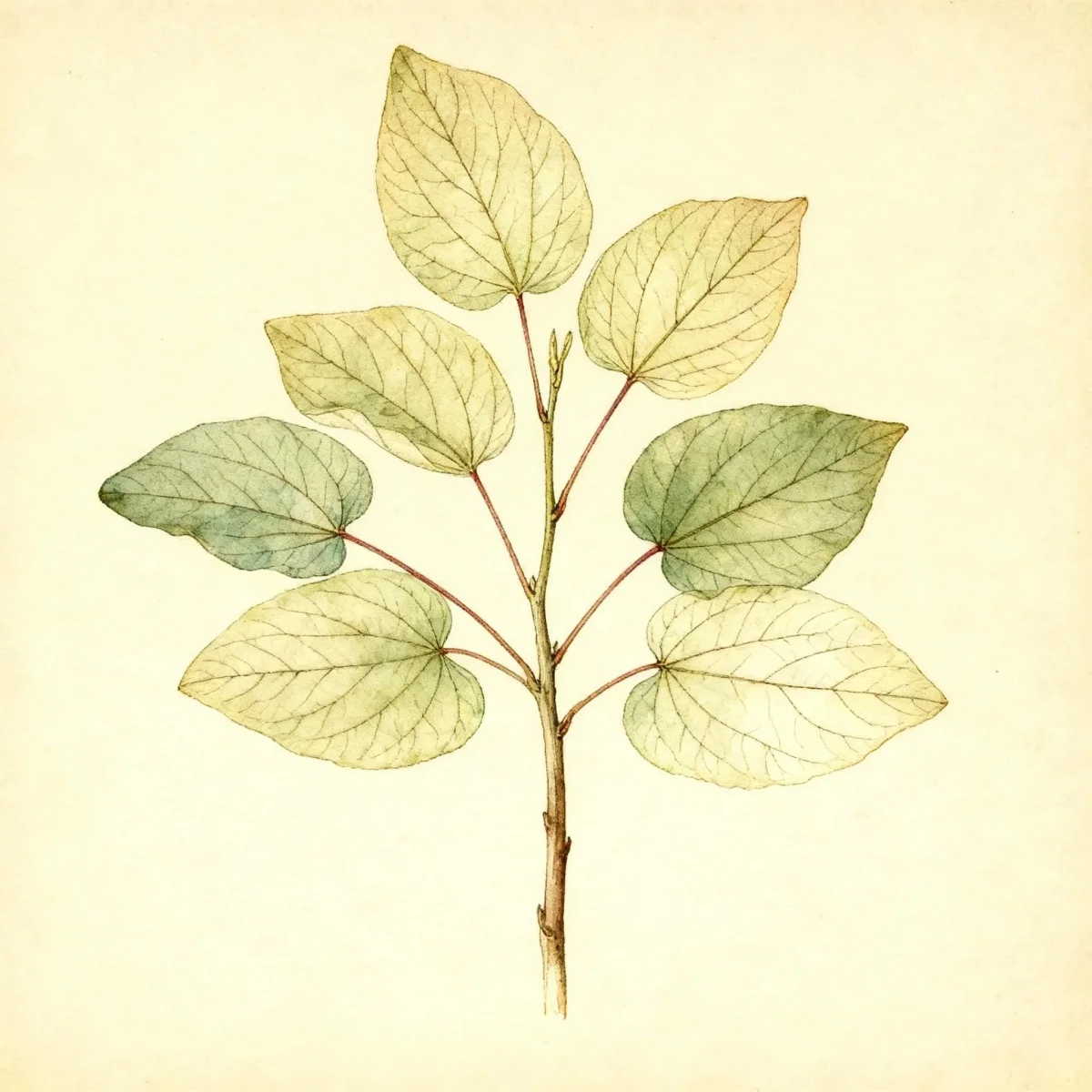
Eastern redbud (Cercis canadensis 'Ace of Hearts')
Cercis canadensis 'Ace of Hearts' is a compact Eastern redbud, notable for early spring reddish-purple flowers and low maintenance needs.
Scroll down to discover growing tips, care requirements, companion plants, and more
Complete Plant Information
Overview
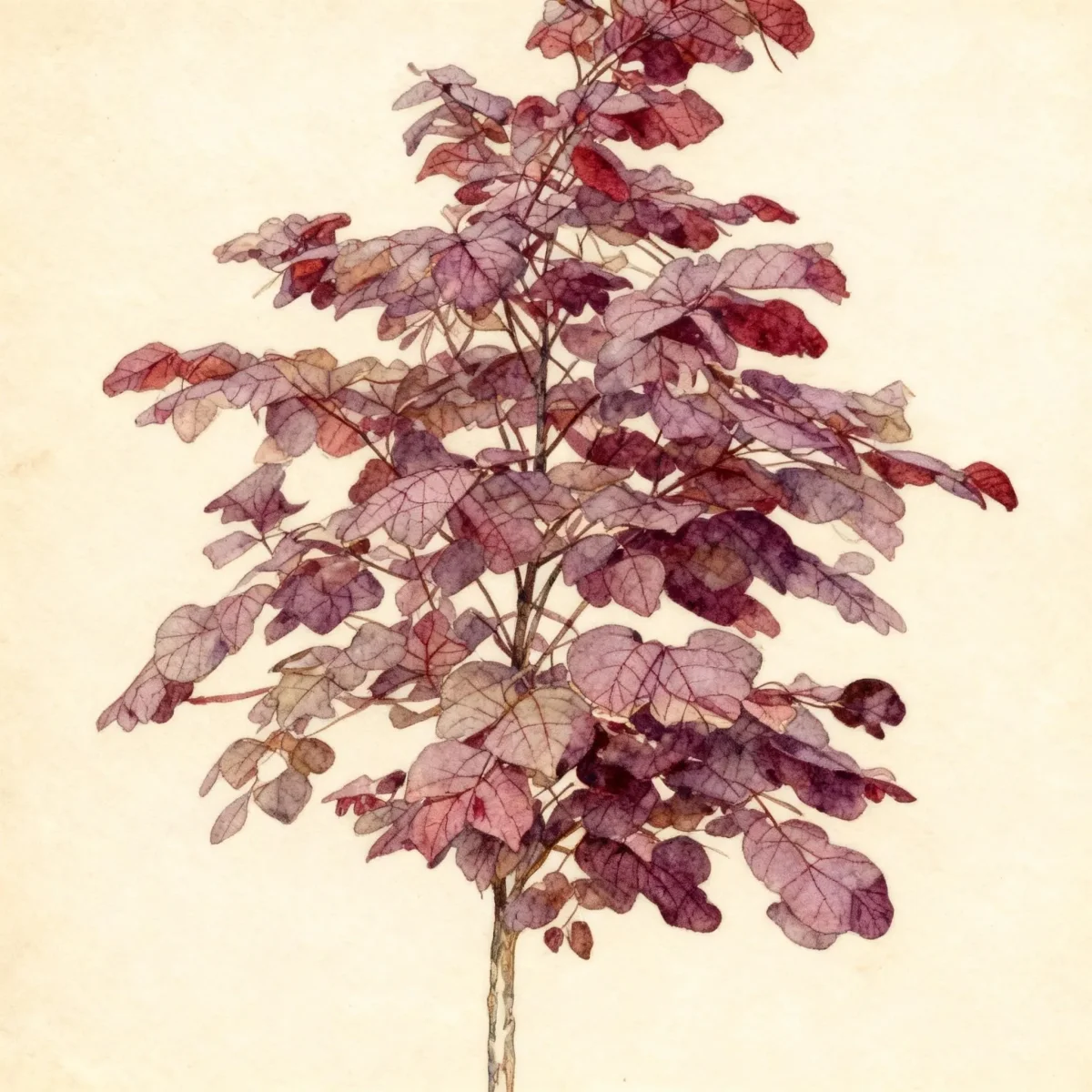
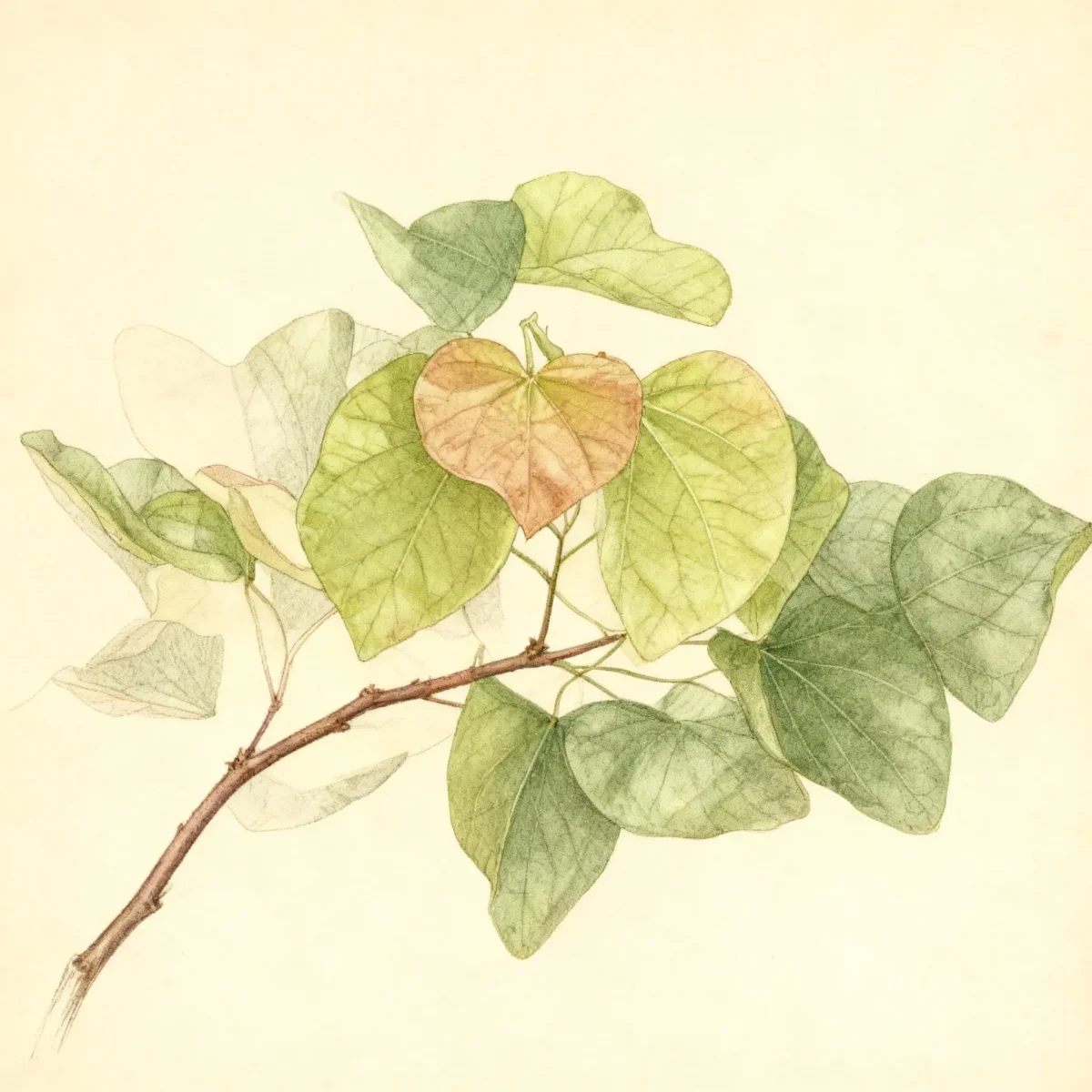
Cercis canadensis ‘Ace of Hearts’ offers the classic spring beauty of the Eastern redbud in a more refined, compact package ideal for smaller landscapes. This cultivar is cherished for its dense, dome-shaped canopy and semi-glossy, heart-shaped leaves which emerge shortly after its spectacular bloom. Gardeners appreciate the low maintenance required by this resilient flowering tree.
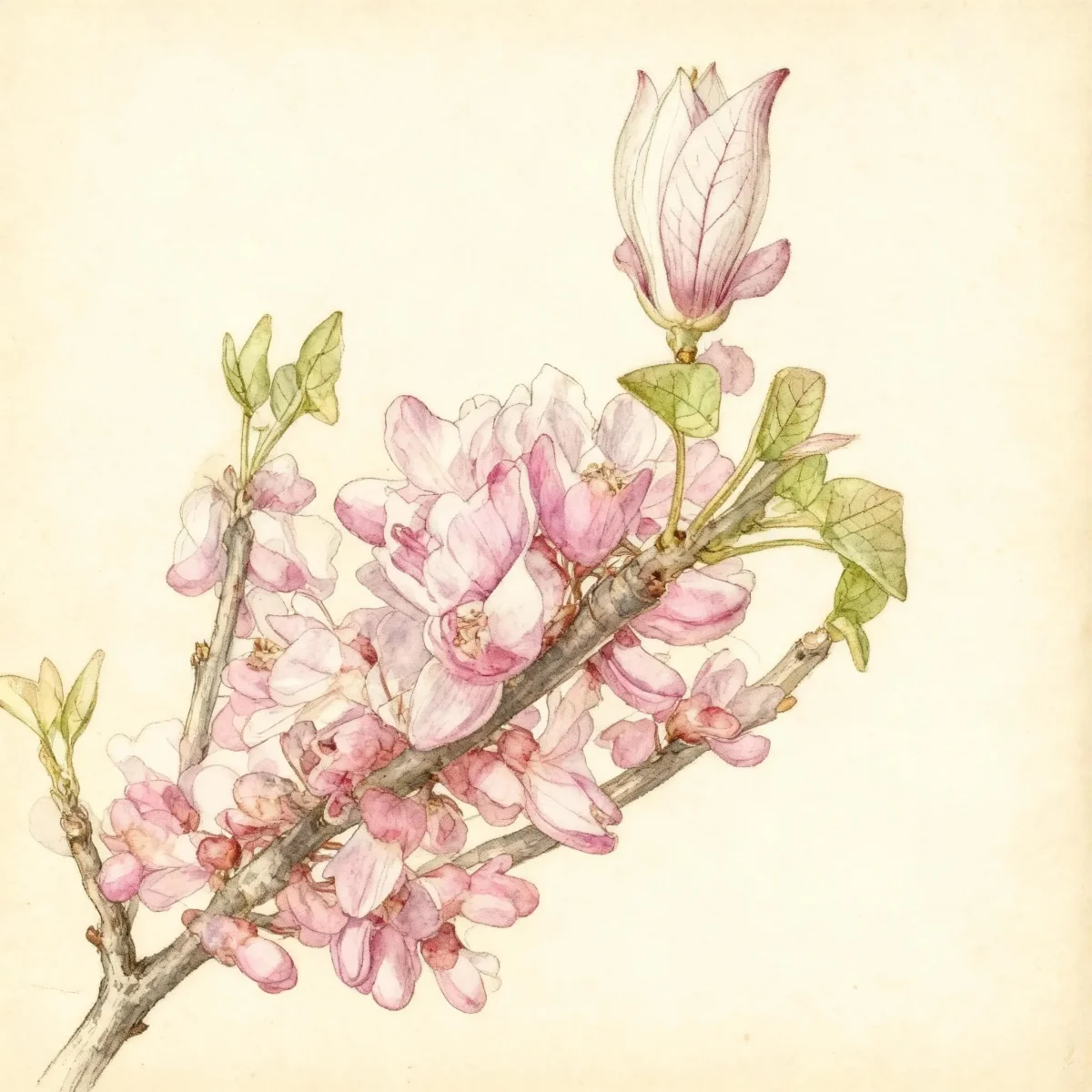
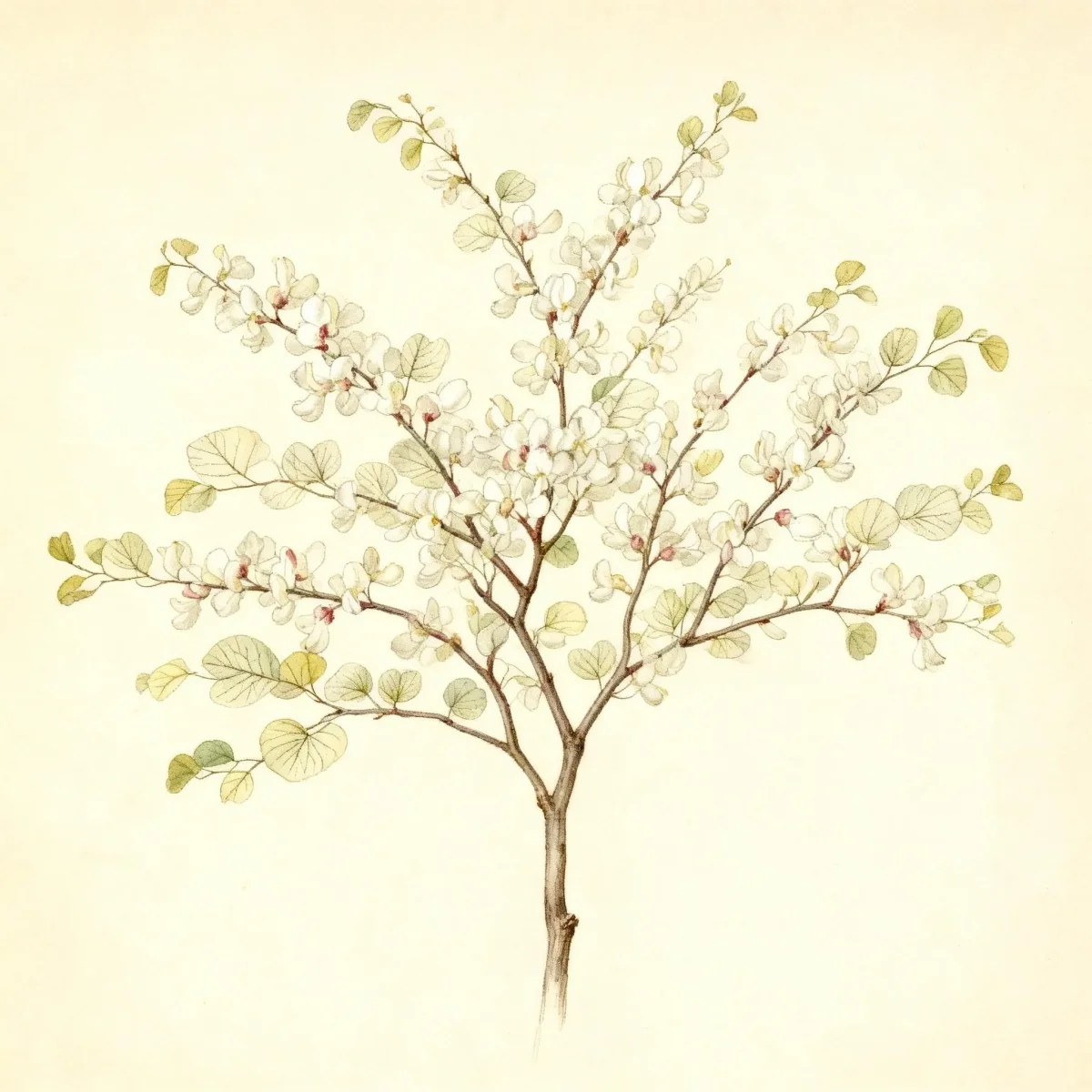
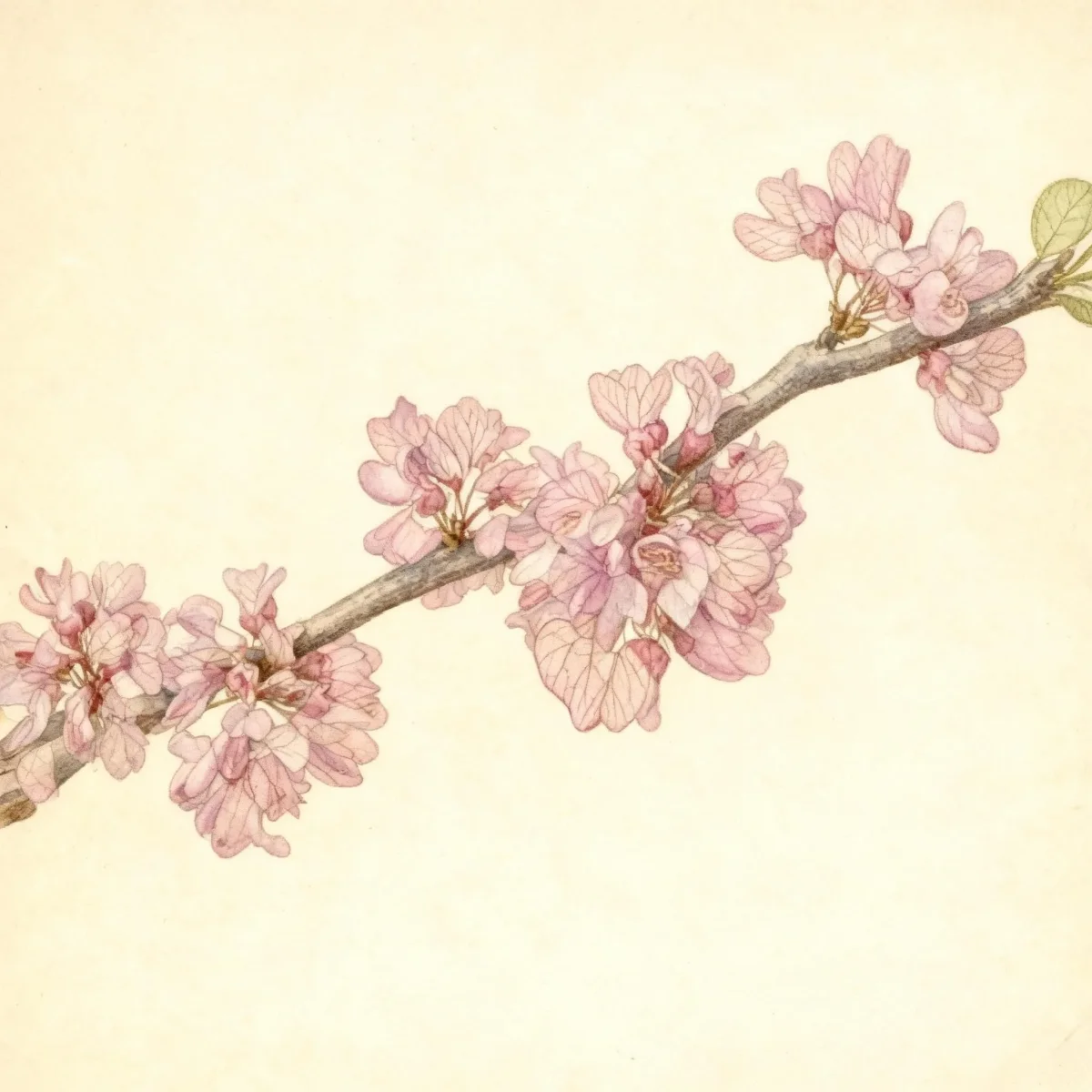
Blooming profusely on bare branches from March to April, the tree displays clusters of tiny, reddish-purple, pea-like flowers, providing essential early-season nectar. The overall structure and size profile of the Eastern redbud cultivar ‘Ace of Hearts’ make it an outstanding choice when a statement flowering tree is desired without the imposing size of some species varieties.
As a native North American species, the Eastern redbud supports local ecosystems while rewarding the urban gardener with minimal fuss. Its noted tolerance for challenging conditions, including clay soil, allows it to thrive where many other flowering trees might struggle, solidifying the value of Cercis canadensis ‘Ace of Hearts’ in diverse settings.
Fast Facts
- Plant Family: Fabaceae
- Plant Type: Tree
- Hardiness Zones: USDA Zones 5-9
- Size at Maturity:
- Height: 9-12 ft
- Spread: 10-15 ft
- Bloom Time: March to April
- Bloom Description: Reddish-purple
- Sun Exposure: Full sun to part shade
- Water Needs: Medium
- Maintenance Level: Low
How to Grow
Plant Cercis canadensis ‘Ace of Hearts’ when young, as this Eastern redbud does not transplant well once established. Choose a location receiving full sun to part shade, though part shade is preferential in very hot summer climates to prevent scorching. The soil should be moderately fertile, well-drained, and consistently moist, avoiding overly wet or poorly drained conditions.
Maintain medium moisture levels, especially during establishment, by providing regular and consistent watering. This tree generally requires low maintenance; however, perform light pruning only to remove any dead branches as needed, keeping the tree vigorous. Fertilization, combined with adequate water, supports overall health, which helps mitigate potential pest or disease issues.
Since the tree is noted to transplant poorly, ensure the chosen long-term site is ideal before planting. While deer tend to avoid this plant, young specimens benefit from temporary protection until established. The compact nature of the cultivar often means pruning for shape is minimal.
Landscape Uses
The compact habit of Cercis canadensis ‘Ace of Hearts’ makes it a spectacular specimen tree specifically suited for small garden and landscape areas where traditional varieties would overcrowd the space. It truly shines as a focal point near patios or entryways, delivering magnificent early spring color. Consider planting near windows to enjoy the profuse, early bloom display.
As both a flowering tree and suitable street tree option, it provides vertical interest across the landscape. Due to the beauty of the Eastern redbud in bloom, pair it with evergreen foundation plantings that will provide a dark, contrasting background to make the reddish-purple flowers truly pop. Its relatively small ultimate size also suits foundation planting near larger homes or within mixed shrub borders.
Standout Features
Flower Qualities
- Showy
- Good Cut
Noteworthy Characteristics
Cercis canadensis, commonly called eastern redbud, is celebrated for its stunning pea-like rose-purple flowers that bloom profusely on bare branches in early spring before the foliage emerges. This specific cultivar, ‘Ace of Hearts’, is distinguished by its compact habit, semi-glossy, heart-shaped leaves, and a dense dome-shaped canopy that typically requires no pruning. Mature species plants are much larger, but ‘Ace of Hearts’ usually matures only to about 12’ tall and 15’ wide, offering elegance on a smaller scale.
Tolerances
- Deer
- Clay Soil
- Black Walnut
Potential Problems
Canker poses a significant disease risk to the Eastern redbud, and vigilance against it is important for long-term health. Other potential issues include Verticillium wilt, general dieback, leaf spots, mildew, and various blights. Insect pests range from Japanese beetles and borers to various leaf hoppers and caterpillars.
Management of these potential problems centers on keeping the tree vigorous through proper care. Ensure regular watering, especially during dry spells, and apply fertilizer judiciously if the soil is poor. Promptly prune out any dead or diseased branches as soon as they are noticed to improve air circulation and tree vitality.
Frequently Asked Questions
What hardiness zones is Eastern redbud suitable for?
The Cercis canadensis ‘Ace of Hearts’ is well-suited for cultivation within USDA Hardiness Zones 5 through 9.
How large does Eastern redbud grow?
This compact cultivar typically reaches heights between 9 to 12 feet, with a spread ranging from 10 to 15 feet at maturity.
When does Eastern redbud bloom?
The showy, reddish-purple flowers of this Eastern redbud appear early in the season, generally from March to April, before the leaves fully develop.
What sun exposure does Cercis canadensis ‘Ace of Hearts’ need?
This tree performs best when provided with full sun exposure, though it can tolerate part shade, particularly where summers are intensely hot.
Conclusion
The Eastern redbud cultivar ‘Ace of Hearts’ successfully blends dramatic early spring flowering with a manageable, compact architecture, making it invaluable for modern landscapes. Its low maintenance profile and noteworthy tolerances mean this beautiful member of the Fabaceae family is easy to incorporate into many garden designs. Before planting, confirm your site falls within USDA Zones 5-9 and ensure well-drained soil preparation to give your new Cercis canadensis ‘Ace of Hearts’ the best possible start.
Wildlife Benefits
The early bloom time of the Eastern redbud is a crucial benefit to local fauna waking up after winter. The flowers provide an immediate and accessible nectar source for early emerging hummingbirds and essential pollinators. Planting this native species directly supports the local food web.
Beyond the flowers, the seeds produced by the flattened leguminous pods—though rare on ‘Ace of Hearts’—are consumed by various songbirds. Furthermore, caterpillars and insects that feed on the foliage and twigs of the Eastern redbud become a vital protein source for nesting birds and their young during the growing season.
Companion Planting
When siting Cercis canadensis ‘Ace of Hearts’, select companions that appreciate similar medium moisture and well-drained soil conditions without requiring heavy pruning. Low-growing perennials that bloom later in the season, such as Hostas or Lungwort (Pulmonaria), benefit from the dappled shade the redbud provides once its leaves emerge.
Consider pairing the deciduous Eastern redbud with fine-textured evergreens, such as certain dwarf conifers or Japanese holly, to provide year-round structure and contrast against the tree’s zig-zagging branches in winter. Since this tree handles clay better than many alternatives, group it with other locally resilient native shrubs for effortless grouping.