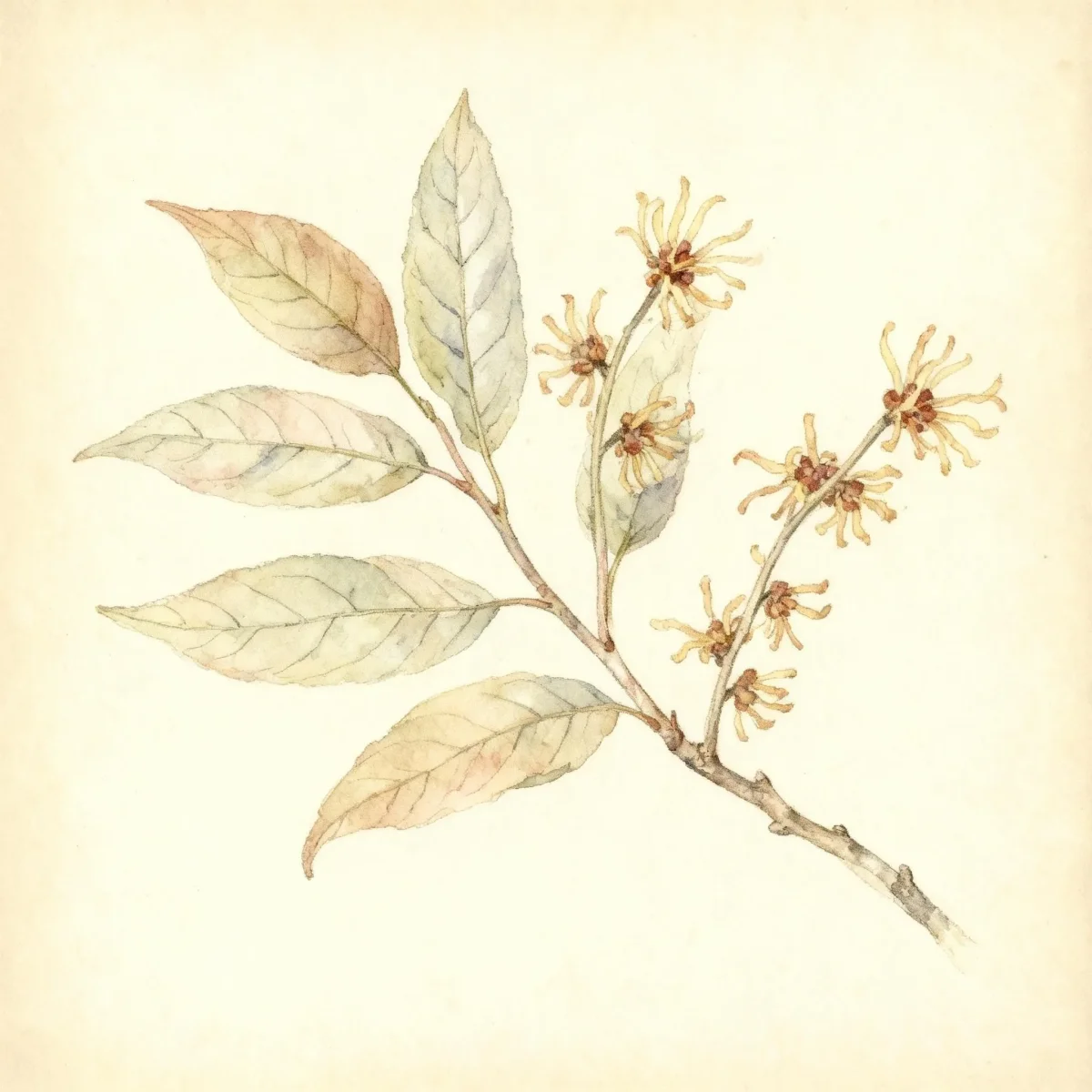
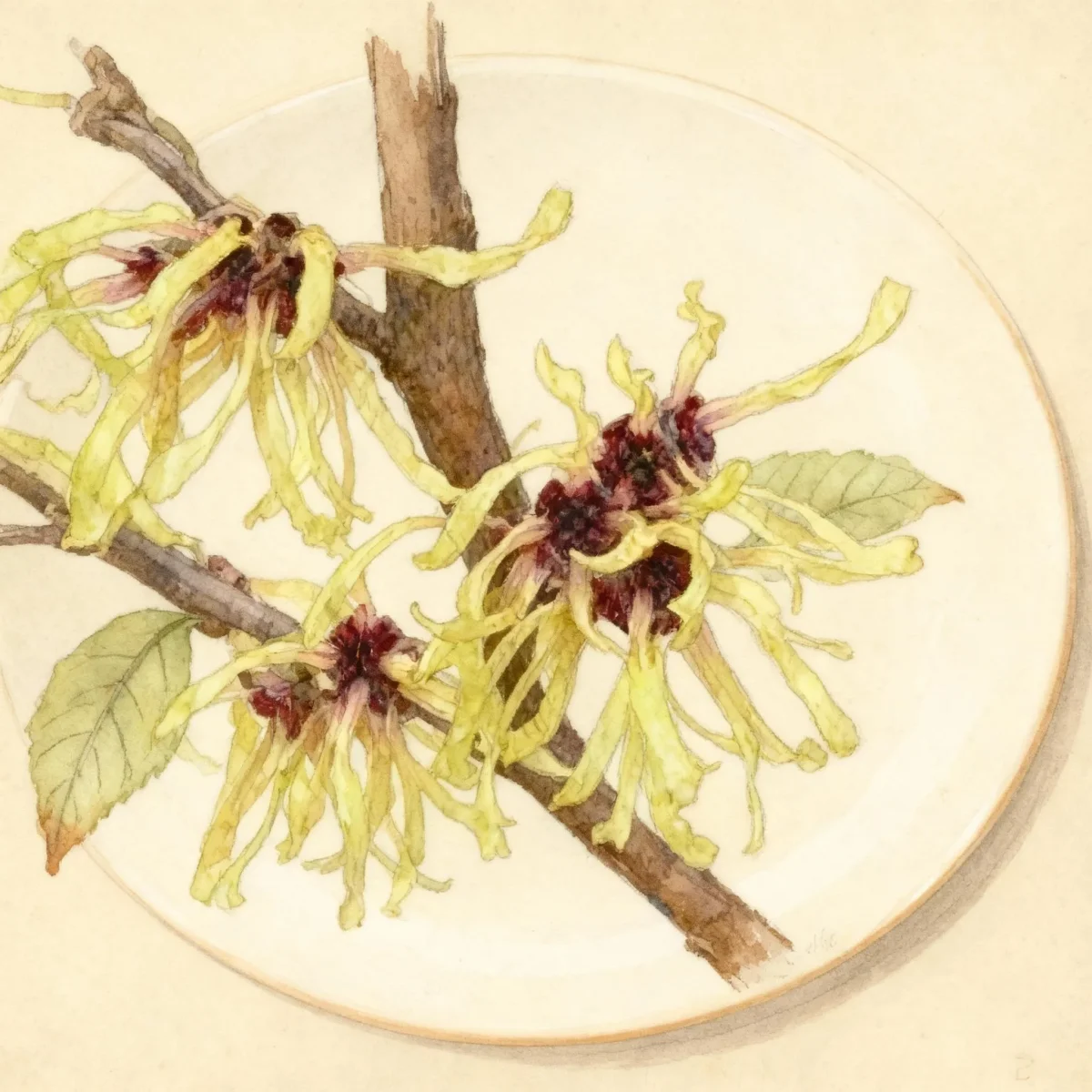
Witch hazel (Hamamelis 'Danny')
Hamamelis 'Danny' witch hazel offers smoky red winter flowers, low maintenance, and great tolerance for urban conditions.
Scroll down to discover growing tips, care requirements, companion plants, and more
Complete Plant Information
Overview
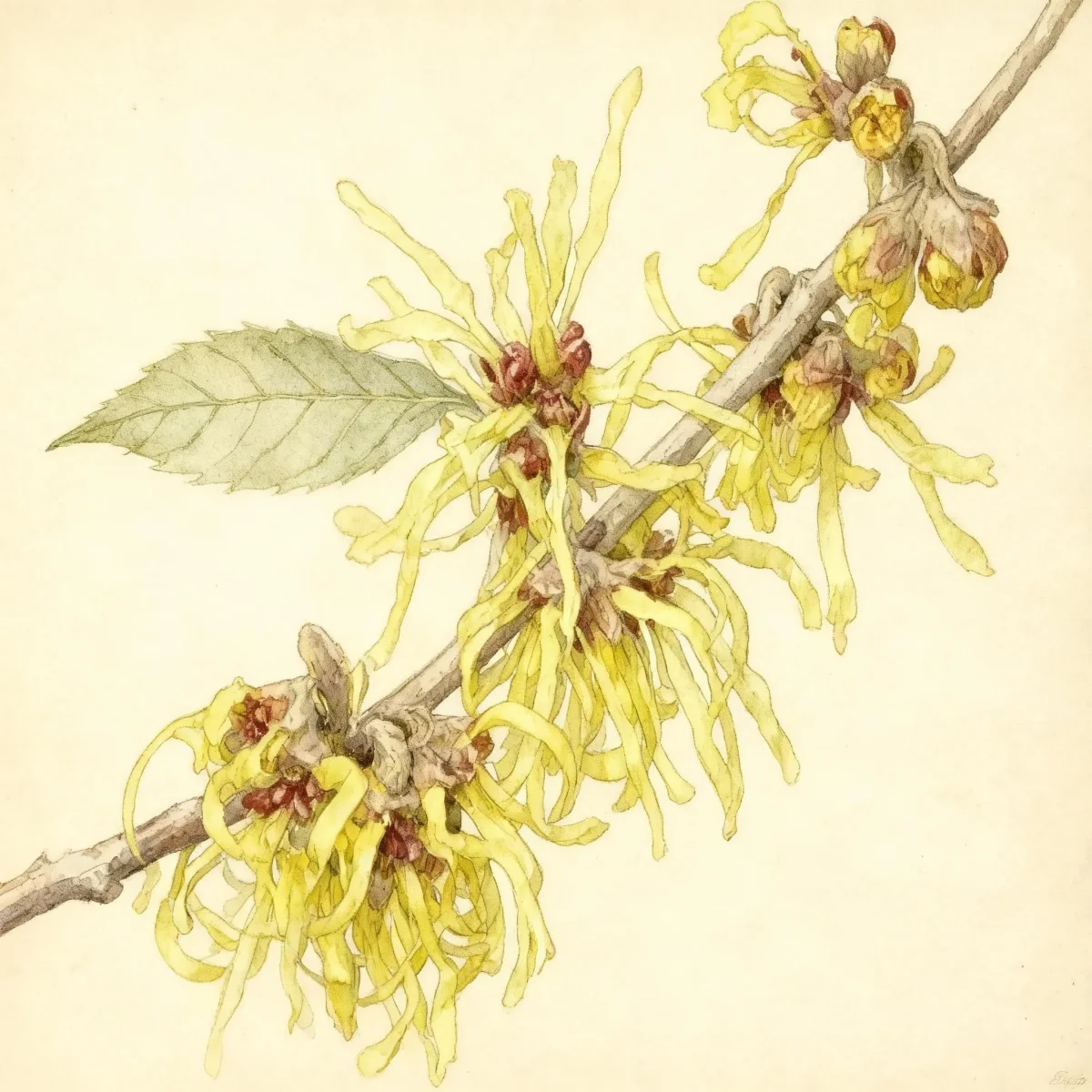
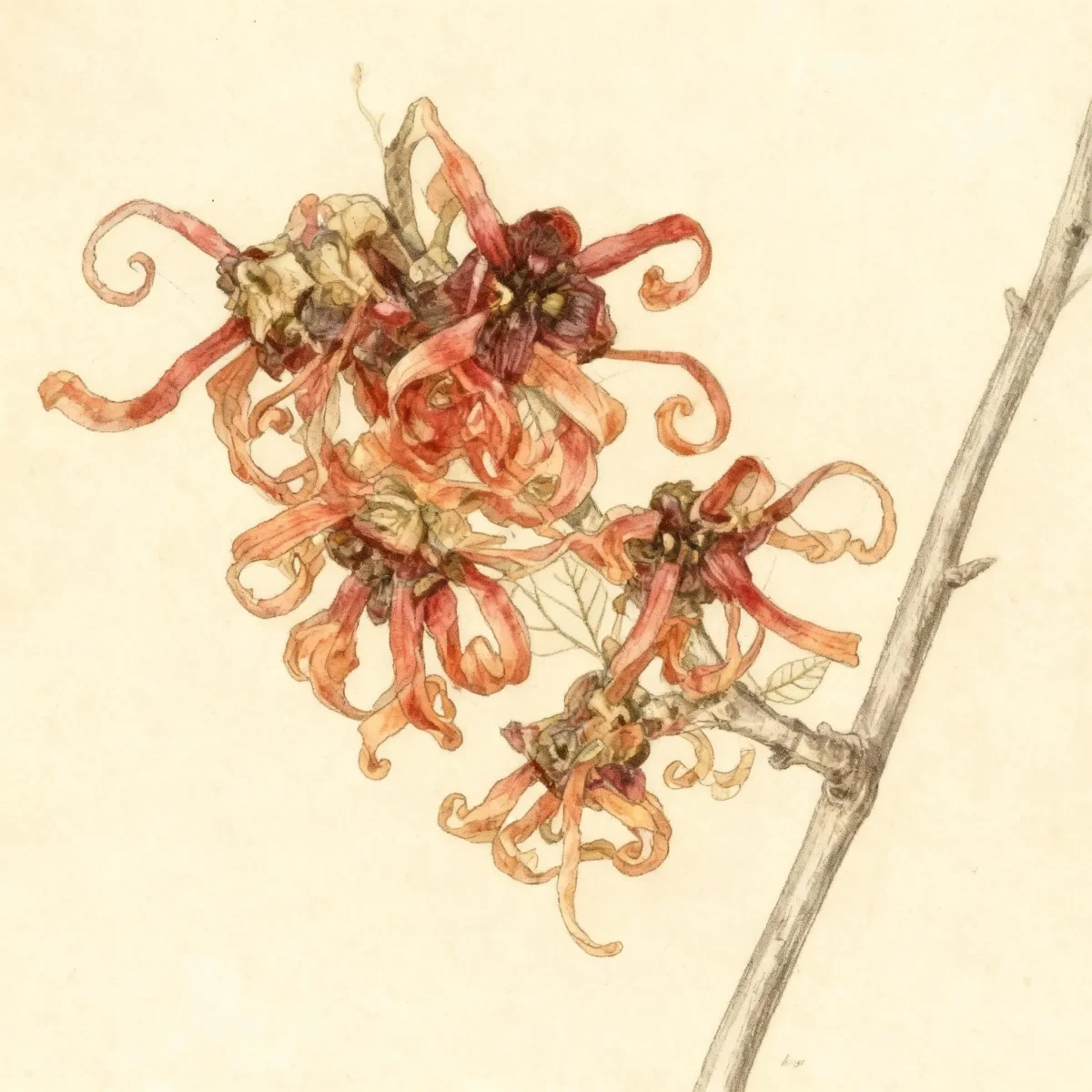
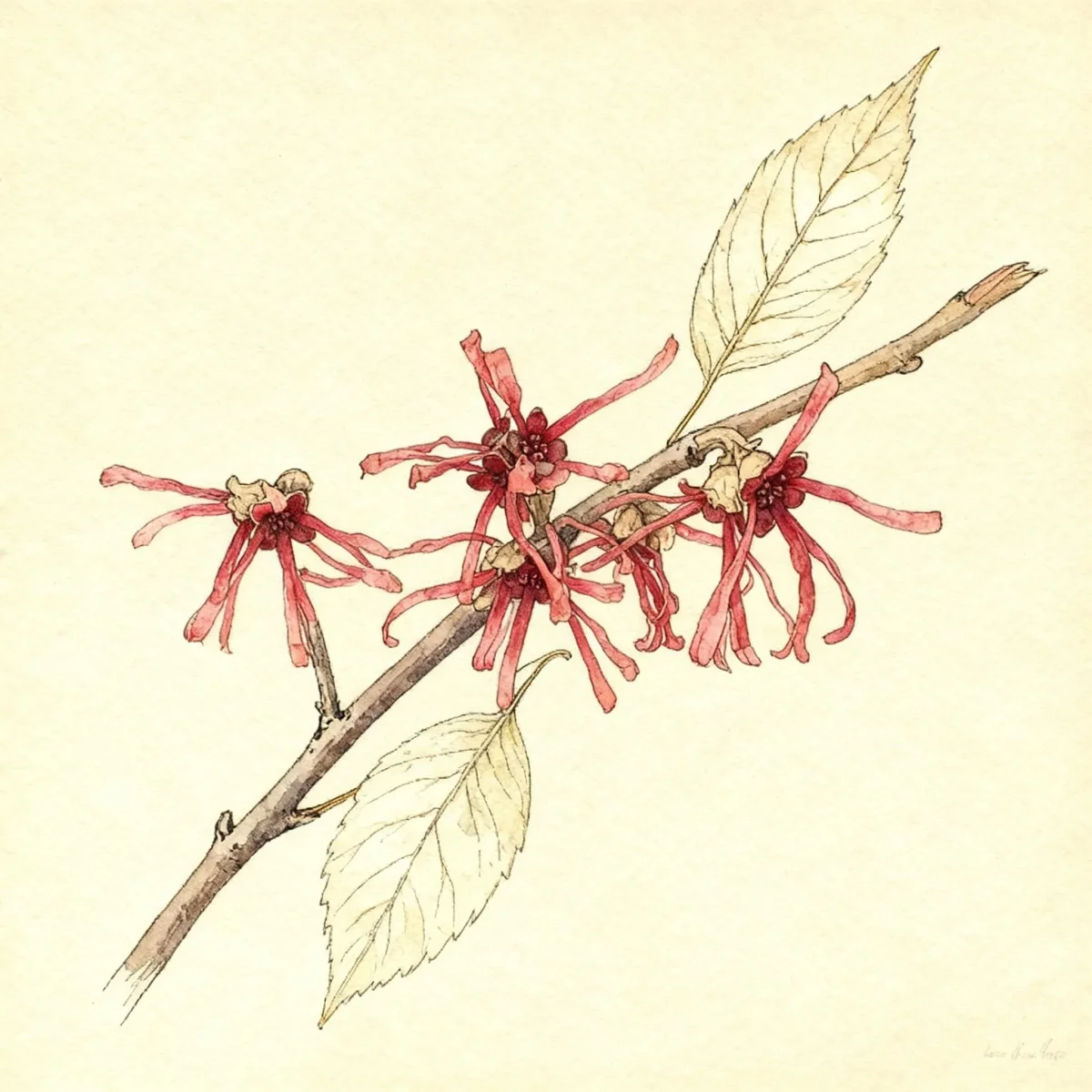
Hamamelis ‘Danny’, a variety of witch hazel, provides essential winter interest when the rest of the landscape is dormant. Its distinction lies in the very early bloom period, often beginning in February, offering spicy-scented, smoky red flowers along bare branches. This deciduous shrub is highly valued for reliably bringing color and fragrance to the late winter garden before spring emerges.
This hybrid cultivar typically forms a wide, spreading, vase-shaped silhouette, reaching heights and spreads of 8 to 10 feet. Hamamelis ‘Danny’ is relatively low maintenance once established, making it a practical choice for structure and seasonal beauty in various garden settings. Its adaptability extends to handling less-than-ideal soil conditions, though moisture management is key to its best performance.
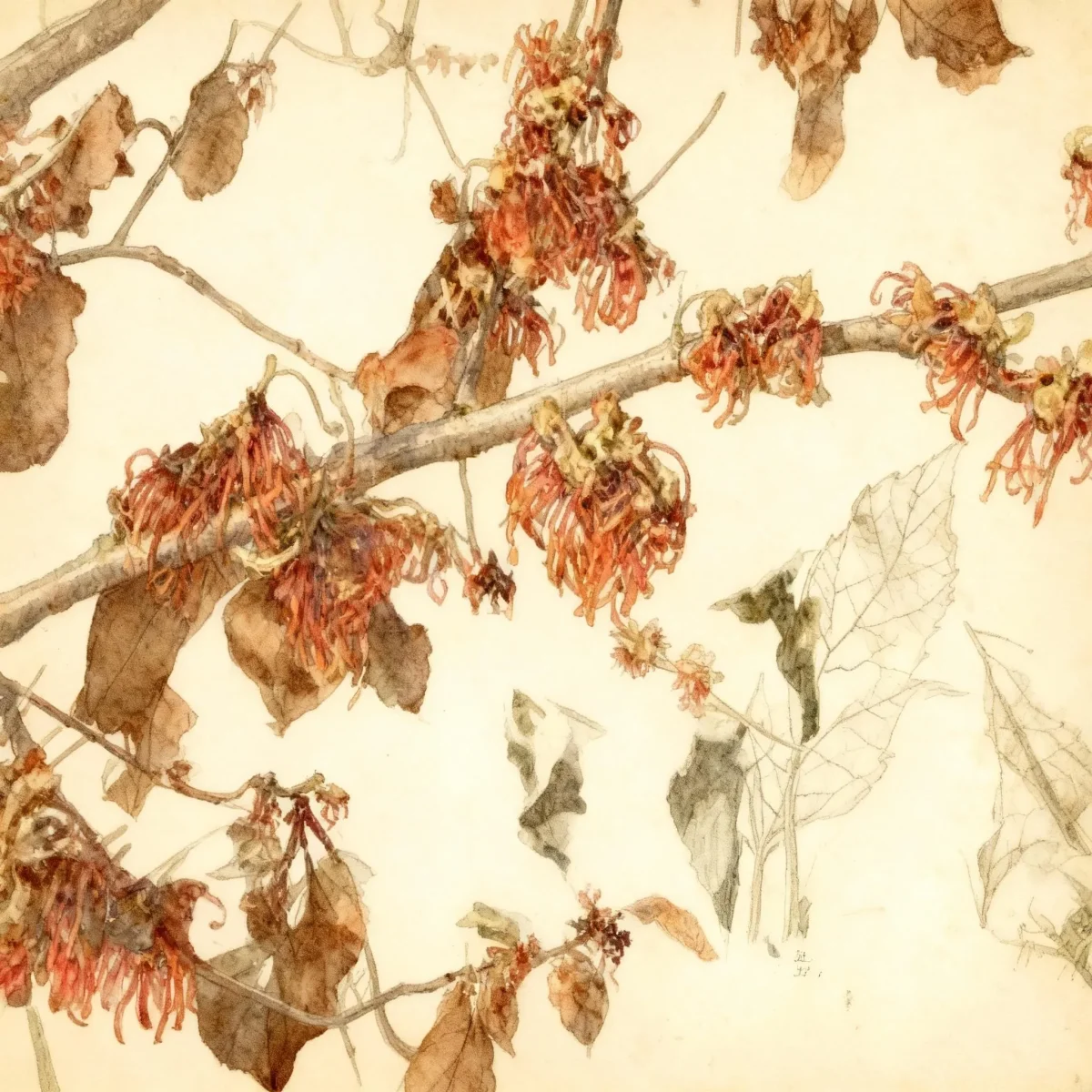
Beyond its stunning winter display, this witch hazel transitions through the seasons, offering green foliage that may acquire some warm red and orange tints in autumn. Planting Hamamelis ‘Danny’ where its early flowers can be easily observed ensures maximum enjoyment of this unique specimen.
Fast Facts
- Plant Family: Hamamelidaceae
- Plant Type: Deciduous shrub
- Hardiness Zones: USDA Zones 5-8
- Size at Maturity:
- Height: 8-10 ft
- Spread: 8-10 ft
- Bloom Time: February to March
- Bloom Description: Red
- Sun Exposure: Full sun to part shade
- Water Needs: Medium
- Maintenance Level: Low
How to Grow
The best time for planting Hamamelis ‘Danny’ is typically during the dormant season (fall or early spring). Locate it where it receives full sun for the best flowering performance, though it tolerates part shade. This cultivar thrives in average, medium-moisture, well-drained soils, but it shows a preference for moist, acidic soils rich in organic matter.
Watering should be consistent, especially during establishment and dry summer periods, as periods of drought can lead to leaf scorch. While the shrub has a tolerance for clay soil, ensuring that drainage remains good is crucial to prevent root stress. Fertilization is usually unnecessary if the native soil is amended regularly with organic material to maintain richness.
Pruning should be done judiciously in the spring immediately after the flowering period concludes. This timing controls shape and size without eliminating next year’s winter flower buds. Always be vigilant about promptly removing any root suckers, particularly those that emerge below the graft union, to maintain the shrub’s intended form.
Landscape Uses
Hamamelis ‘Danny’ is an excellent choice when winter impact is desired in the landscape design. Its ability to serve as a screen or tall hedge is complemented by its excellent performance as a specimen plant, drawing attention during its bloom time. Consider using it within shrub borders where its mid- to late-winter display will contrast sharply with evergreen companions.
As a low-maintenance shrub that handles some urban stress, this witch hazel integrates well into woodland gardens or against darker backdrops that set off its unique red flowers. Place Hamamelis ‘Danny’ strategically near patios or pathways, allowing gardeners to fully appreciate its short, four-petaled, ribbon-like red blooms and spicy fragrance.
Standout Features
Flower Qualities
- Showy
- Fragrant
Noteworthy Characteristics
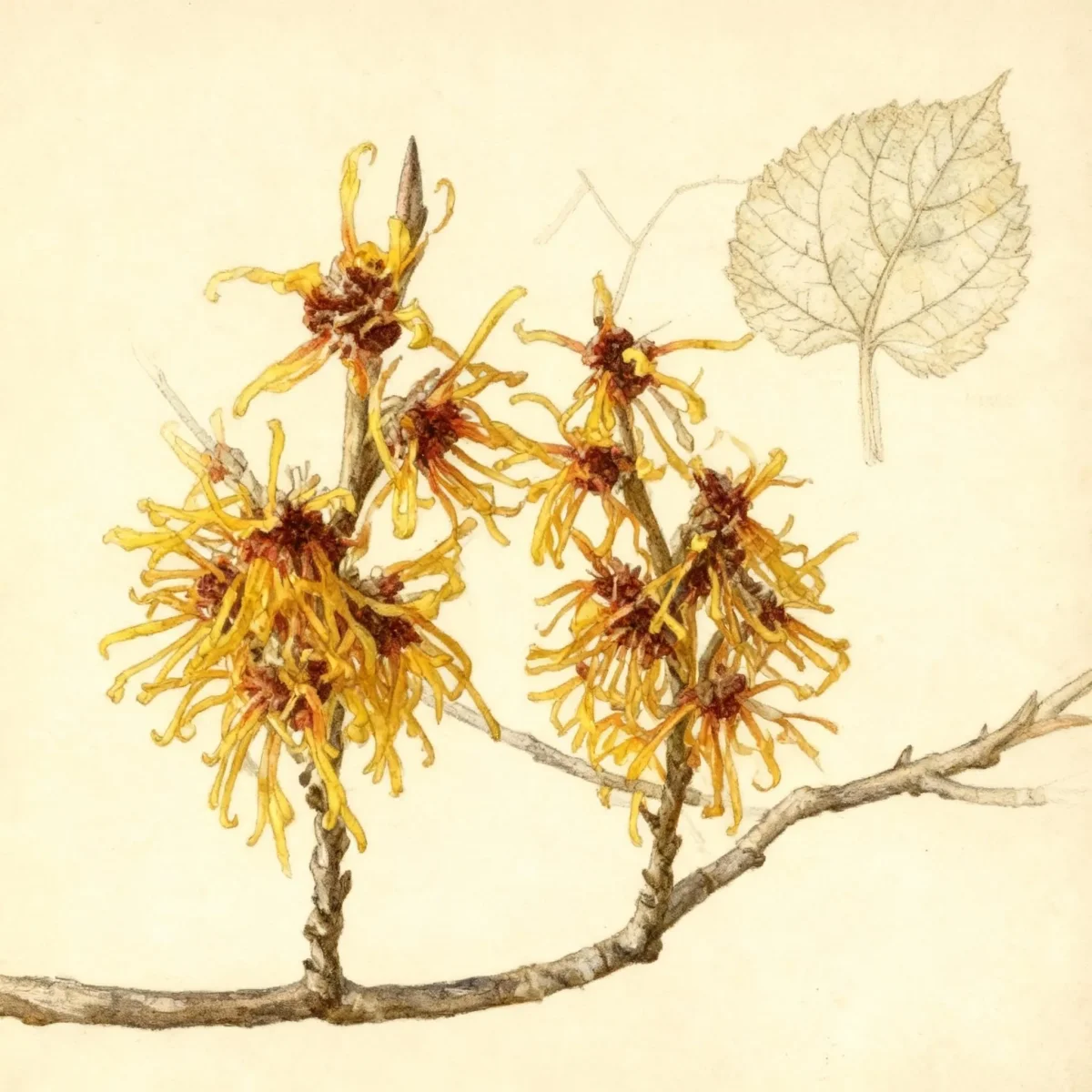
Hamamelis is a genus of 5 to 6 species of deciduous shrubs from East Asia and North America, appreciated for their very early bloom from late winter into early spring. The genus name derives from Greek words meaning ‘at the same time’ and ‘apple/fruit,’ referencing the simultaneous presence of fruit and flowers on some species. ‘Danny’ is specifically a hybrid cross, typically forming a spreading, vase-shaped shrub up to 10 feet wide and tall, erupting with showy dark red flowers in mid-winter before the leaves appear.
Tolerances
- Deer
- Erosion
- Clay Soil
- Air Pollution
Potential Problems
While Hamamelis ‘Danny’ is generally robust and requires little chemical intervention, gardeners should remain aware of minor pest and disease pressures. Caterpillars and Japanese beetles might occasionally chew on the leaves during the growing season. Other sporadic issues include monitoring for scale, gall aphids, leaf miners, and leafrollers.
Potential diseases are usually aesthetic, such as powdery mildew or occasional leaf spots and rots associated with overly wet conditions. If pest or disease issues arise, especially leaf damage, cultural adjustments like improving air circulation or ensuring proper drainage often resolve the problem without needing pesticides.
Frequently Asked Questions
What hardiness zones is Witch hazel suitable for?
Hamamelis ‘Danny’ is reliably hardy in USDA Zones 5 through 8. Ensure your garden falls within this range for best survival through winter.
How large does Hamamelis ‘Danny’ grow?
This witch hazel typically matures into a spreading shrub reaching 8 to 10 feet in height and spreading 8 to 10 feet in width.
When does Witch hazel bloom?
The characteristic bloom time for Hamamelis ‘Danny’ is between February and March, producing striking red flowers when few other plants are blooming.
What sun exposure does Hamamelis ‘Danny’ need?
For the most prolific flowering, this shrub prefers full sun, though it will tolerate partial shade, growing to 8-10 feet tall.
Conclusion
Hamamelis ‘Danny’ offers indispensable winter color and spicy fragrance, making it a valuable, low-maintenance staple for any serious garden plan. Successfully integrating this witch hazel variety requires positioning it where its early February to March bloom can be fully appreciated against evergreen plantings. Always confirm your local hardiness zone match (5-8) before selecting your planting location.
Companion Planting
When designing a garden around Hamamelis ‘Danny’, select plants that offer contrasting foliage texture or bloom structure during the early spring and dormant periods. Since this witch hazel prefers moist, slightly acidic soil, woodland companions that share these preferences thrive nearby. Consider planting early-blooming hellebores (Helleborus) which offer contrasting evergreen foliage and bloom colors simultaneously.
For groundcover beneath the spreading canopy, use shade-tolerant ferns or pachysandra, which help maintain soil moisture around the Hamamelis roots throughout the summer drought periods. Avoid planting shallow-rooted, aggressive invasives that might compete directly for the consistent moisture that the witch hazel prefers for optimal health.
Seasonal Care Calendar
Summer care focuses heavily on soil moisture management for Hamamelis ‘Danny’. Ensure deep, consistent watering, especially if temperatures are high or rainfall is scarce, to mitigate the risk of leaf scorch appearing on the developing foliage. Mulching heavily around the base helps conserve this necessary moisture and keeps the soil temperature regulated.
Fall is the ideal time to incorporate organic compost around the base of the shrub to enrich the soil slowly leading into the next blooming season. After the leaves drop but before the ground freezes hard, check the base for any unwanted root suckers and remove them immediately to maintain the plant’s shape. Pruning should only occur after the flowers fade in spring.