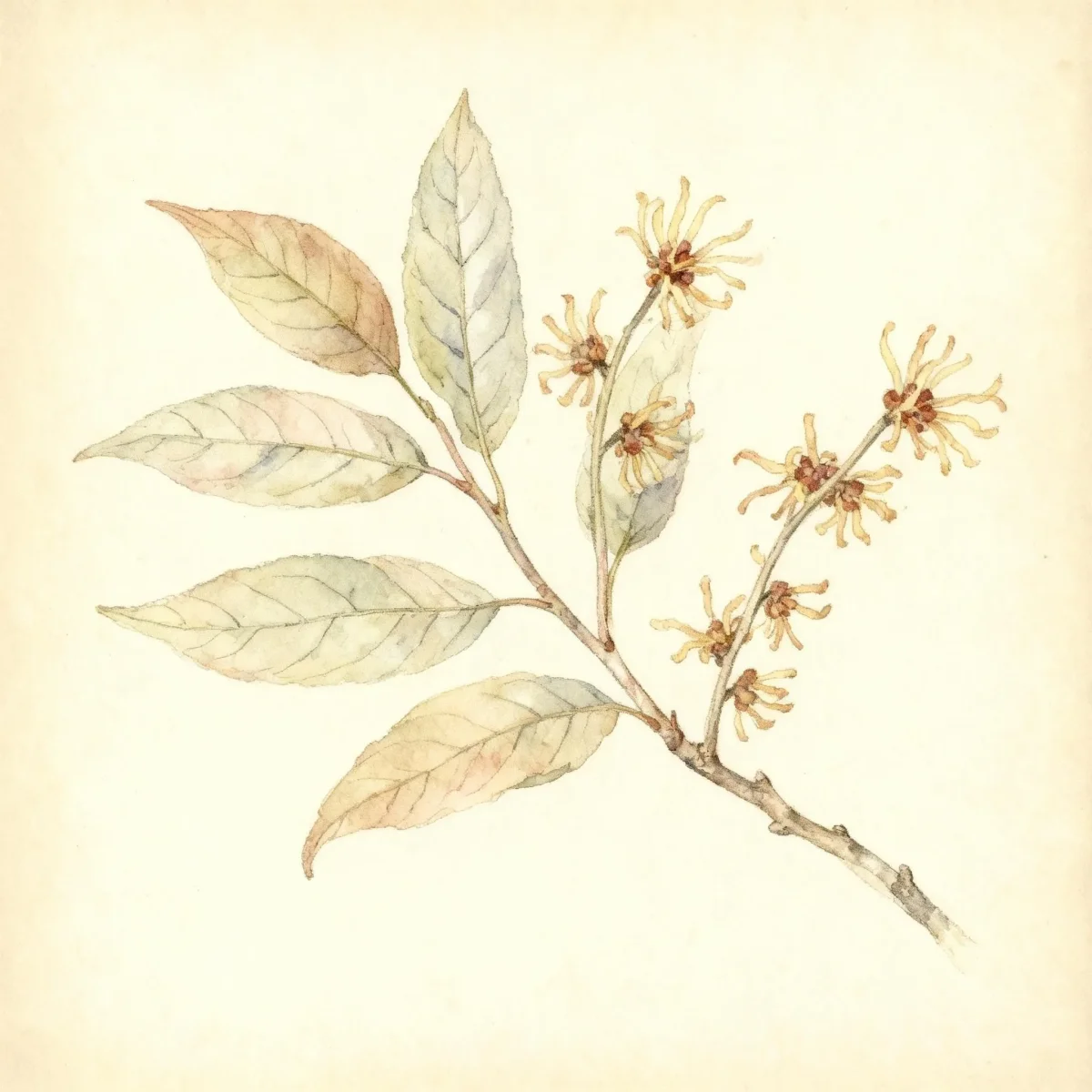
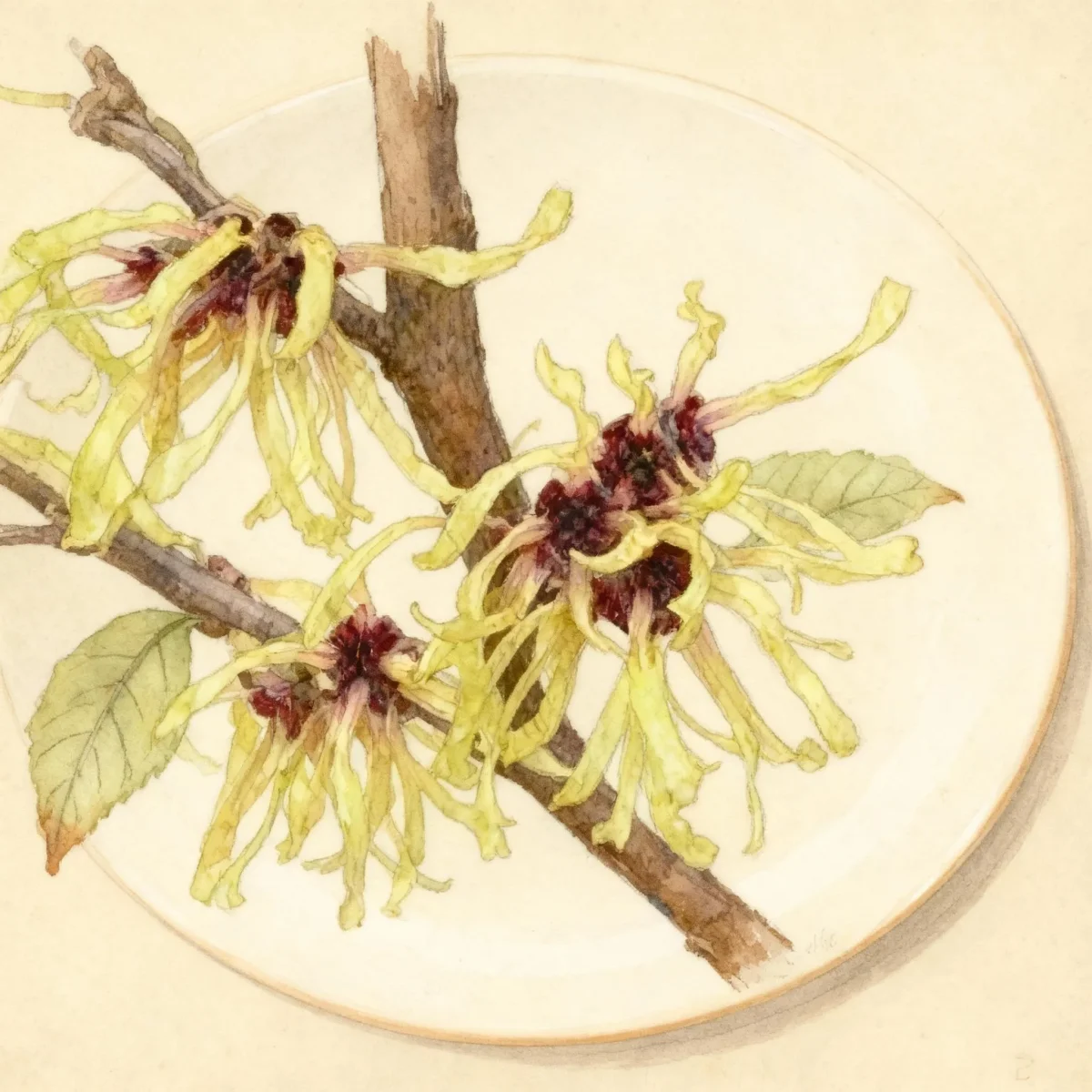
Witch hazel (Hamamelis japonica 'Canary Yellow')
Hamamelis japonica 'Canary Yellow' is a low-maintenance Witch hazel shrub noted for its striking deep yellow winter blooms and excellent fall color.
Scroll down to discover growing tips, care requirements, companion plants, and more
Complete Plant Information
Overview
The Hamamelis japonica ‘Canary Yellow’ provides essential late-winter color when most of the garden is dormant. This cultivar of Japanese witch hazel is prized for its clusters of bright, canary yellow flowers blooming directly on bare wood, offering a welcome splash of warmth against the cold landscape. Its aesthetic appeal continues into the fall with rich yellow, red, and purple foliage transitions.
As an upright, spreading deciduous shrub, Witch hazel maintains an attractive structure year-round, typically reaching 10 to 15 feet tall and wide. Its low maintenance needs make it a fantastic choice for gardeners seeking high impact with minimal fuss, thriving in conditions ranging from full sun to partial shade.
The Hamamelis japonica ‘Canary Yellow’ is a durable specimen that establishes well in various settings, offering screening, backdrop interest, or a superb focal point. If you are looking to extend the season of interest in your landscape, this reliable, flowering shrub is an excellent addition.
Fast Facts
- Plant Family: Hamamelidaceae
- Plant Type: Deciduous shrub
- Hardiness Zones: USDA Zones 5-8
- Size at Maturity:
- Height: 10-15 ft
- Spread: 10-15 ft
- Bloom Time: February to March
- Bloom Description: Yellow
- Sun Exposure: Full sun to part shade
- Water Needs: Medium
- Maintenance Level: Low
How to Grow
Planting the Hamamelis japonica ‘Canary Yellow’ is best done in the fall or early spring when the plant is dormant, ensuring timely establishment before summer heat. Choose a location that provides full sun for the absolute best flowering performance, though part shade is tolerated. This witch hazel prefers average, medium moisture, well-drained soils that are organically rich and slightly acidic. Some tolerance exists for clay soils, but drainage remains critical for long-term health.
Ongoing care for your Hamamelis japonica ‘Canary Yellow’ involves maintaining consistent, medium moisture, especially during dry spells, to support its growth structure. Minimal fertilization is usually required if the soil is rich. The most important cultural practice is pruning: prune immediately after flowering finishes in the spring to control size or shape. Be vigilant about removing any suckers that emerge from the base to prevent undesirable colonial spread and maintain the desired single-specimen form.
As a tough shrub, it generally requires little winter preparation, barring initial protection for very young specimens planted in harsh zones. In early spring, after the last hard frost but before new growth significantly resumes, assess the plant for any crossing or damaged branches and prune as necessary. Achieving the best display of yellow flowers depends on proper siting and respecting its moderate water needs.
Landscape Uses
The structure and timing of the Hamamelis japonica ‘Canary Yellow’ make it highly adaptable in landscape design. It performs excellently when used as a primary component in shrub borders, where its winter flowers grab attention before neighboring deciduous plants leaf out. This witch hazel also functions beautifully as a screen or a tall hedge due to its spreading habit, offering functional buffering capabilities throughout the year.
When planting in woodland gardens or as a background element, consider its mature size of 10 to 15 feet to ensure it has adequate room to spread without congestion. Because its winter bloom is so unique, companion planting involves utilizing evergreen structure nearby or placing it where its blooms can be viewed easily from windows or walkways. It serves well as a specimen plant when given space, allowing its rounded shape to develop naturally.
Standout Features
Flower Qualities
- Showy
- Fragrant
Noteworthy Characteristics
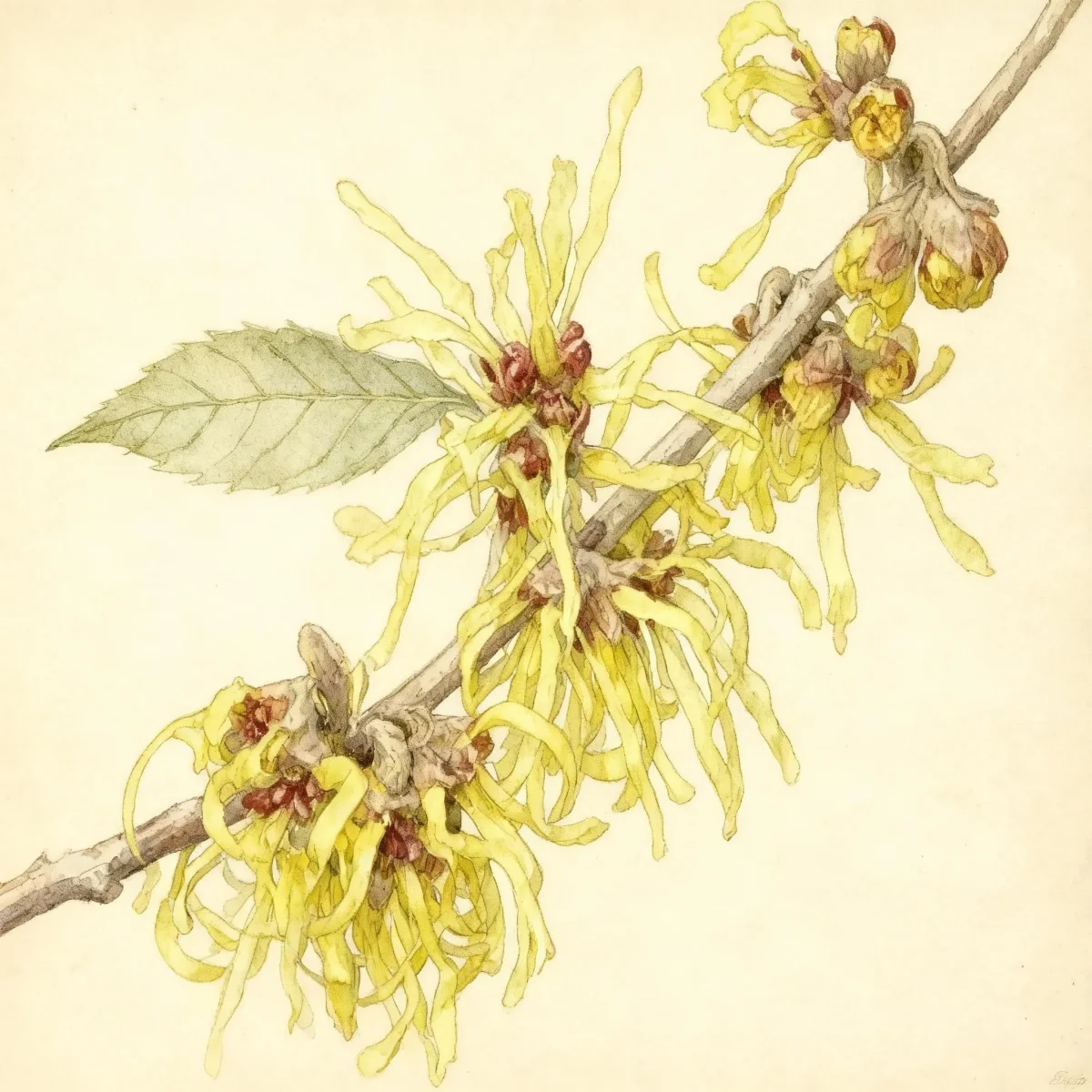
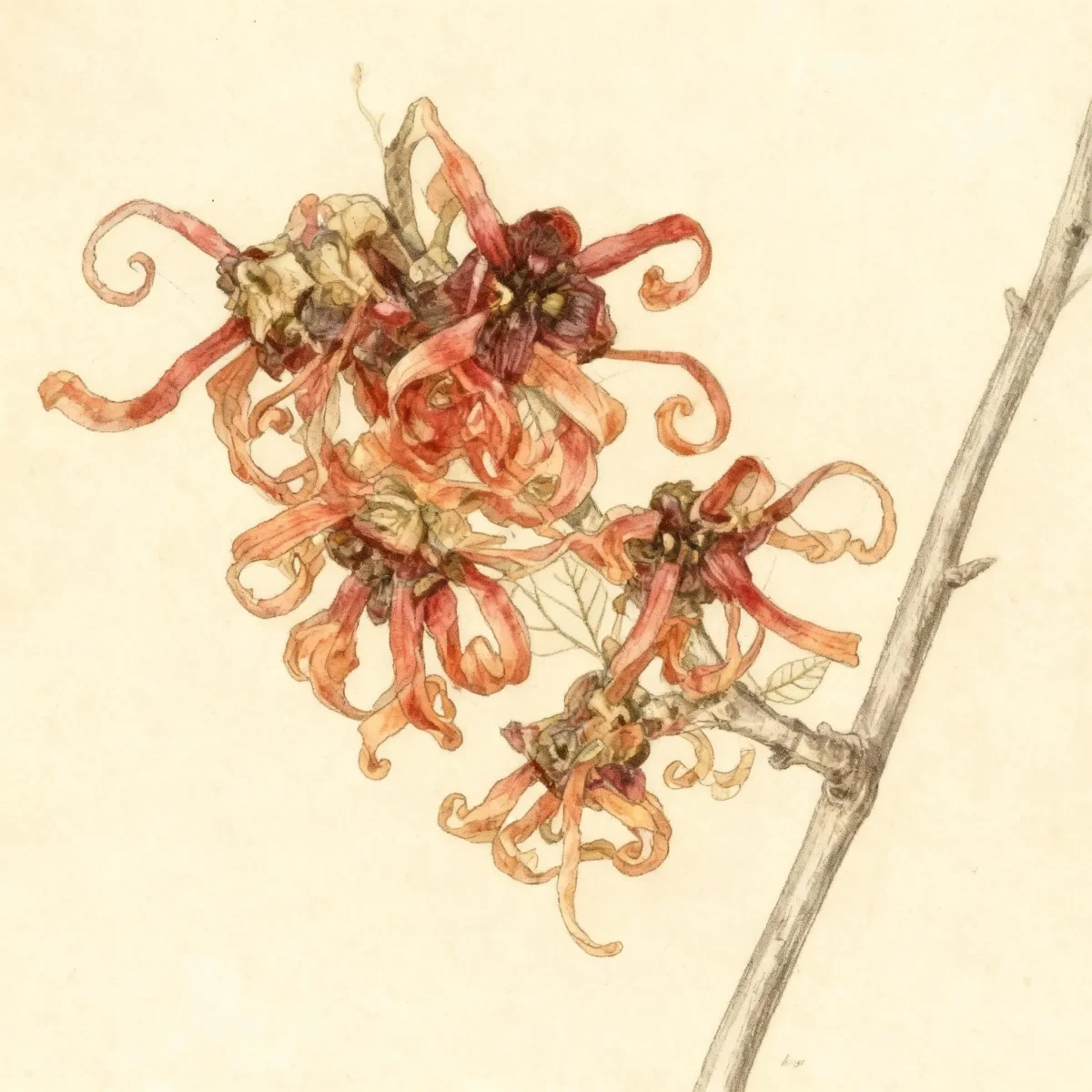
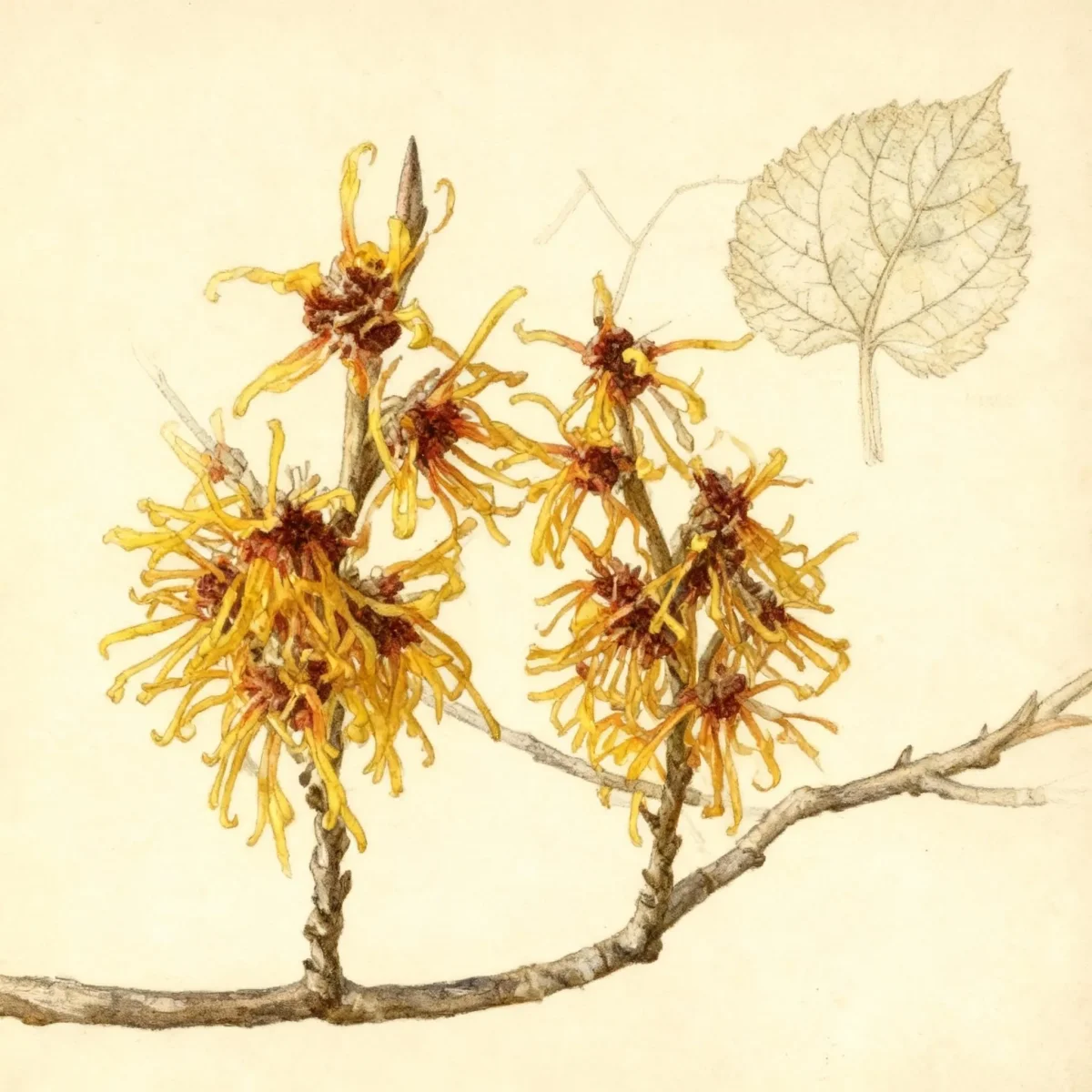
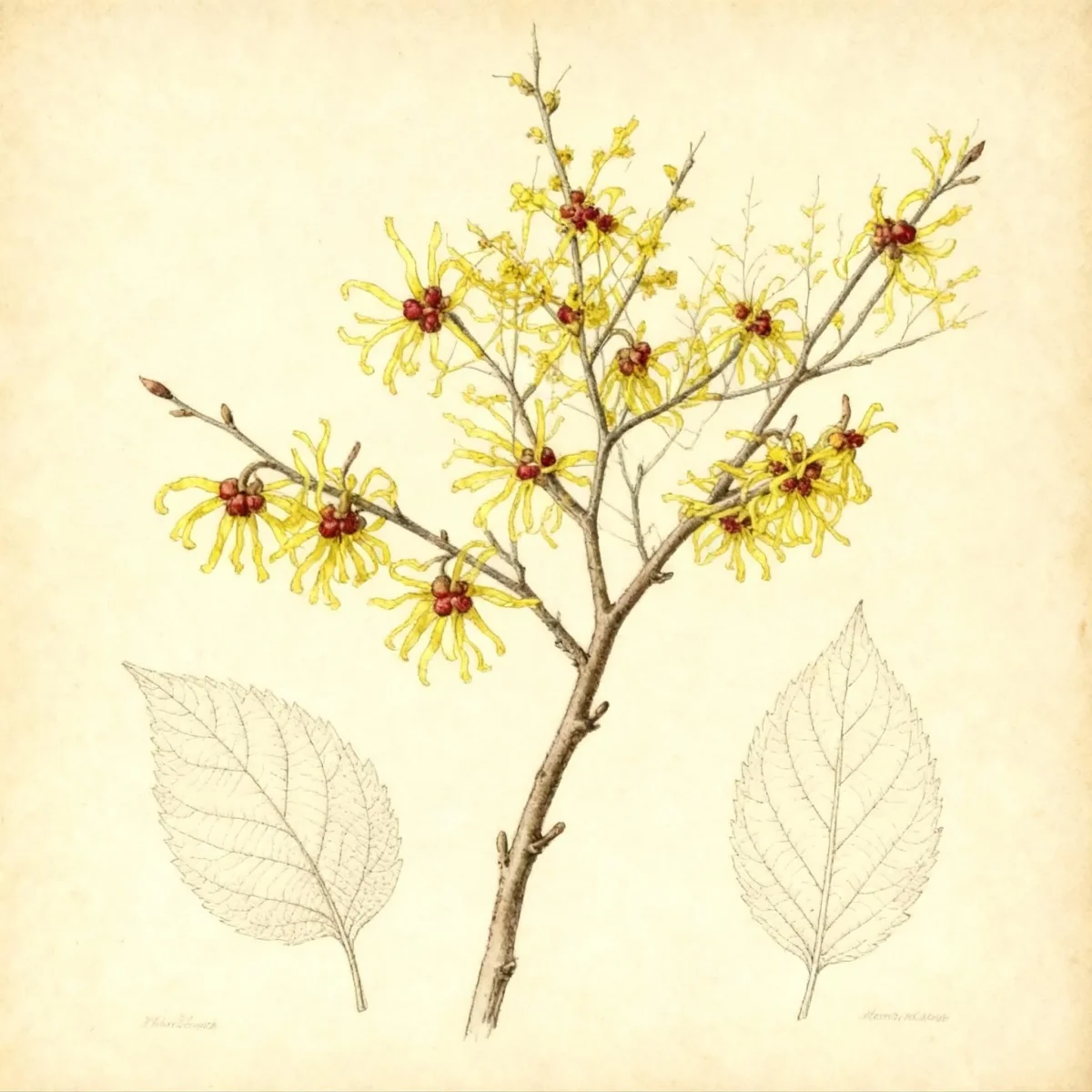
Hamamelis japonica, commonly called Japanese witch hazel, is an upright, open, medium to large, suckering, deciduous shrub that typically grows to 10-15’ tall with a rounded, spreading shape. It is native to mountainous areas of Japan. It is particularly noted for its mildly fragrant pale yellow winter flowers, attractive medium to dark green summer foliage (broad ovate to obovate leaves to 4” long) and yellow/red/purple fall color. Flowers typically bloom for up to 4 weeks during the period of February-March. Each flower has four narrow strap-shaped petals that are crinkled. H. Japonica is very similar in appearance to H. Virginica. H. Japonica and H. Mollis are the parents of the popular H. X intermedia cultivars.Genus name comes from the Greek words hama meaning at same time and melon meaning apple or fruit in reference to the occurrence of both fruit and flowers at the same time on this shrub (particularly in the case of fall flowering members of the genus).Specific epithet means of Japan.‘Canary Yellow’ features unscented canary yellow flowers that bloom in axillary clusters along bare stems in February and March (late bloomer). Each flower has four, narrow, ribbon-like petals (each to 5/8” long) that are yellow. Calyx is brownish-red. Obovate leaves (to 3” long) mature to dark green. Fall color is yellow.
Tolerances
- Deer
- Erosion
- Clay Soil
Potential Problems
Insect issues on Hamamelis japonica ‘Canary Yellow’ are typically minor, rarely requiring intensive chemical control. Gardeners should monitor for caterpillars and Japanese beetles, which may chew leaf tissue during the growing season. More discrete problems include gall aphids, scale insects, leafrollers, and leafminers, which primarily affect the aesthetic quality of the foliage.
Disease potential is also low, focusing mainly on powdery mildew and occasional leaf spots or rots, often exacerbated by poor air circulation or excessive wetness. Maintaining proper spacing on this witch hazel prevents fungal issues, and ensuring strong drainage minimizes the risk of root rots. Prompt intervention, usually involving pruning out affected areas, manages most pest and disease outbreaks effectively.
Frequently Asked Questions
What hardiness zones is Witch hazel suitable for?
Hamamelis japonica ‘Canary Yellow’ is suitable for USDA Hardiness Zones 5 through 8, offering reliable winter interest in these regions.
How large does Hamamelis japonica ‘Canary Yellow’ grow?
This deciduous shrub typically matures to a height and spread between 10 and 15 feet, developing a rounded, spreading shape.
What sun exposure does Witch hazel need?
For optimal performance and the heaviest bloom set of yellow flowers, plant Hamamelis japonica ‘Canary Yellow’ in full sun, though it tolerates part shade conditions.
When does Hamamelis japonica ‘Canary Yellow’ bloom?
This specific cultivar blooms during the late season, typically from February through March, presenting its showy yellow flowers.
Conclusion
The Hamamelis japonica ‘Canary Yellow’ is an invaluable offering for winter structure and mid-season color, highlighted by its signature yellow blooms. Providing low maintenance and considerable hardiness, this witch hazel proves its worth across multiple seasons. Plan your planting location carefully now to ensure this specimen thrives and delivers reliable color for years to come.
Companion Planting
When designing beds around your Hamamelis japonica ‘Canary Yellow’, select companions that either feature strong winter interest or bloom profusely in spring, contrasting nicely with the early yellow flowers. Evergreens such as Japanese plum yew (Cephalotaxus harringtonia) or various hollies provide an excellent deep green backdrop that makes the winter blooms pop. For spring color, consider early-flowering bulbs like snowdrops (Galanthus) or early daffodils, which bloom shortly after the witch hazel finishes its show.
Since this shrub appreciates moist, acidic, organically rich soil, pair it with other acid-loving plants like rhododendrons, azaleas, or Japanese maples. Providing these similar cultural requirements simplifies the watering and soil amendment schedule for the entire planting area. The medium spread of the witch hazel is perfect for tucking lower-growing, acid-loving groundcovers beneath its canopy once it leafs out for the summer.
Seasonal Care Calendar
Winter is the prime viewing window for the Hamamelis japonica ‘Canary Yellow’; ensure the area around the base is clear of heavy debris so you can appreciate the ribbon-like yellow petals against the bare branches. In early spring, right after bloom cessation, execute any major pruning required to refine the shape and remove crossing limbs. This timing ensures you do not inadvertently remove next year’s developing flower buds.
Summer care centers on consistent moisture management. While established shrubs tolerate some dryness, regular watering, especially during prolonged heat waves, helps maintain the medium moisture levels this witch hazel prefers. Supplying a thick layer of organic mulch, such as compost, around the root zone helps conserve soil moisture, moderate temperatures, and slowly add the organic matter this shrub prefers.
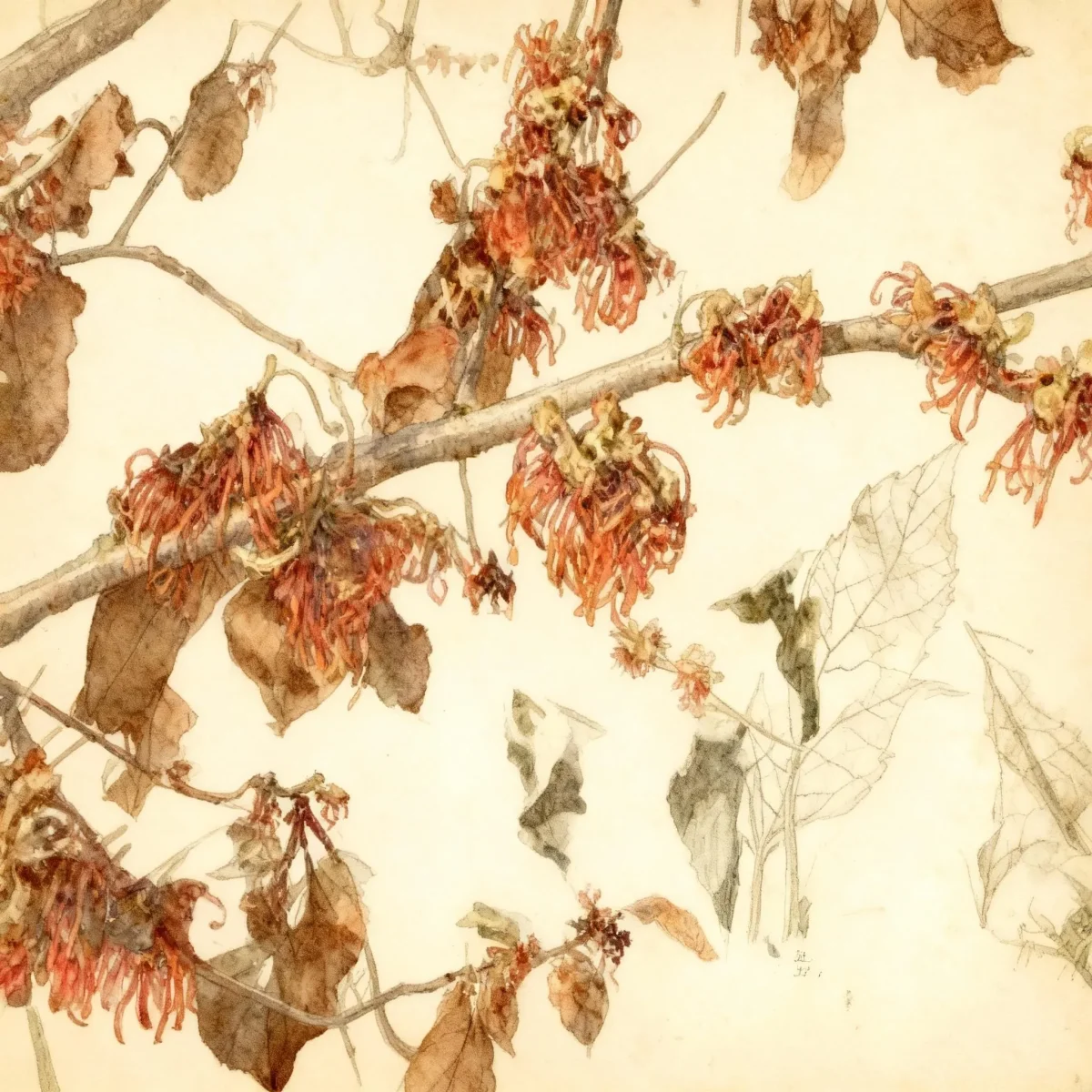
Fall is an excellent time to enjoy is spectacular autumn foliage display, often featuring tones of yellow, red, and purple before leaf drop. After the leaves fall, conduct a final inspection for suckers emerging from the root zone, removing them promptly to maintain the plant’s clean, desirable form as you prepare for the next season of winter flowering.