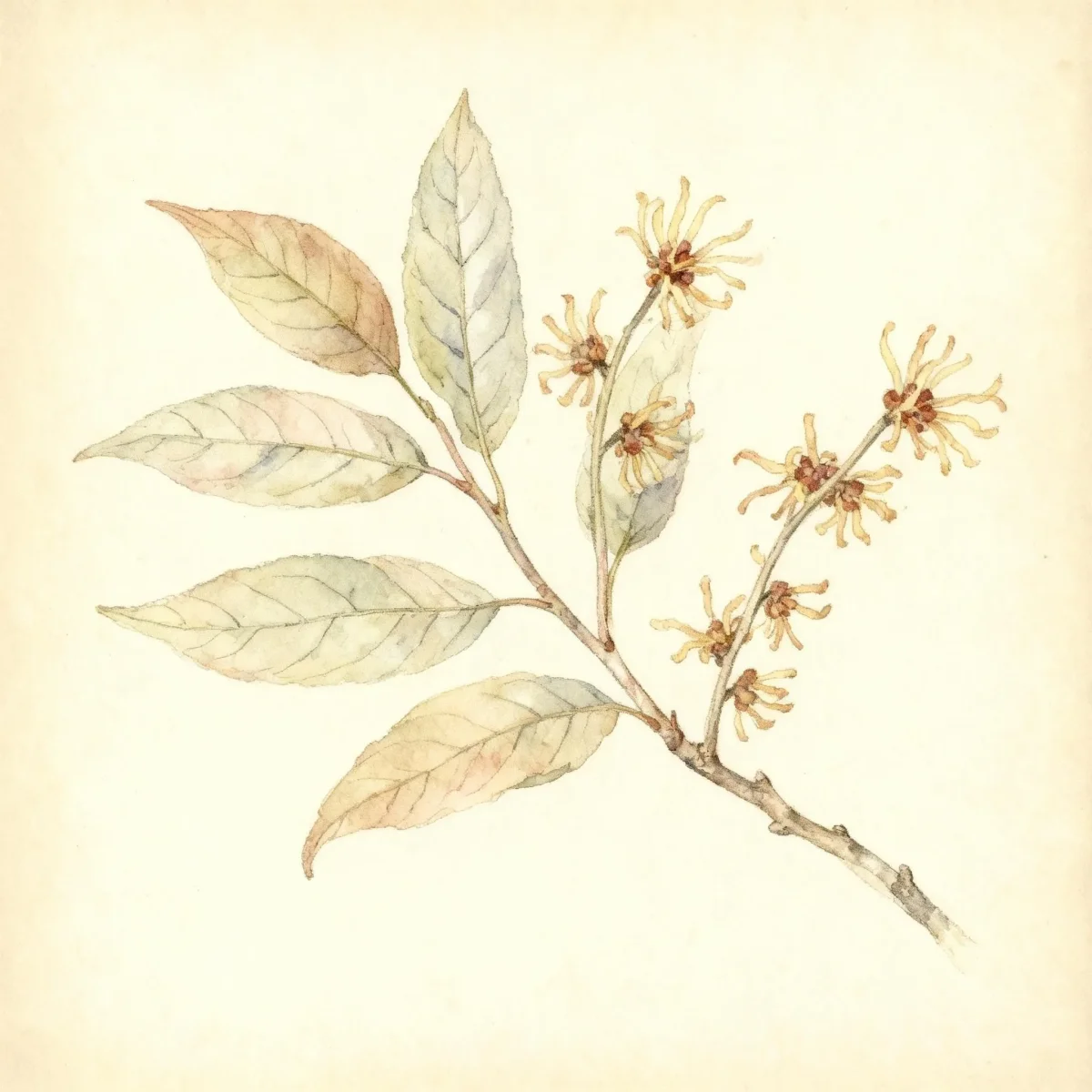
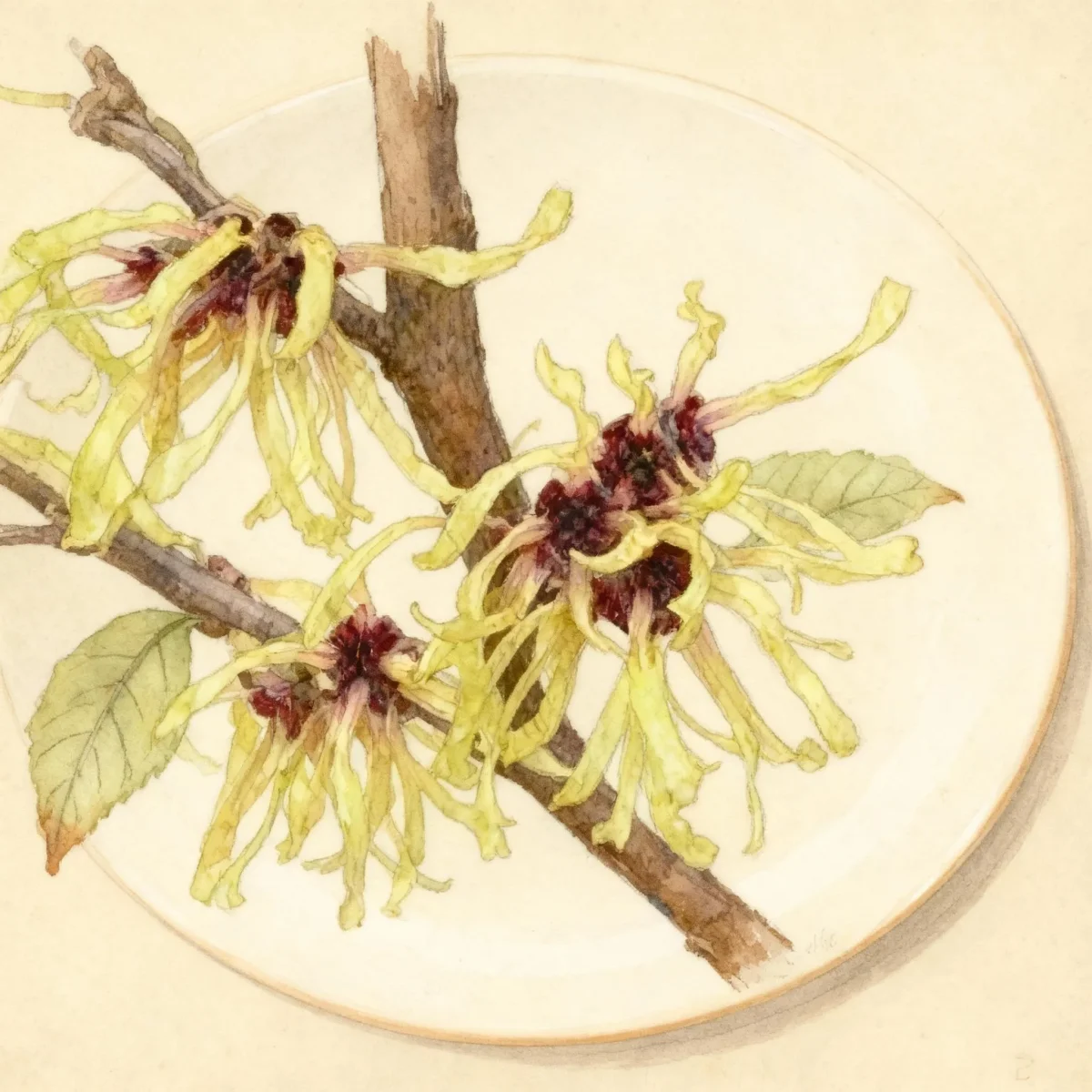
Witch hazel (Hamamelis × intermedia 'Cyrill')
Hamamelis × intermedia 'Cyrill' witch hazel offers striking yellow/red winter flowers and requires low maintenance in zones 5-8.
Scroll down to discover growing tips, care requirements, companion plants, and more
Complete Plant Information
Overview
Hamamelis × intermedia ‘Cyrill’, a superb variety of witch hazel, provides essential structure and brilliant color to the late winter landscape when few other plants are active. This deciduous hybrid is valued for its spidery, fragrant blooms that appear along bare stems, offering a critical point of interest just before spring awakenings. Growing into a medium to large shrub, this tough specimen readily adapts to various garden settings.
The reliable nature of witch hazel contributes significantly to garden structure throughout the year. While known primarily for its mid-winter flowering display, Hamamelis × intermedia ‘Cyrill’ also establishes well, tolerating clay soils provided drainage is adequate. Its low maintenance profile makes it an excellent choice for gardeners seeking high impact without demanding constant attention.
As a classic hybrid, Hamamelis × intermedia ‘Cyrill’ offers a wonderful blend of hardiness and aesthetic appeal, serving as a superb specimen, screen, or part of a larger shrub border. Incorporating this witch hazel ensures your garden has reliable interest even during the coldest months.
Fast Facts
- Plant Family: Hamamelidaceae
- Plant Type: Deciduous shrub
- Hardiness Zones: USDA Zones 5-8
- Size at Maturity:
- Height: 9-11 ft
- Spread: 10-12 ft
- Bloom Time: February to March
- Bloom Description: Yellow flushed with red
- Sun Exposure: Full sun to part shade
- Water Needs: Medium
- Maintenance Level: Low
How to Grow
Planting your Hamamelis × intermedia ‘Cyrill’ is best achieved in the dormant season—early spring or fall—to allow root establishment before summer stress. Locate it where it receives full sun for the most prolific flowering, though it tolerates part shade. This witch hazel thrives in average, medium moisture, well-drained soils, preferring them to be moist, acidic, and organically rich.
Consistent moisture is crucial, especially during the summer; periods of drought may result in leaf scorch. While adaptable, ensure that even in clay soils, drainage remains good to prevent root issues. Maintenance is generally low for this tough shrub.
Pruning should only be necessary to control shape or size, and should be performed promptly in the spring immediately following the bloom period. Removing root suckers is important to maintain the desired shape, especially if the shrub is grafted; always remove suckers rising from below the graft union to preserve the characteristics of the named cultivar.
Landscape Uses
The structure and late-season bloom of Witch hazel make it an exceptional four-season plant. Its mature size, reaching up to 12 feet wide, makes Hamamelis × intermedia ‘Cyrill’ an excellent candidate for tall shrub borders where its winter flowers can be easily observed. It functions wonderfully as a natural screen or an informal, tall hedge due to its spreading habit.
This specimen shrub is also highly recommended for softening woodland garden edges or serving as a strong vertical accent near architecture. Pair it with early spring bulbs planted beneath it, as the bulbs emerge just as the witch hazel bloom fades, ensuring continuous color interest. Its tolerance for air pollution also makes it surprisingly suitable for urban settings.
Standout Features
Flower Qualities
- Showy
- Fragrant
Noteworthy Characteristics
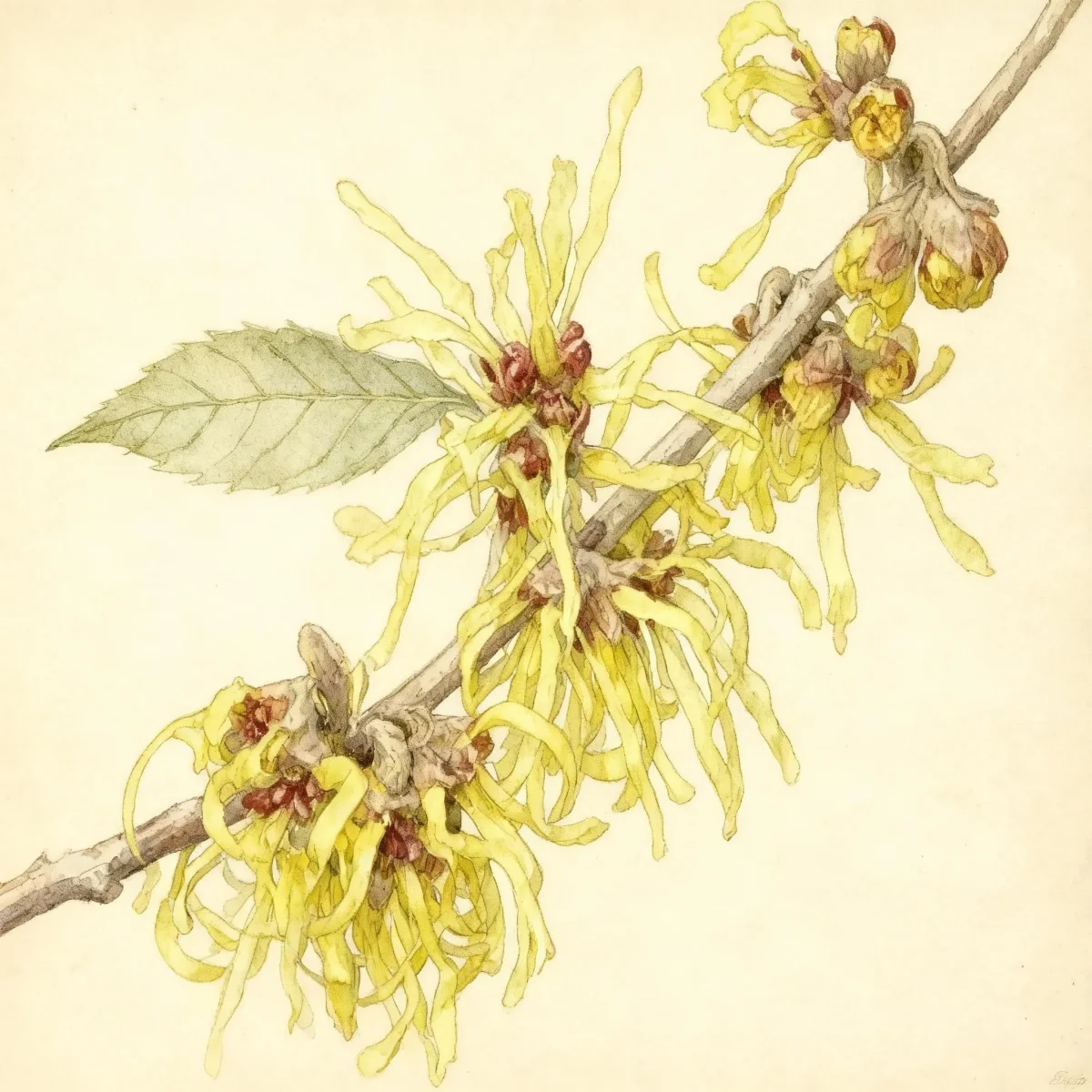
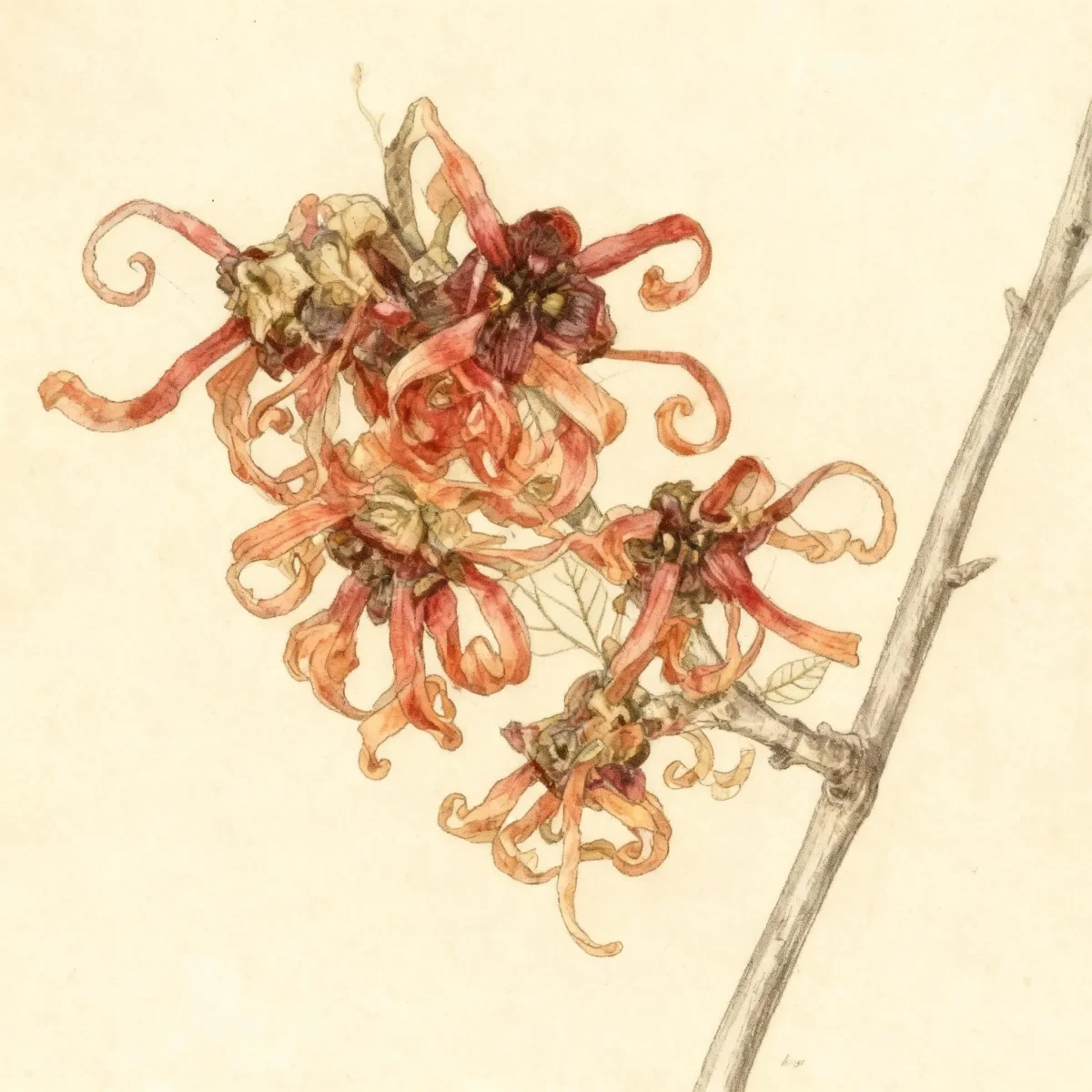
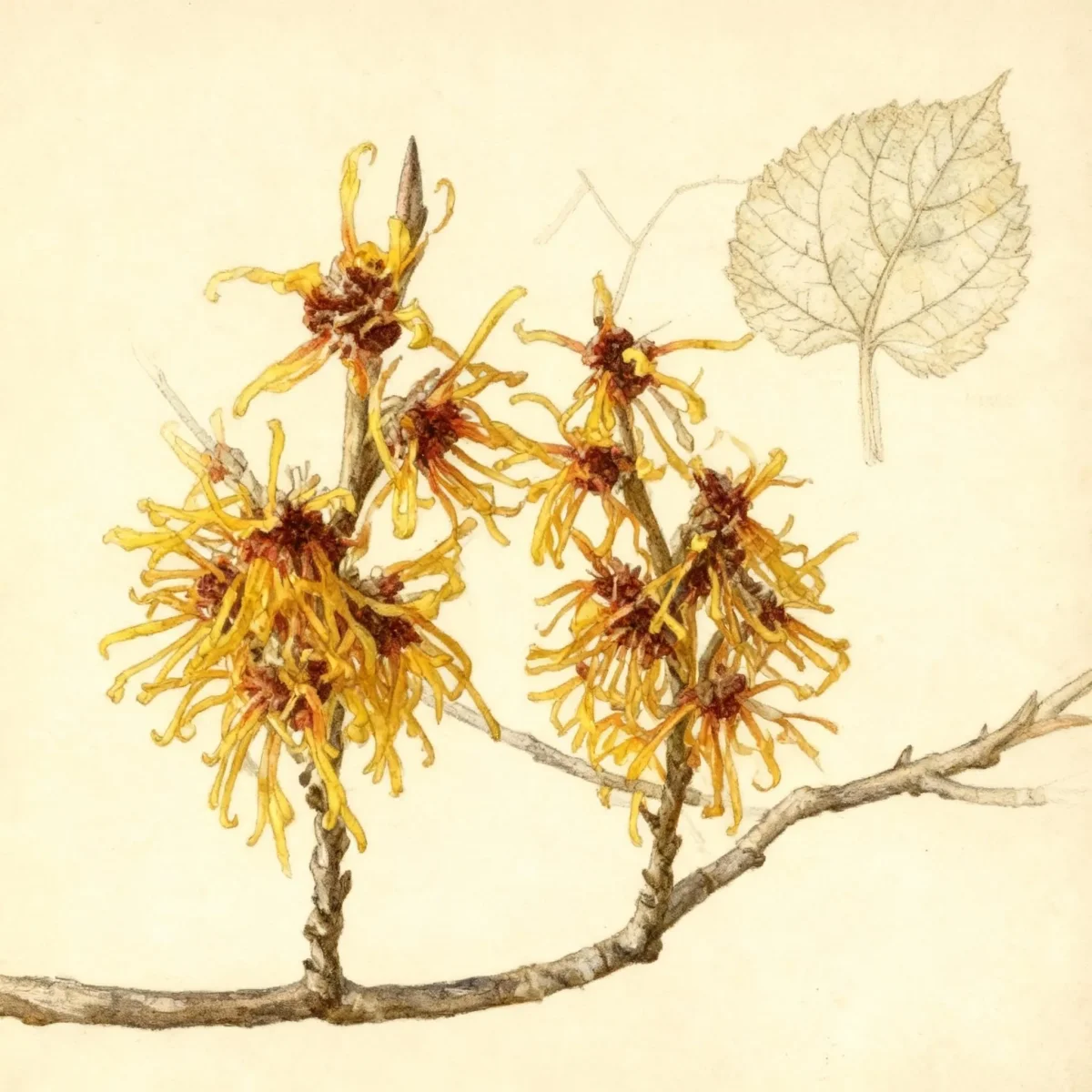
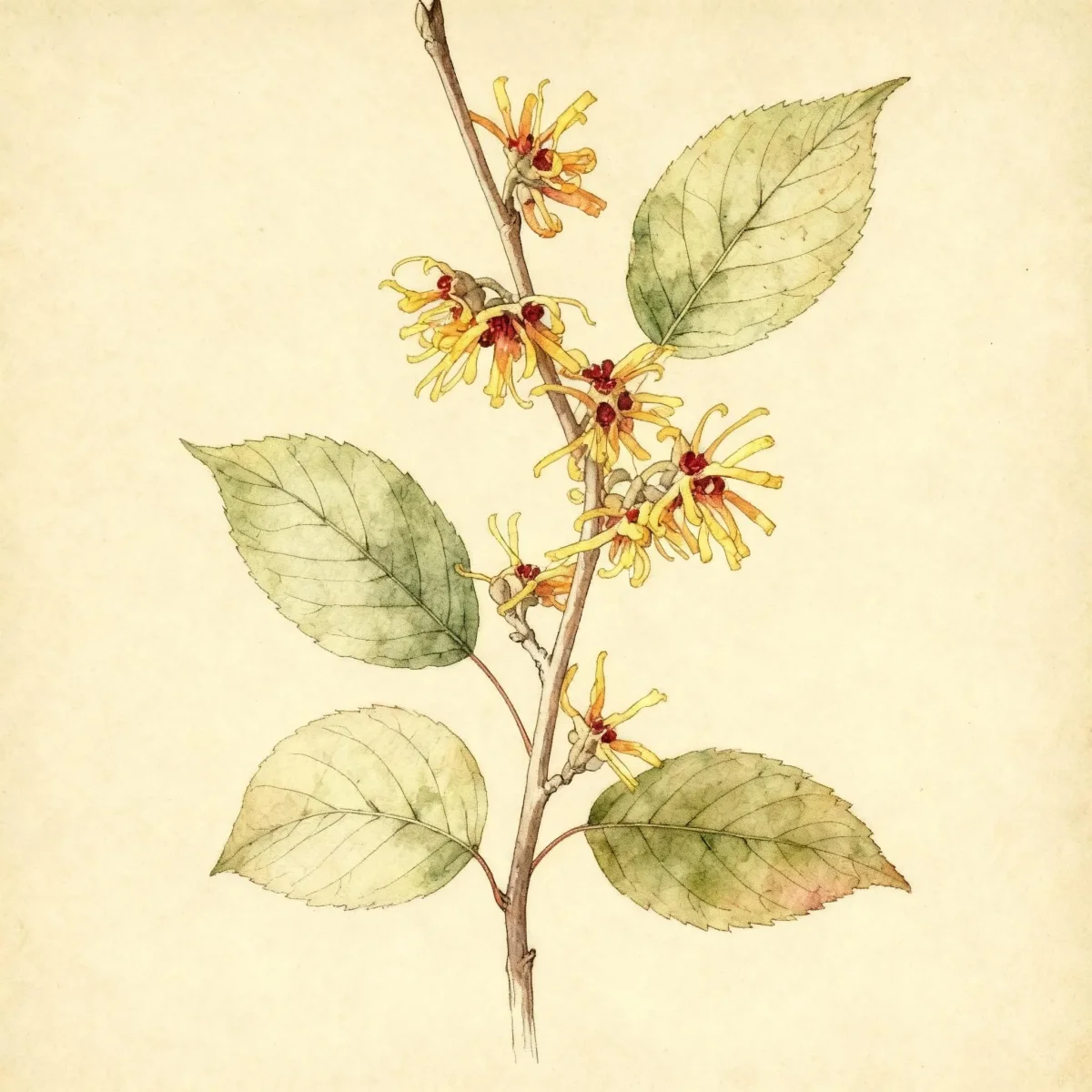
Hamamelis × intermedia hybrids are crosses between Japanese witch hazel (H. Japonica) and Chinese witch hazel (H. Mollis). They are particularly noted for their spidery, often fragrant, mid- to late winter flowers which appear before the spring foliage emerges. ‘Cyrill’ typically matures as a vase-shaped to spreading shrub to 9-11’ tall and as wide, featuring showy, mildly fragrant, bicolor flowers (pale yellow/soft red) blooming along the bare stems. Each flower displays four narrow, ribbon-like petals that are flushed with red toward the base, contrasting beautifully with its maroon-red calyx cup.
Tolerances
- Deer
- Erosion
- Clay Soil
- Air Pollution
Potential Problems
Insect issues on Witch hazel are usually minor and rarely require intervention. Keep an eye out for caterpillars or Japanese beetles which may chew on the leaves once foliage develops in the warmer months. Scale, gall aphids, leafrollers, and leafminers are occasional pests to monitor.
Disease pressure is typically light, though powdery mildew, occasional leaf spots, or various rots can occur, often related to poor air circulation or excessive humidity. Good cultural practices, such as ensuring adequate spacing and avoiding overhead watering late in the day, will minimize these fungal risks.
Frequently Asked Questions
What hardiness zones is Witch hazel suitable for?
Hamamelis × intermedia ‘Cyrill’ is reliably hardy across USDA Zones 5 through 8.
How large does Hamamelis × intermedia ‘Cyrill’ grow?
This deciduous shrub typically matures to a size between 9 to 11 feet tall and spreads approximately 10 to 12 feet wide.
When does Witch hazel bloom?
The signature bloom time for this variety is from February through March, featuring distinctive yellow flowers flushed with red along the bare branches.
What sun exposure does Hamamelis × intermedia ‘Cyrill’ need?
For best flowering performance, the shrub requires full sun, although it successfully tolerates partial shade conditions.
Conclusion
The Witch hazel (Hamamelis × intermedia ‘Cyrill’) is an indispensable landscape plant, offering essential, fragrant color during the bleakest part of the year. Its tolerance to urban stress and relatively low-maintenance nature cement its value in diverse garden settings. Before planting, ensure your location offers medium moisture and sufficient space for this spreading shrub to reach its mature dimensions.
Companion Planting
When selecting companions for Hamamelis × intermedia ‘Cyrill’, focus on plants that share a preference for moist, acidic soil or those that complement its distinctive winter bloom. Evergreen shrubs are excellent partners, providing a dark backdrop that makes the pale yellow and red flowers of the witch hazel pop dramatically during February and March. Consider using broadleaf evergreens like Rhododendrons or Azaleas, as they share similar acidic soil requirements.
Groundcovers that provide early spring color are also ideal companions. Planting low-growing Helleborus (Lenten Rose) beneath the canopy ensures that you have successive waves of color following the witch hazel bloom. Because Hamamelis has an open, vase-like structure when leafless, lighter textured perennials or small, late-blooming shrubs can be layered underneath without obscuring the main feature.
Seasonal Care Calendar
For gardeners establishing Witch hazel, early spring care focuses on monitoring soil moisture and preparing for the pruning window. Immediately after the flowers have faded in early spring (March/April), perform any necessary shaping or size reduction to maintain the desired form of Hamamelis × intermedia ‘Cyrill’. Avoid heavy pruning done later in the season, as you risk removing next year’s flower buds.
Summer care is primarily about hydration; monitor soil moisture closely, especially during dry spells, to prevent leaf scorch, which is common if the plant becomes thoroughly dried out. Apply a layer of organic mulch to help conserve soil moisture around the root zone, which will also enrich the soil over time.
Fall and winter require minimal input other than enjoying the structural beauty of the bare branches. No significant feeding is usually required for established shrubs; if fertilization is deemed necessary, apply a balanced fertilizer in early spring before the new growth flushes out to support the energy demands of flowering.