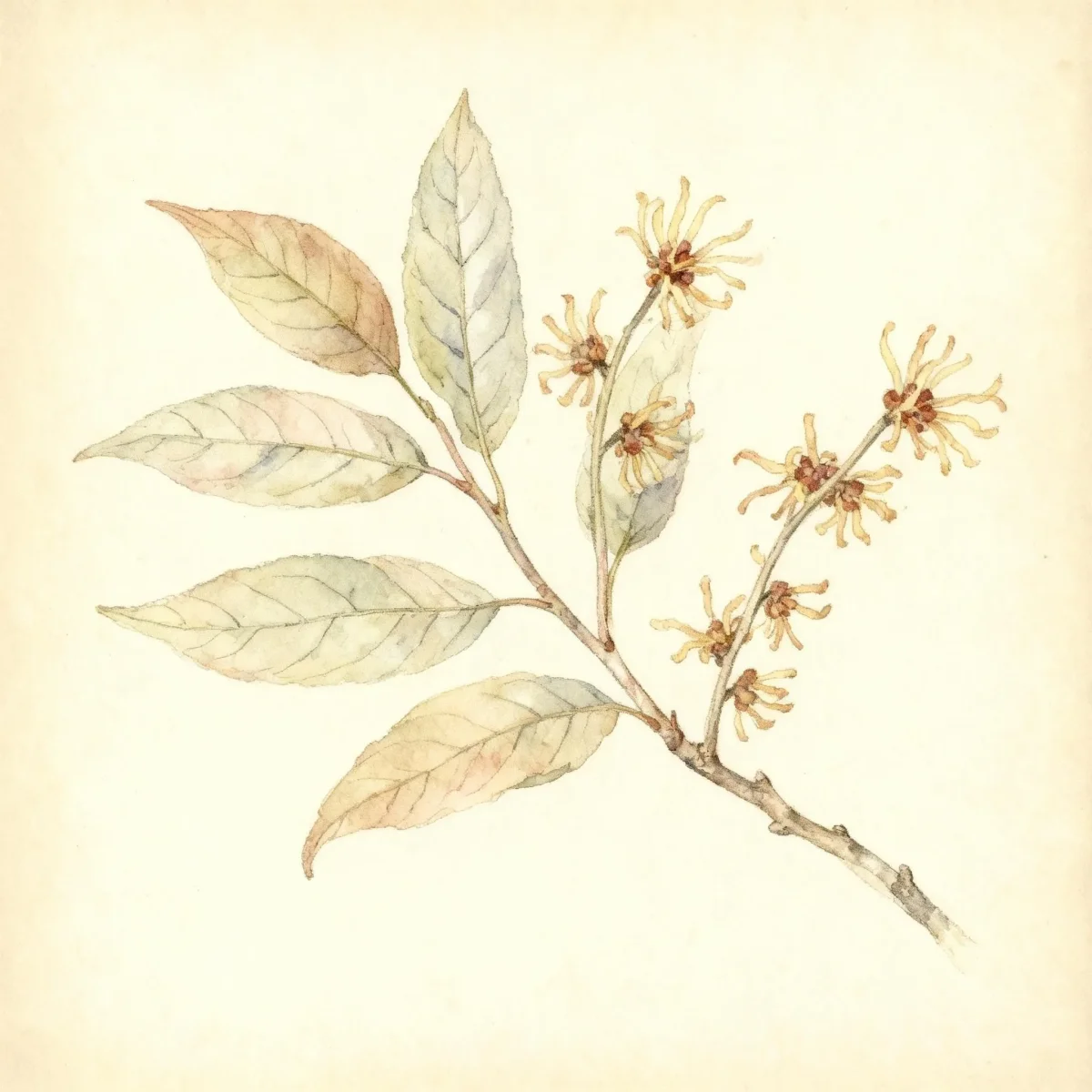
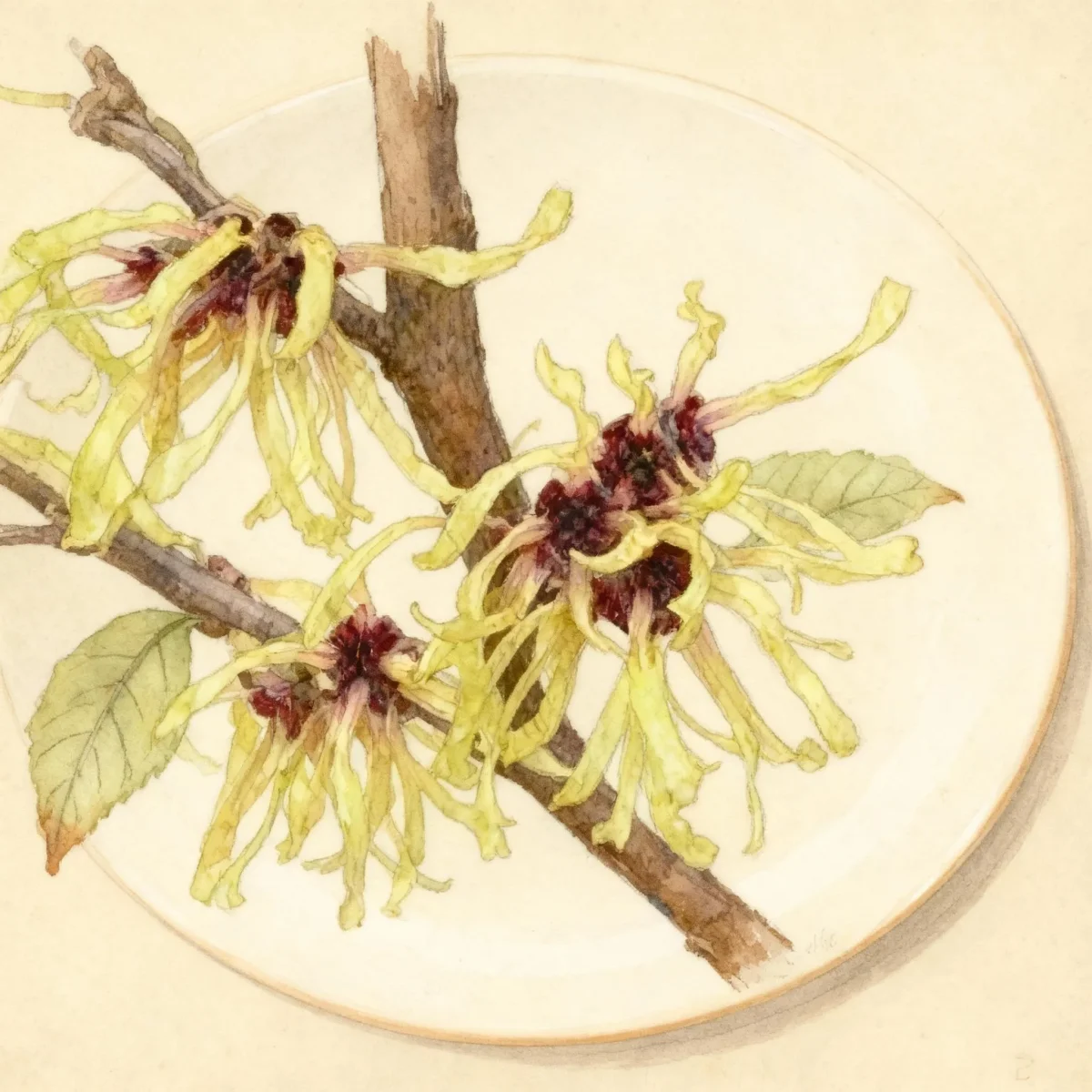
Witch hazel (Hamamelis × intermedia 'Sarah')
Hamamelis × intermedia 'Sarah' offers spectacular yellow, fragrant winter blooms, perfect for late-season color against bare branches. A low-maintenance Witch hazel.
Scroll down to discover growing tips, care requirements, companion plants, and more
Complete Plant Information
Overview
Hamamelis × intermedia ‘Sarah’, a highly valued hybrid Witch hazel, stands out by delivering vibrant color during the bleakest part of the year. Its signature feature is the explosion of spidery, fragrant yellow flowers, often kissed with attractive red tints, which appear on bare stems long before spring greenery emerges. This cold-hardy deciduous shrub provides essential visual interest when most landscapes are dormant, making it a key structural element in winter gardens.
Valued for its low maintenance needs and adaptability, Hamamelis × intermedia ‘Sarah’ typically develops into a rounded specimen, reaching heights and spreads between 10 and 12 feet. Planting this Witch hazel ensures late winter aesthetics coupled with robust performance that requires minimal intervention once established in suitable conditions. It offers dependable performance, making it a superior choice for gardeners seeking both beauty and resilience.
Fast Facts
- Plant Family: Hamamelidaceae
- Plant Type: Deciduous shrub
- Hardiness Zones: USDA Zones 5-8
- Size at Maturity:
- Height: 10-12 ft
- Spread: 10-12 ft
- Bloom Time: January to March
- Bloom Description: Yellow petals with red tints
- Sun Exposure: Full sun to part shade
- Water Needs: Medium
- Maintenance Level: Low
How to Grow
The ideal time to plant your Hamamelis × intermedia ‘Sarah’ is during the dormant season, typically fall or early spring, ensuring the roots can establish before summer heat arrives. Best flowering performance is achieved in full sun, though the shrub tolerates partial shade; however, reduced light may decrease bloom density. This Witch hazel thrives in average, medium moisture, well-drained soils, ideally preferring those that are acidic and organically rich.
Consistent moisture is crucial for healthy Hamamelis × intermedia ‘Sarah’ growth; drought stress, particularly during summer, can lead to leaf scorch. While adaptable, ensure drainage remains good, as this shrub has some tolerance for clay soils but cannot tolerate soggy roots. Maintenance is generally low, but promptly remove any root suckers rising up, especially those originating below the graft union, to maintain the desired cultivar form. Pruning should be conducted lightly in spring immediately after flowering concludes, primarily to manage overall shape and size.
Landscape Uses
As a superior winter-flowering shrub, Hamamelis × intermedia ‘Sarah’ serves as an excellent focal point when planted as a specimen against darker evergreens. It functions beautifully in shrub borders, providing necessary mid-winter structure and a surprising burst of color during the cold months. Due to its manageable size (10-12 feet), this Witch hazel also makes an effective screen or can be utilized as a tall hedge where year-round structure is less critical than winter interest. Consider layering it in woodland gardens where the filtered winter light catches its unique, spidery blooms.
Standout Features
Flower Qualities
- Showy
- Fragrant
Noteworthy Characteristics
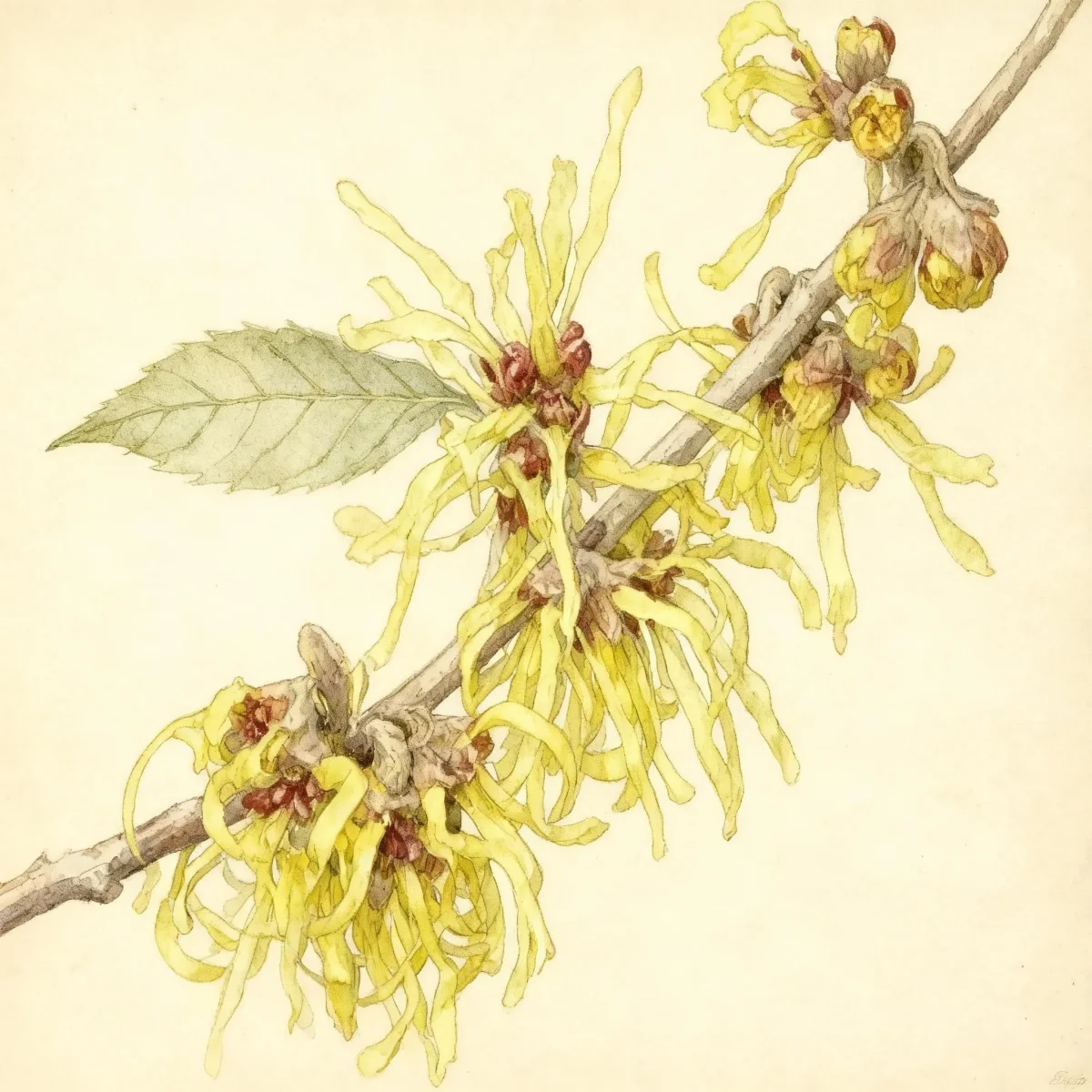
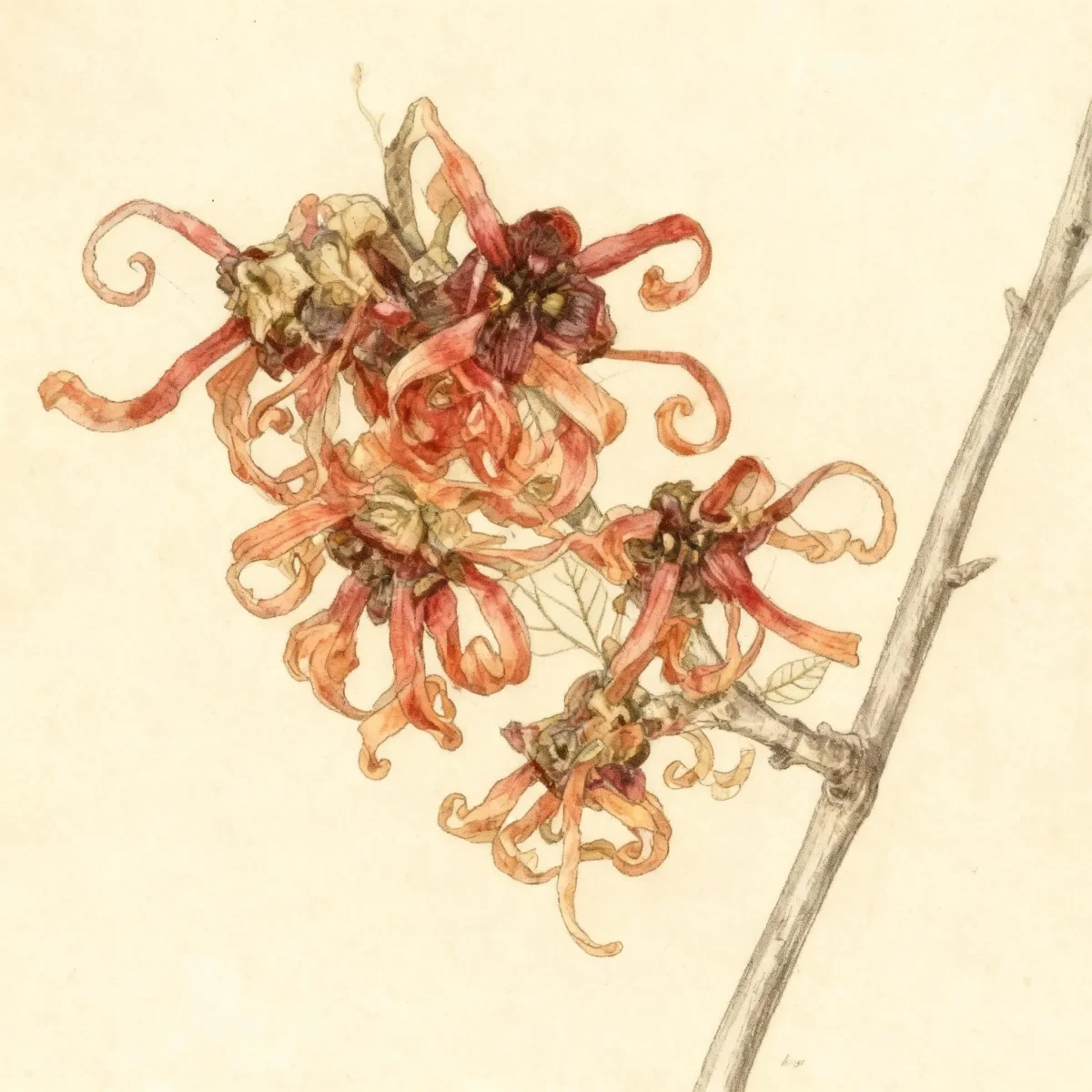
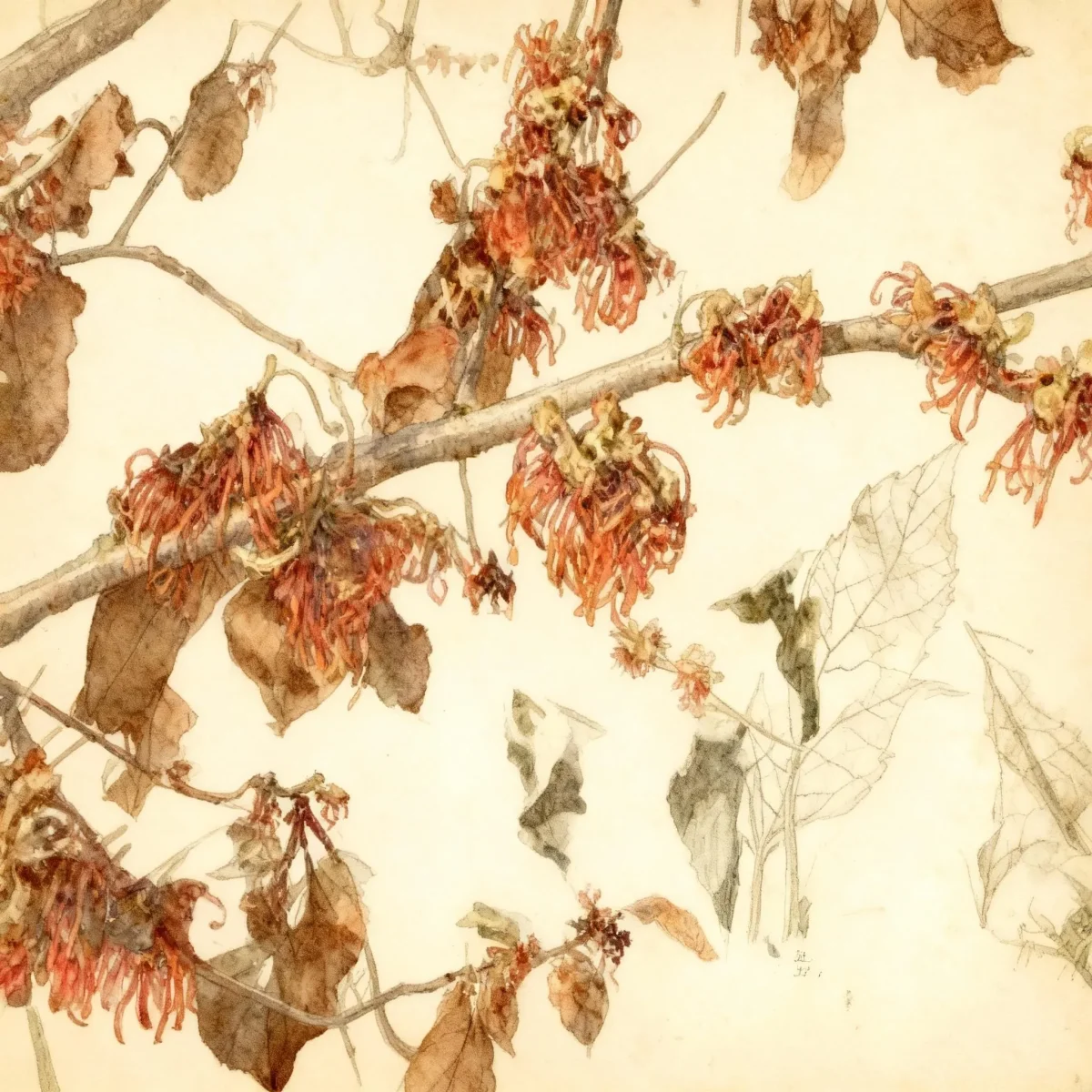
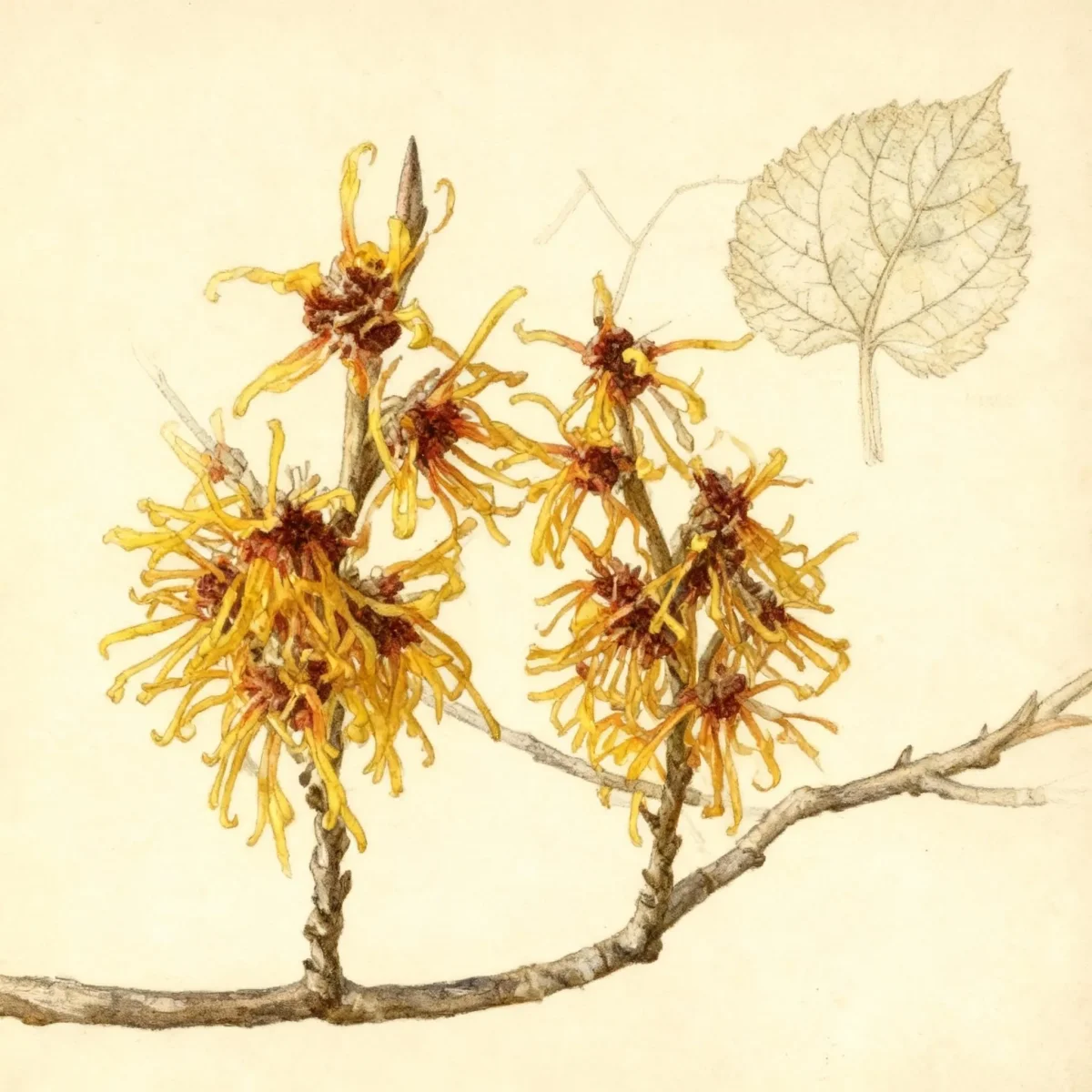
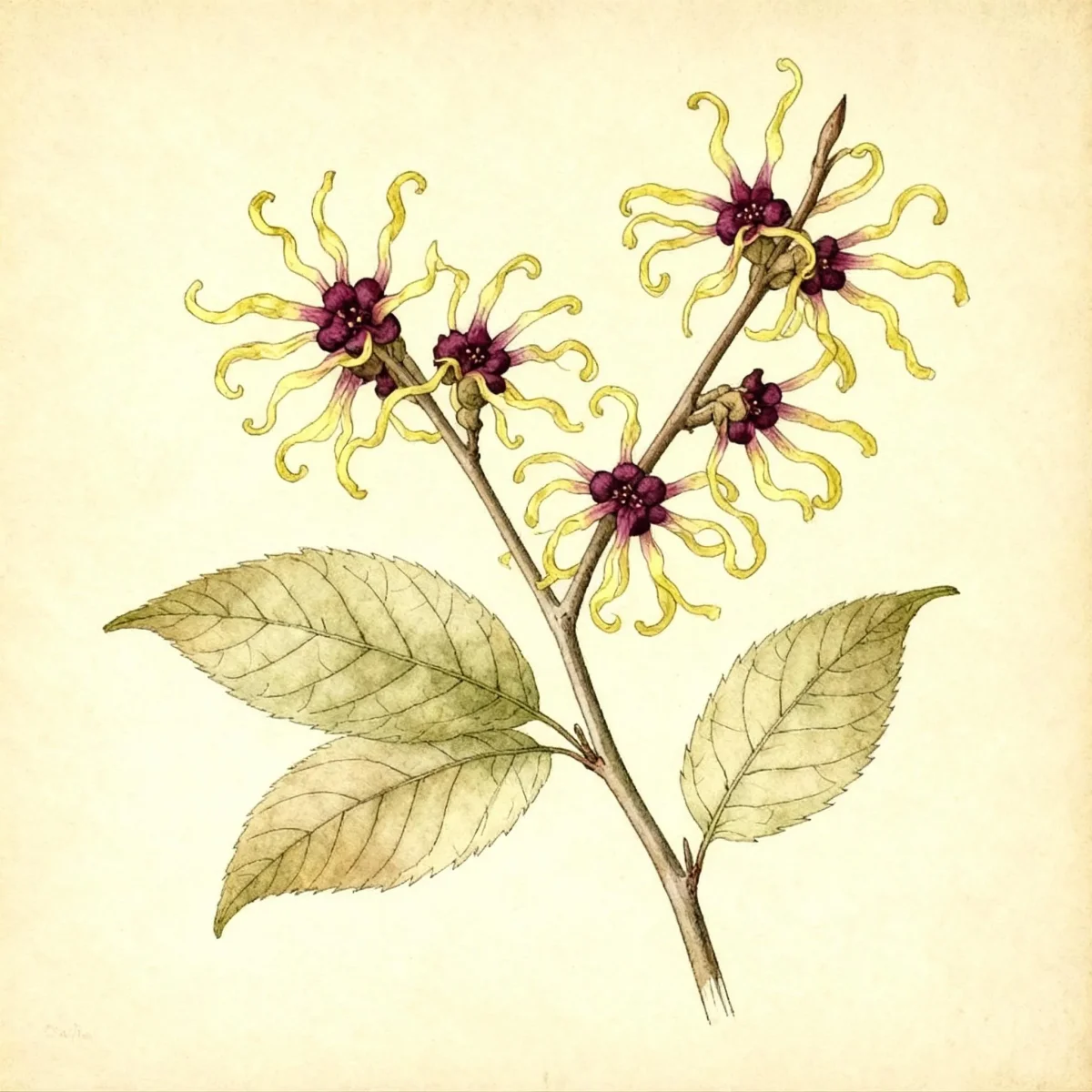
Hamamelis × intermedia hybrids are crosses between Japanese witch hazel (H. Japonica) and Chinese witch hazel (H. Mollis). They are particularly noted for their spidery, often fragrant, mid- to late winter flowers which appear before the spring foliage emerges. ‘Sarah’ has yellow flowers with red tints, typically maturing as a rounded shrub to 10-12’ tall and as wide, with showy flowers blooming along the bare stems in late winter. Each flower possesses four narrow, ribbon-like, twisted and crinkled, yellow petals tinged with red at the base.
Tolerances
- Deer
- Erosion
- Clay Soil
Potential Problems
Insect and disease issues for this Witch hazel are generally not serious and rarely require chemical intervention. Watch for occasional chew marks on the foliage from caterpillars or Japanese beetles during the growing season. Pests like gall aphids, scale, leafrollers, and leafminers may occasionally be present. Potential cultural problems include powdery mildew or minor leaf spot diseases; ensuring good air circulation helps mitigate fungal issues.
Frequently Asked Questions
What hardiness zones is Witch hazel suitable for?
Hamamelis × intermedia ‘Sarah’ is suitable for USDA Zones 5 through 8.
How large does Hamamelis × intermedia ‘Sarah’ grow?
This deciduous shrub typically matures to a height and spread of 10 to 12 feet.
When does Witch hazel bloom?
The bloom time for this cultivar is generally from January to March, featuring showy yellow petals with red tints.
What sun exposure does Hamamelis × intermedia ‘Sarah’ need?
It performs best with full sun exposure, though it will tolerate part shade conditions.
Conclusion
The Hamamelis × intermedia ‘Sarah’ offers irreplaceable late winter color and fragrance, making it a robust, low-maintenance specimen for any cold-climate garden plan. Its ability to tolerate clay soil and deer browsing adds significant practical value to this stunning Witch hazel. Before planting, confirm your location falls within USDA Zones 5-8 and ensure it receives adequate moisture for the best seasonal performance.
Companion Planting
Selecting appropriate companions enhances the winter profile of Hamamelis × intermedia ‘Sarah’. Plant it near evergreens, such as upright yews (Taxus) or pines, to provide a dark backdrop that dramatically highlights the bright, spidery winter flowers. Consider grouping it with early woodland bloomers like snowdrops (Galanthus) or hellebores, which emerge around the same time, creating a layered tapestry of early-season interest. Since Witch hazel prefers moist, acidic soil, ensure companions share similar cultural needs to maintain a cohesive planting environment.
Seasonal Care Calendar
Winter is when this Witch hazel shines, but care extends through the year. In late winter (January–March), enjoy the blooms, but avoid heavy pruning during frost spells. Spring cleanup involves proactively removing any root suckers noted below the graft line immediately after flowering finishes. During summer, monitor water uptake closely; apply mulch if necessary to conserve soil moisture and prevent drought stress that causes leaf scorch. Fall is generally a maintenance-free period, allowing you to appreciate the attractive yellow-orange fall color the leaves provide before they drop prior to winter bloom preparation.