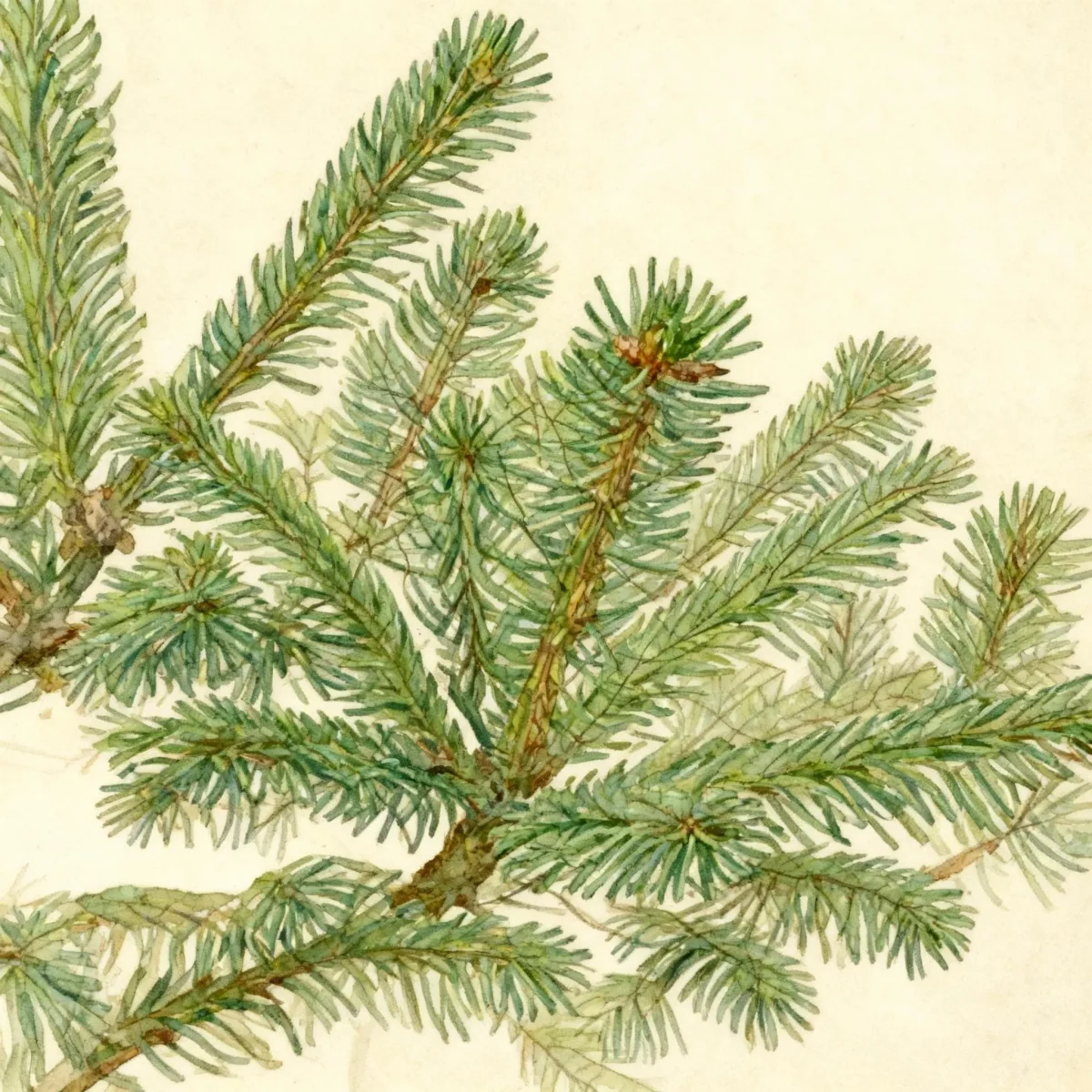
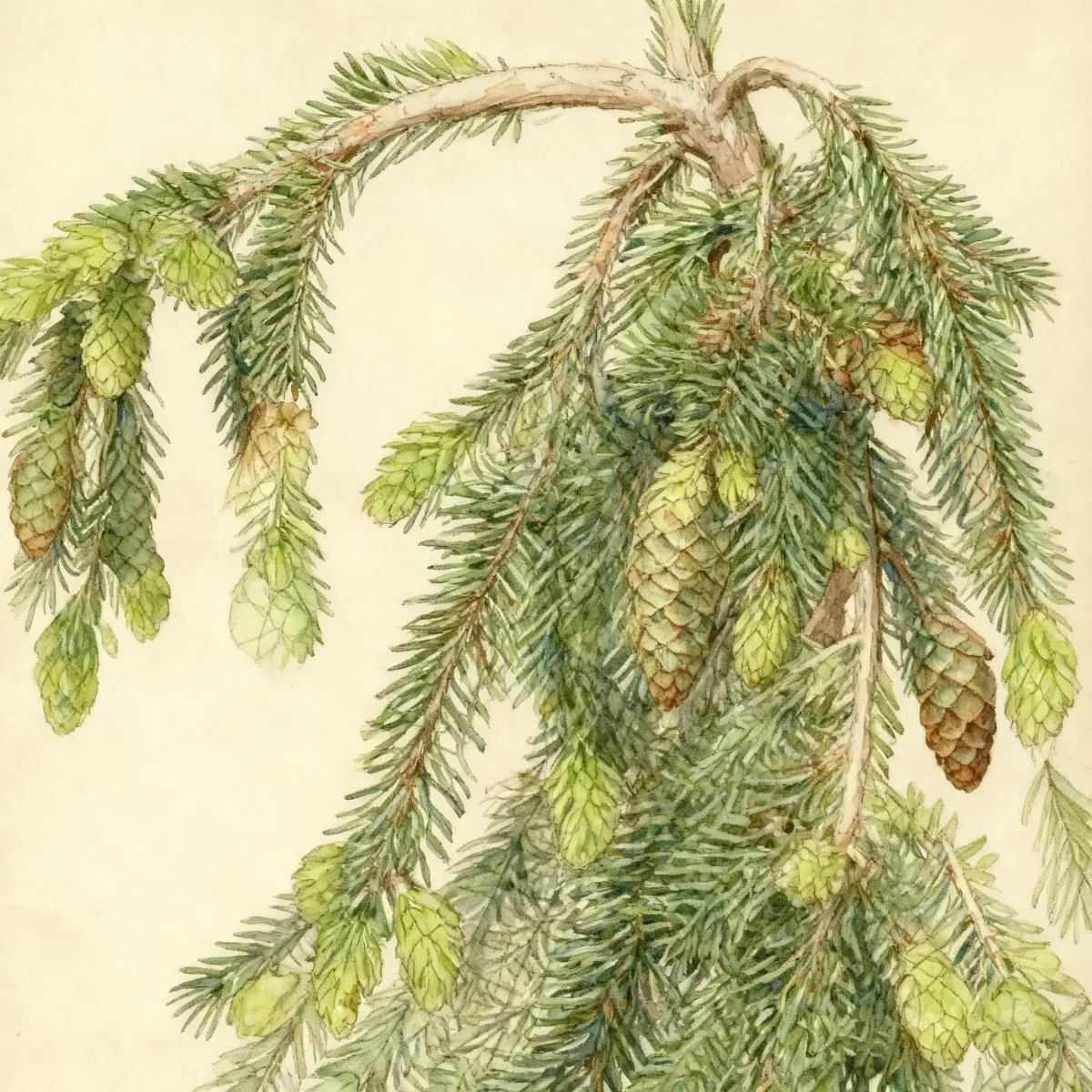
Snake fir (Picea abies 'Virgata')
Discover Picea abies 'Virgata', the unique Snake fir, noted for its slow-growing, snake-like branches. Perfect for accent planting in USDA Zones 4-6.
Scroll down to discover growing tips, care requirements, companion plants, and more

Complete Plant Information
Overview
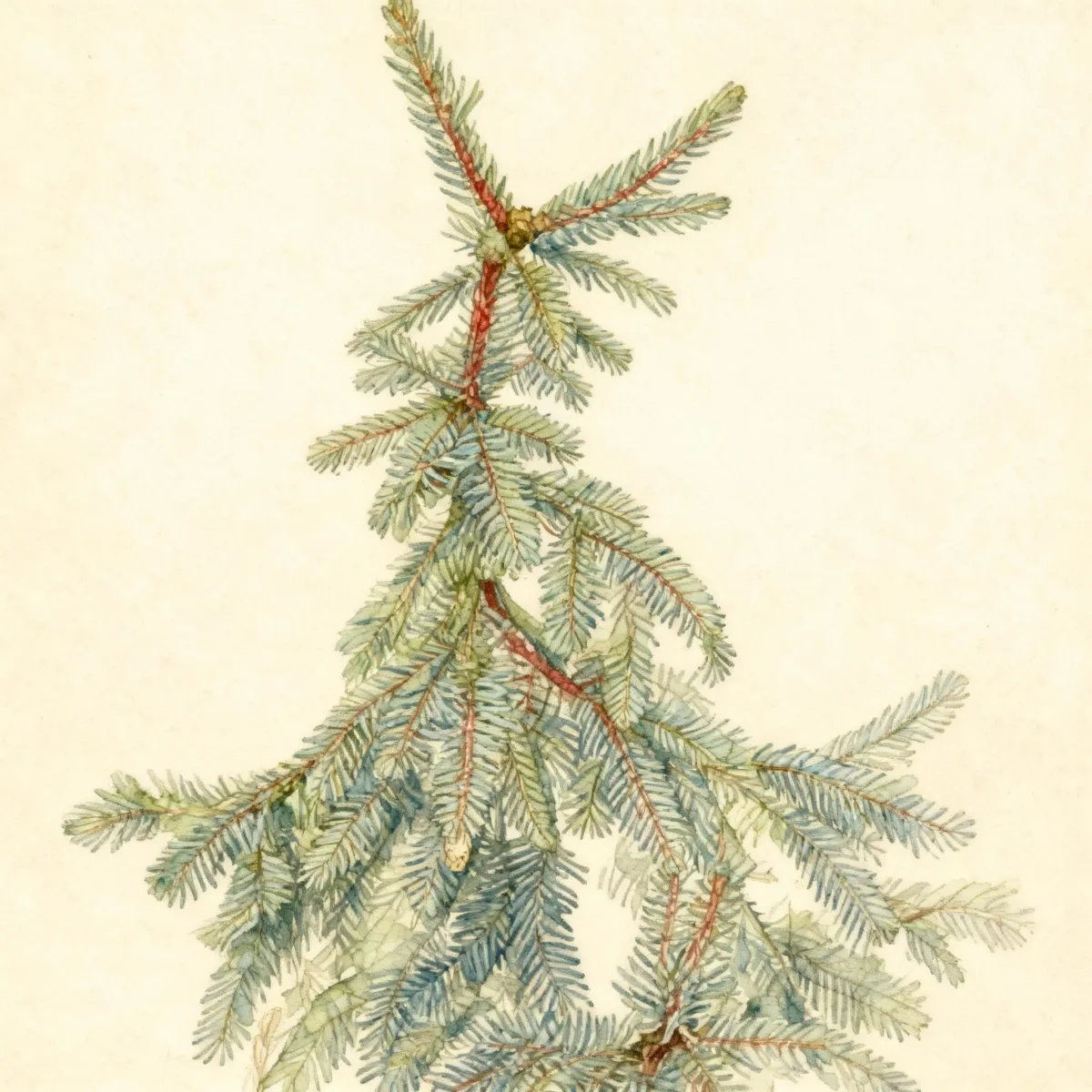
The Picea abies ‘Virgata’, commonly known as Snake fir, is a highly distinctive cultivar of the Norway spruce, cherished for its architectural, unusual branching pattern. Unlike the dense foliage of its parent species, this variety features long, sparse branches resembling thick, dangling cords or snakes, giving the Snake fir its evocative common name. This slow-growing conifer provides year-round structure and unique texture to the landscape.
Gardeners select Picea abies ‘Virgata’ specifically for its specimen quality and “Medusa-like beauty,” as described by Michael Dirr. While it matures significantly smaller than the towering Norway spruce, reaching heights between 15 to 20 feet, its low maintenance requirements make it an excellent choice for dedicated gardeners seeking dramatic, low-effort accents.
Cultivating the Snake fir successfully centers on providing consistent moisture and ample sunlight. It thrives best in cooler summer climates, preferring USDA Hardiness Zones 4 through 6. Its unique form ensures that the Picea abies ‘Virgata’ remains a captivating focal point across all seasons.
Fast Facts
- Plant Family: Pinaceae
- Plant Type: Needled evergreen
- Hardiness Zones: USDA Zones 4-6
- Size at Maturity:
- Height: 15-20 ft
- Spread: 8-12 ft
- Bloom Time: Non-flowering
- Bloom Description: Non-flowering
- Sun Exposure: Full sun
- Water Needs: Medium
- Maintenance Level: Low
How to Grow
Plant the Snake fir in late fall or early spring, ensuring the establishment period takes advantage of moderate weather. The Picea abies ‘Virgata’ requires full sun exposure to maintain optimal density and form, although it adapts well to partial shade if the light is still bright. Success hinges on providing average, acidic, evenly moist, and consistently well-drained soils; it performs particularly well where sandy soils offer good drainage.
Watering should be consistent, especially during the first few years as the root system establishes. Established Snake fir trees exhibit some tolerance for dryish soil conditions but perform best when soil moisture is maintained throughout the year. Fertilization is rarely necessary unless the plant is growing in very poor, nutrient-deficient soil.
This cultivar prefers locations that offer cool summer climates. Growth tends to be slower and less successful south of USDA Zone 7 due to heat stress. Pruning is generally minimal; if pruning is required, focus only on removing dead wood, allowing the characteristic serpentine branching structure of the Picea abies ‘Virgata’ to develop naturally.
Landscape Uses
The primary role of the Snake fir in landscape design is as a dramatic accent specimen. Due to its striking and irregular habit, this slow-growing conifer should be sited where its unusual texture can be fully appreciated, rather than being relegated to a dense background planting. A location near an entryway or visible from a main window maximizes its visual impact throughout the year.
Consider pairing the Picea abies ‘Virgata’ with plants that offer contrasting foliage qualities, such as broadleaf evergreens or plants with fine, airy textures. Because it demands well-drained soil, companion plants should share similar moisture requirements. This cultivar serves wonderfully as a contrast element against traditional pyramidal evergreens.
Standout Features
Noteworthy Characteristics
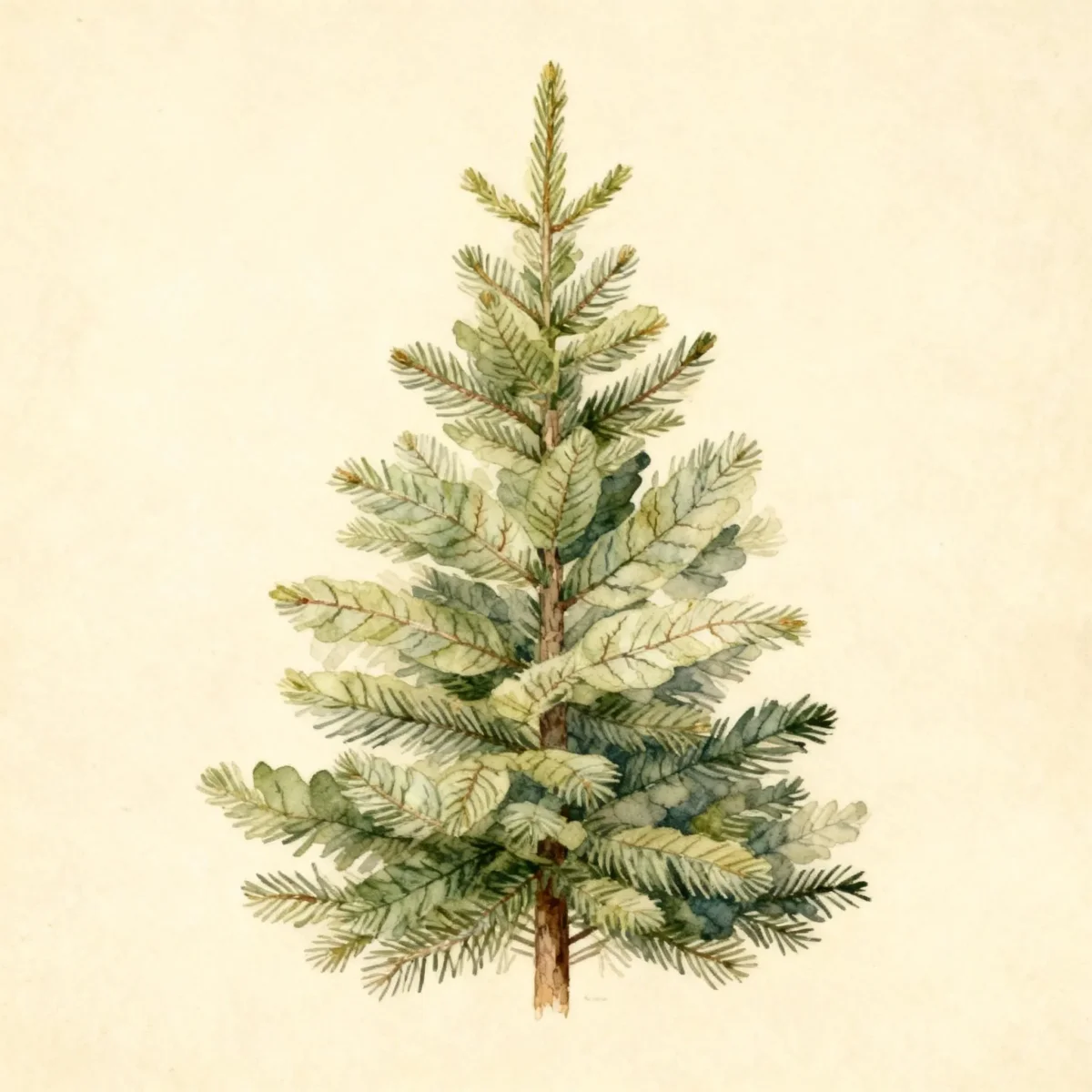
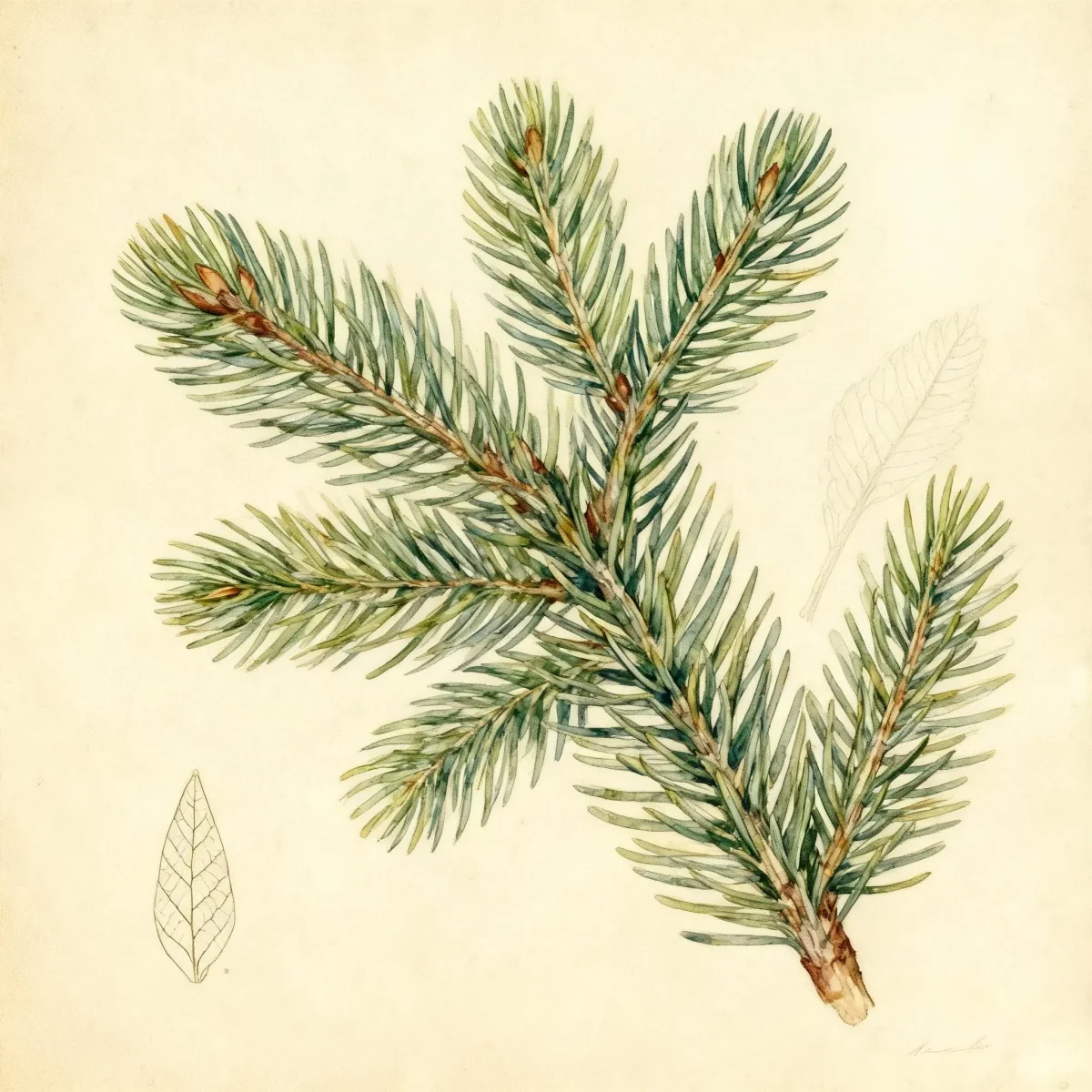
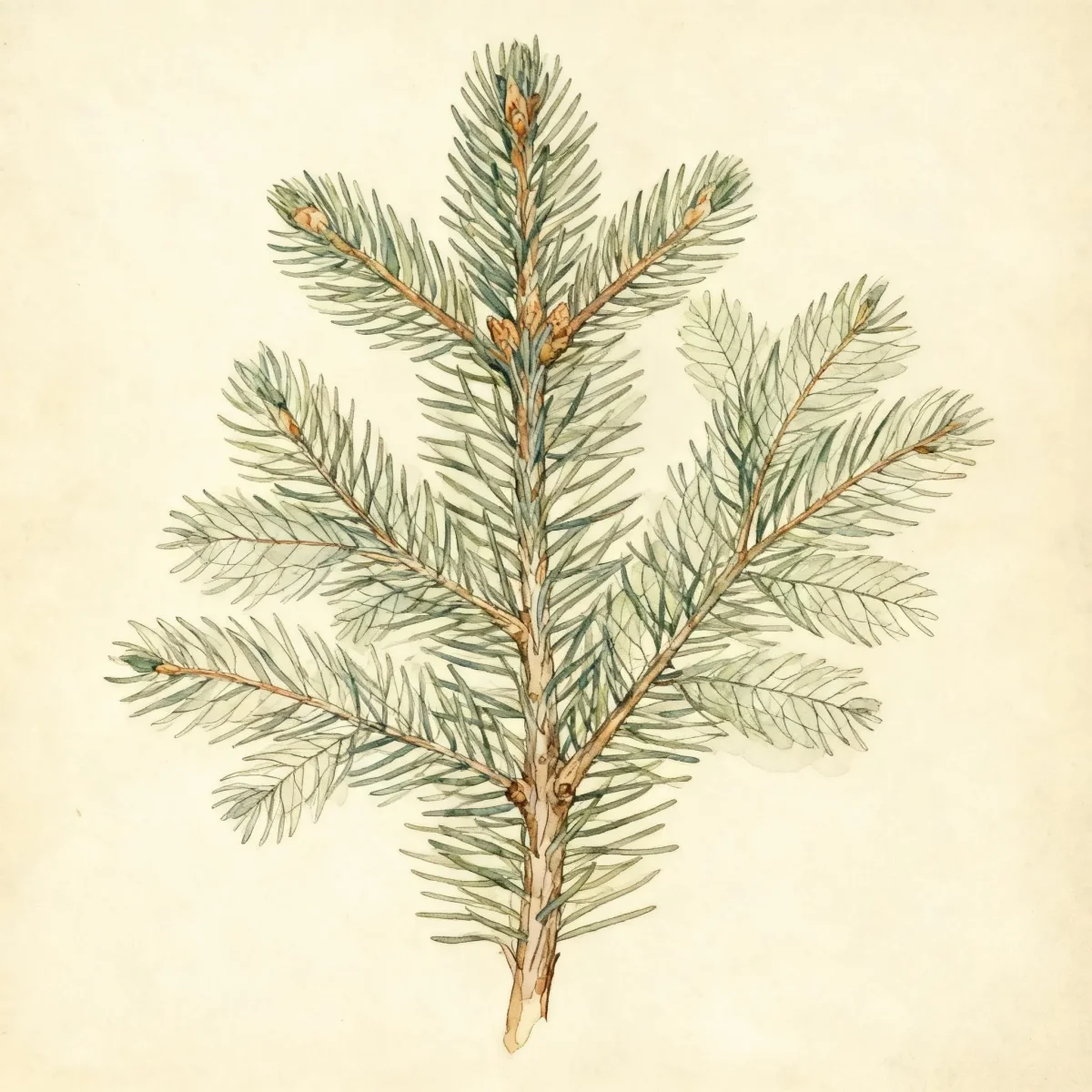
Picea abies, commonly called Norway spruce, is a large pyramidal evergreen conifer that is native to the mountains of northern and central Europe east to the Urals. In its native European habitat, it typically matures to 100-150’ (occasionally to 200’) tall. It has been widely planted in cool and temperate regions of North American where it typically matures to a much shorter 40-60’ (less frequently to 100’) tall. It is noted for its rapid growth. Primary branches are slightly upturned but secondary branches become pendulous as the tree matures. Branches are clad with spirally-arranged, four-sided, needle-like, deep green leaves which are attached at their bases to tiny pegs. Cylindrical seed bearing cones (to 9” long) are pendulous. In excess of 150 cultivars (mostly dwarf) have been named over the years. Cultivars can be very difficult to distinguish.Genus name is reportedly derived from the Latin word pix meaning “pitch” in reference to the sticky resin typically found in spruce bark.Specific epithet refers to its similarity to the genus Abies (fir).’Virgata’ (sometimes designated as P. Abies f. Virgata) is a slow-growing conical cultivar that typically matures to 20’ tall (infrequently taller) and to 12’ wide. The main branches have few if any lateral branches, resulting in an unusual tree having snake-like branches with long dark green needles (to 1 1/4” long) on thick stems. Michael Dirr describes this tree has having a “Medusa-like beauty” featuring “long, almost buggy-whip like branches”. ‘Virgata’ comes from the Latin virga (rod) in reference to the branches.
Tolerances
- Deer
- Air Pollution
Potential Problems
While generally low maintenance, like other spruce varieties, the Snake fir can be susceptible to certain fungal diseases and insect pests common to the Pinaceae family. Watch closely for Cytospora canker, wood decay, needle cast, and rust, which often appear when air circulation is poor or the plant is stressed by temperature extremes. Cultural care, such as ensuring proper spacing and avoiding overhead watering during humid periods, minimizes disease risk.
Insect issues to monitor include aphids, bagworms, budworms, and borers, with red spider mites sometimes becoming troublesome, particularly during hot, dry periods. A dormant oil spray can help manage overwintering pests, and prompt removal of any heavily infested branches can contain localized outbreaks of borers or bagworms.
Frequently Asked Questions
What hardiness zones is Snake fir suitable for?
Picea abies ‘Virgata’ is reliably hardy in USDA Zones 4 through 6. Gardeners should avoid planting south of Zone 7 to prevent stress from summer heat.
How large does Snake fir grow?
This unique cultivar matures to a manageable size for many properties, typically reaching a height between 15 and 20 feet, with a spread ranging from 8 to 12 feet wide.
What sun exposure does Picea abies ‘Virgata’ need?
The Snake fir requires full sun exposure—at least six hours of direct sunlight daily—to develop its best color and branching structure.
When does Picea abies ‘Virgata’ bloom?
As a conifer, the Snake fir is non-flowering; it produces small, pendulous seed cones instead of traditional flowers.
Conclusion
The Picea abies ‘Virgata’ offers unparalleled textural interest through its characteristic drooping, snake-like branches, making it a must-have replacement for overly common foundation plantings. Its low maintenance needs and medium size suit it perfectly for specialized accent planting in cooler regions. Before purchasing, confirm your site meets the full sun and acidic soil needs, ensuring your new Snake fir thrives for years to come.
Companion Planting for Contrast
When designing around this unique conifer, select plants that offer soft textures or broadleaf shapes to emphasize the linear drama of the Snake fir. Consider planting low-growing hostas or ferns beneath it in shadier spots on the north side, provided root competition is not excessive. For sunny borders, plants with chartreuse or golden foliage, such as certain creeping spirea cultivars, create a vibrant color contrast against the dark green needles.
Another excellent companion strategy involves contrasting growth habits. Place dome-shaped shrubs like Japanese boxwood or low-mounding groundcovers near the Picea abies ‘Virgata’ to highlight its vertical, weeping nature. Remember that since both plants prefer well-drained, moderately moist soil, grouping them simplifies irrigation and soil amendment efforts.
Seasonal Care Calendar
Spring is an ideal time for inspection after the winter thaw; clean up any winter debris around the base and check for pest activity starting just as buds begin to swell. If necessary, apply a balanced, slow-release fertilizer lightly around the drip line before active growth begins in mid-spring.
Summer care focuses primarily on monitoring soil moisture, especially during unexpected dry spells, as consistent water is crucial. Avoid heavy mulching too close to the trunk to prevent moisture buildup which can encourage fungal issues near the base of the Snake fir.
Fall preparation is low effort for established shrubs; ensure the area below the canopy is tidy. Unlike deciduous plants, this conifer is evergreen and benefits from deep watering before the ground freezes solid if the autumn has been unusually dry, helping protect its needles from winter burn.