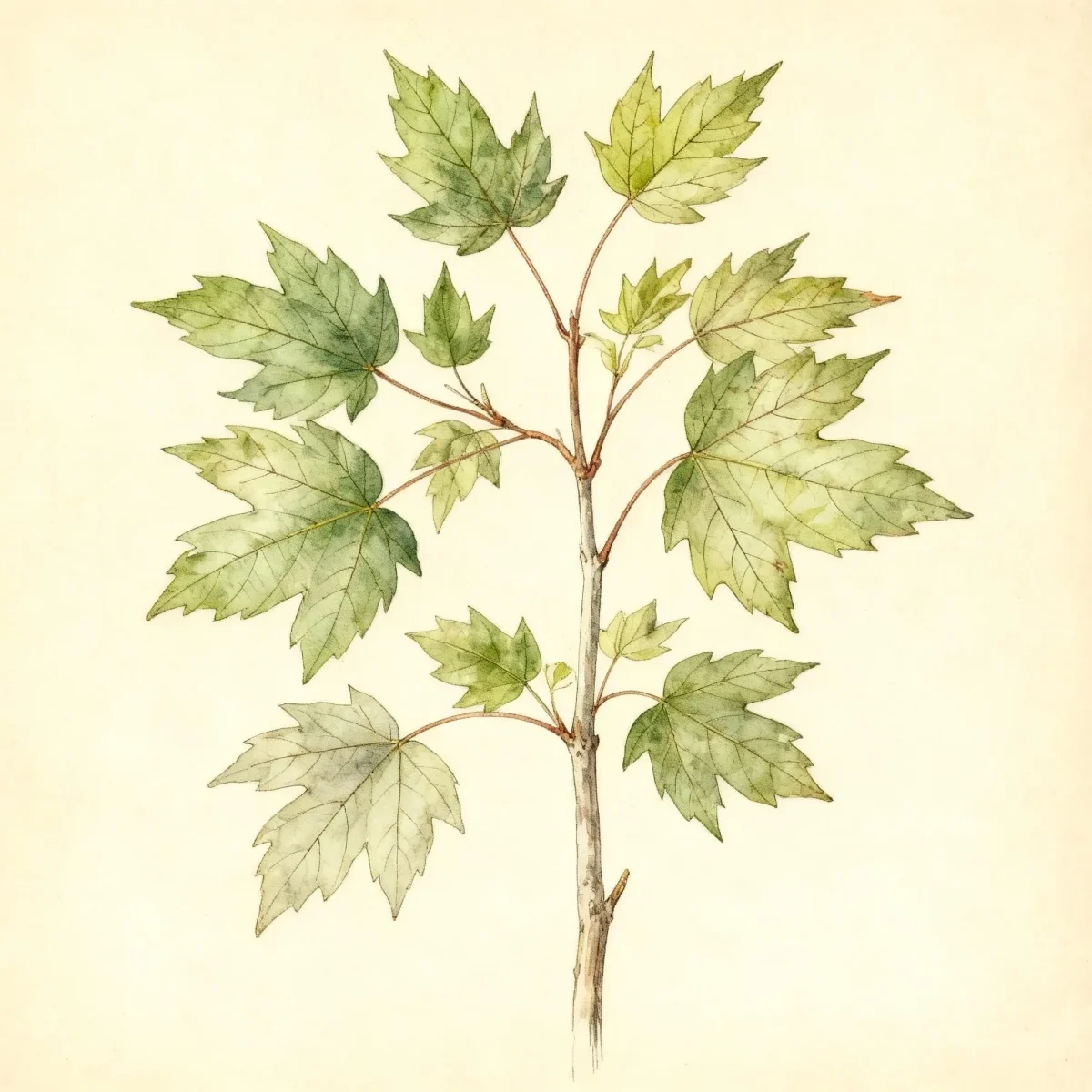
Boxelder (Acer negundo 'Flamingo')
Acer negundo 'Flamingo' Boxelder offers vibrant pink-tinged, variegated slow-maturing foliage, perfect for tough landscapes.
Scroll down to discover growing tips, care requirements, companion plants, and more
Complete Plant Information
Overview
The Boxelder, specifically the cultivar known as Acer negundo ‘Flamingo’, is a unique and adaptable member of the maple family valued for its striking foliage during the growing season. Unlike the plain green Boxelder, this variety features new leaves emerging with pink coloration before maturing into a lovely green marked by distinct white variegation. This makes Acer negundo ‘Flamingo’ an eye-catching addition where tolerance and visual interest are key requirements.
As a fast-growing deciduous tree, the Boxelder establishes rapidly, providing quick shade potential in challenging environments. It is renowned for its resilience, thriving across a broad spectrum of soil conditions and tolerating significant moisture fluctuation, making it a tough workhorse in the landscape. While the species has weak wood, the ornamental value of Acer negundo ‘Flamingo’ often outweighs these concerns for specific challenging sites.
Gardeners should utilize this variety where superior ornamental trees struggle due to poor soil or harsh climate exposure. While technically having insignificant flowers, the beautiful, variegated foliage of the Boxelder provides season-long interest, particularly when sited where it receives protection from the most intense afternoon sun.
Fast Facts
- Plant Family: Sapindaceae
- Plant Type: Tree
- Hardiness Zones: USDA Zones 3-9
- Size at Maturity:
- Height: 30-50 ft
- Spread: 25-35 ft
- Bloom Time: March to April
- Bloom Description: Greenish yellow
- Sun Exposure: Full sun to part shade
- Water Needs: Medium to wet
- Maintenance Level: Low
How to Grow
Planting the Boxelder is generally easiest in spring or fall, allowing the roots time to establish before extreme temperatures hit. Acer negundo ‘Flamingo’ is extremely adaptable; place it in average soil, provided it has full sun. While it handles poor, dry soils well, this variety performs best with medium moisture, particularly in hot regions. Remember that the foliage of Acer negundo ‘Flamingo’ appreciates some afternoon shade when planted in hot summer climates to prevent potential leaf scorch.
Maintenance for this tree is generally considered low, which contributes to its widespread adoption in difficult sites. Watering needs are moderate, though once established, it shows significant drought tolerance. Fertilization is rarely required unless the soil quality is exceptionally poor. Pruning should focus on removing deadwood or addressing weak, crossing branches, especially those susceptible to breakage.
Avoid planting the Boxelder where it might interfere with structures, as its wood is relatively weak, and branches can break in heavy storms or ice loads. For the best display of variegation, ensure male trees are selected if avoiding the occasional nuisance of fruit drop characteristic of female specimens. Winter care is minimal; the tree is extremely cold-hardy across its range.
Landscape Uses
The primary role of Acer negundo ‘Flamingo’ is as a swift shade provider in areas where more delicate species fail. It is generally recommended for difficult corners of the landscape, especially in cold northern climates (like parts of the Dakotas) where finding reliable deciduous shade trees is challenging. Its low maintenance requirements complement its utilitarian function.
The striking appeal of the variegated foliage elevates this Boxelder above its common counterparts. Consider using Acer negundo ‘Flamingo’ along woodland margins or as an informal screen where its irregular form can be softly integrated. While it serves a practical function, its white and pink-tinged leaves provide much better ornamental value than other tough, faster-growing trees.
If space allows for its 25 to 35-foot spread, it functions well as a specimen in large, low-maintenance naturalistic plantings. Due to their hardiness, they serve as excellent nurse trees, supporting the establishment of slower-growing, higher-value ornamental trees planted nearby.
Standout Features
Flower Qualities
- Insignificant
Noteworthy Characteristics
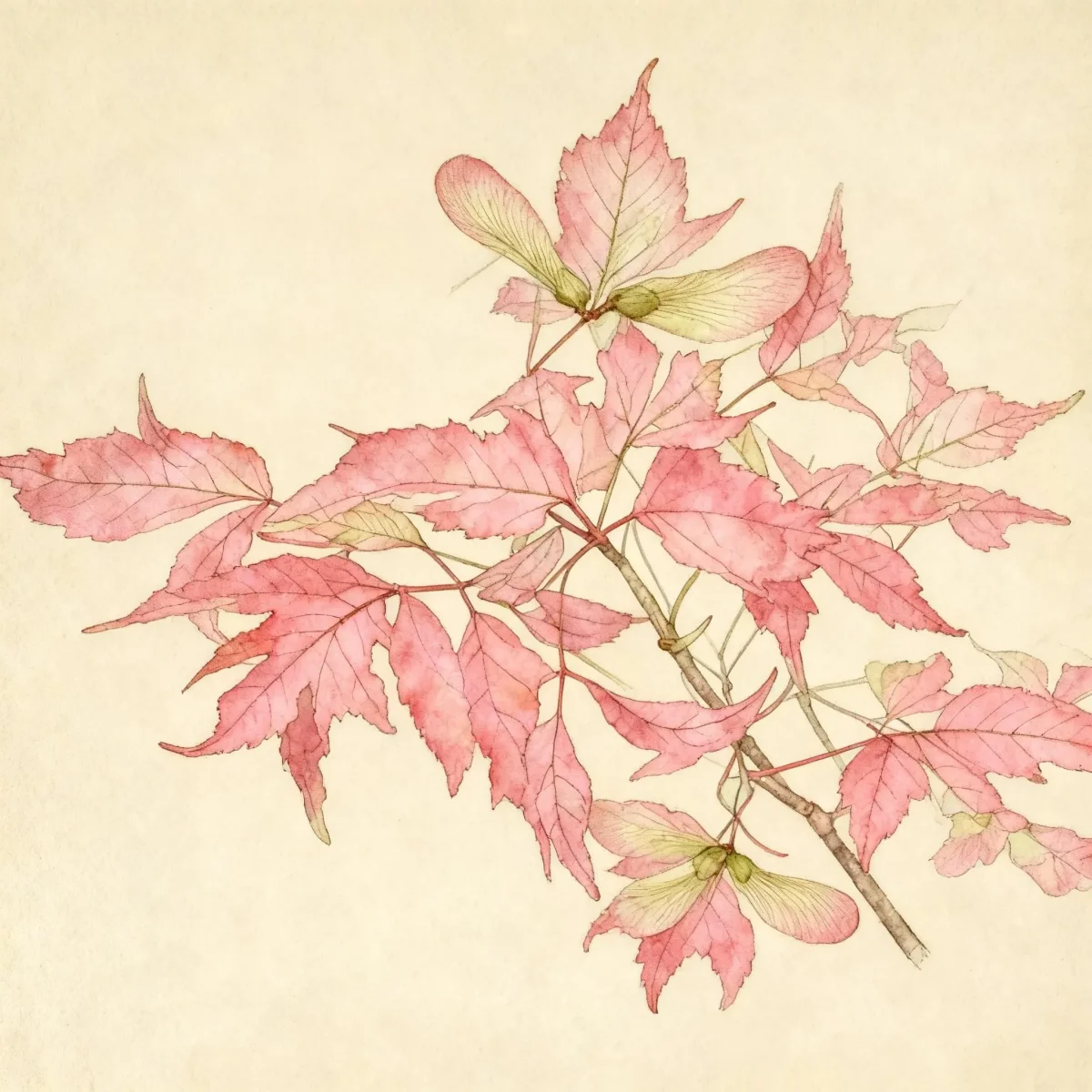
The species, commonly known as box elder, is a fast-growing, weak-wooded, medium-sized deciduous tree known for its odd-pinnate compound leaves that sometimes resemble poison ivy. This cultivar, Acer negundo ‘Flamingo’, is specifically noted for its variegated foliage, with new growth often showing pink hues before maturing to green leaves splashed with distinct white variegation. Fall color typically shifts toward an undistinguished yellow or orange.
Tolerances
- Drought
- Clay Soil
- Wet Soil
- Air Pollution
Potential Problems
The Boxelder genus is host to several common pests and diseases that landscape managers should anticipate. A significant nuisance comes from boxelder bugs, which primarily use the tree for shelter and do not typically harm the tree itself, but they often congregate near homes and can become highly bothersome. The tree is also susceptible to borers, depending on its health and location.
Disease issues are usually minor but can include occasional outbreaks of anthracnose, powdery mildew, and canker, especially on stressed or highly dense specimens. The most serious structural issue is the weak nature of the wood; branches are prone to breakage under duress from high winds or the weight imposed by heavy ice or snow accumulation, which can severely disrupt the tree’s intended shape.
Management should focus on keeping the tree healthy to resist pests and diseases, using proper pruning techniques to thin crowded centers and remove weak limbs proactively. If proximity to the home is an issue, consider planting only male seedless varieties of the Boxelder.
Frequently Asked Questions
What hardiness zones is Boxelder suitable for?
The Acer negundo ‘Flamingo’ is exceptionally hardy, thriving in USDA Zones 3 through 9.
How large does Boxelder grow?
This tree typically reaches heights between 30 and 50 feet, with a spread ranging from 25 to 35 feet, forming a rounded crown.
What sun exposure does Acer negundo ‘Flamingo’ need?
For best vigor and variegation, this cultivar prefers full sun to partial shade. Providing some afternoon shade in very hot climates prevents potential leaf scorching on the attractive foliage.
When does Boxelder bloom?
The flowering period for this maple occurs relatively early in the year, generally from March to April, producing inconspicuous greenish-yellow flowers.
Conclusion
The Acer negundo ‘Flamingo’ offers a fantastic solution for gardeners needing a resilient, fast-growing shade tree capable of thriving in difficult soil conditions. Its principal ornamental draw is the unique white and pink variegation across its compound leaves, distinguishing it from the standard Boxelder. Before integrating this tough cultivar into your planting scheme, confirm that your site falls within USDA Zones 3-9 and plan for adequate space to accommodate its 50-foot potential spread.
Companion Planting
When planning the border for your Boxelder, select companions that also tolerate robust root systems and varied soil moisture. Because the Boxelder is somewhat fast-growing and informal, pairing it with sturdier, texture-rich shrubs can create visual anchors. Species like hardy Hydrangeas or certain native Viburnums thrive in similar medium to moist soil profiles found near established maples.
Since the Boxelder is often relegated to tougher corners, consider underplanting with resilient groundcovers that can handle root competition and varying light; ferns that tolerate shade or rugged native grasses work well beneath the canopy. Avoid highly delicate or shallow-rooted perennials directly at the base, as the maple’s nutrient and water demands can suppress them.
Design Ideas for Variegated Foliage
The white variegation on the mature leaves of Acer negundo ‘Flamingo’ offers a bright contrast, particularly effective in shaded areas where traditional green foliage can appear dull. Use this light-reflecting quality to illuminate darker garden borders or woodland edges in your landscape design. When the new pink tips emerge, these trees provide unexpected seasonal color pops before traditional spring flowers arrive.
To emphasize the structure of this tree, site it where its canopy can be viewed against a dark backdrop, such as an evergreen hedge or dark siding. This contrast sharpens the visual impact of the leaf pattern. Because it is dioecious, selecting a male specimen ensures minimal cleanup, focusing the design purely on the aesthetic appeal of the variegated leaves through summer and its yellow fall display.